2027 Are Too Many Students Choosing Sports Science? Oversaturation, Competition, and Hiring Reality

Co-Founder and Chief Data Scientist
A recent graduate with a degree in sports science faces a harsh reality: dozens of equally qualified peers are chasing a limited number of entry-level roles in athletic training, coaching, or rehabilitation.
According to the National Center for Education Statistics, the number of sports science bachelor's degrees awarded in the U. S. increased by over 30% in the past decade, while job openings in related fields have not kept pace.
This mismatch fuels intense competition and challenges candidates trying to differentiate themselves amid an expanding talent pool. This article explores oversaturation, competitive pressures, and the hiring realities shaping careers in sports science today.
Key Things to Know About the Oversaturation, Competition, and Hiring Reality in the Sports Science Field
- Rising graduate numbers in sports science lead to a saturated job market, with employment growth projected at only 6% through 2030, below average for related health fields.
- Increased competition raises hiring standards, requiring candidates to distinguish themselves via internships, certifications, and specialized skills beyond academic credentials.
- Awareness of market saturation encourages realistic career planning, favoring roles in emerging sectors like sports analytics and rehabilitation over traditional coaching positions.
Is the Sports Science Field Oversaturated With Graduates?
Oversaturation in the sports science field arises when the quantity of graduates entering the job market exceeds the number of professional roles available. This imbalance creates a scenario where more qualified individuals compete for fewer positions related to their expertise.
For example, recent data shows that the supply of sports science graduates increased by about 15% over five years, whereas job openings in related areas only grew by 5% during the same timeframe. Such disparity highlights the growing challenge in aligning graduate output with industry demand.
As oversaturation intensifies, hiring managers often adjust their expectations to sift through a more crowded applicant pool. Employers may prioritize candidates with practical experience, additional certifications, or specialized skills beyond the foundational degree.
This shift reflects the need to differentiate among many well-qualified applicants, making the hiring process more selective and competitive. Consequently, the presence of numerous graduates influences how candidates are evaluated and the value placed on basic qualifications.
What Makes Sports Science an Attractive Degree Choice?
Interest in Sports Science continues to grow among students worldwide, driven by its unique blend of physical health, biology, and psychology.
Enrollment in sports science-related programs has increased by more than 15% over the past five years, highlighting its expanding appeal. This trend shows why many consider sports science a rewarding major choice.
Several factors contribute to the enduring popularity of sports science. These include:
- Versatility: Sports science covers a wide range of subjects like anatomy, physiology, biomechanics, nutrition, and psychology, giving students a broad interdisciplinary foundation. This variety allows learners to tailor their studies to multiple interests within human performance and health.
- Broad Applicability: The knowledge gained extends beyond elite athletic performance into public health, wellness programs, rehabilitation, and the fitness industry. This broad relevance attracts students who want to impact diverse areas where physical activity plays a crucial role.
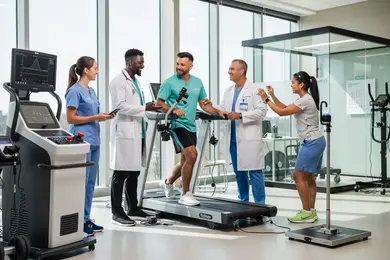
- Hands-On Learning: Practical experience through labs, exercise testing, and community engagement makes studying sports science more engaging and grounded. These interactive opportunities help students understand concepts deeply while maintaining enthusiasm for the subject.
- Alignment with Interests: Many learners are passionate about sports, fitness, and promoting well-being. The degree connects strongly with their personal lifestyle choices and academic goals.
- Foundational Knowledge: Sports science equips students with lifelong understanding about health and fitness, benefiting both professional paths and everyday life.
Prospective students exploring fast medical assistant programs might also find value in complementing their sports science background with accelerated healthcare training to expand their career options.
What Are the Job Prospects for Sports Science Graduates?
The employment outlook for sports science graduates varies widely depending on the specific career path and sector. While demand remains stable in several areas, competition can be intense due to the increasing number of graduates.
Industry data indicates that around 75% of sports science graduates secure relevant jobs within six months of finishing their degree.
Below are some common roles pursued by sports science graduates and the typical hiring landscape for each:
- Exercise Physiologist: These specialists develop exercise plans for clients with medical conditions and injuries. Positions are fairly steady, especially within healthcare and rehabilitation facilities, but usually require certifications or further education beyond a bachelor's degree.
- Sports Coach: Coaches work to enhance athletes' skills and performance at many levels. Despite diverse opportunities from grassroots clubs to professional teams, competition for coaching roles is high with relatively few openings.
- Sports Scientist: This role emphasizes applying research and data analysis to boost athletic outcomes. Jobs are more common in elite sports organizations and academic environments, often demanding relevant internships or research experience to gain entry.
- Rehabilitation Specialist: Focused on injury treatment and prevention, these roles exist primarily in physiotherapy and sports medicine settings. Demand remains consistent but often requires additional health-related qualifications beside a sports science degree.
- Fitness Trainer: Personal trainers and fitness instructors have a broad but fragmented market. Many work independently or on contracts, which can lead to variable job security despite the steady demand.
When asked about job prospects, a sports science graduate shared that navigating the field was both challenging and revealing. "I quickly realized that beyond the degree, certifications and networking mattered a lot," he said.
He described applying to numerous positions and attending internships to gain entry-level experience. Although the competition was daunting, he found persistence and strategic choices helped him eventually secure a role aligned with his interests.
The employment outlook for sports science graduates presents mixed signals, with demand varying across roles and sectors. The U.S. Bureau of Labor Statistics predicts an 11% growth in related fields like exercise physiology from 2022 to 2032, indicating faster-than-average job market expansion.
However, actual opportunities depend heavily on the specific career path and location. Here are some insights into job prospects and demand in sports science careers:
- Exercise Physiologists: Growth is expected as preventive health programs gain popularity, particularly within clinical and rehabilitation environments.
- Athletic Trainers: Positions remain steady in educational institutions and sports teams, though competition is fierce due to limited openings.
- Fitness Trainers and Instructors: Increasing public focus on wellness boosts demand, though many jobs are part-time or contract-based, affecting job stability.
- Sports Nutritionists: Awareness of nutrition's impact on athletes is driving modest growth, mostly in private practice and team settings.
Despite positive trends, oversaturation in sports science roles is common because of many applicants pursuing similar jobs. Hiring outcomes often relate to geographic region and funding source, with private centers and fitness facilities offering more openings than public or collegiate programs.
Students exploring alternatives might also consider nursing programs no TEAS required for diverse career options.
The job market for sports science graduates is highly competitive due to the large number of new entrants each year and relatively limited job openings. In some regions, studies show that up to 10 applicants may vie for every available position within sports-related fields, particularly at the entry level.
Roles focused on coaching, fitness training, and rehabilitation support often draw the highest applicant volume, making initial hires especially selective. Meanwhile, specialist roles requiring advanced skills or postgraduate qualifications remain scarce but demand deeper expertise.
Variations in competitiveness arise from differences between sectors, certification requirements, and geographic locations. For example, elite athlete support and research roles typically feature fewer vacancies but attract candidates with specialized training and experience.
Conversely, positions in fitness and wellness tend to be more abundant but offer lower pay and less stability, which can result in overwhelming applicant pools. Additionally, urban centers concentrate demand and applicants alike, while rural areas experience less competition but fewer job options.
When asked about her experience navigating the sports science job market, a professional with a sports science degree reflected on the emotional toll of persistent rejection despite strong credentials.
She shared how the lengthy application processes and repeated interviews often felt discouraging, but emphasized that persistence built resilience.
"Each opportunity taught me something new about what employers value," she noted, highlighting that success came not just from formal education but also from adaptability and ongoing skill development in the field. Her story illustrates firsthand how competitive yet rewarding this career landscape can be.
Certain sports science careers experience less intense competition due to persistent demand, specialized skill sets, and workforce shortages in key areas.
For instance, rehabilitation therapy roles show a vacancy rate roughly 20% higher than the average across healthcare professions, reflecting ongoing challenges in filling these positions. Broader qualification pathways and geographic factors also contribute to varying competition levels.
Below are examples of some less competitive sports science roles:
- Exercise Physiologist: These professionals benefit from steady demand linked to public interest in physical health and chronic disease management. Certification requirements narrow the candidate pool, reducing applicant oversaturation.
- Rehabilitation Therapist: High vacancy rates signal an acute shortage of qualified specialists focused on recovery and therapy. This demand sustains relatively stable job openings with fewer applicants competing.
- Community Sports Development Officer: Often working in decentralized or rural areas, these roles face less candidate competition due to geographic distribution and smaller organizational sizes.
- Wellness Coordinator: The position typically involves broader entry requirements, attracting diverse candidates while maintaining moderate competition because jobs are spread across many industries and locations.
- Performance Analyst in Less Saturated Markets: Analysts operating outside major leagues or elite programs encounter fewer applicants, benefiting from niche markets with less applicant concentration.
Salary levels significantly influence job market saturation within sports science fields. Higher-paying positions tend to attract a larger number of candidates, leading to increased competition in these roles.
For instance, jobs such as sports physiologists or performance analysts often offer salaries between $50,000 and $80,000 annually, which appeals to many graduates seeking financially rewarding opportunities.
Conversely, lower-paying roles like assistant coaches or sports rehabilitation aides may receive fewer applications or remain vacant due to less attractive compensation.
These salary disparities result in uneven candidate distribution across the sports science job market, concentrating oversaturation in well-paid positions while lower-paying yet essential roles face chronic understaffing.
As financial stability often signals opportunity quality, competition intensifies in higher-paying roles, potentially misrepresenting the overall hiring outlook.
A 2023 study found that the average starting salary for sports science graduates in the United States is around $45,000 annually, although this varies by specific job and region, reflecting the complexity of supply and demand in this diverse field.
Graduates in sports science can significantly improve their employability and shorten hiring times by developing both foundational knowledge and practical, applied skills. Recent data shows that over 60% of employers prefer candidates with a blend of analytical and communication abilities, which helps reduce onboarding periods.
These essential skills for sports science graduates enable them to meet the demands of an often competitive and crowded job market with confidence.
The following skills are particularly valuable for enhancing how to improve sports science employability and speeding up the transition into the workforce:
- Data Analysis: Proficiency in interpreting complex datasets and using statistical software is increasingly critical. This skill empowers graduates to contribute to evidence-based decisions and makes them attractive hires who can add immediate value.
- Communication Skills: The ability to clearly articulate scientific concepts and collaborate with diverse teams boosts integration into professional settings. Effective communication allows graduates to share actionable insights with coaches, athletes, or healthcare providers.
- Technical Proficiency: Familiarity with modern equipment, such as wearable sensors and biomechanical analysis tools, reduces the need for extensive training. Graduates who master these technologies can hit the ground running, which employers highly appreciate.
- Critical Thinking: Being able to evaluate situations independently and propose innovative solutions highlights adaptability. These problem-solving skills indicate readiness to handle real-world challenges with minimal supervision.
- Human Physiology Knowledge: A solid understanding of anatomy and body systems reinforces credibility and effectiveness. This foundational expertise supports faster integration into roles requiring immediate knowledge application.
For students interested in accelerating their education and career entry, exploring fast track career programs may offer additional pathways to enhance their skill set efficiently.
Graduates with a sports science degree often find their expertise applicable beyond traditional roles like coaching or athletic training. The versatility of their training allows them to explore diverse job markets where their understanding of physiology, biomechanics, and nutrition is valued.
This adaptability is especially important given the competition and concerns about oversaturation in the field.
Many alternative career options for sports science graduates involve applying their skills in various professional environments. These options include:
- Health and Wellness Promotion: Graduates leverage their knowledge of human performance to design community programs that promote healthier lifestyles. They work with diverse groups to encourage fitness and prevent chronic illnesses through structured exercise initiatives.
- Occupational Health and Ergonomics: In this field, sports science graduates assess workplace environments to reduce injury risks and improve productivity. Their expertise in body mechanics supports recommendations for safer posture and movement during physical tasks.
- Fitness Technology Development: Collaborating with engineers and designers, sports science experts help develop wearable devices, fitness apps, and exercise equipment. Their input ensures these products are scientifically accurate and user-friendly for monitoring physical performance.
- Sports Psychology Support and Rehabilitation: Graduates can support athletes by addressing mental and physical recovery aspects. Understanding the physiological-psychological connection enables them to provide comprehensive care beyond just physical training.
- Research and Education: Opportunities exist for graduates to contribute to advancing human movement sciences through research design, data analysis, or teaching. This pathway fosters evidence-based practices within the field and related industries.
For students concerned about career paths beyond sports science degree programs, exploring these roles can offer viable alternatives. Some may also consider interdisciplinary studies or additional credentials, such as those found in the best DNP programs online, to further broaden their employment prospects.
Sports science degrees remain relevant in today's labor market, though their value often hinges on career direction and specialization.
Graduates focused on physiotherapy, exercise rehabilitation, or sports analytics tend to achieve better employment outcomes, supported by a 2023 report from the Higher Education Statistics Agency showing about 72% of sports science graduates secure jobs within six months.
This reflects the demand for specialized skills in growing sectors such as health, fitness, and wellness. Understanding the value of a sports science degree in job market terms requires recognizing these varying opportunities.
The degree's interdisciplinary approach offers flexibility by combining physiology, biomechanics, psychology, and nutrition, equipping graduates with diverse skills. Emphasis on analytical thinking, data interpretation, and communication enhances adaptation to evolving workforce needs, making the degree useful beyond traditional roles.
These factors contribute to positive career prospects with a sports science degree, especially when complemented by practical experience and targeted specialization.
For those considering further education, exploring options like a fastest online master's in healthcare administration can also broaden opportunities.
What Graduates Say About the Oversaturation, Competition, and Hiring Reality in the Sports Science Field
- Cecile: "Graduating with a Sports science degree opened my eyes to just how saturated the field really is. The competition for the most coveted roles is fierce, so I quickly learned that standing out through specialized certifications and networking was essential. This degree has been invaluable in building my career, but I always remind newcomers to be prepared for the reality of the job market."
- Ben: "Reflecting on my journey, I found that understanding the hiring reality for Sports science graduates is crucial for setting realistic expectations. The field is competitive, but exploring less traditional or niche roles within and adjacent to sports helped me carve out a successful path. My degree has given me a solid foundation, but adaptability and strategic career choices truly made the difference."
- Vanessa: "As a recent Sports science graduate, I was initially excited but soon realized how tough competition can be in this space. Ultimately, I chose to pursue alternative career paths related to sports that are less overcrowded, which allowed me to leverage my skills more effectively. The degree remains a strong asset, but success requires more than just academic credentials-it demands creativity and persistence."
Other Things You Should Know About Sports Science Degrees
Internships provide practical experience that many employers in sports science prioritize. Students who complete internships often develop specialized skills and industry connections that significantly improve their employability. Additionally, internships can lead to job offers within the same organizations or networks.
Job opportunities in sports science tend to be concentrated in regions with strong athletic programs, sports teams, and research institutions. Graduates in metropolitan areas or regions with sports facilities often find a higher number of openings compared to rural areas. Geographic flexibility can therefore be a critical factor in securing employment.
Many employers in sports science prefer candidates who hold relevant professional certifications, such as strength and conditioning credentials or health and fitness certifications. These certifications demonstrate validated expertise and adherence to industry standards, often giving applicants a competitive edge. They also reflect a commitment to ongoing professional development.
Applied sport analytics, clinical exercise physiology, and rehabilitation support are less crowded than entry-level coaching roles. In 2027, employers in hospitals, elite performance centers, and research units often ask for ACSM or NSCA credentials plus supervised placement hours, which reduces competition compared with general fitness jobs.
- The Ultimate Guide to Getting Work Experience in Sports Science - Supporting Champions https://www.supportingchampions.co.uk/the-ultimate-guide-to-getting-work-experience-in-sports-science/
- The Lack of a Sports Science Program Disadvantages Students — The Santa Clara https://www.thesantaclara.org/blog/tsb0qh336wjn6gu57iesvvoz5bj3fs
- Sports Science Research: the Strengths, Weaknesses and Opportunities - Performance Institute https://leadersinsport.com/performance-institute/articles/sports-science-research-the-strengths-weaknesses-and-opportunities/
- 3 Essential Skills for Sport Scientists in 2025 https://www.sporthorizon.co.uk/blog/3-essential-skills-for-sport-scientists-in-2025
- 8 Rewarding Careers for Aspiring Exercise and Sport Scientists https://www.sacredheart.edu/news-room/news-listing/8-rewarding-careers-for-aspiring-exercise-and-sport-scientists/
- The Current State of the Sport Science Field and Careers – Integration, Data, and Professional Pathways https://www.nsca.com/education/articles/nsca-coach/sport-science-field-and-careers/
- Top Reasons to Study Sports Science Degrees - AECC https://www.aeccglobal.sg/blog/top-reasons-to-study-sports-science-degrees/
- ESSA's career guide for Accredited Sports Scientists and Accredited High Performance Managers https://www.essa.org.au/Web/Web/Resources/Tools-and-templates/career-guide-asps-ahpm.aspx
- Overcome Challenges When Pivoting Career in the Sports Industry https://aists.org/overcoming-challenges-when-pivoting-your-career-towards-the-sports-industry/
- Why study sports science? https://www.whatuni.com/advice/research-and-prep/reasons-to-study-sports-science/128779/