2027 Best Career Pivot Options for People With a Sports Science Degree

Co-Founder and Chief Data Scientist
Many graduates with a Sports Science degree face uncertainty when considering career shifts. Their specialized training offers valuable skills but often lacks clear pathways outside traditional roles.
Transferable competencies such as data analysis, biomechanics, and health promotion open doors, yet less than 30% of Sports Science degree holders report feeling confident about pivoting industries. Entry-level roles in health tech, wellness consulting, or rehabilitation services offer growth potential, especially when combined with targeted certifications and strategic networking.
This article explores evidence-based strategies to reframe resumes, pursue credential upgrades, and identify high-growth sectors, providing a roadmap for sustainable, fulfilling career pivots for Sports Science graduates at any stage.
Key Things to Know About the Best Career Pivot Options for People With a Sports Science Degree
- Skills in biomechanics and data interpretation are highly valued in high-growth sectors like health tech and rehabilitation, offering diverse accessible entry-level roles.
- Credential enhancement through certifications in fitness training, health coaching, or digital analytics significantly improves employability and supports effective resume reframing toward targeted pivot professions.
- Strategic networking, leveraging industry events and online platforms, combined with emphasizing transferable skills greatly increases long-term career outcomes and salary potential across allied health and wellness fields.
What Career Pivot Options Are Available to People With a Sports Science Degree?
Career pivoting is increasingly common and professionally legitimate in today's evolving labor market. Bureau of Labor Statistics data confirms workers now change jobs and career paths more frequently than previous generations, influenced by economic shifts, technological progress, and personal priorities.
The National Association of Colleges and Employers finds transferable skills are highly sought after across many industries. A degree in Sports Science offers a particularly versatile foundation, combining physiology, biomechanics, nutrition, and research methods, which opens doors far beyond traditional athletic or fitness roles.
LinkedIn Workforce Insights reveal that graduates with backgrounds bridging social science, health, and technical skills successfully transition into emerging sectors focused on health technology, wellness, and data-driven decision-making.
For recent Sports Science graduates looking to change careers, several prominent pivot options stand out:
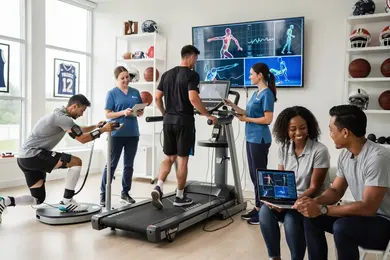
- Healthcare and Rehabilitation: Many leverage their anatomical and physical performance knowledge to pursue roles such as physical therapy assistants, occupational therapy aides, or rehabilitation specialists, often obtaining additional certifications.
- Fitness and Wellness Management: Beyond personal training, positions in wellness program coordination, corporate health promotion, and exercise physiology allow sports science skills to optimize health and performance in diverse settings.
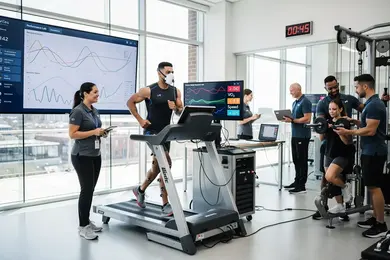
- Data Analytics in Sports and Health: The surge in wearable technology and performance data creates pathways into sports analytics, health informatics, and research roles, matching graduates' analytical skills.
- Education and Coaching: Some move into academic or specialized coaching roles at schools or professional organizations, applying deep domain expertise to athlete development and education.
- Health Technology and Product Development: Involvement in medical device innovation, fitness apps, and sports equipment design integrates sports science insights with product development, often requiring collaboration across disciplines.
These opportunities reflect how core competencies, understanding human movement, data interpretation, and applied physiology, combine effectively with credential upgrades or practical experience.
For those exploring advanced qualifications, considering the easiest online DNP programs may provide a strategic boost.
Which Industries Outside the Traditional Sports Science Field Hire Sports Science Degree Holders?
Graduates with a sports science degree find career opportunities across multiple industries beyond the traditional sports and athletic performance sectors.
Labor market data consistently rank several fields among the highest-volume hirers of sports science degree holders, driven by their expertise in human physiology, data analysis, and health sciences.
- Healthcare and Rehabilitation: This sector employs sports science graduates as physical therapy assistants, rehabilitation specialists, and clinical exercise physiologists. Hiring managers highly value sports science credentials here due to alignment with patient care and recovery, though additional certifications are often required.
- Corporate Wellness and Occupational Health: As organizations invest more in employee wellness to reduce health costs, roles like corporate wellness coordinators and ergonomic specialists are in demand. Sports science degrees are recognized as relevant, especially when applicants demonstrate skills in program design and health risk assessment.
- Fitness Technology and Wearables: Rapid growth in this tech sector generates demand for product specialists, data analysts, and user experience researchers. Sports science knowledge in biomechanics and physiology supports product development, but candidates typically need complementary data or software skills to excel.
- Public Health and Community Programs: Graduates support government and nonprofit initiatives as health educators, program coordinators, or researchers focused on promoting physical activity and disease prevention. Sports science is valued especially when paired with strong communication and program management abilities.
- Education and Research Outside Sports: Academic roles in life sciences or health education draw sports science graduates who leverage research methodology and scientific communication expertise. Advanced degrees may be necessary for competitive positions.
- Nutrition and Dietetics: With additional certifications, graduates transition to nutrition consultants or dietetic technicians. Their foundation in metabolism and physiology aids success, though bridging credential gaps is crucial for employer recognition.
- Media and Communications in Health and Fitness: Opportunities exist as content creators, health writers, or public relations specialists for fitness and wellness organizations. Sports science is less directly recognized here, so reframing the resume to highlight research and communication skills is essential.
Distinguishing between switching industries and switching roles helps guide professional pivots: moving into a new industry while maintaining a familiar functional area, such as shifting from sports performance research to public health research, often requires fewer new credentials.
By contrast, adopting a new role, like moving from coaching to nutrition counseling, typically demands more education or certifications. Sports science graduates should engage in informational interviews with peers or alumni in these adjacent sectors to identify target employers and refine their approach.
Career pivots can leverage the broad applicability of a sports science degree across diverse sectors hiring sports science degree holders outside traditional roles. This expansive perspective supports long-term outcomes for graduates and mid-career professionals seeking greater fulfillment or compensation.
Prospective students can also better understand the career flexibility available before enrolling, complemented by research on the average cost of DNP program when considering further education.
What Transferable Skills Does a Sports Science Degree Provide for Career Changers?
Sports science degree programs foster versatile competencies grounded in O*NET and NACE frameworks alongside established academic outcomes-skills that extend well beyond traditional athletic or fitness careers.
- Research and Data Analysis abilities, enabling them to design studies, collect and interpret data. These skills are valuable in market research, UX analysis, and policy evaluation where data-driven insight informs decision-making.
- Critical Thinking and Problem Solving cultivated through evaluating physiological systems transfer smoothly to roles in consulting, healthcare management, and environmental strategy, sectors that demand innovative approaches and strategic planning.
- Communication Skills emphasized by sports science curricula equip graduates to clearly present complex information, a necessity in technical writing, sales, education, and client services.
- Project Management experience, gained from coordinating research phases and internships, translates well into managing projects in corporate, nonprofit, and event environments.
- Interpersonal Skills and Teamwork built through group collaborations in diverse teams are assets in human resources, counseling, and customer relations fields where empathy and collaboration drive success.
- Technology Proficiency involving analytical software and biometric tools prepares graduates for roles in data analytics, health informatics, and digital marketing.
- Instruction and Coaching Abilities developed by training others open alternative pathways into adult education, corporate training, and community outreach.
Career changers should conduct a detailed self-inventory of coursework, internships, and academic projects to identify where these competencies were demonstrated. Explicitly communicating such skills is necessary since employers outside sports science rarely infer relevance without clear articulation.
Developing this competency communication is itself a skill, which will be enhanced through resume reframing and strategic networking in subsequent guidance.
Reflecting on his transition, a professional who graduated in sports science shared that initially he struggled to convey the applicability of his skills outside athletics. "I knew the data analysis and teamwork I'd built were strong, but packaging that for a new employer was daunting."
He emphasized how mapping his academic and internship experiences to business needs helped him reshape his narrative. This process, though challenging, proved empowering and crucial to securing opportunities in a completely different sector.
In hiring processes, employers in related sectors analyze a sports science degree for its practical and transferable components. This helps determine the candidate’s potential fit in a new domain.
- Credential Translation: Employers unfamiliar with sports science degrees often evaluate them by identifying relevant skills that align with their sector's demands. Graduates can improve their chances by tailoring resumes and cover letters to highlight these transferable competencies and including portfolios showcasing practical projects or certifications that meet the employer's needs. This approach helps bridge gaps during initial screening with respect to employer perception of sports science degree in related fields.
- Degree and Institutional Impact: Survey data reveal that while degree type occasionally influences hiring decisions, the prestige of the institution matters less beyond academia and specialized health roles. Hiring managers in tech, corporate, and wellness industries emphasize demonstrated skills and hands-on experience over school ranking, especially in mid- and large-sized organizations where functional expertise weighs more heavily.
- GPA and Hiring Bias: GPA typically holds minor weight except in highly competitive or research-driven positions. Early-career candidates benefit more from showcasing practical outcomes than academic scores. Additionally, implicit bias may lead some recruiters to overlook sports science credentials in favor of traditional degrees. To counteract this, graduates should research companies known for cross-disciplinary hiring and actively display relevant skills through networking and targeted communication.
- Organizational Size and Strategy: Smaller firms tend to be flexible but informal in evaluation, whereas larger employers rely on structured applicant tracking systems demanding precise keyword alignment. Prioritizing employers with histories of hiring across sectors can provide easier entry points. Building early evidence of cross-sector skills within these organizations supports broader career mobility.
For career changers seeking a smoother transition, considering options such as online schools no application fee may simplify rebranding and credential supplementation.
Sports science provides several positions for both entry-level and mid-career pivoters. These include the following:
- Operations Coordinator: These positions support daily team and project workflows.
- Core responsibilities: managing calendars, coordinating logistics, monitoring performance metrics, and facilitating communication.
- Required competencies: organizational skills, effective time management, basic data analysis, and problem-solving.
- Typical reporting structure: usually reports to operations managers or project leaders.
- Relevant sports science training: exposure to human performance data and project management through academics and internships enhances process efficiency.
- Communications Assistant: Roles focused on content creation, social media management, and supporting outreach efforts.
- Core responsibilities: crafting communications, handling media contacts, analyzing engagement metrics, and assisting campaigns.
- Required competencies: strong writing and speaking skills, creativity, and familiarity with digital platforms.
- Typical reporting structure: reports to communications managers or PR specialists.
- Relevant sports science training: ability to translate complex scientific information into clear messaging improves communication effectiveness.
- Data Analyst Trainee: These roles involve data gathering, cleaning, and interpretation to drive informed decisions.
- Core responsibilities: collecting data, performing statistical analyses, creating reports, and visualizing results.
- Required competencies: quantitative skills, proficiency in Excel or basic data tools, and critical thinking.
- Typical reporting structure: reports to senior analysts or data managers.
- Relevant sports science training: strong foundation in research methods and biostatistics supports analysis of performance and health data.
- Policy Assistant: Supporting policy creation, research, and implementation mainly in health or sports governance.
- Core responsibilities: collecting data, drafting briefs, stakeholder communication, and regulatory monitoring.
- Required competencies: research aptitude, attention to detail, information synthesis, and stakeholder engagement.
- Typical reporting structure: reports to policy analysts or program coordinators.
- Relevant sports science training: knowledge of public health and exercise guidelines strengthens policy advising capabilities.
- Sales Support Representative: Providing assistance to sales teams through client support and product expertise.
- Core responsibilities: preparing sales documentation, managing client databases, and pursuing leads.
- Required competencies: strong interpersonal skills, product knowledge, and CRM software experience.
- Typical reporting structure: reports to sales managers.
- Relevant sports science training: specialized understanding of sports or health-related products boosts credibility in customer interactions.
- Product Assistant: Roles supporting product development and marketing to align offerings with market demand.
- Core responsibilities: assisting market research, coordinating testing, and compiling user feedback.
- Required competencies: analytical thinking, communication, and project coordination.
- Typical reporting structure: reports to product managers or marketing leaders.
- Relevant sports science training: insights into biomechanics and human factors inform product improvements and user experience.
Despite concerns about starting anew in a different field, data shows that sports science graduates often advance more rapidly. Employers value their analytical and communication skills, accelerating promotion compared to peers lacking relevant credentials.
Selecting an entry-level pivot role involves evaluating how competencies match job demands, compensation growth, and long-term career objectives, ensuring the choice advances professional goals rather than serving as a fallback.
A professional who successfully built her career after earning a sports science degree shared that initial uncertainty about transitioning outside traditional sports roles was common. She described the process as "challenging but empowering," noting that applying her scientific background to diverse operational and communication tasks often required reframing her experience on resumes and in interviews.
Her priority was finding positions where her analytical mindset and knowledge of human performance could add value, which helped her "gain confidence and a clear sense of direction." This deliberate approach, focusing on transferable skills and strategic role selection, proved crucial in navigating career pivots smoothly and ultimately achieving growth beyond her expectations.
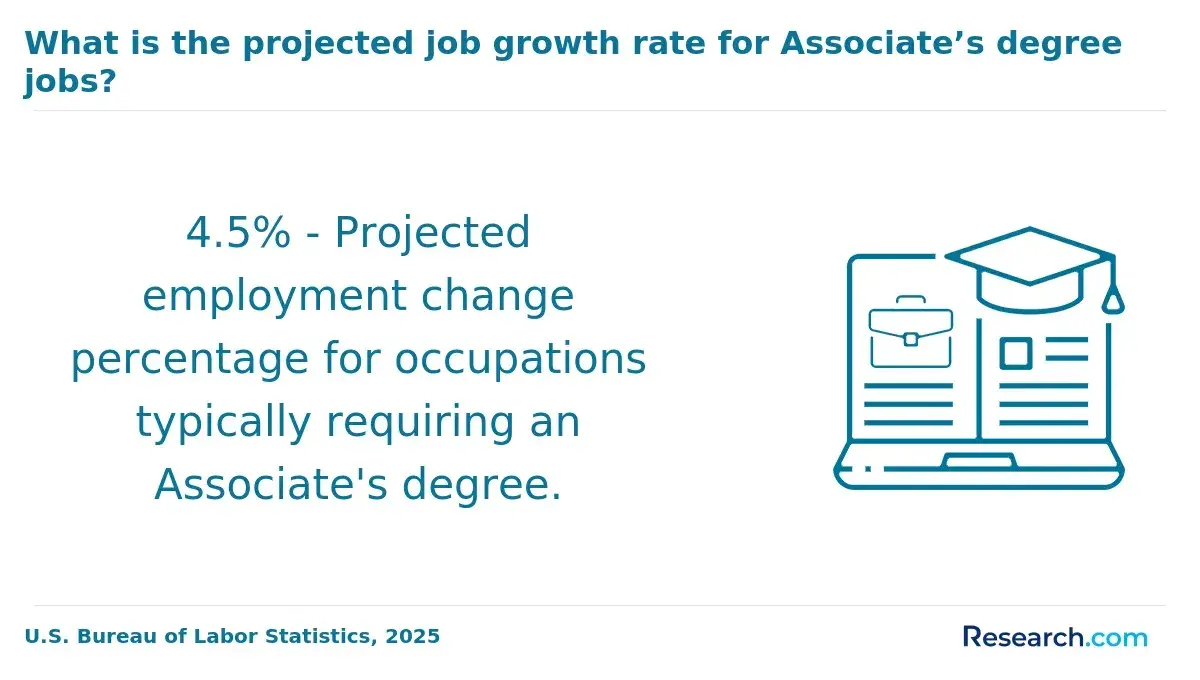
Pivoting from a sports science degree into more lucrative fields often results in significantly higher median earnings compared to traditional roles like athletic training or exercise physiology.
Data from sources such as BLS, Glassdoor, LinkedIn Salary Insights, and Levels.fyi show that early-career professionals in some sectors earn 40-80% more, with mid-career salaries frequently reaching six figures.
- Financial Services: Careers in financial advisory, wealth management, or corporate finance surpass standard sports science compensation by 40-60% early on, with mid-career professionals enjoying six-figure incomes fueled by bonuses and performance incentives.
- Management Consulting: Healthcare or sports-focused consulting roles tend to pay 50% above median sports science wages for early-career consultants, complemented by year-end bonuses, travel allowances, and professional development budgets supporting mid-career earnings in six figures.
- Enterprise Technology: Positions such as product management or data analytics offer a 60-80% boost over traditional sports science salaries early in careers, with total compensation-including equity and profit-sharing, often doubling mid-career earnings due to industry growth and stock incentives.
- High-Growth Startups: Although base pay may be lower, equity stakes provide potential for significant financial gain. These roles demand entrepreneurial skills and a long-term commitment to realize value, with compensation linked heavily to company success.
These disparities stem largely from industry profit models, growth orientation, and performance-based reward systems, factors less common in nonprofits, government agencies, or lower-margin healthcare roles historically tied to sports science graduates.
Compensation must be evaluated holistically. Base salary, bonuses, equity, retirement plans, benefits, and remote work flexibility all contribute to the full package and impact financial outcomes.
Those aiming for high-paying pivots should plan for additional investments in credentials like MBAs or technical certifications, along with targeted networking and resume refinement. Balancing ambition with the true cost and timeline of preparation enables informed decisions and maximizes both financial reward and career satisfaction over the long term.
Several industry sectors show above-average employment growth-providing promising avenues for sports science graduates whose skills extend well beyond traditional athletic roles.
These sectors align closely with sports science competencies like human physiology, biomechanics, data analysis, and evidence-based health strategies.
- Healthcare and Rehabilitation: Aging populations and preventive care priorities increase demand for experts in human movement and injury prevention. Sports science graduates contribute to physical therapy support, rehabilitation program design, and functional patient assessments-helping improve recovery outcomes.
- Wearable Technology and Health Analytics: Growth in health-monitoring devices and data-driven wellness programs fuels need for biomechanics and physiologic data expertise. Sports science professionals translate sensor data into actionable health insights, adding value in R&D, user experience design, and health coaching within tech firms.
- Corporate Wellness: Organizations investing in employee well-being seek sports science experts to develop fitness programs and ergonomic interventions. Their knowledge supports tailored health initiatives addressing productivity and absenteeism.
- Sports Technology and Performance Analytics: Expansion of data-centric coaching and injury prevention relies on practitioners versed in physiology and analytics. Sports science graduates bridge data teams and coaches, enabling innovation in training optimization.
- Telehealth and Remote Coaching: The rise of remote health services and virtual coaching offers opportunities to create exercise protocols and deliver personalized guidance through digital platforms, leveraging sports science expertise for wider access.
- Education and Community Health: Demand for evidence-based physical education and public health outreach incorporates sports science skills in curriculum development and population health promotion.
Identifying employers in these growth sectors often means targeting startups and health-tech firms, with rapidly expanding organizations that favor demonstrated skills and adaptability over narrow credentials.
Sports science graduates should emphasize interdisciplinary experience, project outcomes, and learning agility when reframing resumes or networking.
While these sectors offer robust opportunities, they can exhibit greater job volatility than established industries. Prospective career pivoters should balance personal risk tolerance, compensation goals, and long-term career fit, integrating sector targeting with credential development and proactive skill-building to enhance transition success.
Graduate certificates offer sports science degree holders an efficient route to reskill and pivot careers-providing targeted, practical expertise without the extensive time and financial commitment required by full graduate degrees.
Data from the National Center for Education Statistics (NCES) shows these certificates usually take less than a year and cost significantly less than traditional master's programs. This makes them appealing for those seeking to quickly enhance their employability in new fields.
Graduate certificates typically demand 12 to 18 credits and can be completed within 6 to 12 months, contrasting with two-year master's programs that require more time and higher tuition. For sports science graduates exploring alternative career paths, certificates provide relevant skills with lower opportunity costs.
While certificates don't equate to advanced degrees, research from the American Council on Education shows that recognized and accredited certificates demonstrate commitment and specialized skills to employers, especially in technical or interdisciplinary areas. However, credential inflation means not all certificates carry equal weight, so verifying employer recognition is essential.
Common Graduate Certificate Categories for Career Pivoting Include:
- Data Analytics, strengthening quantitative and programming abilities crucial across industries
- Project Management, prized for leadership and organizational skills in corporate and nonprofit sectors
- UX Research, leveraging analytical strengths for user-focused design roles
- Public Health, building on physiology knowledge relevant to wellness fields
- Nonprofit Management, applying leadership from community health and sports outreach
- Financial Analysis, delivering business acumen useful in sports organizations and beyond
Salary analyses indicate certificates in data analytics and project management often result in 10-20% pay raises, while public health and nonprofit management certificates facilitate entry into stable, expanding fields. Hiring managers value certificates as proof of up-to-date skills, especially when combined with relevant experience.
Evaluating Programs:
- Accreditation: Opt for programs recognized by regional or national accrediting agencies
- Employer Recognition: Confirm the credential is respected by targeted industries
- Alumni Outcomes: Review graduates' career and salary progression
- Cost-Benefit: Weigh tuition and time commitment against potential labor market advantages
Timing Strategies for Certificate Acquisition:
- Before Applying: Use certificates to overcome credential barriers for new positions
- While Applying: Showcase ongoing learning and dedication
- After Securing a Role: Pursue certificates as continuing education for skill deepening and advancement
According to recent NCES data, enrollments in graduate certificates related to business and health sciences have risen over 15% in the past five years, highlighting their growing role as pragmatic credentials supporting career pivot success in sports science.
Many prospective students also explore options like an online masters nutrition program as part of an expanded career flexibility strategy.
Academic credentials and professional certifications serve distinct roles for those pursuing a sports science career pivot. While a sports science degree provides foundational knowledge, industry-recognized certifications function as clear labor market signals of practical, job-specific expertise in fields outside traditional sports science domains.
These certifications offer a meaningful competitive advantage when they align with the demands of the target role and are widely acknowledged by hiring managers, especially in sectors valuing specialized technical or managerial skills. However, in areas where either extensive experience or advanced academic specialization dominates hiring decisions, certifications may carry less weight.
To verify certification relevance, graduates should actively scan job postings, analyze LinkedIn profiles of professionals succeeding in their desired pivot, and conduct informational interviews to understand which credentials truly influence employer preferences. This targeted research optimizes investment of time and resources.
Common professional certifications valued by sports science graduates pivoting into adjacent fields include:
- Project Management Professional (PMP): Requires proven project management experience plus exam passage; preparation spans 3-6 months; costs around $400-$600; valued across industries for program and operational management roles.
- Certified Analytics Professional (CAP): Demands an analytics background and certification exam; preparation takes several months; exam fees near $495; crucial for data analytics roles in sports technology and business intelligence.
- Society for Human Resource Management - Certified Professional (SHRM-CP): Requires HR experience and exam success; preparation time varies; costs about $300-$400; important for HR and organizational development positions.
- Salesforce Administrator: No prerequisites; preparation ranges from weeks to months; exam cost approximately $200; in demand for technology and customer relations careers.
- Certified Strength and Conditioning Specialist (CSCS): Requires a bachelor's degree and exam; preparation lasts months; exam fee about $400; essential for athletic coaching and performance roles.
- ACSM Certified Exercise Physiologist: Requires degree and certification exam; varying preparation time; exam costs around $279; aligned with clinical and wellness career paths.
- Lean Six Sigma Green Belt: No strict degree requirements; preparation lasts weeks to months; costs vary widely; applicable to process improvement and operational efficiency roles
Strategic sequencing in certification pursuit maximizes value, starting with those offering immediate relevance and broad employer recognition. Presenting certifications in progress on resumes and during interviews signals ongoing professional development, enhancing candidacy even before full credential completion.
Sports science graduates seeking broader credentials might also explore advanced credentials such as an online MBA healthcare program, which blends industry knowledge with management skills relevant for health-related and administrative career pivots.
The gig economy expanded over 15% annually leading up to 2024, offering rapid growth in freelance and contract opportunities ideal for individuals with a Sports Science degree seeking to pivot careers.
Each domain allows professionals to cultivate domain expertise, build measurable portfolios, and secure professional references that strengthen applications for permanent roles.
- Content Development: Creating blogs, educational resources, and wellness guides helps illustrate subject-matter knowledge while producing tangible deliverables for prospective employers.
- Research Support: Contracting on academic or market studies leverages analytical skillsets and generates credible referrals from seasoned investigators.
- Data Analysis: Handling datasets and performing statistical assessments-often remotely-demonstrates prized quantitative capabilities valued in healthcare tech and sports analytics sectors.
- Virtual Assistance and Project Coordination: Managing administrative tasks and project timelines builds operational efficiency and client communication skills essential to multidisciplinary roles.
- Communications Consulting: Advising on messaging strategies for health and fitness initiatives broadens marketing expertise and professional networks.
Launching a freelance pivot requires strategic platform selection and packaging services to showcase Sports Science qualifications as unique assets. Early-stage freelancers benefit from setting competitive rates below market average to attract clients and establish a track record.
Documenting every project with quantifiable outcomes and client testimonials transforms freelance work into compelling portfolio and resume highlights that resonate with hiring managers.
Individuals must consider personal finances, risk tolerance, and target industries-certain regulated or government sectors limit freelance options, making direct employment or additional certification preferable.
However, those able to invest time and resources in freelancing can significantly accelerate cross-sector credibility, shortening the path to securing full-time, aligned roles.
Intentional networking is essential for sports science graduates pivoting into new industries-especially since they often lack established contacts in their target fields.
Research from Harvard Business Review and MIT Sloan Management Review highlights how weak ties and referral hiring frequently unlock opportunities unavailable through close-knit circles.
To leverage this, graduates should focus on practical, targeted strategies that create meaningful connections.
- Alumni Network Activation: Locate sports science alumni who have transitioned into your desired sector. Reach out via university platforms or LinkedIn, emphasizing your shared background to build trust.
- Professional Association Entry: Join relevant industry associations and actively engage in their events and forums to meet key players and gain insider insights.
- Informational Interview Campaigns: Arrange brief discussions with professionals to learn about their career journeys. Use clear outreach messages like, "I admire your work in [field] and am exploring similar opportunities. May I schedule 15 minutes to discuss your experience?"
- LinkedIn Strategic Connection-Building: Send personalized invitations highlighting common interests or affiliations. Share relevant content regularly to stay visible and showcase your engagement.
- Community of Practice Engagement: Participate in groups or meetups focused on your target area to exchange expertise and broaden your network naturally.
Common anxieties such as imposter syndrome or fear of rejection often hinder outreach. Framing conversations as learning opportunities rather than direct job requests, and using approachable templates such as, "I'm exploring new directions and would value your advice," can ease discomfort and foster authentic relationships.
Establishing a disciplined networking routine, reserving weekly time slots, targeting specific outreach numbers, and tracking connections, transforms networking from a sporadic effort into a continuous career strategy.
Recent studies indicate that 70% of jobs arise through networking, affirming that deliberate, structured relationship-building significantly boosts career pivot success.
What Graduates Say About the Best Career Pivot Options for People With a Sports Science Degree
- Westin: "Graduating with a degree in sports science opened my eyes to how vital transferable competencies like data analysis and communication are. I found entry-level roles in wellness tech companies particularly accessible, which helped me grow without feeling overwhelmed. My best advice-invest time in credential strategies such as certifications in sports nutrition or coaching to stay competitive in this rapidly evolving sector."
- Peter: "Reflecting on my journey, I realized that networking is a game-changer for anyone pivoting from sports science. Attending industry conferences and joining professional groups allowed me to connect with mentors who guided me toward healthcare and rehabilitation fields-two high-growth arenas. Reshaping my resume to emphasize client management and research internships really boosted my chances of landing interviews."
- Andrew: "I approached my sports science degree with a professional mindset, focusing on long-term career outcomes rather than immediate roles. I recommend identifying sectors like physical therapy and biotech, where your knowledge makes an impact and offers growth. Emphasizing soft skills like teamwork and problem-solving on your resume can open doors to leadership positions down the line-patience and planning are key."
Other Things You Should Know About Sports Science Degrees
Sports Science graduates should highlight transferable skills such as data analysis, research methodologies, and knowledge of human physiology. Emphasizing experience in teamwork, project management, and client communication can align resumes with roles outside traditional sports roles. Tailoring the resume to the specific industry and using keywords relevant to the target field increases the chances of being noticed by employers. Including certifications or additional training relevant to the pivot target also strengthens the application.
In 2027, Sports Science graduates can explore roles in health technology, data analytics, and wellness program development. Emerging fields like digital health apps and remote fitness coaching offer innovative pathways, allowing graduates to leverage their expertise in science and technology.
Graduate programs offer structured learning in niche areas like kinesiology, physical therapy, health informatics, or sports management that extend beyond undergraduate studies. These programs help formalize expertise, making candidates more attractive to employers in specialized roles. They also provide access to professional networks and internship opportunities essential for the new career path. Graduate education enhances credibility and can be a critical step for careers requiring advanced qualifications.
Level 3 Exercise Referral and Level 4 Health Coaching certifications are the main UK credentials for these pivots. Exercise referral usually requires a Level 2 gym qualification first, plus CPR and AED training. The Register of Exercise Professionals’ successor bodies and local employers often verify acceptance.
- What can you do with a sports science degree? https://www.wlv.ac.uk/news-and-events/wlv-blog/2024/may-2024/what-can-you-do-with-a-sports-science-degree.php
- Breaking Into the Business of Sports - SRT Fairs Blog https://edu.srtfairs.com/breaking-into-the-business-of-sports/
- 10 Best Tips to Build a Network in the Sports Industry http://iismworld.com/blog/building-a-network-in-the-sports-industry/
- The Current State of the Sport Science Field and Careers – Integration, Data, and Professional Pathways https://www.nsca.com/education/articles/nsca-coach/sport-science-field-and-careers/