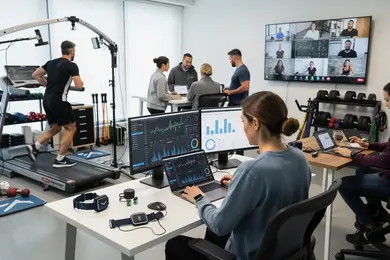
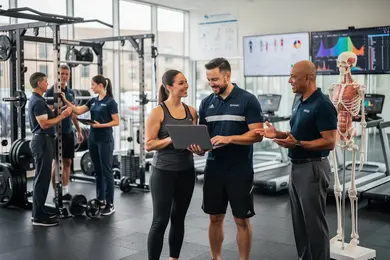
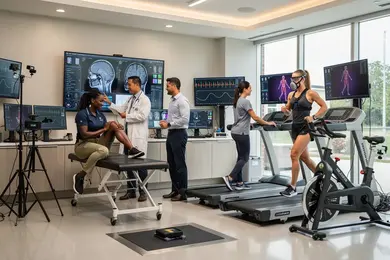
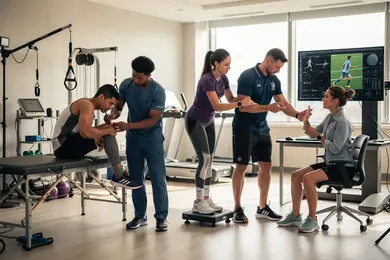
2027 Which Sports Science Degree Careers Have the Highest Barriers to Entry?

Co-Founder and Chief Data Scientist
Why do some careers within sports science demand far more stringent education and certification than others? Aspiring professionals often face a complex landscape where roles such as physical therapists or exercise physiologists require advanced degrees, specific licenses, and extensive clinical experience. For instance, employment data reveal that positions requiring graduate degrees have a 15% higher competition rate compared to entry-level roles. These heightened barriers reflect the critical responsibilities and regulatory standards tied to certain specialties. This article explores which sports science degree careers have the highest barriers to entry and explains the factors that contribute to these challenges, guiding readers on how best to prepare.
Key Things to Know About Sports Science Careers With the Highest Barriers to Entry
- Careers with the highest barriers demand advanced degrees, often requiring master's or doctoral study, which extends education time to 6-8 years beyond high school.
- Competitive hiring in elite roles accepts fewer than 15% of applicants, emphasizing exceptional academic achievement and specialized training.
- Strict credentialing demands professional certification and 2-5 years of hands-on experience, limiting entry to candidates meeting rigorous standards.
Which Sports Science Careers Are Hardest to Get Into?
Entry into certain sports science careers is notoriously competitive due to limited availability and high selectivity. Acceptance rates for specialized roles can be as low as 10%, reflecting intense applicant-to-position ratios. These challenges make some paths particularly difficult for prospective candidates.
The following careers are widely recognized for their competitive nature and limited openings:
- Athletic Trainer: Competition here is fierce as demand often surpasses available positions. Limited spots in organizations require candidates to differentiate themselves significantly.
- Sports Physiotherapist: These roles have few vacancies due to their specialized importance, resulting in stringent hiring processes and elevated competition.
- Strength and Conditioning Coach: Scarcity of positions at professional and collegiate levels creates a narrow pathway, with low turnover and high expectations.
- Sports Biomechanist: Specialized work confined mostly to elite programs or research institutions means fewer job openings and higher applicant competition.
- Sports Psychologist: With scarce openings and sensitive responsibilities, this career demands exceptional trust and rapport, making entry highly selective.
Those interested in other educational routes may also explore cheapest medical billing and coding online courses for alternative career pathways.
What Academic Requirements Make Sports Science Careers Harder to Enter?
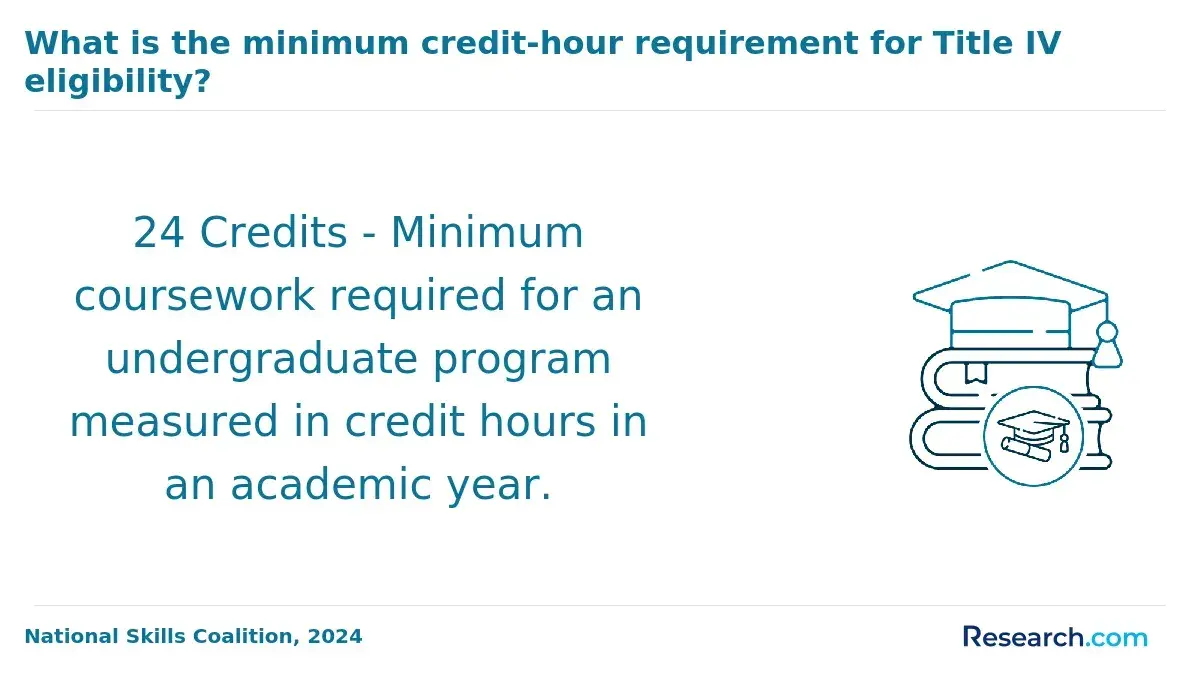
Academic requirements often present significant barriers for those seeking careers in sports science, especially when roles demand extended education or specialized coursework. Nearly 45% of advanced sports science positions require a master's degree or higher, highlighting the importance of rigorous academic achievement in this field. These demands can extend the time it takes to enter the workforce and increase the complexity of preparation.
Several key academic challenges can limit access to sports science careers, including:
- Advanced Degrees: Many specialized sports science roles, such as clinical exercise physiologists or sports psychologists, require graduate education. These programs usually involve multiple years of coursework, research, and thesis work beyond the bachelor's level.
- Specialized Coursework: Areas like biomechanics, nutrition, and motor control require completion of highly focused and demanding classes, often essential for career progression in these specific subfields.
- Extended Study Timelines: Certain career paths that combine sports science with medical or research components may require lengthy periods of study, including combined degrees or professional schooling, which delay entry into the workforce.
- Research and Thesis Requirements: Graduate and doctoral programs frequently demand significant research projects or dissertations. These require advanced skills in data analysis and experimental design, adding both time and academic rigor.
What Certifications Are Required for Sports Science Careers?
Certifications often act as essential prerequisites in certain sports science careers, serving as mandatory credentials needed to practice or specialize professionally. They help set uniform standards for expertise and safety across the field. Industry research shows that over 70% of job listings in sports science demand at least one professional certification as a hiring requirement.
The following certifications commonly establish necessary qualifications in sports science professions:
- Certified Strength and Conditioning Specialist: This credential emphasizes scientifically backed methods to enhance athletic performance and conditioning, ensuring practitioners meet rigorous standards.
- Certified Personal Trainer: Validates the ability to design and execute personalized fitness programs, acting as a baseline qualification for many training roles.
- Certified Athletic Trainer: Recognized for providing essential support in injury prevention, diagnosis, and rehabilitation, setting clear entry criteria in therapeutic sports roles.
- Exercise Physiologist Certification: Demonstrates skill in clinical and rehabilitative exercise planning, frequently required for specialized healthcare-related positions.
- Certified Clinical Exercise Physiologist: Represents advanced expertise in prescribing exercise for chronic health conditions, often a mandatory credential for clinical exercise environments.
A sports science degree graduate reflected on the certification journey as both demanding and necessary. He noted that "preparing for the exams meant months of focused study and juggling continuing education requirements alongside work." The graduate shared feeling a mixture of pressure and motivation, explaining that acquiring certifications wasn't just about passing tests but proving readiness to uphold professional standards. He emphasized that without these credentials, gaining trust from employers and clients felt challenging, underscoring the barriers certifications establish but also the credibility they provide.
Experience requirements play a crucial role in the competitiveness of sports science careers by helping employers identify candidates with proven practical abilities. These thresholds narrow applicant pools, especially for more specialized and senior roles, making experience a key factor in hiring decisions for competitive sports science jobs.
The required experience levels for competitive sports science careers can be grouped as follows:
- Entry-Level: Minimal or no professional experience is typically expected. Candidates often have academic projects, internships, or volunteer work that provide foundational exposure without a full-time work history.
- Early Career: Usually requires one to three years of relevant experience. Applicants should demonstrate practical skills and the ability to contribute effectively to team goals.
- Mid-Level: Often demands three to five years of applied experience. Professionals at this level are capable of independent work, managing projects, and handling complex responsibilities.
- Senior Level: Typically needs five or more years of extensive experience. Candidates are expected to show leadership, strategic decision-making, and deep domain expertise.
- Specialist Roles: May require ten or more years of dedicated experience, including notable accomplishments in research, elite coaching, or innovative practice development.
As experience thresholds increase, competition intensifies, significantly reducing the pool of qualified candidates. For those exploring career pathways that demand rigorous qualifications, examining an accelerated healthcare administration degree online can offer insights into similarly competitive fields.
Careers in sports science with high barriers to entry demand a sophisticated blend of specialized skills, creating a highly competitive landscape. Recent data reveals that over 70% of employers emphasize the importance of advanced technical and analytical skills when selecting candidates for these roles. This focus on expertise intensifies the selectivity of opportunities in the field.
The essential skills needed in these careers include:
- Analytical Expertise: The capacity to accurately interpret biomechanical, physiological, and performance data is crucial. Precision in analysis directly impacts athlete outcomes and research validity, setting a high standard for competence.
- Technical Mastery: Proficiency with cutting-edge equipment and software, such as motion capture or biomechanical modeling tools, requires extensive practice. This technological fluency narrows the pool to highly skilled candidates.
- Critical Thinking: Addressing complex sports performance challenges demands innovative problem-solving grounded in scientific evidence. Such intellectual rigor helps differentiate top professionals.
- Communication Skills: Effectively translating technical findings to athletes, coaches, and interdisciplinary teams requires clarity and adaptability, highlighting the need for versatile communication abilities.
- Research Competence: Familiarity with evidence-based methodologies and the ability to design and analyze studies underpin innovation and quality assurance, raising entry standards.
A professional with a Sports Science degree shared that navigating these skill demands was initially daunting. She recalled how mastering analytical tools and interpreting complex data felt overwhelming, especially when outcomes could influence athlete health directly. "There were moments of doubt, but gaining confidence through hands-on experience made all the difference," she reflected. She also noted the importance of clear communication with coaching staff, saying, "It's not just about crunching numbers; it's about making the information accessible and actionable." Her experience underscores how developing these nuanced skills is a gradual but rewarding journey in high-barrier sports science roles.
Barriers to entering sports science careers differ greatly based on the specific industry, with some sectors enforcing more stringent standards due to the nature of their responsibilities and potential risks involved. These elevated requirements reflect the critical need for precision, safety, and regulatory compliance in certain areas. Consequently, some fields set a higher bar for entry to ensure that practitioners meet essential professional and ethical criteria.
The following examples highlight industries within sports science that typically have tougher entry conditions:
- Clinical Rehabilitation: This area focuses on providing tailored treatment and recovery for injured individuals. The role demands strict adherence to medical laws and careful management of patient health, making access limited and tightly controlled.
- Elite Performance Coaching: Supporting top-tier athletes requires deep expertise in physiological and psychological factors, as well as mastery of sport-specific techniques. The competitive environment and expectation of measurable success increase barriers to entry.
- Biomechanics Research: Dedicated to advancing knowledge on movement efficiency and injury prevention, this field involves specialized research protocols and technical proficiency. Such complexity restricts participation to those with substantial expertise.
- Sports Nutrition: Professionals in this field tailor dietary strategies to boost athletic performance while navigating strict regulations governing nutritional advice and supplement use, limiting who can practice.
- Sports Psychology: Providing mental health support and resilience training involves sensitive, regulated work. Ethical standards and licensing requirements confine this field to qualified and credentialed practitioners.
Geographic location significantly shapes the entry requirements for careers within sports science. Variations in state and regional regulations create different barriers to entering the field, affecting how accessible certain roles are for graduates. Such disparities often stem from unique licensing policies and workforce standards in each area.
For instance, nearly 40% of U.S. states enforce distinct licensing requirements for professions connected to sports science, including athletic training and exercise physiology. These rules can range from mandatory certifications to specific educational credentials.
Several key regional factors influence the stringency of entry requirements in sports science careers:
- Licensing Variation: State-specific licensure and certification rules differ widely, meaning professionals must meet diverse criteria that reflect local regulatory priorities.
- Accreditation Recognition: Educational institutions and programs may be recognized differently across states, impacting qualifications deemed acceptable for employment.
- Urban vs. Rural Standards: Metropolitan regions often impose higher workforce standards due to competitive markets, while rural areas may have fewer formal requirements but limited opportunities.
- Health and Safety Legislation: Regional laws concerning professional oversight can add layers of responsibility and compliance, affecting the ease of entry into certain roles.
- State Policy Enforcement: Policies on degree equivalency and continuing education can vary, with some states enforcing ongoing professional development more strictly than others.
These geographic and regulatory differences highlight the importance of understanding local rules when evaluating pathways into sports science careers across the United States.
The competitiveness of the hiring process for sports science careers is shaped primarily by factors such as the number of applicants, available positions, and employer selectivity. Highly competitive roles attract a large applicant pool, often resulting in application-to-job ratios exceeding 25:1. This intense competition limits job opportunities and requires candidates to distinguish themselves significantly. In the context of the UK, entry barriers and employer expectations in the sports science job market further shape this competitive landscape.
This variability in hiring competitiveness results in differing levels of selection intensity across roles within the field. Certain positions maintain rigorous evaluation processes and high standards, reflecting their specialized nature, while others have broader entry criteria and face less competition. This dynamic creates a tiered recruiting environment that influences accessibility for prospective candidates. For students considering degrees in this area, researching accredited programs, such as those offered by online colleges, can provide insight into pathways that align with these competitive hiring dynamics.
Certain organizations in sports science fields are known for their rigorous hiring practices due to high standards, limited job openings, and strong reputations. These employers often receive extremely competitive applicant pools, with some roles reporting application-to-interview ratios surpassing 50:1. Such intense competition reflects the demand for top-level qualifications and proven expertise.
The following categories represent the top sports science employers with strict hiring criteria and are generally the most competitive sports science companies to work for:
- Large National Institutions: These organizations attract many qualified candidates because of their prestige and scale. However, few positions are available, leading to highly selective evaluations and demanding screening processes.
- Elite Professional Teams: Known for exceptional performance expectations, these teams prefer candidates with proven track records. Their hiring processes are notably rigorous to ensure only the most capable staff are selected.
- Specialized Research Centers: These centers focus on niche expertise and often face funding constraints. As a result, they hire sparingly and look for candidates with outstanding research accomplishments and technical skills.
- International Governing Bodies: Due to their global role and responsibility for major events, these organizations implement meticulous vetting procedures to maintain operational effectiveness and safeguard their reputation.
- Private High-Performance Facilities: Catering to elite athletes, these facilities demand exceptional credentials and experience. Job opportunities here are limited and highly competitive.
Students aiming to enter these competitive fields may also consider exploring health information management online programs as an alternative or complementary pathway in sports science-related careers.
Careers with higher barriers to entry in sports science often offer increased earning potential, reflecting the greater expertise and qualifications required. On average, these roles may provide salaries 20% to 30% above those found in less demanding positions, illustrating a general trend toward higher compensation with more challenging qualifications.
This pattern is common in fields where advanced specialization or clinical skills are essential, contributing to the perception that the highest-paying sports science careers align with the toughest entry requirements. However, this correlation serves as a broad guideline rather than a strict rule across the industry.
The connection between entry difficulty and salary in sports science varies significantly depending on the field and setting, meaning that higher barriers do not always guarantee greater pay. Some roles with less rigorous prerequisites can be highly lucrative, especially when linked to profitable sectors such as professional sports or private facilities.
Research-focused positions may demand extensive academic effort yet offer inconsistent compensation due to funding variability. Prospective students interested in understanding nuances like mental health NP salary should recognize that factors beyond educational hurdles influence financial outcomes in this diverse field.
What Graduates Say About Sports Science Careers With the Highest Barriers to Entry
- Westin: "Choosing a sports science degree was daunting given the competitive nature and high barriers of entry in the field, but it was worth every challenge. I made sure to engage deeply with internships and networking opportunities to enhance my practical skills and professional connections. This approach has been instrumental in establishing my career as a strength and conditioning coach."
- Peter: "Reflecting on my sports science journey, the discipline's demanding standards pushed me to develop resilience and adaptability. I took deliberate steps like gaining specialized certifications and conducting research to differentiate myself in a crowded market. The impact of my degree is clear-I've gained credibility and a richer understanding that fuels my role as a sports therapist."
- Andrew: "My professional path in sports science has been shaped by both the obstacles and the rewarding moments unique to this field. I was proactive about building a diverse skill set, combining biomechanics with data analytics to stand out. Graduating with a sports science degree gave me the foundation to work confidently in elite athlete performance analysis."
Other Things You Should Know About Sports Science Degrees
Clinical exercise physiology jobs usually require ACSM-EP certification, and many employers also expect CPR/AED training and supervised clinical hours. Some roles in hospitals or cardiac rehab settings additionally require state licensure or registration, plus documented experience with patient populations and exercise testing.
Continuous professional development is essential for maintaining credentials and staying current with evolving practices and technologies. Many high-barrier roles require periodic certification renewals or advanced training, making lifelong learning a critical component of career sustainability in this field.
Yes, practical experience is often a mandatory part of training for high-barrier sports science careers. Many advanced positions require completion of extensive internships, residencies, or supervised clinical hours to ensure competence in real-world applications before independent practice.
- academic - Tłumaczenie po polsku - Słownik angielsko-polski Diki https://www.diki.pl/slownik-angielskiego
- Find your next move in sport https://hub.globalsportsjobs.com/jobs-sport-science-and-elite-performance
- Employment | Precision Sport Science https://precisionsportscience.com/employment/
- Sports Science Job Options - Supporting Champions https://www.supportingchampions.co.uk/sports-science-job-options/
- The Current State of the Sport Science Field and Careers – Integration, Data, and Professional Pathways https://www.nsca.com/education/articles/nsca-coach/sport-science-field-and-careers/
- What Jobs Can You Do With Sports Science? | Oxford College https://www.oxfordcollege.ac/news/what-jobs-can-you-do-with-sports-science/
- Beyond the Gym and the Field: Career Paths You Might Not Expect https://www.snu.edu/blog/beyond-the-gym-and-the-field-career-paths-you-might-not-expect
- Accredited Sports Scientist Salary Guide https://www.essa.org.au/Web/Web/Resources/Tools-and-templates/ASpS-salary-guide.aspx
- ACADEMIC po polsku - TÅumaczenie angielski-polski https://pl.pons.com/t%C5%82umaczenie/angielski-polski/academic
- Why You Can’t Land a Job in the Sports Industry (And How To Fix That) Sports jobs | Sport Management Sportidealisten https://sportidealisten.se/why-you-cant-land-a-job-in-the-sports-industry-and-how-to-fix-that/