2027 Which Sports Science Degree Careers Offer the Best Work-Life Balance?

Co-Founder and Chief Data Scientist
Choosing a career in sports science often means weighing professional passion against personal time. Many roles demand irregular hours-such as traveling with teams or overnight shifts-which can disrupt a healthy work-life balance. However, recent studies reveal that 42% of sports science graduates working in wellness program coordination report consistent regular hours and higher job satisfaction.
This contrast highlights the need to explore specific career paths within sports science that align better with lifestyle goals. This article examines various sports science careers, focusing on those offering the best work-life balance to guide students and professionals in making informed decisions.
Key Points About Sports Science Careers With Good Work-Life Balance
- Laboratory-based roles, such as Biomechanists, offer highly controlled environments with predictable data collection schedules that eliminate the irregular hours often found in competitive coaching.
- Careers in sports nutrition and rehabilitation focus on scheduled appointments and long-term planning, contributing to a lower-stress atmosphere compared to the urgent crisis management required in elite athletic training.
- Recent data indicates that approximately 35% of entry-level professionals in health and fitness-related roles report experiencing moderate to low stress levels, primarily due to structured tasks and a move toward proactive wellness over reactive incident response.
Is working in the sports science industry demanding?
Careers in sports science involve considerable demands that stem from high-pressure decision-making affecting athlete health and performance. Professionals must maintain advanced technical expertise while staying current with evolving research and technological developments, which adds ongoing learning requirements. Adhering to strict ethical and regulatory guidelines further intensifies responsibilities, as failure to comply can have serious ramifications.
Work-life balance tends to be difficult for many in the field due to irregular hours and frequent travel tied to competition schedules. Emotional stress is common, as practitioners often manage the well-being of athletes under intense performance expectations. Surveys indicate that around 40% of sports science workers report elevated stress linked to heavy workloads and emotional challenges, with younger professionals especially struggling to juggle personal and professional demands. These factors together increase the complexity and intensity of building a sustainable career in sports science.
When asked about the challenges of working in sports science, a recent graduate of an online sports science bachelor's program shared that the transition from study to practice involved unexpected pressure. "The constant need to consult new research while managing athlete care was overwhelming at first," he said. He recalled long days being split between data analysis, training sessions, and administrative tasks, which made it hard to disconnect. Despite the excitement of contributing to performance improvements, he noted, "It took time to develop coping strategies to handle the emotional fatigue and tight schedules." His experience reflects how demanding the role can be in real-world settings.
Which sports science careers are known to offer the best work-life balance?
Several career paths within sports science are recognized for providing a healthy balance between professional responsibilities and personal time, with over 70% of exercise physiologists reporting good to excellent work-life balance. These roles often feature manageable schedules and flexible work arrangements.
Below are five sports science careers known for their favorable work-life balance.
- Exercise Physiologist: These professionals generally maintain regular daytime hours in clinical or fitness environments. They rarely face emergency or after-hours duties, resulting in consistent and predictable schedules that support personal time.
- Sports Nutritionist: Offering many opportunities for remote consultations and flexible client arrangements, sports nutritionists benefit from autonomy over their work hours. This flexibility helps reduce burnout and increases overall job satisfaction compared to more physically demanding roles in sports science.
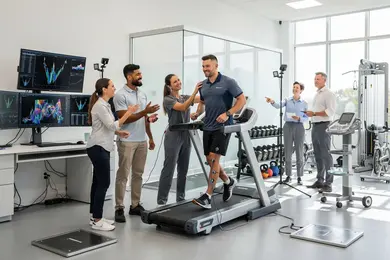
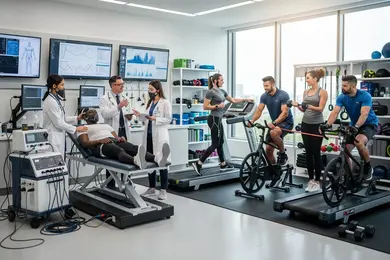
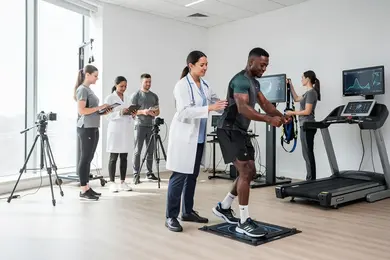
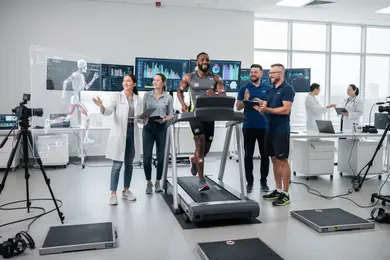
- Biomechanist: Focused mainly on research, biomechanists work in academic or laboratory settings with steady hours. The ability to set project deadlines and work independently fosters a balanced lifestyle. This role also has one of the highest job retention rates within the sports science field.
- Physical Education Teacher: While there may be some seasonal fluctuations, most physical education teachers follow regular school hours, enjoying weekends and holidays off. This schedule promotes quality family time and personal activities, enhancing life satisfaction.
- Strength and Conditioning Coach: Working primarily with amateur or collegiate athletes, these coaches experience more structured hours and less travel compared to professional sports. Their workload typically allows for evenings and weekends free, contributing to a balanced personal life.
These careers demonstrate that sports science can accommodate those prioritizing flexible work schedules and a balanced lifestyle. When exploring further education options to advance in these roles, students might also consider programs like the shortest DNP program to complement their career goals.
Are there non-traditional careers for sports science professionals that offer better flexibility?
Sports science graduates possess a versatile skill set that allows them to transition successfully into unconventional or emerging sectors beyond traditional roles. According to a recent survey, 62% of sports science degree graduates pursuing alternative careers reported better work-life balance than those in typical clinical or team-based positions.
Below are several ultra flexible careers in sports science degree graduates that showcase these opportunities.
- Wellness Consultant: This role involves designing health and fitness programs tailored to organizations, often allowing professionals to work independently or freelance. Such autonomy helps manage schedules and workload, providing a better balance between work and personal life.
- Health Tech Developer: Working in health technology and wearable device development, sports science professionals contribute to product design, data analysis, and user experience. These positions frequently offer remote or hybrid work setups, supporting flexibility and innovative work cultures.
- Content Creator: Creating physical activity content or serving as virtual coaches on digital platforms allows sports science experts to set their own hours and work from anywhere. This path supports self-directed time management and personal well-being.
- Ergonomics Consultant: Applying knowledge in workplace and product design to improve comfort and safety, ergonomics consultants often work project-based with control over deadlines and less frequent office presence, enhancing flexibility.
These alternative sports science jobs with good work-life balance highlight careers where professionals are not confined to traditional office environments. For those considering further education to expand their expertise, numerous online programs for healthcare administration offer accelerated paths suited for busy schedules and flexible learning.
Work hours in sports science careers vary significantly depending on the role and seniority level. Entry-level positions like fitness trainers and rehabilitation specialists often maintain standard 40-hour weeks but may require evening or weekend shifts to meet client needs. However, roles such as sports physiologists or performance analysts frequently face unpredictable schedules tied to training sessions and competitions.
Many sports science professionals encounter seasonal increases in workload, especially during competitive periods, which can involve mandatory overtime and travel. While senior roles managing programs or research tend to have more consistent hours, flexibility is still necessary during major events. Workload demands may extend beyond the typical office hours, affecting time available for personal activities.
Work-life balance in sports science careers differs across sectors, with academic and clinical jobs generally offering more regular hours than roles in professional sports. Nearly two-thirds of professionals report a moderate to high balance, often linked to employer policies and the specific sports environment. Understanding these factors can help prospective professionals select paths that align with their personal and lifestyle priorities.
The responsibilities in sports science careers often shape not only the daily workload but also the pace and intensity of the typical workday, influencing the overall work-life balance. About 42% of professionals in this field report moderate to high levels of work-life balance, with job roles playing a major role in these outcomes.
Below are typical work duties in sports science professions that help illustrate these dynamics.
- Data Analysis: This involves deep, focused work analyzing athlete performance, injury prevention, and rehabilitation protocols. Tasks here require critical thinking and expertise, such as designing training programs and interpreting biomechanical data, making it one of the more demanding responsibilities.
- Communication and Coordination: Daily responsibilities of sports science degree holders often include engaging with athletes, coaches, healthcare teams, and administrative staff. These reactive tasks involve meetings, emails, and on-site troubleshooting, demanding adaptability and strong organizational skills.
- Routine Assessments: Many roles include straightforward tasks like recording data from fitness tests or administering standard assessments. These are less time-consuming and provide structured periods of productivity within the workday.
- Complex Problem-Solving: Adjusting training regimes based on injury risk or recovery rates is a highly specialized duty. It requires concentration and expertise to ensure athlete health and optimal performance over time.
Those seeking careers with more predictable schedules and less emergency response often find better work-life balance in academic or corporate wellness roles. For students interested in pursuing flexible pathways in sports science education, exploring self paced colleges can be a practical option to match both career and lifestyle goals.
Remote and hybrid work options exist in certain sports science careers, mainly in roles related to data analysis, research, and digital coaching. Approximately 28% of sports science professionals now work in hybrid models, particularly in academic and technology-driven areas, reflecting a growing trend toward flexible arrangements that help improve work-life balance.
Many positions in sports science, such as athletic trainers, physiotherapists, and coaches, still require hands-on involvement, limiting the potential for full remote work. The need for physical assessments and in-person interactions makes remote work challenging in these roles, while irregular hours linked to training and competitions further complicate remote scheduling.
Professionals aiming for work-life balance should consider technology-focused and research-oriented jobs that offer greater flexibility. However, remote work in sports science often demands strong self-discipline and effective virtual collaboration skills to manage responsibilities successfully.
Industry challenges like the necessity of real-time interventions and hands-on training sessions reduce the feasibility of remote work for many sports science careers. These constraints may impact employees' ability to achieve ideal work-life balance and emphasize the importance of hybrid models where possible.
Careers in sports science typically begin with a bachelor's degree costing between $30,000 and $60,000, and median annual salaries for roles like exercise physiologists and kinesiologists range from $50,000 to $70,000. Mid-career professionals can earn up to $85,000, indicating that salary growth often surpasses initial education costs within about ten years. This trajectory aligns with the specialized knowledge and skills required, making the investment in education generally worthwhile for many.
More demanding roles, such as athletic trainers and sports biomechanists, offer higher salaries around $80,000 to $90,000 but usually involve longer hours and irregular schedules. Additional incentives like performance bonuses and employer-supported certifications help balance the increased workload. A recent study found that 62% of professionals reporting a strong work-life balance earned at or above the median salary, highlighting that income can often reflect manageable job demands in sports science careers.
Ultimately, the income potential versus job demands varies widely across sports science roles. While some positions offer a favorable balance between earnings and lifestyle, others require trade-offs that may affect personal time. Prospective students should weigh these factors carefully to find a career path that best fits their priorities in both finances and work-life balance.
The cognitive demands of sports science careers differ significantly depending on the role. Positions in clinical practice and research often involve continuous problem-solving and critical thinking, requiring sustained mental energy over decades. In contrast, careers such as coaching or fitness consulting typically offer a more balanced cognitive workload, which helps maintain work-life harmony. Surveys reveal that nearly two-thirds of sports science professionals experience manageable cognitive challenges throughout a 40-year career, which correlates with higher satisfaction and balanced lifestyles.
Nevertheless, many professionals face mental strain from repeated data analysis, physical fatigue, and shifting industry trends. These challenges sometimes lead individuals to transition into roles with lighter cognitive demands or more flexible schedules, including administrative positions or teaching. While mental workload is a significant factor, it is not the sole reason for career changes. Sustainable work environments that incorporate ongoing learning, varied responsibilities, and mental health support play a crucial role in longevity within the field.
When I spoke with a sports science professional who completed an online bachelor's program, he shared that the intellectual demands sometimes felt overwhelming, especially during high-pressure projects. He described moments of doubt and exhaustion but emphasized how continual skill development and switching between diverse tasks helped him stay engaged. "The mental tax can pile up, but setting boundaries and seeking teamwork support has been essential," he reflected. His experience suggests that with proper strategies, cognitive labor can be managed effectively over long careers.
Negotiating work-life balance during the initial job offer stage is crucial for aspiring sports science professionals, as it sets the foundation for sustainable career satisfaction. Research shows that 68% of sports science employees who negotiated flexible work options reported improved engagement and satisfaction.
Below are effective work-life balance negotiation strategies for sports science careers to consider.
- Highlight Flexibility Benefits: Emphasize how adaptable scheduling supports better client or athlete progress by allowing necessary recovery and customized sessions, key in roles like performance coaching and rehabilitation.
- Focus on Outcome-Based Metrics: Suggest using measurable indicators such as client retention or rehabilitation milestones instead of rigid hours, reassuring employers that quality results matter more than physical presence.
- Recommend Hybrid Work Options: Propose remote work for administrative or research tasks, respecting the hands-on element of many sports science positions while enhancing personal balance.
- Suggest Trial Periods: Offer short-term trials for flexible arrangements to demonstrate minimal impact on service quality and build employer trust for permanent changes.
- Use Industry-Specific Negotiation Tactics: Leverage your knowledge of sports science career dynamics and tailor your approach to align with employer priorities, making a compelling case for flexibility.
For those exploring suitable educational paths to advance in sports science, checking options such as ultrasound tech school programs can provide valuable qualifications that support career growth and work-life balance opportunities.
Beyond choosing sports science roles that offer flexibility, aspiring professionals should also consider the organizational culture of their prospective workplace, as this greatly impacts long-term work-life balance.
Below are key factors to evaluate when assessing potential employers.
- Flexible Scheduling: Employers who provide adaptable work hours or remote options accommodate the unpredictable rhythms of sports and athlete needs. Candidates should look for companies that openly discuss flexibility during interviews and offer policies that support personal commitments alongside demanding fieldwork.
- Manageable Caseloads: A reasonable ratio of clients or projects per specialist reduces burnout risk and allows time for recovery and skill development. Organizations that emphasize equitable workload distribution signal a healthier work environment worth prioritizing.
- Professional Development Support: Access to ongoing education and certifications without penalizing time away from daily duties reflects an employer's commitment to long-term career growth. Green flags include encouragement for attending workshops or covering certification expenses, which align well with fostering work-life balance in sports science careers.
- Clear Communication on Overtime: Companies that establish transparent boundaries regarding overtime and workload expectations promote employee satisfaction. Job seekers should ask about peak season policies and mental health resources to gauge managerial support.
For those also exploring educational pathways, finding the easiest RN to BSN program online can be an important step in advancing their sports science expertise with flexible study options suitable for maintaining balance during career transitions.
What Graduates Say About Having Sports Science Careers With Good Work-Life Balance
- Westin: "Having navigated a career in sports science, I can say the workload is challenging but manageable with effective time management. The income is reasonable and aligns well with the supportive work culture, making it easier to maintain a healthy work-life balance. Most rewarding of all is the job satisfaction that comes from helping athletes enhance their performance and well-being."
- Peter: "Reflecting on my journey in sports science, the intensity of the workload varies but often requires dedication beyond standard hours, which can be tough. However, the work culture supports flexibility, and financial compensation is fair, making it possible to find a balance between personal and professional life. The gratitude from clients and seeing tangible progress in their health keeps me motivated every day."
- Andrew: "From a professional standpoint, careers in sports science provide a decent workload that encourages efficiency and growth. The income and company cultures I've experienced prioritize work-life balance, which is crucial in this field. The satisfaction of contributing to people's physical health and performance truly makes this a fulfilling profession."
Other Things You Should Know About Sports Science Degrees
In 2027, sports science careers emphasizing work-life balance often require a bachelor's degree in sports science or a related field. Experience in practical settings can enhance skills and adaptability, allowing professionals to better manage workload and stress, key factors in achieving a balanced lifestyle.
Job location can significantly affect work-life balance, as urban centers may offer more sports science positions but with longer commutes and higher workloads. Rural or smaller community settings often provide roles with reduced hours and less pressure but may have fewer advancement opportunities. Some careers in sports science allow professionals to work with local sports teams or wellness centers nearby, which can improve daily convenience and personal time.
Exercise physiologist and sports data analyst roles often have the most predictable schedules, with about 40 hours per week and little evening or weekend coverage. Clinical or team-based jobs usually require set clinic hours or a standard office schedule, making planning easier than event-driven coaching roles.
Workplace culture profoundly influences work-life balance in sports science roles. Supportive employers who prioritize employee well-being often encourage reasonable working hours, flexible scheduling, and time off for rest and recuperation. A positive work environment can reduce burnout and enhance job satisfaction, contributing to a more sustainable career.
- Work-Life Balance For Elite Performers - Condor Performance https://condorperformance.com/work-life-balance-for-elite-performers/
- Robot Challenge Screen https://www.innerdrive.co.uk/blog/athletes-emotions-cognitive-load-theory/
- Sports Computer Vision Scientist - Tracking (Hybrid/Remote) - STATSports https://bebee.com/ie/jobs/sports-computer-vision-scientist-tracking-hybrid-remote-statsports--talent-42d560777125
- Join our team https://www.scienceforsport.com/join-our-team/
- Explore the Bright Future of Sports Science Careers http://iismworld.com/blog/reasons-to-pursue-a-career-in-sports-science/
- New Study Examines Work and Life in the Sports Industry https://www.nata.org/press-release/032522/new-study-examines-work-and-life-sports-industry
- Bridging science and sport: the role of sports scientists https://www.essa.org.au/Web/Web/Resources/Articles/2025/the-role-of-sports-scientists.aspx
- Main navigation https://careersportal.ie/careers/detail.php
- gridX – Jobs with good work-life balance: Sport benefits at gridX https://www.gridx.ai/blog/jobs-with-good-work-life-balance-sport-benefits-at-gridx
- Stress at Work and Physical Load in Professional Sport https://science.rsu.lv/en/publications/stress-at-work-and-physical-load-in-professional-sport/