2027 Most Valuable Skills You Build in a Sports Science Degree and Which Careers Use Them Most

Co-Founder and Chief Data Scientist
How well do current sports science students understand the critical skills employers seek beyond theoretical knowledge? With nearly 40% of graduates entering roles requiring advanced data analysis, communication, and practical assessment abilities, the gap between classroom learning and workplace expectations can be striking. Many students focus heavily on biomechanics and physiology but find that adaptability and interpersonal skills are equally vital to succeed. This mismatch often challenges career readiness in a rapidly evolving industry. This article explores the most valuable skills honed through a sports science degree and highlights the careers that depend on mastering these competencies, aiming to guide learners toward informed professional choices.
Key Benefits of the Most Valuable Skills You Build in a Sports Science Degree
- Developing strong analytical and research skills in sports science enhances career readiness by enabling evidence-based decision making across health, fitness, and performance sectors.
- Core sports science competencies support adaptability, allowing graduates to transition into roles in rehabilitation, coaching, wellness, and sports technology industries.
- Continuous professional growth is fostered through understanding physiology and biomechanics, with 60% of graduates advancing into leadership or specialist roles within five years.
What Are the Core Skills Taught in Sports Science Programs?
Programs centered on sports science skill development equip students with essential competencies for understanding human movement and health. Research shows that over 70% of graduates feel ready to engage in fields connected to physical health and fitness, highlighting the value of these core competencies. These programs emphasize foundational tools that seamlessly integrate scientific principles with practical application.
Key core competencies taught in sports science degree programs include:
- Analytical Skills: These skills enable students to critically evaluate data related to physical performance and health. Such analysis supports evidence-based assessments and informed decision-making in various professional settings.
- Research Competency: Developing the ability to design and interpret scientific studies is vital. This competency allows graduates to contribute meaningfully to research advancements and apply findings practically.
- Problem-Solving: By understanding complex physiological and biomechanical processes, students learn to develop effective strategies that address challenges related to human performance and injury prevention.
- Communication Skills: Clear articulation of complex scientific concepts is cultivated, ensuring that graduates can share findings effectively with diverse audiences through written and oral formats.
- Ethical Reasoning: Navigating the ethical dimensions of research and professional practice is emphasized. This prepares students to maintain integrity and uphold professional standards throughout their careers.
Developing these core competencies prepares students not just for academic success but for practical application in professional environments. For individuals interested in expanding their expertise, complementary programs such as a medical coding and billing certification may offer additional career pathways related to health sciences.
What Technical Skills Are Taught in Sports Science Programs?
Sports science programs develop essential technical competencies that integrate theoretical concepts with practical application, enabling students to enhance physical performance effectively. With over 70% of roles related to sports and exercise science demanding advanced digital literacy and data analysis skills, these programs equip learners to meet industry standards. Building strong technical skills is crucial for translating academic knowledge into real-world solutions.
The following key technical skills are developed through sports science technical skills for career readiness:
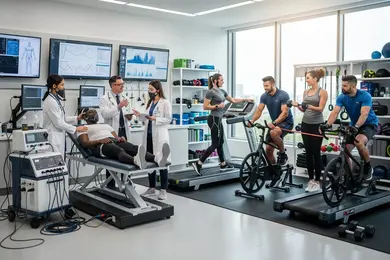
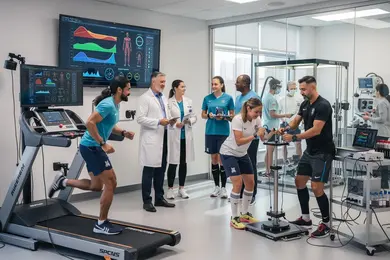
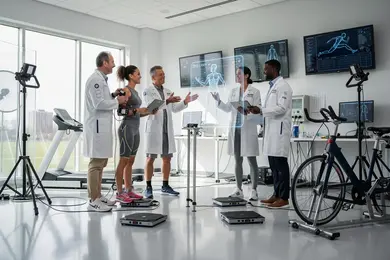
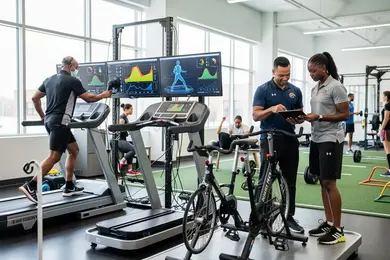
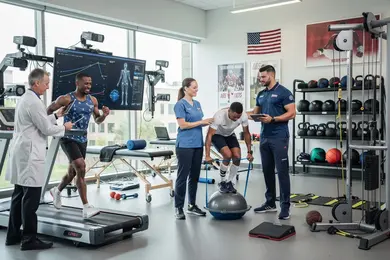
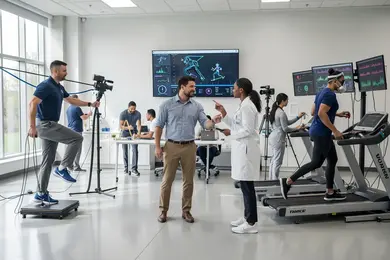
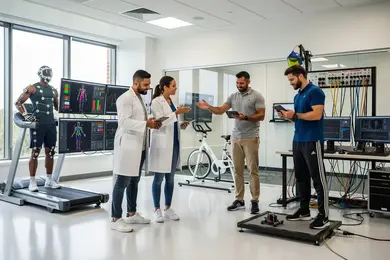
- Biomechanical Analysis: This involves examining body movements using motion capture and force measurement technologies. Students apply physics and anatomy principles to assess athletic performance and injury potential, optimizing techniques for better outcomes.
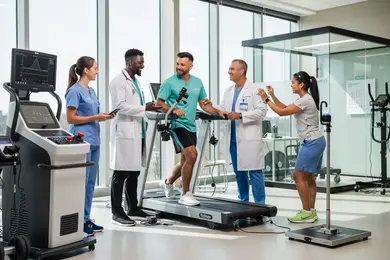
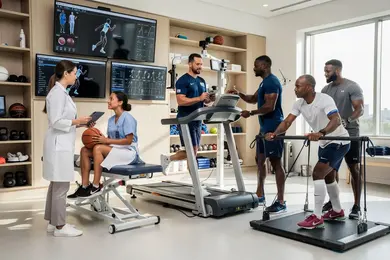
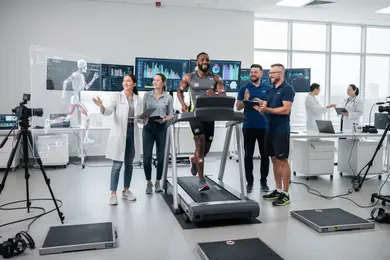
- Physiological Assessment: Techniques like VO2 max, lactate threshold, and heart rate monitoring allow measurement of cardiovascular and muscular endurance. These assessments guide personalized training and recovery strategies.
- Exercise Prescription and Programming: Utilizing data from various assessments, students design tailored exercise plans. These routines consider intensity, frequency, and progression to improve health and athletic performance systematically.
- Statistical and Data Analysis: Proficiency with statistical software helps interpret experimental results and track performance trends. This skill supports evidence-based research and informs best practices in sports science.
- Use of Technology and Wearables: Familiarity with devices such as GPS trackers and accelerometers enables real-time data collection and analysis. Students monitor athlete workload and prevent overtraining efficiently by leveraging these tools.
Hands-on laboratory and data analysis skills in sports science programs ensure students gain practical experience through experiments and research projects. This applied knowledge fosters a comprehensive understanding of human movement and exercise science. Prospective students interested in further educational pathways can explore online RN programs to complement their athletic and health science expertise.
What Soft Skills Do Sports Science Students Develop?
Sports science programs equip students with critical interpersonal and behavioral skills that enhance both their academic performance and career readiness. Research shows that 92% of hiring managers value soft skills like communication as much as, or more than, technical expertise. These programs foster abilities that help students navigate complex professional environments with confidence and agility.
The following key soft skills are nurtured through sports science study:
- Communication: Students develop the ability to express ideas clearly and confidently, essential for presenting research or working in teams. Strong communication skills improve collaboration and facilitate professional relationships.
- Teamwork: Through group projects and cooperative tasks, students learn to collaborate effectively, manage conflicts, and contribute to common objectives. This prepares them for roles that rely heavily on group synergy.
- Problem-Solving: Engaging with real-world challenges enhances students' capacity to analyze situations, think critically, and devise practical solutions. These skills support both academic inquiry and practical decision-making.
- Adaptability: Exposure to evolving content and varying learning formats encourages students to adjust quickly to new information and changing conditions, a vital trait in dynamic professional settings.
- Leadership: Taking on leadership roles in group environments helps students build confidence and refine their ability to motivate and organize others, crucial for guiding teams and projects.
A sports science degree graduate shared that the collaborative nature of his coursework often pushed him outside his comfort zone. "Learning to navigate different personalities and opinions was tough at first," he recalled, "but it really sharpened my ability to listen and adjust my approach." He noted that managing multiple deadlines while coordinating with peers taught him resilience and patience, while stepping into informal leadership roles allowed him to build confidence he hadn't expected. "Those experiences made me realize that soft skills are just as important as what you learn from textbooks."
In today's rapidly changing job market, 82% of employers emphasize the importance of adaptability and lifelong learning when considering candidates. Graduates equipped with these transferable skills can successfully navigate various industries and roles. Below are key competencies developed through a sports science degree that support this cross-industry mobility.
- Analytical Thinking: The ability to interpret complex data and research outcomes is central to sports science studies. This skill is valuable in careers where critical evaluation and evidence-based decision-making drive success across health care, education, and business sectors.
- Effective Communication: Presenting scientific concepts clearly, both orally and in writing, enhances interactions with diverse audiences. Such communication skills are essential for roles in research, marketing, and leadership where influencing others is key.
- Project Management: Organizing resources, coordinating tasks, and meeting deadlines practiced in sports science coursework transfer well to team leadership situations in corporate, nonprofit, or academic settings.
- Research Proficiency: Designing studies and assessing evidence enables informed policy development and innovation. This expertise is crucial for consultancy and strategic decision-making environments.
- Adaptability and Lifelong Learning: Continuously integrating new knowledge is a hallmark of sports science education. These qualities align closely with employer demands for versatility across professional fields.
Those interested in accelerating their education may explore fast track degree programs that offer efficient pathways to acquire these transferable skills gained from a sports science degree.
Recent employer surveys reveal that over 70% of organizations in health, fitness, and rehabilitation prioritize candidates with specialized technical expertise in sports science. This demand highlights a growing emphasis on skills that blend scientific knowledge with practical application to support health outcomes.
The critical capabilities currently shaping the sports science profession include:
- Exercise Physiology: Understanding how the body adapts to physical activity is fundamental for designing safe, effective training and rehabilitation protocols. This knowledge is crucial for enhancing performance and ensuring evidence-based practice across clinical and athletic settings.
- Biomechanics: Examining movement mechanics and force interactions helps professionals prevent injuries and improve technique. Biomechanics remains vital for both research innovation and practical performance improvements.
- Data Analysis: Proficiency in analyzing complex datasets supports personalized training approaches and evidence-driven decision-making. This skill has become increasingly important due to the rise of wearable technology and performance monitoring tools.
- Nutrition Science: A comprehensive grasp of nutritional principles informs dietary strategies tailored to individual needs, which is essential for optimizing recovery and athletic outcomes.
- Research Methodology: Skillful design and execution of research foster ongoing discovery and validation within sports science, ensuring that interventions remain grounded in rigorous scientific evidence.
When asked about the most sought-after skills in the field, a professional with a Sports Science degree emphasized the challenge of staying current amid fast-evolving technologies. She reflected, "It's one thing to learn theory, but applying that knowledge to real-world problems, like interpreting data from a new wearable device, can be daunting at first." She found that her ability to adapt quickly and synthesize diverse information proved invaluable, noting that "collaborating with multidisciplinary teams pushed me to deepen my skills continuously." Her experience underscores the dynamic nature of the field and the ongoing demand for adaptable, evidence-informed expertise.
Employers assessing entry-level sports science graduates focus heavily on core skill sets and readiness for practical duties. Research indicates that more than 70% of hiring managers notice a lack of applied skills among recent graduates, underscoring the need for candidates to be job-ready beyond theoretical knowledge. This demand influences hiring practices and the qualifications new professionals must demonstrate early in their careers.
Key abilities employers expect from entry-level sports science candidates include:
- Analytical Thinking: Graduates should effectively interpret data to evaluate physical performance and develop interventions based on evidence. This ability supports decision-making and adapting methods within clinical, research, or athletic environments.
- Clear Communication: Conveying complex information in an understandable manner is essential for interacting with clients, athletes, and colleagues. Professionals must articulate technical concepts clearly and maintain professional dialogue.
- Hands-On Skills: Practical experience in conducting assessments, tests, and applying training protocols is vital. Demonstrating safe and efficient use of equipment and procedures is crucial in entry-level roles.
- Collaborative Teamwork: Success often depends on working cohesively with coaches, healthcare professionals, and clients. Building positive, cooperative relationships enhances integrated care and team outcomes.
- Adaptability and Problem-Solving: Being flexible in response to changing circumstances and challenges allows graduates to provide value despite limited experience. Employers appreciate the ability to critically assess situations and modify approaches effectively.
Approximately 67% of sports science graduates secure employment within three months after finishing their programs, highlighting the strong demand for these skills across multiple industries. This demand reflects the growing recognition of expertise in human movement, physiology, and performance in diverse professional fields.
Careers that utilize skills learned in sports science programs commonly include the following areas:
- Athletic Training and Coaching: Professionals design personalized training plans to enhance athletic performance while reducing injury risks. Their expertise in biomechanics and exercise physiology helps tailor workouts to meet individual athlete needs.
- Sports Medicine: Specialists apply knowledge of anatomy and rehabilitation techniques to support healthcare providers in diagnosing injuries and developing recovery strategies. This role bridges science and clinical practice for effective patient outcomes.
- Fitness and Wellness: Personal trainers and exercise physiologists use their understanding of physiology, nutrition, and motivation to create programs that improve clients' health and physical capabilities.
- Research and Academia: Graduates engage in studies focused on human movement and health, advancing knowledge that informs better training methods and health interventions across populations.
- Sports Technology and Analytics: Professionals leverage data analysis and biomechanical insights to develop innovative devices and tools that monitor performance and prevent injuries.
Certain sports science skills are strongly linked to higher earning potential because they provide specialized expertise that employers highly value in various industries. Professionals with these in-demand skills often receive compensation reflecting their ability to enhance athletic performance, rehabilitation, and data-driven decision-making. Understanding which skills lead to better pay can help students focus their development for the most lucrative career paths.
The most in demand sports science skills for top-paying jobs include the following:
- Biomechanics Expertise: Skilled professionals in biomechanics who analyze movement patterns can expect about a 10% to 20% salary premium. Their ability to optimize performance and prevent injuries makes them sought after by sports teams, rehab centers, and research institutions.
- Exercise Physiology Knowledge: Advanced understanding of how the body responds to exercise typically results in $5,000 to $12,000 higher annual pay. These experts design effective training programs that improve athlete outcomes and overall health.
- Sports Analytics and Data Interpretation: Familiarity with performance data and technology offers a 15% to 25% salary increase. Organizations investing in data-driven competitive strategies value these skills highly.
- Rehabilitation and Injury Management: Professionals with competence in recovery protocols often enjoy $7,000 to $15,000 additional annual income. Their role in reducing downtime and health expenses is critical across sports disciplines.
- Strength and Conditioning Coaching: Certified coaches in this area typically receive 10% to 18% more pay due to their impact on athletic power and endurance.
For those seeking educational options that can enhance these skills, programs like an online ASN offer flexible pathways to gain relevant expertise and advance in high-earning careers requiring advanced sports science expertise.
Internships play a vital role in developing practical sports science skills by immersing students in real-world environments where academic theories meet applied practice. These experiences reinforce learning by helping students apply concepts like exercise physiology, biomechanics, and nutrition in authentic settings.
Research shows that around 75% of sports science graduates who take part in internship opportunities for sports science skill development report enhanced practical skills and confidence entering the workforce. This exposure provides critical insight into industry challenges, bridging the gap between classroom knowledge and professional competence.
Through structured tasks and supervised experiences, internships support the refinement of core sports science skills such as data collection, performance analysis, and client communication. Working closely with experienced professionals allows students to improve problem-solving abilities and adapt to real-world demands while receiving valuable feedback to develop professional habits.
The hands-on practice gained from these internships strengthens essential skills needed across careers in coaching, rehabilitation, and fitness training. Those interested in further expanding their qualifications can explore opportunities such as online direct entry MSN programs that complement these experiential learning paths.
Presenting sports science skills effectively on a resume is crucial to clearly showcase your expertise and make a strong impression on potential employers. A well-structured layout ensures your qualifications align with what recruiters seek, increasing your chances of being noticed. Organizing your skills thoughtfully reflects a professional approach and improves readability.
Here are some key practices for listing sports science skills on your resume:
- Clear Language: Use straightforward terms to describe your skills, avoiding vague or generic phrases. This helps recruiters quickly grasp your capabilities without confusion.
- Logical Grouping: Arrange related competencies together, such as technical abilities separately from interpersonal ones. This categorization aids quick scanning and highlights your expertise areas.
- Contextual Detail: Briefly mention how or where a skill was applied to add depth and relevance. For example, note if you used data analysis in program design, providing tangible context.
- Dedicated Skills Section: Create a distinct section for your sports science skills to separate them from work experience and education, emphasizing both technical and soft skills effectively.
- Consistent Formatting: Maintain uniform style throughout your resume, including font, spacing, and bullet points, to ensure a polished and professional presentation.
What Graduates Say About the Most Valuable Skills You Build in a Sports Science Degree
- Westin: "Completing my sports science degree was a turning point that helped me develop a wide range of skills - from biomechanical analysis at the undergraduate level to advanced research techniques during my master's. The biggest challenge was balancing theoretical knowledge with hands-on practice, but that struggle made me appreciate how vital these skills are in fields like physiotherapy and athletic training. Now, working as a strength coach, I realize how these capabilities directly enhance athlete performance."
- Peter: "Looking back, the most valuable aspect of my sports science education was learning how to adapt my communication and analytical skills to different types of careers in the industry. Early on, mastering the core scientific principles was tough, particularly when applying them to real-life situations, but it shaped my problem-solving mindset. Today, as a sports psychologist, these skills help me create evidence-based strategies that improve athletes' mental resilience."
- Andrew: "My sports science degree journey was enlightening, especially in understanding the career versatility that strong research and evaluation skills provide. The progression from basic anatomy classes to specialized modules in exercise physiology challenged me to develop precision and discipline. In my role as a performance analyst, these skills have been invaluable in delivering actionable insights to coaches and players."
Other Things You Should Know About Sports Science Degrees
Students learn data collection, biomechanics testing, exercise physiology protocols, and ethical research methods before clinical or performance analysis work. Many degrees require at least one lab-based module and a final-year dissertation or research project, which helps prepare graduates for roles in applied sport science, rehabilitation support, and performance analysis.
Data analysis skills gained through a sports science degree enable graduates to interpret performance metrics, biomechanical data, and health indicators accurately. This capability is especially valuable in careers such as sports performance analysis, exercise physiology, and research, where evidence-based decision-making improves athlete outcomes and program effectiveness.
Yes, leadership skills developed through group projects and practical placements prepare graduates to manage teams and coordinate programs in environments like fitness centers, corporate wellness, and community health organizations. These skills help professionals guide others effectively, making them valuable in any role requiring project management or team supervision.
- The Role of Sports in Developing Soft Skills | Education https://vocal.media/education/the-role-of-sports-in-developing-soft-skills
- Soft Skills Matter Now More Than Ever: What New Research Means for Athletes https://www.positiveathlete.org/post/soft-skills-matter-now-more-than-ever-what-new-research-means-for-athletes
- What can I do with a sports science degree? | TEG London https://www.teg.london/what-can-i-do-with-a-sports-science-degree/
- Entry Level Sports Jobs with Real Growth Potential https://www.workinsports.com/resourcecenter/jobseeker/pages/entry-level-sports-jobs-with-real-growth-potential
- The Ultimate Guide to Getting Work Experience in Sports Science - Supporting Champions https://www.supportingchampions.co.uk/the-ultimate-guide-to-getting-work-experience-in-sports-science/
- Top Reasons to Study Sports Science Degrees - AECC https://www.aeccglobal.sg/blog/top-reasons-to-study-sports-science-degrees/
- Top skills you'll build as a Sport student (and why employers love them) - Folkestone College https://www.folkestonecollege.ac.uk/news/top-skills-sport/
- The Current State of the Sport Science Field and Careers – Integration, Data, and Professional Pathways https://www.nsca.com/education/articles/nsca-coach/sport-science-field-and-careers/
- Applied Sports Science https://www.th-deg.de/asw-b-en
- What can you do with a sports science degree? https://www.wlv.ac.uk/news-and-events/wlv-blog/2024/may-2024/what-can-you-do-with-a-sports-science-degree.php