2027 How Much Does a Business Administration Degree Program Cost? Tuition, Fees & Total Expense Breakdown

Co-Founder and Chief Data Scientist
The real question is not only whether a business administration degree is affordable, but what the degree will actually cost from enrollment through graduation. Tuition is only one part of the budget. Mandatory fees, software, books, transportation, housing, food, internships, and enrollment format can all change the final price.
Budgeting is harder because costs are not always presented in one place. Recent trends show a 12% increase in tuition fees for business-related programs over the past five years, and many students still underestimate expenses such as textbooks, technology fees, campus services, and required course materials.
This guide explains the full cost of a business administration degree in 2026, including tuition, school fees, supplies, living expenses, online versus campus costs, full-time versus part-time enrollment, and hidden charges. Use it to compare programs more accurately, ask better questions before enrolling, and avoid building a budget around tuition alone.
Key Benefits of Knowing the Business Administration Degree Program Cost in 2026
- Knowing the total cost helps students plan financially, avoiding unexpected debt during their business administration degree.
- Detailed expense breakdowns clarify tuition, fees, and ancillary costs, enabling targeted budgeting for specific needs like textbooks or technology.
- Understanding expenses supports comparison across programs, promoting informed decisions that balance quality education with affordability in business administration.
What Expenses Are Included in the Full Cost of a Business Administration Degree?
The full cost of a business administration degree includes more than published tuition. A realistic budget should account for direct school charges, required academic materials, technology, and personal expenses tied to attendance. These categories matter because two schools with similar tuition can have very different total costs once fees and living expenses are included.
- Tuition: Tuition is usually the largest direct academic cost, typically ranging from $10,000 to $40,000 per year depending on the institution, location, residency status, and program format.
- Mandatory fees: Schools often charge required fees for facilities, student activities, technology access, libraries, registration, and student services. These charges can add several hundred to a few thousand dollars annually.
- Books and supplies: Business students should budget for textbooks, case studies, calculators, subscriptions, and course packets. Costs can range from $1,200 to $1,500 yearly, although rentals and digital materials may lower the bill.
- Technology requirements: A reliable laptop is usually essential for spreadsheets, presentations, video meetings, learning platforms, and business software. Students may spend between $800 and $1,500 upfront if they need a new device.
- Clinical or lab fees: Business programs do not usually have clinical costs, but some entrepreneurship, analytics, accounting, finance, or simulation-based courses may charge special lab or platform fees ranging from $100 to $600 annually if applicable.
- Living expenses: Housing, food, transportation, and personal expenses can add $12,000 to $20,000 per year. For residential students, these costs may exceed tuition at some institutions.
When comparing schools, request each institution’s official cost of attendance rather than relying only on tuition pages. Also review whether online, accelerated, or transfer-friendly pathways can reduce time in school. For a broader look at shorter program formats, students can compare accelerated associate degree programs and evaluate how course pace affects total cost.
What Is the Average Total Cost of a Business Administration Degree Program in 2026?
The average total cost of a business administration degree program in 2026 typically ranges from $40,000 to $120,000 in the U.S. This range includes tuition, mandatory fees, textbooks, supplies, technology costs, and living expenses. The exact amount depends heavily on whether the student attends a public or private institution, studies online or on campus, qualifies for in-state tuition, transfers prior credits, or lives at home.
Public universities generally charge between $30,000 and $50,000 for in-state students, while private schools often exceed $100,000 in total costs. Online and hybrid programs may reduce housing and commuting expenses, but they can still include technology, proctoring, software, and distance-learning fees. Location also matters: schools in the Northeast and West Coastal states tend to have higher overall costs.
To estimate your own likely cost, compare programs using the same categories: tuition, required fees, books, software, equipment, transportation, housing, food, and expected time to completion. Students looking for lower-cost or flexible formats may also review easiest online degrees to get, but affordability should be weighed alongside accreditation, transfer policies, curriculum quality, and career fit.
What Mandatory Fees Do Schools Charge for a Business Administration Program in 2026?
Mandatory fees are required charges separate from tuition. They support campus operations, student services, academic technology, and administrative functions. Because they are often listed below tuition or in separate fee schedules, students sometimes miss them when estimating total cost.
- Technology fees: Ranging from $100 to $400 per semester, these fees may support learning platforms, software licenses, online course tools, help desks, data systems, and campus IT infrastructure.
- Student services fees: Usually between $150 and $350 per term, these charges may fund career counseling, academic advising, student organizations, wellness services, tutoring, and campus programming.
- Assessment or testing fees: Averaging $50 to $150, these fees may cover placement tests, program assessments, proctored exams, or certification-related testing requirements.
- Campus facilities fees: Typically $100 to $300 per semester, these charges help maintain libraries, classrooms, study areas, business school facilities, recreation spaces, and other shared resources.
- Lab or materials fees: Some courses that use analytics platforms, simulations, accounting tools, or specialized databases may charge $50 to $200 for access or course materials.
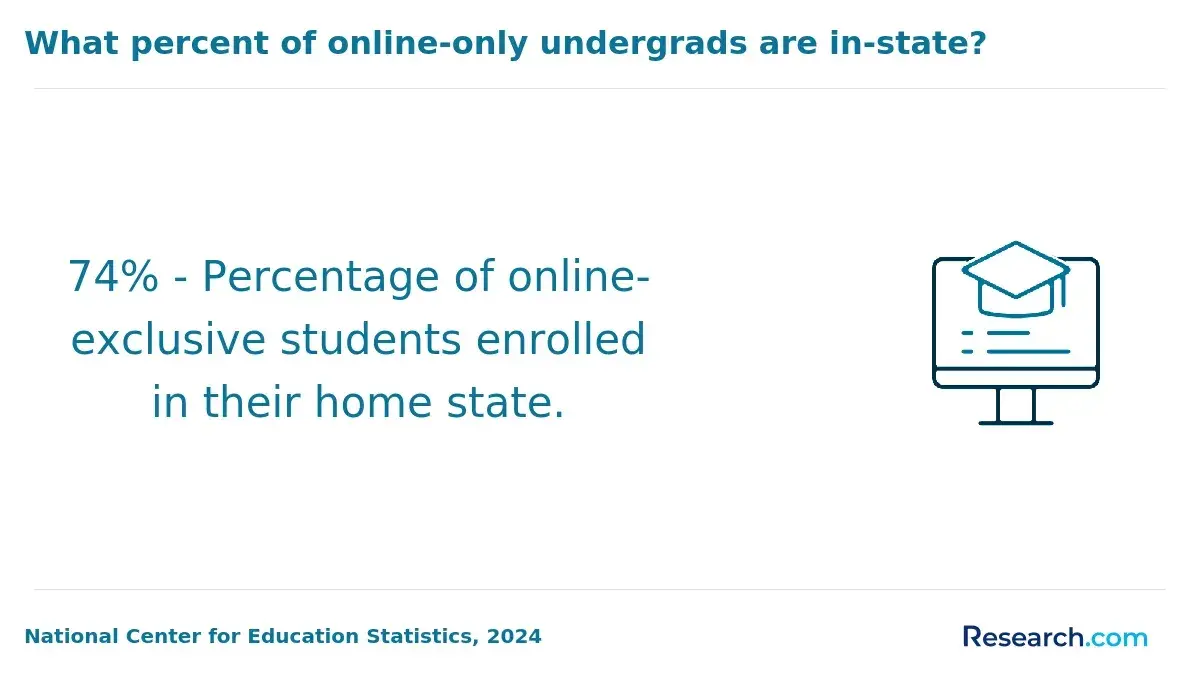
According to the National Center for Education Statistics (NCES), mandatory fees for business administration degree programs in 2026 can add approximately 10-15% on top of base tuition. Before enrolling, ask whether fees are charged per credit, per course, per semester, or as a flat annual amount. Students comparing long-term educational investment may also find it useful to review what masters degrees pay the most when thinking about future graduate study and return on investment.
Are There Additional Program Fees for the Business Administration Major in 2026?
Yes. In addition to general university fees, some business administration majors include program-specific charges tied to software, simulations, certifications, experiential learning, or specialized coursework. These fees are not always obvious on the main tuition page, so students should check the business school, department, and course catalog fee disclosures.
- Lab fees: Some finance, analytics, accounting, operations, or entrepreneurship courses require access to business simulations, financial databases, or specialized instructional platforms.
- Certification preparation fees: Programs may include or recommend preparation for credentials such as Certified Manager or Project Management Professional (PMP), which can add costs if exam preparation materials or testing are not covered.
- Software requirements: Students may need advanced spreadsheet tools, statistical analysis software, accounting platforms, customer relationship management systems, or business intelligence tools.
- Materials and supplies: Case study packets, entrepreneurship project materials, presentation supplies, and course-specific resources may be modest individually but can accumulate across semesters.
- Fieldwork and practicum fees: Internship administration, background checks, transportation, placement processing, or required professional documentation may create additional costs.
According to recent data from the National Center for Education Statistics, these additional fees can range approximately from $200 to $1,200 annually. The best way to avoid surprises is to ask the program office for an itemized estimate by year, including required software, certification costs, and fees tied to upper-division business courses.
How Much Do Required Supplies or Equipment Cost for a Business Administration Major?
Required supplies for a business administration major usually center on technology, textbooks, software, and digital course materials. These costs are lower than in equipment-heavy majors, but they still affect the total cost of attendance, especially in programs that rely on analytics platforms, accounting tools, or frequent case study purchases.
- Laptop or desktop computer: A dependable device is necessary for assignments, spreadsheets, presentations, online exams, group projects, and video conferencing. Prices generally range from $500 to $1,200 based on specifications.
- Business software: Microsoft Office and similar productivity suites are often available at no or reduced cost through educational licenses, but students should confirm access before buying subscriptions independently.
- Specialized software: Tools for accounting and data analysis, such as QuickBooks or Tableau, may cost between $100 and $300 per year if the institution does not provide access.
- Textbooks and case studies: Required reading materials can total $500 to $1,000 annually. Digital access codes, course packs, and case studies can limit the savings from buying used books.
The College Board estimates these supplementary supplies add approximately $600 to $1,500 annually to a student's educational costs, depending on the program's scope and software access. To reduce costs, ask instructors whether older textbook editions are acceptable, check library reserves, compare rentals with digital purchases, and verify which software licenses are already included in student fees.
What Are the Typical Living, Food, and Travel Expenses for Business Administration Students?
Living expenses can be one of the largest parts of a business administration student’s budget. They vary by city, housing choice, commuting distance, meal plan, and whether the student attends online, on campus, or in a hybrid format. Students should estimate these costs separately from tuition because they often determine how much borrowing or work income is needed.
- Housing and utilities: Annual costs usually range between $8,500 and $12,500, depending on whether the student lives on campus, off campus, with family, or with roommates.
- Food: Expenses typically fall between $3,000 and $5,000 yearly, including groceries, meal plans, dining out, and snacks during long campus days.
- Transportation: Local travel costs generally range from $500 to $1,500 annually and may include public transit, gas, parking, rideshares, vehicle maintenance, or campus transportation fees.
- Travel for internships or visits: Students attending out-of-state or international programs may incur additional expenses exceeding $1,000 for flights or long-distance transportation during breaks, internship periods, or required in-person sessions.
One business administration student described budgeting as an ongoing adjustment rather than a one-time plan. She chose a shared apartment to lower rent, combined home-cooked meals with occasional campus dining, and planned holiday travel early to avoid high last-minute prices. “It was stressful at times, but tracking expenses monthly helped me stay on top,” she reflected. Her experience highlights a practical lesson: students who monitor housing, food, and transportation monthly are better positioned to prevent small overruns from becoming major financial strain.
Do Business Administration Programs Require Internships or Residencies that Add Cost?
Many business administration programs include internships, practicums, consulting projects, residencies, or other experiential requirements. These experiences can improve career readiness, but they may also add costs that are not reflected in tuition. Requirements vary by institution, concentration, degree level, and program format.
Internships may be paid or unpaid, part-time or full-time, local or remote. Some programs require a specific number of hours for graduation, while others strongly recommend internships but do not make them mandatory. Residencies are usually shorter, more intensive in-person experiences and are more common in executive, hybrid, accelerated, or cohort-based programs.
Potential added expenses include travel, temporary housing, professional clothing, background checks, insurance, parking, commuting, meals, lost work hours, and program administration fees. With around 60% of internships unpaid in the U.S., students should ask early whether the school offers local placements, virtual internships, stipends, employer partnerships, or credit-bearing options that fit their budget. A strong internship can be valuable, but students should not assume it will be cost-neutral.
Are Online Business Administration Programs Cheaper Than On-Campus Programs in 2026?
Online business administration programs can be cheaper than on-campus programs, but not always. The biggest savings usually come from avoiding campus housing, meal plans, relocation, and daily commuting. However, online students may still pay tuition, technology fees, distance-learning fees, proctoring fees, software charges, and course material costs.
The cheaper option depends on the school’s pricing model. Some institutions charge the same tuition for online and campus students. Others offer lower online tuition, in-state rates for all online learners, or per-credit pricing that benefits part-time students. In contrast, some online programs charge extra platform or remote learning fees that reduce the expected savings.
- Online may cost less if: the student can live at home, keep working, avoid relocation, use existing technology, and enroll in a program with competitive per-credit tuition.
- On-campus may be worth the added cost if: the student benefits from in-person networking, campus recruiting, student organizations, face-to-face advising, and access to local internships.
- Hybrid programs may fall in between: they can reduce weekly commuting while still requiring occasional travel, parking, lodging, or intensive campus sessions.
Students comparing delivery formats should review tuition and fee sheets line by line and include living costs in the comparison. Those prioritizing affordability and flexibility can also explore online business school programs while checking accreditation, transfer credit policies, student support, and employer recognition.
How Much Does a Full-Time Business Administration Program Cost Compared to Part-Time?
Full-time and part-time business administration programs differ in both short-term affordability and total cost. Full-time study often requires a larger immediate commitment but may reduce time to graduation. Part-time study can make each semester more manageable, especially for working adults, but may increase the total amount paid over time if fees and tuition rise across additional semesters.
Full-time business administration programs
- Tuition per credit: Full-time students often pay a flat-rate tuition based on 12 to 18 credit hours per semester, which can lower the effective per-credit cost compared with part-time pricing.
- Total program cost: Completing the degree in two to four years can reduce the number of semesters in which fees, transportation, and living costs apply.
- Mandatory fees: Technology, activity, and facilities fees may be charged at a flat semester rate, which can benefit students taking more credits during the same term.
- Supply and equipment costs: Full-time students buy more materials at once, but they may complete required sequences faster and avoid spreading software or subscription costs over more years.
- Living and travel expenses: Full-time campus students may have higher near-term housing, food, and commuting costs because school takes up more of their weekly schedule.
Part-time business administration programs
- Tuition per credit: Part-time students often pay tuition per credit hour, which can range from $400 to $600 per credit according to NCES 2023 data, and may cost more per credit than flat-rate full-time tuition.
- Total program cost: Extending enrollment, sometimes doubling it, can increase total tuition exposure and add more semesters of fees.
- Mandatory fees: If fees are charged per course or every term, part-time students may pay them more often across a longer period.
- Supply and equipment costs: Textbooks, access codes, software subscriptions, and technology purchases may be spread out, but the total can rise if materials expire or courses change.
- Living and travel expenses: Part-time students may continue earning income, but commuting and school-related expenses can continue for more years.
The right choice depends on cash flow, work schedule, family responsibilities, financial aid rules, and the value of graduating sooner. Students considering flexible study should compare per-credit tuition, flat-rate tuition, fee schedules, and completion timelines. Reviewing affordable online degree programs can also help identify options that balance flexibility and lower total cost.
What Hidden Fees Increase the Cost of a Business Administration Program in 2026?
Hidden fees are not always truly hidden, but they are often buried in catalogs, course descriptions, billing policies, or student account pages. These charges can increase the cost of a business administration program beyond the advertised tuition rate, especially for students who register late, change schedules, commute to campus, or take certification-heavy courses.
- Late registration fees: Missing enrollment or payment deadlines can trigger fees typically ranging from $50 to over $200 per incident.
- Library or printing fees: Specialized databases, printing, copying, and course materials can add $50 to $150 per semester.
- Lab consumables: Some business analytics, simulation, or software-based courses may require materials or platform access costing around $100 or more.
- Exam or certification fees: Professional certifications like Certified Business Manager or proctored exams can incur fees ranging from $100 to $500 each.
- Parking or transportation fees: In-person students may pay $100 to $500 annually for parking permits, transit passes, or commuting-related charges.
To reduce hidden costs, read the billing policy before registration, ask whether course fees vary by section, confirm refund deadlines, and check whether internships or capstone projects carry separate charges. Students considering combined credentials should also review best dual degree programs carefully, since dual pathways may save time in some cases but can also introduce additional fees if not planned well.
What Graduates Say About the Cost of Their Business Administration Degree
- Armando: "Pursuing my business administration degree was a significant investment-tuition and fees averaged around $35,000 per year-but the flexible payment plans and part-time study options helped me manage living expenses without too much stress. The hands-on learning experience prepared me well for real-world business challenges, and within two years of graduation, the return on investment was clear through a notable salary increase and career advancement. I wholeheartedly recommend this path to anyone ready to invest in their future."
- Damien: "The cost of attending a business administration program was a constant concern for me, especially balancing rent and daily expenses on a modest budget. However, the program structure allowed me to work alongside my studies, and the financial discipline I developed ended up being as valuable as the coursework. Reflecting now, the ROI is undeniable: the skills and connections I gained opened doors to lucrative positions that quickly offset the initial costs."
- Aida: "Enrolling in a business administration degree required careful financial planning since the average cost hovered near $30,000 annually including living expenses. The learning experience was intense but rewarding, equipping me with critical skills in management and finance. Professionally, the degree paid off faster than expected, with promotions and salary raises validating the investment. This program was a strategic move for my career growth."
Other Things You Should Know About Business Administration Degrees
Beyond tuition, costs include administrative fees, textbooks, supplies, and technology fees. These can add thousands to your expenses. Some programs may also charge for internships or practicums, especially in specialized business fields. It's essential to account for these when planning your budget.
Before enrolling in a business administration degree program in 2027, students typically need a high school diploma or equivalent. Some programs may require standardized test scores like the SAT or ACT, and prerequisites such as foundational courses in mathematics or economics. Always check specific program requirements.
In 2027, the location significantly impacts the cost of a business administration degree. Urban institutions may charge higher tuition due to increased demand and cost of living, while rural campuses might offer lower fees but could involve additional travel and housing expenses for students.
Generally, private institutions charge higher tuition and fees for business administration programs compared to public schools. However, private schools may offer more substantial financial aid packages. Public universities typically have lower base costs, especially for in-state residents, making them a more affordable option overall.
References
- Bachelor of Business Administration | Yorkville University https://www.yorkvilleu.ca/programs/bachelor-of-business-administration-oncampus/
- The True Cost of a Business Administration Degree: What You Need to Know https://www.continents.us/the-true-cost-of-a-business-administration-degree-what-you-need-to-know/
- 2025-26 Tuition and Fees | Student Account Services https://studentaccount.uky.edu/2025-26-tuition-and-fees
- Cost to Study in Top MBA Colleges in the USA 2026 https://www.nomadcredit.com/blog/cost-to-study-in-top-mba-colleges-in-usa
- Cost of living - SWPS University https://english.swps.pl/programs/study-comfortably/cost-of-living
- Online vs Regular MBA in HR: Cost Comparison | Amity Online https://amityonline.com/blog/online-mba-hr-vs-regular-mba-cost
- Fees - WAB we Wrocławiu https://wab.edu.pl/en/admission/fees/
- Part-Time vs. Full-Time MBA Programs: Pros, Cons, and How to Decide | Leland https://www.joinleland.com/library/a/part-time-mba
- How Expensive is Business School? https://imagine-america.org/expensive-business-school/
- Tuition fee - Bachelor's Business Administration https://www.uva.nl/en/programmes/bachelors/business-administration/tuition-fee/tuition-fee.html