
2027 Is a 2-Year Business Administration Degree Worth It: Accelerated Bachelor's ROI & Time Trade-Offs

Co-Founder and Chief Data Scientist
A 2-year business administration degree can be a fast route into business roles, but the right choice depends on what “2-year” means in the program you are considering. Some options are associate degrees. Others are accelerated bachelor’s or degree-completion programs that expect transfer credits, prior college coursework, or year-round study. The credential, cost, workload, and career payoff can differ substantially.
The main trade-off is speed versus intensity. Recent data shows that graduates from accelerated business programs experience employment rates 15% higher within the first year post-graduation, which reflects employer interest in faster, career-focused credentialing. Still, accelerated does not automatically mean better. Students need to compare tuition, transfer-credit policies, accreditation, weekly workload, employer recognition, salary potential, and whether the program leaves room for work and family responsibilities.
This guide explains how 2-year business administration programs are structured, what admission requirements usually look like, how online options work, what costs and financial aid to expect, which jobs may be available, and how to judge return on investment before enrolling.
Key Benefits of a 2-Year Business Administration Degree
- Accelerated 2-year business administration degrees reduce time-to-degree, allowing graduates to enter the workforce faster and save on tuition and living expenses.
- Graduates often see a strong ROI, with average starting salaries around $50,000-$60,000, enabling quicker repayment of education costs.
- The condensed curriculum focuses on essential skills, improving employability while minimizing opportunity costs from extended schooling durations.
How do 2-year business administration programs work?
Most 2-year business administration programs work by compressing the academic calendar, accepting transfer credits, or both. A true associate degree is commonly designed to be completed in about two years from the start. An accelerated bachelor’s degree that finishes in two years usually requires students to bring in prior credits, complete courses year-round, or take a heavier course load than a traditional student.
Before applying, confirm whether the program awards an associate degree, a bachelor’s degree, or a bachelor’s completion credential. That distinction affects job eligibility, graduate school options, salary expectations, and whether employers view the degree as equivalent to a traditional four-year bachelor’s.
- Accelerated pacing: Programs condense the timeline by shortening academic terms, reducing long breaks, and increasing the amount of work due each week. Students need consistent study time rather than occasional exam preparation.
- Year-round enrollment: Many accelerated formats run through fall, spring, and summer terms. This helps students maintain momentum but leaves less time for recovery, internships, or extended work commitments.
- Condensed course terms: Classes are often offered in 8- to 12-week sessions. Short terms can be efficient, but missing even one week can put a student behind quickly.
- Credit load expectations: Students trying to finish on time may need to complete 12 to 18 credits in a term. That load can be manageable for some full-time students but difficult for those working long hours.
- Instructional format: Programs may be online, hybrid, or campus-based. Online courses add flexibility, while hybrid and campus courses may provide more live interaction and structure.
- Assessment methods: Expect frequent quizzes, case analyses, presentations, discussion posts, papers, and team projects. The workload is designed to measure progress continuously, not just at midterms and finals.
- Curriculum progression: Students typically study accounting, marketing, management, finance, economics, business communication, and general education requirements. Strong programs connect these subjects through applied projects and business cases.
The best fit is usually a student who already has college credits, can study on a fixed schedule, and wants a business credential quickly for employment or advancement. Students who need a slower academic pace, want a traditional campus experience, or are still exploring majors may be better served by a standard timeline.
When comparing accelerated formats, avoid assuming that every fast online pathway works the same way. For example, healthcare-focused options such as RN to BSN online no clinicals programs are built around different professional requirements than business degrees, so applicants should review business-specific credit rules, accreditation, and career outcomes.
What are the admission requirements for a 2-year business administration degree?
Admission requirements depend on whether the program is an associate degree, a first-time bachelor’s pathway, or an accelerated bachelor’s completion program. The faster the program, the more likely it is to expect prior credits, a minimum GPA, or proof that the applicant can handle intensive coursework.
Applicants should read the admissions page carefully and ask how many credits must be completed at the institution, how transfer credits are evaluated, and whether business prerequisites are required before enrollment.
- Prior education: Most programs require a high school diploma or equivalent. Bachelor’s completion programs may also expect previous college coursework or an associate degree.
- GPA expectations: A minimum GPA around 2.0 to 2.5 is commonly expected, though each institution sets its own standard. Selective or cohort-based accelerated programs may review academic performance more closely.
- Standardized tests: SAT or ACT scores are often not required, especially for adult learners or transfer applicants. If scores are optional, submit them only if they strengthen the application.
- Prerequisite coursework: Some programs require or prefer introductory coursework in economics, accounting, statistics, college algebra, or business communication. Missing prerequisites can delay graduation even in an accelerated format.
- Transfer credits: For a 2-year bachelor’s completion timeline, transfer credit is often the deciding factor. Ask whether credits must come from accredited institutions and whether old credits, military training, or professional certifications may be evaluated.
- Work experience: Work experience is generally not mandatory, but business-related experience can strengthen an application and help students connect coursework to real workplace problems.
- Technical readiness: Online and hybrid programs may require students to use learning management systems, video conferencing platforms, spreadsheet tools, and online testing systems from the first week.
Accreditation matters because it can affect transfer credit, financial aid eligibility, employer recognition, and graduate school admission. Students comparing programs across fields may see similar accreditation and aid concerns in resources such as accredited medical billing and coding schools online with financial aid, but business applicants should still verify the specific accreditation status of each business program they are considering.
What does a typical week look like in a 2-year business administration program?
A typical week in a 2-year business administration program is structured and deadline-heavy. Students may move through readings, lectures, discussion posts, quizzes, case studies, spreadsheet assignments, and group work within the same week. The schedule can be especially demanding when courses run in 8- to 12-week sessions.
Students should plan their week before classes begin. In accelerated programs, falling behind usually creates a compounding problem because the next module starts quickly.
- Class sessions: Students may attend live lectures, watch recorded modules, or participate in online discussions. Sessions often focus on core business concepts and then move quickly into application.
- Assignments and assessments: Weekly work may include quizzes, short papers, case analyses, business presentations, accounting problems, marketing plans, or management reflections.
- Group work: Team projects are common because business programs emphasize collaboration. Online students should expect virtual meetings, shared documents, and deadlines that require coordination across work schedules and time zones.
- Independent study: Reviewing lectures, reading chapters, preparing for exams, and practicing quantitative work are essential. Students who wait until the weekend may struggle if multiple courses have overlapping deadlines.
- Instructor interaction: Office hours, email, discussion boards, and tutoring services can prevent small problems from becoming major setbacks. In an accelerated course, asking for help early is important.
- Time management: Students need a repeatable weekly routine. Work, caregiving, commuting, and other obligations should be mapped against assignment deadlines before the term starts.
One graduate described the experience as “both challenging and rewarding,” noting that the toughest part was balancing full-time work with nightly study. Virtual group meetings sometimes felt “like an extra job,” but they also strengthened communication and project-management skills. His advice was direct: “You need to hit the ground running and maintain that momentum throughout.”
That experience reflects a common reality: accelerated business programs reward discipline. They are not necessarily harder because the material is different; they are harder because the margin for delay is smaller.
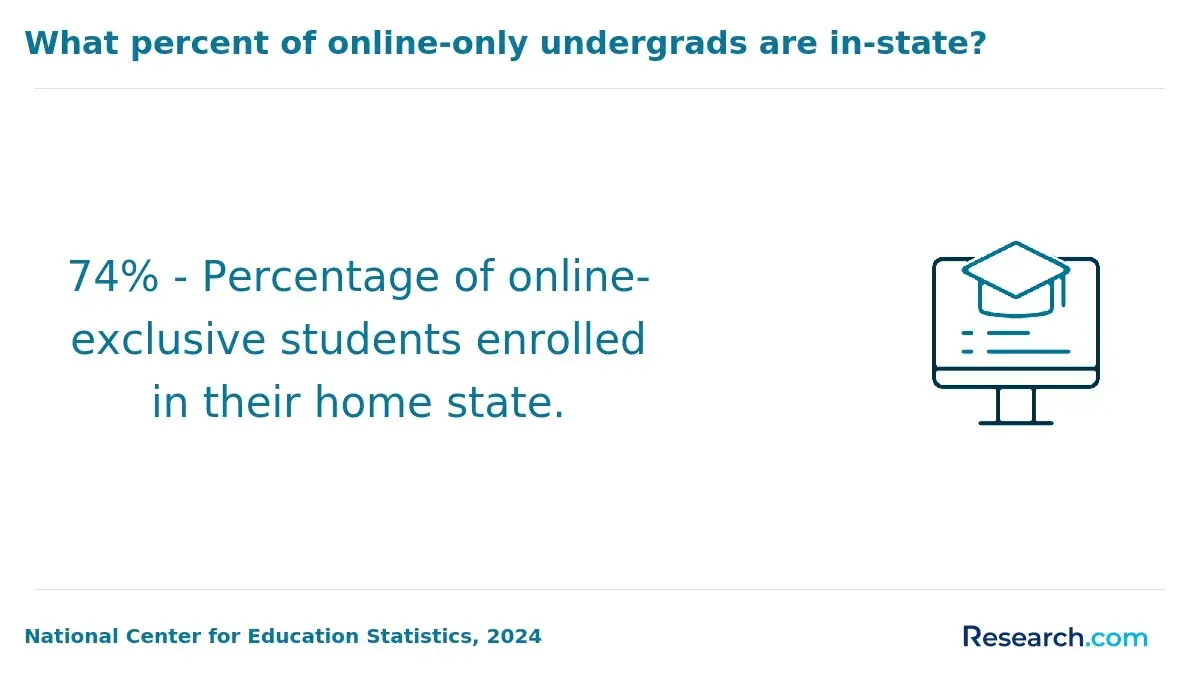
Are 2-year business administration programs available online?
Yes. Many 2-year business administration programs are available online, including associate degrees, accelerated bachelor’s completion programs, and flexible business pathways for working adults. The key is to verify the credential awarded, the credit requirements, and whether any campus visits or live attendance requirements apply.
Online delivery can make a fast business degree more practical, but it does not make the workload lighter. Students still need consistent study time, reliable technology, and the ability to complete assignments on short timelines.
- Fully online formats: These programs allow students to complete coursework remotely. They are often best for learners who need maximum scheduling flexibility or live far from campus.
- Hybrid formats: Hybrid programs combine online coursework with occasional in-person meetings, labs, presentations, or exams. They can provide more structure but may be harder for students with travel limitations.
- Asynchronous learning: Asynchronous courses allow students to access lectures and assignments on their own schedule. This works well for working adults but requires strong self-direction.
- Synchronous learning: Synchronous courses require attendance at set times. They offer real-time interaction but reduce flexibility, especially for students with variable work shifts.
- Technology requirements: Students usually need reliable internet, a capable computer, video conferencing access, office software, and comfort using a learning management system.
- Student support services: Strong online programs provide advising, tutoring, library access, career services, writing help, and technical support. These services matter more in accelerated formats because students have less time to recover from confusion or administrative delays.
If your goal is to complete a bachelor’s credential affordably and flexibly, compare transfer policies, total tuition, and accreditation across options, including an online bachelor's in business that may allow you to balance cost with career preparation.
How much does a 2-year business administration degree cost?
The cost of a 2-year business administration degree depends on the credential level, school type, residency status, transfer credits, and delivery format. Students should calculate the total price, not just the advertised tuition rate. Fees, books, technology costs, credit-transfer limits, and the ability to keep working can change the real cost significantly.
Annual tuition typically ranges between $10,000 and $20,000 depending on residency status and institution. Accelerated programs may save time, but they can also require students to pay for more credits in a shorter period.
- Tuition structure: Tuition may be charged per credit hour, per course, per term, or through a flat-rate model. Students taking heavier loads should ask whether overload charges apply.
- Fees: Registration, technology, student services, graduation, assessment, and online course fees can add to the total cost. These fees may not be obvious in a headline tuition figure.
- Textbooks and learning materials: Books, digital access codes, simulations, spreadsheet tools, and business case materials can add several hundred dollars per term.
- Transfer-credit policies: A generous transfer policy can reduce both time and cost. A restrictive policy can make a “2-year” completion plan unrealistic.
- Accelerated pacing expenses: Finishing faster may reduce living expenses and time away from the workforce. However, the heavier workload may limit part-time employment, which can increase reliance on savings or loans.
- Indirect costs: Online students may avoid commuting and housing costs, while campus or hybrid students should budget for transportation, parking, childcare, and schedule disruption.
Students should request a written degree plan that shows the exact number of credits required, estimated fees, and projected graduation term. Cost comparisons are most useful when they include the same assumptions: transfer credits, course load, aid eligibility, and work schedule.
Accelerated business degrees share a planning challenge with other condensed pathways, such as an online healthcare administration degree: a shorter calendar can improve speed, but students need to confirm whether the monthly cash flow is manageable.
Can you get financial aid for 2-year business administration programs?
Yes, students may be able to receive financial aid for 2-year business administration programs if the institution and program meet eligibility requirements. The most important first step is confirming accreditation and federal aid participation before enrolling. A program that is fast or inexpensive is not automatically eligible for federal aid.
Accelerated students should also pay close attention to timing. Aid disbursement schedules may not line up neatly with short terms, year-round enrollment, or intensive course sequences.
- Federal student aid eligibility: Students at eligible accredited institutions may access federal aid such as Pell Grants and Direct Loans by completing the FAFSA. Eligibility depends on student status, enrollment level, financial need, and program participation.
- Scholarships and grants: Schools, private foundations, employers, community organizations, and professional associations may offer awards based on merit, need, background, or career interest. These funds usually do not require repayment.
- Employer tuition assistance: Working students should ask whether their employer offers reimbursement or upfront tuition support. Read the policy carefully because some employers require minimum grades, continued employment, or program approval.
- Payment plans: Monthly payment plans can help students reduce borrowing, but they require predictable cash flow. Ask about setup fees, missed-payment penalties, and whether payment plans cover all charges.
- Loan planning: Loans can make enrollment possible, but students should borrow based on realistic salary expectations rather than optimism. Compare expected monthly payments with likely entry-level earnings.
- Impact of accelerated pacing: Shorter terms can affect when funds are released and how enrollment status is calculated. Students should confirm aid timelines before the first bill is due.
One graduate said financial aid planning was as important as academic planning. “Navigating the FAFSA process felt overwhelming initially, especially knowing I had less time in the program to make it all work,” she explained. She combined scholarship applications with employer tuition assistance and stayed in close contact with the financial aid office to avoid gaps.
Her main lesson was practical: funding must be managed on the same accelerated timeline as the coursework. Students should ask financial aid offices direct questions about disbursement dates, summer enrollment, satisfactory academic progress, and what happens if they drop a condensed course.
What jobs can you get with a 2-year business administration degree?
A 2-year business administration degree can support entry-level business, office, sales, customer service, operations, accounting support, and human resources roles. The specific jobs available depend heavily on whether the credential is an associate degree or an accelerated bachelor’s degree. Employers may reserve some management-track roles for bachelor’s graduates, while associate degree holders often begin in coordinator or support positions.
Graduates should evaluate job postings in their target region before enrolling. Look for the exact education requirement, preferred software skills, experience expectations, and whether internships or prior work experience are valued.
- Administrative assistant: This role involves scheduling, office coordination, records management, communication support, and day-to-day business operations.
- Sales associate: Sales roles can be found in retail, financial services, technology, insurance, and B2B environments. They build communication, customer relationship, and revenue-generation skills.
- Customer service representative: These positions focus on client communication, problem-solving, service recovery, and account support.
- Junior marketing coordinator: Entry-level marketing work may include social media support, campaign tracking, market research, content coordination, and event support.
- Accounting clerk: Accounting support roles may involve invoices, reconciliations, data entry, payroll support, and use of accounting software.
- Human resources assistant: HR support positions often include onboarding paperwork, benefits coordination, employee records, interview scheduling, and policy communication.
- Operations coordinator: Operations roles involve workflow tracking, vendor coordination, scheduling, logistics support, and process improvement.
Business administration programs are broad by design. That flexibility can be useful, but it also means students should build a focused skill set through electives, internships, certifications, software training, or work experience. Spreadsheet skills, business writing, data analysis, customer relationship management tools, and project coordination can make a graduate more competitive.
Students comparing business with other applied administrative fields may also review options such as the cheapest online healthcare administration degree, but career paths, licensing expectations, and employer requirements can differ by industry.
How do salaries compare for a 2-year business administration degree vs. traditional bachelor's degrees?
Salary comparisons depend on whether the 2-year credential is an associate degree or an accelerated bachelor’s degree. Employers usually evaluate the degree level, school reputation, experience, skills, industry, location, and job function. A faster timeline can help students earn income sooner, but a higher credential may support stronger long-term advancement.
- Early-career earnings: Graduates with an associate degree in business administration typically start with annual salaries between $35,000 and $45,000. In comparison, those holding a bachelor's degree often earn $50,000 to $60,000 early in their careers, reflecting the greater initial value placed on the traditional degree.
- Long-term earning potential: Over time, bachelor's degree holders usually see median wages grow to $75,000-$90,000 in mid-career. Meanwhile, associate degree holders experience slower salary growth and often plateau around $50,000 to $60,000, due to different roles and fewer advancement opportunities.
- Employer perception and career progression: Employers frequently prioritize bachelor's graduates for managerial and strategic roles, while those with 2-year degrees may begin in support or operational positions. This dynamic influences promotion paths and leadership chances.
- Faster workforce entry: Associate degree graduates enter the workforce sooner-potentially up to two years earlier-offering an accelerated path to earning an income. This faster entry can create cumulative earnings benefits, especially when combined with further education over time.
- Total lifetime earnings: Despite earlier workforce entry, data suggests that higher salary growth associated with bachelor's degrees tends to yield greater cumulative earnings over a typical 40-year career. Evaluating earnings after accelerated bachelor's in business administration is essential for balancing these factors.
The most useful comparison is not “fast degree versus traditional degree” in general. It is the specific credential you will earn, the jobs it qualifies you for, and the salary range in your target industry. A low-cost accelerated bachelor’s completion program with strong transfer credit can have a different payoff than a stand-alone associate degree with limited advancement pathways.
Cost-effective pathways in other fields, such as cheap RN to BSN online programs, show why students should compare both price and credential value. For business students, the key question is whether the degree helps you qualify for roles that pay enough to justify tuition, fees, time, and debt.
Which factors most affect ROI for accelerated business administration degrees?
The return on investment for an accelerated business administration degree depends on more than tuition. ROI is shaped by how quickly you finish, how much debt you take on, whether you keep working while enrolled, how employers view the credential, and whether the degree leads to roles with growth potential.
- Time-to-completion: Accelerated programs often shorten the bachelor's degree to around two years, cutting traditional four-year timelines in half. Finishing sooner can mean earlier full-time earnings and faster access to promotion opportunities.
- Tuition and total cost: The lowest tuition rate is not always the lowest total cost. Include fees, books, technology, transfer-credit losses, repeated courses, and the cost of reducing work hours.
- Opportunity cost savings: Graduating earlier can reduce the time spent outside full-time employment. This matters most for students who can move quickly into better-paying roles after graduation.
- Employment outcomes and salary growth: ROI improves when graduates enter roles with clear advancement paths, such as operations, sales management, financial support, human resources, marketing coordination, or business analytics support.
- Industry demand: Business skills are used across many sectors, but demand varies by region and specialization. Students should compare local job postings before choosing electives or concentrations.
- Transferability of skills: Communication, budgeting, data interpretation, leadership, project coordination, and process improvement can transfer across industries. These skills can protect long-term value if a student changes employers or sectors.
- Accreditation and employer recognition: A degree from an appropriately accredited institution is more likely to support transfer, graduate study, and employer confidence. Students should verify accreditation before committing.
- Student readiness: ROI falls if a student has to withdraw, repeat courses, or pause because the schedule is too demanding. The fastest program is only valuable if it is realistically completable.
A practical ROI test is to compare total program cost with the salary increase you reasonably expect within the first few years after graduation. If the degree only leads to a small pay increase, low debt and employer tuition support become especially important. If it qualifies you for a higher-paying role or promotion track, the accelerated timeline may strengthen the payoff.
How do you decide if a 2-year business administration degree is right for you?
A 2-year business administration degree may be right for you if you need a faster credential, can handle an intensive schedule, and have a clear reason for choosing business. It may not be the right fit if you are unsure about your career direction, need a lighter course load, or cannot commit consistent weekly study time.
Start by answering five practical questions:
- What credential will I earn? Confirm whether the program awards an associate degree, bachelor’s degree, or bachelor’s completion degree. Do not rely on the “2-year” label alone.
- How many credits will I actually need? Ask for a transfer-credit evaluation before enrolling. A program advertised as 2 years may take longer if few credits transfer.
- Can I manage the schedule? Consider work hours, family responsibilities, commute time, and the emotional strain of continuous deadlines.
- Will employers value it? Review job postings and speak with hiring managers, alumni, or career services staff. Look for whether your target roles require a bachelor’s degree or accept an associate degree.
- Can I afford it without unsafe debt? Compare tuition, fees, aid, employer support, and likely salary outcomes. Business graduates' median wages hover around $76,000 annually but vary widely with roles and experience.
This path is strongest for students who are focused, organized, and motivated by a specific career outcome: promotion, career change, degree completion, or faster entry into business roles. It is less suitable for students who need time to explore majors, want extensive campus involvement, or cannot reduce outside commitments.
The best decision is not simply the fastest one. Choose the program that offers the right credential, credible accreditation, manageable cost, realistic pacing, and a clear connection to the jobs you want.
What Graduates Say About Their 2-Year Business Administration Degree
- : "Choosing the 2-year accelerated bachelor's degree in business administration was a game changer for me. I wanted to complete my education quickly without sacrificing quality, especially considering the average cost of attendance was manageable compared to longer programs. Balancing the fast-paced schedule was challenging but rewarding, and it taught me discipline and time management. Today, I use what I learned daily in my role, with a solid foundation built in just two years. — Belinda"
- : "I chose the 2-year business administration degree because I needed a flexible path that fit my busy life while minimizing tuition expenses. The condensed schedule meant late nights and intense weeks, but it pushed me to stay focused and efficient. Looking back, the degree accelerated my career trajectory and opened doors that I had not expected before graduation. — Katherine"
- : "My decision to pursue a 2-year business administration program came from wanting to enter the workforce faster without the burden of long-term debt. The demanding pace required planning and prioritization, which has translated directly into my professional responsibilities. Earning this degree helped me advance quickly and showed me that an accelerated path can be impactful when you are ready for the workload. — Amos"
Other Things You Should Know About Business Administration Degrees
In 2027, an accelerated bachelor's program typically offers a higher ROI than a 2-year business administration degree. Accelerated bachelor's graduates often qualify for higher-paying positions faster, balancing upfront tuition costs with increased long-term earnings, making the program financially appealing.
A traditional 2-year business administration degree usually requires part-time or full-time study spread over two academic years. Accelerated bachelor's programs compress four years of study into a shorter period, often 12 to 24 months, demanding a more intensive time commitment. Students must weigh their ability to manage this faster pace against potential career and financial benefits.
In 2027, employers often recognize an accelerated bachelor's degree as more comprehensive due to its broader curriculum and shorter completion time. While a 2-year degree is seen as valuable for foundational knowledge, the accelerated bachelor's typically offers enhanced employment opportunities and higher earning potential.
References
- Top 1 to 2-Year Online DBA Programs: Accelerate Your Education https://www.eimt.edu.eu/top-1-year-2-year-accelerated-dba-programs-online
- What Is the ROI for an MBA Degree? https://online.uncp.edu/degrees/business/mba/general/roi-for-an-mba-degree/
- Online Bachelor's in Business Administration https://www.fitchburgstate.edu/academics/programs/online-bachelors-business-administration
- What Can You Do with an Associate in Business Administration? | University of Bridgeport https://www.bridgeport.edu/news/what-can-you-do-with-business-administration-associate-degree/
- IS A TWO-YEAR DEGREE IN BUSINESS ADMINISTRATION WORTH IT? https://www.generations.edu/is-a-two-year-degree-in-business-administration-worth-it/
- 2-year Business Administration major | Penn State Shenango https://shenango.psu.edu/academics/degrees/2-year-business-administration
- 5 Reasons You Should Consider an Accelerated Business Degree https://blog.ncirl.ie/5-reasons-you-should-consider-an-accelerated-business-degree
- 10 Highest Paying Jobs with a Business Administration Degree | Nexford University https://www.nexford.edu/insights/highest-paying-jobs-with-business-administration-degree
- One-year vs. two-year MBA programs | Hult International Business School https://www.hult.edu/blog/one-year-vs-two-year-mbas/
- Can You Get a Bachelor's Degree in 2 Years or Less? https://www.coursera.org/articles/can-you-get-a-bachelors-degree-in-2-years


