2027 Best States for Food Industry Management Career Growth

Co-Founder and Chief Data Scientist
Choosing where to build a food industry management career affects your salary, job options, and education strategy. The field spans restaurants, food manufacturing, grocery operations, hospitality, logistics, and quality control. According to the U. S. Bureau of Labor Statistics, food service managers had a median annual wage of $65,310 in May 2024, with about 44,800 openings projected each year. This guide helps future managers, career changers, and students compare strong states, common roles, degree paths, credentials, and red flags before committing time and money.
Key Things You Should Know
- Texas, Florida, California, North Carolina, Georgia, Arizona, Tennessee, Nevada, Washington, and New York/New Jersey stand out because they combine population growth, tourism, restaurant expansion, food manufacturing, or logistics strength.
- The national median annual wage for food service managers was $65,310 in May 2024, but high-cost coastal states can pay more while also requiring careful cost-of-living analysis.
- A bachelor's degree is useful for corporate, manufacturing, supply chain, and multi-unit management roles, while certificates plus experience may be enough for many restaurant and retail food operations jobs.
Which states have the strongest food industry management job growth?
The strongest states for food industry management career growth are not always the same as the highest-paying states. Growth is usually best where several demand drivers overlap: population gains, tourism, restaurant density, food and beverage manufacturing, cold-chain logistics, grocery expansion, and corporate headquarters activity.
At the national level, BLS projections show food service manager employment growing modestly from 2024 to 2034. That means state choice matters: a manager in a fast-growing Sun Belt market may see more openings from new locations, while a manager in a mature coastal market may find stronger pay but tougher competition.
The table below summarizes states that are commonly strong choices for career growth and explains the specific labor-market logic behind each one. Use it as a screening tool, then check current state labor projections and employer postings before relocating or choosing a school.
| State or market | Why it can be strong for growth | Best fit for |
| Texas | Large population base, expanding restaurant groups, grocery chains, distribution networks, and food manufacturing corridors | Multi-unit restaurant management, grocery operations, logistics, production supervision |
| Florida | Tourism, hospitality, senior living dining, and high-volume restaurant markets create steady management demand | Hospitality food service, resort dining, restaurant operations |
| California | Large food economy, agriculture-to-consumer supply chains, restaurant groups, food startups, and premium grocery markets | Food manufacturing, product operations, quality management, corporate foodservice |
| North Carolina | Growing metro areas, food processing, distribution, and regional restaurant expansion | Plant supervision, retail food management, regional operations |
| Georgia | Atlanta's logistics role, airport-driven hospitality, distribution, and food company presence | Supply chain-facing food management, catering, hospitality operations |
| Arizona | Population growth, resort markets, retirement communities, and expanding retail food services | Restaurant management, senior living dining, hospitality food operations |
| Tennessee | Tourism in Nashville and Memphis, distribution access, and regional food production | Restaurant groups, institutional food service, production management |
| Nevada | Las Vegas and Reno support high-volume hospitality, casinos, entertainment venues, and convention foodservice | Hotel food and beverage, banquet operations, high-volume service management |
| Washington | Strong wages, food innovation, seafood, grocery headquarters, and tech-enabled operations | Corporate foodservice, specialty food operations, quality and sourcing roles |
| New York/New Jersey | Dense consumer markets, high-end dining, distribution hubs, institutional foodservice, and corporate employers | Urban restaurant management, corporate dining, grocery and distribution leadership |
A practical way to compare states is to look beyond job titles. Search for employers in each state across restaurants, hospitals, universities, food manufacturers, hotels, grocery chains, and distributors. A state with many employer types gives you more ways to pivot if one segment slows down.
What food industry management jobs are common by state?
Food industry management covers more than running a restaurant shift. Managers may supervise people, budgets, food safety, inventory, vendor relationships, production lines, customer experience, and regulatory compliance. The most common jobs vary by state because each state's food economy is different.
The table below shows how roles tend to cluster across major state economies. It can help you choose coursework and internships that match the state where you want to work.
| State profile | Common management roles | Typical responsibilities |
| Tourism-heavy states such as Florida, Nevada, and Hawaii | Food and beverage manager, banquet manager, resort dining manager, catering operations manager | Manage service teams, events, guest experience, purchasing, staffing, and profit margins |
| Large restaurant markets such as Texas, California, New York, and Illinois | Restaurant general manager, assistant manager, district manager, training manager | Oversee daily operations, labor cost, sales goals, food safety, customer service, and team development |
| Food manufacturing states such as California, Texas, North Carolina, Georgia, Pennsylvania, and Wisconsin | Production supervisor, sanitation manager, quality assurance manager, plant operations manager | Coordinate production schedules, safety, compliance, waste reduction, quality systems, and employee training |
| Logistics and distribution hubs such as Georgia, Tennessee, Texas, New Jersey, and Indiana | Inventory manager, warehouse food operations supervisor, procurement coordinator, cold-chain operations manager | Manage storage, vendor coordination, delivery timing, spoilage control, and temperature-sensitive products |
| States with large healthcare and education systems | Healthcare food service manager, school nutrition manager, university dining manager | Control nutrition standards, budgets, menus, staffing, procurement, and compliance with institutional requirements |
If you are new to the field, start by deciding whether you prefer customer-facing operations or back-of-house systems. Restaurant and hospitality jobs reward service leadership and speed; manufacturing and supply chain jobs reward process control, safety discipline, and data-driven decision-making.
Which states offer the best salaries for food industry managers?
The best salary states for food industry managers are often high-cost, high-density, or highly regulated markets. BLS reported a national median annual wage of $65,310 for food service managers in May 2024, but pay can vary widely by employer, location, experience, bonus structure, and whether the role is in restaurants, hotels, healthcare, manufacturing, or corporate operations.
Use salary data carefully. A higher wage in a coastal metro may not beat a slightly lower wage in a lower-cost state after rent, commuting, taxes, and work hours are considered.
The table below explains where food industry management salaries tend to be strongest and what trade-offs to consider before making a decision.
| Salary-friendly state type | Examples | Why pay can be higher | Trade-off to check |
| High-cost coastal markets | California, New York, New Jersey, Massachusetts, Washington | Higher living costs, dense employer markets, premium restaurants, corporate foodservice, and complex operations | Housing costs can reduce real earnings |
| Hospitality and entertainment markets | Nevada, Florida, Hawaii | Hotels, resorts, convention centers, casinos, and destination dining may offer larger teams and bonus opportunities | Seasonality and irregular schedules can be demanding |
| Food manufacturing and distribution states | Texas, Georgia, Pennsylvania, Wisconsin, North Carolina | Production, sanitation, quality, and logistics roles may reward technical and supervisory skills | Shift work and plant schedules may be less flexible |
| Corporate headquarters and regional office markets | Washington, Illinois, Texas, Georgia, New York | Multi-unit, procurement, training, analytics, and operations roles can sit above single-site management | Competition may favor candidates with degrees and measurable results |
For the best salary growth, aim for roles that manage more than one cost center. Managers who can control labor, inventory, food safety risk, vendor performance, and customer satisfaction are usually better positioned for promotions than managers who only supervise shifts.
What degree do you need for food industry management?
You do not always need a specific "food industry management" degree to enter the field. Many managers start with experience and add credentials later. However, a degree becomes more valuable when your goal is corporate operations, food manufacturing, supply chain management, hospitality leadership, institutional dining, or multi-unit supervision.
The table below compares common education paths and when each one makes sense.
| Education path | Best for | Career value | Limitations |
| Certificate or short training | Entry-level supervisors, shift leads, and workers moving into management | Fast, focused, and useful for food safety or operations basics | May not be enough for corporate or manufacturing leadership roles |
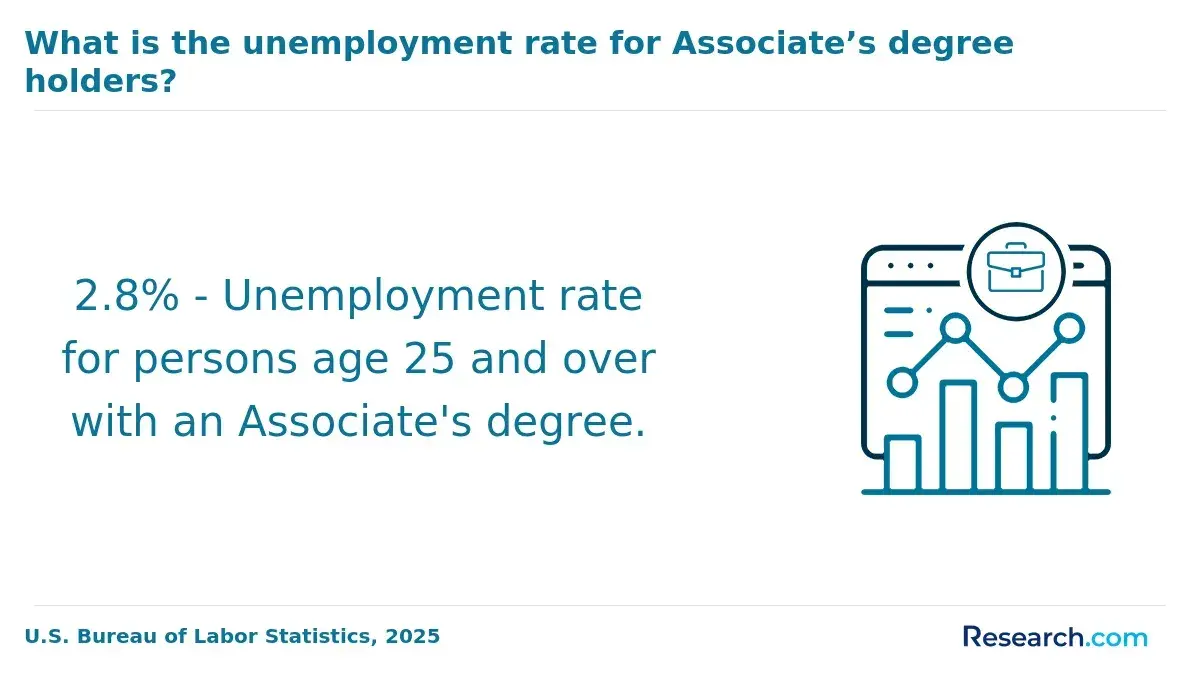
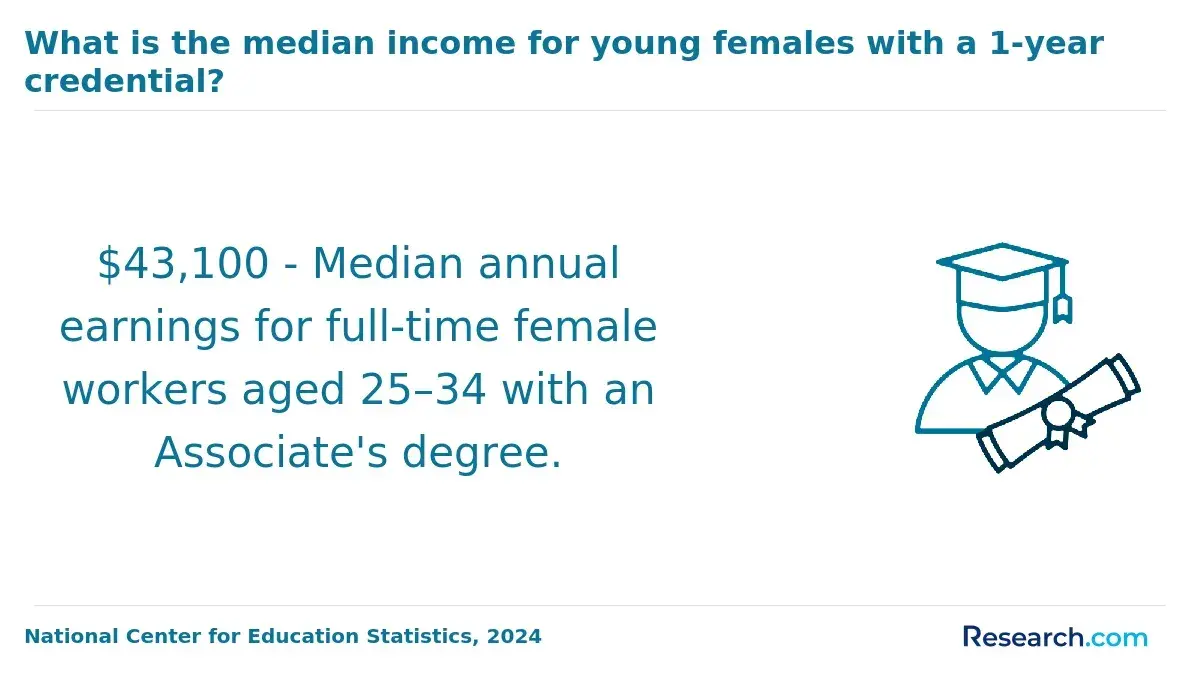
| Associate degree | Students seeking a lower-cost path into restaurant, hospitality, nutrition, or foodservice supervision | Can build practical skills and transfer toward a bachelor's degree | Advancement may depend heavily on experience |
| Bachelor's degree in hospitality, business, food science, nutrition, or supply chain | Students targeting management trainee programs, district roles, production supervision, or corporate operations | Stronger fit for employers that prefer formal management training | Takes longer and costs more than certificate options |
| MBA or master's degree | Experienced managers seeking regional, corporate, consulting, or operations leadership roles | Can strengthen finance, analytics, strategy, and leadership skills | Usually not necessary for entry-level restaurant management |
If you are more interested in nutrition services, school food programs, healthcare dining, or wellness-focused food operations, a 2 year nutrition degree online may be a practical starting point. If your goal is restaurant district management or food manufacturing leadership, a business, hospitality, food science, or operations degree may fit better.
Which food industry management programs are accredited?
Accreditation matters because it affects transfer credits, financial aid eligibility, employer confidence, and graduate school options. The first thing to verify is institutional accreditation from an agency recognized by the U.S. Department of Education or the Council for Higher Education Accreditation.
Programmatic accreditation is not always required for food industry management, but it can help you compare program quality. Business programs may hold AACSB, ACBSP, or IACBE accreditation. Hospitality programs may be reviewed by hospitality-focused accreditors. Food science programs may align with professional standards used in food manufacturing, safety, and product development.
Before enrolling, ask schools for clear answers to these accreditation and outcome questions:
- Is the institution accredited by a recognized accreditor, and is the specific campus or online division included?
- Does the program have business, hospitality, food science, nutrition, or culinary accreditation that matches your target career?
- Will credits transfer to public universities or graduate programs if you continue your education?
- Does the curriculum include food safety, operations, accounting, leadership, and data tools used by employers?
- Can the school provide recent placement information by job type rather than broad marketing claims?
A common mistake is choosing a program because the name sounds industry-specific without checking accreditation. Another red flag is a school that cannot explain how its courses connect to real management roles in restaurants, manufacturing, healthcare dining, grocery, or hospitality.
Is an online or campus food industry management program better?
Online and campus programs can both work for food industry management, but they serve different students. Online programs are often better for working adults already employed in restaurants, grocery, hospitality, or food production. Campus programs may be stronger for students who need labs, internships, culinary facilities, or direct employer recruiting.
The table below compares the decision factors that matter most before you choose a format.
| Factor | Online program | Campus program |
| Schedule | Best for working adults, parents, military students, and career changers needing flexibility | Best for students who can attend fixed classes and participate in campus activities |
| Hands-on learning | May rely on local internships, simulations, employer projects, or current workplace experience | May offer kitchens, labs, dining facilities, food science labs, or hospitality venues |
| Networking | Works best when the program has active career coaching and employer partnerships | Often stronger for local internships, student clubs, and recruiting events |
| Cost control | Can reduce commuting and relocation costs, though fees vary | May provide more campus resources but can add housing and transportation costs |
| Best fit | Experienced workers seeking advancement without leaving a job | Students who want immersive training, labs, and local employer access |
Choose online if you already have industry experience and need the credential to move up. Choose campus if you need structured internships, hands-on facilities, or a stronger local recruiting network. In either format, avoid programs that do not require practical projects, internships, case studies, or employer-connected assignments.
What courses are included in food industry management programs?
Food industry management programs combine business fundamentals with food-specific operations. The best curricula teach students how to manage people, protect food safety, control costs, interpret data, and improve customer or production outcomes.
Look for courses that connect directly to the type of job you want. A restaurant-focused student needs service operations and labor scheduling, while a manufacturing-focused student needs quality systems, sanitation, and process improvement.
- Food safety, sanitation, and regulatory compliance
- Hospitality or restaurant operations management
- Food and beverage purchasing, inventory, and cost control
- Accounting, budgeting, and managerial finance
- Human resources, labor scheduling, and team leadership
- Marketing, customer experience, and service recovery
- Supply chain management, logistics, and vendor relations
- Quality assurance, HACCP principles, and continuous improvement
- Business analytics, point-of-sale data, forecasting, and performance dashboards
- Internship, capstone, or employer-based operations project
Technology is becoming more important in the field. Employers increasingly use scheduling software, inventory systems, self-ordering platforms, digital food safety logs, and AI-assisted demand forecasting. Students comparing operations-heavy programs may also find it useful to review how scheduling, safety, budgeting, and project controls are taught in adjacent fields such as construction management courses, because many management principles transfer across industries.
What are the admission requirements for food industry management programs?
Admission requirements depend on degree level, school type, and program focus. Certificate and associate programs are usually more accessible, while bachelor's and graduate programs may require stronger academic records, transfer credits, or professional experience.
Most applicants should be ready to provide the following materials. Requirements vary, so confirm details with each school before applying.
- High school diploma, GED, or equivalent for undergraduate programs
- Official transcripts from high school or prior colleges
- Minimum GPA, especially for selective bachelor's or graduate programs
- Placement testing or completed prerequisites in math, writing, or business foundations
- Resume or work history for management, hospitality, culinary, or operations-focused programs
- Personal statement explaining career goals and industry interest
- Letters of recommendation for some bachelor's completion and graduate programs
- Proof of English proficiency for applicants whose prior education was not in English
To improve your chances, connect your application to measurable work experience. Examples include training new employees, reducing waste, improving inspection results, managing inventory, handling customer recovery, or supervising shifts. These examples show that you understand management as more than a job title.
Common mistakes include applying only to the fastest program, ignoring transfer credit policies, assuming every hospitality degree covers food manufacturing, and overlooking internship requirements. A better approach is to compare programs by curriculum fit, accreditation, total cost, employer connections, and flexibility.
How long does a food industry management degree take?
A food industry management degree can take a few months to several years depending on the credential. The right timeline depends on your current experience, career goal, budget, and whether you study full time or part time.
Cost also matters. College Board's 2024 pricing data shows published tuition and fees of about $4,050 for public two-year in-district colleges, $11,610 for public four-year in-state colleges, and $43,350 for private nonprofit four-year colleges. These figures do not include every living expense, but they show why program length and transfer planning can significantly affect ROI.
The table below summarizes common timelines and who each path fits best.
| Credential | Typical time | Best for | Planning note |
| Food safety or management certificate | A few weeks to several months | Workers seeking quick advancement into shift lead or assistant manager roles | Best when paired with hands-on experience |
| Associate degree | About 2 years full time | Students seeking a lower-cost foundation or transfer path | Check transfer agreements before enrolling |
| Bachelor's degree | About 4 years full time, less with transfer credit | Students targeting management trainee, corporate, manufacturing, or multi-unit roles | Internships and employer projects can matter as much as course titles |
| Master's degree or MBA | About 1 to 3 years | Experienced managers pursuing regional, corporate, analytics, or operations leadership | Usually most valuable after you have supervisory experience |
If speed is your top priority and you want a broad business credential rather than a food-specific major, a fastest business degree online may help you finish sooner. Just make sure the program still includes operations, accounting, analytics, and leadership coursework relevant to food industry employers.
What certifications help food industry management careers?
Certifications can strengthen a food industry management career, especially when they match the risks and responsibilities of your target role. They are not a substitute for leadership experience, but they can signal competence in food safety, quality systems, project execution, or supply chain operations.
The table below compares certifications and credentials commonly useful in food industry management. Requirements, renewal rules, and employer preferences can vary, so verify the current details before registering.
| Certification or credential | Best for | Career value |
| ServSafe Food Protection Manager or equivalent food manager certification | Restaurant, hospitality, retail food, school foodservice, and healthcare dining managers | Demonstrates knowledge of foodborne illness prevention, sanitation, and safe operations |
| HACCP training | Food manufacturing, processing, distribution, and quality roles | Supports hazard analysis, preventive controls, and safety-focused operations |
| SQF, BRCGS, or other food safety and quality systems training | Quality assurance, plant operations, supplier management, and audit-facing roles | Useful for employers that operate under formal food safety certification systems |
| Lean Six Sigma | Manufacturing, distribution, and high-volume operations | Helps managers reduce waste, improve processes, and use data to solve operational problems |
| Project Management Professional or project management certificate | Managers leading openings, remodels, system rollouts, or process-change projects | Shows ability to plan timelines, coordinate teams, and manage execution |
| Supply chain credentials such as CPIM or CSCP | Procurement, inventory, distribution, and cold-chain management | Can support advancement into planning, sourcing, and operations roles |
For experienced managers aiming at corporate operations, graduate study may be more valuable than stacking unrelated certificates. If your next step is regional leadership, process improvement, or supply chain-heavy management, compare certificate options with a best MBA in operations management to see which path better fits your timeline and budget.
Other Things You Should Know About Food Industry Management
There is no single best state for everyone. Texas, Florida, California, Georgia, North Carolina, Arizona, Tennessee, Nevada, Washington, and New York/New Jersey are strong options for different reasons, including growth, tourism, manufacturing, logistics, or salary potential.
It can be a good career for people who like fast-moving operations, problem-solving, team leadership, and measurable results. It may not fit people who want predictable schedules, low stress, or minimal customer and compliance responsibilities.
Check institutional accreditation, total cost, transfer policies, internship options, food safety coursework, employer partnerships, and whether the curriculum matches your target job. Avoid choosing a program based only on speed, advertising, or a broad promise of career advancement.
References
- Food Industry Careers & Jobs | General Mills Careers https://careers.generalmills.com/career-areas
- What Do Restaurant Managers Do? Pay & Career Path | CIA https://www.ciachef.edu/blog/restaurant-manager-career/
- MSc in Food Industry Management - UNISG - University of Gastronomic Sciences https://www.unisg.it/en/course/msc-in-food-industry-management/
- Food Industry Management https://www.niagara.edu/programs/food-industry-management/
- FOOD INDUSTRY JOBS https://m.careersinfood.com/
- World Food and Agribusiness Schools & Programs https://www.ifama.org/schools-and-programs
- Foodcareers professional certifications https://www.foodcareers.eu/professional-certifications
- Study Food Industry Management in the USA https://www.studyusa.com/en/field-of-study/395/food-industry-management
- 50 Interesting Food Industry Jobs - eFoodHandlers https://blog.efoodhandlers.com/50-interesting-food-industry-jobs/
- What are the highest salaries in US Food Production?|The Sterling Choice https://thesterlingchoice.com/blog/the-top-paying-positions-in-us-food-production/