2027 Best Online Bachelor's in Food Industry Management for Working Adults

Co-Founder and Chief Data Scientist
Choosing an online bachelor's in food industry management is really a career strategy decision: you need a degree that fits your schedule, transfer credits, and target role. The U. S. food economy is large and complex; USDA Economic Research Service data published in 2024 reported total U. S. food expenditures of about $2.6 trillion, with food-away-from-home spending taking the larger share. This guide is for working adults comparing flexible programs, costs, admissions, curriculum, and career outcomes so they can choose a practical path into food operations, safety, supply chain, entrepreneurship, or management.
Key Things You Should Know
- The best online options are usually not labeled only "food industry management"; strong fits include accredited bachelor's programs in food science and industry, food and nutrition entrepreneurship, food and beverage entrepreneurship, hospitality management, sustainable food systems, agribusiness, and business programs with food-sector electives.
- Cost depends heavily on transfer credits and residency. College Board's 2024 Trends in College Pricing reported average 2024-25 published tuition and fees of $11,610 for in-state public four-year students and $43,350 for private nonprofit four-year students, so online tuition should be compared against total degree cost, not just per-credit price.
- Career outcomes vary by path: BLS projections released in 2024 show faster-than-average growth for logisticians at 19% from 2023 to 2033, while food service manager roles are projected to grow more slowly, making specialization in operations, supply chain, quality, or analytics important for working adults seeking advancement.
What is an online bachelor's in food industry management and who is it best for?
An online bachelor's in food industry management is an undergraduate degree pathway that prepares students to manage people, processes, products, compliance, and business decisions across the food sector. Because schools use different labels, the closest programs may be in food science and industry, food systems, food and beverage entrepreneurship, hospitality management, food service management, agribusiness, or business administration with food-related coursework.
For working adults, the degree is most useful when it connects existing experience with a clearer management track. A restaurant supervisor may use it to move into multi-unit operations, a production worker may aim for quality assurance or plant supervision, and a grocery or distribution employee may target procurement, logistics, merchandising, or supply chain coordination.
This degree path is usually a good fit if you want a business-oriented credential but also need food-sector context. It may not be the best fit if your goal is to become a registered dietitian, a research food scientist, or a licensed professional in a regulated health field without completing additional science prerequisites, supervised practice, or graduate-level requirements.
The table below summarizes common student profiles and whether this type of program usually fits their goals. Use it to decide whether you need a food-focused bachelor's, a broader business degree, or a more science-heavy option.
| Working adult profile | Best-fit degree direction | Why it may fit | Important caution |
| Restaurant, catering, or foodservice supervisor | Food and beverage entrepreneurship, hospitality management, or foodservice management | Builds leadership, cost control, menu planning, purchasing, and service operations skills | Some corporate roles may still prefer broader business coursework |
| Food manufacturing, warehouse, or quality employee | Food science and industry, operations, supply chain, or agribusiness | Connects production, safety, quality systems, and regulatory knowledge with management | Science prerequisites may be more demanding than hospitality-focused programs |
| Grocery, retail, or consumer packaged goods employee | Food industry management, marketing, supply chain, or business administration | Supports category management, procurement, sales, logistics, and merchandising roles | Look for internships, projects, or employer partnerships if you lack corporate experience |
| Nutrition-focused student | Nutrition, dietetics, or food and nutrition entrepreneurship | Fits wellness, product development, food education, or consumer-facing roles | Dietetics and clinical nutrition often require specific accredited pathways beyond a general food business degree |
How do online food industry management programs work for busy working adults?
Online food industry management programs are designed around flexibility, but "online" does not always mean "easy" or fully self-paced. Most bachelor's programs require about 120 credits, combining general education, business or science courses, food-sector coursework, and electives. Working adults often enter with prior college credits, military training, associate degrees, or industry certifications that may shorten the time to graduation.
The most adult-friendly programs usually combine asynchronous classes with structured deadlines. That means you can watch lectures, complete readings, and contribute to discussions outside normal work hours, but you still follow weekly due dates. Some courses may include proctored exams, group projects, virtual labs, simulations, or capstone projects tied to real food industry problems.
Before enrolling, ask how the program handles applied learning. Food industry management is practical by nature, so a strong online program should help you connect coursework to the workplace through projects such as cost analysis, HACCP-style safety planning, product launch proposals, procurement plans, or operations improvement studies.
The table below compares common online course formats. The right choice depends on your work schedule, family responsibilities, and how much structure you need to stay on track.
| Format | How it works | Best for | Trade-off |
| Asynchronous semester courses | Students complete weekly modules and assignments without set meeting times | Workers with variable shifts or family obligations | Requires strong self-management because deadlines continue every week |
| Synchronous online courses | Students attend scheduled live sessions by video | Learners who want real-time discussion and instructor contact | Harder for night-shift, rotating-shift, or travel-heavy workers |
| Accelerated terms | Courses run in shorter sessions, often around 5 to 8 weeks | Adults who want momentum and can focus on fewer courses at once | The pace can be intense if work hours increase unexpectedly |
| Degree-completion model | Students enter after finishing an associate degree or substantial lower-division credits | Transfer students who want to finish faster | Not ideal for students starting with few or no credits |
A practical schedule for a full-time worker is often one or two courses per term. Taking more may shorten the timeline, but it can also increase the risk of withdrawing, repeating courses, or losing employer tuition benefits if grades drop below policy requirements.
Which accredited schools offer top online bachelor's in food industry management?
Accredited online bachelor's programs with a direct food industry management title are uncommon, so the best shortlist usually includes closely aligned degrees that combine food, business, operations, entrepreneurship, hospitality, sustainability, or food science. Accreditation matters because it affects credit transfer, graduate school eligibility, financial aid access, and employer confidence.
The schools below are examples of accredited U.S. institutions offering online or substantially online bachelor's programs relevant to food industry management. Program names, delivery formats, tuition, and transfer rules can change, so confirm details directly with each school before applying.
| School | Relevant online bachelor's option | Best fit for working adults interested in | Accreditation note |
| Kansas State University | Food Science and Industry | Food manufacturing, quality assurance, product development, safety, and regulatory roles | Institutionally accredited by the Higher Learning Commission; verify current program-specific recognition if food science credentialing matters to you |
| Arizona State University Online | Food and Nutrition Entrepreneurship or related food business pathway | Food startups, consumer food products, nutrition-oriented ventures, and business development | Institutionally accredited by the Higher Learning Commission |
| University of Arizona Online | Sustainable Food Systems | Food systems, sustainability, food policy, community food programs, and supply chain context | Institutionally accredited by the Higher Learning Commission |
| Johnson & Wales University College of Professional Studies | Food and Beverage Entrepreneurship | Restaurant ownership, catering, food ventures, beverage operations, and hospitality leadership | Institutionally accredited by the New England Commission of Higher Education |
| American Public University | Hospitality Management with foodservice-related coursework | Foodservice operations, restaurant management, customer experience, and hospitality business roles | Institutionally accredited by the Higher Learning Commission |
The "best" program is the one that matches your target job, not the one with the broadest name. If you want plant operations, prioritize food science, safety, and quality courses. If you want restaurant or beverage entrepreneurship, prioritize finance, purchasing, service operations, and small business planning. If you want corporate food roles, look for analytics, supply chain, marketing, and capstone projects with industry relevance.
What courses and concentrations are typical in a food industry management curriculum?
A food industry management curriculum usually blends business fundamentals with food-sector applications. The balance varies: food science programs are more technical, hospitality programs are more service-oriented, and food entrepreneurship programs lean toward product development, marketing, and venture planning.
Typical coursework should help you understand both the product and the business system around it. Before choosing a program, compare the required courses with the job postings you want to qualify for, because "food management" can mean restaurant operations, manufacturing, supply chain, retail, safety, or entrepreneurship.
| Curriculum area | Common course examples | Career value |
| Business core | Accounting, managerial finance, marketing, business law, organizational behavior | Supports budgeting, supervision, strategic planning, vendor decisions, and promotion into management |
| Food operations | Foodservice systems, purchasing, menu management, inventory control, production planning | Prepares students for restaurant, institutional foodservice, catering, and multi-unit operations roles |
| Food safety and quality | Food microbiology, sanitation, quality assurance, regulatory compliance, HACCP concepts | Useful for manufacturing, food safety coordination, compliance, and quality assurance pathways |
| Food systems and supply chain | Agribusiness, logistics, procurement, sustainability, food policy | Fits grocery, distribution, procurement, sustainability, and consumer packaged goods roles |
| Entrepreneurship and innovation | Product development, food marketing, venture planning, consumer behavior | Supports food startups, specialty food products, and business ownership planning |
Some students compare food industry management with nutrition because both involve food but lead to different outcomes. A best online nutrition degree may be a better fit if your primary goal is nutrition education, wellness programming, or a future dietetics pathway, while food industry management is stronger for operations, business, safety, and product-related roles.
If you are evaluating concentrations, focus on the skill gap between your current role and your target role. For many working adults, the most valuable concentrations are the ones that add a concrete hiring signal.
- Choose food safety or quality if you want to work in manufacturing, compliance, inspection support, or quality assurance.
- Choose hospitality or foodservice management if you want restaurant, catering, hotel food and beverage, or institutional dining leadership.
- Choose supply chain or agribusiness if you want procurement, distribution, category management, or food logistics roles.
- Choose entrepreneurship if you want to launch a food product, food truck, catering business, beverage concept, or specialty food brand.
- Choose analytics, marketing, or business administration electives if you want corporate food, retail, or consumer packaged goods roles.
How long does it take to finish an online food industry management bachelor's and what does it cost?
Most bachelor's degrees require about 120 credits, but your actual timeline depends on transfer credits, course load, term length, and whether the program runs year-round. A student starting from zero credits may need about four years of full-time study, while a working adult with an associate degree or 60 transferable credits may finish in about two years if courses are consistently available.
Cost should be evaluated as total cost to degree, not just tuition per credit. College Board's 2024 Trends in College Pricing reported average 2024-25 published tuition and fees of $11,610 for in-state students at public four-year institutions, $30,780 for out-of-state students at public four-year institutions, and $43,350 at private nonprofit four-year institutions. Online programs may differ from those averages because some charge separate online rates, flat-rate tuition, technology fees, or residency-based tuition.
The table below shows the main cost and timeline variables that can change the real price of an online food industry management bachelor's. Use it when comparing financial aid letters and degree plans.
| Factor | Why it matters | What to ask the school |
| Transfer credits | Accepted credits can reduce both time and tuition | How many credits will apply to the major, not just to electives? |
| Residency rules | Some public universities charge different online rates for in-state and out-of-state students | Is the online tuition rate the same for all students? |
| Course availability | A required course offered only once per year can delay graduation | Can you provide a term-by-term degree map for part-time students? |
| Fees and materials | Technology fees, lab kits, proctoring, textbooks, and software can raise costs | What is the estimated total program cost after fees? |
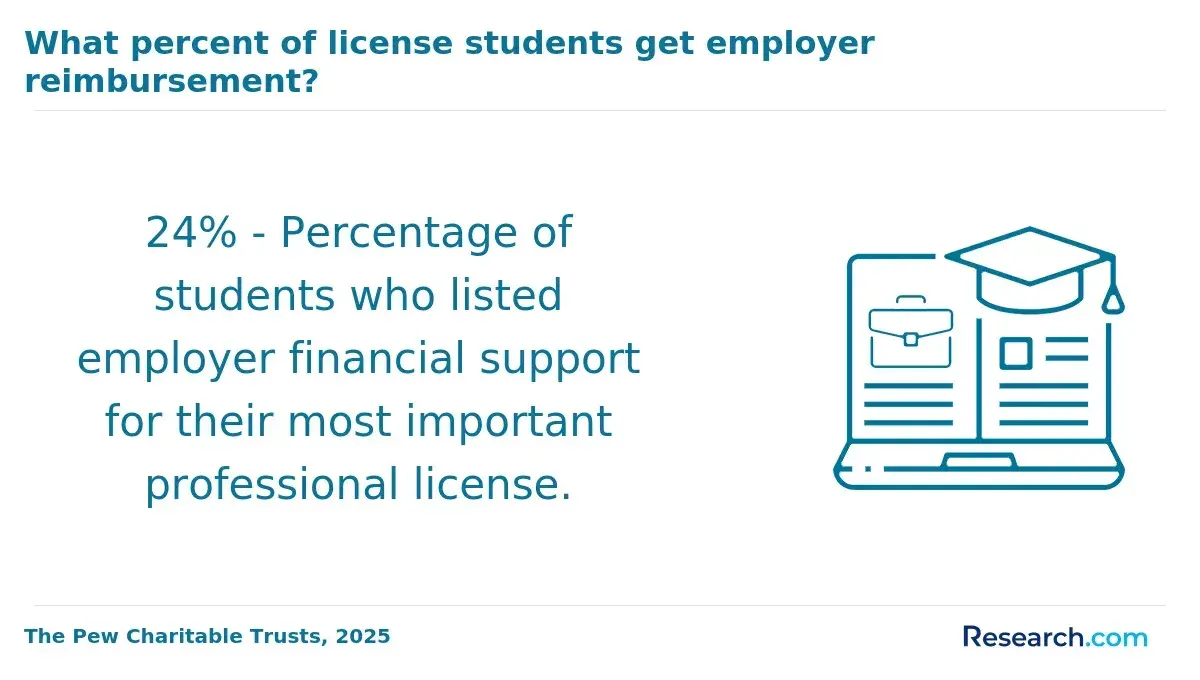
| Employer tuition assistance | Food retailers, hospitality groups, manufacturers, and distributors may reimburse eligible coursework | Does the program's calendar and billing work with employer reimbursement deadlines? |
Adults trying to reduce cost should start with a transcript evaluation before applying widely. A program that looks more expensive per credit may cost less overall if it accepts more prior coursework, offers credit for industry training, or lets you finish faster without repeating classes.
What admissions requirements do online food industry management bachelor's programs usually have?
Admissions requirements for online bachelor's programs are usually similar to campus requirements, but degree-completion programs may expect more transfer credit. Some food science-oriented programs may also require specific math or science prerequisites, while hospitality or business-focused pathways may be more flexible for students returning after a long academic break.
Most applicants should be prepared to submit a standard set of materials. Requirements vary by school, so always confirm whether you are applying as a first-year student, transfer student, adult learner, military student, or returning student.
- Official high school transcript, GED documentation, or proof of prior college completion.
- Official transcripts from every college previously attended, even if credits are old or grades were low.
- Minimum GPA documentation, with some schools offering conditional admission or academic recovery options.
- Application form and fee, although some online programs waive fees during certain application periods.
- Placement information or prerequisites for math, chemistry, biology, statistics, or business courses when required by the major.
- English proficiency documentation for applicants whose prior education does not meet the school's language requirements.
Working adults should pay special attention to transfer policy language. "We accept up to 90 transfer credits" does not mean all 90 will apply to your degree. Credits may transfer as electives but still leave you with unmet major, upper-division, science lab, or residency requirements.
Before you enroll, complete these practical steps to avoid delays and unexpected costs.
- Request an unofficial transfer review before committing to the program, then ask how many credits apply to general education, the major, electives, and upper-division requirements.
- Ask whether prior learning assessment, military training, ServSafe-related training, culinary credentials, or industry certifications can be evaluated for credit.
- Confirm whether science courses require labs, whether labs can be completed online, and whether any in-person components are required.
- Ask for a part-time degree plan that reflects your expected course load, not the school's fastest possible completion pathway.
- Check whether admission to the university is separate from admission to the major, especially in science-heavy or limited-capacity programs.
How do online food industry management degrees compare with campus programs and related majors?
Online and campus programs can lead to similar degrees when they are offered by accredited institutions, but the student experience is different. Online learning is often better for adults balancing work and family, while campus learning may offer easier access to labs, student organizations, food production facilities, and in-person networking.
Some students also discover that a related major is a better match than a food-specific bachelor's. For example, an online business administration degree may be more portable if you want management roles across multiple industries and can add food-sector experience through electives, internships, or current employment.
The comparison below can help you decide whether to prioritize format, specialization, or long-term flexibility. It is especially useful if you are choosing between a food-focused program and a broader business, hospitality, nutrition, or project-oriented degree.
| Option | Best for | Main advantage | Main limitation |
| Online food industry management-related bachelor's | Working adults who need flexibility and want food-sector relevance | Combines applied food context with management skills | Exact program titles are less common, so careful curriculum review is needed |
| Campus food science or hospitality program | Students who want labs, facilities, campus recruiting, or in-person networking | More hands-on access to equipment, faculty, and peer collaboration | Harder to fit around full-time work or rotating shifts |
| Business administration | Students who want broad management mobility | Highly transferable across food, retail, logistics, and corporate roles | May lack food safety, production, or hospitality-specific content |
| Nutrition or dietetics | Students focused on human nutrition, wellness, or dietetics preparation | Stronger science and health foundation | Does not automatically prepare students for food operations management |
| Project management | Students targeting operations improvement, launches, facilities projects, or supply chain initiatives | Builds scheduling, budgeting, stakeholder, and risk management skills | Food-sector expertise may need to come from work experience or electives |
A good rule of thumb is to choose the most specialized degree only when you are confident about staying in the food sector. Choose a broader degree when you want flexibility to move between food, retail, logistics, hospitality, healthcare, or general business management.
What careers can you pursue with a bachelor's in food industry management?
A bachelor's in food industry management can support several career directions, especially when paired with relevant work experience. The degree is not a single-job credential; it is a platform for roles involving operations, people management, compliance, purchasing, sales, service quality, or product movement through the food supply chain.
Career outcomes depend on the program's emphasis. Food science-heavy degrees may support quality or technical roles, while hospitality and entrepreneurship programs may fit restaurant, beverage, catering, or small business leadership. Business-oriented programs may work well for retail food, distribution, procurement, and consumer packaged goods.
The table below connects common career paths with responsibilities and helpful preparation. Use it to map your current experience to the next role you want.
| Career path | Typical responsibilities | Helpful coursework or experience |
| Food service manager | Supervise staff, manage budgets, oversee service quality, control inventory, and ensure sanitation standards | Hospitality operations, accounting, food safety, leadership, purchasing |
| Quality assurance coordinator | Monitor food safety procedures, document inspections, support audits, and help maintain quality systems | Food microbiology, quality assurance, regulatory compliance, HACCP concepts |
| Production or operations supervisor | Coordinate shifts, improve workflow, track productivity, and support safety and quality goals | Operations management, supply chain, statistics, leadership, food processing |
| Procurement or purchasing specialist | Evaluate vendors, negotiate pricing, manage supply availability, and coordinate inventory needs | Supply chain, agribusiness, finance, analytics, vendor management |
| Food entrepreneur or product founder | Develop products, test markets, build budgets, manage suppliers, and navigate labeling or safety requirements | Entrepreneurship, marketing, product development, food safety, business law |
| Category, sales, or account coordinator | Support retail or wholesale food accounts, analyze sales, coordinate promotions, and manage customer relationships | Marketing, analytics, consumer behavior, retail management, communication |
Healthcare foodservice is another pathway for graduates who want mission-driven management roles in hospitals, long-term care, or senior living. If you eventually want to move beyond foodservice into broader hospital operations, an accelerated healthcare management degree online may make more sense later than a second bachelor's.
To improve career mobility while enrolled, build evidence of practical skill, not just completed credits. Employers often respond well to projects that show measurable problem-solving.
- Create a portfolio with a food safety improvement plan, purchasing analysis, menu profitability study, product launch proposal, or process improvement project.
- Earn relevant industry credentials when they match your role, such as ServSafe Manager, HACCP training, or supply chain certificates.
- Use your current workplace for class projects when allowed, especially if you can document cost savings, waste reduction, faster service, or better compliance.
- Ask instructors whether capstone projects can be aligned with your target job title or employer's current operational challenges.
What is the salary potential and job outlook for food industry management graduates?
Salary potential in food industry management varies widely because graduates enter different parts of the food economy. A restaurant manager, quality coordinator, procurement analyst, logistics specialist, and production supervisor may all use food industry knowledge, but they sit in different labor markets with different pay structures.
BLS employment projections released in 2024 show that logisticians are projected to grow 19% from 2023 to 2033, much faster than the average for all occupations. For students interested in food distribution, cold chain, grocery logistics, or consumer packaged goods operations, that figure suggests supply chain skills may improve flexibility compared with a narrowly foodservice-only pathway.
The table below summarizes several relevant occupational directions using BLS occupation categories as a guide. Treat these as labor-market reference points, not promises of individual outcomes.
| Occupation category | How it connects to food industry management | Outlook signal from BLS projections released in 2024 |
| Food service managers | Restaurant, catering, institutional dining, and hospitality food operations | Slower growth than many supply chain and technical roles, with openings still driven by replacement needs |
| Logisticians | Food distribution, inventory flow, cold chain, procurement coordination, and supply planning | Projected 19% growth from 2023 to 2033 |
| Food scientists and technologists | Product development, quality, safety, processing, and technical food roles | Better fit for students with stronger science preparation and technical interests |
| Industrial production managers | Food manufacturing plants, production lines, workforce scheduling, quality goals, and process improvement | Advancement often requires operations experience in addition to a bachelor's degree |
| Purchasing managers, buyers, and purchasing agents | Ingredient sourcing, vendor negotiations, retail food buying, and procurement strategy | Outcomes depend heavily on industry, employer size, and analytical experience |
Several trends are shaping the value of this degree. Food employers increasingly use data systems for forecasting, inventory control, traceability, labor scheduling, and quality documentation. AI and automation are also changing plant operations, restaurant ordering, demand planning, and customer analytics. A degree that includes analytics, operations, and technology exposure may age better than one focused only on traditional service supervision.
For ROI, compare the program's total cost with the roles you can realistically pursue during and after the degree. A working adult already employed in food manufacturing or hospitality may see value through promotion eligibility, while a career changer may need internships, entry-level experience, or certificates before the bachelor's translates into a management role.
How can you evaluate and choose a reputable online food industry management program?
Choosing a reputable online food industry management program requires more than checking whether classes are online. You need to confirm accreditation, transfer value, curriculum fit, cost transparency, faculty support, and evidence that the program can help you reach your specific role.
If you want to manage launches, process changes, facility upgrades, or cross-functional food operations projects, you may also compare this degree with a bachelor's in project management. That path can be useful when your target roles emphasize budgets, timelines, vendors, teams, and operational change rather than food science or hospitality content.
Use the following evaluation steps before committing to a school. They are designed to prevent the most common mistakes working adults make when choosing an online degree.
- Verify institutional accreditation through the school and the accreditor, and confirm the institution is eligible for federal student aid if you plan to use it.
- Request a written transfer credit evaluation that shows exactly which requirements remain, including upper-division, major, lab, and residency credits.
- Compare the curriculum against at least 10 job postings for your target role, then note whether the program teaches the skills employers repeatedly request.
- Ask whether courses are asynchronous, synchronous, accelerated, or self-paced, and decide whether that format matches your work schedule.
- Calculate total cost to degree, including tuition, fees, books, technology, proctoring, lab materials, travel, and repeated courses.
- Review student support services for online learners, including advising, tutoring, career coaching, library access, disability accommodations, and technical support hours.
- Ask about capstones, internships, employer projects, portfolio assignments, and career connections in food manufacturing, hospitality, retail food, logistics, or entrepreneurship.
Red flags deserve attention because they can cost time and money. Be cautious if a school will not provide a clear degree plan, avoids discussing transfer limits, lists vague career outcomes without context, pressures you to enroll quickly, or cannot explain how online labs, projects, or applied food coursework are handled.
The strongest choice is usually the program that balances three things: a manageable schedule, a credible credential, and a curriculum tied to the part of the food industry where you want to work. Rankings can help you build a shortlist, but your final decision should come from fit, affordability, completion likelihood, and career alignment.
Other Things You Should Know About Food Industry Management
It can be worth it if you already work in foodservice, manufacturing, retail food, hospitality, logistics, or entrepreneurship and need a bachelor's degree for promotion or career mobility. It is less useful if the curriculum does not match your target role or if the total cost is high compared with realistic job options.
For 2027, top online bachelor's programs in Food Industry Management tailored for working adults generally require a high school diploma or equivalent. Some might ask for relevant work experience or prior college credits, especially beneficial if you have an associate degree. Verify program-specific prerequisites with admissions departments.
Often, yes. Many online bachelor's programs accept transfer credits, and some are built as degree-completion pathways. The key is whether your credits apply to required major and upper-division courses, not just whether the school accepts them as electives.
Ask for total program cost, a transfer credit evaluation, a part-time degree plan, course delivery format, accreditation details, online lab requirements, career support for online students, and examples of capstone or applied projects related to food industry roles.
References
- Food Industry Management https://www.niagara.edu/programs/food-industry-management/
- Master in Food & Beverage Management Online | Rome Business School https://romebusinessschool.com/master-online-in-food-and-beverage-management/
- Why I chose to study Food Industry Management (FIM) instead of Food Science https://www.uoguelph.ca/oac/news/why-i-chose-study-food-industry-management-fim-instead-food-science
- Study Food Industry Management in the USA https://www.studyusa.com/en/field-of-study/395/food-industry-management
- Supplier Management: Six Steps to Selecting the Right Supplier | Food Safety Magazine https://www.food-safety.com/articles/6725-supplier-management-six-steps-to-selecting-the-right-supplier
- Food Business Management https://www.ciachef.edu/cia-new-york-food-business-management-bachelors-degree-program/
- How to choose a culinary and restaurant management course? https://insights.ehl.edu/choosing-culinary-and-restaurant-management-course
- Food Business Management https://www.ualberta.ca/en/undergraduate-programs/bachelor-of-science-in-agricultural-food-business-management.html
- How Long Does It Take to Get a Business Management Degree? | University of Phoenix https://www.phoenix.edu/blog/how-long-does-it-take-to-get-a-business-management-degree.html
- Food Science Degree Careers and Salary in Europe - StudyinEurope.eu https://www.studyineurope.eu/food-science/food-science-degree-careers-salary-europe/