2027 Food Industry Management Career Paths That Best Blend Business and Food Operations

Co-Founder and Chief Data Scientist
Choosing a food career is no longer just a kitchen-versus-office decision. The National Restaurant Association projected U.S. restaurant sales to reach $1.1 trillion in 2024, which signals strong demand for people who can manage labor, margins, safety, inventory, technology, and customer experience.
This guide is for students, career changers, and food professionals comparing management paths. You will learn which roles best blend business and food operations, what education fits each path, how online degrees are viewed, and how to evaluate salary, certifications, timelines, and career fit before investing in training.
Key Things You Should Know
- Food industry management fits people who want both commercial responsibility and operational accountability, the strongest paths include food service management, supply chain, quality assurance, procurement, production, and retail food leadership.
- BLS May 2024 wage data shows wide salary variation by role, from a median of about $66,970 for food service managers to higher medians for purchasing, operations, and production management roles.
- A bachelor's degree is useful for advancement, but the smartest route depends on the target setting, restaurants value operations experience, manufacturers value food safety and process knowledge, and corporate roles often value business, analytics, and supply chain skills.
What is food industry management?
Food industry management is the business leadership side of food operations. It covers the people, systems, finances, safety controls, purchasing, production, logistics, and customer-facing processes that move food from suppliers to consumers. A manager in this field may work in restaurants, hotels, grocery chains, food manufacturing plants, distribution centers, schools, hospitals, contract food service companies, or corporate food brands.
The field matters because food businesses operate on tight margins and strict safety expectations. Managers must balance cost control with quality, speed, compliance, and customer satisfaction. In practical terms, the job often sits between business strategy and daily execution: you may analyze sales, schedule labor, audit sanitation practices, negotiate with vendors, reduce waste, or improve production flow in the same week.
Technology is also changing the field. Many employers now expect managers to understand point-of-sale analytics, inventory software, digital ordering platforms, food traceability tools, labor forecasting systems, and, in larger companies, AI-supported demand planning. This does not mean every manager needs to be a programmer. It does mean that strong candidates can use data to make better operating decisions.
The best fit is usually someone who likes solving real-world problems under pressure. If you enjoy food but do not want a purely culinary role, food industry management can offer a broader path into leadership, finance, supply chain, compliance, or operations strategy.
Which careers blend business and food operations best?
The careers that best blend business and food operations are the roles where decisions affect both financial performance and food execution. These jobs usually require a working knowledge of food quality, labor, purchasing, safety, customer demand, and profit margins.
The table below compares major food industry management paths by the kind of business decisions and food operations responsibilities each role typically carries. Use it to identify which path matches your strengths before choosing a degree, certificate, or entry-level job.
| Career path | Business side | Food operations side | Best fit for |
| Food service manager | Controls labor, sales, budgets, service standards, and profitability | Oversees kitchen flow, sanitation, guest experience, and staff performance | People who like fast-paced leadership and customer-facing operations |
| Restaurant general manager | Owns profit-and-loss results, hiring, marketing execution, and vendor costs | Coordinates front-of-house and back-of-house performance every day | Experienced restaurant workers ready for full-unit responsibility |
| Food production manager | Manages output targets, efficiency, staffing, and operating costs | Supervises manufacturing lines, food handling, quality checks, and safety procedures | People who prefer structured plant operations over customer-facing work |
| Quality assurance or food safety manager | Reduces recall risk, supports audits, protects brand reputation, and manages compliance costs | Maintains food safety plans, documentation, sanitation standards, and corrective actions | Detail-oriented candidates who like regulation, science, and process control |
| Food supply chain or logistics manager | Improves procurement, transportation costs, vendor performance, and inventory levels | Protects freshness, cold chain integrity, availability, and distribution timelines | Analytical problem-solvers interested in systems and operations planning |
| Category manager or food buyer | Chooses products, negotiates pricing, tracks margins, and studies consumer demand | Understands shelf life, seasonality, packaging, supplier quality, and product rotation | Business-minded candidates who like food trends and vendor relationships |
| Hospitality food and beverage manager | Manages revenue, event budgets, staffing, menus, and guest satisfaction | Coordinates banquet service, outlets, bars, catering, and kitchen execution | People interested in hotels, resorts, clubs, and event-based food operations |
For most readers, the "best" path depends on the work environment they want. Restaurant and hospitality roles offer faster entry and visible leadership experience, but they can involve nights, weekends, and high-pressure service periods. Manufacturing, quality, procurement, and supply chain roles may require more technical knowledge, but they often provide more predictable operating systems and clearer advancement into corporate roles.
If you are choosing between paths, start with the type of problems you want to solve. Customer complaints, staff motivation, and service speed point toward food service management. Waste reduction, sanitation records, production delays, and supplier reliability point toward manufacturing, quality, or supply chain management.
What education is required for food industry management jobs?
Education requirements vary widely because food industry management includes restaurant operations, food manufacturing, procurement, logistics, hospitality, healthcare food service, and retail. Some managers rise through experience, while others use a degree to move into corporate, technical, or multi-unit leadership roles.
A bachelor's degree is often the most flexible credential for long-term advancement. Common majors include food industry management, hospitality management, business administration, supply chain management, food science, agribusiness, nutrition, and operations management. If you want broad management mobility outside the food sector too, an online business administration degree can be a practical option when paired with food service, grocery, production, or supply chain experience.
Cost is a major decision factor. College Board's 2024 trends data reported average published tuition and fees of $11,610 for in-state students at public four-year colleges. That figure does not include housing, transportation, books, lost work hours, or program-specific fees, so compare total cost rather than tuition alone.
Here is a practical way to match education level to career goal:
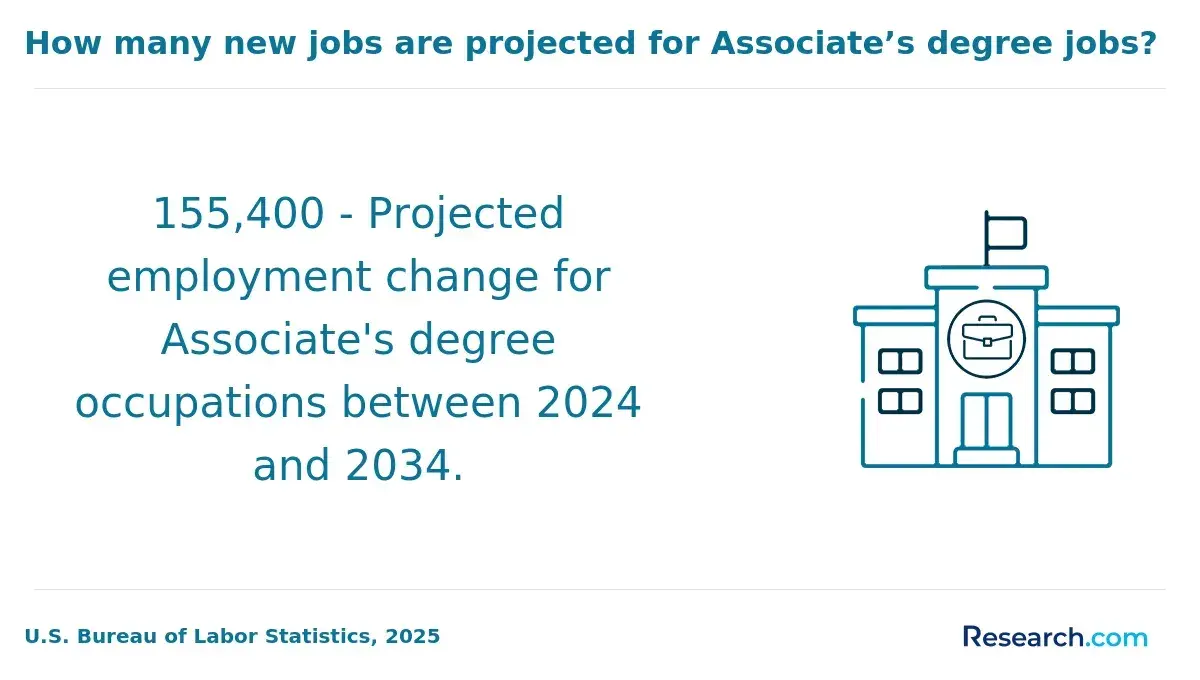
- Choose a certificate or associate degree if you want faster entry into restaurant supervision, kitchen management, catering operations, or shift leadership.
- Choose a bachelor's degree if you want access to multi-unit management, corporate food roles, procurement, retail food leadership, or production supervision.
- Choose a food science, nutrition, or safety-focused degree if you want quality assurance, regulatory, product development, or food safety management roles.
- Choose a master's degree if you already have experience and want senior operations, hospitality leadership, healthcare food service leadership, or corporate strategy roles.
Admissions requirements are usually straightforward at the undergraduate level: a high school diploma or GED, transcripts, and sometimes placement testing or prerequisite courses. Graduate programs may ask for a bachelor's degree, resume, statement of purpose, recommendations, and, in some cases, management experience. Always check whether a program includes internships, practicums, or industry projects, because employers in this field often value applied experience as much as classroom learning.
Are online food industry management degrees respected by employers?
Online food industry management degrees can be respected by employers when they come from accredited institutions and include relevant coursework, projects, internships, or work-based learning. Employers usually care less about whether courses were online and more about whether the school is legitimate, the curriculum fits the role, and the candidate can demonstrate operational judgment.
Online learning can be especially useful for working adults already employed in restaurants, grocery, manufacturing, distribution, or healthcare food service. It allows students to keep building job experience while completing business, hospitality, nutrition, or operations coursework. That combination can be stronger than a degree alone.
The table below compares online and campus formats for food industry management students. The right choice depends on your schedule, career target, and need for hands-on networking.
| Program format | Strengths | Trade-offs | Best for |
| Online degree | Flexible schedule, easier to combine with work, often broader school choice | May require more self-discipline and separate effort to find internships or mentors | Working adults, career changers, military students, and students outside major food industry hubs |
| Campus degree | In-person labs, networking, campus recruiting, and easier access to faculty | Less flexible and may require relocation or commuting | Traditional students, students seeking immersive hospitality environments, and those needing lab-heavy coursework |
| Hybrid degree | Combines online flexibility with selected in-person experiences | Travel requirements can complicate scheduling | Students who want flexibility but still need labs, practicums, or local employer connections |
One important limitation: some food-related careers have separate credentialing, licensing, or exam requirements. Dietetics, clinical nutrition, healthcare administration, and some safety roles may require more than a general management degree. Students interested in food systems connected to patient records, reimbursement, or healthcare operations may also compare health information management online programs if their long-term goal is more data- and compliance-oriented than food-service-centered.
Before enrolling online, ask the school how it supports internships, employer partnerships, transfer credits, career services, and software access. A respected online program should be able to explain these details clearly.
What courses are in a food industry management program?
A food industry management program usually combines business fundamentals with food-specific operations. The exact mix depends on whether the program sits in a business school, hospitality department, agriculture college, nutrition department, or food science program.
Students should look for courses that build both management judgment and technical food literacy. A program that teaches only general business may be too broad for food operations, while a program that teaches only food science may not prepare students for budgets, staffing, and leadership.
| Course area | What you learn | Why it matters in food management |
| Food service operations | Service systems, menu planning, labor scheduling, purchasing, and kitchen workflow | Prepares students to manage real operating environments |
| Accounting and finance | Budgets, margins, cost controls, forecasting, and financial reports | Helps managers make profitable decisions under cost pressure |
| Food safety and sanitation | Hazard controls, sanitation standards, allergens, audits, and documentation | Reduces risk and supports regulatory compliance |
| Supply chain and procurement | Vendor selection, inventory, logistics, forecasting, and distribution | Connects food availability, cost, quality, and waste reduction |
| Marketing and consumer behavior | Branding, menu strategy, retail trends, loyalty, and customer data | Supports revenue growth and product decisions |
| Leadership and human resources | Hiring, training, conflict management, performance, and labor law basics | Food operations depend heavily on team execution |
| Food science or nutrition basics | Ingredients, preservation, nutrition principles, labeling, and product quality | Builds credibility in manufacturing, wellness, and product-focused roles |
Students targeting nutrition-heavy settings, wellness food brands, school meals, or healthcare food service may want more science-based coursework. In that case, comparing a cheapest online nutrition degree can help identify lower-cost options, but it is important to confirm whether the program is designed for management, dietetics preparation, or general nutrition education.
Strong programs also include applied learning. Look for internships, capstone projects, case studies, production labs, restaurant simulations, food safety audits, inventory software practice, or employer-sponsored projects. These experiences help translate classroom concepts into decisions employers recognize.
What accreditation matters for food industry management schools?
Accreditation matters because it helps verify that a school meets recognized academic standards. For most food industry management degrees, the first thing to check is institutional accreditation from an agency recognized by the U.S. Department of Education or the Council for Higher Education Accreditation. Without recognized institutional accreditation, students may have trouble transferring credits, qualifying for federal financial aid, or having the degree accepted by employers and graduate schools.
Programmatic accreditation can also matter, depending on the field. Hospitality programs may seek specialized hospitality accreditation, business programs may hold business accreditation, and nutrition or dietetics programs may need specific accreditation for students pursuing registered dietitian pathways. Food science, culinary, and healthcare-related programs may have their own industry expectations.
Use the following steps before applying, especially if the program is online, unusually inexpensive, or marketed as accelerated:
- Confirm institutional accreditation through an official accreditor or government-recognized database, not only the school's marketing page.
- Ask whether the degree title and curriculum match your target role, such as hospitality management, food science, supply chain, or business administration.
- Check whether credits transfer to public universities or graduate programs you may want later.
- Verify whether the program supports internships, local field placements, or employer-based projects.
- For nutrition, dietetics, healthcare, or safety-specific goals, confirm any separate credentialing requirements before enrolling.
Common mistakes include choosing a school based only on low tuition, assuming "food management" means the same curriculum everywhere, or overlooking transfer credit policies. A better approach is to compare accreditation, total cost, curriculum fit, and career support together.
How long does a food industry management degree take?
The time required depends on the credential, transfer credits, enrollment pace, and whether the program includes internships or labs. Full-time students can finish faster, but part-time study may be more realistic for working adults already gaining food industry experience.
The table below summarizes typical timelines. These are general ranges, so students should confirm each school's calendar, course load, and transfer policy.
| Credential | Typical time to complete | Best use |
| Food safety or management certificate | A few weeks to one year | Upskilling for shift leads, supervisors, kitchen managers, or safety responsibilities |
| Associate degree | About two years full time | Entry-level management preparation or transfer into a bachelor's program |
| Bachelor's degree | About four years full time | Broadest preparation for management, corporate, supply chain, hospitality, and production roles |
| Master's degree | About one to two years full time | Advancement into senior leadership, analytics, healthcare food service, or corporate operations |
Accelerated programs can save time, but they are not automatically better. A shorter program may require heavier weekly workloads, fewer electives, or less time for internships. Students who lack food industry experience should be cautious about skipping applied learning, because employers often want evidence that candidates can handle real operations.
Transfer credits can shorten the path significantly, especially for students with previous college coursework, military training, culinary education, or an associate degree. Before enrolling, request a written transfer evaluation so you know how many credits will actually count toward the degree.
What jobs can you get after a food industry management degree?
A food industry management degree can lead to roles in restaurants, hotels, food manufacturers, grocery companies, distributors, schools, hospitals, senior living organizations, catering companies, contract food service firms, and food startups. The best first job depends on the student's work history. Someone with restaurant experience may move into assistant manager roles quickly, while someone with science coursework may target quality assurance or food safety roles.
The table below shows common job outcomes and how they connect to education choices. It is designed to help readers avoid choosing a program that does not match their desired work environment.
| Job title | Typical setting | Good preparation | Advancement path |
| Assistant food service manager | Restaurants, colleges, hospitals, corporate dining | Hospitality, business, culinary management, or food service coursework | Food service manager, general manager, district manager |
| Restaurant general manager | Full-service, quick-service, franchise, or independent restaurants | Operations experience plus business, labor, and cost-control training | Multi-unit manager, franchise operator, director of operations |
| Food production supervisor | Food manufacturing plants and packaging facilities | Operations management, food safety, supply chain, or food science coursework | Production manager, plant manager, continuous improvement manager |
| Quality assurance coordinator | Manufacturing, distribution, commissaries, food brands | Food science, safety, sanitation, audit, and documentation training | QA manager, food safety manager, regulatory affairs specialist |
| Purchasing or procurement specialist | Grocery, restaurants, distributors, hospitality groups | Business, supply chain, analytics, negotiation, and product knowledge | Buyer, category manager, purchasing manager |
| Food and beverage manager | Hotels, resorts, clubs, event venues, cruise-related U.S. operations | Hospitality management, beverage operations, event planning, and finance | Director of food and beverage, hotel operations manager |
| Healthcare food service manager | Hospitals, senior living, rehabilitation centers | Food service management plus nutrition, compliance, and healthcare operations knowledge | Director of dining services, support services leader, healthcare operations manager |
Healthcare food service is a specialized option because it blends meals, safety, patient satisfaction, budgets, staffing, and regulatory expectations. Professionals who want to move beyond dining services into broader healthcare administration may later compare options such as a fastest online MHA, especially if they already have supervisory experience in hospitals or senior care.
To build a strong early career, combine education with measurable achievements. Examples include reducing food waste, improving inspection scores, lowering overtime, increasing catering sales, improving inventory accuracy, or training new supervisors. These accomplishments make a resume more persuasive than job titles alone.
How much do food industry managers earn?
Food industry management earnings vary by role, employer size, location, experience, and whether the job is unit-level, corporate, technical, or multi-site. Restaurant managers and production supervisors may start closer to operations-level pay, while procurement, plant management, and corporate operations roles often have higher compensation potential.
The table below uses BLS May 2024 national median wage data for relevant occupational categories. These figures are not food-only salaries in every case, but they provide a reliable benchmark for comparing career directions.
| Occupation category | Median annual wage | How to interpret it for food careers |
| Food service managers | $66,970 | Useful benchmark for restaurant, cafeteria, dining services, and unit-level food operations roles |
| Chefs and head cooks | $60,990 | Relevant for culinary leaders who may later move into food service management or executive chef operations |
| Logisticians | $80,880 | Relevant for food distribution, cold chain, inventory planning, and supply chain coordination |
| General and operations managers | $101,280 | Useful for senior unit, regional, plant, or corporate operations comparisons |
| Industrial production managers | $122,780 | Relevant for food manufacturing leadership, especially in larger plants |
| Purchasing managers | $140,650 | Relevant for higher-level procurement, category management, and vendor strategy roles |
The key salary lesson is that "food industry management" is not one pay band. Customer-facing food service roles can provide earlier leadership opportunities, while technical, supply chain, manufacturing, and procurement roles may require more specialized preparation but can align with higher-paying occupational categories.
Readers should not use national medians as guarantees. Pay can differ sharply by city, company size, union environment, brand scale, shift expectations, bonus structure, and cost of living. When evaluating a degree or job offer, compare local postings, advancement paths, benefits, schedule demands, and bonus eligibility in addition to base pay.
What certifications help food industry management careers?
Certifications can strengthen a food industry management career because they show employers that you understand safety, operations, compliance, or specialized systems. They are most useful when matched to a specific career path rather than collected randomly.
The table below summarizes widely recognized certification areas and when they can help. Requirements, renewal periods, and employer preferences can change, so verify details with the issuing organization before registering.
| Certification or credential area | Best for | Career value |
| Food protection manager certification | Restaurant, catering, school food, and institutional dining managers | Often required or strongly preferred for managers responsible for safe food handling |
| HACCP training | Manufacturing, seafood, juice, meat-adjacent operations, commissaries, and quality roles | Shows knowledge of hazard analysis and preventive control systems |
| Preventive controls qualified individual training | Food manufacturing and safety management | Supports compliance work under modern food safety systems |
| Certified dietary manager credential | Long-term care, healthcare dining, and senior living food service | Can be valuable where nutrition services and regulated dining operations overlap |
| Supply chain or logistics certifications | Distribution, procurement, inventory, and operations planning | Helps candidates move from unit operations into broader systems roles |
| Project management or Lean Six Sigma training | Manufacturing, process improvement, corporate operations, and multi-unit management | Demonstrates ability to improve workflows, reduce waste, and lead structured projects |
A practical certification strategy is to start with what your current or target employer actually values. Restaurant managers usually benefit first from food protection and alcohol service credentials where relevant. Manufacturing candidates should prioritize safety systems, documentation, and process improvement. Supply chain candidates should focus on analytics, logistics, and inventory credentials.
Avoid the common mistake of replacing experience with certificates. Certifications are strongest when they support hands-on achievements, such as leading an audit, managing inventory accuracy, improving sanitation scores, or reducing production downtime.
Other Things You Should Know About Food Industry Management
It can be a strong career for people who enjoy food, operations, leadership, and business decisions. It is best suited to candidates who can handle pressure, manage teams, use data, and balance quality with cost control.
While culinary school can provide a strong foundation in food operations, it is not essential for becoming a food industry manager in 2027. Many successful managers start with business degrees or experience in food and beverage operations. The focus is often on blending practical skills with business management expertise.
Good entry points include shift supervisor, assistant manager, catering coordinator, inventory associate, production lead, quality assurance technician, and purchasing assistant. The best choice depends on whether you want restaurant, manufacturing, retail, or supply chain experience.
Yes, but it helps to document measurable results and add business, analytics, supply chain, or food safety skills. Multi-unit experience, vendor management, cost control, and training achievements can make the transition easier.
References
- Lean Six Sigma Certification in Food Service: Overview & Career Options https://www.sixsigmaonline.org/lean-six-sigma-certification-in-food-service/
- Best Jobs In The Food Industry (Top Career Paths) https://www.clasva.com/blog/jobs-in-the-food-industry/
- Food Industry Management https://www.niagara.edu/programs/food-industry-management/
- 6 Ways a Food Protection Manager Certificate Can Boost Your Career https://blog.userve.com/us/food-protection-manager-certificate-career-advancement
- What Employers Actually Think About Online Degrees https://www.onlineu.com/magazine/what-employers-think-about-online-degrees
- Get Certified https://servsuccess.com/get-certified
- Food Business Management https://www.ciachef.edu/cia-new-york-food-business-management-bachelors-degree-program/
- Study Food Industry Management in the USA https://www.studyusa.com/en/field-of-study/395/food-industry-management
- Beyond the Restaurant: Career Opportunities for Restaurant Managers - International Culinary Studio https://www.internationalculinarystudio.com/beyond-the-restaurant-career-opportunities-for-restaurant-managers/
- Training & Certification Programs https://m.careersinfood.com/career-planning/education-and-training/training-and-certification-programs/