2027 Online Food Industry Management Degrees With the Best Support for Returning Adults

Co-Founder and Chief Data Scientist
Returning adults choosing an online food industry management degree need more than flexible classes; they need advising, credit-transfer help, career support, and a program that fits real work schedules. Recent BLS wage data places food service managers near the mid-$60,000 range, showing why many workers see management education as a path to advancement.
This guide explains degree types, costs, accreditation, online versus campus trade-offs, career outcomes, and the support features that matter most before enrolling.
Key Things You Should Know
- The strongest online food industry management programs for returning adults combine asynchronous coursework, transfer-credit reviews, prior learning assessment, career coaching, and food safety or operations-focused credentials.
- College Board's 2024-25 pricing data shows published tuition and fees averaging $4,050 at public two-year colleges, $11,610 for in-state public four-year colleges, and $43,350 at private nonprofit four-year colleges, so total cost can vary widely by school type and transfer credits.
- BLS May 2024 wage data reports median annual pay of about $66,000 for food service managers and about $80,000 for logisticians, but outcomes depend on experience, region, employer, and whether the role is restaurant, manufacturing, retail grocery, supply chain, or institutional food service.
What is an online food industry management degree and who is it best suited for?
An online food industry management degree is a business, operations, and food systems credential designed for people who want to supervise teams, manage food safety, control costs, coordinate supply chains, or move from frontline food service into leadership. Depending on the school, the program may sit in a business, hospitality, agriculture, food science, or applied management department.
For returning adults, the best fit is usually not the program with the flashiest title. It is the program that recognizes prior college credit, accommodates work schedules, and teaches the management skills tied to the reader's target sector.
The table below summarizes common learner profiles and whether this degree path is likely to fit. Use it to clarify whether food industry management is the right investment or whether a broader business, hospitality, supply chain, or health-related degree may be better.
| Learner goal | Good fit? | Why it may or may not work |
| Restaurant, catering, or food service worker seeking promotion | Strong fit | The curriculum often covers supervision, cost control, sanitation, purchasing, and customer experience. |
| Grocery, food retail, or distribution employee moving into operations | Strong fit | Courses in inventory, logistics, quality assurance, and merchandising can connect directly to retail food roles. |
| Food manufacturing employee seeking quality or production leadership | Possible fit | Choose a program with food safety, HACCP, quality systems, and operations coursework rather than a restaurant-only focus. |
| Adult student wanting general corporate management | Mixed fit | A general business administration degree may offer broader mobility if the student is not committed to food-related work. |
| Student targeting supply chain leadership across many industries | Alternative may fit better | A logistics, supply chain, or operations management MBA online may provide a broader operations path. |
This degree is usually best for adults who already understand food workplaces and want a credential that helps them supervise people, budgets, safety procedures, and operational systems. It also provides a strong foundation for those who may later pursue an operations management MBA online to expand their leadership and strategic management skills. It may be less useful for students who want culinary arts training only, laboratory-based food science research, or a career outside food, hospitality, retail, logistics, or institutional service.
How do online food industry management programs support returning and nontraditional adult students?
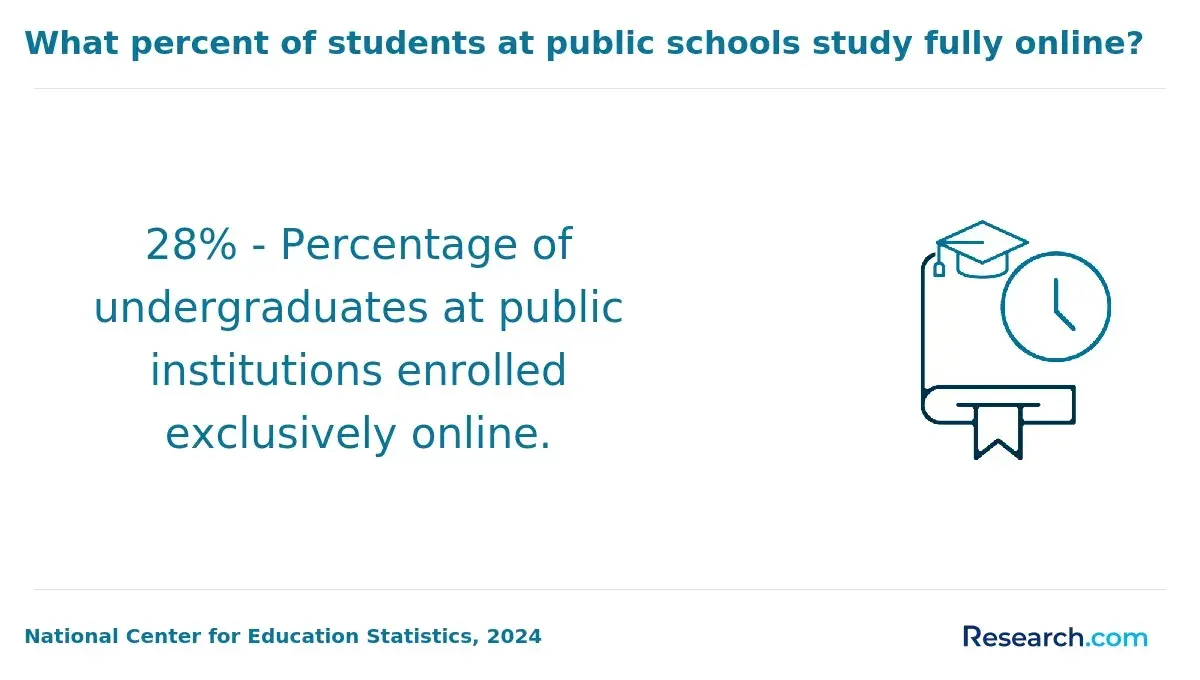
Returning adults often bring work experience, family responsibilities, military training, or unfinished college credits. Online food industry management programs with the best support are designed around those realities instead of assuming every student can attend class full time during business hours.
When comparing schools, look beyond whether a program is "online." The strongest adult-support models usually include several practical services that reduce time, cost, and avoidable stops in enrollment.
- Dedicated adult-student advising: Advisors should help map transfer credits, course sequencing, work-life pacing, and graduation timelines before the student commits.
- Asynchronous or low-residency course design: Adults working evening, weekend, or rotating shifts need classes that do not require frequent live attendance.
- Prior learning assessment: Some schools award credit for documented workplace training, military education, industry certifications, or professional portfolios.
- Career coaching for experienced workers: Returning adults often need help translating frontline food service, retail, or manufacturing experience into management resumes.
- Embedded student support: Online tutoring, library access, writing help, technology support, and financial aid counseling should be available outside traditional office hours.
A useful way to judge support is to ask how the school responds before enrollment. If admissions staff cannot explain transfer evaluation timelines, online student services, or course availability by term, that is a warning sign for adults who need predictable planning.
The following table highlights support features that matter most for nontraditional students and why each one affects completion.
| Support feature | Why returning adults should care | Red flag to watch for |
| Transfer-credit review | Can shorten time to degree and reduce duplicate coursework | The school will not review unofficial transcripts before admission |
| Flexible pacing | Allows students to slow down during busy work seasons and accelerate when possible | Only one rigid full-time sequence is available |
| Evening or asynchronous support | Helps shift workers get advising, tutoring, and tech help when they are available | Support offices operate only during weekday business hours |
| Career services for working adults | Connects current experience to supervisory, operations, or quality roles | Career services focus mainly on first-time undergraduate internships |
| Clear online course schedule | Prevents graduation delays caused by infrequently offered required courses | Core courses are offered only once per year with no backup plan |
How does an online food industry management degree compare with on-campus programs?
Online and on-campus food industry management programs can lead to similar credentials, but the student experience is different. The better option depends on schedule flexibility, local employer connections, hands-on requirements, commuting distance, and how much structure the student needs.
The comparison below focuses on decision factors that matter most to working adults. It can help readers decide whether online learning is a convenience, a necessity, or a poor fit for their learning style.
| Factor | Online program | On-campus program |
| Schedule | Often better for working adults, especially if courses are asynchronous | Better for students who want fixed class times and in-person routines |
| Hands-on learning | May use local practicums, virtual simulations, workplace projects, or employer-based assignments | May offer teaching kitchens, labs, campus dining operations, or local employer visits |
| Networking | Can be strong if the program includes cohort discussions, faculty access, and career events | Often easier for students who want frequent in-person contact |
| Cost structure | May reduce commuting and housing costs, but online fees vary | May provide more campus resources, but travel, parking, and relocation can add cost |
| Best for | Adults balancing work, family, military service, or an existing food industry job | Students who want in-person facilities, campus activities, or structured daily routines |
Online is usually the stronger choice for returning adults who already work in restaurants, grocery, food distribution, institutional dining, or food manufacturing because they can connect coursework to current job problems. On-campus study may be better for students who need physical labs, culinary production spaces, or frequent face-to-face coaching.
Cost comparison should include tuition, fees, books, technology, transportation, and lost work time. Readers who are still estimating the broader price of online business-related study may find it useful to review how much does it cost to get a business degree online before comparing food industry management options.
What types of food industry management degrees and certificates can you earn online?
Food industry management credentials are available at several levels, from short certificates to bachelor's and graduate programs. Returning adults should choose the lowest-cost credential that credibly supports the next career step, rather than assuming the longest program is automatically best.
The table below compares common online credential types. It shows how each option usually fits different levels of experience and career ambition.
| Credential | Typical student profile | Common purpose | Decision note |
| Undergraduate certificate | Worker with some experience who needs focused training | Food safety, restaurant management, purchasing, or hospitality operations | Useful for quick upskilling, but may not meet degree requirements for some management jobs |
| Associate degree | Adult starting or restarting college | Entry-level supervision, transfer to a bachelor's program, or career change | Often cost-effective if credits transfer cleanly |
| Bachelor's degree | Worker seeking supervisory, operations, or district-level advancement | Broad management preparation across finance, HR, food safety, marketing, and operations | Often the most versatile credential for long-term advancement |
| Graduate certificate | Bachelor's degree holder needing specialized skills | Quality assurance, supply chain, food safety leadership, or analytics | Best when the student already has a degree and needs targeted expertise |
| Master's degree | Experienced manager seeking senior operations or corporate leadership | Strategic leadership, analytics, supply chain, organizational management, or food systems | Most useful when paired with relevant work experience |
Adults should also compare adjacent degree fields. A hospitality management program may be stronger for hotel, restaurant, or event operations; supply chain management may fit logistics roles; food science may fit technical product or lab-based work; and business administration may offer broader employer flexibility.
Students interested in food operations within hospitals, long-term care, or health systems may also compare food industry management with an HIM degree, especially if they are more interested in healthcare data, compliance, and information systems than food service operations.
What classes and specializations are typically included in food industry management curricula?
Food industry management curricula blend business fundamentals with food-specific operations. The best online programs for returning adults make the coursework immediately usable at work, whether the student manages labor schedules, monitors safety compliance, orders inventory, or tracks profit margins.
Most programs include a mix of core management courses and specialized food industry topics. The following list shows common subject areas and why they matter in practice.
- Food safety and sanitation: Covers safe handling, regulatory expectations, prevention systems, inspections, and risk reduction.
- Operations management: Teaches workflow, staffing, scheduling, productivity, process improvement, and service delivery.
- Purchasing and inventory control: Focuses on vendor management, forecasting, cost control, waste reduction, and supply reliability.
- Food and beverage cost analysis: Helps managers understand pricing, margins, menu profitability, and budget decisions.
- Human resources and supervision: Prepares students for hiring, training, conflict resolution, compliance, and team leadership.
- Marketing and customer experience: Connects brand positioning, guest satisfaction, digital channels, and consumer behavior.
- Quality assurance: Applies to manufacturing, distribution, retail, and institutional food environments where consistency and documentation matter.
- Data and technology: Increasingly includes point-of-sale systems, forecasting tools, inventory platforms, automation, and analytics dashboards.
The table below shows common specialization areas. Specializations are useful only when they match the student's target job market, so readers should compare electives against actual job postings in their region.
| Specialization | Best aligned roles | What to look for in the curriculum |
| Restaurant and hospitality operations | Restaurant manager, catering manager, food and beverage manager | Menu planning, guest experience, labor control, service systems |
| Food safety and quality | Quality supervisor, food safety coordinator, sanitation manager | HACCP, audit preparation, regulatory compliance, documentation |
| Supply chain and procurement | Purchasing manager, inventory analyst, distribution supervisor | Forecasting, vendor relations, logistics, cost analysis |
| Retail grocery management | Department manager, store operations manager, category coordinator | Merchandising, shrink control, replenishment, consumer trends |
| Institutional food service | School, hospital, correctional, or senior living food service manager | Nutrition standards, contract management, safety systems, large-scale production |
Current technology trends make curriculum review especially important. Employers increasingly use digital ordering, labor forecasting, inventory software, temperature monitoring, and automated production tools, so students should favor programs that teach both people management and technology-enabled decision-making.
What accreditation and quality standards should online food industry management programs meet?
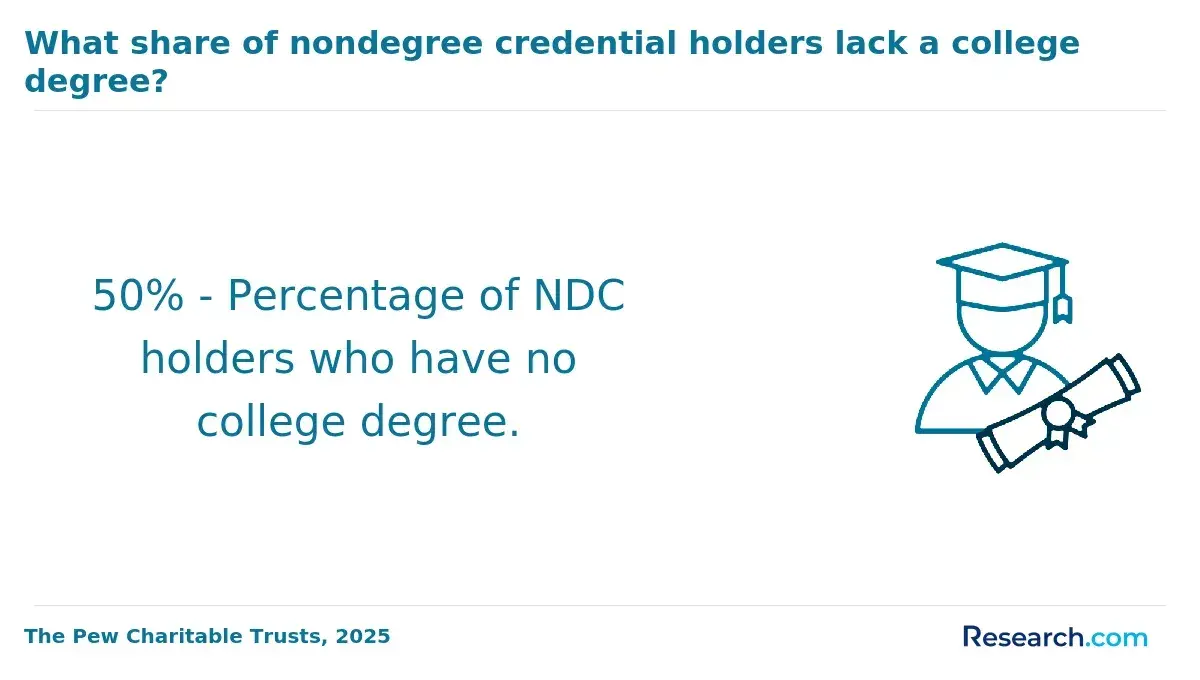
Accreditation is one of the most important quality checks for online food industry management degrees. For degree programs, the school should hold institutional accreditation from an agency recognized by the U.S. Department of Education or the Council for Higher Education Accreditation. This affects federal financial aid eligibility, transfer credit, employer acceptance, and graduate school options.
Programmatic accreditation is less universal in food industry management than in fields such as nursing or teaching, but specialized recognition can still signal quality. Depending on the program's home department, relevant quality indicators may include business accreditation, hospitality accreditation, food science affiliations, industry advisory boards, employer partnerships, or embedded certification preparation.
Before enrolling, adults should take the following steps to verify quality and reduce risk. These checks are especially important for students returning to college after a long break.
- Confirm the institution's accreditation status in the U.S. Department of Education or CHEA database.
- Ask whether online students earn the same diploma as campus students and whether the transcript identifies the delivery format.
- Request a written transfer-credit evaluation before committing to a degree plan.
- Review faculty experience in food service, hospitality, supply chain, quality assurance, business, or food systems.
- Ask whether the curriculum prepares students for recognized credentials such as ServSafe, HACCP, PCQI, or food safety manager certification when relevant.
- Check whether career services can provide job-search support for experienced adults, not only traditional students.
Common red flags include unclear accreditation language, pressure to enroll before reviewing costs, vague claims about job placement, lack of published curriculum, and refusal to explain credit-transfer policies. A reputable program should be transparent before the student applies.
What are typical admission requirements for online food industry management programs?
Admission requirements vary by credential level, but returning adults often have more options than they expect. Many online programs consider transfer credits, military experience, workplace learning, associate degrees, or previous enrollment even if the student has been out of school for years.
The table below outlines typical admission expectations by program level. Requirements vary by institution, so applicants should verify details with each school before applying.
| Program level | Typical admission requirements | Adult-student consideration |
| Certificate | High school diploma or equivalent; sometimes prior work experience | May be open to students who want to test the field before committing to a degree |
| Associate degree | High school diploma or equivalent; placement assessment may be required | Often a practical restart point for adults with limited prior college credit |
| Bachelor's degree | High school diploma or equivalent; transcripts from all prior colleges; minimum GPA may apply | Transfer-friendly programs can substantially reduce remaining credits |
| Degree-completion bachelor's | Prior college credits or an associate degree | Often one of the best formats for returning adults with unfinished credits |
| Graduate certificate or master's | Bachelor's degree; transcripts; resume; statement of purpose; sometimes managerial experience | Professional experience may strengthen the application even when GPA is not recent |
Applicants can improve their enrollment decision by preparing documents before speaking with admissions. The goal is to get a realistic picture of time, cost, and course requirements, not just an acceptance decision.
- Collect transcripts from every prior college, even if credits are old or grades were mixed.
- Document food industry certifications, military training, employer training, and management experience.
- Ask whether the school offers prior learning assessment or credit for professional credentials.
- Request a term-by-term course plan that shows when required classes are offered.
- Confirm whether any practicum, internship, lab, or proctored exam requirement must be completed in person.
A common mistake is applying to the first program that advertises flexibility without checking whether old credits transfer. For adults with prior coursework, transfer policy can affect both graduation time and total cost more than the advertised tuition rate.
How long do online food industry management programs take and what do they cost?
Program length depends on credential level, transfer credits, course load, and whether the school uses traditional semesters, accelerated terms, or competency-based pacing. Returning adults should compare the total number of credits still required after transfer evaluation, not just the program's advertised length.
Recent College Board pricing data for 2024-25 shows why cost planning matters. Published tuition and fees vary substantially by institution type before books, fees, supplies, technology, and living costs are added.
The table below summarizes typical timelines and cost drivers. Use it to compare the real commitment behind different credential options.
| Credential | Typical completion time | Main cost drivers | Adult-student strategy |
| Certificate | A few months to one year | Per-credit tuition, certification exam fees, books, online fees | Use it for targeted advancement or as a stackable credential toward a degree |
| Associate degree | About two years full time; longer part time | Tuition, general education courses, fees, transferability | Choose a transfer pathway if a bachelor's degree is likely later |
| Bachelor's degree | About four years full time; shorter for transfer students | Remaining credits, institution type, online fees, textbooks, lost work time | Get a written transfer audit and compare degree-completion options |
| Graduate certificate | About six months to one year | Graduate tuition, employer reimbursement rules, course materials | Use when a targeted skill gap blocks promotion |
| Master's degree | About one to three years | Graduate tuition, residency requirements, capstone or project fees | Confirm that the degree aligns with senior roles that actually require graduate study |
To reduce cost, students should compare public universities, community college transfer pathways, employer tuition assistance, military benefits, scholarships, credit for prior learning, and part-time pacing. However, the cheapest program is not always the best value if required courses are rarely offered or career support is weak.
What careers, roles, and advancement paths can a food industry management degree support?
A food industry management degree can support advancement across restaurants, hospitality groups, grocery retailers, food manufacturers, distributors, schools, hospitals, senior living organizations, correctional facilities, and corporate food service providers. The strongest outcomes usually occur when the degree builds on existing food industry experience.
The table below connects common roles with responsibilities and credential fit. It is meant to help readers compare career direction, not predict individual outcomes.
| Role | Typical responsibilities | Degree value |
| Food service manager | Supervise staff, manage budgets, monitor safety, handle customer service, coordinate daily operations | A bachelor's or associate degree can strengthen promotion readiness, especially with experience |
| Restaurant general manager | Lead location performance, staffing, purchasing, guest experience, and profit targets | Management coursework can support advancement from assistant manager roles |
| Food safety or quality coordinator | Maintain safety procedures, documentation, audits, corrective actions, and training | Best fit when the program includes HACCP, regulatory compliance, and quality systems |
| Purchasing or inventory manager | Forecast demand, negotiate with vendors, control waste, and manage stock levels | Supply chain, analytics, and cost-control courses are especially relevant |
| Grocery or retail food department manager | Oversee merchandising, labor, shrink, safety, sales, and customer experience | Retail operations and food safety coursework can improve mobility |
| Institutional food service director | Manage large-scale food operations in schools, hospitals, senior living, or public institutions | May require additional nutrition, safety, contract, or state-specific credentials depending on the employer |
Career advancement is usually a sequence rather than a single leap. A practical path might move from team lead to assistant manager, then general manager, district manager, operations manager, quality supervisor, or food service director. Adults already working in the field should choose projects and electives that solve problems in their current workplace, such as labor forecasting, waste reduction, vendor performance, or audit readiness.
For professionals moving into hospital food operations or larger healthcare systems, long-term leadership may eventually connect with healthcare administration. In that case, comparing this degree with a doctorate in healthcare administration can make sense later, particularly for senior administrative or system-level roles rather than day-to-day food operations.
What salaries, job outlook, and certifications can graduates expect in food industry management?
Salary and job outlook in food industry management vary by role, employer, region, schedule, and experience. A degree can improve competitiveness for management roles, but it should not be treated as a salary guarantee. Readers should compare degree cost against realistic local job postings and their current experience level.
The table below uses BLS May 2024 wage data for related U.S. occupations. These are national medians, so local pay may be higher or lower.
| Occupation | Recent BLS median annual wage | How it relates to food industry management |
| Food service managers | About $66,000 | Directly relevant to restaurant, institutional dining, catering, and food service leadership |
| Logisticians | About $80,000 | Relevant for food distribution, procurement, inventory, and supply chain roles |
| Industrial production managers | About $121,000 | Relevant for experienced professionals moving into food manufacturing leadership |
| General and operations managers | About $101,000 | Relevant for broad leadership roles, though many require substantial experience |
Job outlook also depends on the segment. Restaurants and institutional food service continue to need supervisors who can control labor costs, meet safety expectations, and manage customer experience. Food manufacturing and distribution roles may place more weight on quality systems, supply chain technology, documentation, and process improvement.
Certifications can strengthen a degree when they match the role. The most useful options depend on the employer, state rules, and job function, but common credentials include the following:
- ServSafe Food Protection Manager or equivalent food safety manager certification: Often expected for food service supervisors and required in many jurisdictions.
- HACCP training: Valuable for quality assurance, manufacturing, seafood, meat, juice, and safety-system roles.
- PCQI training: Relevant for facilities covered by FDA preventive controls rules.
- SQF, BRCGS, or other audit-system training: Useful in food manufacturing and supplier quality environments.
- Project management or Lean Six Sigma credentials: Helpful for process improvement, waste reduction, and operations roles.
The smartest ROI question is not "Will this degree pay off?" but "Will this credential help me qualify for the next role I can realistically pursue?" Adults should compare current wages, available employer tuition assistance, remaining credits, certification needs, and local job requirements before enrolling.
Other Things You Should Know About Food Industry Management
It can be worth it if the degree connects directly to a promotion path in food service, retail grocery, distribution, manufacturing, hospitality, or institutional dining. It is less likely to be worth the cost if the program is not accredited, does not accept transfer credits, or does not match the student's target role.
Some do. Many programs are fully online, but others may require an internship, practicum, proctored exam, lab activity, or workplace-based project. Adults should confirm these requirements before enrolling, especially if they live far from campus.
Sometimes. Some colleges offer credit for prior learning, military training, industry certifications, employer training, or professional portfolios. Policies vary, so students should request a written review rather than relying on general admissions statements.
In 2027, online food industry management degrees cater to returning adults by offering flexible schedules, credit transfer options, and personalized academic support. These programs recognize the challenges faced by working professionals and aim to provide education that fits their lifestyle.
References
- Online Restaurant & Culinary Management | Institute of Culinary Education https://www.ice.edu/online-programs/restaurant-culinary-management
- Beyond the Restaurant: Career Opportunities for Restaurant Managers - International Culinary Studio https://www.internationalculinarystudio.com/beyond-the-restaurant-career-opportunities-for-restaurant-managers/
- Study Food Industry Management in the USA https://www.studyusa.com/en/field-of-study/395/food-industry-management
- 7 Tips for Adult Learners Going Back to College https://learn.neumann.edu/neuperspectives/7-tips-for-non-traditional-students-going-back-to-college
- Sustainable Foods Career Outlook - NWF EcoLeaders https://www.nwfecoleaders.org/careercenter/sustainable-foods
- 20 High-Paying Careers in the Food Industry | CIA https://www.ciachef.edu/blog/top-careers-in-food/
- Quality Control in the Food Industry: Best Practices & Tools https://goaudits.com/blog/food-quality-assurance-and-quality-control/
- Master in Food & Beverage Management Online | Rome Business School https://romebusinessschool.com/master-online-in-food-and-beverage-management/
- Quality Standards in the Food Production https://www.cotes.com/en/blog/quality-standards-in-food-production
- Non-Traditional Student Management: What Higher Ed Is Getting Wrong https://moderncampus.com/blog/non-traditional-student-management-what-higher-ed-is-getting-wrong