2027 States Where Food Industry Management Careers Have the Strongest Growth

Co-Founder and Chief Data Scientist
Choosing where to study or work in food industry management is now a location decision as much as a degree decision. The U. S. Bureau of Labor Statistics projects food service manager employment to grow 5% from 2024 to 2034, which means opportunity will be uneven across states, employers, and career tracks. This guide is for students, career changers, and working foodservice professionals who want to compare high-growth states, understand salary potential, choose the right credential, and avoid costly education mistakes before committing time and money.
Key Things You Should Know
- Strong growth states for food industry management are concentrated in population-growth, tourism, logistics, and dining-heavy markets such as Texas, Florida, Arizona, Utah, Nevada, Colorado, North Carolina, Georgia, Tennessee, and Idaho.
- The BLS reported a May 2024 median annual wage of $63,060 for food service managers, but compensation can vary sharply by state, employer type, unit volume, bonuses, and whether the role is restaurant, hospitality, campus dining, healthcare, or food production.
- A bachelor's degree is the most flexible path for corporate, multi-unit, hospitality, and operations roles, while certificates and associate degrees can make sense for faster entry into restaurants, catering, and supervisory positions.
Which states offer the strongest food industry management job growth?
The strongest food industry management job-growth states are usually those where several forces overlap: population growth, tourism, restaurant expansion, hotel development, institutional dining, food distribution, and food manufacturing. Because state-level openings change with local business cycles, the smartest approach is to compare both projected demand and the kind of food industry you want to manage.
The table below summarizes states that are especially attractive for food industry management careers based on current labor-market patterns, state occupational demand signals, and industry concentration. Use it as a decision tool rather than a guarantee of employment in any one location.
| State | Why growth looks strong | Best-fit career paths | What to check before relocating |
Texas | Large population centers, corporate restaurant headquarters, food distribution, hotels, and rapid suburban growth support steady management demand. | Multi-unit restaurant management, food operations, supply chain, catering, grocery, and corporate foodservice. | Compare wages by metro area because Austin, Dallas-Fort Worth, Houston, and San Antonio can have different cost-of-living trade-offs. |
Florida | Tourism, retirement communities, resorts, cruise-related foodservice, healthcare dining, and year-round hospitality create broad demand. | Hotel food and beverage, resort dining, senior living foodservice, restaurant management, and event operations. | Seasonality and hurricane-related business interruptions can affect some coastal employers. |
Arizona | Population growth, resort development, healthcare campuses, and expanding metro dining markets support management openings. | Resort foodservice, restaurant operations, senior living dining, and institutional foodservice. | Check whether the role is seasonal, full-time, or tied to tourism cycles. |
Utah | Fast-growing metro areas and a young consumer base support restaurant, catering, grocery, and hospitality expansion. | Restaurant management, quick-service district management, catering, and food retail operations. | Look at metro-specific demand around Salt Lake City, Provo, and resort communities. |
Nevada | Gaming, conventions, resorts, entertainment venues, and high-volume hospitality operations create unusually large food and beverage departments. | Casino food and beverage, banquet operations, hotel dining, purchasing, and high-volume restaurant management. | Some roles may require gaming-property background checks or unusual schedules. |
Colorado | Tourism, outdoor recreation, urban dining, craft food businesses, and resort communities support diversified demand. | Restaurant groups, ski resort foodservice, hospitality purchasing, and specialty food operations. | High housing costs in resort and Denver-area markets can reduce the value of a higher wage. |
North Carolina | Growing metros, universities, healthcare systems, corporate campuses, and food manufacturing create multiple management channels. | Campus dining, healthcare foodservice, food production supervision, catering, and restaurant operations. | Compare urban opportunities with rural food manufacturing roles because schedules and advancement paths differ. |
Georgia | Atlanta's corporate, airport, logistics, convention, and dining economy creates management demand beyond traditional restaurants. | Airport foodservice, corporate dining, restaurant groups, distribution, and event food operations. | Traffic and commute time can meaningfully affect job quality in major metro roles. |
Tennessee | Tourism, music and entertainment venues, relocation growth, and expanding restaurant markets support food management roles. | Restaurant management, event foodservice, hotel dining, and multi-unit operations. | Check local wage levels against housing growth in Nashville and other expanding metros. |
Idaho | Population growth and expanding food production, grocery, and local dining markets create openings in smaller but growing labor markets. | Food production supervision, grocery operations, restaurant management, and local hospitality. | Smaller markets may offer fewer corporate advancement options, so employer size matters. |
A practical way to compare states is to match the state's strongest industries with your target role. Nevada and Florida can be ideal for hospitality food and beverage, Texas and Georgia can be stronger for corporate and logistics-linked operations, and North Carolina or Idaho may be better if you want food production or institutional foodservice.
What jobs can food industry management graduates pursue?
Food industry management is broader than restaurant supervision. It includes managing people, purchasing, safety, budgets, inventory, customer experience, and compliance across restaurants, hotels, grocery operations, food manufacturers, schools, hospitals, stadiums, and corporate dining programs.
The table below shows common roles for graduates and the kind of responsibilities each role typically includes. This can help you choose a degree concentration, internship, or first job that matches your long-term goal.
| Role | Typical responsibilities | Good fit for | Common entry point |
Restaurant manager | Oversees staff, guest service, scheduling, ordering, food safety, labor costs, and daily operations. | People-focused students who enjoy fast decisions and visible results. | Shift lead, assistant manager, or management trainee. |
Food and beverage manager | Manages dining outlets, bars, banquets, menus, purchasing, and service standards in hotels, resorts, or clubs. | Students interested in hospitality, events, and high-touch service environments. | Restaurant supervisor, banquet captain, or hotel operations trainee. |
Food production supervisor | Coordinates production lines, sanitation, quality, safety procedures, staffing, and throughput in food manufacturing. | Students who prefer structured operations, safety systems, and process improvement. | Production lead, quality technician, or operations associate. |
Institutional foodservice manager | Runs food operations in schools, universities, hospitals, correctional facilities, senior living, or corporate campuses. | Students who want steadier schedules and regulated environments. | Dining supervisor, catering coordinator, or nutrition services lead. |
Purchasing or inventory manager | Controls vendor relationships, food costs, inventory systems, waste reduction, and supply availability. | Students who like analytics, negotiation, and cost control. | Inventory coordinator, buyer assistant, or receiving supervisor. |
District or multi-unit manager | Supervises several locations, coaches managers, monitors performance, and implements brand standards. | Experienced managers ready for travel, leadership, and financial accountability. | General manager or high-performing assistant general manager. |
If your goal is hotels, resorts, or food and beverage leadership, a hospitality management degree online can be a practical alternative to a food-specific major because it combines service operations, revenue awareness, guest experience, and leadership training.
What salary can you expect in food industry management careers?
Salary in food industry management depends heavily on employer size, state, metro area, hours, bonus structure, and whether the job manages one shift, one unit, or multiple locations. The BLS reported a May 2024 median annual wage of $63,060 for food service managers, which is a useful national benchmark but not a promise for any individual graduate.
The table below explains how compensation usually changes as responsibilities increase. It is more useful than looking at one number because food management careers often progress through operational responsibility rather than job title alone.
| Career stage | Typical roles | Salary factors that matter most | How to improve earning potential |
Entry-level management | Shift supervisor, assistant manager, catering coordinator, dining supervisor. | Hourly versus salaried status, overtime rules, location, and employer training programs. | Build scheduling, inventory, food safety, and team leadership experience quickly. |
Unit management | Restaurant manager, general manager, foodservice manager, production supervisor. | Unit sales volume, labor budget, bonus eligibility, customer ratings, and safety performance. | Learn profit-and-loss statements, vendor negotiations, and staff retention strategies. |
Multi-unit or specialized management | District manager, food and beverage director, purchasing manager, operations manager. | Number of sites managed, revenue responsibility, travel requirements, and industry segment. | Add analytics, finance, supply chain, and leadership credentials. |
Senior leadership | Regional director, director of food operations, corporate operations leader. | Strategic responsibility, corporate performance targets, and bonus or incentive plans. | Develop cross-functional experience in finance, HR, quality, compliance, and technology. |
For students comparing states, the best salary question is not simply "Which state pays the most?" A higher wage can be offset by housing, commuting, seasonality, or unpaid workload. Ask employers how bonuses are calculated, how many hours managers usually work, and whether the role has a clear promotion path.
What degree is needed for food industry management jobs?
Many food industry management jobs do not require a specific degree by law, but education affects how quickly you can move beyond shift supervision into corporate, multi-unit, hospitality, production, or institutional leadership. Employers often weigh experience heavily, so the best credential is the one that helps you gain both business knowledge and practical operations experience.
The table below compares common education paths. It can help you decide whether you need a certificate, associate degree, bachelor's degree, or graduate program.
| Credential | Typical length | Best for | Limitations |
| Certificate | A few weeks to one year | Food safety, supervisory skills, hospitality basics, or a fast career pivot. | May not be enough for corporate leadership or degree-required roles. |
| Associate degree | About two years full time | Restaurant supervision, culinary management, hotel foodservice, and transfer pathways. | Fewer upper-level business, finance, and analytics courses than a bachelor's degree. |
| Bachelor's degree | About four years full time | Management trainee programs, hospitality leadership, food business, operations, and advancement into multi-unit roles. | Costs more and should be evaluated against internships, transfer credits, and employer tuition benefits. |
| Master's degree or MBA | One to three years, depending on format | Experienced managers targeting operations leadership, consulting, corporate strategy, supply chain, or executive roles. | Usually most valuable after you already have management experience. |
For hospital systems, senior living networks, or food operations tied to healthcare administration, some professionals eventually compare business training with a doctorate of healthcare administration, especially if they want executive-level roles in large healthcare organizations.
Are online food industry management programs worth it?
Online food industry management programs can be worth it when they are accredited, career-aligned, affordable, and designed for working adults. They are less ideal if you need extensive hands-on culinary labs, campus-based recruiting, or local employer connections that an online program cannot provide.
The table below compares online and campus formats for the decisions students most often struggle with. The right choice depends on your schedule, learning style, and target career setting.
| Factor | Online program | Campus program |
| Flexibility | Best for working adults, parents, military students, and managers with irregular schedules. | Best for students who can attend scheduled classes and campus events. |
| Hands-on learning | Works well when paired with a local job, internship, practicum, or employer project. | May offer labs, test kitchens, dining facilities, or hospitality simulation spaces. |
| Networking | Depends on virtual events, alumni access, employer partnerships, and faculty responsiveness. | Often stronger for local internships, campus recruiting, and peer relationships. |
| Cost control | Can reduce commuting and relocation costs, but technology fees and out-of-state tuition still matter. | May provide campus services, labs, and local employer pipelines that justify higher costs for some students. |
| Career fit | Strong for students already working in foodservice who can apply coursework immediately. | Strong for students who need structured internships and in-person mentoring. |
Online programs are most valuable when they let you keep earning while studying. Before enrolling, ask whether internships can be completed near you, whether transfer credits are accepted, and whether career services support online students as actively as campus students.
If your long-term target is multi-site operations, process improvement, or supply chain leadership rather than front-of-house restaurant management, an online MBA operations management program may fit better than another hospitality credential.
What should food industry management curricula cover?
A strong food industry management curriculum should combine food operations with business fundamentals. Programs that focus only on cooking, service, or general management may leave gaps in safety, cost control, purchasing, analytics, and labor management.
Look for coursework and applied projects that build the competencies employers actually use in food operations. These are the areas worth checking in a catalog before you apply.
- Food safety, sanitation, allergen management, and regulatory compliance.
- Purchasing, inventory control, vendor management, and food cost analysis.
- Menu planning, revenue management, pricing, and contribution margin analysis.
- Human resources, scheduling, labor cost control, coaching, and conflict resolution.
- Accounting, budgeting, profit-and-loss interpretation, and operations finance.
- Supply chain, distribution, forecasting, waste reduction, and sustainability practices.
- Customer experience, hospitality service, complaint recovery, and brand standards.
- Technology tools such as point-of-sale systems, inventory software, scheduling platforms, dashboards, and AI-assisted forecasting.
Technology is becoming more important because food employers increasingly use digital ordering, labor forecasting, automated inventory, and compliance documentation. If you discover that you prefer data governance, records systems, and healthcare compliance more than food operations, a health information technology degree may be a better fit than a food management program.
How do accreditation and program reputation affect your job prospects?
Accreditation affects whether your credits are transferable, whether you qualify for federal financial aid, and how employers or graduate schools may view your credential. At minimum, choose a school with institutional accreditation from an agency recognized by the U.S. Department of Education or the Council for Higher Education Accreditation.
Program reputation also matters, but it should be evaluated with evidence rather than name recognition alone. Before trusting a school's marketing claims, review the signals below and ask admissions staff for specific answers.
- Confirm institutional accreditation and whether the program is housed in a business, hospitality, culinary, agriculture, or food science department.
- Ask for internship placement examples, employer partners, and the percentage of students who complete a practicum or applied project.
- Check whether faculty have current foodservice, hospitality, supply chain, culinary, or food production experience.
- Review transfer credit policies, especially if you are starting at a community college or returning with prior credits.
- Ask whether online students receive the same career coaching, job boards, alumni access, and employer events as campus students.
- Look for transparent total cost information, graduation requirements, and realistic career outcomes.
Red flags include vague accreditation language, pressure to enroll immediately, unclear internship requirements, unusually high fees that are not explained, and career claims that sound guaranteed. A reputable program should be able to explain who hires its students and what support is available without promising a specific job or salary.
What certifications help food industry management graduates?
Certifications can help food industry management graduates prove job-ready skills, especially in food safety, sanitation, quality, and operations. Requirements vary by state, county, and employer, so verify which credentials are expected where you plan to work.
The table below summarizes certifications and credentials commonly valued in food management roles. Some are entry-level expectations, while others are better after you gain supervisory experience.
| Certification or credential | Best for | Why it helps | When to pursue it |
Food Protection Manager certification | Restaurant, catering, school, healthcare, and institutional foodservice managers. | Many jurisdictions require at least one certified food protection manager on site or available for foodservice operations. | Before applying for supervisory or unit manager roles. |
ServSafe Manager | Restaurant and foodservice supervisors. | Widely recognized by foodservice employers and often used to meet food safety training expectations. | Early in the program or before the first management job. |
HACCP training | Food manufacturing, quality assurance, production, and distribution roles. | Shows knowledge of hazard analysis, critical control points, monitoring, and corrective actions. | When targeting food production, processing, or quality roles. |
Certified Professional-Food Safety | Experienced safety, inspection, compliance, or quality professionals. | Signals deeper food safety and public health knowledge than basic manager training. | After gaining relevant professional experience. |
Lean Six Sigma or process improvement credential | Operations, production, distribution, and multi-unit management roles. | Supports waste reduction, throughput improvement, standardization, and cost control. | After learning core operations or when moving into process-focused roles. |
Do not collect certifications randomly. Choose credentials that match your target job: food safety for unit leadership, HACCP for production and quality, and process improvement for operations advancement.
How much do food industry management programs cost?
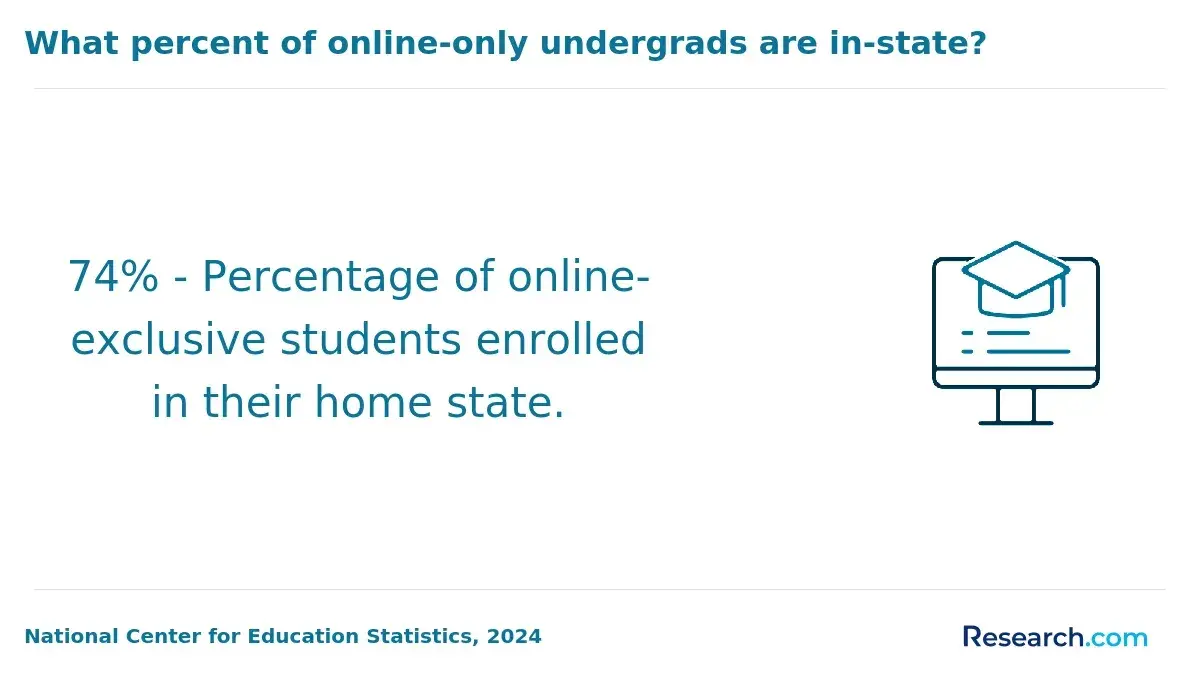
Food industry management program costs vary by credential level, school type, residency status, delivery format, fees, and how many credits you transfer. The College Board's 2024 pricing data shows why comparing total cost matters: average published tuition and fees were much lower at public two-year colleges than at four-year private nonprofit institutions.
Use the following national tuition benchmarks as a starting point, not a final budget. Your actual cost may be lower after grants, scholarships, employer tuition assistance, military benefits, transfer credits, or choosing part-time study.
- Public two-year college, in-district tuition and fees: $4,050 for one academic year.
- Public four-year college, in-state tuition and fees: $11,610 for one academic year.
- Public four-year college, out-of-state tuition and fees: $30,780 for one academic year.
- Private nonprofit four-year college, tuition and fees: $43,350 for one academic year.
Tuition is only one part of the price. Food industry management students may also pay for textbooks, uniforms, knives or lab supplies, software, certification exams, background checks, transportation to practicum sites, and housing if they attend on campus.
To reduce cost without weakening career value, prioritize schools that accept transfer credits, include certifications in the curriculum, offer paid internships, and publish clear completion requirements. A lower-cost program is not automatically better if it lacks employer connections, but a high-cost program should show a clear reason for the premium.
How do you choose the best food industry management school?
The best food industry management school is the one that fits your target state, target industry, budget, schedule, and experience level. A prestigious name is less useful if the curriculum does not match the job you want or if the program leaves you with debt that your expected role cannot reasonably support.
Use this step-by-step process to compare schools in a practical way. It will help you move from general interest to a short list of programs worth contacting.
- Choose your target career setting first: Restaurants, hotels, resorts, food production, grocery, school dining, healthcare foodservice, corporate dining, or supply chain.
- Identify your strongest states or metros, then check whether the school has internship, alumni, or employer relationships in those markets.
- Confirm institutional accreditation before discussing cost, admissions, or transfer credits.
- Compare total program cost, not just tuition, including fees, supplies, housing, commuting, and certification exams.
- Ask how many credits can transfer and whether prior work experience, military training, or industry certifications can reduce time to completion.
- Review required courses for food safety, finance, purchasing, labor management, analytics, and applied operations projects.
- Ask career services for examples of recent employers, job titles, internship sites, and support available to online or part-time students.
- Compare schedule fit honestly, including whether you can manage labs, internships, evening shifts, weekend work, and family responsibilities.
Common mistakes include choosing a program only because it is fast, assuming all online degrees have equal employer recognition, ignoring state food safety requirements, and enrolling before understanding internship logistics. A better approach is to work backward from the job posting you want, then choose the least expensive accredited program that builds those exact qualifications.
Other Things You Should Know About Food Industry Management
In 2027, Texas stands out as the state with the fastest-growing food industry management sector. The state's robust economy, burgeoning population, and strong emphasis on agribusiness and food production have contributed to increased career opportunities and substantial growth in this field.
There is no single best state for every student. Texas, Florida, Arizona, Utah, Nevada, Colorado, North Carolina, Georgia, Tennessee, and Idaho are strong options because they combine population growth, hospitality demand, food operations, or food production activity.
Yes, many managers start through work experience, especially in restaurants. However, a degree can help with corporate training programs, hospitality leadership, production management, institutional foodservice, and advancement into multi-unit or operations roles.
It can be a good career for people who like operations, leadership, problem-solving, customer service, and fast-paced work. It may be less suitable for those who want predictable hours, low stress, or limited responsibility for staffing, budgets, and safety compliance.
References
- Certificate in Food Processing and Management Course https://iisdt.in/product/certificate-in-food-processing-and-management/
- Food Industry Management Co-op Information for Employers | University of Guelph https://www.uoguelph.ca/experiential-learning/employers-partners/co-op-programs/food-industry-management
- How Accreditation Impacts Student Success and Employability https://ukeducationbridge.co.uk/how-accreditation-impacts-student-success-and-employability/
- How Accreditation Affects the Quality and Recognition of a Master’s Degree https://www.idsnews.com/article/2026/04/sponsored-how-accreditation-affects-the-quality-and-recogintion-04092026
- Food Industry Management https://www.niagara.edu/programs/food-industry-management/
- Food and Beverage Manager: Launch Your Career https://www.hotelschool.co.za/latest-news/food-and-beverage-industry/choose-an-exciting-career-as-a-food-and-beverage-manager/
- Notable Growth in Food Production and Processing https://www.expansionsolutionsmagazine.com/notable-growth-in-food-production-and-processing/
- Food Industry Jobs | Miller Resource Group https://millerresource.com/news-resources/food-industry-jobs/
- Study Food Industry Management in the USA https://www.studyusa.com/en/field-of-study/395/food-industry-management
- Food Business Management https://www.ciachef.edu/cia-new-york-food-business-management-bachelors-degree-program/