2027 Food Industry Management Salary Guide

Co-Founder and Chief Data Scientist
Choosing food industry management means weighing salary potential, degree cost, food safety responsibilities, and long-term advancement. The field matters because restaurants, manufacturers, distributors, schools, hospitals, and retailers all need managers who can control quality, costs, labor, compliance, and supply chains. The U. S. Bureau of Labor Statistics reported a $63,060 median wage for food service managers in May 2024, but pay varies widely by sector and responsibility. This guide helps students, career changers, and working professionals compare roles, education paths, credentials, and program costs before investing time or money.
Key Things You Should Know
- Food service manager roles had a $63,060 median annual wage in May 2024, while higher-paying food manufacturing, operations, logistics, and multi-unit leadership roles often require broader business, supply chain, or technical experience.
- A bachelor's degree is the most flexible credential for food industry management, but associate degrees, certificates, and employer-sponsored training can make sense for entry-level restaurant, retail food, or production supervisor paths.
- Before enrolling, compare institutional accreditation, internship access, total cost, transfer credit rules, food safety coursework, and whether the program supports the specific sector you want: restaurants, manufacturing, distribution, retail, hospitality, or healthcare food service.
What is food industry management?
Food industry management is the business, operations, and people-management side of getting food safely produced, purchased, stored, prepared, delivered, sold, and served. It sits between food science, hospitality, supply chain management, quality assurance, retail operations, and general business administration.
A food industry manager may supervise a restaurant team, manage production schedules in a food plant, oversee compliance with food safety standards, run inventory for a grocery chain, coordinate procurement for a distributor, or lead dining services in a hospital or university. The job is practical and fast-moving: managers make decisions about labor, safety, vendor relationships, waste reduction, customer experience, margins, and regulatory documentation.
The table below shows how the field changes by setting. This matters because "food industry management" can lead to very different jobs, and the best degree or certification depends on the part of the industry you want to enter.
| Food industry setting | Typical management focus | Best fit for |
| Restaurants and hospitality | Service quality, staffing, scheduling, purchasing, guest experience, cost control | Students who like customer-facing work and fast daily operations |
| Food manufacturing | Production efficiency, food safety, quality systems, packaging, sanitation, maintenance coordination | People who prefer structured operations, compliance, and process improvement |
| Grocery and retail food | Merchandising, shrink control, supplier coordination, department performance, consumer trends | Managers interested in sales, inventory, and local market demand |
| Distribution and supply chain | Warehousing, cold-chain logistics, transportation, vendor performance, demand planning | People who enjoy analytics, coordination, and problem-solving under time pressure |
| Institutional food service | Nutrition standards, budgets, compliance, high-volume service, patient or student needs | Professionals who want stable environments such as hospitals, schools, or universities |
Current trends are making the field more data-driven. Food traceability, digital inventory systems, automated ordering, labor-scheduling software, AI-assisted forecasting, and stricter documentation expectations mean managers increasingly need both operational judgment and comfort with technology. The best candidates are not only "good with people"; they can read reports, manage risk, and turn data into decisions.
What salary can food industry managers expect?
Food industry management salaries depend heavily on the sector, size of operation, location, shift demands, and whether the role manages people, profit-and-loss responsibility, food safety systems, or multi-site operations. A single-unit restaurant manager and a regional food manufacturing operations manager may both work in food management, but their pay structures and advancement paths can look very different.
The most directly comparable national wage benchmark is the BLS food service manager category. In May 2024, the median annual wage for food service managers was $63,060. The key takeaway is that this figure is a midpoint, not a promise: entry-level assistant managers may earn less, while experienced managers in high-volume, multi-unit, resort, casino, corporate dining, or specialized food operations may earn more.
The table below translates common salary drivers into practical career planning considerations. Use it to understand why two food industry management jobs with similar titles can pay differently.
| Salary factor | How it affects pay | What to check before accepting a role |
| Industry segment | Manufacturing, logistics, and multi-unit operations may value technical, safety, or supply chain skills more than a single food service site. | Ask whether the role includes production targets, compliance responsibility, inventory ownership, or profit-and-loss accountability. |
| Management scope | Pay usually rises as responsibility expands from shift supervision to department, site, district, or regional leadership. | Clarify number of employees supervised, budget size, revenue responsibility, and reporting structure. |
| Location | High-cost metro areas may offer higher wages, but commuting costs, housing, and taxes can reduce the real advantage. | Compare salary against local cost of living, not just the job title. |
| Schedule intensity | Evening, weekend, holiday, overnight, or emergency coverage can affect compensation and burnout risk. | Ask about expected hours, peak seasons, overtime eligibility, and bonus criteria. |
| Credentials and experience | Food safety, HACCP, supply chain, analytics, or business credentials can help candidates compete for specialized roles. | Look for job postings that explicitly mention certifications or systems you can learn before applying. |
For students evaluating return on investment, the smartest approach is to map the degree to a realistic first job and a second-step promotion. A bachelor's degree may not dramatically raise pay in every entry-level restaurant role, but it can be more useful for corporate training programs, procurement, quality assurance, operations analysis, food manufacturing supervision, and multi-site leadership tracks.
Be cautious with programs or employers that advertise only top-end salary examples. A better question is: "What role can I reasonably qualify for within one year of graduation, and what experience would move me to the next pay band?" That framing keeps salary expectations grounded and helps you avoid overborrowing for a career path that may require several years of operational experience.
Which jobs do food industry management graduates get?
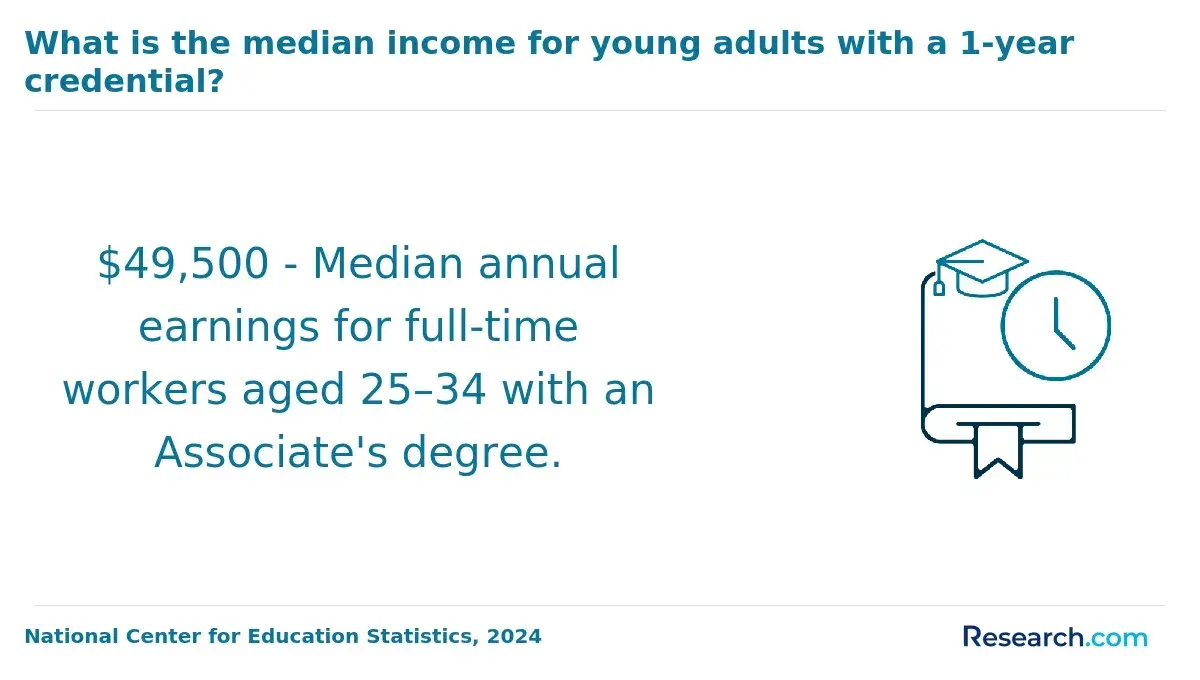
Food industry management graduates can work across restaurants, hospitality companies, food manufacturers, distributors, grocery chains, contract food service companies, government contractors, schools, hospitals, and corporate dining organizations. The best first job is usually the one that builds measurable management experience, not just the one with the most impressive title.
The table below compares common roles by responsibility and education fit. It can help you identify whether you should prioritize customer service, food safety, business analytics, supply chain, or production coursework.
| Job title | Typical responsibilities | Common education fit |
| Assistant restaurant manager | Supervises shifts, trains staff, controls labor, resolves service issues, supports ordering and cash procedures | Associate degree, bachelor's degree, hospitality program, or management trainee experience |
| Food service manager | Oversees staffing, budgets, purchasing, customer experience, safety, and daily operations | Bachelor's degree or strong experience plus food safety certification |
| Food production supervisor | Coordinates production lines, staffing, sanitation, equipment downtime, quality checks, and output goals | Bachelor's degree in food industry management, operations, business, or food science-related field |
| Quality assurance coordinator | Maintains documentation, supports audits, monitors food safety procedures, reviews corrective actions | Food science, food safety, quality systems, or technical management coursework |
| Procurement or inventory analyst | Tracks purchasing, vendor performance, stock levels, demand patterns, waste, and cost changes | Business, analytics, supply chain, or food industry management degree |
| Multi-unit or district manager | Manages several locations, coaches managers, reviews performance, and enforces brand standards | Bachelor's degree plus several years of site-level leadership experience |
Career progression often follows a practical sequence. A student may begin as a shift supervisor, move into assistant manager or production lead work, then step into department manager, general manager, quality manager, procurement manager, or district-level leadership. Promotions tend to depend on measurable results: lower turnover, better audit scores, improved margins, fewer safety incidents, stronger customer metrics, or successful launch of new systems.
Technology is changing these jobs but not eliminating the need for managers. AI forecasting, automated inventory platforms, kitchen display systems, robotics in packaging, and digital quality logs can reduce manual work.
However, managers still need to handle judgment calls, staffing conflicts, supplier disruptions, safety exceptions, and customer or client expectations. Candidates who can combine hands-on operations with data literacy will be better positioned than those who rely only on traditional supervisory experience.
What degree is needed for food industry management?
A bachelor's degree is usually the strongest all-purpose option for food industry management because it can combine business, operations, food safety, finance, leadership, marketing, and supply chain skills. However, not every student needs the same credential. The right choice depends on whether you want to enter quickly, move into corporate leadership, work in food manufacturing, or shift from an hourly role into management.
The table below compares common education paths. Use it to match your credential to your career target instead of assuming the longest or most expensive program is automatically better.
| Credential | Typical length | Best for | Limits to consider |
| Certificate | A few weeks to one year | Food safety, restaurant supervision, HACCP basics, or career changers testing the field | May not qualify for corporate or bachelor's-preferred roles by itself |
| Associate degree | About two years full time | Entry-level restaurant, hospitality, retail food, or production supervision | Advancement may require experience, transfer to a bachelor's program, or additional certifications |
| Bachelor's degree | About four years full time | Management trainee programs, food manufacturing supervision, supply chain, procurement, and multi-unit career paths | Higher total cost and opportunity cost than short credentials |
| Master's degree or MBA | About one to two years after a bachelor's degree | Experienced professionals targeting senior operations, brand leadership, analytics, consulting, or executive roles | Usually not necessary for first management jobs |
Students who cannot find a dedicated food industry management major can build a strong pathway through business, hospitality, supply chain, food science, nutrition management, or operations programs. A flexible business administration degree online can be a practical option if you add food safety training, internships, restaurant or retail experience, and electives in logistics, analytics, or quality management.
This degree path makes the most sense for people who like operational problem-solving, working with teams, and making decisions under pressure. It may not be the best fit if you strongly dislike variable schedules, physical operations environments, customer or employee conflict, or compliance documentation.
If your main interest is laboratory research, product development, or nutrition counseling, food science, dietetics, or culinary nutrition may be a better academic match.
Do food industry management programs need accreditation?
Food industry management programs do not usually require one single programmatic accreditation in the way nursing, teaching, or some allied health programs do. The most important baseline is institutional accreditation from an accreditor recognized by the U.S. Department of Education or the Council for Higher Education Accreditation. Without it, transfer credits, federal financial aid eligibility, graduate school admission, and employer recognition may become harder.
Program-level quality signals can still matter. Business programs may hold AACSB, ACBSP, or IACBE accreditation. Hospitality programs may reference hospitality-specific review processes. Food science-oriented programs may highlight faculty expertise, labs, industry partnerships, or curriculum alignment with food science and safety expectations. These are not all mandatory for every role, but they help you judge whether the curriculum is respected and current.
Accreditation standards vary by field, so do not assume every online degree is reviewed the same way. For example, students comparing regulated health data programs may look specifically for online health information management degree programs CAHIIM accredited, while food industry management students should focus first on institutional accreditation and then on business, hospitality, food safety, or industry alignment.
Before enrolling, verify quality rather than relying on marketing language. The following checks can help you avoid common accreditation and credibility mistakes.
- Confirm the school's institutional accreditation through official accreditor or federal databases, not only the school's website.
- Ask whether credits transfer to public universities or graduate programs you may want later.
- Review whether food safety, operations, accounting, supply chain, and leadership courses are required rather than optional.
- Look for internships, employer partnerships, labs, simulations, or capstone projects tied to real food operations.
- Avoid programs that promise specific salaries, guaranteed promotions, or unusually fast completion without explaining credit requirements.
Should you choose an online or campus program?
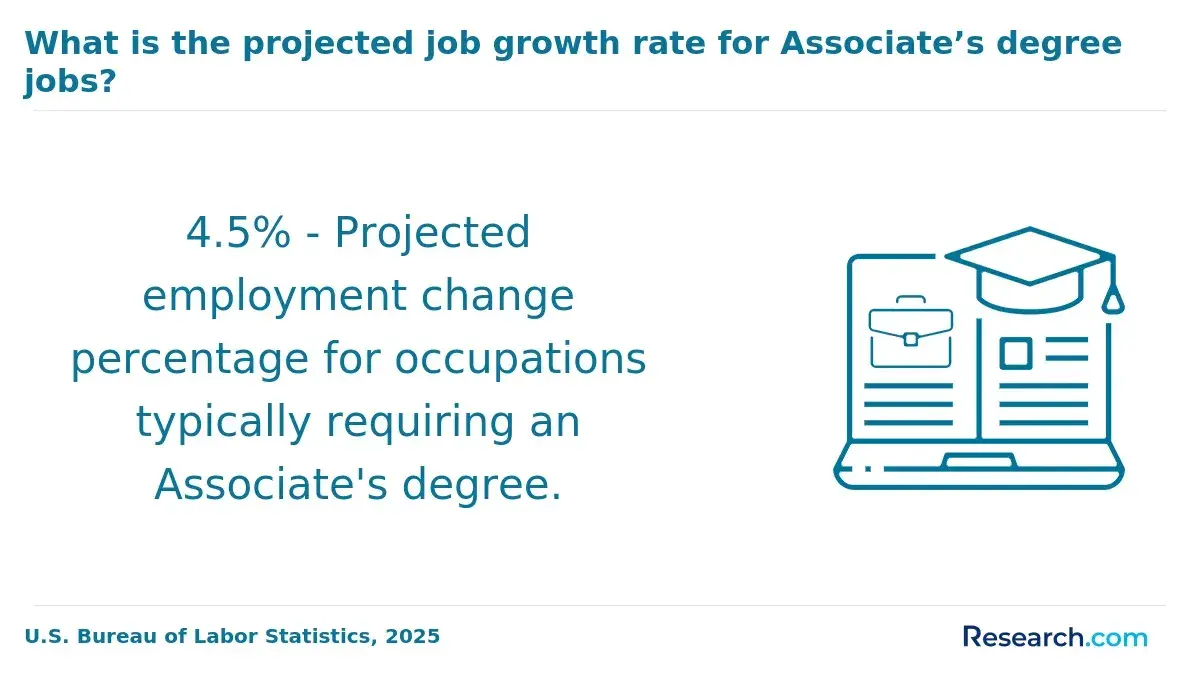
Online and campus food industry management programs can both work, but they serve different students. The decision should come down to your schedule, need for hands-on learning, access to local employers, transfer credits, and whether you already work in the food industry.
The table below summarizes the trade-offs. It is especially useful if you are comparing a lower-cost online program with a campus program that offers labs, internships, or stronger local recruiting.
| Program format | Strengths | Possible drawbacks | Best fit |
| Online | Flexible schedule, easier for working adults, may reduce commuting and relocation costs | May offer fewer hands-on labs, campus recruiting events, or in-person networking opportunities | Working managers, parents, military students, and students with industry jobs nearby |
| Campus | Face-to-face labs, faculty access, internships, dining operations, food science facilities, student organizations | Less flexible schedule and potentially higher housing or transportation costs | Traditional students, career changers needing networks, and students who want immersive training |
| Hybrid | Combines online coursework with selected labs, weekends, internships, or short residencies | Requires planning around in-person requirements | Students who need flexibility but still want applied learning |
Online learning can be a strong option if you are already employed in restaurants, grocery, distribution, or food production because your workplace can become the practical learning environment. Campus study may be stronger if you need your school to provide the industry exposure, equipment, or internship pipeline.
Students comparing operations-focused degrees should also look at how other management fields handle applied learning. For example, a construction management degree often emphasizes scheduling, safety, cost control, and project coordination; food industry management has similar operational demands, but the compliance, perishability, sanitation, and customer experience factors are different.
To choose wisely, ask admissions advisors targeted questions rather than asking only whether the program is "flexible." Useful questions include whether online students can complete internships locally, whether food safety courses prepare students for recognized credentials, how group projects are handled, and whether graduates enter restaurant, manufacturing, retail, logistics, or institutional food service roles.
What courses are in food industry management programs?
Food industry management programs typically combine business foundations with applied food operations. The strongest curricula help students understand how food moves through a system: purchasing, receiving, storage, preparation or production, safety checks, service or distribution, waste reduction, financial control, and customer or client satisfaction.
The table below groups common courses by skill area. This helps you read a degree plan and determine whether it prepares you for the sector you actually want.
| Course area | What students learn | Why it matters at work |
| Food safety and sanitation | Safe handling, contamination prevention, regulatory basics, cleaning systems, documentation | Managers are accountable for preventing foodborne illness and passing audits or inspections |
| Accounting and cost control | Food cost, labor cost, budgeting, pricing, forecasting, margin analysis | Food operations often succeed or fail on small cost differences and waste control |
| Operations management | Scheduling, workflow, capacity, productivity, process improvement, performance metrics | Managers must turn labor, equipment, ingredients, and time into consistent output |
| Supply chain and purchasing | Vendor management, inventory, procurement, cold chain, demand planning | Supply disruptions, perishability, and price changes directly affect service and profit |
| Human resources and leadership | Hiring, training, coaching, conflict resolution, labor law basics, retention | Turnover and poor supervision can damage safety, service, and financial performance |
| Marketing and consumer behavior | Menu strategy, retail trends, brand positioning, customer analytics | Managers need to understand what customers buy and why demand changes |
| Analytics and information systems | Point-of-sale data, inventory platforms, dashboards, forecasting, digital records | Employers increasingly expect managers to use software to make decisions |
A strong program should also include applied assignments. Look for case studies, inventory simulations, menu costing, audit documentation practice, supplier analysis, production scheduling projects, or internships. These experiences make it easier to explain your skills in interviews because you can discuss specific business problems, not just course titles.
One common mistake is choosing a program that sounds food-related but lacks management depth. Culinary technique alone is not the same as food industry management. Likewise, a general business program without food safety, operations, or supply chain exposure may require extra certificates or work experience before it feels relevant to employers.
What are the admission requirements for these programs?
Admission requirements depend on the credential level and school selectivity. Certificate and associate programs are usually more accessible, while bachelor's and master's programs may require stronger academic records, transfer evaluations, or prior work experience.
The table below summarizes common requirements. Always confirm details with each school because GPA thresholds, test policies, prerequisite rules, and transfer credit limits vary.
| Program level | Common admission requirements | What applicants should prepare |
| Certificate | High school diploma or equivalent; sometimes current food industry employment | Basic application, proof of education, schedule plan, employer reimbursement questions |
| Associate degree | High school diploma or equivalent; placement tests or transcripts may be required | Transcripts, FAFSA materials if eligible, transfer goals, advising appointment |
| Bachelor's degree | High school transcripts or transfer credits; GPA requirements vary; some schools are test optional | Transcript review, resume if applying as an adult learner, statement of goals, transfer credit evaluation |
| Master's degree or MBA | Bachelor's degree; resume; possible GPA minimum; some programs ask for recommendations or essays | Career goals, management experience, prerequisite business courses, employer support options |
Applicants with food service, grocery, manufacturing, military logistics, hospitality, or retail leadership experience should highlight it. Practical experience can strengthen your application and may help you qualify for credit for prior learning at some institutions.
Before applying, take a few practical steps to avoid delays and unexpected costs.
- Request official transcripts early, especially if you attended more than one school.
- Ask for a written transfer credit estimate before committing to a program.
- Confirm whether internships can be completed near your home or workplace.
- Check whether courses are offered every term or only once per year.
- Ask whether food safety certification exams, uniforms, lab fees, software, or background checks add extra costs.
The biggest admissions mistake is enrolling before understanding your timeline. If key courses are offered infrequently, a "two-year" or "four-year" program can take longer. Part-time students should ask for a term-by-term plan that shows when required courses are available.
How much do food industry management programs cost?
Food industry management program costs vary by credential level, school type, residency status, transfer credits, online fees, housing, books, lab requirements, and whether you can keep working while enrolled. Tuition is only one part of the cost; the better comparison is total net cost after grants, scholarships, employer support, and transfer credit.
For a national benchmark, the College Board reported these average published tuition and fee figures for 2024-25. These are sticker prices before financial aid, so use them as comparison points rather than final bills.
- Public two-year college, in-district: $4,050
- Public four-year college, in-state: $11,610
- Public four-year college, out-of-state: $30,780
- Private nonprofit four-year college: $43,350
Those numbers show why transfer strategy matters. Starting at a community college and transferring into a bachelor's program can reduce cost, but only if credits apply cleanly to the major. A low tuition rate can become expensive if courses do not transfer or if the program lacks the internships and employer access needed for your target role.
The table below shows common cost drivers beyond tuition. These items can change the real price of a degree and should be included in your return-on-investment calculation.
| Cost factor | Why it matters | How to control it |
| Transfer credits | Accepted credits reduce both tuition and time in school | Get a written transfer evaluation before enrolling |
| Online fees | Some online programs charge technology or per-course fees | Ask for a full cost sheet, not just tuition per credit |
| Housing and commuting | Campus attendance can add major living or transportation costs | Compare online, hybrid, commuter, and local internship options |
| Certification and exam fees | Food safety, HACCP, or professional exams may not be included in tuition | Ask which credentials are embedded and which require separate payment |
| Lost work hours | Full-time study may reduce income while part-time study may extend completion time | Model both monthly cash flow and long-term completion timeline |
To evaluate affordability, compare the likely first role after graduation with the total amount you would borrow. Avoid assuming that a degree automatically leads to a management salary immediately. A safer plan is to borrow conservatively, use employer tuition assistance if available, complete internships, and choose projects that produce interview-ready evidence of your skills.
What certifications help food industry managers advance?
Certifications can help food industry managers advance because they signal applied knowledge in safety, quality, operations, or leadership. They are not a substitute for experience, but they can make a resume stronger when they match the role you want.
The table below compares useful credentials and training areas. Requirements, costs, renewal rules, and employer preferences vary, so confirm the current details with the issuing organization before registering.
| Credential or training area | Best for | Career value |
| ServSafe Manager or similar food protection manager certification | Restaurant, institutional food service, retail food, and hospitality managers | Often expected for managers responsible for safe food handling and inspection readiness |
| HACCP training | Food manufacturing, processing, packaging, and quality assurance roles | Supports work with hazard analysis, preventive controls, documentation, and audits |
| Certified Dietary Manager or foodservice-related healthcare credentials | Hospitals, long-term care, and institutional dining environments | Useful where food service intersects with nutrition standards and patient or resident needs |
| Lean Six Sigma | Manufacturing, distribution, and high-volume operations | Helps managers reduce waste, improve processes, and document measurable improvements |
| Supply chain or procurement certifications | Purchasing, inventory, logistics, and vendor management roles | Can support advancement into corporate, distribution, or operations planning positions |
Choose certifications strategically. A restaurant manager may get more immediate value from food protection manager certification and leadership training, while a production supervisor may benefit more from HACCP, sanitation, quality systems, and Lean training. A procurement analyst may prioritize Excel, analytics, enterprise resource planning systems, and supply chain credentials.
Advanced degrees are usually most useful after you have management experience and a clear leadership goal. Professionals moving into healthcare food service, hospital operations, or broader health systems leadership may compare graduate routes, including a PhD healthcare, but most food industry managers should pursue doctoral study only if it aligns with executive, academic, research, or specialized policy goals.
A practical advancement plan is to combine one recognized safety credential, one operations or analytics skill, and one measurable workplace achievement. For example, reducing waste, improving audit performance, lowering turnover, or shortening production downtime can be more persuasive than collecting unrelated certificates.
Other Things You Should Know About Food Industry Management
It can be a good career for people who enjoy operations, leadership, problem-solving, and fast decision-making. It is less ideal for those who want a predictable desk schedule or minimal people management. The best opportunities usually go to candidates who combine food safety knowledge, business skills, and hands-on experience.
Yes, especially in restaurants, retail food, and some production environments where employees can move up from hourly or shift supervisor roles. However, a degree can improve access to corporate training programs, manufacturing supervision, supply chain roles, and higher-level management tracks.
Good options include food industry management, hospitality management, business administration, supply chain management, operations management, food science, or nutrition and food service management. The best major depends on whether you want restaurant leadership, manufacturing, distribution, procurement, quality assurance, or institutional food service.
To enhance salary potential in 2027, focus on acquiring advanced certifications, pursuing leadership training, and gaining experience in diverse food industry sectors. Networking and staying updated with industry trends are equally vital. These efforts can significantly improve qualifications and desirability among employers, potentially increasing salary offers.
References
- Food Industry Management https://www.niagara.edu/programs/food-industry-management/
- 6 Ways a Food Protection Manager Certificate Can Boost Your Career https://blog.userve.com/us/food-protection-manager-certificate-career-advancement
- Why should you choose an Online Degree over a Traditional Degree? https://www.dypatilonline.com/blogs/why-should-you-choose-an-online-degree-over-a-traditional-degree
- Admission Requirements | Undergraduate Admissions + Programs https://www.ualberta.ca/en/admissions/how-to-apply/admission-requirements/index.html
- Training & Certification Programs https://m.careersinfood.com/career-planning/education-and-training/training-and-certification-programs/
- Admission Requirements - AWP w Lublinie https://vpu.edu.pl/admission-requirements/
- Online Master’s in Food Business - CIA School of Graduate and Professional Studies https://masters.culinary.edu/food-business-masters-degree/
- Food Industry Graduate Career Profile | GRB https://www.grb.uk.com/industry-profiles/food-and-agriculture/
- Train & Certify https://restaurant.org/about-us/what-we-do/train-certify/
- Study Food Industry Management in the USA https://www.studyusa.com/en/field-of-study/395/food-industry-management