2027 Best Food Industry Management Degrees for CPG Food Brand and Category Careers

Co-Founder and Chief Data Scientist
Choosing a Food Industry Management degree is really a career-positioning decision: do you want to manage products, brands, retail categories, supply chains, or food operations? The U. S. food sector remains large and competitive, and BLS May 2024 wage data shows marketing managers had a median annual wage of $159,660, making business-side food careers attractive but selective. This guide is for students, career changers, and early-career CPG professionals who want to compare degree options, costs, formats, skills, and job outcomes before choosing a program.
Key Things You Should Know
- For CPG food brand and category careers, the strongest degree paths usually combine business fundamentals with food systems knowledge, such as food industry management, agribusiness, marketing, supply chain management, or food science with business coursework.
- Recent BLS May 2024 wage data shows several relevant career tracks have solid salary potential: marketing managers had a median annual wage of $159,660, logisticians $80,880, market research analysts $76,950, and food scientists and technologists $81,680.
- Program fit matters more than the exact degree title: prioritize regional accreditation, internships with food manufacturers or retailers, category analytics tools, transfer-credit policies, and proof that graduates reach roles in CPG, grocery, distribution, or foodservice.
What is a Food Industry Management degree and how does it support CPG brand careers?
A Food Industry Management degree is a business-oriented program focused on how food moves from production to consumers. Unlike a purely culinary, nutrition, or food science degree, it usually emphasizes food marketing, retail strategy, supply chains, consumer behavior, category management, procurement, sales, quality systems, and data-based decision-making.
For CPG food brand careers, the degree is useful because brand teams do not only create advertising. They manage product portfolios, pricing, retail relationships, trade promotions, shopper insights, competitive positioning, and profit margins. Category management roles are similar but often sit closer to retailers, distributors, or sales organizations. These professionals decide how products perform within a grocery category, such as snacks, dairy, frozen meals, beverages, sauces, or prepared foods.
The best programs help students understand both sides of the market: the business logic of CPG companies and the operational realities of food production, distribution, regulation, and retail. That combination is valuable because food brands compete on price, shelf space, taste, packaging, freshness, logistics, safety, and consumer trust at the same time.
This table compares degree routes that can lead to CPG food brand and category work. Use it to understand how each option positions you for different parts of the industry.
| Degree route | Best fit | CPG career advantage | Potential limitation |
| Food Industry Management | Students who want a direct food business pathway | Connects marketing, retail, supply chain, and food systems | Not available at every university |
| Agribusiness or Food and Agribusiness Management | Students interested in food supply chains, commodities, procurement, or retail food systems | Strong exposure to agricultural markets and food distribution | May be less brand-marketing focused unless electives are chosen carefully |
| Marketing or Business Administration | Students targeting brand management, sales, or shopper marketing | Broad employer recognition and transferable business skills | May require food internships or electives to prove industry fit |
| Supply Chain Management | Students targeting demand planning, category analytics, logistics, or distribution | Strong match for inventory, forecasting, retail replenishment, and operations roles | Less focused on consumer positioning and brand strategy |
| Food Science with Business Coursework | Students interested in product development, quality, innovation, or technical sales | Builds credibility with R&D, regulatory, and manufacturing teams | Can be lab-heavy and may need added marketing or finance coursework |
Students who cannot find a dedicated Food Industry Management major should not assume they are blocked from CPG careers. A strong online business administration degree can also work if it includes marketing, analytics, operations, internships, and food-industry experience.
Which Food Industry Management majors are best for CPG and category management roles?
The best major depends on the job family you want. CPG brand management is usually more marketing and finance intensive, while category management and retail analytics rely more heavily on data, shelf strategy, pricing, sales, and retailer collaboration. Food distribution and procurement careers lean toward operations, sourcing, logistics, and supplier management.
Use the major as a signal, not as the only decision factor. Employers often care about whether you can analyze syndicated data, build presentations, interpret profit and loss drivers, understand retailers, and communicate with cross-functional teams.
The table below maps common majors to CPG career targets. It can help you choose electives, internships, and minors that close gaps in your main program.
| Career target | Best-fit majors | Helpful minors or electives | Experience to pursue |
| Assistant brand manager or brand analyst | Marketing, business administration, food industry management | Consumer behavior, finance, digital marketing, data analytics | CPG marketing internship, case competitions, product launch projects |
| Category analyst or category manager track | Food industry management, marketing analytics, supply chain, retail management | Statistics, pricing, retail analytics, merchandising | Grocery retailer, broker, manufacturer sales, or syndicated-data projects |
| Food sales and trade marketing | Marketing, agribusiness, business administration, food distribution management | Negotiation, sales management, customer relationship management | Retail sales, distributor internship, campus sales program |
| Procurement or sourcing | Agribusiness, supply chain management, operations management | Commodity markets, contract management, food safety basics | Supplier, distribution, manufacturing, or purchasing internship |
| Product development or innovation management | Food science, food industry management, business with science electives | Sensory science, product management, regulatory affairs | R&D lab, quality assurance, innovation internship |
Students interested in nutrition-focused product strategy, wellness brands, clinical nutrition, or dietetic pathways should compare food business degrees with online registered dietitian programs. Dietetics is a different credentialing path, but it can be relevant for health-forward food brands, medical foods, sports nutrition, and regulatory-sensitive product claims.
A practical way to choose is to start with the role you want most and then build the degree around it. Brand roles need marketing, finance, and communication; category roles need analytics, retail math, and presentation skills; supply roles need forecasting, inventory, and supplier management; product roles need enough science literacy to work with technical teams.
How do online Food Industry Management programs compare to campus-based options for CPG careers?
Online programs can work well for CPG careers if they are accredited, industry-connected, and built around applied business skills. Campus programs may offer more immediate access to food labs, recruiting events, employer visits, student clubs, and local internships. The better choice depends on your schedule, location, experience level, and need for hands-on networking.
For working adults, online learning can be especially useful because CPG careers reward real work experience. A student already working in grocery retail, foodservice distribution, sales, quality assurance, or operations may be able to connect coursework directly to workplace projects.
This comparison shows where online and campus options usually differ. Use it to decide which format supports your career goal rather than choosing based only on convenience.
| Factor | Online program | Campus-based program | Best choice when |
| Schedule flexibility | Often stronger for working students | Usually more fixed around class times | You need to keep a job while studying |
| Networking | Depends heavily on virtual events, alumni access, and internship support | Often stronger through clubs, employer visits, and campus recruiting | You want direct access to recruiters and peers |
| Hands-on food exposure | Varies; may rely on local workplace projects | May include labs, site visits, and in-person industry events | You want product development or food operations exposure |
| Cost control | May reduce relocation, commuting, and housing costs | May offer stronger scholarships or in-state public options | You compare total cost, not just tuition |
| Career services | Quality varies widely; must be verified | Often easier to access in person | The school has documented employer relationships in food or retail |
Online education has expanded across many management fields, so students should evaluate more than delivery format. For example, comparing how an online food business program handles practicums, employer projects, and career support can be similar to comparing a health information management degree online, where accreditation, applied systems knowledge, and employer credibility matter as much as flexibility.
Before enrolling online, ask the school how students complete internships, whether virtual learners can join food-industry clubs or case competitions, and whether career services have relationships with CPG employers, grocery retailers, distributors, brokers, or food manufacturers.
What courses and skills do Food Industry Management degrees teach for food brand management?
Strong Food Industry Management programs teach students how to make decisions in a low-margin, high-volume, highly competitive industry. Food CPG careers require both business discipline and practical awareness of how food products are made, moved, priced, promoted, and regulated.
Course titles vary by school, but the most useful curricula usually include a blend of marketing, analytics, operations, food systems, and financial decision-making. These areas matter because brand and category professionals must translate consumer demand into profitable decisions with retailers, suppliers, finance teams, and operations teams.
- Food marketing and consumer behavior: Helps students understand brand positioning, shopper motivations, segmentation, packaging, and promotion strategy.
- Category management and retail merchandising: Covers assortment, shelf placement, pricing, promotions, retail math, and how brands compete for space in stores and online grocery platforms.
- Managerial finance and accounting: Builds the ability to evaluate margins, trade spending, product profitability, and budget decisions.
- Supply chain and logistics: Explains forecasting, inventory, distribution, transportation, and service levels, all of which affect product availability and retailer trust.
- Food safety, quality, and regulation: Gives business students enough context to work responsibly with technical teams and avoid unrealistic product or claims decisions.
- Data analytics and business intelligence: Prepares students to work with sales data, syndicated data, dashboards, spreadsheets, and market performance reports.
- Sales and negotiation: Supports careers involving retail buyers, distributors, brokers, foodservice accounts, and trade promotion planning.
Students should also build technology skills. AI-assisted forecasting, automated replenishment, digital shelf analytics, retail media networks, and pricing tools are changing how food companies evaluate performance. These tools do not remove the need for judgment; they increase the value of professionals who can interpret data, challenge assumptions, and explain recommendations clearly.
For CPG brand management, the strongest skill combination is commercial judgment plus communication. You should be able to read a sales report, identify the business problem, recommend an action, and explain the likely trade-offs to people in marketing, sales, finance, operations, and retail.
What are typical admission requirements for Food Industry Management bachelor's and master's programs?
Admission requirements depend on degree level and school selectivity. Bachelor's programs usually focus on high school preparation, transfer credits, and general university admission standards. Master's programs tend to evaluate prior academic performance, professional experience, quantitative readiness, and career fit.
Most bachelor's applicants should expect requirements similar to other business or agricultural business programs. Transfer students should pay close attention to whether previous credits satisfy business prerequisites, science requirements, statistics, economics, or general education categories.
The following list summarizes common requirements and why they matter. Always confirm details with the institution because prerequisites, deadlines, test policies, and transfer rules vary.
- Bachelor's applicants: High school diploma or equivalent, transcripts, GPA review, math readiness, and sometimes standardized test scores if the institution still uses them.
- Transfer applicants: College transcripts, minimum transferable credits, prerequisite business or math courses, and grade requirements for major admission.
- Master's applicants: Bachelor's degree, transcripts, resume, statement of purpose, letters of recommendation, and sometimes GMAT or GRE scores depending on the program.
- International or multilingual applicants: English proficiency documentation may be required if prior education was not completed in English.
- Professional-track applicants: Relevant experience in food retail, CPG, agriculture, sales, operations, foodservice, or supply chain may strengthen the application, especially for graduate programs.
Applicants should not assume a food background is mandatory. Many CPG career paths welcome students from business, marketing, statistics, agriculture, communications, or operations backgrounds. However, if you lack food-industry experience, internships and applied projects become more important because they help employers see that your interest is specific and credible.
A common mistake is choosing a program because admission looks easy without checking whether it has the courses and employer connections needed for your target role. Easier admission does not automatically mean poor quality, but the program still needs credible outcomes, strong advising, and a curriculum that matches your career plan.
How long do Food Industry Management degrees take and what do they cost in the U.S.?
A bachelor's degree in Food Industry Management or a related major typically takes four years of full-time study, or about two years for students transferring in with an associate degree or substantial credits. Master's programs commonly take one to two years full time, while part-time graduate study may take longer.
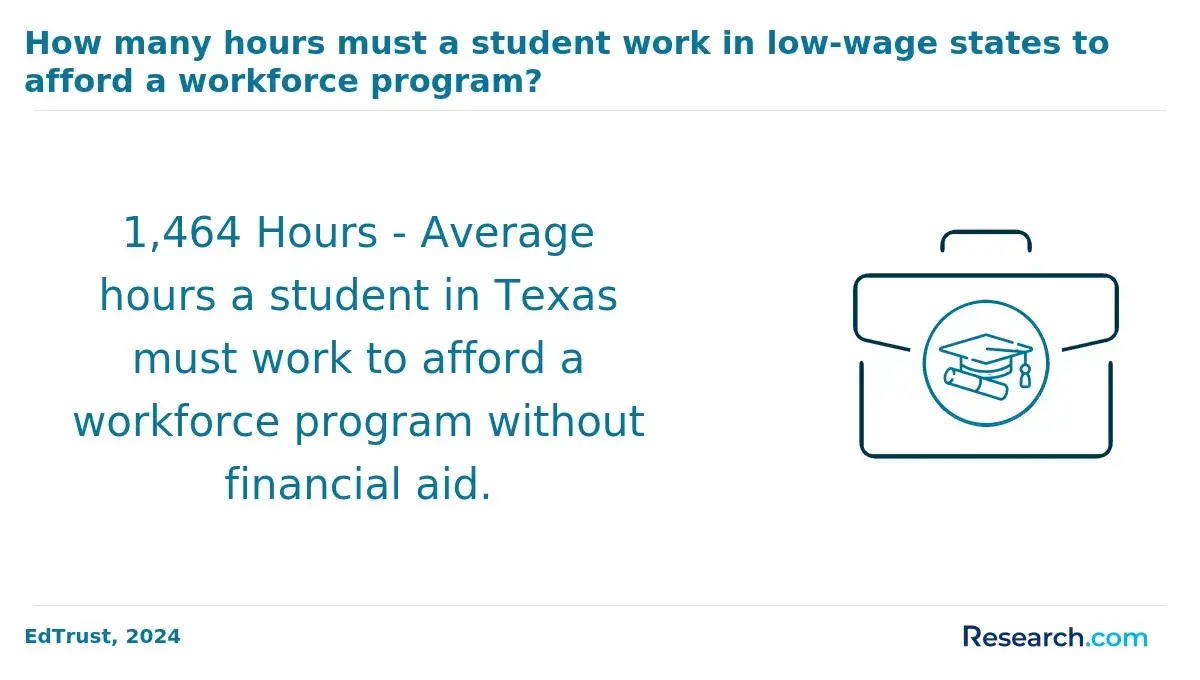
Cost varies widely by institution type, residency, format, transfer credits, and whether the program requires travel, labs, internships, or campus intensives. NCES data published in 2024 reported average undergraduate tuition and fees for the 2022-23 academic year of about $9,800 at public four-year institutions for in-state students and about $40,700 at private nonprofit four-year institutions.
For readers, the key lesson is that sticker price can differ dramatically before scholarships, grants, employer tuition assistance, housing, and transfer credits are considered. This table summarizes common time and cost drivers. It is not a price quote, but it shows what usually changes the total investment.
| Program path | Typical timeline | Main cost drivers | Best fit |
| Bachelor's from first year | About four years full time | Tuition, fees, housing, food, books, transportation, internship location | Students seeking a full undergraduate experience and campus recruiting |
| Transfer bachelor's completion | Often about two years after associate-level credits | Accepted transfer credits, upper-division tuition, remaining prerequisites | Students trying to reduce cost and time to degree |
| Online bachelor's completion | Varies by credit load and transfer credits | Per-credit tuition, technology fees, fewer relocation costs | Working adults and students outside major food-industry hubs |
| Specialized master's | Often one to two years full time | Graduate tuition, program fees, opportunity cost, travel for residencies | Students seeking advancement or career switching after a bachelor's degree |
| MBA with food, marketing, or supply chain focus | Often one to three years depending on format | Graduate tuition, work schedule, employer sponsorship, networking travel | Professionals targeting brand leadership, sales leadership, or general management |
To control cost, students should compare total cost of attendance, not just tuition. Housing, food, transportation, software, internship travel, and lost income can change the real price of a degree.
Use these steps before committing financially:
- Ask for a written estimate of total cost through graduation, including fees and required materials.
- Confirm how many transfer credits will apply to the major, not only to general electives.
- Compare internship access, career placement support, and employer partnerships against the program's price.
- Check whether your employer offers tuition assistance for business, supply chain, food safety, or management coursework.
- Calculate a conservative ROI scenario using entry-level roles, not only senior brand manager salaries.
Accelerated options can reduce time away from the workforce, but speed should not come at the expense of internships or applied projects. When comparing fast formats, review scheduling intensity and credit policies the same way students might compare an accelerated construction management degree online: the format is useful only if it preserves employer credibility and practical skill development.
What accreditation should Food Industry Management programs have for credible CPG career pathways?
At minimum, a Food Industry Management program should be offered by an institution with recognized institutional accreditation. In the U.S., this usually means accreditation from an agency recognized by the U.S. Department of Education or the Council for Higher Education Accreditation. Institutional accreditation affects credit transfer, graduate school eligibility, employer recognition, and access to federal financial aid.
Programmatic accreditation may also matter, depending on the department. Business schools may hold AACSB, ACBSP, or IACBE accreditation. Food science programs may have discipline-specific recognition or approval depending on curriculum structure, while dietetics programs have separate accreditation requirements for students pursuing registered dietitian pathways.
Food Industry Management itself does not always have one universal programmatic accreditor, so readers should evaluate both accreditation and career evidence. The table below explains which quality signals are most relevant. Accreditation is essential, but it should be combined with outcomes and curriculum review.
| Quality signal | Why it matters | What to verify |
| Institutional accreditation | Supports financial aid eligibility, credit transfer, and employer trust | Accreditor is recognized by federal or CHEA sources |
| Business school accreditation | Signals external review of business curriculum and faculty qualifications | AACSB, ACBSP, IACBE, or other relevant recognition |
| Food-related curriculum depth | Shows the program is more than a generic management degree | Courses in food marketing, retail, supply chain, food safety, or agribusiness |
| Internship and employer network | Connects coursework to CPG hiring pipelines | Named employers, internship requirements, alumni roles |
| Transparent outcomes | Helps students judge career fit and value | Graduation rates, career services data, employer examples, alumni paths |
Red flags include vague accreditation language, no clear accreditor name, unclear credit-transfer policies, little evidence of food-industry coursework, and career claims that sound guaranteed. A credible program should be able to explain exactly how its curriculum connects to food brand, retail, distribution, or operations careers.
What jobs can graduates get in CPG food brands, retail categories, and food distribution?
Graduates can pursue roles across CPG manufacturers, grocery retailers, wholesalers, distributors, brokers, foodservice companies, ingredient suppliers, and food startups. The first job often determines the direction of the career path, so students should target internships and entry-level roles that build the right evidence for their preferred track.
Brand management roles usually require strong marketing, finance, and project coordination skills. Category roles require comfort with data, presentations, retail relationships, and commercial decision-making. Distribution and procurement roles require operational discipline, supplier communication, forecasting, and cost awareness.
This table outlines common roles and what they actually do. It can help students translate a degree into practical job targets.
| Job title | Typical responsibilities | Strong preparation | Common next step |
| Brand marketing coordinator | Supports campaigns, packaging updates, consumer research, and product launches | Marketing, consumer behavior, project management, presentation skills | Assistant brand manager or brand analyst |
| Category analyst | Analyzes sales, assortment, pricing, shelf performance, and retailer trends | Retail analytics, Excel, statistics, syndicated data exposure | Category manager or shopper insights analyst |
| Sales analyst | Tracks account performance, trade promotions, forecasts, and customer opportunities | Finance, sales systems, communication, data visualization | Account manager or trade marketing manager |
| Demand planner | Forecasts product demand and works with supply chain, sales, and operations teams | Supply chain, forecasting, analytics, inventory concepts | Supply planning manager or integrated business planning role |
| Procurement specialist | Sources ingredients, packaging, or services and manages supplier relationships | Agribusiness, negotiation, contract basics, commodity awareness | Category buyer, sourcing manager, or procurement manager |
| Food distribution supervisor | Coordinates warehouse, delivery, inventory, or customer service operations | Logistics, operations, leadership, safety and compliance awareness | Distribution manager or operations manager |
| Product development coordinator | Supports innovation projects with R&D, marketing, quality, and operations teams | Food science basics, project management, market research | Innovation manager or product manager |
Students should not overlook entry-level sales, analytics, or operations roles. Many CPG leaders start in field sales, retail execution, category analytics, or supply chain because those roles teach how products perform in the real market. A less glamorous first role can become valuable if it gives access to customer data, retailer relationships, and cross-functional projects.
Career changers should translate existing experience into food-industry language. Retail workers can emphasize merchandising and shopper behavior; restaurant managers can highlight inventory, labor, food safety, and customer demand; analysts can emphasize forecasting and dashboard work; sales professionals can highlight account management and negotiation.
What salary ranges and advancement opportunities exist in Food Industry Management careers?
Salary outcomes vary by role, location, employer size, degree level, internship experience, and whether the job is in a corporate headquarters, manufacturing environment, sales territory, distribution center, or retail office. No degree guarantees a specific salary, but national labor data can help students understand the earning context for related roles.
BLS May 2024 data shows that relevant business and food roles span a wide salary range. The numbers below are national medians, not starting salaries, and they include professionals at different experience levels across many industries.
| Occupation group | Median annual wage, May 2024 | Relevance to food industry management |
| Marketing managers | $159,660 | Relevant to brand management, portfolio strategy, and commercial leadership |
| Sales managers | $138,060 | Relevant to CPG account leadership, foodservice sales, and retail customer teams |
| Industrial production managers | $122,810 | Relevant to food manufacturing and plant operations leadership |
| Logisticians | $80,880 | Relevant to distribution, demand planning, inventory, and supply chain roles |
| Food scientists and technologists | $81,680 | Relevant to product development, quality, and innovation-adjacent roles |
| Market research analysts | $76,950 | Relevant to consumer insights, category analytics, and shopper research |
Advancement usually depends on building a record of measurable business impact. In CPG, that may mean improving sales velocity, reducing out-of-stocks, supporting a profitable launch, improving forecast accuracy, strengthening a retailer relationship, or identifying a category opportunity before competitors do.
Common advancement paths include the following. These are not automatic ladders, but they show how responsibilities often expand over time.
- Start in analyst, coordinator, sales, operations, or associate roles that expose you to real products, customers, and performance data.
- Move into ownership of a brand segment, retail account, category project, supply chain process, or product launch workstream.
- Advance into manager roles where you lead budgets, people, customer relationships, or cross-functional initiatives.
- Progress toward director or senior leadership roles that set strategy across brands, categories, customers, regions, or business units.
The job outlook depends on the occupation. BLS projections for the 2024-34 period show especially strong growth for logisticians at 19% and steady demand for market research analysts at 7%. For students, this suggests that analytics and supply-chain fluency can improve flexibility even if the long-term goal is brand or category leadership.
How can students evaluate and choose a reputable Food Industry Management program?
The best program is the one that connects your target role, budget, learning format, and career support. A highly ranked school may be a poor fit if it lacks food-industry employers, while an affordable regional program may be excellent if it has strong internships with grocers, manufacturers, distributors, and agribusiness firms.
Start by defining your target outcome. "I want to work in food" is too broad. A better goal is "I want a category analyst role with a grocery retailer," "I want to enter CPG brand marketing," or "I want to move from food retail into supply chain planning." The clearer the role, the easier it is to judge the curriculum.
Use these steps to evaluate programs before applying or enrolling:
- Confirm institutional accreditation through recognized accreditation sources, not only the school's marketing language.
- Map required courses to your target role, looking for marketing, analytics, finance, supply chain, food systems, and retail coursework.
- Ask for examples of recent internships and employers, especially in CPG, grocery, distribution, food manufacturing, brokerage, or foodservice.
- Review faculty backgrounds to see whether instructors have food business, retail, agribusiness, supply chain, or analytics experience.
- Check whether online students receive the same career services, employer events, advising, and internship support as campus students.
- Compare total cost through graduation after scholarships, grants, transfer credits, employer benefits, and required travel.
- Ask how the program teaches current tools, including spreadsheet modeling, retail analytics, data visualization, AI-supported forecasting, and digital commerce.
- Speak with current students or alumni about workload, advising quality, internship access, and whether the program's career claims match reality.
Common mistakes include choosing only by tuition, assuming any business degree is enough for CPG, ignoring transfer-credit limits, overlooking internships, and waiting until senior year to build food-industry experience. Students should also be cautious about programs that promise specific salaries, provide no employer examples, or cannot explain how online students complete applied work.
As a final decision test, ask whether the program gives you three things: a credible credential, industry-relevant experience, and a portfolio of projects or internships you can discuss in interviews. If one of those is missing, the degree may still be useful, but you will need a plan to fill the gap before graduation.
Other Things You Should Know About Food Industry Management
Yes, a Food Industry Management degree is beneficial for pursuing careers in CPG brand management as it offers specialized knowledge in food marketing, supply chain logistics, and consumer behavior, equipping graduates with the skills required to excel in managing and promoting CPG food brands.
Usually, yes. Category management often involves sales data, pricing, assortment, shelf strategy, retailer collaboration, and performance reporting. Brand management also uses data, but it typically combines analytics with positioning, consumer insight, product strategy, and marketing execution.
Yes, if the school is accredited and the program helps you gain relevant experience. Online students should be especially proactive about internships, employer projects, networking, analytics tools, and building a portfolio of work tied to food, retail, or consumer products.
References
- Why I chose to study Food Industry Management (FIM) instead of Food Science https://www.uoguelph.ca/oac/news/why-i-chose-study-food-industry-management-fim-instead-food-science
- Food Business Management https://www.ciachef.edu/cia-new-york-food-business-management-bachelors-degree-program/
- Category Manager: missions, skills, training, salary and career development | EM Normandie https://en.em-normandie.com/em-normandie-experience/immerse-yourself-professional-world/professions-after-business-school/category-manager
- Exploring Options - Different Types of Opportunities in The Food Industry https://foodindustryhub.com/opportunities-in-the-food-industry/
- A Career In Food Marketing - What You Need to Know | Innopharma Education https://www.innopharmaeducation.com/blog/career-in-food-marketing
- Career Pathways - Food Processing Skills Canada (FPSC) https://fpsc-ctac.com/career-tools/career-pathways/
- Choose the right restaurant career path. Our tool puts you in charge. https://careerpath.chooserestaurants.org/
- How to recruit and maintain Category Managers https://generationsrecruitment.com/recruiting-the-modern-category-manager-what-companies-need-to-know-in-2025/
- Study Food Industry Management in the USA https://www.studyusa.com/en/field-of-study/395/food-industry-management
- MSc in Food Industry Management - UNISG - University of Gastronomic Sciences https://www.unisg.it/en/course/msc-in-food-industry-management/