2027 Best Food Industry Management Careers by Salary, Stability, and Advancement

Co-Founder and Chief Data Scientist
Choosing a food industry management career means weighing pay, stability, advancement, and the education needed to move up. The stakes are real, USDA Economic Research Service data shows agriculture, food, and related industries supported about 22.1 million U.S. jobs, or 10.4% of total employment.
This guide is for students, career changers, and working food professionals who want a practical path into restaurant, manufacturing, supply chain, safety, or corporate food leadership. You will learn which roles are strongest, what credentials matter, and how to choose an education route with better ROI.
Key Things You Should Know
- The strongest salary-and-advancement options are typically procurement manager, industrial production manager, supply chain/logistics manager, and food safety or quality assurance manager. BLS wage data published in 2024 places purchasing managers at a median annual wage of $136,380.
- Food service management is the most accessible path, but it is not always the highest-paying. BLS data published in 2024 lists food service managers at a median annual wage of $63,060, with earnings varying by employer size, region, and bonus structure.
- Associate or certificate pathways can work for restaurant supervision, while bachelor's, MBA, operations, supply chain, food science, or safety-focused credentials are stronger for corporate, plant, logistics, and quality leadership.
What are the best food industry management careers by salary and stability?
The best food industry management careers are roles that combine durable demand, transferable skills, clear advancement ladders, and compensation that can rise with responsibility. In this article, "food industry management" includes leadership roles in restaurants, food manufacturing, grocery and retail food operations, supply chain, procurement, food safety, quality assurance, distribution, and product development.
Salary is only one part of the decision. Stability often comes from regulatory requirements, essential food demand, supply chain complexity, and employer reliance on experienced managers who can reduce waste, manage labor, improve safety, and protect margins. Advancement is strongest where a role connects directly to revenue, compliance, production efficiency, or multi-site operations.
The table below compares common management paths using U.S. labor-market salary benchmarks and practical career factors. BLS wage figures are national medians for the closest occupational category and should be treated as benchmarks, not promises for a specific food employer.
| Career path | Best fit | Salary strength | Stability | Advancement potential |
| Procurement or purchasing manager | People who like negotiation, supplier strategy, cost control, and vendor risk management | Very high; purchasing managers had a median annual wage of $136,380 in BLS data published in 2024 | Strong because food companies constantly manage ingredient costs, contracts, shortages, and supplier quality | Can advance to director of procurement, category management, sourcing strategy, or supply chain executive roles |
| Industrial production or food plant manager | People who enjoy manufacturing operations, labor planning, equipment utilization, and continuous improvement | High; industrial production managers had a median annual wage of $116,970 in BLS data published in 2024 | Strong in food manufacturing because production reliability, sanitation, safety, and throughput are business-critical | Can move into plant director, regional operations, corporate manufacturing, or vice president of operations roles |
| Supply chain or logistics manager | People who like forecasting, transportation, inventory, cold-chain operations, and problem-solving under pressure | Moderate to high; logisticians had a median annual wage of $79,400 in BLS data published in 2024 | Strong because food businesses need reliable distribution, especially for perishable products | Can advance into logistics director, supply chain manager, demand planning, or operations strategy roles |
| Food safety or quality assurance manager | People who are detail-oriented and interested in food safety systems, audits, documentation, and compliance | Moderate to high depending on plant size, certification scope, and regulatory responsibility | Very strong because food safety cannot be optional in manufacturing, retail, or institutional food operations | Can move into senior QA, regulatory affairs, supplier quality, food safety director, or compliance leadership |
| Restaurant general manager or multi-unit manager | People who like customer service, team leadership, scheduling, cost control, and high-volume daily operations | Moderate; food service managers had a median annual wage of $63,060 in BLS data published in 2024 | Moderate to strong, but more sensitive to local competition, labor costs, and consumer spending | Can advance to district manager, franchise operator, director of operations, or hospitality executive |
| Product development or culinary innovation manager | People who combine food knowledge, consumer insight, project management, and commercialization skills | Moderate to high depending on employer and technical specialization | Moderate because roles are tied to product pipelines, brand strategy, and innovation budgets | Can move into R&D leadership, brand management, innovation strategy, or category leadership |
For most readers, the best overall balance is not the same as the highest salary. If you want the strongest combination of pay, stability, and advancement, focus on operations, procurement, supply chain, and food safety because these functions remain essential even when consumer preferences, restaurant formats, or technology tools change.
Which food industry management jobs pay the most?
The highest-paying food industry management jobs are usually corporate, manufacturing, procurement, and operations leadership roles rather than entry-level restaurant management jobs. Compensation rises when the manager controls large budgets, complex teams, supplier contracts, production assets, regulatory exposure, or multi-site operations.
The table below ranks high-paying food-related management paths using the closest available BLS occupational categories. Use these figures to compare relative earning power, then verify local pay through employer postings in your region.
| Rank | Role | Closest salary benchmark | Why it can pay well in food companies |
| 1 | Procurement or strategic sourcing manager | Purchasing managers: $136,380 median annual wage in BLS data published in 2024 | Food companies rely on these managers to control ingredient costs, secure suppliers, reduce risk, and protect margins. |
| 2 | Plant manager or manufacturing operations manager | Industrial production managers: $116,970 median annual wage in BLS data published in 2024 | Large plants need leaders who can manage production, sanitation, labor, safety, equipment downtime, and continuous improvement. |
| 3 | Corporate operations manager | General and operations managers: $101,280 median annual wage in BLS data published in 2024 | Operations leaders influence profitability across restaurants, retail food sites, commissaries, or distribution networks. |
| 4 | Distribution, warehouse, or transportation manager | Transportation, storage, and distribution managers: $99,200 median annual wage in BLS data published in 2024 | Cold-chain management, delivery reliability, inventory accuracy, and transportation costs all affect food company performance. |
| 5 | Supply chain or logistics manager | Logisticians: $79,400 median annual wage in BLS data published in 2024 | Demand planning, inventory control, vendor coordination, and shortage response are increasingly important in food operations. |
| 6 | Food service manager | Food service managers: $63,060 median annual wage in BLS data published in 2024 | Pay can rise with high-volume operations, bonuses, franchise ownership, hotel food and beverage, or multi-unit responsibility. |
There are two important limits to salary data. First, BLS categories are not always food-specific, so they show the broader labor market rather than a guaranteed food-industry wage. Second, bonuses, profit sharing, shift premiums, relocation packages, and cost-of-living differences can significantly change total compensation.
If your main goal is income growth, avoid choosing a role only because it is familiar. A restaurant supervisor may be easier to enter, but a transition into supply chain, plant operations, procurement, or quality systems can create a stronger long-term salary ceiling if you build the right technical and leadership skills.
What education do food industry management careers require?
Food industry management careers do not all require the same degree. Restaurant supervisors may advance through experience plus targeted certificates, while plant managers, procurement leaders, supply chain managers, and corporate operations leaders are more likely to benefit from a bachelor's degree, industry experience, and sometimes an MBA or specialized graduate credential.
For entry-level management, employers often value a mix of practical food operations experience and business fundamentals. Students who need a flexible business foundation can compare business administration courses online to build skills in accounting, management, marketing, analytics, and organizational leadership that transfer into food retail, hospitality, and operations roles.
The table below shows which education paths usually fit different career goals. Requirements vary by employer, but the pattern is useful for choosing a credential with the right level of investment.
| Education path | Typical length | Best for | Limitations |
| Certificate in food service, food safety, hospitality, or operations | A few weeks to one year | Shift leaders, assistant managers, food safety coordinators, and career changers testing the field | May not be enough for corporate, plant, procurement, or director-level roles |
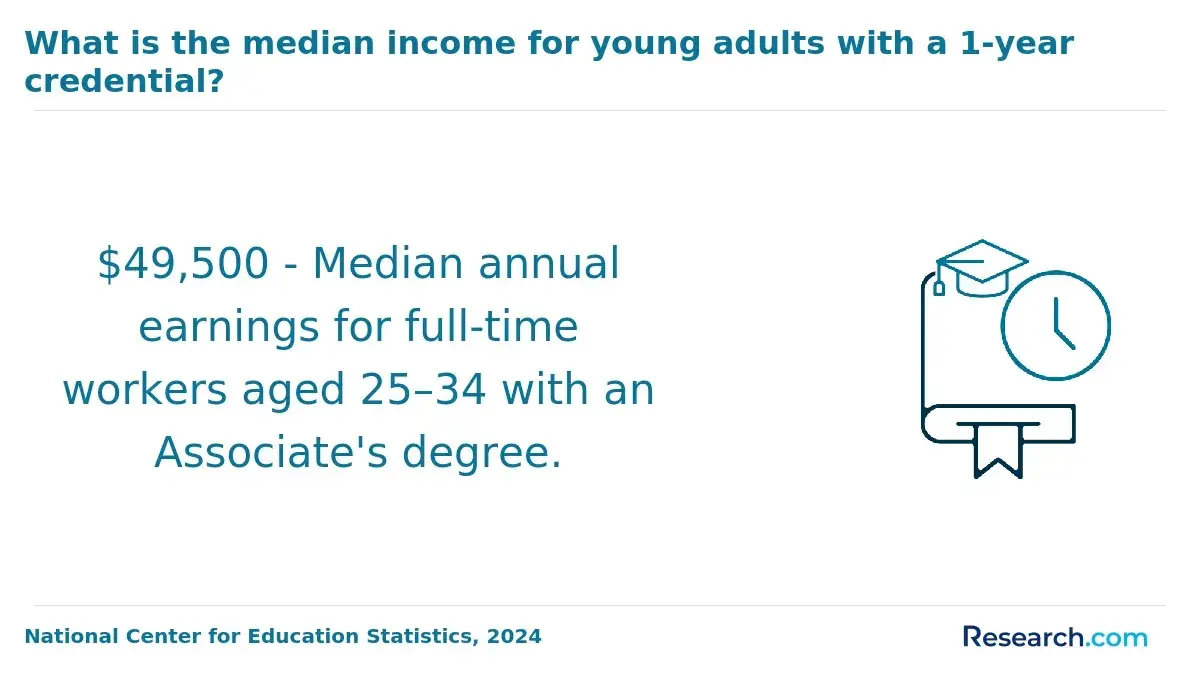
| Associate degree in hospitality, culinary management, business, or food service management | About two years full time | Restaurant management, catering operations, institutional food service, and retail food supervision | Advancement may slow if employers prefer bachelor's degrees for regional or corporate roles |
| Bachelor's degree in food industry management, business, hospitality, supply chain, food science, or operations | About four years full time | Corporate management, plant supervision, supply chain, quality assurance, procurement, and brand operations | Costs more than a certificate, so students should check transfer credit, internships, and career outcomes |
| MBA or master's in operations, supply chain, food science, or management | One to three years depending on format | Professionals seeking director, multi-site, plant, procurement, or executive roles | Usually most valuable after gaining relevant work experience |
A practical rule is to match the degree to the function, not just the industry. If you want to manage restaurants, hospitality or business can work well. If you want to manage production, supply chain, procurement, or quality, choose coursework that includes analytics, operations, food safety, manufacturing systems, and process improvement.
What accreditations matter for food industry management programs?
Accreditation matters because it affects transfer credit, graduate school eligibility, employer trust, and access to federal financial aid. At a minimum, choose a school that is institutionally accredited by an accreditor recognized by the U.S. Department of Education or the Council for Higher Education Accreditation.
Programmatic accreditation can also help, but it depends on the degree type. Business programs may hold AACSB, ACBSP, or IACBE accreditation. Hospitality programs may have specialized hospitality-related recognition. Food science programs may align with professional standards in food science, nutrition, or agricultural education, though not every strong program has the same specialized label.
Before enrolling, verify accreditation directly rather than relying only on marketing language. A simple review process can prevent expensive mistakes:
- Confirm institutional accreditation through recognized accreditation databases or the school's official accreditation page.
- Check whether the specific campus or online division is covered, because accreditation can vary by institution, location, or program structure.
- Ask whether credits transfer to public universities, graduate programs, or professional programs you may want later.
- For food safety or nutrition-adjacent programs, ask whether the curriculum supports your intended certification, exam, internship, or employer requirement.
- Review recent outcomes such as internship partners, employer relationships, job placement disclosures, and graduate school pathways.
Common red flags include vague accreditation claims, pressure to enroll immediately, unclear tuition totals, no published faculty credentials, limited transfer policies, and career claims that sound guaranteed. A reputable program should be willing to explain accreditation, costs, outcomes, and limitations in plain language.
Should you choose an online or campus food industry management degree?
An online food industry management degree can be a strong choice for working adults, military students, parents, and food service professionals who need to keep earning while studying. A campus program may be better if you want hands-on labs, culinary facilities, food science labs, close faculty access, or local internship pipelines.
Online education is now a mainstream option, but fit matters more than format. For example, students targeting senior operations roles may compare food management degrees with the best MBA in operations management if they already have experience and want broader leadership training in process improvement, analytics, and supply chain execution.
The table below compares online and campus formats by decision factors that matter for food industry careers.
| Factor | Online degree | Campus degree |
| Best fit | Working professionals, part-time students, rural students, and people with fixed schedules | Students who want labs, campus recruiting, culinary facilities, or structured in-person learning |
| Hands-on learning | May rely on local internships, employer projects, simulations, or arranged field experiences | Often easier to access labs, kitchens, pilot plants, campus dining operations, or local employer visits |
| Networking | Can be strong if the program has live sessions, cohort projects, alumni events, and employer partnerships | Often stronger for students who use campus clubs, faculty office hours, and local internships |
| Flexibility | Usually stronger for students balancing full-time work or rotating food service schedules | Usually less flexible but may provide more structure and accountability |
| Career alignment | Works well for business, operations, supply chain, and management-focused tracks | Often better for culinary management, food science, sensory science, and lab-heavy pathways |
What courses are included in a food industry management curriculum?
A strong food industry management curriculum blends business, operations, food systems, safety, analytics, and leadership. The exact course mix depends on whether the program is housed in a business school, hospitality department, agriculture school, culinary institute, or food science program.
The courses below are common because they connect directly to management tasks in restaurants, food manufacturing, retail food, and distribution. Look for applied projects, case studies, internships, or employer-sponsored assignments rather than only lecture-based coursework.
- Food service operations management, including scheduling, labor control, service standards, and guest experience
- Accounting, finance, and cost control, including food cost, inventory valuation, budgeting, and margin analysis
- Supply chain and logistics, including purchasing, transportation, cold-chain coordination, warehousing, and demand planning
- Food safety and sanitation, including HACCP principles, allergen control, cleaning procedures, and regulatory documentation
- Quality assurance and process control, including audits, specifications, corrective actions, and continuous improvement
- Marketing and consumer behavior, including menu strategy, retail food trends, category management, and brand positioning
- Human resources and leadership, including hiring, training, conflict management, labor law basics, and performance coaching
- Business analytics and technology, including spreadsheet modeling, point-of-sale data, inventory systems, enterprise software, and dashboard reporting
- Sustainability and food systems, including waste reduction, sourcing, packaging, energy use, and responsible operations
Technology is becoming more important in nearly every food management role. AI forecasting, automated inventory systems, digital temperature monitoring, robotics in production, and data dashboards are changing what managers are expected to understand. You do not need to become a software engineer, but you should be comfortable interpreting operational data and asking better questions from the systems your employer uses.
What certifications help advance food industry management careers?
Certifications can help you prove job-ready skills, especially when your degree is broad or your experience is in a different part of the food industry. Some credentials are required by local rules or employers, while others are optional signals for advancement into quality, safety, supply chain, or process improvement roles.
The table below summarizes practical certifications and when they are most useful. Requirements, exam rules, renewal periods, and employer recognition can change, so confirm details before paying for a course or exam.
| Certification or credential | Best for | Career value |
| Food protection manager certification, such as ServSafe Manager | Restaurant, retail food, catering, and institutional food service managers | Often required or strongly preferred for managers responsible for safe food handling and sanitation compliance |
| HACCP training | Food manufacturing, seafood, meat, juice, dairy, and quality assurance roles | Shows understanding of hazard analysis, critical control points, monitoring, corrective action, and verification |
| Preventive Controls Qualified Individual training | Food safety, regulatory, and manufacturing roles covered by preventive controls expectations | Useful for professionals involved in food safety plans, documentation, and compliance systems |
| SQF Practitioner or other GFSI-related training | Food manufacturing plants, supplier quality, and audit-heavy environments | Helpful for managers working with retailer, customer, or third-party audit requirements |
| Lean Six Sigma Green Belt or Black Belt | Plant operations, process improvement, logistics, and quality management | Supports roles focused on reducing waste, defects, downtime, and process variation |
| ASCM CPIM or CSCP | Supply chain, inventory, planning, and procurement professionals | Can strengthen advancement into logistics, demand planning, production planning, and supply chain leadership |
| Project Management Professional or similar project credential | Managers leading product launches, facility changes, software rollouts, or cross-functional initiatives | Useful when advancement requires structured project planning, risk tracking, budgets, and stakeholder management |
Do not collect certifications randomly. Start with the credential most tied to your next role: food protection manager for restaurants, HACCP or preventive controls for food safety, Lean Six Sigma for operations, and supply chain credentials for logistics or procurement. A focused credential plus relevant experience usually carries more weight than a long list of unrelated badges.
How long does a food industry management degree take and cost?
A food industry management degree can take a few months for a certificate, about two years for an associate degree, about four years for a bachelor's degree, and one to three years for a graduate degree. Cost depends on school type, residency, transfer credits, online fees, course materials, lab requirements, travel, and whether you study full time or part time.
College Board's 2024 pricing data lists average published tuition and fees for in-state students at public four-year institutions at $11,610 for the 2024-25 academic year. That figure is a useful baseline, but your total cost may be higher or lower depending on housing, grants, employer reimbursement, transfer credits, and whether you choose a public, private nonprofit, or for-profit institution.
The table below shows typical time and cost factors by credential type. It is meant to help you estimate ROI questions before you contact schools.
| Credential | Typical completion time | Main cost drivers | Best ROI when |
| Certificate | Weeks to one year | Course provider, exam fees, materials, and renewal requirements | You need a targeted skill for promotion, compliance, or entry-level supervision |
| Associate degree | About two years full time | Community college tuition, books, transportation, and transfer planning | You want an affordable start and may transfer later into a bachelor's program |
| Bachelor's degree | About four years full time | Tuition, fees, housing, internship travel, lab fees, and lost work time if studying full time | You want corporate, plant, supply chain, procurement, or multi-unit management options |
| Master's degree or MBA | One to three years | Graduate tuition, employer reimbursement availability, residency requirements, and opportunity cost | You already have experience and need stronger credentials for director-level or executive roles |
To reduce cost, compare net price rather than sticker price. Ask each school about transfer credits, prior learning credit, employer tuition benefits, military benefits, scholarships, paid internships, and whether online students pay different fees. A cheaper program is not automatically better if it lacks accreditation, career support, or the curriculum required for your target role.
What jobs can you get with a food industry management degree?
A food industry management degree can prepare you for restaurant, retail, manufacturing, supply chain, quality, procurement, and corporate operations roles. The best job depends on your experience: employers often hire entry-level graduates into assistant manager, supervisor, coordinator, or analyst roles before promoting them into full management responsibility.
If you are comparing food management to broader business or operations pathways, remember that the food industry rewards both industry knowledge and transferable management ability. A professional who understands scheduling, inventory, cost control, safety systems, and analytics can move across restaurants, commissaries, grocery chains, manufacturers, distributors, and institutional food service.
The career paths below show realistic entry points and advancement targets. Use them to identify the experience you need before applying for higher-level jobs.
| Career area | Entry-level or early-career roles | Mid-career roles | Advanced roles |
| Restaurant and hospitality operations | Shift supervisor, assistant manager, catering coordinator | Restaurant general manager, food and beverage manager, unit manager | District manager, regional operations manager, franchise owner, director of operations |
| Food manufacturing | Production supervisor, sanitation supervisor, operations coordinator | Production manager, plant operations manager, continuous improvement manager | Plant manager, regional manufacturing director, vice president of operations |
| Food safety and quality | QA technician, food safety coordinator, audit assistant | Quality assurance manager, food safety manager, supplier quality manager | Director of quality, regulatory affairs leader, corporate food safety executive |
| Supply chain and logistics | Inventory coordinator, logistics analyst, warehouse supervisor | Logistics manager, demand planner, distribution manager | Supply chain director, network optimization leader, chief operations role in larger organizations |
| Procurement and category management | Purchasing assistant, buyer trainee, procurement analyst | Buyer, category manager, sourcing manager | Procurement director, vice president of sourcing, chief supply chain officer |
| Product and brand operations | R&D assistant, product coordinator, marketing operations assistant | Product development manager, commercialization manager, category manager | Innovation director, brand operations leader, portfolio strategy executive |
Avoid assuming your first job defines your entire career. Many strong food industry leaders start in restaurants, warehouses, production lines, or QA labs and then move into broader roles after adding analytics, people management, and process improvement skills. If your long-term goal is executive leadership in regulated service environments, you may eventually compare advanced leadership pathways such as doctorate in health administration programs, especially if your work intersects with hospital food service, senior living, nutrition operations, or healthcare supply chains.
How do you choose a reputable food industry management school?
Choose a food industry management school by starting with your target job, then working backward to the curriculum, accreditation, cost, format, internships, and employer connections that support that goal. A reputable program should make it easy to understand what you will study, how much it will cost, who teaches the courses, and what kinds of roles graduates pursue.
Do not rely only on rankings or brand recognition. A well-known school may not have the food operations, safety, supply chain, or internship structure you need, while a regional public university or community college may have strong employer ties in food manufacturing, hospitality, agriculture, or retail food.
Use these steps before applying or enrolling:
- Define your target role first, such as restaurant general manager, plant manager, procurement manager, food safety manager, or supply chain manager.
- Check institutional accreditation and any relevant programmatic accreditation before discussing financial aid or enrollment deadlines.
- Compare curriculum against your goal, looking for operations, finance, food safety, analytics, supply chain, leadership, and internship requirements.
- Ask about career outcomes by program, not just schoolwide outcomes, because broad employment statistics may hide weak placement in your field.
- Review total cost, including tuition, fees, books, labs, travel, housing, and the income you may give up if you study full time.
- Ask whether the program accepts transfer credits, credit for prior learning, military training, or employer-sponsored coursework.
- Talk to admissions, faculty, and career services about employer partners, internship sites, alumni roles, and support for online students.
- Compare at least three programs before deciding, including one lower-cost option and one program with strong employer connections.
Common mistakes include choosing a program because it sounds food-related without checking the actual courses, ignoring accreditation, assuming online means easier, overlooking internship requirements, and borrowing more than the likely career path can support. If you want a broader operations career and not a food-specific path, compare food industry programs with business, supply chain, hospitality, or operations degrees before committing.
Other Things You Should Know About Food Industry Management
In 2027, food industry management is considered a strong career option due to its competitive salaries, robustness, and potential for advancement. It offers diverse roles from operations to supply chain management, providing stability and a clear path for career growth.
The best degree depends on the role. Business, hospitality, food industry management, supply chain, operations management, and food science can all work. Choose the program that matches your target function rather than picking a degree based only on the word "food."
AI can automate parts of forecasting, scheduling, inventory, pricing, and quality monitoring, but it does not replace the need for managers who lead teams, handle safety issues, solve customer problems, and make judgment-based operational decisions.
References
- Most Important Food Safety Certifications & Qualifications - FSNS https://fsns.com/food-qualifications-and-certifications/
- Food Industry Management https://www.niagara.edu/programs/food-industry-management/
- Training & Certification Programs https://m.careersinfood.com/career-planning/education-and-training/training-and-certification-programs/
- Foodcareers professional certifications https://www.foodcareers.eu/professional-certifications
- What job can i apply when i enter food industry? https://www.foodservicework.com/what-job-can-i-apply-when-i-enter-food-industry
- Food Industry Certificates: ISO 22000, FSSC, BRC & IFS - BTSA https://www.btsa.com/en/main-food-certificates/
- 25 High Paying Food Manufacturing Jobs https://www.powderbulksolids.com/food-beverage/25-highest-paying-food-manufacturing-jobs
- Un an à l'étranger avec MBS https://www.mbs-education.com/international/mbs-en/mbs-a-truly-international-business-school/international-accreditations-and-labels/
- Food Business Management https://www.ciachef.edu/cia-new-york-food-business-management-bachelors-degree-program/
- Discover Institut Lyfe I Accreditations, certifications and awards https://en.institutlyfe.com/institut-lyfe/accreditations-certifications-and-awards/