2027 Online Interior Design Master's Programs at Accredited U.S. Universities

Co-Founder and Chief Data Scientist
Choosing an online interior design master's program at an accredited U. S. university requires balancing diverse factors that extend beyond curriculum quality. Prospective students face questions about admission criteria, program format, and costs, including often overlooked fees. The growing demand for flexible graduate education, reflected in a 12% rise in online master's enrollment since 2022 according to the National Center for Education Statistics, underscores the importance of accessible program delivery. This shift impacts admission strategies and career mobility. Understanding how accreditation, financial aid, licensing recognition, and career outcomes align with individual goals is essential for making a strategic, informed investment in advanced interior design education.
Key Things to Know About Online Interior Design Master's Programs at Accredited U.S. Universities
- Admission criteria often require a professional portfolio and prior design experience, which creates a tradeoff for career changers balancing enrollment timing against skill gaps employers expect.
- Program structures blending synchronous and asynchronous formats respond to the 12% annual growth in adult online learners, affecting accessibility but requiring strong self-discipline for networking.
- Accreditation by credible bodies aligns with licensing recognition, significantly impacting employability since many firms prefer graduates from programs vetted for compliance and industry standards.
What Is the Overall Structure and Purpose of Online Interior Design Master's Programs at Accredited U.S. Universities?
Online interior design master's programs at accredited U.S. universities serve a distinct function: they deliver advanced, practice-oriented education tailored for learners who need flexibility but cannot compromise on professional standards. This format responds to the practical reality that many prospective students-including career changers, first-generation graduate students, and place-bound professionals-require a credible program that balances academic depth with adaptable pacing. The structure of these programs actively reflects this tension, distinguishing them from traditional on-campus degrees mainly through delivery mode and scheduling flexibility rather than academic content or rigor.
- Academic Structure: These programs generally require between 30 and 60 credit hours, integrating core concepts of sustainable design, human factors, and digital visualization with foundational interior design theory. This credit range ensures comprehensive coverage required for professional competency, aligning with standards that employers recognize and licensure pathways demand.
- Delivery Methods: The blend of asynchronous lectures, live virtual seminars, interactive design studios, and portfolio projects creates a learning environment that simulates studio-based collaboration typical in on-campus programs. While remote access expands opportunity, it also requires self-discipline and technical adaptability from students, factors often underestimated by those unfamiliar with online education.
- Time to Degree: Completion time varies widely but typically spans two to three years. Many programs offer part-time or accelerated tracks acknowledging that working professionals balancing employment or family obligations need customized pacing options, a flexibility not always available on campus.
- Purpose and Accreditation: Accreditation from bodies like the Council for Interior Design Accreditation (CIDA) validates program quality and ensures alignment with industry norms. For graduates, this accreditation often translates directly into eligibility for licensure and improves employment prospects, making it critical for evaluating program credibility. Without it, the long-term professional value of the degree can be markedly diminished.
- Distinguishing Features: Unlike on-campus counterparts, these online programs emphasize remote collaboration tools and flexible pacing while maintaining academic rigor through continuous assessment and faculty engagement. This tradeoff offers access at the expense of face-to-face mentorship intensity, which some students may weigh differently depending on their learning preferences and career goals.
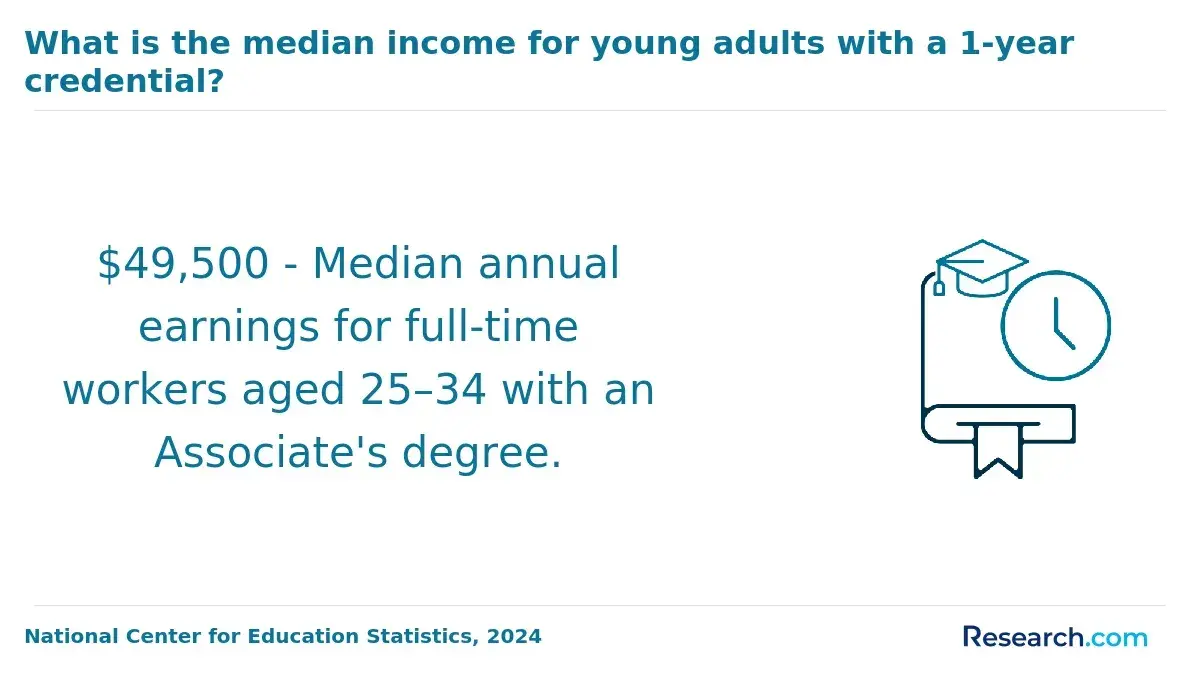
Prospective students should consider how these structural elements interact with their personal circumstances and professional ambitions. First-generation graduate students unfamiliar with the typical demands of a master's curriculum will find these programs intentionally designed to bridge gaps in academic preparation and professional readiness. Additionally, for those exploring transitional educational routes such as 1 year associate degree programs, understanding how an accredited online master's program builds on foundational credentials is crucial for ensuring investment aligns with long-term workforce outcomes.
Which Accrediting Bodies Recognize Online Interior Design Master's Programs, and Why Does Accreditation Status Matter?
Accreditation status is often the pivotal factor that determines whether an online interior design master's program will support a graduate's ability to secure licensure, transfer credits, and access important financial aid. Choosing a program with incomplete or inappropriate accreditation can delay or block entry into the workforce, rendering the tuition investment less valuable.
Regional accreditors, recognized by the U.S. Department of Education, oversee institutional quality across universities and colleges. There are seven major regional accrediting bodies responsible for this broad validation. However, regional accreditation does not guarantee that the specific interior design curriculum meets professional standards required for credentialing or employer endorsement. This is where programmatic accreditation from specialized agencies becomes crucial.
- Regional Accreditation: Confirms overall institutional quality and enables federal financial aid access and credit transfer between schools, but it does not assess industry-specific curriculum rigor needed for professional licensure.
- Programmatic Accreditation: Typical accrediting bodies include the Council for Interior Design Accreditation (CIDA) and, occasionally, the National Architectural Accrediting Board (NAAB) when programs incorporate architectural elements. These accreditors vet curriculum content to ensure alignment with licensing requirements and workforce expectations.
- Licensing Board Recognition: Many states mandate completion of a program accredited by recognized agencies like CIDA for eligibility to sit for the National Council for Interior Design Qualification (NCIDQ) exam, a critical credential for practice.
- Employer Expectations: Hiring professionals often look for graduates from programs holding both regional and programmatic accreditation, interpreting this dual endorsement as evidence of comprehensive preparation.
- Practical Consequences: Graduates from regionally accredited-only programs may face stiff barriers in licensure portability, credential recognition, and competitive hiring, regardless of program reputation or cost.
- Decision Guidance: Prospective students must verify that their chosen program's accreditations align with their state's licensing requirements and employer preferences before considering program cost, format, or brand prestige.
What Are the Admission Requirements for Online Interior Design Master's Programs at Accredited U.S. Universities?
Admission standards for online interior design master's programs at accredited U.S. universities reflect institutional priorities and impact the competitiveness of applicants beyond baseline qualifications. For professionals balancing career transitions or recent graduates weighing programs, understanding these nuances helps in targeting pathways that align with both academic readiness and workforce expectations.
- Undergraduate GPA: Minimum GPAs typically hover near 3.0 on a 4.0 scale, yet more selective private institutions often require 3.3 or higher, signaling elevated academic competition and rigor.
- Prerequisite Coursework: Applicants generally need foundational knowledge in design, art history, or architecture. Non-design majors may face additional bridge courses, influencing program length and cost.
- Letters of Recommendation: Two to three references from academics or industry insiders attest to applicants' creative aptitude and work ethic, critical when portfolios alone do not capture experience depth.
- Personal Statement or Portfolio: A clear articulation of design goals paired with a portfolio demonstrating practical skill is essential; these components function as primary evidence of readiness, especially for those lacking a formal design background.
- Standardized Tests: GRE requirements have relaxed considerably, with many programs becoming GRE-optional or GRE-free post-pandemic, although highly competitive programs may still call for GRE scores to assess analytical skills.
- Professional Experience: While not universally mandatory, documented design-related work or internships elevate applications, particularly in programs emphasizing applied competencies and leadership traits.
- Institution Type and Selectivity: Public universities generally feature more flexible admissions, accommodating career changers and lower GPA applicants. More selective private institutions tend to maintain stricter criteria, reflecting cohort quality and potentially greater networking leverage.
- Competitive Applicant Profile: Meeting minimum criteria does not ensure admission; applicants should investigate median admitted GPA, portfolio strength, and professional experience of enrolled cohorts to realistically assess fit.
- Accessibility for Non-Traditional Applicants: Many online interior design master's programs welcome those without design undergraduate degrees or with modest GPAs by emphasizing robust portfolios, relevant experience, and prerequisite coursework.
This complex admissions landscape underscores the importance of aligning program choice with personal academic history and career goals, while also exploring resources like a cheap bachelor degree online for foundational preparation when pivoting professionally.
Admission to online interior design master's programs often hinges on meeting a minimum undergraduate GPA, but these thresholds reveal more about institutional priorities than raw academic ability alone. While many programs use a 3.0 GPA as a baseline, the relationship between GPA cutoffs and program prestige is nuanced. Higher GPA minimums typically align with more selective schools that leverage reputation, faculty expertise, and professional networks to enhance graduates' licensure success and job placement. However, some open-enrollment models with lower GPA barriers still deliver comparable licensure outcomes, challenging assumptions that prestige guarantees better results.
- Minimum GPA Requirements: The majority of accredited programs set a floor near 3.0 on a 4.0 scale; elite programs may push this to 3.3 or above, while less selective options may consider candidates around 2.7 if compensated by experience or portfolio strength.
- Program Reputation and Selectivity: Elevated GPA expectations often reflect competitive admissions intertwined with institutional stature, offering advantages in licensure exam pass rates and access to influential industry connections.
- Competitive vs. Minimum Standards: Meeting the minimum GPA does not guarantee admission; successful applicants commonly exceed this threshold and supplement with strong portfolios, relevant work experience, or compelling recommendations.
- Holistic Admissions: GPA serves as one component in a broader evaluation that weighs applied skills, creativity, and professional potential, recognizing that numbers alone fail to predict graduate effectiveness.
- Alternate Admission Pathways: Prospective students below minimum GPA thresholds may pursue conditional enrollment, certificate programs, or preparatory coursework to build a stronger foundation and improve acceptance chances.
A graduate who enrolled in an online interior design master's program recounted how their admission process underscored the impact of GPA and timing. Despite a near-threshold GPA, they delayed submitting applications to polish both portfolio and professional references. This cautious approach extended their application cycle into a rolling admissions period, creating anxiety but ultimately enabling a stronger candidacy. They noted that programs with rigid GPA cutoffs sometimes send mixed signals because holistic review processes consider an applicant's entire profile rather than GPA alone. Their experience highlighted the importance of strategic timing and preparedness over rushing to meet minimum numerical standards.
Online master's programs in interior design at accredited U.S. universities typically require between 30 and 60+ credit hours, with significant variation tied to accreditation, thesis demands, and mandatory internships or practicum components. These programs often exceed credit requirements seen in other master's degrees because they merge practical, studio-based work and portfolio development with theoretical study.
This increased credit load directly impacts overall tuition costs, which are calculated by multiplying per-credit fees by the total number of required credits. For example, a program charging $600 per credit will cost $18,000 at 30 credits but double to $36,000 if 60 credits are needed, a difference that can be decisive for students managing budgets.
Moreover, for students enrolled part-time or balancing work, higher credit requirements usually mean extended enrollment periods. Each additional semester not only prolongs tuition payments but also carries opportunity costs such as continued living expenses and delayed full-time employment income, critical factors for career changers weighing the financial tradeoffs.
Evaluating programs solely on per-credit tuition can obscure these total cost and time implications. Prospective students should prioritize total credit requirements to realistically assess financial and temporal commitments and align their education choices with both professional goals and personal circumstances.
- Credit Hour Range: Generally 30-60+ credits shaped by program structure, accreditation, and experiential components.
- Cost Impact: Tuition scales with credit totals, making higher-credit programs substantially more expensive despite similar per-credit rates.
- Time-to-Degree: Larger credit loads often extend part-time completion timelines, increasing duration and related opportunity costs.
- Decision Guidance: Comparing total credit obligations is essential for accurate cost and time projections, beyond just per-credit pricing.
Selecting a specialization within an online interior design master's degree can be pivotal in aligning education with targeted career outcomes, yet the implications of this choice often extend beyond curricular content. Specializations commonly available at accredited US universities include sustainable design, healthcare design, historic preservation, and lighting design. These tracks are variably structured-some as integrated concentrations embedded within the standard degree, others as optional electives or add-on certificates. Such structural differences impact credit requirements and can extend time-to-degree, affecting both direct costs and opportunity costs for working professionals balancing tuition investment against potential salary premiums.
For example, a healthcare design concentration may offer pathways into a growing sector driven by demand across hospitals and wellness facilities, where design knowledge must intersect with regulatory compliance and patient safety. On the other hand, sustainable design specialization often appeals to employers seeking expertise in energy-efficient materials and environmental certifications, reflecting broader industry trends toward green building. According to recent labor data, these nuanced specializations can influence earning potential and job stability, with healthcare and sustainable design roles notably commanding higher wages relative to generalist interior design jobs.
When weighing program options, candidates should assess not only the presence of desired concentrations within online interior design master's degree specializations accredited US universities offer but also the qualifications of faculty delivering these courses and the recognition of these specializations by relevant licensing boards or major employers. Investment in a specialization lacking real-world faculty expertise or industry acceptance may yield limited professional advantage despite potentially higher tuition fees. Employability and long-term career relevance hinge on this alignment.
- Common Tracks: Sustainable design, healthcare design, historic preservation, lighting design
- Program Structure: Embedded tracks, elective clusters, or add-on certificates affecting credits and length
- Workforce Impact: Specializations influence salary differentials and sector demand as per 2024 labor reports
- Faculty Expertise: Real-world practitioner involvement essential for relevant instruction
- Licensing and Recognition: Alignment with licensing requirements and employer expectations critical
Prospective students, including place-bound or first-generation graduate candidates and recent undergraduates comparing admission offers, should factor these elements carefully. Understanding program specialization in tandem with cost and employment outcomes-especially within the lens of MBA no GRE trends reflecting evolving graduate education admissions-is increasingly vital for making data-informed decisions about online interior design master's degrees.
Choosing between asynchronous, synchronous, and hybrid formats in online interior design master's programs substantially impacts how students manage their studies alongside work and personal commitments. The delivery method not only frames the learning experience but also influences tuition, scheduling flexibility, and the quality of interaction with peers and faculty, all of which carry significant implications for career readiness and financial investment.
- Asynchronous: Students access lectures and assignments on their own time, which suits professionals juggling irregular hours or multiple time zones. Interactions mainly occur via discussion boards and occasional group projects, with limited live feedback from instructors. This format often results in lower tuition since it demands fewer resources for live instruction.
- Synchronous: Live, scheduled classes enable real-time dialogue and collaboration, closely mirroring traditional classrooms. While this enhances immediate peer and faculty engagement, it requires commitment to fixed schedules that may conflict with work or family responsibilities. The necessity for live technology support usually means higher tuition costs.
- Hybrid: Combining flexible asynchronous work with designated live sessions or occasional campus visits, this model tries to balance convenience with direct interaction. However, travel requirements and synchronous components can add unexpected expenses and logistical challenges, particularly for students bound to specific locations.
For prospective students, clarifying what "online" entails at each institution is critical. Questions should target expectations for synchronous attendance, required on-site visits, and the technological platforms employed. These factors directly affect accessibility, total cost, and daily workload-and must align with personal schedules, learning preferences, and reliable internet access to be viable long-term.
One graduate recalled that during the rolling admissions cycle, she hesitated to commit without knowing the balance of live versus recorded content. Waiting for confirmation delayed her application, but ultimately helped her avoid a program with inflexible synchronous demands that would have conflicted with her childcare schedule. This experience underscored how nuanced understanding of format nuances directly shapes timely and sustainable enrollment decisions.
Cost per credit hour is a foundational metric when evaluating online interior design master's programs, but its implications vary markedly depending on institutional type and student circumstances. For working professionals or recent graduates deciding between offers, understanding how tuition models translate into actual financial burden is crucial to avoid overpaying or misjudging program value based on sticker prices alone. Admissions data confirm that public universities enroll a significant share of place-bound students who benefit from in-state rates, underscoring the importance of residency status in tuition calculations.
- Public Universities: These institutions typically offer the most affordable rates for in-state students-commonly $400 to $700 per credit hour-making them a practical choice for those prioritizing cost efficiency. Out-of-state learners face higher tuition, sometimes approaching $800 or more, reflecting reduced subsidies.
- Private Nonprofit Institutions: Charging between $800 and $1,200 per credit hour, private nonprofits tend to justify costs through smaller class sizes and more specialized faculty. However, these higher costs may not directly translate to better employment outcomes, requiring students to weigh value-added services versus upfront expenses.
- Private For-Profit Schools: Per-credit charges here fluctuate widely and often exceed $1,000, with less geographic tuition differentiation. Prospective students should scrutinize accreditation and total cost of attendance carefully to avoid hidden fees that inflate expenses beyond the base per-credit rate.
- Residency and Fees: Residency status influences tuition but additional program-specific fees-technology, software, or lab costs-also increase effective cost per credit, complicating direct comparisons.
- Sticker Price Versus Net Cost: Published per-credit rates rarely reflect available financial aid, employer tuition reimbursement, or scholarships. Since master's programs generally require 30 to 45 credits, students must estimate comprehensive net costs before committing financially.
- Interpretation Guidance: Per-credit cost should serve as a starting point, not the conclusion, in cost assessment. Variations in program length, curriculum rigor, faculty expertise, and career support influence long-term return on investment beyond tuition figures alone.
For those balancing program quality and tuition, considering all these factors contextualizes the average cost per credit hour for online Interior Design master's programs in the U.S. More comprehensive resources tailored for various learner profiles and career stages can be found when exploring broader online degree programs for seniors, which share overlapping considerations in cost-efficiency and career outcomes.
Public universities have traditionally applied distinct in-state and out-of-state tuition rates to online interior design master's programs, mirroring their on-campus policies. This approach often places out-of-state distance learners at a financial disadvantage, impacting the total cost of education and long-term return on investment, particularly for career changers balancing tuition debt and job market realities. However, to address the growing need for equitable pricing and to widen access, many institutions now offer flat residency tuition rates for online interior design programs. This shift simplifies budgeting by removing geographic cost disparities and aligns with the flexible, location-independent nature of online education.
Professionals evaluating the impact of online interior design master's tuition residency policies should weigh these pricing models carefully. Some universities, such as Arizona State University and the University of Florida, have adopted uniform per-credit tuition regardless of residency, providing consistency and removing a significant barrier for out-of-state applicants. Conversely, programs like those at the University of Georgia continue to impose higher non-resident fees, which can influence financial planning and overall affordability.
- Historical Tuition Models: Many public universities charged premium out-of-state tuition for online programs, deterring non-resident enrollments and reflecting campus-based structures.
- Flat Residency-Neutral Rates: Increasingly common among accredited public universities offering online programs, these rates foster more predictable educational expenses for all students.
- Ongoing Differential Pricing: Some institutions maintain distinct tuition tiers by residency, requiring candidates to evaluate trade-offs based on personal finance and career goals.
- Reciprocity Agreements: Regional compacts such as WICHE, SREB, and the Midwest Student Exchange Program offer reduced tuition rates for qualifying out-of-state students, partially bridging cost gaps.
- Verification Advisory: Prospective students should always verify current residency-based pricing directly with bursar or financial aid offices, as tuition structures and policies frequently change and may not be fully represented on marketing materials.
Given these complexities, understanding the nuances of online interior design master's tuition residency policies is vital when comparing programs. For those interested in interdisciplinary perspectives or expanding skill sets in adjacent fields, exploring a master in data analytics may offer complementary career benefits within design-driven industries.
What Graduates Say About Online Interior Design Master's Programs at Accredited U.S. Universities
- Raul: "Balancing a full-time job and pursuing an online interior design master's program was a real challenge, especially given my limited evenings and weekends. I chose an online format because flexibility was essential, even though I worried about less direct networking. Ultimately, the portfolio I developed through remote projects landed me an internship, which helped me overcome the usual hiring emphasis on in-person experience."
- Elisha: "Switching careers with a tight budget forced me to pick an affordable online interior design master's that focused heavily on technical skills rather than licensure preparation. The decision paid off since employers in my city seemed to value my practical software proficiency and design portfolio more than any certification. However, I found salary growth capped without a formal license, so I'm now weighing future steps carefully."
- Michael: "After completing an online interior design master's while managing family commitments, I realized that employers here prioritize hands-on internships and real-world experience over degrees alone. Though the coursework was demanding and required serious time management, the program's remote internship connections helped me secure a junior designer role. Still, competing for senior positions remains tough without additional accredited credentials."
Other Things You Should Know About Interior Design Degrees
Yes. Most programs require a portfolio with 10 to 20 pieces that show design process, technical skill, and finished work. Applicants with non-design backgrounds may also need prerequisite coursework, a statement of purpose, transcripts, and letters of recommendation.
Employers in architecture firms and corporate design studios typically view online master's degrees from accredited universities as credible, but acceptance varies by sector and company size. Larger firms may prioritize candidates with a traditional portfolio or face-to-face mentorship experience, while smaller or boutique firms often value specialization and software proficiency more. Graduates targeting commercial interior design or specialized niches should evaluate whether their program emphasizes relevant skills and connections, as employer perception is closely linked to demonstrated practical expertise rather than degree format alone.
Prospective students should prioritize programs that offer structured internship placements, strong alumni networks, and career services explicitly tailored to interior design. Programs blending synchronous coursework with live studio sessions better replicate in-person collaboration, which employers value highly. Additionally, geographic reach of the program's industry connections matters; schools with ties to key urban markets tend to facilitate faster employment post-graduation. Evaluating these elements offers more reliable indicators of job placement success than rankings or tuition costs alone.
Students in 2027 should have a reliable computer compatible with design software such as AutoCAD and Adobe Creative Suite. High-speed internet is essential for accessing online lectures and resources. Some programs may also require specific hardware, such as a digital drawing tablet.
- Council for Interior Design Accreditation | Council for Higher Education Accreditation https://www.chea.org/council-interior-design-accreditation
- How Long Does It Take to Get a Master's Degree? https://www.snhu.edu/about-us/newsroom/education/how-long-does-it-take-to-get-a-masters-degree
- Prices, Grants, and Financing | UDIT https://www.udit.es/en/prices-grants-y-financing/
- Interior Design Accreditation: Why It Matters https://www.khayastudio.co.uk/post/interior-design-accreditation-why-it-matters
- Master of Fine Arts in Interior Design — New York School of Interior Design https://www.nysid.edu/master-of-fine-arts-in-interior-design
- Interior Design MFA https://www.newschool.edu/parsons/mfa-interior-design/
- Average Cost of a Master's Degree: 2025 Analysis https://educationdata.org/average-cost-of-a-masters-degree
- Accreditations and Recognition — IDI USA https://www.theinteriordesigninstitute.com/us/en/accreditations
- What Is CIDA and Why Does It Matter to Interior Designers? - Yorkville https://www.yorkvilleu.ca/blog/what-is-cida-interior-design/
- How Much Does it Cost to Become an Interior Designer? https://pro.houzz.com/pro-learn/blog/startup-guide-interior-design-cost-to-become-a-designer