2027 Graduation Rates for Online Interior Design Master's Programs: Completion Statistics

Co-Founder and Chief Data Scientist
Juggling a demanding job, family care, and coursework presents a critical challenge for many aspiring online interior design master's students, often jeopardizing their chances of completing the degree. Recent 2024 data reveal that only about 58% of students finish these programs within the expected timeframe, signaling significant barriers beyond initial enrollment.
This statistic reflects common issues like inadequate institutional support, underestimating time demands, and fluctuating work-life balance pressures. Understanding these dynamics is vital, as delayed or incomplete degrees can limit advancement opportunities and increase financial strain.
This article examines graduation rates, completion statistics, and key factors shaping students' success in earning an online interior design master's degree on schedule.
Key Things to Know About Graduation Rates for Online Interior Design Master's Programs
- Graduation rates for online interior design master's programs average around 55% within six years, reflecting significant time-to-completion tradeoffs due to balancing intensive coursework with professional duties.
- Employers increasingly value program completion over brand prestige, so students should prioritize programs with consistent on-time graduation outcomes to meet industry readiness benchmarks.
- Extended enrollment periods common in these programs can increase overall cost and delay workforce entry, influencing return on investment and requiring early financial and scheduling planning.
What Are the Graduation Rates for Online Interior Design Master's Programs?
Graduation rates for online interior design master's programs typically reflect a complex interplay of enrollment intensity, student demographics, and program structure rather than a simple success metric.
For many students balancing work and family commitments, the flexible online format often translates into extended time-to-degree or intermittent enrollment, which lowers on-time completion statistics but does not necessarily indicate failure.
Research from the National Center for Education Statistics shows that roughly 60% to 70% of online graduate students finish within six years, a rate that generally lags behind traditional programs but must be viewed in context.
When evaluating online interior design programs, prospective students should weigh whether the program's pacing and support services align with their ability to maintain steady progress without sacrificing personal or professional obligations.
Availability of institutional support-such as academic advising, peer networking, and technical resources-significantly impacts completion statistics for online interior design graduate programs, with some institutions reporting up to a 15% improvement in graduation rates when these supports are well-integrated.
This underscores the importance of assessing program infrastructure beyond raw graduation metrics, as students with access to strong advising and community engagement often manage deadlines and workload more effectively.
Additionally, for working professionals, the tradeoff between accelerated degree timelines and practical applicability of learning may favor programs offering applied experiences over speed.
Understanding these nuances helps students set realistic expectations and informed planning, especially when navigating employer demands and career outcomes in design fields where credential recognition can outweigh mode of delivery.
Considering such factors alongside financial investment may also prompt exploration of options like the cheapest MBA programs online for those seeking cost-effective graduate education alternatives.
How Do Graduation Rates Compare Among Online Interior Design Master's Programs?
Completion rates for online interior design master's programs often reflect significant variation rooted in program design and student demographics, rather than purely academic quality. Cohort-based programs with structured timelines tend to report graduation rates above 70%, benefiting from peer interaction and scheduled course sequences that help maintain momentum.
In contrast, programs allowing flexible pacing or part-time enrollment frequently show rates nearer to 60%, partly due to the competing demands working professionals face, such as balancing jobs and family responsibilities.
Additionally, the availability of academic advising, consistent course offerings, and clear policies on leaves of absence directly influence students' ability to finish on time, making comparisons across programs complex and context-dependent.
Prospective students should interpret graduation statistics cautiously, recognizing that higher rates may result from selective admissions or more privileged student populations, not just program effectiveness.
For many adults returning to school, especially career changers with irregular schedules, a program's reported completion window may not align with their pace, which could extend due to stop-out periods or workload fluctuations.
According to recent data from the National Center for Education Statistics, on-time completion in creative online master's degrees typically ranges between 60% and 75%, underscoring how institutional support and program structure tangibly impact outcomes.
Evaluating graduation rates alongside factors such as transfer credit acceptance, support services, and cohort engagement thus becomes essential for realistic decision-making about which program best fits an individual's circumstances.
A graduate who compared two online interior design master's programs recalled noticing one program's published completion rate was based on a strict two-year timeline for full-time cohort students, while the other included part-time enrollees with open-ended pacing, which lowered its reported on-time graduation figures.
She reached out to admissions representatives to understand how cohort participation and leave of absence options were tracked, seeking clarity on whether the statistics reflected students juggling demanding careers and family care-as she anticipated doing.
The tradeoff between more flexible scheduling and comprehensive advising stood out as pivotal, leading her to cautiously favor a program whose support services aligned better with her anticipated stops and starts, despite a slightly lower published graduation rate.
How Do Online Interior Design Master's Program Graduation Rates Compare to On-Campus Programs?
Graduation rates for online interior design master's programs often appear lower than those for on-campus programs, but this disparity reflects fundamental differences in student populations and program dynamics rather than simple educational quality gaps.
Many online students juggle part-time status alongside professional and personal commitments, which routinely lengthens time-to-degree beyond standard reporting windows.
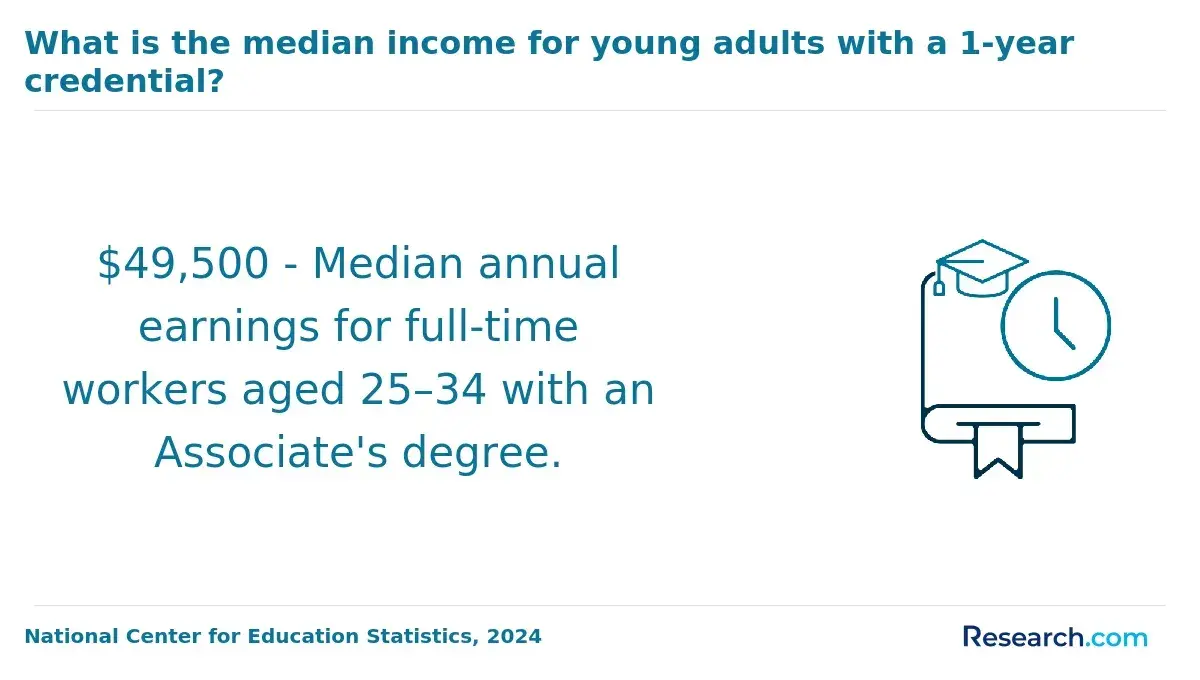
For instance, data from the National Center for Education Statistics in 2024 shows online completion rates around 55-65%, compared to 70-75% for on-campus cohorts, but these figures obscure how extended enrollment periods and flexible pacing accommodate working adults without indicating academic failure.
Access to real-time academic support and cohort-based engagement also influences persistence, as on-campus formats provide immediate faculty interaction and peer networks that can encourage steady progression.
However, advancements in online program offerings-such as virtual design workshops and synchronous collaboration tools-have begun to close this gap, especially in selective institutions where graduation rates between online and traditional formats differ by less than five percentage points once student readiness is accounted for.
Prospective students should interpret raw completion statistics cautiously, recognizing that institutional selectivity, advising quality, and course sequencing profoundly affect outcomes and that the extended timetable typical of part-time learners reflects a tradeoff between flexibility and traditional measures of timeliness.
Graduation rates in online interior design master's programs are heavily influenced by the balance students strike between academic demands and external responsibilities. Part-time enrollment, common among working professionals, often extends time-to-degree by as much as 25%, according to a 2024 National Center for Education Statistics report, increasing stop-out risks and complicating workforce reentry.
Programs that integrate personalized advising and effective course sequencing minimize delays caused by scheduling bottlenecks, highlighting the tradeoff between flexible pacing and structured progression.
For example, a student juggling a full-time job and family may benefit markedly from asynchronous coursework with adjustable deadlines, but only if faculty support and clear transfer credit policies are in place to prevent unplanned interruptions.
Analyzing completion statistics and retention patterns in online interior design graduate programs reveals that cohort models and peer networks improve persistence by counteracting isolation and fostering motivation. Transfer credit acceptance varies, affecting whether students can shorten their path or face administrative setbacks, which requires careful scrutiny when comparing programs.
These factors directly shape the practical value of graduation rates as predictors of success; mere statistics won't capture the nuanced operational fit for adult learners managing complex professional and personal demands.
Prospective students should therefore assess whether a program's support systems and workload flexibility align with their real-world contexts and consult resources like MSW programs still accepting applications to frame their timing and commitment decisions realistically.
Programs that embed accessible and integrated student support services consistently demonstrate higher graduation rates among online interior design master's students, reflecting how these resources help mitigate common obstacles like course sequencing conflicts and balancing external commitments.
Data from the National Center for Education Statistics highlights that programs offering proactive advising, technical help, and faculty accessibility see a 15% greater completion rate.
Such services directly influence on-time degree finishing by supporting learners in adjusting workloads, re-enrolling smoothly after life disruptions, and preempting academic setbacks through early-alert outreach. This is particularly critical for adult learners and career changers who juggle professional duties and personal responsibilities alongside demanding coursework.
Faculty availability for timely feedback and cohort-based peer networks foster a more engaged learning environment, which reduces the isolation frequently reported in virtual settings, helping students maintain momentum during challenging phases like thesis completion. Robust technical assistance eliminates frustration related to digital platforms, preventing interruptions that can derail progress.
Furthermore, career counseling aligned with interior design industry expectations helps link academic efforts to market realities, motivating persistent enrollment by clarifying tangible post-degree opportunities. Without these coordinated supports, students often face delays from course overloads, uncertain re-entry points after breaks, or disengagement that leads to attrition.
One graduate recalled struggling early on with managing studio project deadlines while working full-time and caring for family. Persistent academic advising helped realign her course plan to avoid simultaneous heavy studio and theory classes.
Peer interactions through cohort groups and access to online tutoring strengthened her skills in design software, which had initially caused setbacks. Technical support resolved recurring platform issues that threatened to halt submissions.
Career coaching also provided clarity on portfolio development and job market expectations, which maintained her confidence to finish on schedule despite ongoing external pressures.
Completion timelines for online interior design master's programs vary significantly due to enrollment intensity and academic pacing constraints. Full-time students often finish within two years, but part-time enrollment-chosen by many balancing work, family, or other obligations-commonly extends completion closer to three or four years.
This reflects a tradeoff between steady progress and flexibility, especially when program requirements include practicum or capstone projects that demand substantial time and coordination.
Students must navigate institutional deadlines and course sequencing, where delaying one course can cascade into prolonged timelines and higher stop-out risks, directly affecting graduation rates and overall persistence.
Programs with high stop-out rates largely reflect the real-world challenges students face, such as financial strain or job changes, which disrupt academic momentum and delay time to degree. The average program duration for online interior design master's degrees is therefore not just a function of credit hours but also depends on how consistently students engage with their studies.
For many, this creates a tension between completing the degree promptly and maintaining workforce participation or family responsibilities. Employers in the field tend to prioritize applicants who demonstrate current skill sets through portfolios, making timely completion more critical for market readiness.
Prospective students weighing the time to complete an online interior design graduate program should consider these factors alongside cost and institutional support, especially when comparing flexible options like the most affordable online MBA programs, which may offer parallel insights into balancing affordability with program length and career outcomes.
Graduation rates in online interior design master's programs diverge sharply depending on enrollment intensity and the competing demands faced by students. Full-time learners benefit from structured schedules and continuous academic engagement, often completing their degrees within typical timeframes at rates between 60% and 75%.
This advantage largely stems from fewer external distractions, allowing these students to maintain steady progress without frequent stop-outs or term delays-a key consideration for those aiming for predictable graduation timelines.
Conversely, part-time students, frequently balancing jobs and family responsibilities, experience extended degree completion windows and lower on-time graduation percentages, frequently hovering around 40% to 55%. The asynchronous and modular nature of many programs offers flexibility, yet it also requires self-discipline and access to proactive advising to prevent attrition.
For example, a working professional managing client projects and coursework simultaneously may find the risk of interrupted enrollment or slower course sequencing high, which employers might view as a tradeoff between practical experience and academic momentum.
Advising quality, program design, and cohort structure significantly influence how well students stay on track. Full-time students often engage more readily with live classes and peer networks, while those studying part-time rely heavily on tailored academic support to navigate challenges.
Understanding these dynamics helps prospective students decide whether committing full-time-or choosing a flexible, work-compatible schedule-is optimal given their professional goals and capacity to balance competing demands without sacrificing timely degree completion.
Retention in online interior design master's programs plays a pivotal role in graduation outcomes, reflecting the real challenges of sustained enrollment amid competing work and family demands.
Students who maintain consistent enrollment through their initial academic year are substantially more likely to graduate within a six-year window; the National Center for Education Statistics highlights that first-year persistence increases graduation likelihood by about 60%.
This underscores a critical decision point for prospective students weighing part-time versus full-time study options, as stop-out episodes not only delay degree completion but often lead to complete attrition.
Programs that strategically integrate flexible pacing with structured course milestones can mitigate common retention risks by accommodating adult learners' schedules without sacrificing curricular rigor. Access to tailored academic advising and active peer engagement further supports continuous enrollment, offsetting isolation often cited in online learning environments.
Understanding a program's retention metrics provides prospective students with a practical lens to assess whether its design aligns with their professional responsibilities and personal commitments, allowing for more informed decisions about the likelihood of on-time degree completion and subsequent employability in the competitive design field.
Graduation rates shape the financial and professional outcomes of students more directly than the program's curriculum or prestige alone. In online interior design master's program completion rates below 60%, many students experience extended enrollment periods or drop out, transforming tuition and opportunity costs into sunk expenses without a completed credential.
For example, working professionals juggling family and career may find that slower progress or program withdrawals delay or foreclose expected salary improvements tied to degree completion.
The impact of graduation rates on graduate ROI in interior design therefore involves not only financial calculations but also timing and persistence challenges that affect long-term career trajectories.
Programs with graduation rates above 70% often reflect robust student support services, flexible pacing, and academic advising that mitigate risks associated with balancing coursework and external responsibilities. These factors shorten time-to-degree and reduce total costs while improving completion likelihood.
Conversely, when online interior design master's program completion rates are low, students face added tuition fees, lost wages, and delayed professional entry-all of which erode net financial returns. Students comparing programs should weigh these completion statistics alongside curriculum fit and career demands to gauge practical value accurately.
Such considerations parallel findings from other fields, including clinical psychology masters programs online, where timely graduation markedly improves income returns for adult learners. Completing a program within expected timelines signals not only personal discipline but also a degree's employer-recognized value.
Thus, graduation rates serve as a critical indicator of whether students can realistically convert their investment into meaningful credentialing and workforce gains.
Graduation rates for online interior design master's programs provide a critical lens through which prospective students can evaluate program effectiveness, especially when balancing academic demands with professional and personal obligations.
These completion statistics should be interpreted alongside factors such as student demographics, program flexibility, and retention patterns, which all influence the likelihood of timely degree completion.
For instance, a working professional may prioritize programs with higher retention rates after the first year and extensive academic support, understanding these signals as indicators of realistic pathways to graduation within the nominal duration.
Lower graduation rates in some programs often point to structural challenges like rigid course scheduling or limited resources, which directly affect part-time or career-changing students more intensely.
Comparing these nuanced elements is essential when evaluating student completion data for interior design degrees, as graduation numbers alone do not capture the complexities of online program outcomes.
A 2024 report by the National Center for Education Statistics highlights that online graduate students utilizing dedicated academic support services are 20% more likely to finish their degrees on time, underscoring the importance of access to advising and resource availability.
Prospective students should also consider average time-to-degree metrics since program length can differ markedly based on enrollment intensity and institutional policies. For those exploring related fields, examining pathways like a doctorate in data analytics online may offer insights on structuring graduate studies with flexible pacing and support mechanisms.
Ultimately, informed decisions about online interior design master's programs depend on a holistic assessment that weighs graduation rates alongside retention trends, support services, and time-to-degree outcomes. This approach allows adult learners and career changers to align expectations with realistic program trajectories and better anticipate the challenges inherent in online graduate education.
What Do Graduates Say About Graduation Rates for Online Interior Design Master's Programs?
- Raul: "Examining the graduation rates helped me set realistic expectations, especially since I balanced a full-time job while pursuing the online interior design master's. The published completion stats reflected many who dropped out early due to workload, but I found that pacing myself part-time and relying heavily on faculty feedback was crucial to staying on track."
- Elisha: "At first, I was skeptical about the program's graduation rates because they didn't fully capture the hurdles of working parents like me. The advising and cohort support made a big difference, yet the sequencing of courses sometimes created bottlenecks, causing delays that raw numbers didn't reveal. It taught me to value persistence over just relying on statistics."
- Michael: "Graduation rates were a useful baseline when comparing programs, but I realized they weren't guarantees. Managing the academic workload alongside personal commitments meant adapting strategies as I went. The program's flexibility allowed me to extend my timeline without penalty, which ultimately made finishing possible despite unexpected challenges."
Other Things You Should Know About Interior Design Degrees
Because interior design programs emphasize applied projects, students often face fluctuating workloads as deadlines approach. This real-world workload can strain those balancing work and family, leading some to extend their studies or drop out. Prospective students should assess whether the program offers flexible pacing or modular deadlines to accommodate busy schedules, as rigid timelines may negatively impact timely graduation.
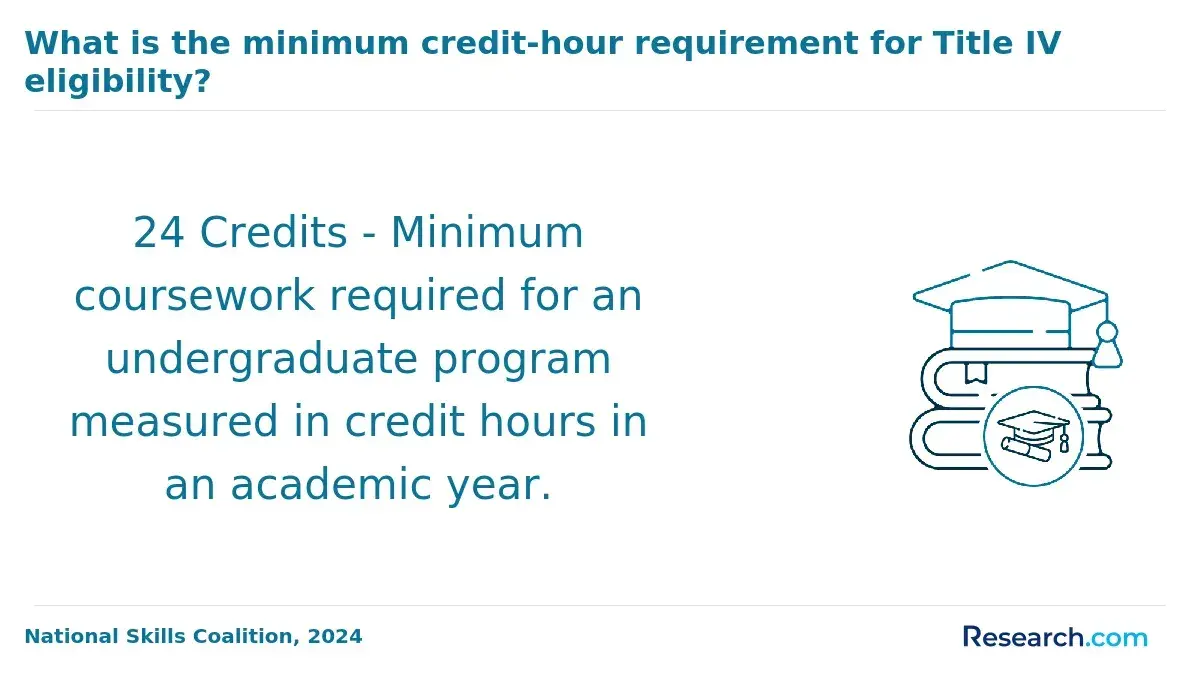
Most online interior design master’s programs require 30 to 36 semester credits for completion. Many programs allow full-time students to finish in 12 to 24 months, while part-time study usually extends the timeline. Capstone studios or thesis projects are often included in the final credits.
Strong mentorship and interactive peer environments can mitigate feelings of isolation common in online learning, thereby improving persistence. Programs lacking these elements might see higher attrition or delayed graduation, especially in a hands-on field like interior design where critique and collaboration enhance learning. Students are advised to favor programs that emphasize live feedback and cohort engagement to bolster completion chances and real-world readiness.
- How Long Does It Take to Become an Interior Designer? https://pro.houzz.com/pro-learn/blog/startup-guide-interior-design-how-long-does-it-take-to-become-an-interior-designer
- Interior Architecture Master’s Programs https://www.risd.edu/academics/interior-architecture/masters-programs
- Interior Design School Requirements & How Long Does It Take https://planner5d.com/blog/design-school-requirements/
- Graduate Outcomes Analysis https://biid.org.uk/resources/graduate-outcomes-analysis
- How to Improve Student Support Services in Higher Education https://www.comm100.com/blog/how-to-improve-student-support-services-in-higher-education/
- Part-Time Interior Design Course: Is It Right for You? https://wisdomdesigncollege.in/blogs/part-time-interior-design-course
- Study: Online learning improves retention, graduation rates https://www.highereddive.com/news/study-online-learning-improves-retention-graduation-rates/521271/
- Online Master's Degree | Interior Design with Practice Management https://www.nda.ac.uk/study/courses/ma/interior-design/
- Boost Higher Ed Enrollment and Graduation Rates – The Power of Student Support and Belonging https://changinghighered.com/boost-higher-ed-enrollment-graduation-rates/
- Master of Interior Architecture https://the-bac.edu/academic-programs/master-of-interior-architecture