2027 Online Food Industry Management Degrees for Students Who Want Category Manager Careers in Food

Co-Founder and Chief Data Scientist
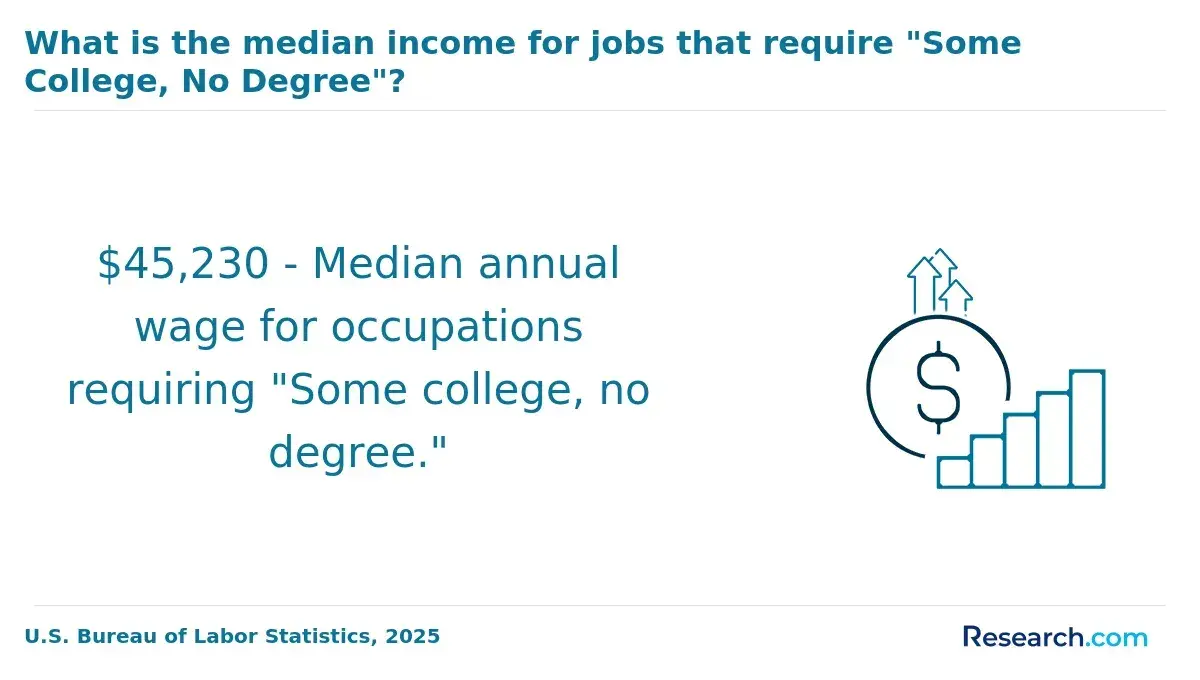
Choosing the right online food industry management degree matters because category managers now make data-heavy decisions about pricing, assortment, supplier strategy, private labels, and shopper behavior. The U. S. Bureau of Labor Statistics reported a May 2024 median wage of $76,950 for market research analysts, a common feeder role into category management. This guide is for students who want food-sector business careers and need to compare degree options, costs, skills, accreditation, online formats, and career outcomes before enrolling.
Key Things You Should Know
- Food category manager careers usually fit students who combine food-market knowledge with analytics, merchandising, supplier negotiation, and retail or foodservice business skills.
- Online bachelor's programs commonly take about four years, while online master's programs often take one to two years; 2024-25 published tuition and fees averaged $11,610 for in-state public four-year colleges and $43,350 for private nonprofit four-year colleges.
- Because "food category manager" is not a single licensed occupation, students should judge programs by institutional accreditation, food or retail relevance, analytics coursework, internships, employer partnerships, and career placement evidence.
What is an online food industry management degree and how does it prepare future category managers?
An online food industry management degree is a business-oriented program that applies management, marketing, operations, finance, and supply chain concepts to food retail, grocery, foodservice, consumer packaged goods, agriculture, and related distribution channels. Some schools use names such as food industry management, food marketing, agribusiness management, hospitality management, food systems, retail management, or supply chain management with food-focused electives.
For a future food category manager, the degree matters less as a title and more as a skill package. Category managers are responsible for treating a product group, such as dairy, frozen foods, beverages, snacks, or fresh produce, as a mini-business. They analyze sales data, decide which products earn shelf or digital placement, negotiate with suppliers, track margins, respond to shopper trends, and coordinate promotions with marketing, operations, and inventory teams.
The table below shows how the degree's academic components connect to category manager work. Use it to check whether a program teaches the business decisions you would actually make in a food retail, wholesale, or brand-side role.
| Program component | How it supports category manager preparation | What to look for in an online program |
| Food marketing and consumer behavior | Helps students understand why shoppers choose products, brands, package sizes, and price points. | Courses using retail case studies, syndicated data examples, shopper insights, or omnichannel grocery scenarios. |
| Retail analytics and forecasting | Builds the ability to interpret sales, margin, promotion, and inventory data. | Assignments using Excel, dashboards, business intelligence tools, statistics, or category scorecards. |
| Supply chain and purchasing | Prepares students to work with suppliers, manage product availability, and understand cost pressures. | Coverage of procurement, demand planning, logistics, vendor management, and food distribution. |
| Food safety and food systems | Provides context for perishability, traceability, quality, labeling, and regulatory constraints. | Food-sector coursework that goes beyond general business examples. |
| Finance and pricing | Supports decisions about margins, trade funds, promotions, shrink, and category profitability. | Projects requiring pricing analysis, budget interpretation, and profit-and-loss thinking. |
A strong online program should also help students build a portfolio. For category management, a portfolio might include a category review, assortment recommendation, promotional calendar, vendor scorecard, or dashboard summarizing sales and margin performance. These artifacts can be more persuasive to employers than a transcript alone.
Which online food industry management degrees best support a career as a food category manager?
The best online degree for a food category manager depends on where the student wants to work. Grocery retailers, food distributors, food manufacturers, restaurants, hospitality companies, and e-commerce marketplaces use related skills but value different kinds of experience.
The comparison below summarizes common online degree paths and the career situations where each one makes the most sense.
| Degree path | Best fit | Strength for category management | Possible limitation |
| Bachelor's in food industry management or food marketing | Students who want a direct route into grocery, CPG, wholesale, or food retail careers. | Most closely aligned with food merchandising, supplier relationships, retail strategy, and shopper behavior. | Fewer fully online options may exist than in broader business majors. |
| Bachelor's in business administration with marketing, retail, analytics, or supply chain electives | Students who want flexibility across food and non-food categories. | Builds transferable business foundations and can be customized through electives and internships. | Students may need to seek food-sector experience separately. |
| Bachelor's in agribusiness or food systems management | Students interested in produce, commodities, agricultural supply chains, or food distribution. | Gives context on production, sourcing, logistics, and market volatility. | May be less focused on store-level merchandising or consumer promotions. |
| Hospitality or foodservice management degree | Students targeting restaurant groups, foodservice distributors, catering, or hospitality purchasing. | Connects menu planning, purchasing, vendor coordination, and customer experience. | May require additional retail analytics or CPG coursework for grocery category roles. |
| MBA or master's in food marketing, supply chain, analytics, or management | Working adults seeking advancement into senior category, brand, procurement, or strategy roles. | Strengthens leadership, financial analysis, negotiation, and cross-functional decision-making. | Usually works best when paired with relevant work experience. |
Students who are more interested in restaurants, hotels, catering, or foodservice purchasing than grocery retail may want to compare a food industry management program with an online hospitality degree. Hospitality programs can be a good fit when the target role involves menu profitability, vendor contracts, guest demand, or multi-unit foodservice operations.
A degree may not be necessary for every entry-level food retail role, but it can help students compete for analyst, buyer, merchandising, supply chain, and management-track openings. Students who already work in grocery or foodservice should look for programs that award transfer credit, accept prior learning assessments, or offer flexible pacing so they can turn work experience into faster progress.
How do online food industry management programs compare with campus-based options for career preparation?
Online and campus-based food industry management programs can both prepare students for category management, but they create different trade-offs. Online learning is often better for working adults and students who need geographic flexibility, while campus learning may offer easier access to labs, student clubs, career fairs, and local employer networks.
The table below compares the two formats from a career-preparation perspective rather than a convenience-only perspective.
| Decision factor | Online program | Campus-based program | What it means for category manager preparation |
| Schedule | Often asynchronous or evening-friendly. | Usually tied to class meeting times. | Online formats can work well for students already gaining grocery, foodservice, or CPG experience. |
| Networking | Depends on virtual events, alumni access, employer projects, and internships. | May offer easier in-person networking and student organizations. | Students should ask how the school connects online learners with food employers. |
| Applied projects | Can use simulations, employer-sponsored projects, dashboards, or local fieldwork. | May include in-person labs, retail visits, or regional employer partnerships. | Either format can work if students produce category-relevant work samples. |
| Internships | May be completed near the student's location. | Often tied to the school's regional employer network. | Online students should confirm whether remote, local, or current-employer internships are accepted. |
| Student services | Quality varies by school and may include virtual advising, tutoring, and career coaching. | Often includes in-person access to advising and career offices. | The best online option is not simply the cheapest; it is the one with real support for online learners. |
Online study is usually the stronger choice when a student is already working in retail, foodservice, logistics, or sales and wants to keep building experience while earning the credential. Campus study may be better for students who need a structured environment, want frequent in-person interaction, or are targeting employers that recruit heavily from a specific school.
A common mistake is assuming online means less rigorous. The stronger distinction is not online versus campus; it is well-designed versus weakly supported. A reputable online program should have clear learning outcomes, regular instructor interaction, accessible career services, transparent tuition, and assignments that reflect real food-business decisions.
What accreditation and institutional quality standards should food industry management students look for?
Accreditation is one of the first quality checks students should make because it affects credit transfer, graduate school eligibility, federal financial aid access, and employer confidence. For U.S. students, the baseline is institutional accreditation from an agency recognized by the U.S. Department of Education or the Council for Higher Education Accreditation.
Programmatic accreditation is less standardized for food industry management than for fields such as nursing or accounting, so students should not reject a program automatically just because it lacks a specialized food-management accreditor. Instead, they should verify the institution and then evaluate whether the curriculum, faculty, projects, and employer connections fit food category management goals.
Use the checklist below before speaking with admissions. It can help you separate credible programs from schools that market aggressively but provide limited career value.
- Confirm institutional accreditation through official accreditation databases, not only through a school's marketing page.
- Check whether credits can transfer to other accredited institutions and whether graduate schools recognize the degree.
- Review faculty backgrounds for food retail, CPG, supply chain, agribusiness, marketing analytics, or hospitality experience.
- Ask for examples of category-relevant assignments, such as assortment analysis, retail pricing projects, supplier scorecards, or demand forecasts.
- Request career outcomes by program when available, but avoid treating broad university-wide employment numbers as proof of food-category placement.
- Confirm that online students receive the same advising, library, tutoring, disability services, and career support as campus students.
Red flags include vague accreditation language, pressure to enroll immediately, unclear total costs, missing faculty information, no sample curriculum, and promises of specific salaries or job placement. Category management is competitive and outcomes vary by location, employer, work experience, and analytical skill level, so credible schools should speak in probabilities and support services rather than guarantees.
What courses and specializations in food industry management are most relevant for category manager roles?
Food category managers sit at the intersection of product, consumer, supplier, and financial decisions. The most relevant courses are therefore not limited to food science or general management; they should help students read data, understand shoppers, negotiate with vendors, and manage profit across a product group.
The following course areas are especially useful because they map directly to the work category managers do each week.
- Category management and retail merchandising: Teaches assortment planning, shelf strategy, promotional planning, category reviews, and item performance analysis.
- Marketing analytics and consumer insights: Builds skills in interpreting shopper data, market share, loyalty trends, and campaign performance.
- Supply chain management and procurement: Helps students understand vendor selection, product availability, lead times, logistics costs, and inventory risk.
- Food safety, labeling, and food systems: Provides context for regulations, product claims, allergen concerns, traceability, perishability, and quality expectations.
- Managerial finance and pricing: Supports decisions involving gross margin, trade spending, shrink, price elasticity, and profit-and-loss accountability.
- Business technology: Develops familiarity with spreadsheets, data visualization, enterprise systems, forecasting tools, and increasingly AI-assisted planning workflows.
Students interested in health-positioned products, fresh foods, wellness retail, or food labeling may also benefit from coursework similar to what appears in online degrees in nutrition. Nutrition coursework is not a substitute for business training, but it can help category managers evaluate consumer health trends, product claims, and assortment decisions in categories such as functional beverages, supplements, plant-based foods, and better-for-you snacks.
Technology is changing the skill mix. Employers increasingly expect category, merchandising, and shopper-insight teams to work with dashboards, automated forecasting, digital shelf analytics, retail media performance, and AI-supported demand planning. Students do not need to become software engineers, but they should graduate comfortable with structured data, spreadsheet modeling, visualization tools, and clear business storytelling.
If a program does not offer a course called category management, students can still build the right preparation by choosing electives in retailing, marketing research, supply chain, pricing, analytics, food systems, and consumer behavior. The key is to graduate with evidence that you can turn product and shopper data into a defensible business recommendation.
What are the typical admission requirements for online food industry management bachelor's and master's programs?
Admission requirements vary by school, degree level, and applicant background, but online food industry management programs usually follow the same broad patterns as business, hospitality, agribusiness, or food systems programs. Students should read requirements carefully because some online degrees are completion programs designed for applicants who already have college credit.
At the bachelor's level, typical requirements may include a high school diploma or GED, official transcripts, a minimum GPA, placement testing or prior college coursework, and English or math prerequisites. Transfer applicants may need a specified number of completed credits, and some schools may require prerequisite courses in accounting, economics, statistics, or composition before upper-division admission.
At the master's level, requirements often include a bachelor's degree from an accredited institution, official transcripts, a resume, statement of purpose, recommendations, and sometimes prerequisite coursework in business or statistics. Many online MBA and management programs have reduced reliance on standardized tests, but some may still request GMAT or GRE scores for certain applicants, scholarships, or conditional admission reviews.
Students can improve their application and career readiness by preparing materials that show food-sector interest, not just academic eligibility. The steps below are especially helpful for applicants targeting category management.
- Document any retail, grocery, restaurant, food production, sales, logistics, or customer-service experience on your resume.
- Take or refresh spreadsheet, statistics, accounting, and introductory marketing skills before the first term.
- Ask admissions whether the program allows internships, employer projects, or capstones tied to your current workplace.
- Clarify transfer-credit rules before enrolling, especially if you have community college, military, industry training, or prior university credits.
- Request a degree plan showing remaining courses, estimated completion time, and total program cost after transfer credits.
Students without food experience should not assume they are disqualified. Many category managers start in analyst, sales, retail operations, procurement, or merchandising support roles. However, applicants without industry exposure should prioritize programs that include internships, applied projects, employer partnerships, or career coaching because the degree alone may not create a direct path into category management.
How long do online food industry management degrees take and what do they typically cost?
Online bachelor's degrees commonly take four years for first-time students, two to three years for transfer students, and less time in accelerated or competency-based formats when students bring substantial prior credit. Online master's degrees often take one to two years, though part-time students may take longer if they are balancing full-time work.
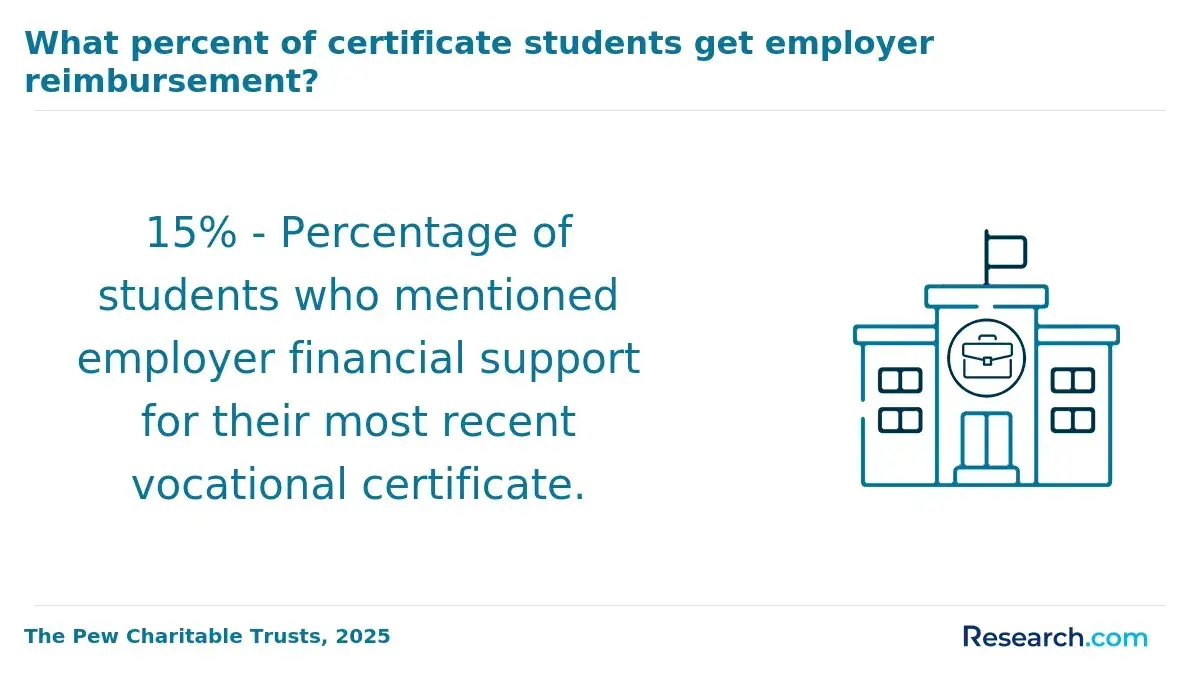
Cost depends on institution type, residency rules, transfer credits, technology fees, textbooks, course load, and whether the program charges online students the same tuition as campus students. College Board's 2024 pricing data for published tuition and fees provides a useful national benchmark, but students should calculate their own net cost after grants, scholarships, employer tuition assistance, and transfer credit.
- Public four-year, in-state published tuition and fees for 2024-25 averaged $11,610.
- Public four-year, out-of-state published tuition and fees for 2024-25 averaged $30,780.
- Private nonprofit four-year published tuition and fees for 2024-25 averaged $43,350.
The table below shows the main cost and time variables students should compare before choosing an online food industry management degree.
| Factor | Why it changes cost or timeline | Question to ask the school |
| Transfer credits | Accepted credits can reduce both tuition and time to graduation. | How many of my credits apply to the major, not just to general electives? |
| Residency pricing | Some public universities charge different rates for in-state, out-of-state, and online students. | Is the online tuition rate fixed regardless of state residency? |
| Course sequencing | Required courses offered only once per year can delay graduation. | How often are major courses offered online? |
| Internship or capstone requirements | Applied requirements may add time but can improve career readiness. | Can I complete the internship locally, remotely, or through my current employer? |
| Fees and materials | Technology fees, proctoring fees, textbooks, and software subscriptions can raise total cost. | What is the estimated total cost of attendance, not only tuition? |
To evaluate affordability, students should avoid focusing only on the lowest tuition. A cheaper program with weak transfer policies, limited advising, or no food-related coursework may cost more in lost time and weaker career preparation. A more expensive program may be worth considering if it offers strong employer connections, relevant projects, flexible pacing, and measurable support for online learners.
What jobs can graduates with online food industry management degrees get in category management and beyond?
Graduates with online food industry management degrees can pursue several roles that lead toward category management. The most direct path is often not "category manager" immediately after graduation; many professionals first build experience in analysis, buying, merchandising, sales, operations, or supply chain roles.
The table below outlines common job targets and how each can support a longer-term category manager career.
| Role | Typical responsibilities | How it connects to category management |
| Category analyst | Reviews sales, margin, market share, pricing, promotion, and shopper data. | Builds the analytical foundation for category review and assortment decisions. |
| Assistant buyer or buyer | Supports supplier selection, purchase orders, vendor communication, and product availability. | Develops sourcing, negotiation, and product-line decision skills. |
| Merchandising coordinator | Coordinates promotions, planograms, item setup, product launches, and store communication. | Provides exposure to retail execution and cross-functional planning. |
| CPG sales analyst or account coordinator | Supports manufacturer relationships with retailers through data, presentations, and trade planning. | Helps students understand how brands influence category strategy. |
| Procurement or supply chain analyst | Tracks supplier performance, costs, lead times, inventory levels, and demand forecasts. | Builds operational judgment needed for categories affected by availability and perishability. |
| Foodservice purchasing manager | Manages vendor contracts, product standards, pricing, and supply for restaurants or hospitality groups. | Applies category logic to menu profitability, purchasing, and guest demand. |
Project coordination is also valuable because category managers rarely work alone. They coordinate launches, seasonal resets, pricing updates, vendor meetings, packaging changes, digital merchandising, and promotional calendars. Students who want a broader business operations path can compare food industry management with a project manager bachelor degree, especially if they are interested in cross-functional leadership beyond food retail.
A realistic early-career plan may look like this: start with store leadership, sales support, merchandising coordination, or analyst work; build fluency in data and vendor communication; then move into assistant category manager, category analyst, or buyer roles. Advancement tends to depend on the ability to explain business trade-offs clearly, not just on knowing food products.
Students should also consider adjacent careers if they like the food industry but not category ownership. Good alternatives include brand management, shopper marketing, demand planning, foodservice operations, procurement, private-label development, retail media, sustainability sourcing, and food entrepreneurship.
How much do food category managers earn and what is the job outlook in the food sector?
Food category manager pay varies widely because employers classify roles differently. A category manager at a national grocery chain, a food distributor, a CPG manufacturer, or an e-commerce marketplace may be benchmarked against marketing, purchasing, merchandising, or management roles. For that reason, BLS data is best used as a salary context rather than a direct category manager salary guarantee.
The table below uses May 2024 BLS wage data for adjacent U.S. occupations that often overlap with food category management skills.
| Adjacent occupation | May 2024 median annual wage | How to interpret it for food category careers |
| Market research analysts and marketing specialists | $76,950 | Relevant to category analyst, shopper insights, pricing analysis, and merchandising analytics roles. |
| Buyers and purchasing agents | $75,980 | Relevant to assistant buyer, buyer, procurement, and vendor-management pathways. |
| Food service managers | $66,160 | Relevant to foodservice purchasing, restaurant group operations, and hospitality category work. |
| Purchasing managers | $140,540 | Relevant to senior procurement, strategic sourcing, and higher-level vendor-management leadership. |
| Marketing managers | $161,030 | Relevant to senior category, brand, shopper marketing, and commercial strategy leadership. |
The job outlook is strongest for students who can combine food knowledge with analytics. BLS employment projections released in 2024 showed market research analysts and marketing specialists projected to grow 8% from 2023 to 2033, which supports demand for workers who can interpret customer and market data. For category management, that means students should treat analytics as a core career skill, not an optional add-on.
Several trends influence opportunity in food category management. Grocery retailers and food brands are investing in omnichannel shopping, digital shelves, loyalty data, private-label strategy, retail media, demand forecasting, and AI-assisted planning. At the same time, category managers must still understand practical constraints such as supplier reliability, product freshness, regional preferences, food safety expectations, and margin pressure.
Salary outcomes depend on location, employer size, product category, experience, technical skill, and whether the role sits on the retailer, distributor, or manufacturer side. Students should use salary data to compare career direction and return on investment, but they should not assume that any degree produces a specific income level.
How can prospective students choose a reputable online food industry management program aligned with their goals?
A reputable online food industry management program should match the student's target segment of the food business. A student who wants grocery category analytics should choose differently from a student who wants restaurant purchasing, fresh produce sourcing, private-label strategy, or CPG sales.
Before enrolling, use the following decision process to compare programs in a practical way.
- Define the target role first: category analyst, assistant buyer, foodservice purchasing manager, CPG account analyst, merchandising coordinator, or future category manager.
- Map the curriculum to the role by checking for courses in retailing, analytics, supply chain, food systems, marketing research, pricing, and finance.
- Ask for examples of applied projects and confirm whether you will graduate with portfolio-ready work.
- Verify institutional accreditation and transfer-credit policies before discussing start dates or financial aid.
- Compare total net cost, not only tuition, including fees, books, software, travel, and lost work time.
- Evaluate online student support, including advising response times, career services access, internship coordination, tutoring, and technical help.
- Check employer relevance by reviewing internship partners, alumni roles, advisory boards, faculty industry backgrounds, and job postings that match the curriculum.
It can help to evaluate industry-focused online degrees with the same discipline used for other specialized management programs, such as an online construction project management degree: confirm accreditation, inspect the curriculum, verify applied learning, and ask whether graduates build skills that employers actually request.
Common mistakes include choosing a program based only on speed, assuming all business degrees cover food-sector issues, ignoring analytics requirements, overlooking transfer-credit limits, and failing to ask how online students access internships. Another mistake is choosing a nutrition- or food-science-heavy program when the desired role is primarily commercial; category managers need product knowledge, but they are usually evaluated on business results.
The best choice is usually a program that balances three things: a credible accredited institution, a curriculum aligned with food business decisions, and opportunities to produce evidence of analytical and commercial skill. If a program cannot show how it helps students build those three assets, keep comparing options.
Other Things You Should Know About Food Industry Management
No. Many category managers come from business, marketing, supply chain, agribusiness, hospitality, retail, or analytics backgrounds. The important factors are relevant experience, data skills, vendor communication, and understanding how food categories make money.
Yes, an online food industry management degree can be valuable for aspiring category managers in 2027. These programs offer flexibility and specialized courses relevant to the food industry, providing a solid foundation in market analysis, supply chain management, and consumer behavior, which are crucial for a successful category manager career.
Prioritize Excel, basic statistics, retail math, pricing analysis, dashboard interpretation, consumer behavior, supply chain basics, and clear presentation writing. Employers value candidates who can turn messy sales or shopper data into a practical recommendation.
References
- Category Manager: missions, skills, training, salary and career development | EM Normandie https://en.em-normandie.com/em-normandie-experience/immerse-yourself-professional-world/professions-after-business-school/category-manager
- Study Food Industry Management in the USA https://www.studyusa.com/en/field-of-study/395/food-industry-management
- Category Managers in the Food & Beverage Industry https://foodgrads.com/2018/07/03/8-facts-category-managers/
- MSc in Food Industry Management - UNISG - University of Gastronomic Sciences https://www.unisg.it/en/course/msc-in-food-industry-management/
- Certificate in Food Safety and Quality Management | DkIT https://www.dkit.ie/courses/certificate-in-food-safety-and-quality-management
- How to recruit and maintain Category Managers https://generationsrecruitment.com/recruiting-the-modern-category-manager-what-companies-need-to-know-in-2025/
- IFS Homepage https://www.ifs-certification.com/en/
- How to Choose the Right Online Business Program for Your Career Goals https://www.abms.ch/post/how-to-choose-the-right-online-business-program-for-your-career-goals
- Category Manager: Salary, Skills & Career Guide https://www.scoperecruiting.com/blog/category-manager-job-description-salary-skills
- Why I chose to study Food Industry Management (FIM) instead of Food Science https://www.uoguelph.ca/oac/news/why-i-chose-study-food-industry-management-fim-instead-food-science