2027 Online Food Industry Management Degrees That Help Build Vendor Management Skills

Co-Founder and Chief Data Scientist
Choosing a food industry management degree is really a decision about how well a program can prepare you to control costs, protect food safety, and manage suppliers. The stakes are practical, the U.S. Bureau of Labor Statistics reported a $63,060 median annual wage for food service managers in May 2024, with higher benchmarks in purchasing, logistics, and operations roles.
This guide is for students, restaurant professionals, military learners, and career changers comparing online options. You will learn which programs fit vendor-focused goals, what they cost, and how to evaluate return on investment.
Key Things You Should Know
- Online food industry management degrees are best for learners who want applied training in procurement, food safety, cost control, supplier performance, inventory systems, and hospitality operations without leaving full-time work.
- College Board's 2024-25 pricing data lists average tuition and fees of $11,610 for in-state public four-year colleges and $43,350 for private nonprofit four-year colleges, before online fees, books, housing, or aid.
- BLS May 2024 data places food service managers at a $63,060 median wage, while vendor-heavy logistics and operations roles often use broader business, supply chain, or management credentials.
What is an online food industry management degree and how does it build vendor management skills?
An online food industry management degree is a business-oriented program focused on how food moves from suppliers to kitchens, retail shelves, distribution centers, hospitals, hotels, and other food service settings. Depending on the school, the degree may be labeled food service management, hospitality management, food and beverage management, restaurant management, culinary management, or food industry management.
Vendor management is the discipline of selecting, negotiating with, monitoring, and improving supplier relationships. In the food sector, that includes more than price shopping. A manager may need to verify product specifications, track delivery reliability, manage allergens and recalls, compare distributors, review contracts, evaluate sustainability claims, and protect margins when ingredient costs rise.
Strong programs build vendor management skills through both business and food-specific coursework. Students usually learn how to connect purchasing decisions to food safety, customer experience, menu profitability, labor planning, and brand standards. That combination matters because a cheap supplier is not a good supplier if it increases waste, violates temperature controls, misses deliveries, or creates compliance risk.
Technology is also changing the skill set. Restaurants, campus dining operations, grocery retailers, and food manufacturers increasingly use inventory platforms, enterprise resource planning systems, supplier portals, demand forecasting tools, and AI-assisted purchasing analytics. An online degree is most valuable when it teaches students to interpret those systems rather than simply follow a checklist.
How do online food industry management programs compare to campus-based options for vendor management training?
Online and campus-based programs can both teach vendor management, but they do it differently. The better option depends on your schedule, your need for hands-on facilities, and whether you already work in food service or supply chain operations.
The comparison below shows how format affects the learning experience and the trade-offs a student should consider before enrolling.
| Factor | Online food industry management programs | Campus-based programs | Best fit |
| Schedule | Often asynchronous or hybrid, which helps working adults study around shifts. | Usually fixed class times with more in-person requirements. | Online fits employed learners; campus fits students who want a traditional schedule. |
| Vendor management practice | May use case studies, simulations, workplace projects, spreadsheet analysis, and virtual collaboration. | May include live purchasing labs, campus dining projects, tasting labs, or in-person supplier events. | Online works well if you can apply assignments at work; campus may help students without industry access. |
| Networking | Can connect students across regions and employer types, especially in adult-serving programs. | Often offers local employer visits, faculty introductions, and student clubs. | Choose based on where you want to build your professional network. |
| Cost control | May reduce relocation, commuting, and lost-wage costs, though tuition is not always lower. | May involve higher living and transportation costs but sometimes offers more campus employment options. | Compare total cost, not just tuition per credit. |
| Hands-on learning | Strong if the program requires internships, employer projects, or documented field experience. | Usually stronger for culinary labs, sensory evaluation, and in-person operations practice. | Campus may be better for culinary production; online may be better for management advancement. |
Online programs make the most sense if you already work in restaurants, grocery, food distribution, institutional dining, hospitality, or procurement because you can connect coursework to real suppliers and purchasing decisions. Campus programs can be stronger for students who need structured access to kitchens, labs, faculty-led events, or local hospitality employers.
Some students compare food management with other applied management tracks before choosing a field. If you are still weighing industries, reviewing a 2 year construction management degree online can help you see how sector-specific management programs differ in project cycles, regulations, and employer expectations.
Which accredited U.S. colleges offer online food industry management or food service management degrees?
Accredited online food industry management options are usually housed in hospitality, food service, culinary, business, or nutrition-related departments. Because program names change, students should verify current delivery format, accreditation, transfer policy, and curriculum directly with the college before applying.
The following U.S. colleges are examples of regionally accredited institutions that have offered online or distance-friendly degrees related to hospitality, food service, food and beverage, or food industry management.
| College | Example online or distance-friendly degree area | Why it may fit vendor management goals | Accreditation note |
| Florida International University | Online hospitality management bachelor's degree options | Useful for students targeting hotel, restaurant, resort, or multi-unit food and beverage operations. | Regionally accredited; confirm the current program format and major requirements. |
| Kansas State University | Online hospitality management bachelor's degree options | Can support foodservice operations, purchasing, cost control, and management roles in commercial or institutional settings. | Regionally accredited; confirm course availability and internship expectations. |
| University of Alabama | Online hospitality management bachelor's degree options | Relevant for students seeking management preparation in restaurants, hotels, events, and food service operations. | Regionally accredited; confirm whether food and beverage courses align with your goals. |
| Johnson & Wales University | Online food and beverage, hospitality, or culinary-related management degrees | Often appealing to learners who want industry-specific business training connected to food service and entrepreneurship. | Regionally accredited; confirm modality, tuition, and experiential requirements. |
| American Public University System | Online hospitality management bachelor's degree options | May fit working adults, military learners, and students seeking flexible hospitality operations coursework. | Regionally accredited; confirm concentration choices and employer relevance. |
If your target is corporate sourcing, category management, or supplier analytics rather than restaurant or hospitality operations, a broader business degree with supply chain electives may be more direct. Students comparing lower-cost business pathways can also review online business degrees and then check whether the curriculum includes procurement, operations, logistics, and food sector electives.
What courses in food industry management programs specifically develop vendor and supplier relationship skills?
The strongest vendor management preparation usually comes from the intersection of purchasing, operations, food safety, accounting, and data analysis. A program does not need a course titled "vendor management" to be useful, but it should teach students how supplier decisions affect safety, quality, cost, and service.
The table below summarizes common courses and the specific vendor-related skills they can build.
| Course area | Vendor management skill developed | Why it matters in food operations |
| Food and beverage purchasing | Supplier selection, bid comparison, ordering cycles, product specifications, and purchasing ethics. | Managers must balance price, quality, consistency, lead time, and contract terms. |
| Food safety and sanitation | Vendor compliance review, receiving standards, temperature control, allergen awareness, and recall response. | A supplier problem can become a customer safety, legal, or brand problem. |
| Cost control and menu engineering | Food cost analysis, portion control, waste tracking, substitution decisions, and margin protection. | Purchasing choices must support profitability without lowering quality below brand standards. |
| Operations management | Process design, capacity planning, service standards, inventory flow, and performance metrics. | Vendor reliability directly affects labor scheduling, production planning, and customer experience. |
| Accounting or managerial finance | Budgeting, variance analysis, contract cost review, and financial reporting. | Vendor contracts are business commitments, not just kitchen preferences. |
| Supply chain or logistics | Distribution models, transportation constraints, demand planning, and risk management. | Food is perishable, regulated, and time-sensitive, so supply chain errors can be expensive. |
| Business law and contracts | Contract terms, liability, service-level expectations, dispute resolution, and documentation. | Managers need to understand what they are agreeing to before signing or renewing supplier deals. |
Students who want to strengthen vendor management should look for assignments that require real-world deliverables, not just exams. Useful examples include supplier scorecards, food cost spreadsheets, request-for-proposal comparisons, receiving checklists, mock contract reviews, and inventory variance reports.
Vendor management also overlaps with scheduling, budgeting, risk, and stakeholder communication. If your goal is to manage cross-functional initiatives such as new vendor rollouts, kitchen technology implementation, or distribution changes, a degree in project management may be a useful alternative or complement to food industry study.
What admission requirements and prior experience are needed for online food industry management degrees?
Admission requirements vary by degree level and school, but most online bachelor's programs are designed for either first-time college students, transfer students, or working adults returning to finish a degree. Prior food service experience is helpful, especially for vendor-related assignments, but it is not always required.
Applicants should expect schools to ask for a combination of academic records, identity documents, and placement information. Common requirements include the following:
- High school diploma, GED, or equivalent for first-year bachelor's applicants.
- Official transcripts from all previously attended colleges for transfer students.
- Minimum GPA requirements, which vary by school and may be flexible for adult learners.
- English and math placement, especially if the student has limited prior college coursework.
- Resume, statement of purpose, or work history for some adult-focused or upper-division programs.
- Internship, practicum, or field experience expectations that may require employer support or local placement approval.
Associate-to-bachelor transfer students should pay close attention to how culinary, hospitality, business, and general education credits apply. A generous transfer policy can shorten the timeline, but only if credits satisfy degree requirements rather than transferring as unused electives.
Graduate-level food, hospitality, or business management programs may require a completed bachelor's degree, professional resume, recommendation letters, and sometimes quantitative preparation. A GMAT or GRE is less common in many online professional programs than it used to be, but students should not assume tests are waived everywhere.
How long do online food industry management programs take and what do they typically cost?
Program length depends on degree level, transfer credits, enrollment intensity, and whether the program requires internships or practicum hours. For working adults, the fastest program is not always the best option if it leaves too little time to complete projects, build industry relationships, or apply new skills at work.
The table below gives practical timeline ranges for common online pathways.
| Pathway | Typical completion time | Best for | Important trade-off |
| Certificate or undergraduate certificate | Several months to 1 year | Current workers who need targeted skills in food safety, purchasing, or supervision. | Lower cost and faster completion, but less labor-market value than a degree for some management roles. |
| Associate degree | About 2 years full time | Students seeking entry-level supervisory roles or a transfer pathway. | May not be enough for corporate, regional, or senior management roles. |
| Bachelor's degree | About 4 years full time, or less with transfer credits | Students targeting restaurant management, food service administration, hospitality management, or operations roles. | Higher total investment, but broader eligibility for management-track jobs. |
| Master's degree or MBA concentration | About 1 to 3 years | Experienced professionals moving toward corporate leadership, multi-unit management, consulting, or executive roles. | Best ROI usually depends on prior experience and employer tuition support. |
Cost should be evaluated as total net price, not just tuition. College Board's 2024-25 data shows how sharply sticker prices vary by institution type before grants, scholarships, employer reimbursement, military benefits, or living-cost differences are considered.
- $11,610 average published tuition and fees for in-state students at public four-year colleges.
- $30,780 average published tuition and fees for out-of-state students at public four-year colleges.
- $43,350 average published tuition and fees at private nonprofit four-year colleges.
Online learners should also ask about per-credit tuition, distance learning fees, technology fees, textbooks, uniforms, lab kits, proctoring charges, internship travel, and whether tuition differs for in-state and out-of-state students. A program with slightly higher tuition can still be cheaper overall if it accepts more transfer credits or includes books and fees in the published rate.
What careers in the food and beverage sector can online food industry management graduates pursue?
Graduates can pursue roles across restaurants, contract food service, hotels, resorts, grocery, convenience retail, school dining, healthcare dining, correctional food service, distribution, catering, and food entrepreneurship. The best-fit role depends on whether the student's program emphasizes operations, hospitality, supply chain, nutrition, culinary management, or business analytics.
The following roles commonly use food industry management skills, including vendor coordination and supplier performance monitoring.
| Career path | Typical responsibilities | How vendor management appears in the role |
| Restaurant or food service manager | Oversee daily operations, staffing, service quality, budgets, sanitation, and customer experience. | Reviews distributors, manages product availability, controls food cost, and enforces receiving standards. |
| Food and beverage manager | Manage dining outlets, beverage programs, menus, inventory, events, and guest service in hotels or venues. | Coordinates suppliers for food, beverage, equipment, linens, and specialty products. |
| Purchasing or procurement coordinator | Support sourcing, purchase orders, bid comparison, vendor records, and contract documentation. | Focuses directly on supplier selection, pricing, delivery accuracy, and compliance documentation. |
| Inventory or supply chain analyst | Track usage, forecast demand, analyze waste, and support distribution decisions. | Uses data to identify unreliable vendors, excess stock, shortages, or substitution problems. |
| Institutional food service supervisor | Manage food operations in schools, hospitals, senior living, corrections, or corporate dining. | Works within stricter procurement rules, nutrition standards, safety procedures, and vendor contracts. |
| Multi-unit or district manager | Support several locations, review performance metrics, train managers, and standardize operations. | Monitors vendor performance across locations and escalates contract or service issues. |
Healthcare food service is a specialized path because purchasing decisions may connect to patient diets, sanitation protocols, nutrition standards, and regulated environments. Professionals aiming for hospital or health-system leadership may eventually compare food service management training with an online MBA healthcare pathway, especially if they want broader administrative responsibilities.
What salary ranges and job outlook can graduates expect in food and beverage management roles?
Salary expectations should be treated as labor-market benchmarks, not promises from any degree program. Pay depends on location, employer size, prior experience, shift responsibility, bonuses, union or civil service rules, and whether the job is in front-line service, procurement, logistics, or corporate operations.
The table below uses U.S. Bureau of Labor Statistics May 2024 wage data and 2024-2034 outlook categories where available. Use these figures to compare career directions, not to predict an individual job offer.
| Occupation benchmark | Relevant food sector roles | May 2024 median annual wage | Outlook context |
| Food service managers | Restaurant manager, cafeteria manager, catering manager, food and beverage manager. | $63,060 | BLS projects slower-than-average growth, so experience and operational results matter. |
| Buyers and purchasing agents | Food buyer, procurement coordinator, category assistant, purchasing specialist. | About $75,000 | Automation can reduce routine buying tasks, but analytical supplier management remains important. |
| Logisticians | Supply chain analyst, distribution coordinator, inventory planning analyst. | About $81,000 | BLS projects much faster-than-average growth, reflecting demand for supply chain expertise. |
| General and operations managers | District manager, regional operations manager, food service operations director. | About $104,000 | These roles usually require substantial experience and measurable leadership performance. |
For students, the practical takeaway is that the degree should match the target salary lane. A food service management degree may be enough for restaurant or institutional management progression, but procurement analytics, logistics, and corporate operations roles may require stronger coursework in statistics, business systems, supply chain, finance, or data tools.
AI and automation are likely to affect routine ordering, invoice matching, demand forecasting, and vendor scorekeeping. That does not eliminate the need for managers; it raises the value of people who can question data, negotiate exceptions, investigate quality issues, and make judgment calls when supply disruptions occur.
Are there industry certifications or professional standards that enhance vendor management careers in the food sector?
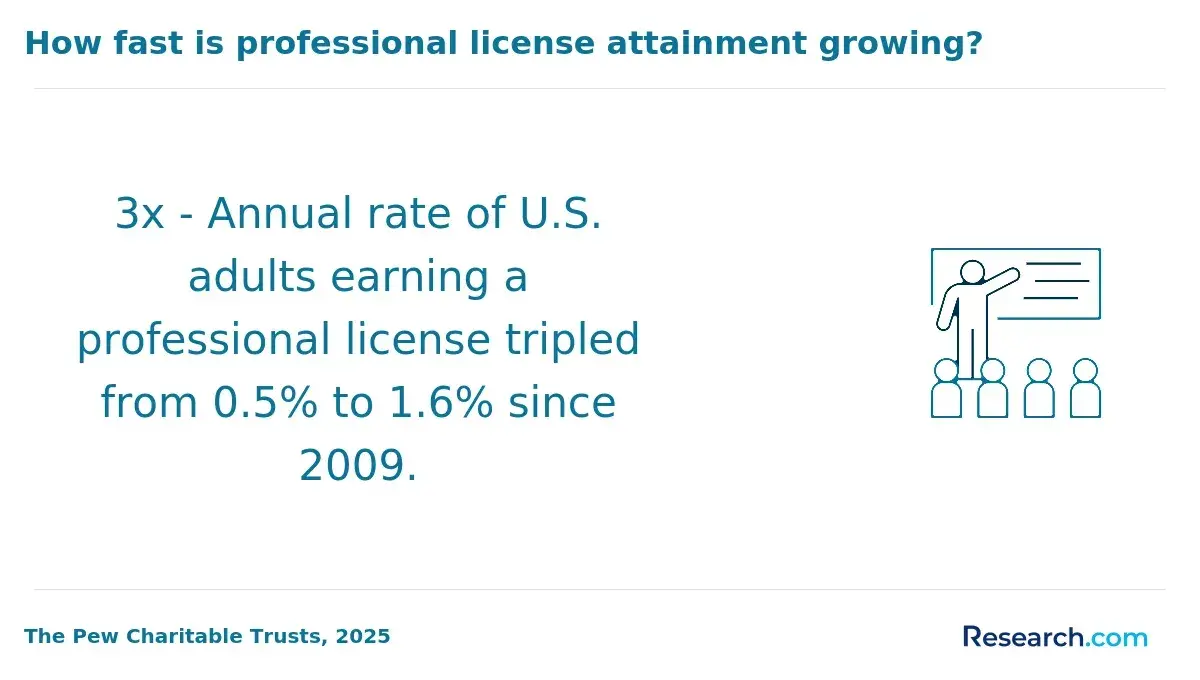
There is no single national license for vendor management in the food sector, but certifications can make a graduate more credible in food safety, procurement, supply chain, and operations. Requirements vary by employer, state, county, and job function, especially for food safety manager credentials.
The table below summarizes certifications and standards that can complement an online food industry management degree.
| Credential or standard | Primary focus | Best for | Vendor management value |
| ServSafe Food Protection Manager or equivalent food manager certification | Food safety, sanitation, contamination prevention, and manager responsibilities. | Restaurant, institutional food service, catering, and hospitality managers. | Helps managers evaluate whether vendors and receiving practices support safe food handling. |
| HACCP training | Hazard analysis, critical control points, monitoring, corrective action, and documentation. | Food manufacturing, seafood, juice, meat-related settings, and higher-risk food operations. | Supports supplier evaluation when ingredients, processing, or temperature controls create safety risks. |
| PCQI training | Preventive controls under U.S. food safety regulations for certain food facilities. | Food manufacturing, distribution, quality assurance, and compliance roles. | Useful for understanding supplier controls, documentation, and preventive food safety systems. |
| Certified Professional in Supply Management or similar procurement credential | Sourcing, negotiation, supplier relationship management, ethics, and procurement strategy. | Professionals moving from unit operations into corporate purchasing or category management. | Signals stronger procurement knowledge beyond restaurant-level ordering. |
| Supply chain certifications such as CSCP or CPIM | Planning, inventory, logistics, supplier networks, and operations systems. | Food distribution, retail supply chain, manufacturing, and analytics roles. | Strengthens credibility for data-driven vendor performance and supply planning positions. |
| SQF, BRCGS, or GFSI-related training | Food safety management systems and audit standards used by many suppliers and retailers. | Quality assurance, supplier compliance, food manufacturing, and retail vendor management. | Helps managers understand supplier audit expectations and documentation quality. |
Students should choose certifications based on their target job, not collect credentials randomly. A restaurant manager may benefit most from food safety and cost-control training, while a corporate buyer may get more value from procurement, analytics, and supply chain credentials.
How can students evaluate and choose a reputable online food industry management program focused on vendor management?
A reputable online program should be accredited, transparent about costs, realistic about outcomes, and specific about how its curriculum connects to food sector management. The best choice is not automatically the cheapest, fastest, or highest ranked; it is the program that fits your career target, schedule, transfer history, and financial limits.
Use the following steps to compare programs before applying:
- Confirm institutional accreditation through recognized U.S. accreditation sources and verify that the specific degree is currently offered online.
- Map the curriculum to your goal by checking for purchasing, food safety, cost control, operations, accounting, supply chain, business law, and analytics courses.
- Ask how online students complete internships, practicums, field projects, or employer-based assignments.
- Request a written transfer credit evaluation before enrolling, especially if you have culinary, hospitality, military, or community college credits.
- Calculate total net cost after grants, scholarships, employer tuition assistance, military benefits, fees, books, and time to completion.
- Review faculty backgrounds, employer partnerships, career services, and whether students can access food service or hospitality job networks remotely.
- Ask what software, spreadsheets, inventory tools, or data platforms students use in vendor-related assignments.
Several red flags should make you slow down before committing. Be cautious if a school cannot clearly explain accreditation, refuses to provide a full cost estimate, uses guaranteed salary language, offers vague career claims without role-specific context, or has a curriculum that mentions hospitality broadly but lacks purchasing, finance, safety, or operations depth.
A degree is likely worth considering if it helps you move from hourly or shift-level work into management, qualifies you for employer promotion requirements, or fills clear gaps in business and supplier management skills. A shorter certificate, business degree, supply chain program, or employer-sponsored training may be smarter if you already have a degree, need only food safety credentials, or want a procurement role outside food service operations.
Other Things You Should Know About Food Industry Management
It can be worth it if your goal is food service management, hospitality operations, institutional dining, or vendor-facing roles and the program includes purchasing, cost control, food safety, and operations coursework. It may be less useful if you want a pure corporate supply chain role and the curriculum is mostly general hospitality.
Usually no, but experience helps. Students who already work in restaurants, grocery, catering, healthcare dining, or distribution can apply assignments to real vendor problems, which can make the online format more valuable.
In 2027, online food industry management degrees offer coursework and practical exercises focused on vendor relationships, negotiation techniques, and supply chain analysis. These programs incorporate technology-driven case studies, enabling students to develop skills critical for effective vendor management in a digitalized, global food market.
Yes, especially for entry-level purchasing coordinator, food buyer assistant, inventory analyst, or operations roles. For higher-level procurement jobs, students may need additional coursework or credentials in supply chain, finance, analytics, contract management, or business systems.
References
- How to choose a culinary and restaurant management course? https://insights.ehl.edu/choosing-culinary-and-restaurant-management-course
- 7 Vendor Management Skills Every Vendor Manager Must Possess https://www.spendbase.co/blog/vendor-management/vendor-management-skills/
- Online Restaurant & Culinary Management | Institute of Culinary Education https://www.ice.edu/online-programs/restaurant-culinary-management
- Vendor Management: What It Is, How It Works & Best Practices https://www.kodiakhub.com/blog/vendor-management-explained
- Professional Skills Built from Vendor Management Certifications - CertLibrary Blog https://www.certlibrary.com/blog/professional-skills-built-from-vendor-management-certifications/
- Introduction to Supplier Relationship Management (2 Days) - South Africa - Commerce Edge https://commerce-edge.com/course/introduction-to-supplier-relationship-management-2-days/
- Key Ingredients for Effective Vendor Management in Food Service https://www.synergysuite.com/blog/restaurant-vendor-management/
- Vendor Management Best Practices: Optimize Your Partnerships and Profitability https://blog.brasi.org/vendor-management-best-practices/
- Master in Food & Beverage Management Online | Rome Business School https://romebusinessschool.com/master-online-in-food-and-beverage-management/
- Most Important Food Safety Certifications & Qualifications - FSNS https://fsns.com/food-qualifications-and-certifications/