2027 Best Online Master's in Marriage and Family Therapy for Adults Over 40

Co-Founder and Chief Data Scientist
Experienced counselors over 40 seeking to transition into marriage & family therapy face a critical barrier: balancing rigorous clinical training with existing professional and personal commitments. The Bureau of Labor Statistics projects a 15% growth in therapist demand, pushing midcareer adults to find programs that combine credibility with flexibility. Yet, traditional campus-based master's programs often clash with constraints like full-time work or family caregiving.
Meanwhile, recent NCES data shows online enrollment among adult learners surged to 45% in 2024, signaling increased accessibility but also a crowded, uneven market of programs. This article evaluates the best online master's in marriage & family therapy tailored for adults over 40, guiding readers toward choices that align with practical career goals and lifestyle needs.
Key Things You Should Know
- Adults over 40 face higher tuition costs averaging 12% above national graduate rates per NCES 2024, forcing a tradeoff between financial strain and program length, often extending credentialing timelines beyond workforce reentry.
- Employer demand for licensed practitioners signals 18% faster hiring in agencies prioritizing age-diverse therapists, yet older entrants must surpass younger peers on clinical experience metrics per 2024 BLS data.
- Extended clinical residency requirements disproportionately delay adults over 40 from licensure by up to 2 years, impacting career pivot timing and income potential, especially in states with restrictive supervised practice mandates.
What is an online master's in marriage and family therapy and who is it best for over 40?
Adults over 40 pursuing an online master's in marriage and family therapy face a distinct set of challenges and opportunities unlike typical graduate students. This path suits those aiming for a substantial career pivot or advancement while maintaining existing professional and personal responsibilities. The growing presence of mature learners-now 27% of graduate enrollees aged 45-54-reflects demand for programs balancing flexible online coursework with mandatory in-person clinical internships. A critical tradeoff is managing supervised practicum hours locally, which can limit choices for students in less populated areas.
Employers require graduates from accredited programs recognized by bodies such as the Commission on Accreditation for Marriage and Family Therapy Education (COAMFTE), ensuring licensure eligibility. Adults over 40 benefit from curricula tailored to their life experience, hastening clinical competency, but must confirm program accreditation carefully to avoid delays in licensure and employment.
Financial commitments typically range from $30,000 to $60,000. However, the ability to work concurrently with studying can offset income loss common in traditional full-time programs. Prospective students should weigh their career goals: clinical roles demand immediate licensure and in-person training, whereas administrative or teaching paths might prioritize program completion speed over clinical placements.
Those researching the best online marriage and family therapy programs for mature students will find varied options depending on these practical factors. For a data-driven comparison and additional insights into online master's in marriage and family therapy for adults over 40, consider the comprehensive analysis available at marriage and family therapy master's programs online.
Are online marriage and family therapy master's programs as credible as campus-based options?
Online master's in marriage and family therapy credibility hinges on program accreditation and practical clinical training rather than delivery format alone. Degrees from programs accredited by bodies such as the Commission on Accreditation for Marriage and Family Therapy Education (COAMFTE) typically meet licensure criteria across most U.S. states. In practice, employers focus on demonstrated clinical competence and supervised experience, both essential for workforce readiness.
However, program format influences how students secure hands-on clinical placements, a critical component driving hiring decisions. Campus-based programs often provide more immediate access to local practicum sites and mentorship opportunities. Conversely, online students must actively arrange placements, which may be geographically limited and require more initiative. This logistical factor can affect networking and subsequent job prospects in healthcare settings, outpatient clinics, or private practices.
Projected employment growth of 15% from 2023 to 2033 for marriage and family therapists reflects expanding behavioral health integration in primary care, benefiting both online and campus-trained therapists. Adult learners over 40 should weigh the tradeoffs between online program flexibility and campus program networking benefits. Ultimately, accreditation and clinical training accessibility drive program credibility and licensure success.
For those comparing counseling pathways, the broader context of counselling degree options provides additional insight into aligning education with career aims.
What accreditation and program approvals should an online marriage and family therapy degree have?
Choosing an online marriage and family therapy program without Commission on Accreditation for Marriage and Family Therapy Education (COAMFTE) endorsement creates significant professional barriers. Graduates from non-accredited programs, particularly adults over 40 seeking online study, often encounter protracted licensure delays and additional state-specific verification steps, especially in strict states like California and New York. This friction directly impacts employability and earning potential.
Employers prioritize COAMFTE-accredited degrees due to their alignment with rigorous supervised clinical hour requirements-commonly around 2,000 hours post-graduation-and adherence to state licensing standards. Regional institutional accreditation recognized by the U.S. Department of Education further ensures eligibility for federal financial aid and academic quality, a critical factor for adult learners balancing career transitions.
Online programs must also be vetted for coursework that fulfills state-mandated topics such as ethics, developmental psychology, and family systems. Inadequate curricular matches can impose costly additional courses after graduation, delaying workforce entry. Approved marriage and family therapy degrees in the United States for online study therefore represent a strategic filtering mechanism to reduce avoidable barriers.
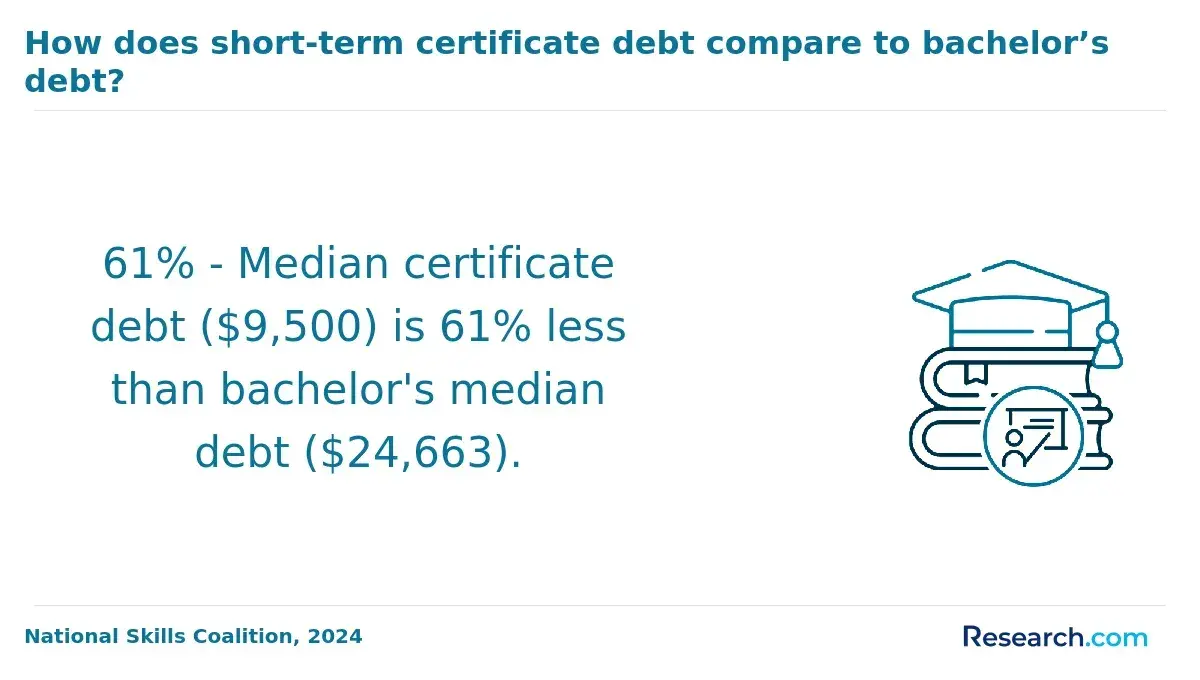
Beyond licensure, the national median salary of $63,780 reflects employer and insurer preference for credentialed clinicians. Prospective students are encouraged to assess how different program accreditations affect licensing timelines, financial aid access, and long-term earning trajectories. Exploring comparisons with an accelerated psychology degree online may reveal alternative pathways or complementary qualifications for specific career objectives.
How do online marriage and family therapy programs work for busy adults and midlife career changers?
Online marriage and family therapy programs confront the challenge of integrating clinical training with professional and caregiving demands through flexible online marriage and family therapy courses for working professionals. For example, a mid-career social worker moving into marriage & family therapy can complete theory-driven coursework asynchronously while scheduling clinical hours locally to align with existing work commitments.
Clinical practice is typically arranged at approved community sites, requiring students to proactively navigate scheduling with supervisors and agencies to avoid delays that affect licensure eligibility. Although the remote format reduces on-campus peer networking, it equips graduates with teletherapy skills increasingly favored by employers, reflecting a growing demand for versatile, remote counseling competencies.
Financially, the median annual tuition of $15,092 represents a moderate investment relative to median graduate earnings of $54,422. This ratio, alongside lower living expenses from remote study, makes online routes a practical option, especially for adults balancing tuition against ongoing household or retirement financial obligations.
Students evaluating this pathway should consider that while online programs mitigate the friction of in-person attendance, they also necessitate disciplined self-management and external networking efforts to optimize career outcomes. Those seeking comparable flexible models in related health fields might explore online EHS degree programs as an alternative direction.
What are the typical admission requirements for online marriage and family therapy master's programs?
Admission to online master's programs in marriage and family therapy involves more than academic credentials; it reflects preparation for the profession's clinical and licensure realities. Holding a bachelor's degree-typically in psychology, social work, or a related field-is baseline. Programs usually require a minimum cumulative GPA of about 3.0 and letters of recommendation that speak to professional aptitude and interpersonal skills, essential for clinical success.
The process often includes a personal statement focused on career goals and an articulation of readiness to handle the emotional demands of therapy work. Interviews may assess communication skills, a non-negotiable in client interactions.
Licensure requirements heavily shape admission criteria. For example, COAMFTE-accredited programs demand at least 500 direct client-contact hours during clinical training, with 15-20 in-person hours weekly despite predominantly online coursework. This hybrid structure limits applicants' geographic flexibility and necessitates proximity to clinical sites-critical for working adults, especially career changers over 40, weighing time commitments and location constraints.
State-specific licensure adds complexity: many states require supervised clinical hours beyond graduation. Additionally, background checks and immunizations are common prerequisites for placement eligibility. Missing these can delay licensure and reduce job prospects as a licensed marriage and family therapist.
How long do online marriage and family therapy master's programs take and what do they cost?
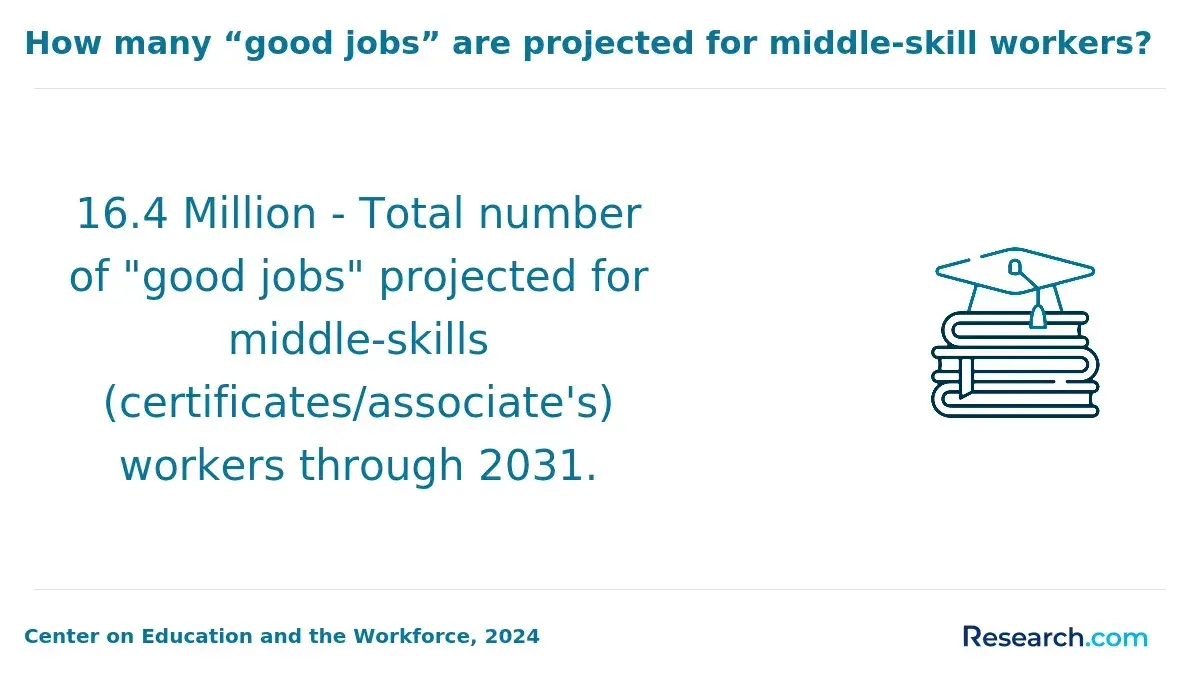
Choosing an online master's program in marriage and family therapy demands weighing significant practical challenges alongside tuition costs. While public institutions typically charge $15,000 to $35,000 in total, private programs frequently exceed $40,000, impacting budget planning especially for students over 40 managing financial and time constraints. The real-world friction lies in the practicum requirement: 15-20 hours weekly of in-person clinical work during the final year, which is mandatory for licensure and cannot be bypassed despite the online nature of coursework.
This practicum often forces working professionals or caregivers to adjust schedules, seek workplace accommodation, or rearrange personal commitments. Most programs require students to secure their own local clinical placements, which introduces variability in support and access-some may find outpatient clinics convenient, while others must navigate hospital settings or therapy centers. Additional costs such as practicum supervision fees and liability insurance are frequently unaccounted for in tuition estimates.
Prospective students should rigorously evaluate programs based on:
- Availability of practicum placement assistance and transparency about associated fees
- Expectations for supervised clinical hours and potential impact on employment income
- State licensing exam requirements and ongoing professional development obligations
Employers consistently prioritize candidates with completed supervised hours, making the practicum a non-negotiable milestone. Therefore, the decision to pursue this degree requires a clear-eyed understanding of the time, financial, and logistical tradeoffs inherent in balancing education with real-world responsibilities.
What courses, practicum, and clinical training are included in an online marriage and family therapy curriculum?
Online master's programs in marriage and family therapy demand navigating the tension between flexible coursework and fixed in-person clinical requirements. While didactic classes cover fundamental topics such as family systems theory, multicultural counseling, psychopathology, ethics, and research methods, the real challenge lies in accruing supervised practicum and internship hours required for licensure. Practicum typically mandates about 300 direct client contact hours, followed by 1,200 internship hours, often spanning 2 to 3 years.
These clinical experiences mostly take place in outpatient clinics or private practices, which employ roughly 46% of master's-level counselors according to American Counseling Association workforce data. For working professionals over 40, especially those shifting careers, securing local placements with approved supervisors is critical due to strict state regulations on site and hour approvals. A mid-career individual transitioning from corporate HR, for example, might leverage private practice exposure to develop relationship skills applicable to executive coaching.
Balancing the flexibility of online coursework with the logistical demands of in-person supervision is a primary decision factor. Candidates must assess the availability of placement support, potential travel for clinical hours, and how these hands-on requirements impact scheduling and long-term career viability. This pragmatic approach ensures that graduates are prepared for the realities of outpatient or private counseling roles that dominate employment in the field.
How do graduates of online marriage and family therapy programs become licensed therapists in the U.S.?
Achieving licensure in marriage and family therapy after completing an online program demands strategic navigation of education, supervised practice, and examinations under varied state regulations. The core requirement is graduating from a COAMFTE-accredited or state-approved master's program, but this alone does not ensure a straightforward path. Candidates must accumulate between 2,000 and 4,000 hours of supervised clinical experience, a process complicated by employer schedules, state rules on onsite supervision, and the challenges faced by part-time students balancing work and family.
For example, a healthcare professional pivoting careers while working full-time may struggle to secure supervisors who comply with strict state licensing criteria and allow flexible practicum hours. This reality lengthens licensure timelines beyond the conventional two years, often extending to three or more.
Passing the AMFTRB national exam is mandatory, with some states adding jurisprudence or specialty tests, creating further barriers to swift licensure.
Key action points include:
- Completion of an accredited or state-approved master's program
- Documented supervised clinical hours meeting state-specific thresholds
- Passing the national AMFTRB exam and required state exams
- Adhering to varying state protocols for supervision, testing, and application
Prospective students should weigh the impact of part-time enrollment and state-specific supervision mandates on their timeline and consider employer flexibility to optimize clinical training opportunities.
What careers, work settings, and advancement opportunities exist for licensed marriage and family therapists?
Licensed marriage and family therapists (LMFTs) often encounter a workforce landscape where practical experience and specialization directly influence compensation and leadership opportunities. For instance, LMFTs who pursue advanced certifications in trauma or adolescent therapy typically unlock roles such as clinical supervisors, which demand 5-7 years of post-licensure experience and offer higher salaries. This real-world pathway emphasizes that acquiring specialized credentials can be pivotal for meaningful career progression beyond entry-level practice.
Median wages reported by the U.S. Bureau of Labor Statistics stand near $58,000 annually, yet data from outcome-focused institutions indicate median earnings reaching approximately $92,498 after a decade. The gap highlights how consistent clinical skill development and demonstrated practicum hours in evidence-based modalities correlate with long-term financial growth within the sector.
Career mobility for LMFTs frequently extends beyond traditional clinical roles into healthcare management, policy advocacy, or academia, provided they augment their master's credentials with targeted certificates or doctorates. However, advancing in rural or underfunded regions can prove challenging due to limited resources, though federal loan forgiveness programs may mitigate this hurdle.
What are typical salaries and job outlook for marriage and family therapists, especially later-in-life entrants?
Mid-career transitions into marriage and family therapy present a nuanced balance between potential earnings and upfront costs. Typical salaries for mid-level practitioners range from $60,000 to $65,000 annually, supported by U.S. Bureau of Labor Statistics data, with a projected 15% job growth rate through 2033 significantly above average. However, demand centers primarily in urban and suburban areas with established healthcare systems, meaning location flexibility is often a decisive factor.
For entrants over 40, recovering tuition expenses estimated between $28,000 and $46,000 generally takes four to six years post-licensure, assuming steady full-time clinical work. Yet this demographic faces compressed timelines for skill development and credentialing since supervised clinical hours typically require 2-3 years of commitment before independent practice, impacting short-term income. Those weighing this shift must consider the tradeoff between life experience favored by employers and the need to demonstrate proficiency with telehealth and electronic record systems increasingly integral to the field.
Additional challenges include navigating state-to-state licensure portability while balancing family obligations and financial constraints. Effective planning requires realistic projections of income ramp-up, licensure timelines, and geographic job market tightness.
These factors collectively underscore the importance of strategic financial and career planning for late entrants seeking to optimize return on investment in marriage and family therapy roles.
Other Things You Should Know About Marriage & Family Therapy
Practicum and clinical hours in marriage and family therapy programs often require a substantial weekly time commitment, including in-person client sessions. For adults over 40 balancing jobs and family, program selection should prioritize flexibility, such as evening or weekend placements and local clinical sites. Failure to secure practical experiences that fit one's schedule can delay graduation and licensure, making program structure a key factor in managing workload effectively.
Choosing a specialization within marriage and family therapy can enhance job prospects for those over 40 by focusing on niche areas like substance abuse or child therapy. Specializations provide targeted skills that cater to specific client needs, which can be appealing to employers and clients seeking specialized expertise.
No, but licensure rules are set by the state board where you plan to practice, and practicum placements must meet that state’s supervision and hour rules. Many programs require about 500 to 1,000 supervised client-contact hours before graduation, so field placement approval matters early.
Adults over 40 can access resources like online academic counseling, peer mentoring programs, and technology support services to aid their success in 2027's best online master's programs in marriage and family therapy. These resources help manage study schedules and technical challenges.
References
- Fastest Way To Become A Therapist Or Licensed Counselor https://www.psychology.org/careers/fastest-way-to-become-counselor/
- Online Master's in Marriage and Family Therapy https://onlinecounselingprograms.com/online-counseling-degrees/online-mft-masters-programs/
- Benefits of Earning an Online MFT Degree | TUW https://www.tuw.edu/school-news/online-mft-degree-benefits/
- The 12 Best Online MFT Programs in California for 2026 (COAMFTE Accredited) - Psychology California https://psychologyca.org/masters-programs/online-mft/
- What Does a Licensed Marriage & Family Therapist (LMFT) Do? | Teach.com https://teach.com/careers/psychology/marriage-and-family-therapist/what-does-lmft-do/
- 2026 Best Online Marriage and Family Therapy Master's Programs https://www.onlineu.com/degrees/masters-marriage-and-family-therapy
- Master’s in Marriage and Family Therapy: What Are We Fit For? - Family Therapy Magazine https://ftm.aamft.org/masters-in-marriage-and-family-therapy-what-are-we-fit-for/
- Frequently Asked Questions - Students https://www.coamfte.org/COAMFTE/COAMFTE/Resources/Frequently_Asked_Questions.aspx
- Career Opportunities in Marriage and Family Therapy | OBU https://www.okbu.edu/news/2016/10/career-opportunities-in-marriage-and-family-therapy.html
- How to Become a Marriage and Family Therapist in California https://www.pacificoaks.edu/voices/psychology/how-to-become-a-marriage-and-family-therapist-in-california/