2027 Online Marriage and Family Therapy Degrees With the Best Fit for Child and Adolescent Therapy Careers

Co-Founder and Chief Data Scientist
Professionals aiming to specialize in child and adolescent therapy within marriage & family therapy frequently confront the challenge of finding flexible, accessible online programs that align with their unique schedules and career timelines. According to the National Center for Education Statistics, over 40% of graduate students enrolled in online programs in 2024 balance work and family obligations, highlighting the urgent need for adaptable degree structures.
This growing shift in enrollment reflects broader workforce demands for clinicians skilled in youth mental health, while requiring timely licensure pathways without sacrificing practical training quality. This article evaluates online marriage & family therapy degrees that best fit those focused on advancing therapy careers with children and adolescents, helping readers identify programs that balance flexibility, accreditation, and clinical relevance.
Key Things You Should Know
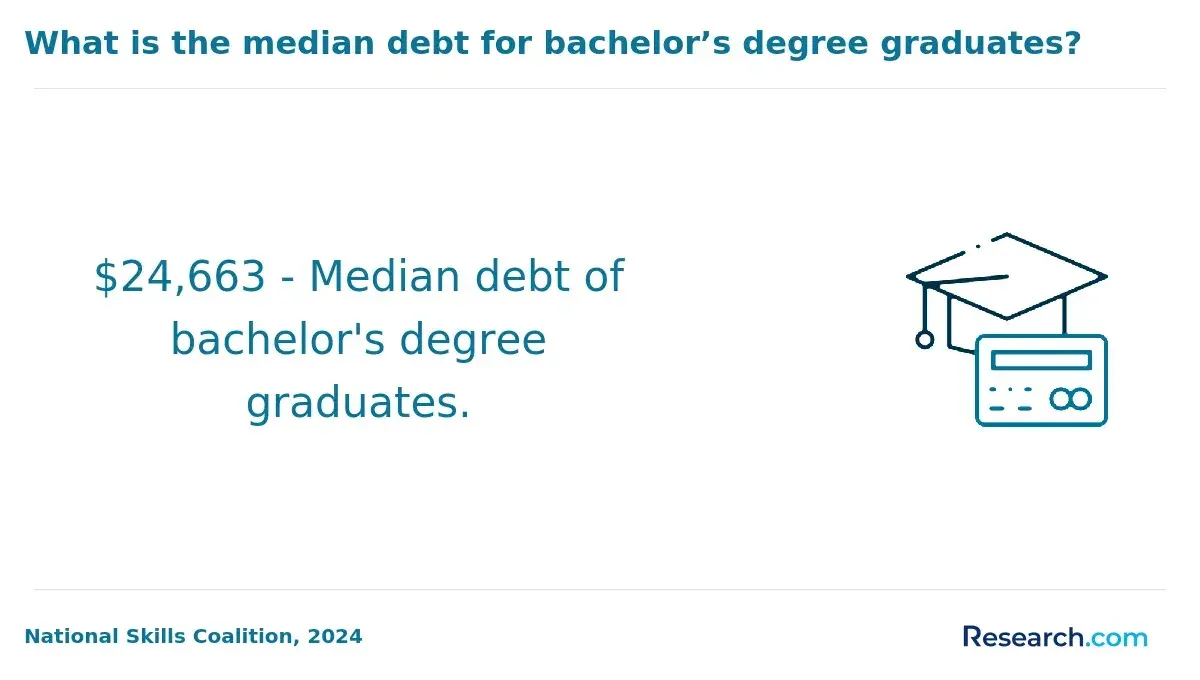
- Most online marriage & family therapy programs targeting child-adolescent specialization require 2,000+ clinical hours, doubling time-to-licensure compared to adult-focused tracks, delaying workforce entry with median student debt above $60,000 per NSCRC 2024 data.
- Employers prioritize graduates with developmental psychopathology coursework; however, less than 40% of current online degrees include this, creating a skill gap that reduces hireability in 45% of child-focused therapy job listings across CA and NY.
- Programs accredited by COAMFTE with embedded teletherapy practicum yield 18% higher employment rates post-graduation, but cost premiums average $8,000 more annually, forcing prospective students to weigh quality versus financial accessibility.
What is an online marriage and family therapy degree focused on child and adolescent care?
Focusing an online marriage and family therapy degree with a child and adolescent specialization requires navigating distinct clinical and regulatory complexities compared to generalist training. Candidates must acquire expertise in developmental, behavioral, and relational challenges specific to younger populations, integrating age-sensitive clinical methods such as play therapy and modified cognitive-behavioral approaches.
This specialization sharpens skills in assessing family environments and tailoring interventions to issues like attachment disorders and adolescent anxiety, which are not adequately addressed by adult therapy models.
Practical training often necessitates supervised clinical hours involving children and adolescents, commonly completed through virtual practicums or hybrid program formats. This hands-on experience is critical for meeting state licensure mandates that specify client age ranges and supervision criteria. For example, a graduate working in a pediatric behavioral health clinic must demonstrate competence in both individual and family-level interventions unique to youth.
With job growth for marriage and family therapists projected at 15% from 2022 to 2032, those with specialized child and adolescent care focus in online marriage and family therapy programs enjoy an employment advantage in schools, community agencies, and youth-focused settings. Employers increasingly prioritize targeted expertise over broad qualifications due to the nuanced demands of this population.
Prospective students should evaluate programs not just on curricular content but also on alignment with licensure requirements and clinical placement opportunities to ensure seamless credentialing and workforce entry. For those comparing pathways, examining detailed program structures can be essential. More information is available regarding online master's in mental health counseling.
How do online marriage and family therapy programs prepare you for child and adolescent therapy careers?
Online marriage and family therapy programs designed for child and adolescent specialization must balance rigorous clinical training with flexible delivery modes, directly impacting graduate readiness and employability. Candidates face critical decisions in securing practicum placements with youth-focused populations; programs often leverage telehealth to widen access but may limit face-to-face mentorship.
This tradeoff influences skill acquisition necessary to navigate increasingly complex youth mental health challenges, such as trauma and suicide risk, where 22% of U.S. high school students seriously considered suicide in 2023 per the CDC. Employers now prioritize therapists versed in crisis intervention and child development frameworks.
Preparing for careers in child and adolescent marriage and family therapy requires explicit alignment with state licensure criteria emphasizing supervised hours and exam content centered on younger clients. Graduates need more than generic therapeutic knowledge; they must demonstrate cultural competence and family systems navigation tailored to diverse youth needs.
Online delivery offers an operational advantage for career changers but demands proactive site selection to ensure relevant exposure.
Prospective students evaluating online MFT paths should consider how programs integrate targeted seminars and evidence-based interventions addressing mood disorders and family dynamics alongside practical clinical requirements. For those assessing affordability and accreditation, accredited counseling programs ranked by cost may offer critical comparative data to inform these complex choices.
What education and licensing are required to practice child and adolescent marriage and family therapy?
The pathway to licensure in child and adolescent marriage and family therapy is complex. It requires more than earning a master's degree; it involves navigating state requirements, including 2,000-3,000 hours of supervised clinical experience tailored to youth populations.
Variation across states in post-degree practice hours, combined with separate national and jurisdictional exams, means prospective therapists must align their educational and fieldwork choices carefully with their target licensure region.
This variability is particularly salient when considering online marriage and family therapy licensure requirements in the US, where fully online MFT programs must still meet stringent practicum and supervision standards to ensure eligibility.
For example, a licensed marriage and family therapist focusing exclusively on adolescent therapy in a California pediatric hospital will need to fulfill not only the state's clinical hours and examination mandates but also the institution's credentialing criteria, which often emphasize continuing education on trauma-informed care and family systems.
Employers consistently favor candidates whose licensure clearly demonstrates both compliance with state laws and meaningful clinical experience with children and adolescents over those with generic qualifications.
Key operational considerations include:
- Evaluating whether online MFT programs integrate direct clinical training components aligned with state-specific needs.
- Understanding supervisor availability versed in child/adolescent therapy nuances, especially when hours are accrued remotely.
- Strategically choosing programs that support partnerships with practicum sites capable of meeting regional licensure demands.
These factors directly affect career entry timing and cost by reducing bureaucratic delays and rework. Those navigating the education needed for child and adolescent Marriage and Family Therapy careers must weigh program flexibility against regulatory compliance to optimize licensure readiness.
Prospective students seeking alternatives with proven clinical relevance might also explore art therapy master's programs as a complementary or parallel pathway that offers distinct yet related therapeutic training.
How do online and campus-based marriage and family therapy degrees compare for child-focused training?
Deciding between online marriage and family therapy degrees for child and adolescent specialization hinges on practical access to diverse clinical experiences and supervision quality, which directly affects licensure readiness and employer perception.
Both online and campus programs maintain COAMFTE accreditation, ensuring consistent foundational training in child-specific interventions and family systems. However, they diverge in experiential delivery.
Campus programs typically offer more structured in-person practicum opportunities, including live supervision, interdisciplinary collaboration, and role-playing scenarios that enhance clinical skills necessary for complex child and adolescent cases often encountered in residential settings.
Conversely, online degrees provide critical flexibility for working professionals by facilitating fieldwork placements near one's community. This suits candidates aiming for private practice or community agencies but requires proactive effort to secure high-quality supervised clinical hours with minors, which are essential for licensure and often prioritized by employers in child-focused roles.
Online students lack guaranteed site placements, so understanding state-specific supervised hour requirements early is vital.
Deciding which pathway best aligns with a candidate's career goals involves assessing the ability to access specialized practicum sites, geographic diversity in client populations, and preferred supervisory environments. Those interested in exploring options can review online PsyD programs accredited by APA that complement these practical considerations.
Which accrediting bodies and program standards matter most for child and adolescent MFT degrees?
Choosing a child and adolescent MFT program without COAMFTE accreditation often results in extended timelines and additional costs due to extra supervised hours or coursework required for licensure. Employers and licensing boards specifically prefer candidates from COAMFTE-accredited programs because these programs adhere to rigorous clinical and ethical standards tailored to family systems and youth populations.
Regional accreditation confirms institutional legitimacy and federal aid eligibility but does not guarantee specialized training necessary for effective child-focused therapy practice. Prospective students should scrutinize programs for explicit requirements including supervised clinical experience with children and families, coursework on developmental psychopathology, family dynamics, and evidence-based interventions for youth, rather than general MFT curricula.
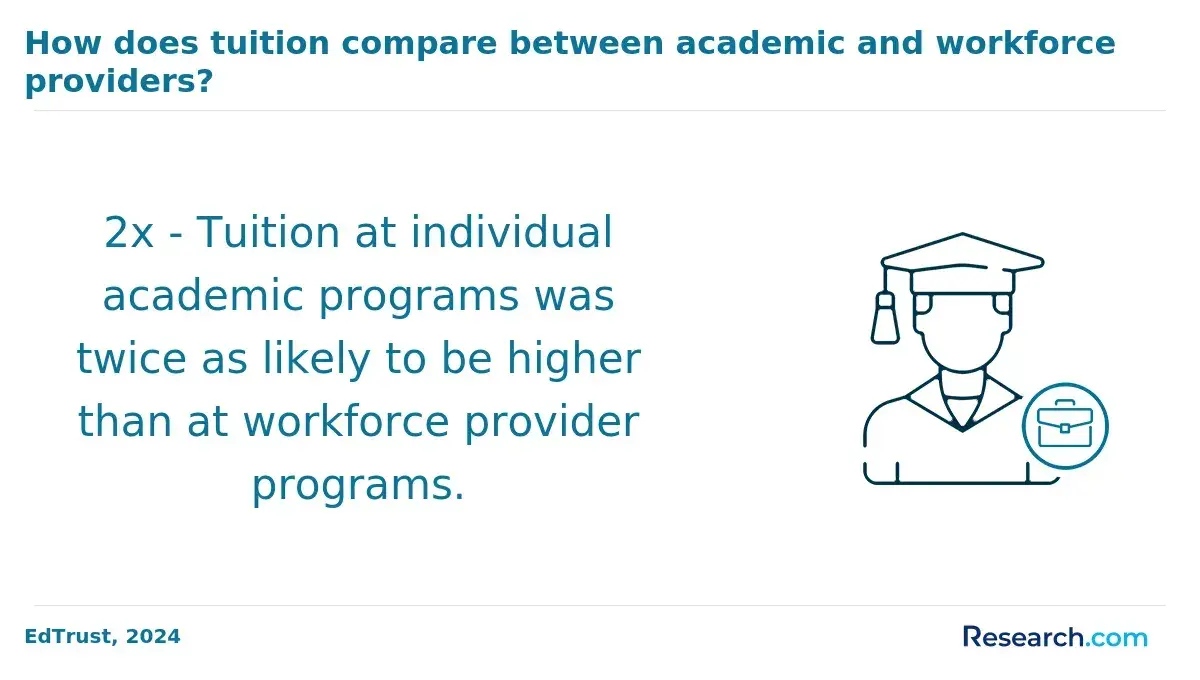
For example, Loma Linda University's online MS in Marital & Family Therapy charges approximately $89,000 in total tuition and fees for a 2.5-year program. This significant investment underscores the need to balance financial outlay against the program's accreditation status and its impact on employment prospects and salary advancement. Graduates from non-COAMFTE programs may face hurdles entering competitive job markets or state licensure pathways focused on treating minors.
What courses and clinical experiences should a child and adolescent-oriented MFT curriculum include?
Effective child and adolescent-focused MFT programs integrate specialized coursework and clinical training tailored to youth populations, which directly affects employability and licensure readiness. Missing key subjects like developmental psychopathology, trauma-informed care, and DSM-5 diagnostic criteria for children limits a graduate's capacity to meet employer expectations in child-centered settings.
Notably, practical experience in environments such as school-based clinics provides essential insights into educational system dynamics and family interactions, whereas community mental health settings demand cultural sensitivity and crisis management skills. Selecting clinical placements with strategic alignment to one's career goals enables more targeted skill development and job market competitiveness.
Programs lacking robust practicum support delay the accumulation of required supervised hours-crucial for licensure and salary progression. Given median MFT salaries near $58,000 and the top 10% exceeding $96,000 according to Bureau of Labor Statistics data, early workforce entry through streamlined practicum pathways influences lifetime earnings notably.
What are typical admission requirements for online marriage and family therapy programs specializing in youth?
Admission criteria for online marriage and family therapy programs with a youth focus require more than academic credentials; they serve as a predictive filter for practical readiness and sector-specific aptitude. Typically, candidates must hold a bachelor's degree with at least a 3.0 GPA, signaling minimum academic preparedness.
However, beyond grades, programs heavily weigh demonstrated engagement with child and adolescent populations through internships, employment, or volunteer roles in environments such as schools or juvenile services. This experiential dimension often distinguishes applicants in a competitive field.
Letters of recommendation-ideally from professionals familiar with the candidate's interpersonal skills and youth-focused commitment-and a personal statement articulating clear career intentions related to family therapy with youth are standard prerequisites. These documents offer insight into both motivation and suitability for programs dedicating substantial coursework-sometimes over one-third-to youth therapy issues.
Applicants should expect background checks due to the vulnerable populations involved and may need prior coursework in psychology or related disciplines, which affirms foundational competence. Professionals considering a pivot or advancement must balance academic readiness with relevant youth-centered experience, as many programs prioritize this combination when selecting candidates.
Tradeoffs appear in meeting these requirements, especially for career changers without formal background in child-focused work: gaining requisite experience can extend timeframes and incur additional costs. This reality shapes both program fit and employability outcomes within the youth therapy niche of the marriage and family therapy workforce.
How long do online child and adolescent MFT degrees take, and what do they cost?
Choosing an online child and adolescent marriage & family therapy degree involves balancing program length, clinical training quality, and cost-factors that directly affect licensure eligibility and employability. Programs lasting 2.5 to 3 years often embed extensive supervised practicum and teletherapy hours, essential for developing practical skills that employers in youth-focused mental health settings prioritize.
For example, Abilene Christian University's COAMFTE-accredited MMFT program requires a 12-month internship within a 33-month curriculum, illustrating the integration of clinical experience as a core component rather than an afterthought. This structure prepares graduates better for work in schools, outpatient clinics, and similar environments.
Cost variation is significant, typically ranging from $20,000 to $50,000 total tuition. Public or hybrid programs usually fall between $20,000 and $30,000, while private accredited options often exceed $35,000. Many programs charge between $600 and $1,000 per credit hour, with 50 to 60 credits needed, but additional expenses like clinical placement and supervision fees can extend both financial and time commitments, particularly impacting working professionals.
Prospective students should consider the impact of compressed timelines on clinical exposure-as inadequate patient interaction risks employability in specialized child and adolescent roles. Prioritizing programs with robust teletherapy and supervised practicum components better aligns educational investments with the realities of workforce expectations.
- $20,000 to $30,000 for public or hybrid offerings
- $35,000 to $50,000 for private, accredited COAMFTE options
Completion time and cost are only part of the evaluation; accreditation status and clinical training depth determine readiness for impactful roles in child and adolescent therapy fields.
What jobs, settings, and career paths are available with a child and adolescent MFT degree?
A child and adolescent MFT degree primarily equips graduates for specialized therapeutic roles addressing developmental and behavioral challenges unique to youth. Employment settings commonly include outpatient clinics, schools, hospitals, juvenile justice centers, and private practices. Working effectively in these environments demands collaboration with educators, social workers, and medical professionals to navigate complex family and systemic issues.
Career trajectories often involve choosing a specialty such as trauma-informed care, abuse recovery, behavioral disorders, or developmental disabilities. For instance, therapists in school systems focus on interventions that enhance both emotional health and academic performance, while hospital-based professionals frequently manage acute crisis response and family dynamics restructuring.
Licensure as a Licensed Marriage and Family Therapist (LMFT) is a pivotal consideration. It expands independent practice capabilities and earning potential but necessitates meeting detailed state-specific clinical hour requirements and passing rigorous exams. Graduates must anticipate variability in licensure standards, which impacts interstate mobility and employer preferences, particularly in high-demand sectors like foster care agencies and pediatric hospitals.
Long-term advancement depends on building clinical expertise, obtaining supervisory credentials, or moving into administrative roles within mental health organizations. This progression requires adaptability to diverse client populations and increasing expectations for evidence-based practice documentation.
Capella University reports that its online MS in Marriage and Family Therapy prepares candidates for roles such as child and family therapist, family therapist, and LMFT, offering flexible specialization options aligned with workforce needs.
What salary ranges and job outlook can child and adolescent marriage and family therapists expect?
Child and adolescent marriage and family therapists in the U.S. face a salary range that reflects both experience and employment setting, starting around $48,000 and reaching up to $90,000 annually for licensed professionals in metropolitan markets. These figures vary notably by practice environment, with private practice and healthcare employers typically offering compensation above the median, while non-profits and educational sectors may lag behind.
Projected employment growth of 21% through 2034 markedly exceeds the national average for all occupations, driven by increasing demand for youth mental health services and expanded insurance coverage for family therapy. However, geographic disparities affect opportunities: rural applicants might confront fewer openings but also less competition, whereas urban areas provide volume but expect higher credentials and clinical experience.
Choosing an online MFT program with large enrollments, such as Southern New Hampshire University Online, introduces another practical dimension. Graduates enter a saturated candidate pool, heightening the need for robust clinical internships and targeted networking to secure more competitive roles.
Other Things You Should Know About Marriage & Family Therapy
Online marriage and family therapy programs require a substantial time commitment for both coursework and supervised clinical hours. Since clinical placements must be arranged locally, students often face logistical challenges coordinating hours while managing personal and professional responsibilities. Prioritizing programs with strong field placement support can reduce delays and increase practical experience efficiency.
Employers increasingly accept accredited online marriage and family therapy degrees, but preference still leans toward programs with robust clinical training and clear proof of practicum quality. Candidates should highlight measurable competencies and supervision quality in applications. Programs that integrate local clinical experiences and maintain accreditation by recognized bodies strengthen graduate employability.
Most graduates seeking licensure as marriage and family therapists must pass the Association of Marital and Family Therapy Regulatory Boards’ AMFTRB Marital and Family Therapy National Examination. In 2027, states also require a supervised postdegree experience, often 2,000 to 4,000 hours, before full clinical licensure.
References
- What You Can Do with an MFT Degree | Study Online at TUW https://www.tuw.edu/psychology/mft-degree-career-options/
- Accreditation Status of MFT Programs in California — MFT California https://www.mftcalifornia.com/accreditation
- 20 Careers Working with Children https://www.appliedbehavioranalysisedu.org/2021/11/careers-working-with-children/
- Is an MFT Degree Worth It? https://onlinecounselingprograms.com/online-counseling-degrees/online-mft-masters-programs/mft-degree-worth-it/
- Master's Degree in Marriage and Family Therapy https://www.ccu.edu/ccu/counseling/marriage-family-therapy/
- How To Become A Family Counselor: A Step-By-Step Guide | Psychology.org https://www.psychology.org/careers/family-counselor/
- Career Outlook for Marriage and Family Therapists https://therapistdevelopmentcenter.com/blog/career-outlook-for-marriage-and-family-therapists