2027 Online Marriage and Family Therapy Degrees With Ethics and Licensure Coursework

Co-Founder and Chief Data Scientist
Professionals seeking licensure as marriage and family therapists often confront a critical bottleneck: accessing programs that align with strict state ethics and clinical supervision mandates while accommodating demanding schedules.
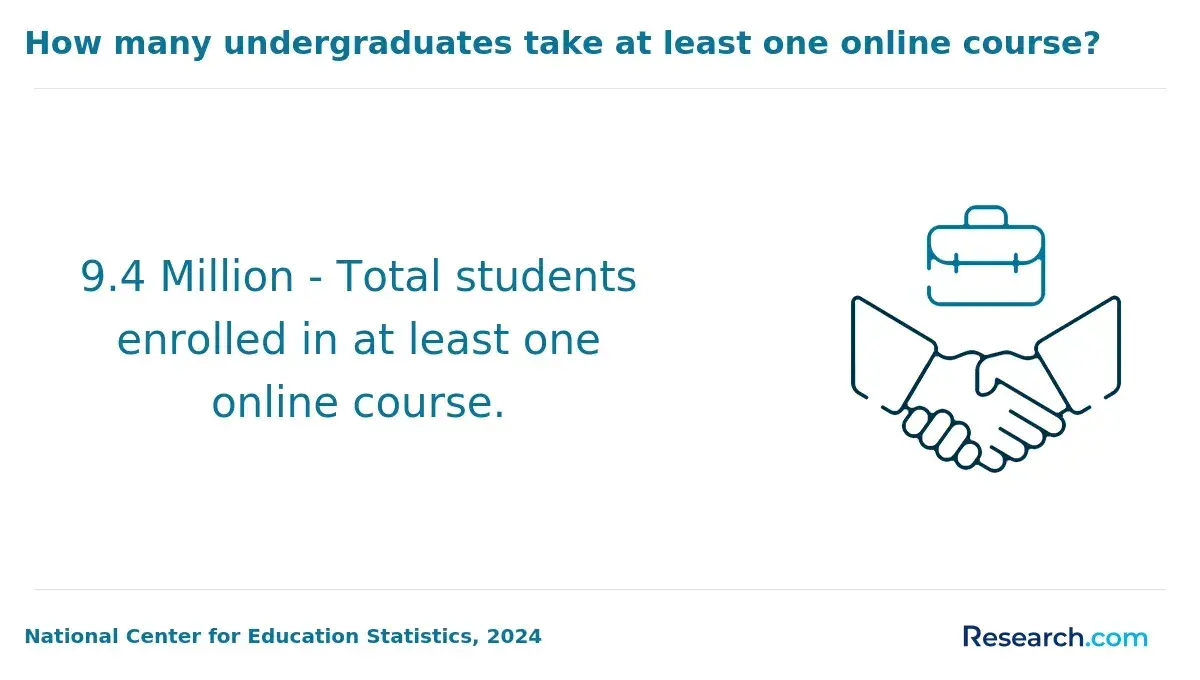
Nearly 45% of graduate applicants in behavioral health prioritize programs offering flexible online coursework, according to the National Center for Education Statistics, signaling a shift toward hybrid and remote learning essential for working adults balancing clinical hours and coursework. However, many available paths lack comprehensive ethics or licensure content, impeding timely credentialing and compliance with state boards.
This article examines online marriage and family therapy degrees combining ethics and licensure coursework, guiding prospective students through program features that optimize career readiness and licensure success in this evolving educational landscape.
Key Things You Should Know
- Programs integrating ethics and licensure coursework face a tradeoff between accelerated degree timelines and thorough state-specific compliance, impacting graduates' readiness and licensure pass rates in states with rigid 3,000+ clinical hour requirements per the APA 2024 survey.
- Employers in community mental health increasingly prioritize hires from accredited programs offering robust ethics training, reflecting a 25% rise in malpractice-related service denials reported by the National Council for Mental Wellbeing in 2024.
- Cost barriers heighten as comprehensive licensure tracks average 15-20% higher tuition, constraining access for working adults and delaying workforce entry by 6-12 months compared to non-licensure-focused alternatives documented by NCES data in 2023.
What is an online marriage and family therapy degree and who is it for?
Pursuing an online marriage and family therapy degree with ethics coursework requires careful evaluation of how well a program aligns with specific state licensure demands, given considerable variation across jurisdictions. These degrees suit individuals balancing professional or caregiving duties who need flexible schedules yet must still arrange for local practicum and internship hours, often the most significant hurdle for remote learners.
For instance, a healthcare worker planning a transition into family counseling can maintain employment while completing supervised field placements, provided these fit within state licensing frameworks.
Employers in mental health clinics, private practice, and community agencies prioritize graduates who combine theoretical grounding with applied ethics training addressing confidentiality, informed consent, and cultural competence. Mastery of these areas supports roles in individual, couple, and family therapy, as well as conflict resolution and mental health advocacy.
Choosing an online program involves assessing practical supports such as field supervision guidance and licensure exam success rates, not just curriculum content.
From a financial perspective, median early-career earnings for holders of an online MFT master's degree range roughly from $52,000 to $71,000, influenced by institutional quality and location.
Prospective candidates should compare these earnings to program costs and completion times to ensure viable return on investment. Resources offering structured evaluations of marriage and family therapy masters programs online can help navigate this selection process.
Who should pursue an online marriage and family therapy degree? Typically, those seeking a targeted clinical role requiring licensure but constrained by geography or employment. The decision entails balancing educational rigor, ethical training, and practical requirements against individual circumstances to optimize professional outcomes.
How do online marriage and family therapy programs prepare graduates for licensure?
Online marriage and family therapy licensure requirements impose a minimum of 500 supervised clinical hours within accredited programs, reflecting a practical threshold designed to ensure graduates acquire direct, supervised experience critical to competent practice.
This is particularly meaningful in handling complex, ethically sensitive situations such as mandated reporting or confidentiality issues involving minors, where theoretical knowledge alone proves insufficient.
In preparing for marriage and family therapy licensure exam success, students must engage with intensive ethics coursework that universally covers informed consent, boundaries, cultural competence, and professional responsibility.
Accredited online MFT programs uniformly integrate these topics in their curriculum, fully aligning with state board expectations and practical workplace realities in agencies or private practice.
One significant workforce implication is that graduates who complete these clinical hours as part of their online training often bypass the traditional bottleneck of costly postgraduate supervision, reducing the lag between degree completion and licensure. However, a key caveat is that clinical placements must meet state-specific supervisory standards, which vary widely and may require additional hours or specific credentials on supervisors.
Prospective students evaluating this pathway should prioritize programs with transparent curriculum mapping and strong support for arranging accredited internships or residencies to avoid expensive delays. For more insight into related degree options, explore the typical offerings of online counseling programs.

What ethics and professional standards coursework do MFT programs typically include?
Ethics and professional standards coursework in marriage and family therapy programs is a decisive factor that shapes a graduate's readiness for licensure and practice. Effective ethical training encompasses state-specific statutes, mandatory reporting laws, and professional conduct codes critical to clinical accountability.
For instance, understanding how confidentiality rules differ between private practice and community agencies is essential, as these nuances directly influence case management and legal compliance.
Licensure requirements and ethical training for marriage and family therapy degrees often include applied scenarios, such as navigating dual relationships or determining when to involve supervisors or legal counsel. The increasing reliance on teletherapy further complicates these standards, pushing programs to integrate technology-related ethics to align with modern clinical demands. Employers typically expect graduates to be fluent in these real-world dilemmas before credentialing.
Because the quality of ethics training impacts how quickly students can transition into licensed roles, verifying a program's alignment with intended state regulations is crucial. Gaps in ethical preparation can delay credentialing and create friction when entering this field, projected to grow 13% with approximately 7,700 annual job openings.
Prospective students evaluating curriculum rigor may also consult listings of BCABA accredited programs as a benchmark for robust compliance and professional standards integration.
Are online marriage and family therapy degrees as credible as campus-based programs?
The credibility of online marriage and family therapy degrees hinges on adherence to accreditation standards and licensure coursework equivalency rather than delivery format. Licensing boards and employers emphasize completion of ethics training and supervised clinical experience, consistent with accredited online marriage and family therapy programs with ethics and licensure coursework.
However, navigating state-specific licensure requirements can complicate licensure reciprocity, especially for candidates relocating or transferring credentials.
Financially, online programs typically reduce tuition costs significantly. The median annual tuition difference of $4,935 between online and campus-based health-profession master's programs reflects substantial savings for mid-career professionals recalibrating their investments.
Yet, this cost advantage must be weighed against logistical challenges: securing local clinical placements for supervised practicum is a persistent hurdle for online students, as campus programs often facilitate partnerships with affiliated sites.
For instance, therapists shifting from general counseling to marriage and family therapy benefit most from programs integrating internships to develop measurable practical skills. Such applied experience is vital in healthcare and counseling networks where practical competence and verified supervision matter more than the program's modality.
Prospective students should carefully evaluate program accreditation, licensure alignment, clinical placement support, and cost efficiency within their career context. For in-depth options in this area, reviewing available online APA-accredited PsyD programs provides useful comparative insight.
What accreditation should marriage and family therapy programs have for licensure eligibility?
Securing licensure as a marriage & family therapist hinges heavily on program accreditation, with COAMFTE accreditation serving as the industry standard that aligns with state licensing boards' clinical and ethical requirements.
Graduates from non-COAMFTE-accredited programs often encounter delays due to additional supervised clinical hours or supplemental coursework mandated by state boards, which translates into extended timelines before entering professional practice and increased personal expenses.
For instance, a student graduating from a regionally accredited program lacking full ethics preparation may later face extensive state board exam prep or petitions to validate their credentials, complicating licensure and employment prospects.
While some states accept degrees from other accrediting bodies recognized by the U.S. Department of Education, this path typically introduces verification hurdles and risks underpreparedness for licensure prerequisites.
The median wage for licensed marriage & family therapists stands at $63,780, with employment growth outpacing average rates, making efficient licensure and clear credential recognition critical for timely workforce entry. Employers in clinical and private practice environments tend to favor candidates with verified COAMFTE-accredited training, as it reduces onboarding friction and suggests readiness for ethical, supervised practice.
Prospective students should rigorously verify accreditation status against their target state's licensing board requirements early in their educational planning to avoid costly detours. Key factors include:
- COAMFTE accreditation ensures alignment with state board standards.
- Non-accredited programs risk additional state-mandated requirements.
- Program selection impacts time-to-licensure and employability.
What are the typical admission requirements for online marriage and family therapy degrees?
Admission to online marriage and family therapy programs hinges on more than academic credentials; it requires strategic alignment with licensure pathways and practical readiness. Most programs expect a bachelor's degree—commonly in psychology or social work—with a GPA around 3.0, but successful candidates also present letters of recommendation that verify interpersonal aptitude and professional promise. A personal statement serves as a critical filter, assessing motivation and ethical fit within this sensitive counseling domain.
Applicants must often demonstrate between 100 and 300 hours of relevant clinical or volunteer experience to ensure foundational exposure beyond theory. This requirement influences both program acceptance and future licensure eligibility, highlighting real-world application over purely academic achievement. Specialized coursework or competency in counseling methods and family systems may be mandatory, especially for accelerated tracks or those without prior related degrees.
Aligning program curricula with state licensure standards—frequently through COAMFTE accreditation or equivalent—is essential for avoiding postgraduate course supplements that delay workforce entry. Programs offering part-time or asynchronous study appeal to working professionals, yet candidates should anticipate required synchronous practicum sessions or residencies that affect scheduling flexibility.
Salary data from OnlineU, referencing the BLS as of May 2024, shows that marriage and family therapists employed by state governments earn a median of $89,030, a premium reflecting the value placed on fully credentialed, licensure-compliant professionals capable of immediate employment.
How long do online marriage and family therapy programs take and what do they cost?
Choosing an online marriage and family therapy (MFT) program requires balancing program length, cost, and licensure pathways against real-world demands. While most master's programs span two to three years with 60 to 70 credit hours, accelerated tracks push completion closer to two years at the expense of heavier course loads, which may strain students juggling employment or family.
Cost disparities between public and private institutions significantly affect financial feasibility and post-graduation flexibility. Public universities typically charge $7,000 to $10,000 annually, enabling graduates to pursue licensure with less debt, whereas private institutions, costing $27,000 to $39,000 yearly, may force extended repayments and limit geographic mobility.
Graduates must also prepare for clinical placements that often extend beyond coursework, delaying licensure eligibility and adding practical time investment. Employers prioritize candidates from CACREP-accredited programs that integrate ethics and supervised practice, reflecting the profession's emphasis on applied competence rather than brand prestige.
Prospective students should weigh these factors:
- Time-intensity of accelerated study versus manageable pacing
- Financial tradeoffs between higher tuition and debt burden
- Clinical fieldwork timelines impacting entry to practice
- Accreditation status prioritizing licensure and employability
These considerations are vital for strategic decisions to balance educational investment with actionable career advancement in marriage and family therapy.
What core courses and clinical training are required in MFT degree curricula?
Master's and doctoral MFT degree programs integrate rigorous ethics training with clinical and theoretical coursework to meet demanding licensure standards and workforce needs. Beyond universal subjects like family systems theory and assessments, these programs emphasize professional conduct in real-world contexts, including confidentiality, cultural competence, and legal responsibilities unique to family therapy practice.
Programs that skim on ethics risk producing graduates unprepared for complex cases involving child custody or elder abuse reporting.
The clinical component requires 300 to 500 supervised client contact hours, ensuring hands-on experience with diagnostic interviewing, couples therapy, and crisis intervention under licensed supervision. Practical skills gained are essential to pass state licensure board requirements and to manage diverse family dynamics across various settings such as hospitals or community mental health clinics.
With MFT job openings projected to grow by 16% through 2033, the value of melding ethics and clinical rigor is evident in employer expectations for therapists able to navigate ethical dilemmas and multidisciplinary caseloads effectively.
Choosing programs without this integrated approach can mean longer licensure delays and limited employability in complex environments. Students should weigh curriculum comprehensiveness against these practical challenges when mapping career pivots or advancement.
What careers, settings, and roles can graduates pursue with an MFT degree?
Graduates with an MFT degree face a specialized but narrower labor market focused primarily on licensed clinical roles addressing family systems, couples, and individual mental health. Employers often expect candidates to hold state-specific licenses, which include post-degree supervised clinical hours—a significant time and financial investment that constrains flexibility in early career transitions.
Those entering integrated health settings navigate collaborative care dynamics requiring competence beyond traditional psychotherapy, such as working closely with medical providers on behavioral health challenges affecting holistic wellness.
Beyond clinical practice, MFT holders sometimes move into program development, clinical supervision, or organizational consulting in nonprofit and social service organizations.
For example, a graduate working at a child welfare agency might leverage systemic expertise to design targeted intervention programs for at-risk families, highlighting a career path that diverts from direct therapy toward administration. Such roles demand a nuanced understanding of ethics, compliance, and licensure standards, reflecting employer priorities in regulated environments.
The annual output of roughly 2,550 MFT graduates contrasts sharply with over 190,000 total students in related fields, underscoring both the program's specialized nature and competitive standing.
Prospective students must weigh the tradeoff between the MFT degree's scope—primarily relational and systemic mental health—and broader psychology or counseling degrees that offer wider occupational flexibility but different licensing challenges.
Preparing for workplace demands such as trauma-informed care and multicultural competence further shapes employability in diverse community, educational, and healthcare systems.
What salary ranges and job outlook can licensed marriage and family therapists expect?
Salary variations for licensed marriage and family therapists (MFTs) in the U.S. reflect both geographic and professional context more than a fixed range. Entry-level roles in social service agencies or smaller private practices typically start between $48,000 and $55,000 annually.
In contrast, healthcare systems, schools, and metropolitan areas often offer $65,000 to $85,000, with specialized hospital roles or private practice owners surpassing $90,000. Choosing a work setting is therefore a strategic decision impacting earning potential and job availability.
Employment growth projected at 22% from 2019 to 2029 is driven by expanded insurer coverage and rising mental health awareness. However, this demand is unevenly distributed: metropolitan regions show higher wages and more openings, whereas rural areas often require teletherapy or hybrid modalities to sustain meaningful employment.
Preparedness in ethics and regulatory compliance markedly influences licensure success and employability. Candidates who invest in online programs integrating these components can navigate state board requirements more efficiently—shortening time to stable income and enhancing workforce readiness.
Key workforce implications include:
- Regional disparities affecting salary and job volume
- Benefits of specialized roles or private practice ownership on compensation
- Significance of integrated ethics training for licensure and competitive positioning
- Teletherapy's growing role in expanding access and employment options in underserved areas
Other Things You Should Know About Marriage & Family Therapy
Online marriage & family therapy programs often demand more self-discipline and time management than traditional formats because students must independently organize practicum hours and clinical supervision alongside their coursework. The asynchronous nature of many online courses allows for flexible pacing but requires careful planning to meet licensure-related clinical hour requirements on schedule. Candidates should prioritize programs with clear, accessible support for securing clinical placements and understand that online delivery does not reduce workload but shifts responsibility for managing it.
Ethics coursework in online marriage & family therapy programs covers required standards but often involves fewer real-time discussions or role-playing scenarios compared to in-person classes. This can limit experiential learning critical for applying ethics under pressure in clinical settings. Candidates benefit from supplementing coursework with active participation in professional groups or internships emphasizing ethical dilemmas to develop deeper practical judgment valued by boards and supervisors.
State boards do not approve degree programs; they license individual applicants after graduation. For licensure, students usually need a COAMFTE-accredited or board-recognized master’s program, about 60 semester credits, supervised practicum hours, and passage of the national MFT exam administered by the AMFTRB.
References
- Occupation Profile https://nccareers.org/occupation-profile/211013/1284
- Best Online Master's In Marriage & Family Counseling 2025 https://www.psychology.org/rankings/best-masters-programs-in-family-counseling/
- Benefits of Earning an Online MFT Degree | TUW https://www.tuw.edu/school-news/online-mft-degree-benefits/
- Why get an MFT degree? | edX https://www.edx.org/resources/is-a-masters-in-mft-worth-it
- MA in Marriage/Family Therapy (Marriage/Family Therapy) https://www.umassglobal.edu/academic-programs/ma-in-marriage-and-family-therapy
- Marriage and Family Therapist Salary and Jobs for MFT Careers https://teach.com/online-ed/psychology-degrees/online-masters-in-marriage-and-family-therapy/career-outlook/
- Licensed Therapist & Counselor Salary Guide - Trusted Health https://www.trustedhealth.com/allied-career-guide/licensed-therapist-counselor-career-overview/salary-guide
- Career Outlook for Marriage and Family Therapists https://therapistdevelopmentcenter.com/blog/career-outlook-for-marriage-and-family-therapists
- Curriculum https://www.ccsu.edu/programs/marriage-family-therapy-ms/curriculum