2027 Online Marriage and Family Therapy Degrees With the Best Fit for Mid-Career Professionals

Co-Founder and Chief Data Scientist
Mid-career professionals in marriage & family therapy often confront the challenge of advancing credentials without sacrificing current employment or family obligations. The increasing shift to online education reflects this tension: the National Center for Education Statistics reports a 12% enrollment rise in fully online graduate programs between 2022 and 2024, signaling heightened demand for flexible learning tailored to adult learners.
This growth underscores how time-sensitive professionals must navigate program structures that accommodate work schedules while meeting licensure requirements and practical training demands. This article examines online marriage & family therapy degree options optimized for mid-career professionals seeking realistic pathways for timely career progression and licensure compliance.
Key Things You Should Know
- Online marriage and family therapy programs costing over $30,000 on average often extend mid-career timelines by 2+ years, forcing professionals to weigh immediate income loss against delayed credentialing impact on career pivots.
- Employers increasingly prioritize clinical supervision hours and licensure eligibility over institutional prestige, penalizing candidates whose online degrees lack APA or COAMFTE alignment according to 2024 workforce licensing audits.
- State-specific licensure variation imposes critical constraints on program choice, limiting national portability; nearly 45% of mid-career enrollees reported post-graduation geographic restrictions in a 2024 Association of Marriage & Family Therapy survey.
What is an online marriage and family therapy degree and who is it best for mid-career?
Online marriage and family therapy degree programs for mid-career professionals offer a targeted path to meet licensure requirements while accommodating demanding work and personal schedules. These programs fit individuals transitioning from fields like social work or psychology who need clinical credentials without pausing their careers.
The asynchronous coursework paired with virtual practicum options acknowledges the challenge of securing supervised clinical hours alongside full-time employment.
Curricula typically focus on systemic mental health approaches, emphasizing evidence-based diagnostics and treatment planning aligned with licensing standards. Mid-career students often face tradeoffs between synchronous class attendance and professional or family duties, and they must plan for potential delays in full workforce integration due to required clinical hours.
The U.S. Bureau of Labor Statistics forecasts a 13% growth in marriage and family therapist roles by 2034, underscoring stable demand but also increasing employer expectations for accredited, comprehensive training.
When assessing the best online marriage and family therapy degrees tailored to experienced professionals, important considerations include:
- Accreditation and state licensing alignment crucial for clinical eligibility.
- Access to flexible practicum or internship placements nearby or via telehealth.
- Program structure that balances online flexibility with required interpersonal training.
- Realistic timelines due to supervised clinical hour completion affecting career progression.
For professionals evaluating a related pathway, addiction counseling degree online counseling programs can also provide complementary expertise and licensure options within behavioral health contexts; more details are available at addiction counseling degree online counseling.
How do online marriage and family therapy programs compare with campus-based options?
Choosing between online marriage and family therapy programs versus campus-based options involves weighing significant tradeoffs regarding clinical experience, accreditation, and professional networking. Campus programs often offer direct access to supervised in-person clinics, which employers in ambulatory healthcare-paying a median wage of $66,580-frequently value for preparing graduates with intensive hands-on client interaction.
In contrast, online formats provide flexibility essential for working adults but require students to independently secure quality practicum placements that satisfy licensure boards, adding complexity to program completion.
Prospective students must evaluate how each delivery method aligns with their career context: a full-time employed parent may find accredited online programs with local practicum options a practical choice, while those changing careers might prefer the immersive structure and peer support found on campus.
Mid-career candidates aiming for wages near or above the $59,090 annual median reported by the U.S. Bureau of Labor Statistics should consider that online learning demands disciplined self-direction and sophisticated time management.
Employers often prioritize graduates with documented practical experience and professional networks, aspects more naturally cultivated in traditional settings but achievable online through proactive internship seeking and organization involvement. For individuals assessing the flexibility and outcomes of marriage and family therapy degrees online compared to traditional settings, programs incorporating synchronous sessions and verified local clinical hours are essential.
For students exploring options, reviewing easy counseling degree programs online can provide insights into pathways balancing rigor and accessibility.

What accreditation and program quality standards should marriage and family therapy degrees meet?
Accreditation standards for online marriage and family therapy programs govern not only curriculum rigor but also the practical viability of graduates entering the workforce. The mandatory Commission on Accreditation for Marriage and Family Therapy Education (COAMFTE) accreditation demands compliance with supervised clinical practicum hours and qualified faculty aligned with state licensure boards.
Without this, graduates can face licensure delays or ineligibility that undermine their immediate job prospects.
Quality criteria for marriage and family therapy degrees in the United States include evidence-based interventions, cultural competence, and comprehensive training across varied family systems. These elements address employer demands for clinicians capable of navigating increasingly diverse and complex client needs. Supervised internships or residencies serve as critical junctures where academic grounding meets treatment application.
Programs tailored to mid-career professionals must offer flexible scheduling, facilitated practicum placements, and robust online learning platforms. For example, Capella University's online MS in Marriage and Family Therapy charges tuition between $37,800 and $47,250 at $525 per credit, demonstrating financial tradeoffs compared to on-campus options that often entail additional living expenses. These costs, combined with time commitments, affect career continuity and resource allocation.
Decision makers should evaluate programs also by graduate outcomes, job placement ratios, and licensure exam pass rates maintained by professional oversight bodies. Mid-career students benefit from institutions providing streamlined credit transfer and adaptable schedules to mitigate extended timelines and unnecessary expenses. For those seeking efficient pathways, the LMFT online program landscape offers targeted options balancing rigor and practicality.
What are the typical admission requirements for online marriage and family therapy programs?
Admission to online marriage and family therapy programs reflects practical workforce demands rather than purely academic qualifications. Candidates typically require a master's degree in psychology, counseling, social work, or related fields, with official transcripts showing at least a 3.0 GPA.
However, some programs evaluate professional experience to offset minor academic deficiencies, which is invaluable for working professionals seeking a career shift. Foundational coursework in human development, abnormal psychology, and family systems remains a common prerequisite, ensuring readiness for advanced clinical training.
Programs emphasize extensive practical experience: submission of personal statements and multiple professional references is standard, alongside background checks for clinical placement compliance. For example, Pepperdine University's online MFT program demands about 700 hours of supervised clinical work, reflecting the field's prioritization of hands-on training tightly integrated with academic milestones.
Early planning for practicum and internship placements is essential given site availability constraints and the need for remote supervision arrangements.
For those balancing career transitions, verifying that a program adheres to state licensure standards and offers verifiable clinical hour benchmarks is critical to avoid costly delays post-graduation. Employers and licensing boards consistently prioritize graduates who demonstrate structured training aligned with these standards. Students considering related fields might also evaluate online EHS degree programs for alternative career pathways.
Typical prerequisites for marriage and family therapy online degrees include these academic and experiential requirements, underscoring the blend of coursework, supervised practice, and regulatory compliance necessary for successful licensure and employment outcomes.
How long do online marriage and family therapy degrees take and what do they cost?
Completing an online marriage and family therapy degree requires navigating complex cost structures and time commitments that directly affect career trajectories. For mid-career professionals, most programs span two to three years full-time, yet part-time enrollment typical for working adults may extend beyond four years. This elongation delays eligibility for licensure and associated salary gains, posing a significant tradeoff between current employment and future earning potential.
Tuition expenses vary sharply, as illustrated by Abilene Christian University's differentiated rates-$799 per credit hour for coursework versus $470 for internships, plus a $200 resource fee on non-internship credits. Students should anticipate that internship credits, although cheaper per hour, demand extensive supervised hours that complicate scheduling. These financial nuances mean that total program costs can far exceed a simple credit-hours calculation.
Practical considerations include:
- Reduced semester credit loads increase both duration and indirect costs, such as delayed wage progression.
- Prerequisite courses for those switching careers add time and further expense, including opportunity cost from lost income.
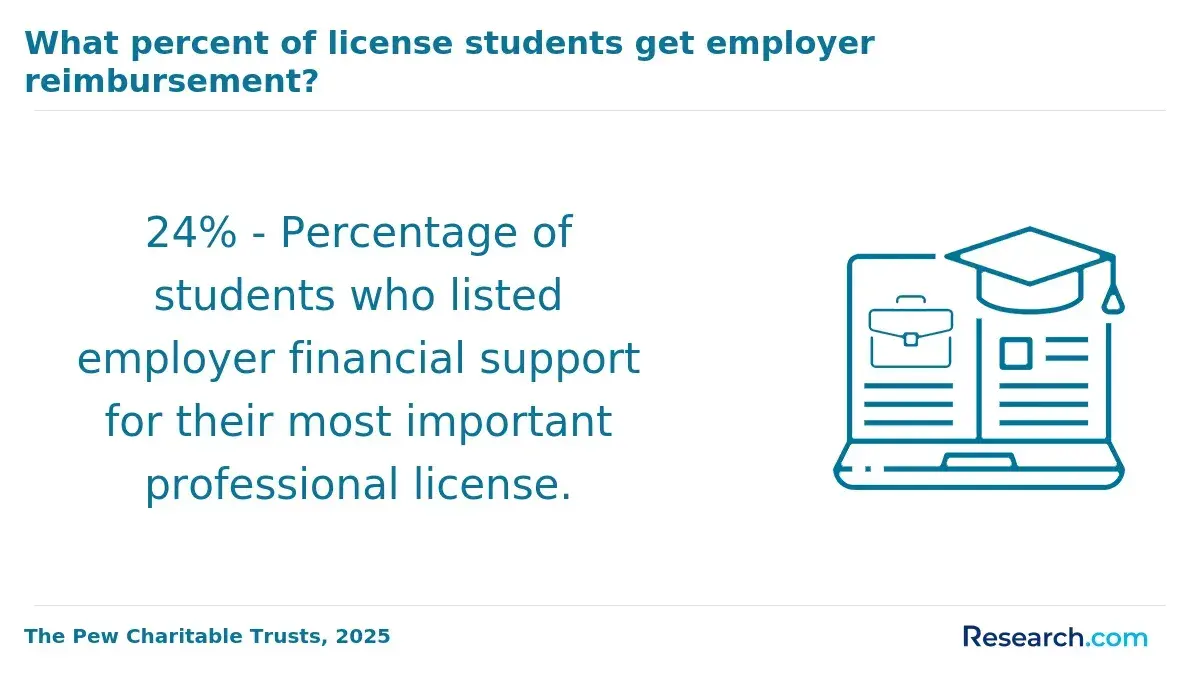
- Employer tuition assistance may offset some tuition, but ancillary fees remain out-of-pocket.
Candidates aiming for licensure in states with strict supervision hour requirements benefit from programs integrating practicum experiences efficiently, minimizing additional costs and prolongation. Transparent cost structures and flexible pacing critically influence the feasibility and financial sustainability of this credential path.
What coursework and training are included in online marriage and family therapy curricula?
Practitioner-focused online marriage and family therapy curricula must integrate extensive clinical hours with rigorous coursework to satisfy licensing requirements, a non-negotiable despite digital delivery. Typically, students complete 200-500 client contact hours, necessitating careful coordination of practicum placements within approved local facilities. This logistical hurdle particularly impacts working professionals balancing job commitments with in-person training demands.
Programs tailored for mid-career clinicians, such as the University of West Alabama's streamlined 33-credit master's, avoid redundancies by emphasizing advanced supervision, systemic interventions, and industry-relevant competencies like insurance navigation and multidisciplinary teamwork. This allows licensed therapists to accelerate progression toward senior roles without retreading foundational material.
Given evolving employer expectations and telehealth expansion, curricula increasingly embed live video simulations and teletherapy practicums, sharpening readiness for remote service delivery. Cultural competence grounded in diversity and social justice frameworks also emerges as a critical workforce skill, responding to shifting demographic realities.
Prospective students must evaluate how online programs manage remote practicum supervision and ensure clinical experience fidelity, as these elements directly affect licensure eligibility and market competitiveness. Selecting a program aligned with one's professional stage-and with precise clinical hour logistics-is essential to avoid extended timelines and maximize return on investment.
How do online marriage and family therapy programs handle practicum and supervised clinical hours?
Completing an online marriage and family therapy program demands navigating the significant challenge of fulfilling practicum and supervised clinical hours in compliance with state licensure mandates, typically ranging from 500 to 1,000 direct client contact hours.
For mid-career professionals, this often entails securing local placements that accommodate their schedules and geographic constraints, as programs may offer placement assistance but rarely guarantee sites. This limitation requires active planning and sometimes compromises on preferred clinical settings.
Hybrid program models prevail, combining online coursework with in-person clinical work arranged locally. This structure allows students to integrate practicum hours alongside employment, particularly in outpatient ambulatory care settings-the largest employer segment for MFTs, offering a median wage of $66,580. Prioritizing practicum placements in these settings can enhance practical experience and future earnings, a strategic consideration often overlooked in program selection.
Students must also manage coordination with supervising licensed therapists and meet detailed state documentation standards, which typically involve 15-25 weekly hours dedicated to both direct and indirect client services. Balancing these demands with coursework and employment requires realistic time budgeting and thorough program research.
What are the licensing requirements to become a marriage and family therapist in the U.S.?
Licensure for marriage & family therapists in the U.S. is a state-driven process marked by inconsistency, creating significant practical barriers for professionals aiming to practice across state lines.
All candidates must complete a COAMFTE-accredited or equivalent master's or doctoral degree, accumulate between 2,000 and 4,000 hours of supervised clinical experience-usually post-degree-and pass the national exam administered by the Association of Marital & Family Therapy Regulatory Boards (AMFTRB) or a state-specific equivalent.
The implications of these requirements extend beyond education and testing. For example, an online M.S. counseling program tailored to Oklahoma licensure, such as that at Mid-America Christian University, restricts graduates primarily to that state. Professionals relocating or seeking multi-state practice face repeated clinical hours or additional state approvals for reciprocity.
Employers typically demand licenses valid in their jurisdiction, so early verification of supervised placement eligibility, coursework alignment with local statutes, and exam acceptance is essential. This regulatory patchwork forces prospective therapists to weigh the tradeoff between program convenience and long-term licensure flexibility.
Key considerations include:
- Whether your chosen program supports clinical supervision within your intended state of practice
- If its curriculum meets the statutory requirements specific to your target licensure board
- Licensing exam eligibility consistent with your geographic career goals
Ignoring these factors can lead to costly delays and lost career momentum when navigating license reciprocity or endorsement demands.
What career paths, roles, and advancement options exist for marriage and family therapists?
Advancement in marriage & family therapy careers depends heavily on targeted credentials and practical experience beyond initial licensure. For instance, clinicians who secure advanced certifications and demonstrate supervised clinical hours unlock roles that allow independent practice or specialized caseloads such as trauma or adolescent therapy.
These qualifications are often prerequisites for leadership positions within mental health agencies, where responsibilities extend into program development and strategic oversight.
Mid-career professionals face critical tradeoffs: programs that accept prior graduate credits, such as Liberty University's online Master's program for those with 12+ credits, can reduce time-in-seat and lessen disruption to ongoing practice. However, geographic mobility is often constrained by state-specific licensure reciprocity rules, potentially requiring additional exams or supervised hours and influencing career flexibility.
Expanding into specialized settings-schools, social service agencies, or integrated healthcare teams-requires skillsets beyond clinical proficiency, including grant writing, interdisciplinary coordination, and outcome tracking. The private practice route also demands business management capabilities to grow sustainably, whereas institutional roles increasingly reward doctoral-level credentials for research and tenure-track opportunities.
Employment projections from the U.S. Bureau of Labor Statistics anticipate a 15% growth rate for marriage & family therapists through 2032, but individual outcomes vary based on licensure status, specialization, and organizational skills.
What salary ranges and job outlook can marriage and family therapists expect nationwide?
Starting salaries for marriage and family therapists generally range from $50,000 to $65,000 annually, with median wages near $60,000 based on U.S. Bureau of Labor Statistics data from 2024. Geographic location, licensure status, and employer type create significant variance: urban private practices and hospital settings can offer $80,000 or more, while rural or government clinic roles may start closer to $48,000 but often provide loan forgiveness or job stability.
The field expects a 22% employment growth through 2034, driven by rising demand in outpatient centers, schools, and private practices. Mid-career professionals pursuing an online MFT degree face a critical decision point: investing time in clinical supervision and licensure can unlock higher salaries and more specialized roles but delays licensure eligibility and adds costs.
This tradeoff affects income progression and job responsibilities. Public sector jobs may cap earning potential but yield consistent employment, whereas private sector roles require advanced credentials yet reward higher pay and advancement opportunities. Developing expertise in niches like trauma or child and adolescent therapy further influences earning capacity and employability.
Candidates should evaluate programs not only on entry requirements but also on how efficiently they support licensure, specialization, and supervised hour accumulation to optimize both immediate employability and long-term growth prospects.
Other Things You Should Know About Marriage & Family Therapy
For mid-career professionals, prioritizing clinically focused programs generally provides more immediate career benefits since these emphasize practical skills, advanced therapy techniques, and direct client work.
Research-heavy programs may delay skill application and require more time for thesis work, which can be a disadvantage if your goal is quick credentialing or clinical advancement. Employers often value demonstrated clinical competencies and supervised experience over research credentials when hiring for therapy roles.
Part-time online programs allow continued employment but extend the time to graduation and licensure. This can slow career advancement, especially in competitive markets where faster credentialing leads to earlier salary increases or promotions. However, for those balancing work and family, part-time study reduces burnout risk and supports steady progress. Choose a program with flexible practicum arrangements to optimize learning while managing personal and professional demands.
Yes, many programs allow workplace-based practicum sites if the placement is approved in advance and meets state and program rules. Supervision usually must be provided by an LMFT or similarly qualified clinician, and students often still need a separate academic supervisor and documented client-contact hours.
References
- How to Become a Marriage and Family Therapist https://onlinecounselingprograms.com/mental-health-careers/how-to-become-marriage-and-family-therapist/
- Best Online Master's In Marriage & Family Counseling 2025 https://www.psychology.org/rankings/best-masters-programs-in-family-counseling/
- Marriage and Family Therapist (MFT) - Salary, How to Become, Job Description & Best Schools https://www.onlinedegree.com/careers/behavioral-science/marriage-family-therapist-mft/
- COAMFTE Accreditation Requirements and Standards https://lumivero.com/resources/blog/coamfte-accreditation/
- Online MFT Programs in California — MFT California https://www.mftcalifornia.com/online-programs
- MA in Marriage/Family Therapy (Marriage/Family Therapy) https://www.umassglobal.edu/academic-programs/ma-in-marriage-and-family-therapy
- Online MFT Programs - Master’s in Marriage and Family Therapy Programs https://www.onlineeducation.com/counseling/mft-programs
- Program Details: https://www.eastern.edu/academics/graduate-programs/ma-marriage-and-family-therapy-online
- Why get an MFT degree? | edX https://www.edx.org/resources/is-a-masters-in-mft-worth-it