2027 Online Marriage and Family Therapy Degrees for Students Who Want Agency-Based Therapy Careers

Co-Founder and Chief Data Scientist
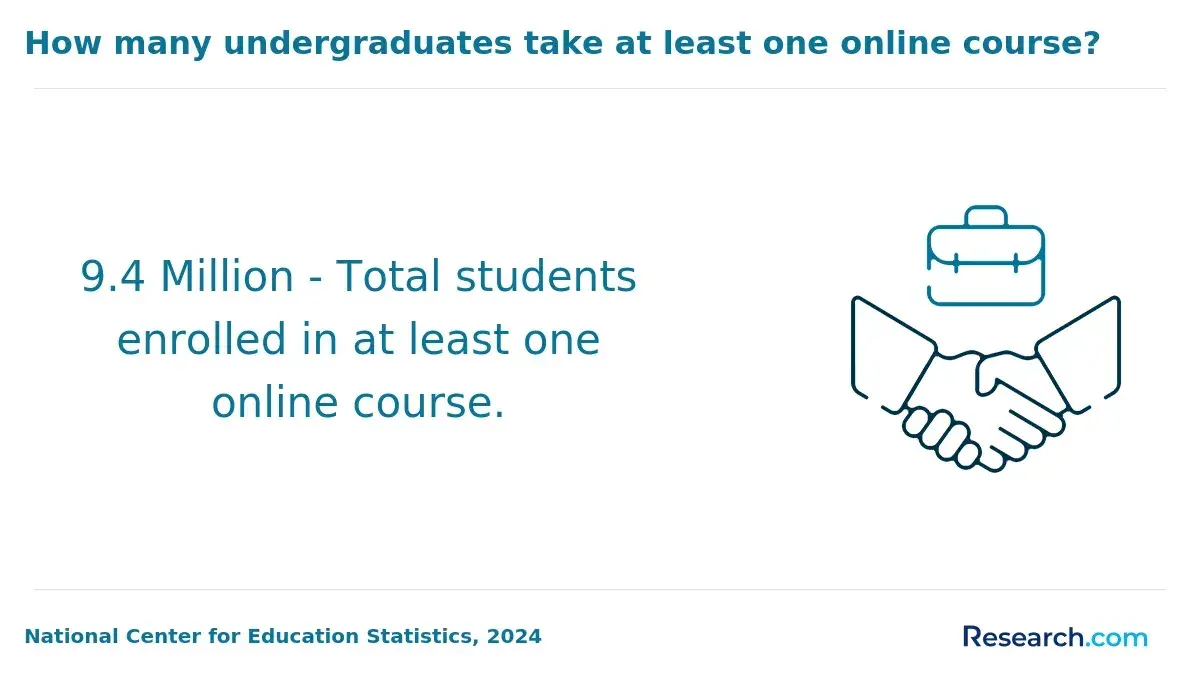
Prospective students aiming for agency-based careers in marriage & family therapy often face the challenge of balancing rigorous clinical requirements with inflexible program schedules. As workforce needs shift, nearly 45% of graduate students now prioritize online programs for their adaptability, according to the National Center for Education Statistics, signaling a significant move toward accessible, remote learning. This trend matters because agency employers increasingly expect candidates with diverse, flexible training environments, yet students must still meet strict practicum and licensing standards that online platforms must accommodate. This article evaluates online marriage & family therapy degrees tailored for agency careers, identifying which program features optimize career readiness and practical training access.
Key Things You Should Know
- Agency-based therapy careers demand 3,000+ clinical hours post-degree for licensure, doubling typical academic practicum time; this elongates entry timelines and inflates costs beyond tuition, as highlighted by the 2024 COAMFTE annual report.
- Employers prioritize graduates with integrated systemic intervention training linked to trauma-informed care; BLS data shows agencies report 28% higher retention when clinicians hold these specialized competencies, shaping program selection tradeoffs.
- Public institutions offering in-state tuition reduce average program debt by 42%, but limited cohort sizes and waitlists create bottlenecks, forcing candidates to weigh accelerated private options against longer, cost-effective tracks per NCES 2024 enrollment trends.
What is an online marriage and family therapy degree and how does it prepare agency-based therapists?
Online marriage and family therapy degree programs for agency careers focus on developing therapists capable of navigating complex service ecosystems rather than only clinical environments. These programs integrate systemic therapeutic theory with hands-on practicum experiences in settings like community agencies and government programs. This combination equips graduates to work effectively within multidisciplinary teams managing diverse client needs under bureaucratic and funding limitations.
Such degrees specifically prepare therapists for agencies by emphasizing skills beyond treatment techniques. Graduates gain competencies in regulatory compliance, documentation aligned with agency objectives, and coordinating care among social workers, psychiatrists, and case managers. For instance, an online MFT graduate in a state mental health clinic applies these skills to ensure integrated support rather than isolated therapy sessions. The practical orientation mitigates a common friction point: transitioning theory into agency-driven workflows.
The median wage for marriage and family therapists was $63,780 in May 2024, with employment growth projected at 13% through 2034, driven largely by demand in public health agencies requiring trauma-informed, culturally sensitive care. Therefore, prospective students must assess whether their online marriage and family therapy degrees prepare therapists for agencies with a focus on applied agency advocacy and interdisciplinary collaboration, which are essential for roles in public and nonprofit sectors.
Students seeking to deepen credentials or pivot within counseling may also explore advanced options like a doctorate in counseling online for more strategic specialization and leadership roles.
What education and licensing are required to become a licensed marriage and family therapist in the U.S.?
The path to becoming a licensed marriage and family therapist (LMFT) in the U.S. demands more than earning a graduate degree; it combines stringent accreditation standards with extensive supervised clinical experience. Candidates must complete a COAMFTE-accredited master's or doctoral program or its state-recognized equivalent, which includes a minimum of 2,000 direct client-contact hours in clinical practicum with couples and families. Following graduation, an additional 2,000 to 4,000 hours of post-degree supervised experience is typically required over two to three years, varying by state regulations.
This sequence reflects the reality that insufficient clinical hours or non-accredited programs often disqualify individuals from independent practice or agency employment, resulting in costly delays through extra training or internships. To successfully navigate these steps to become a licensed marriage and family therapist in America, candidates must also pass the national exam administered by AMFTRB, alongside possible state-specific tests, and commit to biennial licensure renewal involving continuing education.
Practical consideration for students includes verifying their program meets their target state's requirements, especially for online degrees emphasizing agency-based therapy, which must facilitate local supervised placements; otherwise, remote clinical hours may not fulfill licensure prerequisites.
In workforce context, the Bureau of Labor Statistics projects a 16% job growth in this field, adding about 10,600 positions over the coming decade-highlighting the growing demand for properly licensed therapists able to meet real-world expectations. For prospective students weighing educational options, evaluating which counseling degree is easiest might be part of broader strategic planning, but the overriding factor remains adherence to comprehensive accrediting and practical experience mandates.
How do online marriage and family therapy programs compare with campus-based programs for agency work?
Choosing between online marriage and family therapy programs for agency careers hinges on clinical placement realities rather than purely academic rigor. Campus-based programs typically offer structured partnerships with local agencies, enabling streamlined access to practicum sites critical for licensure and employment. In contrast, students enrolled in online programs must often secure their own clinical hours, a task that can delay licensure and complicate workforce entry without robust local networks.
Employers in agency settings prioritize candidates with supervised clinical experience verified through cohesive documentation processes inherent to cohort-driven campus programs. Online students need advanced planning to align supervision with state licensure demands, or risk administrative barriers. This difference in clinical placement coordination is a practical tradeoff affecting timelines for entering agency roles.
Cost is another decisive factor. Online degrees often range from $30,000 to $80,000 overall tuition, with public schools averaging $7,000 to $10,000 annually versus $27,000 to $39,000 at private institutions. Students must weigh these expenses against the additional effort required to secure quality agency placements absent in most online formats. Those prioritizing affordability yet seeking local practicum connections must consider this balance critically.
In workforce environments like state mental health agencies requiring immediate clinical competence, campus graduates usually achieve quicker job starts due to embedded practicum arrangements. Navigating licensure timelines, supervisor access, and program reputation through online routes demands strategic foresight. Those comparing differences between online and campus marriage and family therapy programs for agency work should also explore options among BACB accredited schools to evaluate credential alignment fitting their career trajectory.
What accreditation should online marriage and family therapy programs have for agency-based careers?
COAMFTE accreditation is non-negotiable for students targeting agency-based careers or state licensure in marriage and family therapy. Many employers, including Medicaid-funded programs and government agencies, require this specific accreditation to ensure compliance with clinical, ethical, and regulatory standards. Degrees lacking COAMFTE accreditation-even if regionally approved-often limit graduates' access to licensure and competitive agency roles.
Given the limited number of graduates in this field (2,550 out of 192,584 mental health enrollments in 2021), choosing accredited online marriage and family therapy programs for agency work is a strategic necessity rather than a recommendation. Students must confirm program compliance with state-specific licensing boards and supervised clinical practicum hours governed by COAMFTE requirements to avoid costly delays or supplementary certifications.
Practical tradeoffs include balancing program accessibility with accreditation status. Non-COAMFTE programs might offer faster or more flexible entry but risk job market exclusion or licensure complications. In contrast, COAMFTE programs align directly with the best accreditation standards for Marriage and Family Therapy degrees, preparing graduates for the real-world demands of agencies that prioritize credentials to mitigate legal and financial risks.
Applicants should also explore related credentials and alternatives, such as APA accredited PsyD programs, especially those that waive GRE requirements, to broaden qualifications while maintaining rigorous standards.
What courses and clinical training do online marriage and family therapy degrees typically include?
Effective online marriage and family therapy degrees balance rigorous clinical training with foundational knowledge, producing graduates ready for agency-based roles. A critical program feature is the completion of at least 500 hours of supervised practicum and internship, often facilitated through partnerships with social service agencies. This arrangement allows working professionals to integrate clinical hours with existing employment, maintaining income while progressing toward licensure.
Core coursework encompasses systemic theories, family dynamics, psychopathology, ethics, and multicultural counseling, designed specifically for community mental health environments. Specialized training increasingly targets trauma-informed care, crisis intervention, and family violence, equipping students to serve diverse and vulnerable populations.
Employers prioritize candidates who exceed minimal clinical hours and demonstrate adaptability, particularly proficiency with teletherapy. For example, a full-time social services employee completing practicum hours with employer supervision can accelerate their licensure timeline without financial disruption. Graduates entering state and community agencies can expect median salaries around $86,030, with higher-tier professionals surpassing six figures, reflecting premium on advanced skills and practical experience.
- Comprehensive clinical portfolios correlate with improved employment outcomes and smoother professional transitions.
- Ethics coursework prepares students for mandated reporting and confidentiality challenges common in agency settings.
- Telehealth competency meets growing demand for flexible service delivery.
How long do online marriage and family therapy programs take and what do they cost?
Online marriage and family therapy programs present a significant time investment, with master's degree tracks spanning two to three years and doctoral studies extending four to six years. This duration is tightly linked to state licensure requirements, particularly the accumulation of supervised clinical hours critical for agency employment. Full-time students should plan for at least two years, while part-time enrollment commonly stretches beyond three, potentially delaying entry into the workforce.
Costs vary widely by institution type and residency status. Public in-state tuition typically ranges from $15,000 to $30,000, whereas private institutions may charge between $30,000 and $60,000 or more. Additional expenses often include practicum supervision fees ($2,000 to $5,000), specialized clinical placements, and post-graduation licensing fees, all of which add financial layers not always transparent up front.
Students targeting metropolitan areas with concentrated training ecosystems-such as San Diego, Minneapolis, or Los Alamitos-access stronger licensure support and more immediate employment opportunities. Conversely, candidates in regions lacking these clusters face prolonged job searches, likely necessitating relocation or pursuit of supplementary certifications to satisfy employer demands.
- Program length directly affects eligibility for clinical hours necessary for licensure
- Tuition and fees differ substantially between public and private institutions
- Geographic location influences licensure support and job market accessibility
Such practical considerations should inform decisions by individuals weighing the tradeoffs of duration, cost, and geographic workforce dynamics in selecting a marriage and family therapy education path.
What admissions requirements do online marriage and family therapy master's programs usually have?
The defining challenge for candidates pursuing online marriage and family therapy master's programs lies in integrating rigorous academic standards with mandatory, in-person clinical experience. Admission typically requires a relevant bachelor's degree with a minimum 3.0 GPA, accompanied by transcripts, letters of recommendation, and personal statements that convincingly reflect a commitment to family systems work. GRE scores are still a factor for many programs, although waivers exist for seasoned professionals or high academic achievers. Background checks remain non-negotiable due to the direct client work involved.
A decisive real-world constraint is the required supervised clinical hours, which invariably exceed 500 hours and can surpass 700 in more intensive tracks, as data from MarriageFamilyTherapist.org and Pepperdine University reveal. These hours must be completed locally with qualified agencies, creating significant barriers for students in non-urban areas who must navigate placement logistics on their own or with limited program support.
Employers place strong emphasis on clinical hour completion because it signals readiness for fieldwork in agencies or counseling centers. Programs demanding higher clinical hours tend to offer enhanced practicum experiences, which may extend degree duration but improve employability. Prospective students should carefully evaluate how programs assist in securing clinical placements, as delays here can disrupt financial planning and postpone workforce entry.
- Admission often includes GRE scores unless waived based on experience or academic record
- Supervised clinical hours must be completed in-person, typically 500 to over 700 hours
- Geographic constraints affect the ability to find qualifying clinical placements
- Programs differ in practicum support, affecting time-to-degree and job readiness
What agency-based career paths can graduates of online marriage and family therapy programs pursue?
Agency-based roles dominate career outcomes for graduates of online Marriage & Family Therapy programs, with community mental health centers, social service agencies, and nonprofits constituting the primary employment sectors. The master's degree remains the baseline credential, reflecting employer demand for graduate-level clinical training applicable to family, couple, and child counseling.
Licensure prerequisites typically require 2,000 to 4,000 supervised clinical hours, compelling students to seek internships or salaried positions offering robust clinical supervision. These hours are fundamental to meeting regulatory standards, markedly differentiating agency pathways from private practice, where business and marketing skills take precedence. In agencies like substance abuse treatment centers or domestic violence shelters, therapists juggle crisis intervention, trauma-informed care, and multidisciplinary collaboration within strict documentation and caseload limits imposed by funding mandates.
Graduates must reconcile clinical duties with administrative demands such as grant writing and community outreach. Program evaluation should emphasize practicum quality and clinical placement support to align with these workforce realities. Prospective students not accounting for bureaucratic constraints and the intensive supervised experience required risk delayed licensure and employment hurdles.
- Agency roles prioritize family systems mastery and evidence-based clinical models.
- Clinical supervision hours are essential for licensure; private practice skills are less emphasized.
- Bureaucracy limits session length and caseloads, impacting job stress and performance.
What salary ranges and earning potential can licensed marriage and family therapists expect?
Salary trajectories for licensed marriage and family therapists in the U.S. reflect significant variation influenced by experience, geography, and employment setting. Entry-level positions in community mental health or nonprofit agencies generally begin around $50,000 annually, constrained by organizational budgets and funding limitations. Conversely, private practice and specialized agency roles-especially in metropolitan areas like California and New York-can push earnings beyond $90,000, with senior clinicians and supervisors occasionally surpassing $100,000.
Regional pay disparities directly affect the speed of financial progress. Therapists in rural or underserved locales might face lower salaries but benefit from accelerated client volume and earlier hands-on experience. Employment settings also impose tradeoffs: agency roles offer steady caseloads and benefits but usually cap salary growth, whereas private practice demands managing overhead and business variability but rewards fee-setting autonomy.
Additional factors complicate the pathway from education to full licensure. Securing supervised clinical hours often extends the post-graduation period, delaying higher compensation. Expanding online programs increase the talent pool, intensifying competition and potentially depressing early-career wages. Therapists must also navigate variable reimbursement rates from insurers, which fluctuate regionally and impact take-home pay, particularly when billing insurance.
Careful consideration of these tradeoffs and market realities is essential for students and professionals targeting durable roles in marriage & family therapy, balancing immediate income needs against longer-term earning potential and professional autonomy.
How can students choose a reputable online marriage and family therapy program aligned with their state?
Selecting an online marriage and family therapy program without thorough verification of accreditation and state licensure compliance can significantly hinder timely professional qualification. Only programs accredited by the Commission on Accreditation for Marriage and Family Therapy Education (COAMFTE) or equivalent regional bodies recognized by the U.S. Department of Education align with licensure standards that employers expect. For example, California emphasizes coursework in systemic therapy and cultural diversity, while New York prioritizes the specifics of clinical supervision, illustrating how disregarding such differences can impose extended training periods and delay workforce entry.
Practical constraints around clinical practicum placements further complicate this path. Because most states mandate that internships occur locally for licensure, programs must support or facilitate securing in-state clinical sites. Without these connections, students risk logistical burdens that can interrupt the supervision framework essential to licensure requirements.
Cost considerations are often a decisive factor, with data from the National Center for Education Statistics via edX showing median annual tuition for online health professions master's degrees at $9,310 versus $14,245 for in-person formats in 2020. While the lower price can reduce debt for those targeting agency roles, the tradeoff occurs if the program's curriculum lacks jurisdictional alignment, leading to costly remediation or additional certification requirements. Prospective students should critically assess these operational tradeoffs to avoid delayed income potential and diminished employer readiness.
Other Things You Should Know About Marriage & Family Therapy
State licensure requirements for marriage & family therapy vary widely in terms of required coursework, clinical hours, and supervision. Enrolling in a program that does not align closely with a student's intended licensure state risks needing additional coursework or clinical experience post-graduation. Prospective students must prioritize programs expressly tailored to their target licensure jurisdiction to avoid costly and time-consuming gaps between graduation and eligibility for independent practice.
Asynchronous online courses offer flexibility but can limit immediate feedback and skill application essential for therapeutic competencies. Agencies hiring marriage & family therapists expect strong interpersonal skills honed through real-time interaction and role-playing, which primarily occur during live sessions or supervised clinical experience. Students should weigh programs that combine asynchronous content with synchronous seminars or intensive in-person residencies to better meet employer expectations for hands-on readiness.
Yes. CAEP/COAMFTE-accredited online MFT programs can include practicum and internship placements in approved community agencies, usually totaling at least 300 hours of direct client contact and 100 hours of supervision. Students must complete these field hours before graduation to qualify for many agency-based roles.
References
- How To Become A Family Counselor: A Step-By-Step Guide | Psychology.org https://www.psychology.org/careers/family-counselor/
- How to Become a Marriage and Family Therapist https://onlinecounselingprograms.com/mental-health-careers/how-to-become-marriage-and-family-therapist/
- COAMFTE Accreditation Requirements and Standards https://lumivero.com/resources/blog/coamfte-accreditation/
- Accreditation Status of MFT Programs in California — MFT California https://www.mftcalifornia.com/accreditation
- Benefits of Earning an Online MFT Degree | TUW https://www.tuw.edu/school-news/online-mft-degree-benefits/
- Online Masters in Marriage & Family Counseling | AE.org https://academicearth.org/masters-in-marriage-family-counseling/
- What Degree Do I Need to Become a Counselor or Therapist? https://paloaltou.edu/resources/blog/what-degree-do-i-need-become-counselor-or-therapist
- The 12 Best Online MFT Programs in California for 2026 (COAMFTE Accredited) - Psychology California https://psychologyca.org/masters-programs/online-mft/
- Program Details: https://www.eastern.edu/academics/graduate-programs/ma-marriage-and-family-therapy-online
- MA in Marriage/Family Therapy (Marriage/Family Therapy) https://www.umassglobal.edu/academic-programs/ma-in-marriage-and-family-therapy