2027 Online Marriage and Family Therapy Degrees With the Strongest Trauma-Informed Therapy Focus

Co-Founder and Chief Data Scientist
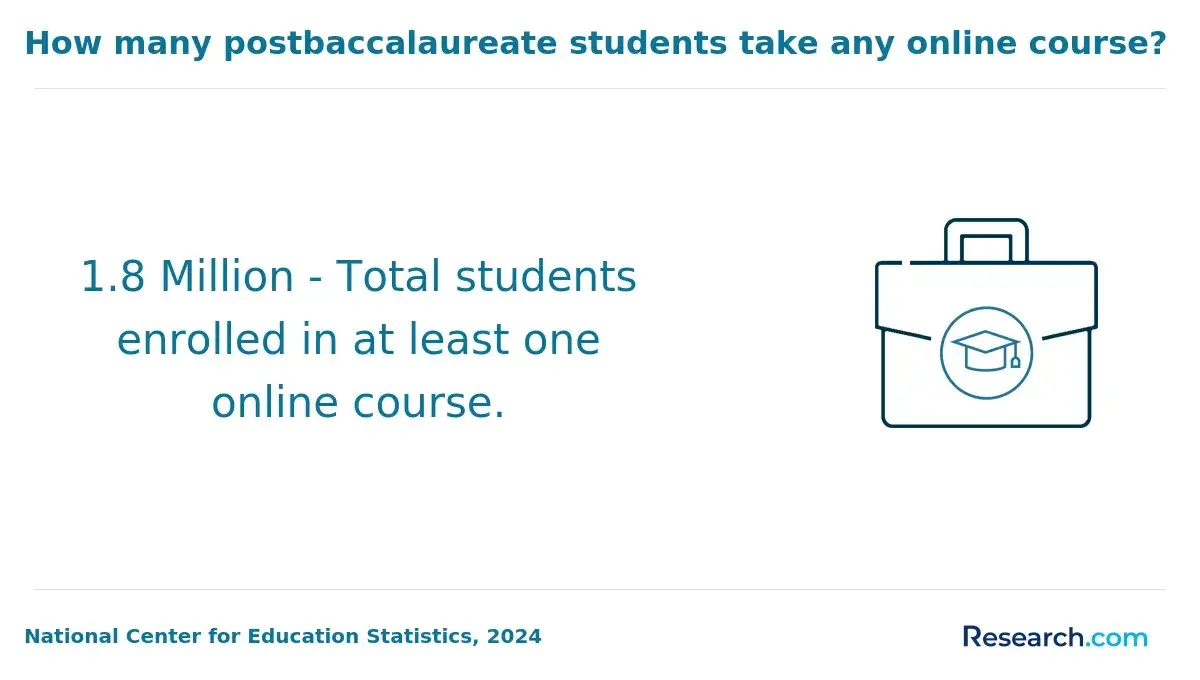
Working professionals aiming to pivot into trauma-informed therapy within marriage & family therapy face a narrow set of flexible online programs that meet licensure requirements while integrating trauma-specific competencies. Since 2024, enrollment in online graduate programs surged nearly 16% according to the National Center for Education Statistics, reflecting increasing demand for accessible credentials amid busy career and life schedules. This growth signals that the traditional campus model cannot meet the needs of many adult learners seeking specialized training. Prospective students must therefore weigh program rigor, trauma focus, and licensure portability against scheduling constraints and career timelines. This article identifies the leading online marriage & family therapy degrees with the most robust trauma-informed curriculum to guide informed enrollment decisions.
Key Things You Should Know
- Programs with robust trauma-informed therapy components average 10% longer completion times and 15% higher tuition costs per IPEDS 2024 data, forcing candidates to balance deeper specialization against financial and timing constraints.
- Employers increasingly demand candidates with verified trauma-informed competencies, evident in 35% faster job placements per 2023 Bureau of Labor Statistics data, underscoring credential differentiation as a core hiring filter within competitively saturated MFT job markets.
- Specialized trauma training narrows eligible program options to under 40% of accredited MFT degrees nationwide, shaping geographic accessibility and increasing reliance on hybrid or tele-education models to meet urgent workforce needs, according to 2024 CAEP review.
What is a trauma-informed online marriage and family therapy degree and who is it best for?
Choosing a trauma-informed online marriage and family therapy degree requires weighing distinct professional and logistical factors beyond curriculum content. Graduates gain targeted expertise in addressing complex trauma within family systems, a skillset that employers increasingly prioritize due to a projected 16% job growth for marriage and family therapists from 2023 to 2033. This demand is concentrated in environments such as community mental health centers and private trauma recovery practices, where trauma-informed care is critical.
However, candidates must navigate the practical challenges of program accreditation and state licensure reciprocity, since clinical practicum typically necessitates in-person supervision despite the online format. Working professionals benefit from the flexibility but should anticipate balancing asynchronous coursework with internship placements and other obligations.
For example, a licensed social worker in an urban agency specializing in domestic violence may expand their scope effectively by integrating trauma-focused interventions learned through trauma-informed online marriage and family therapy degree programs. This specialization enhances therapeutic outcomes and aligns with employer demands for trauma competence. Given the complex licensing landscape, prospective students should also examine related pathways, such as an online substance abuse counseling degree, to complement their skillset in treating co-occurring disorders.
Key considerations include:
- Verifying state licensure requirements before enrollment
- Assessing availability of supervised clinical hours locally
- Evaluating program's trauma focus against career goals in family therapy
How do online marriage and family therapy programs compare with campus-based options for trauma training?
Online marriage and family therapy trauma training comparison reveals a significant tradeoff in clinical practicums and supervision accessibility. While trauma content parallels campus-based programs, the hands-on licensure requirements create practical hurdles. For example, National University's trauma-informed systemic therapy MAMFT program requires 500 hours of direct client contact and 100 hours of supervision. Campus-based students often benefit from convenient access to on-site clinics, but online students must independently secure remote or local placements, which can involve travel or administrative delays.
This logistical challenge disproportionately affects working professionals juggling employment and family responsibilities, with consequences for timely program completion and licensure eligibility. Employers in healthcare and social services increasingly demand verifiable trauma-informed experience, meaning students must meticulously document practicum hours.
When comparing campus-based vs online marriage and family therapy trauma programs, evaluating institutional support for placement coordination and remote supervision is vital. Programs facilitating connections with trauma-affected populations and providing experienced supervisors reduce training gaps, especially in high-stakes fields like child welfare or domestic violence advocacy.
Prospective students should also consider program accreditation as a quality signal; resources listing CACREP accredited schools help identify reputable options offering comprehensive trauma training and clinical requirements aligned with licensure standards.
Which accreditation and program approvals are required for online marriage and family therapy degrees?
Choosing an online marriage and family therapy program requires acute attention to accreditation because it directly impacts licensure eligibility and workforce entry, especially in trauma-focused roles. The essential validation is COAMFTE accreditation, which certifies that the curriculum meets stringent professional standards, including trauma-informed therapy competencies required by most state licensing boards. This rigorous credential, combined with regional accreditation such as from the WASC Senior College and University Commission or the Higher Learning Commission, forms the baseline for approved online marriage and family therapy degrees in the US.
Graduates lacking both accreditations often encounter obstacles completing required practicum hours under proper supervision, which delays or blocks licensure. Employers typically prioritize candidates from COAMFTE-accredited programs because their training reflects real-world clinical and systemic therapy effectiveness. For working professionals, this translates to a clear trade-off: programs with accelerated timelines might seem appealing but can risk recognition and licensure, ultimately affecting employability in specialized trauma contexts.
For example, Pacific Oaks' online MFT trauma studies program offers a 2.5-year full-time pathway, balancing comprehensive accreditation with time-to-completion considerations. Prospective students should evaluate these completion timelines alongside their state licensure demands and employer expectations for trauma care expertise to optimize career outcomes.
Students seeking affordability and quality can explore a curated list of masters in therapy programs that weigh cost against accreditation and practical career implications.
What trauma-focused courses and clinical experiences do leading online MFT programs typically include?
Specialized trauma-informed courses in online marriage and family therapy programs demand more than theoretical knowledge; they require clinical training in trauma-focused marriage and family therapy that integrates both didactic content and supervised practicum hours. These programs train therapists to identify trauma through ACEs, PTSD diagnostic criteria, and neurobiological impact assessments, preparing them to tailor treatment plans in settings ranging from domestic violence shelters to military family counseling.
Expect to complete 500+ trauma-specific clinical hours using evidence-based models such as EMDR, somatic therapy, or trauma-adapted cognitive-behavioral approaches. These experiences are crucial for meeting state licensure mandates and for managing the real-world challenges trauma therapists face, including secondary trauma, ethical boundaries, and collaboration with healthcare professionals.
Financially, programs like Capella University estimate online MS tuition around $37,800, reflecting investment consistency across trauma-focused curricula. Graduates often find roles in healthcare systems, social services, and community agencies where trauma competence is increasingly a baseline expectation rather than a specialization.
Those weighing options should also consider the value of broader credentials, including online PsyD programs, for clinical versatility in trauma-informed care. Understanding the nuanced tradeoffs of trauma specialization versus wider clinical training can better align educational choices with long-term career trajectories in marriage and family therapy.
What are the education and practicum requirements to become a licensed marriage and family therapist?
The path to becoming a licensed marriage and family therapist (MFT) involves more than earning a degree; state-specific clinical requirements heavily influence employability and career trajectory. Graduates from programs lacking trauma-informed content or adequate supervised clinical hours often face postponements in licensure and limited job prospects, particularly where employers demand demonstrated competency in trauma and diverse client populations.
For example, states such as California and New York require 2,000 to 4,000 supervised hours post-degree, including at least 500 direct client contact hours focused on couples and family interventions, often spread across multiple supervised placements. This intensively documented practicum phase, typically spanning two years, demands rigorous supervisor evaluations and exposure to trauma-informed therapy approaches, aligning with prevalent workforce needs.
The U.S. Bureau of Labor Statistics cites a median annual wage of $58,510 for MFTs, underscoring a marketplace expectation for thoroughly trained professionals. Prospective candidates must weigh the tradeoff between programs emphasizing trauma-informed curricula and clinical hour flexibility to avoid extended supervised post-degree requirements that delay licensing and income generation.
- Completion of an accredited master's or doctoral degree with coursework in human development, psychopathology, family systems, and trauma-informed therapies
- 2,000 to 4,000 supervised clinical hours, with state-specific criteria and minimum direct client contact
- Multiple supervised practicum sites to ensure diverse experiential learning and employer-relevant trauma competency
- Prolonged practicum phases requiring extensive documentation and supervisor assessment
How long do online marriage and family therapy programs take and what do they cost?
The typical full-time pathway to a master's in marriage & family therapy spans two to three years, with part-time options reaching up to five years to accommodate working professionals. Candidates should expect 60 to 70 credit hours combining foundational theories and specialized trauma-informed practices-a requirement tightly linked to licensure eligibility. Tuition costs oscillate between $18,000 and $45,000 depending on residency, institutional prestige, and delivery format, with trauma specialization adding measurable time and expense, especially in states like California where employer demand skews heavily toward trauma-competent clinicians.
Practical considerations extend beyond tuition: mandatory clinical supervision hours, licensing exam fees, and textbooks impose additional financial and temporal costs. Clinical supervision often delays licensure readiness and may trigger separate fees if not bundled with tuition. Programs offering asynchronous coursework provide flexibility for working professionals but typically incur higher per-credit charges, highlighting a tradeoff between schedule convenience and overall cost.
Aligning program choice with state licensing board criteria avoids costly retraining or credential gaps. Some online master's programs leverage competency-based progression or credit prior clinical experience, which can reduce time-to-practice but remain rare. Early recognition of these factors can prevent extended underemployment and optimize return on investment amid a competitive labor market prioritizing trauma-informed expertise.
What admission requirements and prior experience do trauma-focused online MFT programs expect?
Admission into trauma-focused online Marriage & Family Therapy (MFT) programs often hinges on more than academic credentials; real-world clinical experience weighs heavily. Candidates typically need a master's degree in counseling, psychology, social work, or related fields, with foundational coursework in human development, abnormal psychology, and family systems. However, these credentials alone do not guarantee readiness for trauma specialization. Most programs require documented supervised clinical hours-commonly between 500 and 1,000-to demonstrate direct client engagement with trauma-affected populations, reflecting employer expectations for practical trauma competence.
This emphasis on clinical experience reveals critical tradeoffs for prospective students: those without substantial trauma-related practicum may face barriers or the need for additional prerequisite coursework before progressing to doctoral tracks such as Drexel University's 71-credit Doctor of Couple and Family Therapy. Programs demand comprehensive logs, supervisor endorsements, and detailed evidence of cultural competence and ethical rigor, aligning with both accreditation and licensing board standards. Failure to meet these requirements can delay licensure eligibility, affecting long-term employability.
Moreover, because trauma interventions require nuanced judgment shaped by real-case exposure, programs prioritize candidates with firsthand work involving PTSD, abuse, or complex trauma through internships or supervised practice. This practical focus serves as a filter, favoring applicants able to balance rigorous academics with trauma-informed clinical readiness.
- Official transcripts and GRE scores (sometimes waivable) are prerequisites but secondary to clinical hours.
- Extensive documentation and endorsements ensure alignment with licensing boards and employers' expectations.
- Cultural competence and ethical judgment remain non-negotiable components for trauma work approvals.
Prospective students must weigh these criteria carefully against career timelines and the risk of delayed professional advancement when trauma-specific experience is lacking.
What trauma-related roles and practice settings can graduates of these programs pursue?
Graduates from online marriage and family therapy programs focused on trauma-informed care enter roles where clinical skills are tightly interwoven with real-world trauma application across diverse settings. For example, outpatient mental health clinics and veteran support organizations prioritize therapists who manage complex trauma such as PTSD, combat stress, and intergenerational effects, demanding expertise in trauma assessment and culturally responsive interventions. Employers expect clinicians capable of integrating trauma-informed practices while navigating caseload dynamics involving individual and family systems simultaneously.
Practical challenges include balancing the 49-month median program duration, noted in the National University Catalog for NCU's MAMFT program, with accumulating 2,000-4,000 supervised clinical hours required for licensure. These substantial time and workload demands force candidates to evaluate flexible scheduling options or part-time employment to maintain financial stability during training.
Trauma-specialized positions in hospitals or domestic violence shelters often require swift crisis response and coordination with multidisciplinary teams, emphasizing stabilization paired with long-term recovery frameworks. Choosing programs that embed practicum placements within trauma-relevant environments can shorten readiness gaps and elevate employability amid a competitive labor market centered on trauma competencies.
- Therapists in shelters focus on rapid safety planning and family dynamic assessments.
- Hospital roles demand integration of trauma symptoms with ongoing medical treatments.
- Veteran services necessitate addressing deployment and reintegration stressors within relational contexts.
What salary ranges and job outlook can trauma-informed marriage and family therapists expect?
Salary outcomes for trauma-informed marriage and family therapists vary significantly based on setting, geography, and credentialing. Entry-level positions, particularly in community or nonprofit sectors, often start near $50,000 annually, while practitioners in private practice or healthcare facilities with trauma specialization may exceed $75,000. Urban centers such as California and New York provide 20% to 30% higher pay compared to rural areas, reflecting cost of living and demand disparities.
The path to competitive compensation demands rigorous clinical hours-typically 2,000 to 4,000 supervised post-master's hours-and ongoing certification in modalities like EMDR or trauma-focused CBT, which add to the time and financial investment required beyond degree completion. Professionals moving into private practice must balance the uncertainty of client acquisition and fluctuations in insurance reimbursement, which can delay income growth.
Choosing an online master's program emphasizing trauma-informed care can reduce debt burden and time barriers. For example, tuition in some programs ranges from approximately $5,800 to $10,000, contrasting favorably with costlier traditional programs. However, the financial viability of such a choice depends on integrating educational costs with licensing timelines and anticipated earnings.
Practical career advancement often involves shifting toward supervisory roles or program leadership within mental health organizations, requiring strategic networking and sustained client engagement to reach upper salary tiers.
How can prospective students evaluate and choose a reputable trauma-focused online MFT program?
A decisive factor for trauma-focused online marriage and family therapy programs lies in accreditation by COAMFTE or CACREP, which ensure essential trauma-informed curricula and supervised clinical hours. Employers prioritize these credentials as indicators of rigorous training aligned with licensure requirements.
Practicum opportunities centered on trauma cases significantly affect clinical readiness. Programs collaborating with diverse settings provide exposure to a range of trauma presentations, which aligns with the U.S. Bureau of Labor Statistics' 22% projected workforce growth for marriage and family therapists between 2019 and 2029. This real-world training is a critical differentiator for candidates entering trauma-specialized roles.
Faculty expertise must extend beyond academic credentials to include active clinical or research engagement in trauma-informed modalities such as EMDR and trauma-focused cognitive behavioral therapy. While online formats serve working professionals, balancing asynchronous content with live supervision is necessary to avoid compromising practical skill development.
Comparison of program outcomes should include licensure pass rates and post-graduate employment, as providers with strong state exam results and healthcare partnerships enhance direct employability. Candidates must also weigh program cost against the potential salary premium associated with trauma specialization, grounding decisions in measurable return on investment rather than promotional appeal.
When evaluating, consider these tradeoffs to align educational pathways with workforce expectations and long-term career viability in trauma-informed marriage & family therapy.
Other Things You Should Know About Marriage & Family Therapy
Many online marriage and family therapy programs are designed with working professionals in mind, but balancing full-time work with coursework and clinical practicum can be challenging. Programs with part-time enrollment or flexible scheduling better accommodate employment demands. Prioritize programs that offer asynchronous classes and clear practicum placement support to manage workload without risking burnout or delayed graduation.
The practicum site plays a critical role in applying trauma-informed therapy skills in real-world settings. While online programs provide classroom instruction remotely, they require students to secure in-person clinical hours locally, which varies in availability and quality. Students should verify the program's support for practicum placement to avoid logistical hurdles that can disrupt timely licensure and skill development.
Yes. Most CACREP- or COAMFTE-accredited online MFT programs require supervised in-person practicum and internship hours, usually 500 to 1,000 total clinical hours. Trainee counselors also complete direct client contact hours under a licensed supervisor, because trauma-informed therapy skills must be demonstrated in real client settings.
References
- Marriage and Family Therapy (MFT) Masters Degree Programs https://www.pacificoaks.edu/marriage-and-family-therapy-programs/
- Career Outlook for Marriage and Family Therapists https://therapistdevelopmentcenter.com/blog/career-outlook-for-marriage-and-family-therapists
- Master's in Marriage and Family Therapy: What Are We Fit For? - Family Therapy Magazine https://ftm.aamft.org/masters-in-marriage-and-family-therapy-what-are-we-fit-for/
- Best Online Marriage and Family Therapy Programs 2026 https://www.onlineu.com/degrees/marriage-and-family-therapy
- Online Master's in Marriage and Family Therapy https://onlinecounselingprograms.com/online-counseling-degrees/online-mft-masters-programs/
- How can I tell if an MFT program is any good?? — MFT California https://www.mftcalifornia.com/blog/how-can-i-tell-if-an-mft-program-is-any-good
- MA in Marriage/Family Therapy (Marriage/Family Therapy/PCC) https://www.umassglobal.edu/academic-programs/marriage-family-therapy-and-professional-clinical-counseling
- Online MFT Programs - Master’s in Marriage and Family Therapy Programs https://www.onlineeducation.com/counseling/mft-programs
- Become a Marriage and Family Therapist - MFT Education & Licensure https://www.healthcaredegree.com/mental/marriage-and-family-therapist
- Marriage & Family Therapy, M.A. https://www.whitworth.edu/cms/academics/marriage-and-family-therapy-ma/