2027 Online Marriage and Family Therapy Degrees With the Best Fit for Community Mental Health Careers

Co-Founder and Chief Data Scientist
Professionals seeking to shift into community mental health often face a bottleneck balancing clinical licensing requirements with flexible education formats. Nearly 45% of graduate students in health-related fields reported choosing online programs in 2024, according to the National Center for Education Statistics, reflecting a shift toward accommodating working adults and those constrained by geographic or scheduling barriers. However, not all online marriage and family therapy degrees offer community-focused training or streamlined licensure pathways, causing delays in employment or credential recognition.
Understanding which programs align with workforce demands while providing flexibility is essential. This article evaluates online marriage and family therapy degrees tailored to community mental health careers, guiding informed program choices to maximize career mobility and licensure success.
Key Things You Should Know
- States with higher community mental health funding, like California and New York, require lengthier supervised hours for marriage & family therapy licensure, extending degree-to-practice timelines by 15-20%, impacting total educational cost and career entry timing.
- Employers prioritize graduates with integrated trauma and substance abuse specialization within marriage & family therapy programs, as 62% of community clinics report rising dual-diagnosis cases, pressuring curricula to adapt or risk graduate underemployment.
- Online marriage & family therapy degrees offering synchronous practicum options reduce student relocation costs but often incur 10-12% higher tuition, posing tradeoffs between geographic flexibility and financial investment, as shown in recent NCES data.
What is an online marriage and family therapy degree and how does it prepare you for community mental health careers?
Online marriage and family therapy degree programs for community mental health must develop competencies beyond clinical theory to address complex, systemic issues encountered in public settings. Effective preparation requires hands-on practicum that simulate or partner with community-based environments, exposing students to high-need populations dealing with trauma, substance abuse, or chronic conditions. Employers expect candidates who can navigate multidisciplinary teams and resource constraints-skills often underdeveloped in private-practice-focused training.
Realistically, graduates face significant variation in licensure clinical hour requirements and state regulations affecting their ability to work in public mental health roles. Those weighing this pathway should critically assess programs for clarity on these elements and support in securing placements with underserved populations. Financial incentives are notable: the median wage for marriage and family therapists in outpatient and community mental health centers is approximately $63,650, exceeding the national median for the profession.
How marriage and family therapy degrees prepare professionals for community mental health careers hinges on integrating theory with applied experience, especially in digital or remote practicum formats, to address real-world constraints. Candidates aiming for a strategic career pivot benefit from programs emphasizing graduate employability in these agencies and transparent licensing guidance.
For those exploring degree options, reviewing curriculum depth and practicum opportunities through trusted sources, like the marriage and family counseling degree online, can clarify alignment with professional goals and workforce realities.
How do online marriage and family therapy programs compare to campus-based options for community mental health work?
For those pursuing community mental health careers, online marriage and family therapy programs differ fundamentally from campus-based training in their approach to clinical placements and employer expectations. Unlike campus programs with established local partnerships offering structured practicum pipelines, online students must independently secure supervised internships that meet real-world demands for cultural competence and integrated care exposure. This tradeoff requires proactive coordination, often challenging professionals balancing work and location constraints.
Employment for marriage and family therapists in community settings is projected to grow 13% from 2024 to 2034, generating roughly 7,700 openings annually. Meeting this demand relies on programs that emphasize hands-on fieldwork with diverse populations alongside theoretical instruction. Students seeking community mental health roles should consider how online versus in-person marriage and family therapy education impacts access to varied clinical environments and multidisciplinary teamwork experience.
Advantages of online formats include asynchronous coursework accommodating working adults, but this flexibility comes with the burden of independently navigating placement logistics. Conversely, campus programs offer more direct clinical placement support but impose scheduling and relocation demands. Evaluating program capacity for facilitating relevant internships aligned with local workforce needs is essential to capitalize on this projected growth.
Prospective students should review resources like the best online counseling degrees to identify options balancing career goals with practical access to quality supervised experiences.
Which accreditation and program approvals should online marriage and family therapy degrees have for licensure?
Accreditation status fundamentally shapes access and progression in marriage and family therapy licensure. Programs accredited by the Commission on Accreditation for Marriage and Family Therapy Education (COAMFTE) offer graduates streamlined eligibility, meeting strict clinical training and supervisory standards essential for most state licensing boards. Graduates from non-COAMFTE programs, despite holding regionally recognized institutional accreditation, often encounter extended supervised clinical hours-sometimes doubling typical requirements-to qualify for licensure.
The discrepancy in licensure acceptance means prospective students must rigorously verify approved online marriage and family therapy programs recognized by state licensing boards, especially to avoid regulatory bottlenecks. Employers and examiners expect degrees to align explicitly with mandated curricula, such as 500 direct client contact hours and core coursework in family systems and ethics. These requirements can vary subtly by state, affecting workforce readiness and reimbursement eligibility.
Financial considerations also impact program choice, where tuition ranging from $15,000 to $20,000 presents a practical alternative to private universities' $40,000-plus costs. However, lower tuition often correlates with fewer institutional resources and less direct access to on-campus internships, necessitating proactive placement strategies to satisfy clinical experience mandates in community mental health settings.
For candidates reviewing postbaccalaureate options, exploring an online psychology degree may provide additional flexible pathways into related clinical roles. Balancing costs, accreditation, and licensure validity defines the landscape of online marriage and family therapy degree accreditation for licensure and contributes directly to a candidate's employability and eventual clinical independence.
What education and training pathways lead from an online marriage and family therapy degree to licensure as a therapist?
Licensure as a marriage and family therapist hinges on meeting stringent supervised clinical experience requirements that vary by state but generally range from 2,000 to 4,000 hours post-master's degree. This phase, equivalent to 1-2 years of full-time work, demands securing supervision under licensed professionals-a challenging step where candidates must balance affordable oversight with adequate client exposure. For those pursuing a community mental health career pathways with marriage and family therapy degree, prioritizing clinical hours with high-need populations improves employability and aligns with employer expectations in multidisciplinary settings.
The educational journey starts with enrolling in an accredited program that complies with state licensing standards and prepares students for state-specific clinical competencies and exams, which sometimes include jurisprudence or ethics tests. Much of the friction for prospective therapists lies in navigating diverse state requirements and finding suitable post-degree placements. Without careful planning and accurate tracking of supervised hours, candidates risk licensure delays, limiting opportunities for advanced roles or specialized community work.
Effective preparation involves verifying supervisor credentials and state board nuances early on. Those considering an online marriage and family therapy degree to licensure requirements should also explore related programs, including social work degrees. Resources like the best online MSW programs offer valuable alternatives or complements for those targeting community mental health careers.
What core courses and clinical practicum experiences do online marriage and family therapy programs typically include?
Online marriage and family therapy programs demand a balance of theoretical knowledge and hands-on clinical experience to prepare graduates for complex community mental health roles. Core coursework covers systemic theory, human development, ethical and legal frameworks, multicultural counseling, and research methods, ensuring therapists can adapt to diverse family dynamics and client backgrounds.
Programs integrate a supervised clinical practicum requiring 300 to 500 client-contact hours, frequently utilizing telehealth platforms. This exposure includes working with families or couples facing challenges such as trauma, addiction, or parenting conflicts, commonly seen in community settings. Practicum placements in approved agencies further embed trainees within real administrative and caseload conditions, shaping practical competencies beyond academic learning.
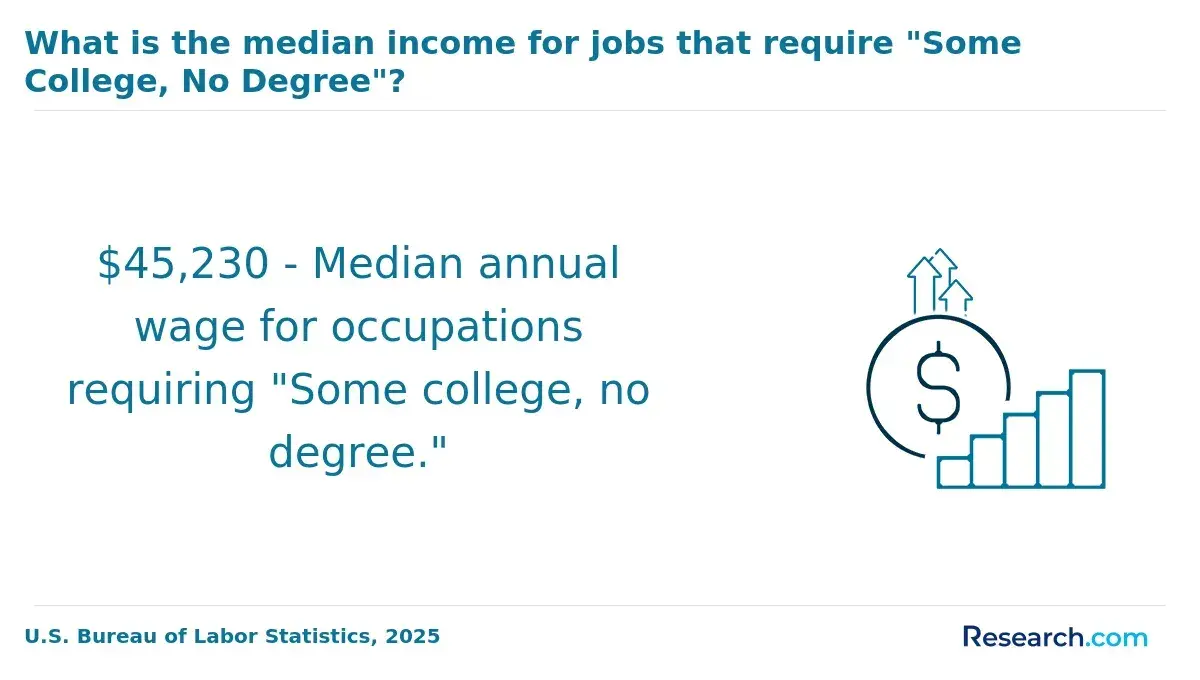
Students considering an online MFT degree should weigh the financial commitment-tuition ranges roughly from $37,800 to $47,250-against employment realities. The median annual wage for licensed marriage and family therapists, reported at $58,510, indicates a potential return on investment within the first year post-licensure but varies by geographic and clinical setting.
What are typical admission requirements and prerequisite degrees for online marriage and family therapy programs?
Admission to online marriage and family therapy master's programs typically requires a bachelor's degree in psychology, social work, human services, or a related behavioral science, with a minimum GPA near 3.0. However, candidates holding unrelated degrees-such as business or education-often face additional burdens, needing to complete prerequisite coursework in subjects like abnormal psychology and counseling theories. This extension can delay licensure eligibility and postpone workforce entry, directly affecting earning potential and career momentum.
Applicants must also provide official transcripts, two to three letters of recommendation, and a personal statement detailing relevant experience and motivation. While GRE requirements have diminished, some traditional programs still require entrance exams. Those with professional experience in mental health may bypass certain academic prerequisites, a factor for working clinicians pivoting to MFT roles.
Choosing among the more than twenty COAMFTE-accredited or licensure-track online options available in 2025 requires careful alignment with prior education and licensure ambitions. Prospective students should weigh:
- Whether prerequisite gaps will extend time and cost
- The balance between theoretical coursework and practical experience required
- How entrance examinations or additional volunteer work prerequisites might influence admission competitiveness
Strategic selection based on these factors shapes future employability and affects how quickly graduates can integrate into clinical practice. Practical readiness-not just academic qualification-remains a key criterion in the hiring process for licensed marriage and family therapists.
How long do online marriage and family therapy degrees take to complete, and what do they cost?
Marriage & family therapy programs demand significant time and financial investment, often underestimated by prospective students. Master's degrees typically require 2 to 3 years of full-time study with 600 to 1,000 supervised clinical hours, while doctoral paths extend to 4 to 6 years. Part-time pacing can reduce semester costs but delays licensure and entry into specialized roles. For example, a working professional balancing a full-time job may extend their program length substantially, impacting both immediate earnings and long-term career momentum.
Tuition varies widely, generally $25,000 to $60,000 for master's programs and often exceeding $50,000 for doctorates due to clinical and research demands. Since many programs charge per credit hour ($500 to $1,200), progressing faster can reduce total expenses, but this requires intensive scheduling not feasible for all students.
Nearly 46% of marriage and family therapists serve in outpatient and community settings, which prioritize hands-on clinical experience tailored to diverse populations. Programs embedding community mental health practicums better align graduates with employer expectations, smoothing workforce transitions. Accreditation is critical, assuring eligibility for licensure standards mandating 2,000-4,000 supervised post-degree clinical hours.
What community mental health careers can you pursue with an online marriage and family therapy degree?
Graduates with an online marriage and family therapy degree often encounter a workforce environment where licensure and supervised clinical experience fundamentally shape employability, especially in outpatient clinics, residential treatment centers, and school-based programs. Many employers expect candidates to have state licensure eligibility supported by practicum placements integrated into online curricula.
Community mental health settings typically require therapists adept at systems-based approaches for complex issues tied to trauma, poverty, and chronic illness. These roles also involve navigating heavy caseloads with limited resources, emphasizing the necessity of hands-on training in time management and interdisciplinary cooperation.
Positions in nonprofits serving veterans, foster youth, and domestic violence survivors demand cultural competence and trauma-informed care - skills often embedded in online programs' fieldwork components. However, public sector salaries tend to be 15-25% lower than private practice, though loan forgiveness programs linked to community service can partially offset this disparity.
Applicants should closely review state-specific licensure criteria since supervision hours and clinical mandates vary significantly. Choosing an online degree that fosters local agency partnerships can ease licensing hurdles and employment transitions.
Financial aid trends indicate over half of affordable accredited MFT programs provide scholarships or tuition discounts targeted at candidates entering public health sectors, as detailed in CounselingDegreesOnline's 2026 affordable MFT programs review. This alignment between funding opportunities and workforce needs is crucial for strategic educational planning.
What salary ranges and earning potential can licensed marriage and family therapists expect in community settings?
Starting salaries for licensed marriage and family therapists (MFTs) in community mental health typically range from $50,000 to $65,000, with median earnings near $60,000, according to the U.S. Bureau of Labor Statistics data from 2024. More experienced clinicians or those in leadership roles within non-profits or community agencies may reach $75,000 to $90,000, while supervisory or program management positions can surpass $100,000 but usually require additional credentials and extensive experience.
Location and agency funding are major factors influencing salary variations. Therapists in urban or state-run facilities generally earn more than those in rural or underfunded programs due to budget limitations. Candidates should carefully evaluate whether their educational program offers practicum placements aligned with community settings, as hands-on internship experiences significantly impact initial job placement and salary, often more than the choice between online, hybrid, or on-campus modalities.
Practitioners entering the field through hybrid or fully online Master of Science in Marriage & Family Therapy programs demonstrate comparable salary outcomes to traditional graduates, indicating growing acceptance of remote educational pathways. However, incremental raises and promotion opportunities in community mental health are limited, making supplemental income through private practice, specialized certifications, or grant work common strategies for financial growth.
How can you evaluate and choose a reputable online marriage and family therapy program focused on community mental health?
Selecting an online marriage and family therapy program demands prioritizing accreditation and clear licensure alignment, as statutory requirements for clinical hours and coursework differ across states, directly impacting one's ability to practice. For instance, a candidate pursuing licensure in a state with stringent in-state practicum mandates must verify that the program's internship placements suit those stipulations, avoiding costly delays in credentialing.
Programs that embed practicums within community mental health settings address workforce needs by providing exposure to underserved populations, critical for building competencies valued by employers. A sample scenario: students placed through partnerships with local nonprofits gain frontline experience in crisis intervention, which aligns tightly with employer expectations and enhances job readiness in community-based roles.
Outcome metrics such as graduation rates, licensure exam pass rates, and targeted job placements in community mental health reflect program efficacy and return on investment. Given the U.S. Bureau of Labor Statistics projects a 13% employment growth for marriage and family therapists between 2024 and 2034, outpacing average occupational growth, selecting programs with demonstrable graduate success mitigates risk in an unpredictable labor market.
Flexibility in program delivery, expert faculty with community mental health specialization, and dedicated clinical placement support are practical considerations that affect timely licensure and employment. Lack of robust online infrastructure or placement assistance often translates into extendable licensure timelines, increasing opportunity costs.
Other Things You Should Know About Marriage & Family Therapy
The state counseling or marriage and family therapy licensing board approves the program for licensure eligibility. In 2027, most boards require a COAMFTE-accredited degree or a regionally accredited degree with specific MFT coursework, plus supervised clinical hours, before you can apply for LMFT licensure.
While online programs cover theory and supervision digitally, in-person clinical experience remains essential for skill development and licensure in most states. Some programs require students to secure local practicum sites independently, which can vary widely in quality and accessibility. Choose programs with strong support networks or partnerships for clinical placements near you, as inadequate practicum opportunities can hinder licensure and limit employer appeal.
Employers increasingly accept accredited online degrees, but the program's reputation and clinical training rigor weigh more heavily in hiring decisions than delivery format. Programs offering robust, state-compliant supervised clinical hours and strong alumni networks improve job prospects. When deciding, prioritize programs with proven graduate outcomes and transparent practicum structures over purely convenience or cost factors to align with community mental health employer expectations.
References
- What Does a Licensed Marriage & Family Therapist (LMFT) Do? | Teach.com https://teach.com/careers/psychology/marriage-and-family-therapist/what-does-lmft-do/
- Online MFT Programs - Master’s in Marriage and Family Therapy Programs https://www.onlineeducation.com/counseling/mft-programs
- Fastest Way To Become A Therapist Or Licensed Counselor https://www.psychology.org/careers/fastest-way-to-become-counselor/
- LMFT Careers | Impact Modern Society and Human Well-Being https://www.tuw.edu/school-news/lmft-careers-how-impact-modern-society/
- How to Become a Marriage and Family Therapist https://onlinecounselingprograms.com/mental-health-careers/how-to-become-marriage-and-family-therapist/
- Online Ph.D. in Marriage & Family Counseling | AE.org https://academicearth.org/ph-d-in-marriage-family-counseling/
- How to Become a Marriage and Family Therapist in California https://www.pacificoaks.edu/voices/psychology/how-to-become-a-marriage-and-family-therapist-in-california/
- The 12 Best Online MFT Programs in California for 2026 (COAMFTE Accredited) - Psychology California https://psychologyca.org/masters-programs/online-mft/
- MA in Marriage/Family Therapy (Marriage/Family Therapy/PCC) https://www.umassglobal.edu/academic-programs/marriage-family-therapy-and-professional-clinical-counseling