
2027 Best Online Information Technology Courses

Co-Founder and Chief Data Scientist
Choosing an online information technology course is often the first practical step toward an IT job, a career change, or stronger technical skills in your current role. The challenge is that “IT course” can mean many different things: beginner tech support, programming basics, cybersecurity awareness, project management, web development, cloud fundamentals, or a certificate program designed for entry-level hiring. With user penetration in online learning expected to reach over 18% by 2029, online education is no longer a fringe option—but choosing the wrong course can still waste time and money.
This guide explains how to evaluate the best online information technology courses for 2027, what skills they teach, how much they cost, how long they take, and which career paths they may support. It is designed for beginners, career changers, working professionals, recruiters, business users, and students deciding whether a short IT course, certificate, boot camp, or degree program is the right next move.
Quick Answer: Are Online Information Technology Courses Worth It?
Online information technology courses can be worth it when you need targeted, job-relevant skills without committing immediately to a full degree. They are especially useful for learning IT support, troubleshooting, networking basics, cybersecurity fundamentals, programming concepts, software development workflows, and IT project management. They are not a guaranteed job offer, and they do not replace a degree for every employer or advanced role, but they can help you build a foundation, test your interest in IT, prepare for certifications, or strengthen your resume.
What are the benefits of enrolling in the best online information technology courses?
- They build practical skills for common IT roles. Strong courses focus on tasks used in real workplaces, including troubleshooting, customer support, operating systems, basic networking, security awareness, software concepts, and project coordination.
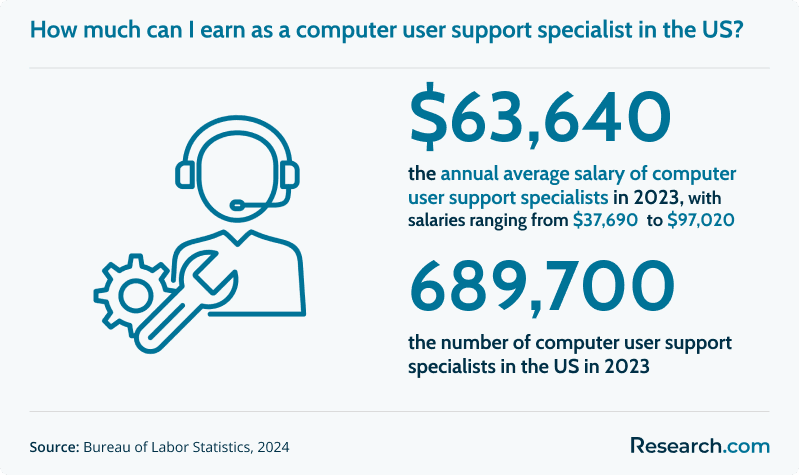
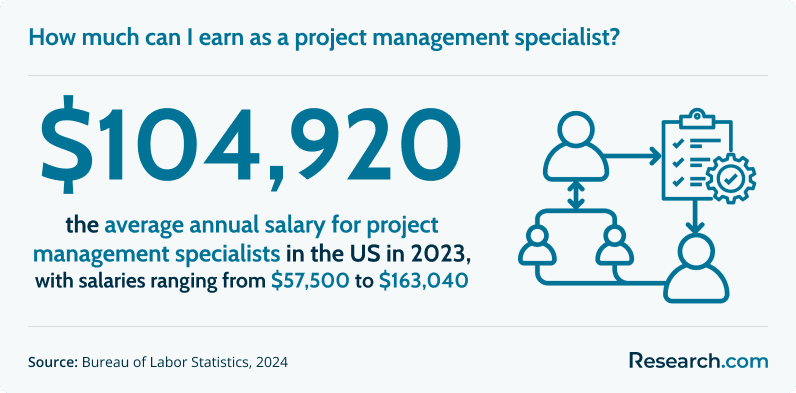
- They can support better career mobility. IT training may help learners move toward entry-level positions such as computer user support specialist or prepare for more specialized paths. Computer user support specialists earn a median annual salary of around $63,640, while project management specialists can reach over $104,920 per year.
- They offer flexibility for working adults and students. Most online IT courses are self-paced or part-time, making them easier to fit around a job, family responsibilities, or another academic program.
What can I expect from the best online information technology courses?
The best online information technology courses usually combine short lessons, demonstrations, readings, quizzes, labs, and applied assignments. Beginner courses often start with core concepts such as hardware, software, operating systems, internet infrastructure, networking, cybersecurity, and troubleshooting. More focused courses may cover programming logic, SQL, project management, web technologies, or technical support workflows.
A good course should do more than define terms. It should help you practice. Look for courses that include troubleshooting scenarios, command-line activities, coding exercises, case studies, downloadable templates, portfolio projects, or guided labs. If your goal is employment, prioritize courses that teach skills you can explain clearly in an interview and demonstrate through projects or hands-on tasks.
| Course feature | Why it matters | What to look for |
| Structured curriculum | Prevents you from learning disconnected topics with no sequence | Clear modules, weekly expectations, and stated learning outcomes |
| Hands-on practice | IT hiring often values what you can do, not only what you know | Labs, projects, troubleshooting exercises, coding tasks, or simulations |
| Assessments | Checks whether you can apply the material | Quizzes, graded assignments, capstone projects, or practice exams |
| Instructor or peer support | Helps when you get stuck in technical topics | Discussion forums, instructor Q&A, mentor support, or active communities |
| Credential or certificate | Can document completion for employers or future programs | Provider-recognized certificate, professional certificate, or exam alignment |
Where can I work after completing online information technology courses?
IT skills are used in almost every industry because organizations rely on networks, software, data, devices, cloud tools, websites, security systems, and user support. After completing beginner or intermediate online IT courses, learners may look for opportunities in technology companies, schools, hospitals, banks, insurance firms, retailers, manufacturers, government agencies, nonprofits, startups, and corporate IT departments.
The most realistic first step for many beginners is not a senior technical role. It is usually a support, help desk, junior systems, network support, technical operations, or coordinator position. From there, additional training and experience can lead toward cybersecurity, cloud administration, web development, database work, project management, or systems administration.
| Work setting | Common IT needs | Relevant course topics |
| Corporate IT departments | User support, device setup, systems access, network reliability | Technical support, operating systems, networking, troubleshooting |
| Healthcare organizations | Secure systems, digital records, compliance-aware technology use | Cybersecurity awareness, data privacy, systems support |
| Financial institutions | Security, uptime, internal platforms, controlled access | Networking, cybersecurity, IT operations, project management |
| Education and public sector | Help desk, learning systems, device support, infrastructure | Computer support, networking basics, customer service |
| Software and digital companies | Development workflows, web systems, project delivery | Programming basics, software development, web fundamentals, IT project management |
How much can I make with a certificate from the best online information technology courses?
Salary depends on the role, location, experience, employer, education level, certifications, and depth of technical skill. A certificate by itself does not guarantee a specific salary, but it can help you qualify for interviews, document training, or move into roles where additional experience raises earning potential.
Computer user support specialists average around $63,640 annually in the US. Web developers and digital designers can earn between $95,570 and $108,820 on average. Network administrators and project management specialists can exceed $100,000, while information security analysts average around $124,740 annually. These numbers show why many learners use short online IT courses as a lower-cost entry point before deciding whether to pursue a longer certificate, boot camp, associate degree, bachelor's degree, or graduate program.
- Best Online Information Technology Courses for 2027
- How long online IT courses take
- Online IT courses vs. on-campus programs
- Average cost of online information technology courses
- Financial aid and payment options
- Prerequisites for online IT courses
- Where to find reputable online IT courses
- IT skills you can develop online
- How to verify credibility and accreditation
- Using online IT courses toward an accelerated IT degree
- Whether online IT courses can lead to high-paying IT careers
- How online IT courses support cybersecurity education
- Whether online IT courses reflect current industry trends
- Challenges to consider before enrolling
- Emerging specializations supported by online IT courses
- Networking and long-term career development
- How to choose the right online IT course
- Emerging technologies changing IT work
- Career paths after online IT courses
- Job market for online IT course graduates
- Online IT courses vs. a two-year cybersecurity degree
Best Online Information Technology Courses for 2027
The courses below cover different learner goals. Some are broad introductions for beginners, while others focus on IT project management, programming concepts, cybersecurity awareness, software development, recruiting for technical roles, or technical support. Use the list as a starting point, then compare each course’s syllabus, time commitment, price, hands-on work, reviews, and credential value before enrolling.
| Course | Best for | Time commitment | Price |
| UWashingtonX’s IT Project Management | IT professionals or managers who need project delivery skills | 5 months (2 to 5 hours per week) | $672.30 |
| UPValenciaX IT Fundamentals: Programming | Business professionals who need programming literacy | 4 months (3 to 6 hours per week) | $69 (sometimes offered free) |
| UPValenciaX IT Fundamentals: Cybersecurity and Social Implications | Non-technical professionals who need cyber and ICT awareness | 3 weeks (3 to 6 hours per week) | $69 (sometimes offered free) |
| UPValenciaX IT Fundamentals: Software Development | Business users working with software teams | 3 weeks (3 to 6 hours per week) | $69 (sometimes offered free) |
| Destin Learning's Information Technology Essentials | Beginners who want a quick overview of IT concepts | ~1 week (self-paced); 4.5 hours of video | $99.99 |
| Maaike van Putten's IT for Beginners, IT for Dummies, IT for Non-IT | Absolute beginners and non-technical professionals | ~1 day (self-paced); 1.5 hours of content | $54.99 |
| Lee Jones' IT Project Management for Beginners | New IT project leads and project managers | ~1 day (self-paced); 3 hours of content | $94.99 |
| Maaike van Putten's IT for Recruiters and Talent Management Professionals | Recruiters, HR staff, and talent professionals hiring for IT roles | ~1 day (self-paced); 2.5 hours of on-demand video | $64.99 |
| Google Technical Support Fundamentals | Beginners exploring IT support | ~19 hours (self-paced) | $49 (or part of Coursera Plus for $59/month) |
| Google IT Support Professional Certificate | Learners seeking a structured entry-level IT support pathway | 6 months (10 hours per week) | $49 (or part of Coursera Plus for $59/month) |
1. UWashingtonX’s IT Project Management
UWashingtonX’s IT Project Management on edX is designed for learners who want to manage technology projects more effectively. The program introduces IT project selection, prioritization, distributed team management, project management offices, and the personal and performance competencies expected of IT project managers. It is a strong fit for professionals who already work around technology and want a more formal framework for planning, coordinating, and delivering IT initiatives. Project management specialists have a projected job growth of 7% and an average annual salary of $104,920.
- Platform: edX
- Course length: 5 months (2 to 5 hours per week)
- Price: $672.30
- Instructors: Debra Hildebrand (University of Washington); Luke Panezich (University of Washington)
2. UPValenciaX: IT Fundamentals for Business Professionals: Programming
UPValenciaX's IT Fundamentals for Business Professionals: Programming is built for non-IT professionals who need to understand how programming works well enough to collaborate with technical teams. The course covers programming logic, data structures, object-oriented programming, SQL, and web concepts such as HTML, XML, CSS, and Javascript. It is part of a five-course series aligned with the CLEP Information Systems and Computer Applications exam and is most useful for business professionals who want to write clearer requirements, evaluate technical work, or communicate more effectively with developers.
- Platform: edX
- Course length: 4 months (3 to 6 hours per week)
- Price: $69 (sometimes offered free)
- Instructors: Ignacio Despujol (Technical University of Valencia), Vincent Botti Navarro (Technical University of Valencia), Carlos Turró (Technical University of Valencia), Tanja Vos (Technical University of Valencia)
3. UPValenciaX: IT Fundamentals for Business Professionals: Cybersecurity and Social Implications
UPValenciaX's IT Fundamentals for Business Professionals: Cybersecurity and Social Implications connects everyday technology use with cybersecurity, privacy, intellectual property, cyber threats, ICT, globalization, e-commerce, and business strategy. It is a good choice for managers, analysts, entrepreneurs, and business professionals who are not becoming security engineers but need to understand the risks and responsibilities attached to digital systems. The course also introduces Web 2.0, social networks, and IT career pathways.
- Platform: edX
- Course length: 3 weeks (3 to 6 hours per week)
- Price: $69 (sometimes offered free)
- Instructors: Ignacio Despujol(Technical University of Valencia), Vincent Botti Navarro (Technical University of Valencia), Carlos Turró (Technical University of Valencia), Miguel Rebollo (Technical University of Valencia)
4. UPValenciaX: IT Fundamentals for Business Professionals: Software Development
UPValenciaX's IT Fundamentals for Business Professionals: Software Development explains how software projects are organized, built, tested, and delivered. Learners study development lifecycles, software project roles, information processing methods, user interface design, standards, tools, and methods used in development environments. This course is especially useful for product owners, business analysts, operations staff, and managers who work with software teams but do not write code full time.
- Platform: edX
- Course length: 3 weeks (3 to 6 hours per week)
- Price: $69 (sometimes offered free)
- Instructors: Ignacio Despujol (Technical University of Valencia), Vincent Botti Navarro (Technical University of Valencia), Carlos Turró (Technical University of Valencia), Tanja Vos (Technical University of Valencia)
5. Destin Learning's Information Technology Essentials
Destin Learning's Information Technology Essentials on Udemy gives beginners a compact tour of essential IT and computer science concepts. Topics include computer operations, software development ideas, networks, binary numbers, databases, cloud computing services from major vendors, security basics, HTML, website operations, computing history, and emerging technologies. Because it includes video lessons, assignments, articles, downloadable resources, and a completion certificate, it can work well as a low-pressure first course for learners deciding whether IT is a good fit.
- Platform: Udemy
- Course length: ~1 week (self-paced); 4.5 hours of video
- Price: $99.99
- Instructor: Destin Learning
6. Maaike van Putten's IT for Beginners, IT for Dummies, IT for Non-IT
Maaike van Putten's IT for Beginners, IT for Dummies, IT for Non-IT is aimed at people who hear technical terms at work but lack a clear mental model of how IT fits together. It explains the IT landscape, software construction, basic code structure, the development process, and common roles on software teams. The course is short, so it should be viewed as an orientation rather than career training, but it can be useful before taking a longer technical support, programming, or software development course.
- Platform: Udemy
- Course length: ~1 day (self-paced); 1.5 hours of content
- Price: $54.99
- Instructor: Maaike van Putten (software developer & IT trainer from Bright Boost)
7. Lee Jones' IT Project Management for Beginners: A Step-by-Step Guide
Lee Jones' IT Project Management for Beginners: A Step-by-Step Guide introduces practical project management techniques for technology work. It is intended for new project leads, early-career project managers, and professionals who want a more organized approach to planning and delivery. The course includes process examples, templates, downloadable documents, quizzes, and a completion certificate, making it most valuable for learners who want immediately usable project tools rather than a long academic overview.
- Platform: Udemy
- Course length: ~1 day (self-paced); 3 hours of content
- Price: $94.99
- Instructor: Lee Jones BSc. MSc. PMP (IT Consultant)
8. Maaike van Putten's IT for Recruiters and Talent Management Professionals
Maaike van Putten's IT for Recruiters and Talent Management Professionals helps recruiters, HR professionals, and talent managers understand the software development world well enough to screen candidates and speak credibly with hiring managers. Learners study technical terminology, software concepts, client communication, candidate conversations, and business development tactics for IT recruitment. The course also offers an option to earn a Bright Boost Basic Certification after passing an exam.
- Platform: Udemy
- Course length: ~1 day (self-paced); 2.5 hours of on-demand video
- Price: $64.99
- Instructor: Maaike van Putten (software developer & IT trainer from Bright Boost)
9. Google Technical Support Fundamentals
Google Technical Support Fundamentals is the first course in the Google IT Support Professional Certificate on Coursera. It introduces hardware, the internet, software, troubleshooting, customer service, binary systems, computer assembly, operating system installation, internet functionality, and basic application development concepts. It is a strong starting point for learners who want to understand what IT support work involves before committing to the full certificate.
- Platform: Coursera
- Course length: ~19 hours (self-paced)
- Price: $49 (or part of Coursera Plus for $59/month)
- Course Creator: Google Career Certificates
10. Google IT Support Professional Certificate
Google IT Support Professional Certificate is a broader Coursera program for learners preparing for entry-level IT support roles. It requires no prior experience or degree and covers computer assembly, wireless networking, program installation, customer service, troubleshooting, debugging, Linux, Domain Name Systems, Command-Line Interface, and Binary Code. Learners complete portfolio-ready projects and earn an employer-recognized certificate from Google. It is best for people who want a structured path rather than a single short course.
- Platform: Coursera
- Course length: 6 months (10 hours per week)
- Price: $49 (or part of Coursera Plus for $59/month)
- Course Creator: Google Career Certificates
How long does it take to complete the best online information technology courses?
Most online IT courses in this guide take anywhere from a day to several months. Short introductory courses may require only 1.5 to 4.5 hours of video, while more complete certificate programs can require months of part-time study. The real timeline depends on whether you simply watch videos or actively complete labs, assignments, notes, practice tasks, and projects.
Short courses are best for orientation or skill refreshers. Multi-course certificates are better when you want a more credible learning path for entry-level employment. Degree programs are a different commitment entirely. For example, an online information technology degree usually requires far more coursework than a standalone course, and an information technology masters online can take two years to complete.
| Learning option | Typical purpose | Time commitment | Best fit |
| Short online IT course | Explore a topic or learn one skill area | ~1 day to a few weeks | Beginners, business users, and professionals testing interest |
| Professional certificate | Build a structured entry-level skill set | A few months to 6 months | Career changers and entry-level job seekers |
| Boot camp or intensive training | Gain focused skills in cybersecurity, cloud, networking, or coding | Varies by provider | Learners who can commit to accelerated training |
| Associate, bachelor's, or master's degree | Earn a formal academic credential | Typically years of study | Students needing broad education, advancement, or degree-required roles |
How does an online information technology course compare to an on-campus program?
Online IT courses and on-campus programs can both teach valuable skills, but they serve different needs. Online courses are usually more flexible, shorter, and more focused on a defined skill set. On-campus programs typically provide a more structured academic environment, scheduled class meetings, in-person support, campus resources, and direct peer interaction.
The best choice depends on your schedule, learning style, budget, career goal, and need for structure. A working adult who needs to learn help desk basics quickly may prefer an online course. A student who wants a broader academic experience, campus networking, and a degree path may prefer an on-campus or hybrid program. If remote-friendly work is your long-term goal, IT is often considered one of the best degree for working from home areas because many technology tasks can be performed digitally.
| Factor | Online IT course | On-campus program |
| Schedule | Often self-paced or asynchronous | Usually follows fixed class times |
| Cost | Often lower for standalone courses | Usually includes tuition and campus-related fees |
| Interaction | Forums, video, messaging, virtual office hours | Face-to-face classes, labs, and campus networking |
| Credential | Certificate, completion badge, or professional certificate | Certificate, diploma, associate, bachelor's, or graduate degree |
| Best for | Upskilling, career exploration, targeted technical practice | Students seeking structure, broader education, or degree credentials |
What is the average cost of the best online information technology courses?
Online IT courses are usually less expensive than full degree programs, though costs vary by platform, course length, certificate type, and provider. Based on the courses reviewed here, the average cost is approximately $129. Prices range from $49 to around $672, with a median cost of $69. Some platforms also allow learners to audit selected courses for free, though audit access may not include graded work or a certificate.
Cost should not be judged by tuition alone. A $49 course may be a good value if it teaches the exact skill you need and includes practice. A more expensive program may be worth it if it includes a recognized certificate, structured labs, career resources, or a sequence of courses. If you are comparing short courses with longer credentials, remember that some online degrees that pay well may require a much larger investment but can provide broader academic preparation.
How to evaluate return on investment
Return on investment depends on whether the course helps you reach a specific outcome: a portfolio project, an interview-ready skill, preparation for a certification, better performance at work, or a path into a higher-paying role. For example, computer user support specialists numbered 689,700 in the US in 2023 and earn around $63,640 a year on average. A low-cost course that helps you move toward that kind of entry-level role can be financially attractive, but only if you complete the work, practice the skills, and apply them in a job search or workplace setting.
What are the financial aid options for students enrolling in best online information technology courses?
Financial aid for standalone online IT courses is different from financial aid for degree programs. Federal aid and student loans are generally tied to eligible accredited academic programs, not short non-credit courses. For the courses in this guide, the most practical options are platform-based aid, employer support, free audit access, subscriptions, discounts, and payment plans.
| Funding option | How it works | Best for |
| Platform financial aid | Coursera and edX may offer aid or scholarships for selected courses and certificates | Learners with financial need who can complete an application |
| Employer reimbursement | Your company may pay for job-related professional development | Workers using IT skills in their current or next internal role |
| Free audit option | Some platforms allow access to course content without a paid certificate | Learners who need knowledge more than a credential |
| Subscription plans | A monthly fee may unlock multiple courses on a platform | Learners taking several courses in a short period |
| Payment plans or discounts | Some providers reduce upfront cost through promotions or installments | Learners who need budget flexibility |
Before paying, ask whether the certificate is necessary for your goal. If you are exploring IT for the first time, auditing may be enough. If you need proof of completion for an employer, reimbursement program, or job application, paying for the certificate may make more sense.
What are the prerequisites for enrolling in the best online information technology courses?
Most beginner online IT courses do not require a degree, prior IT job experience, or advanced math. You generally need reliable internet access, a computer, basic comfort using email and web browsers, and enough time to practice consistently. Some programming or business IT courses may expect high-school-level math or basic spreadsheet familiarity, but introductory courses are usually designed for accessible entry.
The bigger prerequisite is self-management. Online learners need to set a study schedule, troubleshoot small technical issues independently, ask questions when stuck, and avoid passive video-watching. If you prefer more structure or want a formal academic pathway, an associate degree in information technology may be a better starting point because it typically includes foundational courses within a degree plan.
| Prerequisite | Required for most beginner courses? | Why it matters |
| Basic computer literacy | Yes | You need to navigate platforms, files, browsers, and common applications |
| Prior IT experience | No | Beginner courses usually start with fundamentals |
| Programming background | No for intro courses; sometimes helpful later | Programming-focused courses may move faster if you understand basic logic |
| Reliable internet | Yes | Video lessons, labs, quizzes, and downloads require stable access |
| Self-discipline | Yes | Without scheduled classes, progress depends heavily on your study habits |
Where can I find the best online information technology courses?
Reputable online IT courses are available through major learning platforms, universities, technology companies, and professional training providers. Coursera and edX often host courses created by universities and established organizations, including professional certificate options. Udemy offers a large marketplace of practical, self-paced courses at different price points. LinkedIn Learning is often useful for workplace upskilling and professional development.
If you are considering a longer pathway, short courses can also help you prepare for more formal programs such as an online cyber security associates degree. To understand the broader online learning landscape, the chart below shows top online education services in the US based on brand awareness.
What IT skills can I develop through the best online information technology courses?
Online IT courses can teach both broad digital literacy and job-specific technical skills. The strongest courses connect concepts to workplace tasks: diagnosing computer problems, explaining technical issues to users, understanding software teams, reading basic code, managing projects, or recognizing security risks. Like accredited self-paced online colleges, many online course platforms emphasize flexible access, but course quality depends heavily on practice opportunities and instructor design.
Foundational IT Skills
Foundational skills help you understand how computers, software, networks, and digital systems work together. They are useful for beginners, non-technical employees, and anyone preparing for a support role.
- Computer hardware and software basics: Learn what major computer components do and how software interacts with the system.
- Operating systems: Build familiarity with Windows, Linux, installation concepts, system settings, and basic administration tasks.
- Networking fundamentals: Understand basic network concepts, internet connectivity, infrastructure, and troubleshooting steps.
- Binary systems and logic: Learn why binary code matters and how computing systems represent information.
Technical Support Skills
Technical support courses prepare learners to help users solve hardware, software, access, connectivity, and workflow problems. These skills are often the most direct route into entry-level IT.
- Troubleshooting and problem solving: Use structured methods to diagnose and resolve technical issues.
- Customer service in IT: Communicate calmly and clearly with users who may be frustrated or non-technical.
- Technical communication: Translate technical details into language appropriate for users, managers, and technical teams.
- Remote support tools: Become familiar with tools and processes used to support users outside a physical office.
Web Development Basics
Web-focused IT courses can introduce the technologies behind websites and online applications. They are useful for learners considering front-end development, content operations, digital marketing, or product roles.
- HTML and CSS: Learn the core languages used to structure and style web pages.
- JavaScript fundamentals: Understand how basic interactivity works on the web.
- Website operations: Learn how websites are built, hosted, deployed, and maintained.
Cybersecurity Awareness
Cybersecurity fundamentals are valuable for every IT learner because security affects systems, users, data, networks, and business risk.
- Cybersecurity threats and risks: Identify common attack types, vulnerabilities, and unsafe practices.
- Security best practices: Learn basic protective habits and technical controls used to reduce risk.
- Data privacy principles: Understand why personal and organizational data must be handled carefully.
Project Management Fundamentals
IT project management courses help learners understand how technology work is planned, assigned, monitored, and delivered.
- Project management methodologies: Learn common approaches used to organize IT work.
- Project planning and execution: Practice defining scope, milestones, tasks, timelines, and responsibilities.
- Team collaboration in IT projects: Understand how technical and non-technical stakeholders coordinate work.
Advanced IT Specializations: Boot Camps and Further Training
After foundational courses, learners may move into more specialized training through boot camps, certification preparation, or degree programs. These pathways can deepen skills in cybersecurity, cloud, networking, data, AI, and related fields.
- Cybersecurity specializations: Options such as CISSP Training Boot Camp, CompTIA Security+ Training Boot Camp, and Ethical Hacking Dual Certification Boot Camp can support deeper preparation for security-focused roles such as information security analyst, which has an average annual salary of $124,740.
- Cloud computing and engineering: Cloud Engineering Boot Camps and Microsoft Azure Dual Certification Boot Camps focus on infrastructure, cloud platforms, and deployment skills.
- Networking and infrastructure: CCNA & CyberOps Training Boot Camp and CompTIA Network+ Training Boot Camp can help learners build toward roles such as network and computer systems administrator, which has an average annual salary of $100,580.
- Data science and AI: AI Machine Learning Boot Camps and data science programs may help learners move toward artificial intelligence, analytics, and data-focused work.
The chart below provides a pay snapshot for selected in-demand IT jobs and can help you compare where foundational training may eventually lead.
How can you verify the credibility and accreditation of online IT courses?
Not every online IT course has the same value. Some are university-backed, some are employer-created, some are taught by experienced practitioners, and others are lightly reviewed marketplace courses. Before enrolling, confirm who created the course, whether the provider is reputable, whether the instructor has relevant experience, and whether the curriculum includes current tools and hands-on practice.
For standalone courses, “accreditation” may not apply in the same way it does to colleges and universities. Instead, look for provider reputation, academic affiliation, industry recognition, certification alignment, employer relevance, and verified learner feedback. If you are comparing non-degree programming courses against degree-level study, reviewing an online computer programming degree can help you understand how formal curricula structure programming, databases, systems, and software development.
| Credibility check | What to ask | Warning sign |
| Provider reputation | Is the course offered by a known university, company, platform, or experienced trainer? | No clear provider background or contact information |
| Instructor qualifications | Does the instructor have relevant teaching or industry experience? | No bio, no professional history, or vague expertise claims |
| Curriculum detail | Are topics, projects, tools, and learning outcomes clearly listed? | Promotional promises without a real syllabus |
| Hands-on learning | Will you practice with labs, projects, or scenarios? | Only passive videos with no application |
| Credential value | Will the certificate help with your employer, job search, or next program? | Claims of guaranteed employment or inflated outcomes |
Can online IT courses pave the way for an accelerated IT degree?
Online IT courses can help you prepare for degree study, but they do not automatically shorten a degree unless the receiving institution accepts them for credit. Some courses may align with credit recommendations, exams, prior learning assessment, or transfer pathways, while others are strictly non-credit professional development. Always ask the school directly before assuming a course will transfer.
If your long-term goal is a faster academic credential, compare course content with degree requirements and admissions policies. Learners interested in a compressed path may want to review options such as an accelerated bachelor's in computer science and ask whether prior coursework, certifications, exams, or professional experience can reduce time to completion.
Can online IT courses lead to high-paying IT careers?
Online IT courses can contribute to high-paying IT careers, but usually as one part of a larger pathway. Higher-paying roles in cybersecurity, software development, data analytics, cloud, systems architecture, and project management typically require demonstrated skill, experience, certifications, portfolios, or degrees. A beginner course can start that process; it usually does not complete it.
The smart approach is to use online IT courses to build a foundation, then stack learning: complete projects, earn relevant certifications, gain entry-level experience, specialize, and keep updating skills. If your main goal is salary growth, compare possible roles, requirements, and advancement timelines using resources such as the highest paying jobs in computer science field.
How can online IT courses pave the way to advanced cybersecurity education?
Cybersecurity builds on general IT knowledge. Before learners can understand threat detection, vulnerability management, incident response, governance, or compliance, they need a basic grasp of networks, operating systems, users, permissions, software, and data. Online IT courses can provide that foundation and help learners decide whether security is the right specialization.
For advanced cybersecurity education, short courses are best used strategically: choose networking, Linux, security fundamentals, scripting, and risk management topics before moving into advanced certificates or graduate study. Learners comparing affordable advanced options may also research the cheapest online PhD in cyber security to understand how doctoral-level cybersecurity education differs from short professional courses.
Are online IT courses keeping pace with emerging industry trends?
The best online IT courses are updated regularly because tools, threats, platforms, and employer expectations change quickly. Relevant courses increasingly address cybersecurity, automation, cloud platforms, AI, data analytics, remote support, and modern software workflows. However, not every course stays current, especially older marketplace courses that are not actively maintained.
Before enrolling, check when the course was last updated, whether the tools are still used by employers, and whether the instructor references current practices. If you want to move beyond fundamentals into advanced technical areas, consider how a short course could prepare you for specialized study such as an online master's degree in artificial intelligence & machine learning.
Are there any challenges to consider when enrolling in online IT courses?
Online IT courses are convenient, but they are not effortless. Common challenges include limited live feedback, uneven course quality, outdated material, lack of lab access, weak peer interaction, and the temptation to watch videos without practicing. Technical subjects require repetition. If you do not set aside time for exercises, notes, projects, and troubleshooting, you may finish a course without being able to use the skill.
Another challenge is choosing a course that does not match your actual goal. A general IT overview may not prepare you for cybersecurity work. A short programming literacy course may not be enough for a developer portfolio. A non-credit certificate may not transfer into a degree. Learners who need a more structured route into advanced analytics or applied technical work may eventually compare options such as a master in data science online.
| Common challenge | Why it hurts progress | Better approach |
| Choosing based only on price | The cheapest course may lack practice or current content | Compare syllabus, projects, reviews, and outcomes before paying |
| Skipping hands-on work | Employers value applied skill, not passive viewing | Complete labs, build small projects, and document what you learned |
| Ignoring credential limits | Some certificates have little employer or academic recognition | Check whether the credential supports your job, certification, or degree goal |
| Starting too advanced | Jumping into complex material can lead to frustration | Begin with operating systems, networking, support, or programming basics |
| Assuming all online courses are current | Outdated tools and examples reduce workplace relevance | Look for recent updates and active instructor engagement |
What emerging specializations can online IT courses facilitate?
Online IT courses increasingly serve as entry points into specialized technology fields. After building fundamentals, learners can explore cybersecurity, cloud computing, data science, artificial intelligence, technical project management, web development, software testing, product support, and digital operations. Some learners also use IT courses to bridge into creative technical fields such as game design and development.
For example, introductory programming, web, software development, and systems courses can help learners decide whether they want a more specialized path like an online game development degree. The key is sequencing: start with core computing and programming logic, then move into engines, design tools, graphics, user experience, or interactive media if that career direction fits your goals.
How do these courses boost professional networking and long-term career development?
Online IT courses can support networking when learners actively use the available community features. Discussion boards, peer reviews, alumni groups, live webinars, cohort chats, instructor Q&A, and LinkedIn profile updates can all create professional touchpoints. The value is not automatic; you need to ask questions, share projects, request feedback, and connect with people working in areas that interest you.
Networking also helps with long-term learning. IT changes continuously, so peer communities can expose you to tools, job leads, certifications, and emerging fields you may not have considered. Professionals who combine IT with scientific or healthcare data interests may later investigate interdisciplinary options such as the online masters degree in bioinformatics.
How do you choose the best online information technology courses?
The right course is the one that matches your current level, target role, budget, schedule, and next step. A beginner trying to enter IT support needs a different course than a project manager coordinating software teams or a recruiter screening developers. Start with the outcome, then work backward to the course.
- Define the job or skill you want. Decide whether you need general IT literacy, help desk preparation, programming basics, cybersecurity awareness, project management, or a bridge into another field. If your interests combine healthcare and technology, for example, you might eventually compare pathways related to masters in health informatics jobs.
- Read the syllabus closely. Make sure the course covers the actual tools, concepts, and tasks you need. A strong syllabus should list modules, learning outcomes, assignments, and expected time commitment.
- Check for applied practice. Prioritize labs, projects, templates, troubleshooting exercises, case studies, or coding tasks over video-only courses.
- Evaluate instructor and platform credibility. Review the instructor’s background, course updates, learner reviews, and platform reputation before enrolling.
- Compare cost with value. Consider whether you need a certificate, whether auditing is enough, whether financial aid is available, and whether a subscription would be cheaper if you plan to take several courses.
- Align the course with a longer pathway. Foundational IT skills can complement adjacent fields, including health technology, analytics, cybersecurity, and administrative technology roles. If you are interested in healthcare operations, IT knowledge may pair with specialized options such as medical coding certification.
| Question to ask before enrolling | Why it matters |
| What role or skill am I targeting? | A course should solve a specific learning problem, not just sound interesting |
| Does the course include hands-on work? | Practice is essential for technical confidence and job readiness |
| Is the material current? | Outdated tools and examples can reduce career value |
| Will the certificate matter to my employer or target schools? | Not all completion certificates carry the same weight |
| Can I realistically finish it? | A shorter course you complete is more useful than a long one you abandon |
| What is my next step after this course? | Stacking courses, projects, certifications, and experience creates momentum |
Which emerging technologies are reshaping the IT landscape?
Several technologies are changing what IT professionals need to know. Artificial intelligence, machine learning, blockchain, edge computing, cloud platforms, automation, and cybersecurity tools are increasingly part of business operations. This does not mean every beginner must master all of them immediately. It does mean learners should build strong fundamentals and stay alert to how tools are changing workflows.
AI and automation are especially important because they can assist with troubleshooting, coding, documentation, monitoring, and support workflows. At the same time, they create new security, governance, and data-quality concerns. Learners who want a formal path into AI-related study may compare options such as the cheapest online master's in artificial intelligence programs.
What career paths are available for graduates of the best online information technology courses?
Online IT courses can support several career paths within the information technology sector. The most realistic path depends on your prior experience and the depth of the course. A short introductory course may help you speak more confidently about technology, while a multi-course certificate combined with practice may support entry-level applications.
| Career path | Possible starting point | Skills to build next |
| IT support | Help desk technician, computer user support specialist, technical support specialist | Troubleshooting, customer service, operating systems, networking, ticketing tools |
| Network and systems administration | Network support technician, junior systems support role | Networking, servers, Linux, Windows administration, security basics |
| Cybersecurity | Security support, IT support with security duties, monitoring assistant | Networking, threat awareness, scripting, security tools, risk management |
| Web development and digital design | Junior web assistant, content operations, front-end learner projects | HTML, CSS, JavaScript, responsive design, portfolio projects |
| IT project management | Project coordinator, technical project assistant, junior project manager | Planning, stakeholder communication, agile methods, risk tracking, documentation |
| Specialized and creative IT fields | Junior technical roles supporting digital products or media | Programming, design tools, software workflows, domain-specific training |
IT project management can be a strategic option for people who enjoy coordination, planning, and communication as much as technical systems. It exposes professionals to multiple IT domains and can lead to specialized project leadership roles. Project management specialists have average annual salaries reaching over $104,000 in the US.
Some learners use general IT courses as a bridge into creative technology. For instance, if gaming and interactive media are long-term interests, foundational computing and software concepts may help you decide whether to pursue an online degree in designing video games.
What is the job market for graduates of the best online information technology courses?
The job market is strongest for learners who combine online coursework with demonstrable skills, practice, and continued training. IT roles tied to cybersecurity, technical support, web systems, digital operations, and project delivery continue to require workers who can solve practical technology problems. Information security analyst roles are projected to grow by 33%, reflecting the importance of cybersecurity skills. Project management specialist roles are projected to grow by 7%.
Foundational roles remain important as well. Computer user support specialists are needed across industries because employees, customers, and organizations rely on digital systems. Network and computer systems administrators show a decline by 3%, but the field is still projected to have 16,400 annual job openings, suggesting that networking and infrastructure work continues to exist even as roles evolve.
The main takeaway is that online IT courses can help you enter or move within the market, but employers still look for proof. Build a small portfolio, document lab work, earn relevant certifications when appropriate, practice interviewing, and keep learning beyond the first course.
Are online IT courses a viable alternative to a two-year cybersecurity degree?
Online IT courses can be a practical alternative when you need targeted cybersecurity or IT skills quickly, but they are not a full replacement for every two-year degree. A standalone course may help you learn security basics, networking concepts, risk awareness, or a specific tool. A two-year program usually provides a broader curriculum, academic structure, general education, instructor support, and a credential that may carry more weight with some employers.
If you need speed, flexibility, and low cost, online IT courses may be the better first step. If you need a formal credential, transfer pathway, deeper academic preparation, or access to financial aid tied to an eligible program, a degree may be stronger. For a deeper comparison, read Is a 2 year cyber security degree worth it? and evaluate the choice against your career timeline, budget, and target employers.
What Graduates Say About Their Online Information Technology Courses
- I had technical experience, but I did not have a clear project management process. The online IT project management course gave me practical templates and a better way to organize work. I started using the methods immediately with my team, and it made my projects easier to track. Ben
- I wanted to move into IT without spending years in school first. Online courses let me start with a manageable cost, build confidence, and earn a certificate. That helped me explain my skills when I applied for network support roles. Gino
- My marketing role increasingly involved data, but I did not understand the technical side. Taking online IT courses in SQL and data concepts helped me pull reports and interpret results without waiting on someone else. It made me much more confident at work. Dani
Key Insights
- Online IT courses are best for targeted skill-building, career exploration, and entry-level preparation; they are not a guaranteed substitute for experience, certifications, or degrees in every role.
- The strongest courses include hands-on practice, current tools, credible instructors, clear outcomes, and a credential that matches your career or education goal.
- Course costs in this guide are relatively accessible, with an average cost of approximately $129, a range from $49 to around $672, and a median cost of $69.
- Short courses can help you learn fast, but certificates and multi-course programs usually provide a more structured route toward IT support, project coordination, cybersecurity foundations, or technical operations.
- Salary outcomes vary, but IT pathways can be financially meaningful. Computer user support specialists earn an average annual salary of $63,640 in the US, information security analysts average around $124,740 annually, and project management specialists can exceed $104,920 annually.
- Cybersecurity demand is especially strong, with information security analyst roles projected to grow by 33% from 2023 to 2033.
- Do not choose a course based only on price, brand name, or certificate wording. Match the syllabus to your target role and verify whether the credential is useful to employers or schools.
- If your goal is a degree, ask institutions directly about transfer credit or prior learning policies before assuming an online course will reduce your time to graduation.
References:
- Bureau of Labor Statistics. (2024). Computer support specialists. Retrieved January 28, 2025, from BLS.
- Bureau of Labor Statistics. (2024). Information security analysts. Retrieved January 28, 2025, from BLS.
- Bureau of Labor Statistics. (2024). Network and computer systems administrators. Retrieved January 28, 2025, from BLS.
- Bureau of Labor Statistics. (2024). Occupational employment and wages, May 2023 - 13-1082 project management specialists. Retrieved January 28, 2025, from BLS.
- Bureau of Labor Statistics. (2024). Occupational employment and wages, May 2023 - 15-1212 information security analysts. Retrieved January 28, 2025, from BLS.
- Bureau of Labor Statistics. (2024). Occupational employment and wages, May 2023 - 15-1232 computer user support specialists. Retrieved January 28, 2025, from BLS.
- Bureau of Labor Statistics. (2024). Occupational employment and wages, May 2023 - 15-1244 network and computer systems administrators. Retrieved January 28, 2025, from BLS.
- Bureau of Labor Statistics. (2024). Occupational employment and wages, May 2023 - 15-1254 web developers. Retrieved January 28, 2025, from BLS.
- Bureau of Labor Statistics. (2024). Occupational employment and wages, May 2023 - 15-1255 web and digital interface designers. Retrieved January 28, 2025, from BLS.
- Bureau of Labor Statistics. (2024). Project management specialists. Retrieved January 28, 2025, from BLS.
- Bureau of Labor Statistics. (2024). Web developers and digital designers. Retrieved January 28, 2025, from BLS.
- Statista. (2024). E-learning and digital education - Statistics & facts. Retrieved January 28, 2025, from Statista.
Other Things You Should Know About the Best Online Information Technology Courses
Yes. Many top online IT courses include preparation for certifications such as CompTIA A+, Network+, Security+, Cisco CCNA, and AWS Certified Cloud Practitioner. Some programs also align with Microsoft Azure or Google Cloud exams, giving learners a clear credential path after finishing the coursework.
Most 2027's top online IT courses require a high school diploma or equivalent and basic computer skills. Some advanced courses may require prior coursework in computer science or programming languages, such as Python or Java, to ensure participants can handle the course material effectively.


