
2027 Best Front-End Development Coding Bootcamps

Co-Founder and Chief Data Scientist
Choosing a front-end development bootcamp is really a decision about speed, cost, job readiness, and risk. You may be trying to move into tech without spending years in a degree program, or you may already know some code and want a structured path toward portfolio projects, React, and entry-level developer roles. Bootcamp-style training has become a major option for career changers, with approximately 5.43 million participants in the U.S. in 2023.
This guide explains what front-end development bootcamps teach, how much they cost, how long they take, what outcomes to expect, and how to compare programs before enrolling. It also reviews several front-end-focused bootcamps for 2027 and highlights the questions that matter most when evaluating return on investment.
Quick answer: Are front-end development coding bootcamps worth considering?
A front-end development coding bootcamp can be a practical option if you want focused, project-based training in HTML, CSS, JavaScript, responsive design, Git, and frameworks such as React. It is usually faster than a traditional computer science degree, but it is not a guaranteed job shortcut. The best candidates are self-directed learners who can build a strong portfolio, practice outside class, and evaluate bootcamp outcomes carefully before paying tuition.
What are the main benefits of completing a front-end development coding bootcamp?
- Graduates can prepare for roles such as web developer, software developer, front-end developer, and front-end engineer, depending on their portfolio, prior experience, and job market conditions.
- Entry-level front-end developers earn an average salary of around $92,000, with higher earnings possible for developers who gain experience, specialize in modern frameworks, and work in stronger tech markets.
- Many programs are available online, giving working adults and career changers more flexibility to study from home or from another location.
What should I expect from a front-end development coding bootcamp?
A front-end development coding bootcamp is an intensive training program focused on the parts of websites and applications that users see and interact with. Most programs emphasize HTML for page structure, CSS for styling and layout, JavaScript for interactivity, and a framework or library such as React or Angular for building modern user interfaces.
Expect frequent assignments, portfolio projects, code reviews, debugging practice, peer collaboration, and career preparation. Strong bootcamps usually require more than watching lessons. You should expect to build working projects, explain your code, use GitHub, practice technical interviews, and learn how to keep improving after the program ends.
Where can front-end bootcamp graduates work?
Front-end development skills are used in nearly every industry with a digital product or customer-facing website. Graduates may look for opportunities in technology companies, financial services, healthcare organizations, retail brands, education technology firms, agencies, startups, and corporate software teams.
Tech-heavy states such as California, Washington, and New York have some of the strongest concentrations of technology jobs and higher salaries. However, remote and hybrid roles have also expanded access to opportunities outside traditional tech hubs. The key is whether your portfolio, collaboration skills, and technical fundamentals match what employers are hiring for.
How much can I make after a front-end development coding bootcamp?
Front-end developer pay depends heavily on location, experience, employer type, technical stack, and the strength of your portfolio. As of March 2025, the average salary for a front-end developer in the United States is approximately $92,147 annually. Entry-level positions start at around $68,000, while more experienced developers can earn up to $124,000 per year.
Salary platforms report different averages because they use different data sources, job titles, and compensation definitions. As of March 2025, reported front-end developer pay includes:
- ZipRecruiter: approximately $110,412 per year for front-end developers.
- Indeed: average base salary of $114,377 per year for front-end developers.
- Salary.com: average annual range from $106,922 to $130,083, with a median of $119,224.
- Glassdoor: total pay range of $88,000 to $160,000 per year, with a median total pay of $117,000.
- Top Front-End Development Coding Bootcamps for 2027
- How long does it take to complete a front-end development coding bootcamp?
- How does an online bootcamp compare to an in-person bootcamp?
- What is the average cost of a front-end development coding bootcamp?
- What financial aid options are available for front-end development bootcamps?
- What are the prerequisites for enrolling in a front-end development coding bootcamp?
- What courses are usually included in a front-end development coding bootcamp?
- What specializations are available in front-end development bootcamps?
- How do bootcamp outcomes compare to traditional computer science degrees?
- What questions should I ask before enrolling in a front-end development coding bootcamp?
- How should I choose the best front-end development coding bootcamp?
- What career paths are available after a front-end development coding bootcamp?
- What is the job market for front-end development bootcamp graduates?
- What challenges might graduates face after a front-end development coding bootcamp?
- Is a front-end development bootcamp a sound investment?
- How can I assess the quality of a front-end development coding bootcamp?
- What are alternative pathways to advance your tech career?
- Can additional certifications improve career prospects?
- Do bootcamps teach secure front-end development practices?
Top Front-End Development Coding Bootcamps for 2027
How should readers interpret this bootcamp list?
This list is designed to help prospective students compare front-end-focused programs by cost, format, duration, and curriculum focus. It should not replace your own due diligence. Before enrolling, confirm current tuition, refund policies, financing terms, job placement definitions, schedule expectations, and whether the program fits your experience level.
Research.com ranking and program review work uses a documented methodology developed through research and data analysis. For higher education information, sources may include the IPEDS database from the National Center for Education Statistics, Peterson's database, and the College Scorecard database. Bootcamp research also requires checking provider disclosures directly because many bootcamps are not reported in the same way as accredited colleges.
| Bootcamp | Cost | Duration | Format | Best fit |
| Turing School – Front-End Engineering | $20,000 | 7 months | Online | Students seeking a full-time, immersive front-end engineering program |
| General Assembly – Front-End Web Development | $4,500 | 10 weeks | In-person or Online | Learners who want a shorter part-time course focused on core front-end skills |
| Coding Temple – Front-End Development | $15,995 | ~4 months full-time or ~6 months part-time | Online | Students who want mentorship, schedule options, and career support |
| The Tech Academy – Front-End Web Developer Bootcamp | $9,000 full-time / $11,974 part-time | 8 weeks full-time or 14 weeks part-time | Online or In-Person | Learners who want front-end training plus development workflow basics |
| Nucamp – Front-End Web + Mobile Development | $1,480 | 17 weeks | Online Hybrid | Working adults looking for a lower-cost part-time option |
| SheCodes – Online Front-End Workshops | ~$1,590 | 4 months accelerated up to 1 year flexible part-time | Online | Women-focused learners who prefer self-paced workshops with support |
| Udacity – Front-End Web Developer Nanodegree | ~$846 | ~4 months | Online | Self-directed learners who want portfolio projects and code reviews |
| Skillcrush – Front-End Developer + React Blueprint | ~$699 | ~3–4 months | Online | Beginners who want a flexible front-end and React pathway |
| OpenClassrooms – Front-End Developer Path | ~$300 per month, approx. $3,000–$4,500 total depending on pace | 6–12 months | Online | Students who value weekly mentor guidance and project-based assessment |
| Kenzie Academy – Front-End Web Development | ~$10,000 | 6 months | Online | Learners interested in a structured program with apprenticeship-style experience |
Turing School – Front-End Engineering
Turing School offers a 7-month, full-time front-end engineering program centered on client-side development. Students work deeply with HTML, CSS, advanced JavaScript, and React through an immersive project-based curriculum. The program is known for transparent outcomes as a CIRR member and includes career support for students pursuing developer positions.
- Cost: $20,000
- Duration: 7 months (full-time)
- Format: Online (remote immersive)
General Assembly – Front-End Web Development
General Assembly provides a 10-week, part-time course focused on creating responsive and interactive websites with HTML, CSS, and JavaScript. The evening schedule is designed for students who want targeted front-end training without committing to a longer software engineering bootcamp. Learners complete hands-on projects and study with instructors who have industry experience.
- Cost: $4,500
- Duration: 10 weeks (part-time evenings)
- Format: In-person or Online (live instruction)
Coding Temple – Front-End Development
Coding Temple offers a front-end development bootcamp with HTML/CSS, JavaScript frameworks, mentorship, and career support. The program can be completed full-time or part-time and includes a job guarantee. Students who need structured support and flexible scheduling may find this format appealing.
- Cost: $15,995
- Duration: ~4 months (full-time) or ~6 months (part-time)
- Format: Online (live + self-paced blend; full-time or flex schedule)
The Tech Academy – Front-End Web Developer Bootcamp
The Tech Academy teaches HTML, CSS, JavaScript, computer science basics, version control, and Agile/Scrum workflows. Full-time learners can finish in about 8 weeks, while part-time learners can complete the program in 14 weeks. The program includes career coaching and job placement assistance for students targeting entry-level front-end roles.
- Cost: $9,000 (full-time) / $11,974 (part-time)
- Duration: 8 weeks (full-time) or 14 weeks (part-time)
- Format: Online or In-Person (Denver, Portland, Seattle, etc.)
Nucamp – Front-End Web + Mobile Development
Nucamp runs a 17-week part-time program covering front-end web fundamentals and mobile user interface development. Students study HTML, CSS, JavaScript, Bootstrap, and React Native while attending weekly instructor-led workshops. Its lower price and evening/weekend rhythm make it a practical option for working adults.
- Cost: $1,480
- Duration: 17 weeks (part-time)
- Format: Online Hybrid (self-paced study + weekly live sessions)
SheCodes – Online Front-End Workshops
SheCodes provides women-focused online workshops that move from coding fundamentals into front-end development. The SheCodes Pro curriculum covers HTML, CSS, JavaScript, and React, with real projects built throughout the program. Lessons are self-paced at about 5 hours/week and include technical support and an online community.
- Cost: ~$1,590 (package pricing for Pro course)
- Duration: 4 months (accelerated) up to 1 year (flexible part-time)
- Format: Online, self-paced (weekly deadlines with mentor support)
Udacity – Front-End Web Developer Nanodegree
Udacity offers a self-paced online Nanodegree that emphasizes front-end fundamentals, best practices, and portfolio-ready projects. Students complete work in HTML, CSS, and JavaScript, including dynamic websites and single-page apps. The program includes personalized code reviews, project feedback, mentor support, forums, and career resources.
- Cost: ~$846 (typical 4-month bundle)
- Duration: ~4 months (at your own pace)
- Format: Online, self-paced (with mentor feedback and forums)
Skillcrush – Front-End Developer + React Blueprint
Skillcrush is a beginner-friendly online program for career changers and learners who want a flexible front-end pathway. The curriculum covers HTML, CSS, JavaScript, Git/GitHub, and React. Students receive project-based instruction, 1-on-1 instructor Q&As, community access, and career preparation modules. Skillcrush reports an over 90% job placement rate for its career track graduates.
- Cost: ~$699 (Front-End + React track)
- Duration: ~3–4 months (flexible pace)
- Format: Online, self-paced (open enrollment with mentorship and career coaching)
OpenClassrooms – Front-End Developer Path (JavaScript React)
OpenClassrooms uses a project-based model with weekly one-on-one mentor sessions. Students complete real-world projects involving responsive websites, React applications, API integration, accessibility, testing, and agile development practices. The program includes a job guarantee: graduates who do not find a job within 6 months receive a full tuition refund.
- Cost: ~$300 per month (approx. $3,000–$4,500 total, depending on pace)
- Duration: 6–12 months (self-paced, mentor-guided)
- Format: Online, self-paced with weekly 1:1 mentorship
Kenzie Academy – Front-End Web Development
Kenzie, now part of SNHU, offers a 6-month front-end program that teaches HTML, CSS, JavaScript, and React. The program has emphasized employer-connected experience and an apprenticeship model in which students work on actual client projects through Kenzie’s in-house consultancy. Graduates receive a joint certificate with Butler University and can access career placement services.
- Cost: ~$10,000 (income-share and financing options available)
- Duration: 6 months (full-time)
- Format: Online (live immersive classes + apprenticeship)
How long does it take to complete a front-end development coding bootcamp?
Most front-end development bootcamps last from about 10 weeks to several months. Shorter programs usually focus on core web skills, while longer immersive bootcamps often include deeper JavaScript, React, testing, collaboration workflows, and career coaching.
For example, Turing School offers a 7-month full-time program focused on client-side engineering with HTML, CSS, JavaScript, and React. General Assembly offers a 10-week part-time front-end course for students balancing learning with other commitments. Coding Temple provides full-time and part-time options lasting about 4 to 6 months. These examples from some of the best programming bootcamps show how much timelines can vary by intensity and schedule.
| Program pace | Typical timeline | Best for | Trade-off |
| Full-time immersive | 8 weeks to 7 months | Students who can pause or reduce work commitments | Faster progress, but heavier workload and less schedule flexibility |
| Part-time live | 10 weeks to 6 months | Working adults who need structured class times | More manageable, but career transition may take longer |
| Self-paced | ~3–12 months | Independent learners with strong discipline | Flexible and often cheaper, but requires more self-accountability |
| Mentor-guided online | 6–12 months | Students who want flexibility plus regular feedback | Useful support, but total cost may rise if pricing is monthly |
How does an online bootcamp compare to an in-person bootcamp?
Online and in-person front-end bootcamps can both lead to strong learning outcomes when the curriculum is current, projects are substantial, and students receive meaningful feedback. The better choice depends on your schedule, learning style, budget, and need for in-person accountability.
Online bootcamps are often better for learners who need location flexibility, work full-time, or prefer self-paced study. In-person bootcamps may be better for students who learn best through live classroom interaction, immediate instructor access, and local networking.
| Factor | Online bootcamp | In-person bootcamp |
| Flexibility | Usually stronger, especially for remote or self-paced formats | Lower, because students must attend at set times and locations |
| Accountability | Depends on live sessions, mentor check-ins, and deadlines | Often stronger because of classroom structure |
| Networking | Can be effective through Slack, Discord, alumni groups, and virtual events | May provide easier local peer and employer connections |
| Cost considerations | May reduce commuting and relocation costs | May add transportation, housing, or lost-work costs |
| Employer perception | Increasingly accepted when projects and skills are strong | Still valuable, especially when tied to local hiring networks |
Employers typically care less about the delivery format and more about whether you can build accessible, responsive, maintainable interfaces; collaborate with others; and explain your technical decisions.
What is the average cost of a front-end development coding bootcamp?
Front-end development bootcamp prices vary widely, from about $1,500 to over $20,000. Lower-cost programs may offer self-paced lessons or part-time hybrid learning, while higher-cost programs often include immersive instruction, deeper career services, or longer timelines.
Nucamp’s Front-End Web + Mobile Development bootcamp costs $1,480, making it one of the lower-priced options in this list. Turing School’s Front-End Engineering program costs $20,000. General Assembly’s Front-End Web Development course costs $4,500. Price differences often reflect program length, instructor access, career support, curriculum depth, and whether the program is full-time or part-time.
Cost factors to compare before enrolling
- Tuition only vs. total cost: Include equipment, software, internet, exam fees, commuting, childcare, and lost income.
- Refund terms: Read withdrawal deadlines and refund policies before signing.
- Financing structure: Compare upfront payment, monthly plans, loans, deferred tuition, and income share agreements.
- Career support: Determine whether the program includes coaching, portfolio reviews, mock interviews, employer introductions, and alumni access.
- Time to job search: A short bootcamp may still require months of additional portfolio building and applications after graduation.
What financial aid options are available for front-end development bootcamps?
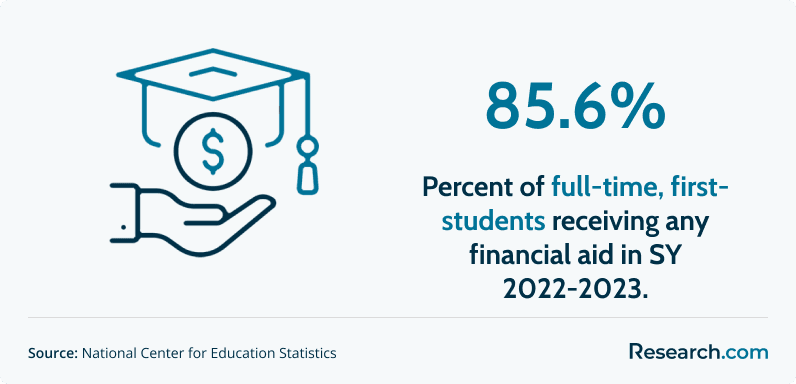
Bootcamp financing differs from traditional college financial aid. In 2022-23, 85.6% of full-time, first-time students received some form of financial aid, but bootcamps may not qualify for the same federal aid structures as accredited degree programs. Always confirm eligibility directly with the provider.
- Scholarships and grants: Some bootcamps provide awards for women, veterans, low-income learners, or groups underrepresented in technology. These funds usually do not require repayment.
- Income Share Agreements: An ISA allows students to pay a share of future income after employment, but terms can be complex. Review payment caps, income thresholds, duration, and job-qualification definitions.
- Private loans: Some lenders finance coding bootcamps and may offer deferred payments. Compare interest rates, repayment timelines, and total repayment cost.
- Employer sponsorship: Working professionals may be able to use tuition reimbursement when front-end skills support their current role or a planned internal move.
- GI Bill and veteran benefits: Veterans and service members may be able to use benefits for approved bootcamps, including programs approved for VET TEC or other veteran education pathways.
If you want a more traditional academic route with broader institutional aid options, you may also compare bootcamps with related degree programs, such as top database management degree programs.
What are the prerequisites for enrolling in a front-end development coding bootcamp?
Many front-end bootcamps are beginner-friendly, but beginner-friendly does not mean easy. Common expectations include basic computer literacy, comfort learning new tools, problem-solving ability, and enough time to practice outside scheduled instruction. Some programs also expect introductory knowledge of HTML, CSS, or JavaScript.
Compared with programs such as the best bootcamps for data science, front-end bootcamps are often less math-intensive. However, they still require persistence with debugging, logical thinking, and repeated practice.
In the 2021-22 academic year, approximately 34,800 associate degrees were conferred in computer and information sciences and support services. That figure reflects strong student interest in fields connected to web development, software, and information technology.
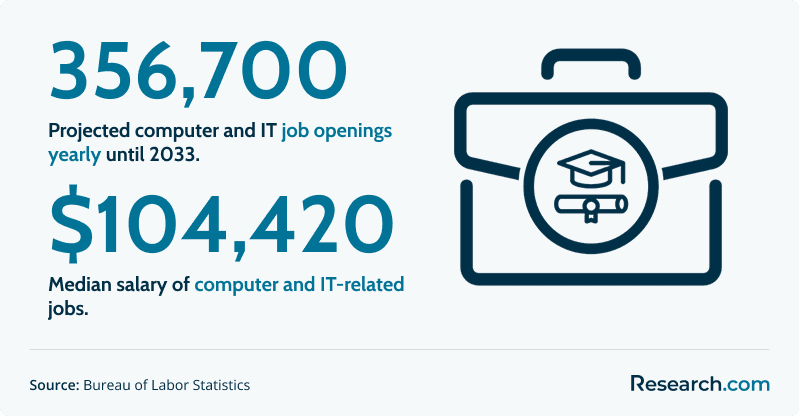
Some bootcamps require a pre-course tutorial, readiness assessment, admissions interview, or coding challenge. These steps help confirm that incoming students can keep up with the pace of the program. Graduates also enter a technology labor market with 356,700 openings projected each year until 2033.
What courses are usually included in a front-end development coding bootcamp?
Most front-end bootcamps are built around the skills needed to create responsive, interactive, accessible websites and web applications. The strongest programs connect each course topic to practical projects, not just isolated exercises.
| Course area | What students learn | Why it matters |
| HTML & HTML5 | Page structure, semantic markup, forms, media, and document organization | HTML is the foundation of accessible, well-structured websites |
| CSS & Advanced CSS | Styling, layouts, Flexbox, Grid, animations, and responsive techniques | CSS controls how interfaces look and adapt across devices |
| JavaScript & ES6+ | Programming logic, DOM manipulation, functions, arrays, objects, asynchronous code, and ES6 features | JavaScript adds interactivity and powers modern front-end applications; Statista reported an advanced-level proficiency score of 78 for ES6+ skills in 2024 |
| Responsive Design | Mobile-first layouts, media queries, flexible images, and cross-device testing | Users expect websites to work on phones, tablets, laptops, and desktops |
| React.js | Components, state, props, JSX, routing, and application structure | React is widely used for modern user interfaces and front-end roles |
| Version Control with Git | Git workflows, commits, branches, pull requests, and GitHub hosting | Version control is essential for collaboration and professional development teams |
| Bootstrap | Prebuilt components, responsive layouts, and rapid prototyping | Frameworks can speed up front-end development when used appropriately |
What specializations are available in front-end development bootcamps?
Some bootcamps offer a general front-end curriculum, while others let students concentrate on specific tools or practices. Specialization is useful when it matches your target jobs, but it should not come at the expense of core HTML, CSS, JavaScript, accessibility, and debugging skills.
- JavaScript frameworks: Training in React, Angular, or Vue.js for building more complex user interfaces.
- Mobile-responsive design: Techniques for making websites work well on different screen sizes, often using CSS frameworks such as Bootstrap and Foundation.
- UX/UI design: A blend of design thinking and front-end implementation focused on usability, visual hierarchy, and user flows.
- Performance optimization: Strategies for faster page loads, including image optimization, CSS and JavaScript minification, caching, and efficient rendering.
- Accessibility and web standards: Practices for building websites that work for users with disabilities and comply with accepted web standards.
Students who want deeper technical preparation after a bootcamp may also consider academic options such as the best masters in computer science without CS undergrad, especially if they plan to move into more advanced software engineering or technical leadership roles.
How do bootcamp outcomes compare to traditional computer science degrees?
Bootcamps and computer science degrees serve different purposes. A front-end bootcamp is usually shorter, more applied, and more focused on job-ready web development skills. A computer science degree is broader and typically includes theory, algorithms, systems, math, software design, and academic credentials that may matter for certain employers or advanced roles.
| Path | Strengths | Limitations | Best for |
| Front-end bootcamp | Fast timeline, practical projects, focused tools, career-change structure | Less theory, variable quality, job outcomes depend heavily on portfolio and market conditions | Learners targeting entry-level web development roles quickly |
| Computer science degree | Broader foundation, stronger academic recognition, long-term flexibility | Longer and often more expensive; may include less direct portfolio coaching | Students seeking broad software, systems, research, or advanced technical pathways |
| Bootcamp plus degree | Combines applied skills with academic depth | Requires more time and financial planning | Learners who want immediate skills and long-term credential strength |
Some students combine bootcamp training with further study, such as the fastest way to get a computer science degree, to balance short-term job preparation with broader academic foundations.
What questions should I ask before enrolling in a front-end development coding bootcamp?
Before signing an enrollment agreement, ask questions that reveal quality, cost, support, and realistic outcomes. The answers should be specific, documented, and easy to verify.
| Question to ask | Why it matters |
| How do you calculate job placement rates, and what were the results for recent cohorts? | Placement claims are only useful if definitions, timeframes, exclusions, and job types are transparent. |
| Who teaches the curriculum, and what professional front-end experience do they have? | Instructor quality affects code feedback, real-world context, and interview preparation. |
| How many portfolio projects will I complete, and what technologies will they use? | Employers need evidence that you can build and explain working applications. |
| What support continues after graduation? | Resume edits alone are not enough; strong programs may offer mock interviews, networking, alumni groups, and job-search coaching. |
| What happens if I fall behind? | Clear policies for tutoring, extensions, repeats, and withdrawal can reduce academic and financial risk. |
| Are there partnerships with related institutions or programs, such as online game design programs? | Related pathways may help students broaden technical skills or specialize after gaining front-end fundamentals. |
How should I choose the best front-end development coding bootcamp?
The best bootcamp is the one that fits your current skill level, career goal, schedule, budget, and learning style. This is especially important for students asking, I have a computer science degree, now what? A bootcamp can help degree holders gain practical front-end experience, but it should fill a clear skills gap.
- Audit the curriculum: Confirm that the program covers HTML, CSS, JavaScript, responsive design, Git, accessibility, APIs, and at least one relevant framework such as React or Angular.
- Review project depth: Look for portfolio projects that resemble real work, including debugging, deployment, documentation, and collaboration.
- Verify instructor experience: Choose programs where instructors or mentors have current professional development experience.
- Check outcomes carefully: Ask for recent placement data, salary ranges, job titles, and how the bootcamp defines a successful outcome.
- Match the schedule to your life: A full-time immersive program may be unrealistic if you cannot reduce work or family obligations.
- Compare front-end and full-stack options: If you want broader web development skills, review top coding bootcamps for full stack web development before committing to a front-end-only track.
Common mistakes to avoid when choosing a bootcamp
| Mistake | Better approach |
| Choosing only by brand name | Compare curriculum, instructor support, outcomes, and student work samples. |
| Looking only at tuition | Calculate total cost, including financing fees, lost income, equipment, and job-search time. |
| Assuming a bootcamp guarantees employment | Ask how guarantees work, what jobs qualify, and what conditions students must meet. |
| Ignoring portfolio quality | Prioritize programs that require deployed projects, code reviews, and GitHub activity. |
| Skipping admissions readiness | Practice basic HTML, CSS, and JavaScript before enrollment so the first weeks are not overwhelming. |
What career paths are available after a front-end development coding bootcamp?
Front-end bootcamp graduates commonly pursue entry-level web and software roles, although job title, salary, and seniority depend on the employer, market, portfolio, and prior experience. Some graduates stay close to front-end development, while others move toward UX, full-stack development, or software engineering over time.
- Web Developer: Builds and maintains websites, often using front-end and sometimes back-end technologies. Average salary is about $100,076 per year.
- Flash Developer: Creates interactive web content using Adobe Flash. This role is less common today, but reported average salary is $96,281 per year.
- Ruby on Rails Developer: Develops web applications with Ruby on Rails and may handle both back-end and front-end tasks. Expected average salary is around $95,617 per year.
- Senior Software Engineer: Leads or contributes to complex software projects and may work on architecture, code quality, and team coordination. Salaries average around $114,494 per year.
- User Experience Manager: Oversees UX strategy, interface quality, user flows, and product experience. Salaries average $115,443 per year.
Graduates who want to move beyond entry-level front-end work may later compare bootcamp training with graduate study options, including the cheapest Masters in Computer Science.
The chart below compares potential earnings across several related technology roles.
What is the job market for front-end development bootcamp graduates?
The job market for front-end bootcamp graduates is competitive but active. Businesses continue to need websites, applications, design systems, accessible interfaces, and digital customer experiences. Recent data shows an expected growth rate of 13% for front-end developers, which is stronger than many occupations. Students should also understand the broader programming field, including what does a computer programmer do, because job titles and responsibilities often overlap.
Related roles show different demand patterns. Flash development and Ruby on Rails development also show a growth rate of 13%, senior software engineering roles are projected to grow at 21%, and User Experience Manager roles show a growth rate of 10%. These figures point to opportunity, but they do not remove the need for strong projects, interview preparation, and consistent job-search effort.
For some students, the comparison becomes bootcamp versus degree. Asking Is a computer science degree worth it? can help clarify whether you need a fast skills pathway, a broader credential, or both.
The chart below illustrates relative demand across these roles.
What are alternative pathways to advance your tech career?
A front-end bootcamp is only one route into technology. Depending on your goals, you may be better served by a degree, certificate, employer training, apprenticeship, freelance project path, or specialized program. For example, professionals interested in healthcare technology may compare front-end training with domain-specific options such as cheapest online nursing informatics programs.
When comparing alternatives, focus on curriculum relevance, hands-on project requirements, accreditation where applicable, employer recognition, cost, and whether the pathway supports the roles you actually want.
Can additional certifications improve career prospects?
Additional certifications can help when they support a clear career goal, but they should not distract from building real projects. Front-end graduates may consider credentials or structured training in UX, accessibility, cloud platforms, testing, or advanced JavaScript frameworks after they have a solid foundation.
Use labor market evidence and compensation data carefully when deciding whether another credential is worth the investment. Comparing fields and salary patterns, including resources such as masters in biotechnology salary, can help you think more critically about how credentials affect career options in different industries.
Do bootcamps teach secure front-end development practices?
Front-end developers need basic security awareness because user interfaces interact with forms, APIs, authentication flows, third-party scripts, and user data. Strong bootcamps should introduce secure coding habits, even if they are not cybersecurity programs.
Ask whether the curriculum covers HTTPS, secure API usage, cross-site scripting prevention, safe handling of user input, authentication basics, and common browser security concerns. Students who want deeper security expertise may explore the cheapest online master's in cyber security.
What do graduates say about front-end development coding bootcamps?
- My front-end bootcamp changed the direction of my career. The projects felt close to real workplace problems, and I had to improve both my coding and my problem-solving. That hands-on practice helped me move quickly, and I found a job within a month of finishing. Marlon
- The online format made the program possible while I was still working full-time. Even though the class was remote, the collaboration with instructors and classmates felt active and personal. It gave me the structure and confidence I needed to keep growing in tech. Priya
- I was unsure whether a bootcamp would be enough, but the organized lessons and mentor support made a major difference. The work was demanding, but building functional websites from scratch was motivating and practical. Elise
What challenges might graduates face after a front-end development coding bootcamp?
Graduation is not the finish line. New developers often need more practice with larger codebases, team workflows, testing, accessibility, performance, and production debugging. They may also face a competitive entry-level job market where employers expect strong portfolios and clear communication skills.
Common post-bootcamp challenges include keeping up with new JavaScript tools, translating bootcamp projects into employer-ready portfolio pieces, passing technical interviews, and gaining experience beyond tutorial-style assignments. Alumni support, mentorship, open-source contributions, freelance work, internships, and continued learning can help bridge the gap. Comparing this pathway with another field, such as a health informatics career, can also help you think strategically about long-term fit.
Is a front-end development bootcamp a sound investment?
A front-end development bootcamp can be a sound investment if it gives you marketable skills, a credible portfolio, career support, and enough structure to make progress faster than studying alone. It may be a poor investment if you choose a program without verifying outcomes, take on unaffordable debt, or expect a guaranteed job without substantial independent effort.
To evaluate ROI, compare tuition, financing costs, time commitment, likely job-search timeline, current income, opportunity cost, and the quality of your expected portfolio. Some learners may decide that a bootcamp is the right short-term step, while others may prefer deeper academic preparation through options such as an affordable online master's in artificial intelligence.
How can I assess the quality of a front-end development coding bootcamp?
Quality depends on more than a polished website. Look for a current curriculum, experienced instructors, meaningful code reviews, substantial projects, realistic admissions standards, transparent outcomes, and career support that continues after graduation.
Ask to see student projects, sample schedules, instructor bios, employer partnerships, placement reports, refund policies, and financing terms. Also compare bootcamp value against other educational investments. For example, reviewing the cheapest online data science masters can give you a benchmark for how cost, credential value, and career outcomes differ across tech education pathways.
Key Insights
- Front-end development bootcamps are best for learners who want focused, project-based training in HTML, CSS, JavaScript, responsive design, Git, and React or similar frameworks.
- Program length varies widely, from about 10 weeks to several months, so the right pace depends on your work schedule, learning style, and ability to practice outside class.
- Costs range from about $1,500 to over $20,000, making total cost, financing terms, refund policies, and job-search time essential parts of the ROI calculation.
- As of March 2025, the average salary for a front-end developer in the United States is approximately $92,147 annually, with entry-level positions starting at around $68,000 and experienced developers earning up to $124,000 per year.
- Online bootcamps can be as useful as in-person programs when they include live support, feedback, portfolio projects, and career coaching; delivery format matters less than outcomes and skill development.
- Do not rely only on rankings, testimonials, or job guarantees. Ask for recent cohort outcomes, placement definitions, instructor qualifications, project examples, and post-graduation support details.
- A bootcamp can accelerate a career shift, but long-term success depends on continued practice, a strong portfolio, interview preparation, networking, and the ability to learn new tools after graduation.
References:
- Bureau of Labor Statistics. Occupational Employment and Wage Statistics.
- Bureau of Labor Statistics. Software Developers.
- Bureau of Labor Statistics. Web Developers and Digital Designers.
- National Center for Education Statistics. IPEDS Trend Generator.
- Statista. Boot Camp Style Training Participants US.
- Statista. Average Skill Proficiency of Frontend Developers.
- Zippia. Developer Jobs.
- Zippia. Flash Developer Jobs.
- Zippia. Front-End Developer Jobs.
- Zippia. Ruby on Rails Developer Jobs.
- Zippia. Salaries for Front-End Developers.
- Zippia. Senior Software Engineer Jobs.
- Zippia. User Experience Manager Jobs.
Other Things You Should Know About Front-End Development Coding Bootcamps
In 2027, the best front-end development coding bootcamps offer a variety of financial aid options. These include income share agreements, deferred tuition plans, scholarships, and loan assistance. These options provide flexibility for learners to finance their education, aligning with diverse financial circumstances.
The best front-end development coding bootcamps in 2027 offer flexible schedules, including part-time, evening, or weekend options. Many provide online learning platforms, allowing students to balance current jobs while gaining new skills, and engagement with mentors or classmates is often available outside of standard working hours.
Most reputable bootcamps provide extensive career support services, which include resume workshops, interview preparation, and networking opportunities with potential employers. They often have partnerships with tech companies and a strong alumni network that can facilitate job placements. Additionally, some bootcamps offer job guarantees, refunding tuition if the graduate does not find a job within a specified period after completion.
The best 2027 front-end development coding bootcamps ensure their curriculums are aligned with industry standards by incorporating the latest technologies and frameworks such as React, Angular, and Vue.js. Additionally, they employ instructors with current industry experience and offer regular updates to course materials to reflect emerging innovations.


