2027 Online Digital Photography Degrees With Visual Storytelling Coursework

Co-Founder and Chief Data Scientist
Choosing an online digital photography degree now means deciding whether a creative credential can also prepare you for a changing visual media market. The U. S. Bureau of Labor Statistics reported a $42,520 median annual wage for photographers in May 2024, but earnings vary widely by specialty, portfolio quality, business skills, and location. This guide is for students comparing online programs, career changers building a portfolio, and working creatives who need stronger storytelling skills. You'll learn how programs work, what they cost, which schools offer accredited options, and how to judge whether the degree fits your goals.
Key Things You Should Know
- Online digital photography degrees are best for students who want structured portfolio development, visual storytelling practice, editing workflows, and business training rather than camera skills alone.
- College Board's 2024 pricing data shows published tuition and fees averaged $11,610 for in-state public four-year students and $43,350 at private nonprofit four-year institutions for 2024-25, so transfer credits and total program cost matter.
- BLS May 2024 wage data places photographers at a $42,520 median annual wage, while related visual media roles such as art directors and film/video editors can pay more but usually require stronger portfolios, experience, and specialized software skills.
What is an online digital photography degree with visual storytelling coursework?
An online digital photography degree is a college program that teaches image-making, digital editing, lighting, composition, visual communication, and professional portfolio development through remote coursework. When the curriculum includes visual storytelling, the program goes beyond single-image technique and trains students to build photo essays, editorial narratives, brand campaigns, documentary sequences, and multimedia projects with a clear audience and purpose.
Students considering a photography degree online should look for more than a list of camera classes. Strong programs connect technical skill with narrative intent, because many employers and clients now expect photographers to plan, shoot, edit, caption, publish, and sometimes distribute visual content across digital platforms.
Common degree levels include associate degrees, bachelor's degrees, and master's degrees. An associate degree can help with entry-level skills and transfer preparation. A bachelor's degree is typically the most complete option for students who want a broad studio, art, communication, and business foundation. A master's degree usually fits experienced photographers, educators, artists, or visual communicators who want advanced critique, conceptual development, or leadership preparation.
This type of degree may be worth considering if you want accountability, instructor critique, access to structured assignments, and a finished portfolio. It may not be the best investment if you only need to learn one camera system, one editing tool, or a narrow skill for a hobby or side project. In those cases, a certificate, workshop, community college course, or targeted software training may be more cost-effective.
The table below summarizes how common degree levels differ. Use it to match the credential to your current experience and career goal rather than choosing the longest or most expensive option by default.
| Degree level | Typical focus | Best fit | Decision note |
| Associate degree | Camera fundamentals, editing basics, composition, introductory portfolio work | Beginners, transfer students, career explorers | Often lower cost, but may not provide enough depth for competitive creative roles by itself |
| Bachelor's degree | Advanced digital photography, visual storytelling, art history, lighting, business, portfolio development | Students seeking a full undergraduate credential and stronger career preparation | Usually the most versatile option for creative, commercial, editorial, and media paths |
| Master's degree | Advanced critique, conceptual practice, documentary or fine art direction, teaching preparation | Working photographers, artists, educators, and portfolio-driven professionals | Best when the program's faculty, critique model, and thesis expectations align with your creative goals |
How do online digital photography programs compare to campus-based options?
Online and campus-based photography programs can cover similar academic content, but they deliver practice, critique, studio access, and peer interaction differently. The better option depends on your schedule, learning style, equipment access, and need for hands-on studio environments.
Online programs are often more flexible for working adults, parents, military-affiliated students, and students who do not live near an art school. They may use asynchronous lectures, digital assignment submissions, video critiques, learning management systems, and cloud-based portfolios. The trade-off is that students must be disciplined about shooting regularly, meeting deadlines, and building their own local access to subjects, locations, lighting setups, and collaborators.
Campus programs may offer easier access to studios, darkrooms, lighting labs, printing facilities, exhibitions, visiting artists, and in-person critique culture. They can be especially helpful for students who learn best through immediate feedback and shared creative spaces. However, they may cost more once housing, commuting, meal plans, and relocation are included.
The table below compares the two formats across the factors that most often affect student outcomes. The right choice is less about prestige and more about whether the format supports consistent practice and portfolio growth.
| Factor | Online digital photography degree | Campus-based photography degree |
| Schedule | Often better for students balancing work, caregiving, or irregular hours | Better for students who can attend scheduled studio sessions and critiques |
| Equipment access | Student may need to own or rent more equipment independently | School may provide studios, printers, lighting kits, and labs |
| Critique experience | Usually delivered through video, discussion boards, annotated submissions, or live online sessions | Often more immediate and interactive in studio settings |
| Networking | Can be strong when programs include live critique, alumni groups, and virtual showcases | Often easier through exhibitions, campus events, and local creative communities |
| Cost structure | May reduce relocation and commuting costs, but technology and equipment expenses remain important | May include additional housing, transportation, lab, and studio fees |
Online programs tend to work best for self-directed students who can create their own shooting schedule and seek feedback proactively. Campus programs may be better for students who need structured studio access, frequent face-to-face critique, and a local peer community to stay motivated.
Which accredited schools offer online digital photography degrees in the United States?
Accredited online photography degree options exist, but the exact program titles vary. Some schools use "digital photography," while others use "photography," "photographic imaging," "visual arts," or "fine arts" with online photography concentrations. Because program availability can change, students should confirm the current catalog, delivery format, tuition, transfer policy, and institutional accreditation before applying.
The table below lists examples of U.S. institutions that have offered online photography or closely related digital photography degree pathways. It is a starting point for comparison, not a ranking.
| School | Example online photography-related option | Institutional accreditation to verify | Good fit for |
| Southern New Hampshire University | BA in Digital Photography | New England Commission of Higher Education | Students seeking a flexible bachelor's program with digital workflow and portfolio development |
| Academy of Art University | Online photography degrees at undergraduate and graduate levels | WASC Senior College and University Commission | Students who want an art-school environment with online studio coursework |
| Savannah College of Art and Design | Online photography-related degree options through SCADnow, depending on current offerings | Southern Association of Colleges and Schools Commission on Colleges | Students looking for a design-focused creative institution and strong portfolio culture |
| Rocky Mountain College of Art + Design | Online BFA options in photography or related art and design areas, depending on catalog availability | Higher Learning Commission | Students who want art and design coursework with online delivery |
| Sessions College for Professional Design | Online undergraduate programs in digital photography or related design fields | Distance Education Accrediting Commission | Students seeking career-oriented online creative training |
Accreditation matters because it can affect federal financial aid eligibility, credit transfer, graduate school admission, and employer confidence. For most students, the minimum standard is institutional accreditation from an agency recognized by the U.S. Department of Education or the Council for Higher Education Accreditation. Programmatic accreditation is less common in photography than in fields such as nursing, education, or engineering, so the institution's overall accreditation and the quality of the portfolio curriculum are especially important.
Before shortlisting any school, confirm whether the program is fully online or hybrid. Some "online" art programs may still require residencies, campus intensives, exhibitions, portfolio reviews, or specialized equipment access.
What visual storytelling and digital photography courses are typically included in these programs?
Most online digital photography programs combine technical production, creative development, visual culture, and career preparation. Visual storytelling coursework is especially important because it teaches students how to use images to communicate sequence, emotion, conflict, context, brand identity, or documentary meaning.
A strong curriculum usually includes both foundational and advanced courses. The list below highlights common course areas and why they matter for students comparing programs.
- Digital photography fundamentals: Covers exposure, aperture, shutter speed, ISO, camera settings, file formats, and digital capture workflow.
- Lighting for photography: Teaches natural light, studio light, flash, modifiers, product lighting, portrait lighting, and location lighting strategies.
- Composition and visual design: Develops framing, balance, color, contrast, perspective, and image hierarchy.
- Visual storytelling or narrative photography: Focuses on photo essays, sequencing, captions, documentary context, and audience interpretation.
- Digital imaging and post-production: Builds skills in RAW processing, retouching, color correction, compositing, asset management, and non-destructive editing.
- History of photography and visual culture: Helps students understand genres, ethics, representation, and the social meaning of images.
- Photojournalism or documentary photography: Emphasizes accuracy, consent, context, fieldwork, and ethical storytelling.
- Commercial and editorial photography: Prepares students for client briefs, brand campaigns, publications, products, portraits, and advertising-style assignments.
- Portfolio development: Helps students curate coherent bodies of work for employment, freelance pitching, exhibitions, or graduate study.
- Business practices for photographers: Covers pricing, contracts, licensing, copyright, client communication, marketing, and entrepreneurship.
Technology is changing what students need to learn. Generative AI tools, automated editing, image search, content authenticity standards, and synthetic media are reshaping visual work, but they do not replace the need for authorship, ethics, direction, and judgment. Students interested in the technical side of creative automation may also compare photography programs with broader AI degrees online, especially if they want careers in visual technology, creative software, or computational media rather than traditional photography.
When reviewing a curriculum, look for repeated critique and portfolio checkpoints. A program with many software lessons but little feedback may teach tools without helping you develop a recognizable visual voice.
What are the admission requirements for online digital photography bachelor's and master's degrees?
Admission requirements vary by school and degree level, but online photography programs usually evaluate academic readiness, creative potential, and ability to complete studio-style assignments remotely. Some undergraduate programs are open to beginners, while more selective art schools may require a portfolio even for bachelor's admission.
For bachelor's programs, applicants commonly need the materials below. Requirements differ, so students should check each school's admissions page before preparing documents.
- High school diploma, GED, or equivalent credential.
- Official transcripts from high school and any prior colleges.
- Application form and possible application fee.
- Personal statement or short essay explaining creative goals.
- Portfolio, if required by the program or concentration.
- English proficiency documentation for applicants whose prior education was not in English.
- FAFSA submission for students seeking federal financial aid at eligible institutions.
Master's programs are usually more selective because they assume prior creative experience and advanced critique readiness. Applicants are often asked to show a developed body of work rather than a collection of unrelated images.
- Bachelor's degree from an accredited institution, sometimes in photography, art, design, media, or a related field.
- Undergraduate transcripts showing academic preparation.
- Portfolio with coherent project work or evidence of professional practice.
- Statement of purpose describing artistic direction, research interests, or career goals.
- Resume or curriculum vitae, especially for applicants with professional experience.
- Letters of recommendation from faculty, clients, supervisors, or creative professionals.
- Interview or portfolio review, depending on the school.
Students without a portfolio should not automatically rule out a degree. Some bachelor's programs are designed for beginners, and community college coursework can help build an application portfolio for more selective schools. For graduate study, however, a weak or unfocused portfolio is a major red flag because the program will likely expect independent project development from the start.
How long do online digital photography degrees take, and what do they cost?
Program length depends on the degree level, transfer credits, course load, and school calendar. A full-time associate degree often takes about two years, a bachelor's degree often takes about four years from first-year entry, and a master's degree may take one to three years depending on format and thesis requirements. Transfer-friendly online programs can shorten the timeline for students with prior college credit.
Cost is more variable than duration. College Board's 2024 Trends in College Pricing reported average published tuition and fees of $11,610 for in-state students at public four-year institutions and $43,350 at private nonprofit four-year institutions for 2024-25. Those figures are not photography-specific, but they show why students should compare total cost, not just the advertised tuition rate.
When calculating the real cost of an online digital photography degree, include both school charges and creative production expenses. The following cost categories are especially important for photography students.
- Tuition and mandatory fees charged per credit, course, term, or academic year.
- Camera body, lenses, tripod, lighting, memory cards, storage drives, color-calibrated monitor, and printing expenses.
- Software subscriptions for editing, asset management, design, video, or portfolio presentation.
- Technology fees, online learning fees, graduation fees, portfolio review fees, or lab fees.
- Travel or local production costs for shoots, subjects, locations, exhibitions, or internships.
- Opportunity cost if the course load reduces paid work hours.
Some students prioritize speed, especially if they already have transfer credits or need to start a credential quickly. If timing is a major factor, comparing online colleges that start soon can help you identify flexible academic calendars, but you should still verify that the specific photography curriculum is accredited, complete, and portfolio-focused.
The table below gives a practical comparison of common timeline and cost trade-offs. It can help you decide whether to choose the fastest, cheapest, or most portfolio-intensive route.
| Path | Typical time commitment | Cost profile | Best decision use |
| Associate degree | About two years full time | Often lower total tuition, especially at community colleges | Good for beginners, transfer planning, or basic technical preparation |
| Bachelor's degree | About four years from first-year entry, less with transfer credit | Higher total cost, but broader academic and portfolio development | Best fit for students seeking a full credential and broader career options |
| Master's degree | Often one to three years | Can be expensive, especially at private art schools | Best for advanced artists, educators, or professionals with a clear purpose for graduate study |
| Certificate or nondegree coursework | A few months to one year in many cases | Usually lower cost, but may not carry the same academic value | Useful for targeted software, lighting, business, or portfolio gaps |
To reduce cost, ask schools about transfer credits, credit for prior learning, military benefits, employer tuition assistance, scholarships for creative portfolios, and whether equipment can be rented instead of purchased. Avoid borrowing heavily for a program that cannot explain its career services, graduate outcomes, portfolio expectations, or total cost of attendance.
What careers can graduates pursue with an online digital photography degree?
An online digital photography degree can support several creative career paths, but the degree itself is only one part of employability. Employers and clients usually evaluate portfolios, reliability, editing skill, storytelling ability, business judgment, and industry experience. Graduates often combine employment, freelance work, contract assignments, and entrepreneurial income rather than following one fixed path.
The table below summarizes common career directions and the kind of work each role involves. Use it to connect your program choice with the portfolio you need to build while enrolled.
| Career path | Typical responsibilities | Portfolio emphasis |
| Commercial photographer | Creates images for products, brands, catalogs, advertising, and business campaigns | Lighting control, consistency, client briefs, polished post-production |
| Portrait or wedding photographer | Photographs individuals, families, couples, events, and milestone sessions | People skills, posing, location lighting, editing style, client experience |
| Photojournalist or documentary photographer | Documents news, communities, social issues, events, or long-form stories | Ethical storytelling, captions, sequencing, context, fieldwork |
| Editorial photographer | Produces images for magazines, digital publications, features, and branded editorial content | Concept development, visual narrative, collaboration with writers and editors |
| Content creator or social media visual producer | Creates stills, short-form video, campaigns, and platform-specific visual assets | Multi-format storytelling, speed, brand voice, analytics awareness |
| Photo editor or digital imaging specialist | Selects, edits, retouches, organizes, and prepares images for publication or clients | Color, retouching, metadata, asset management, visual judgment |
| Fine art photographer | Develops exhibition work, limited editions, grants, residencies, and gallery projects | Conceptual coherence, artist statement, series development, exhibition readiness |
Students should also consider adjacent paths in design, marketing, communications, media production, publishing, e-commerce, education, and nonprofit storytelling. These roles may value photography but also expect writing, video, project management, analytics, or content strategy.
A smart career plan starts while you are still enrolled. The steps below can help turn coursework into career evidence.
- Choose a specialty early enough to build a coherent portfolio, but keep enough flexibility to test different markets.
- Create project-based portfolio sections, such as portraits, documentary stories, products, events, or editorial features.
- Seek critique from instructors, peers, working photographers, and potential clients rather than relying only on grades.
- Learn contracts, usage rights, invoicing, licensing, releases, and client communication before taking paid assignments.
- Build a web portfolio and update it every term so your final year is not spent organizing years of scattered work.
If you are still comparing creative careers with very different education paths, separate your research by field. For example, a student evaluating healthcare-adjacent forensic work should use an autopsy technician school resource instead of assuming photography and technical healthcare training have similar admissions, work settings, or labor-market dynamics.
What salary ranges and earning potential exist for digital photographers and visual storytellers?
Photography income varies because many professionals work freelance, part time, seasonally, or across multiple creative services. Salaries also differ by region, client base, industry, editing skill, specialization, and business model. A degree can help build skills and credibility, but it does not guarantee a specific income.
BLS May 2024 wage data reported a $42,520 median annual wage for photographers. For students, the key takeaway is that photography can be financially viable, but income often depends on specialization and the ability to combine creative work with business development.
The table below compares photography with related visual storytelling roles using BLS May 2024 wage data where available. These are occupation-level medians, not program graduate outcomes.
| Occupation | Median annual wage, May 2024 | How to interpret the figure |
| Photographers | $42,520 | Reflects a broad occupation that includes employed, self-employed, commercial, portrait, news, and other photography work |
| Film and video editors | $70,980 | Relevant for photographers who add motion storytelling, editing, and multimedia production skills |
| Graphic designers | $61,300 | Relevant for visual storytellers who combine photography with branding, layout, and digital design |
| Art directors | $111,040 | Typically requires substantial experience, leadership ability, and a strong portfolio beyond entry-level photography |
For photographers, earning potential often improves when they build repeatable services. Examples include product photography packages, real estate media, corporate headshots, event coverage, editorial assignments, retouching, licensing, teaching, and content production retainers. Fine art and documentary work can be meaningful but may require grants, publications, commissions, teaching, or commercial work to support steady income.
Prospective students should ask programs how they teach pricing and client management. A technically strong photographer who underprices work, gives away usage rights, or lacks a marketing system may struggle even with a polished portfolio.
What is the job outlook and industry demand for digital photography and visual storytelling?
Demand for visual content remains strong across marketing, e-commerce, journalism, nonprofit communication, social media, real estate, events, education, and corporate branding. At the same time, the market is competitive because cameras are more accessible, editing tools are easier to use, and clients may expect photographers to deliver both still and motion content.
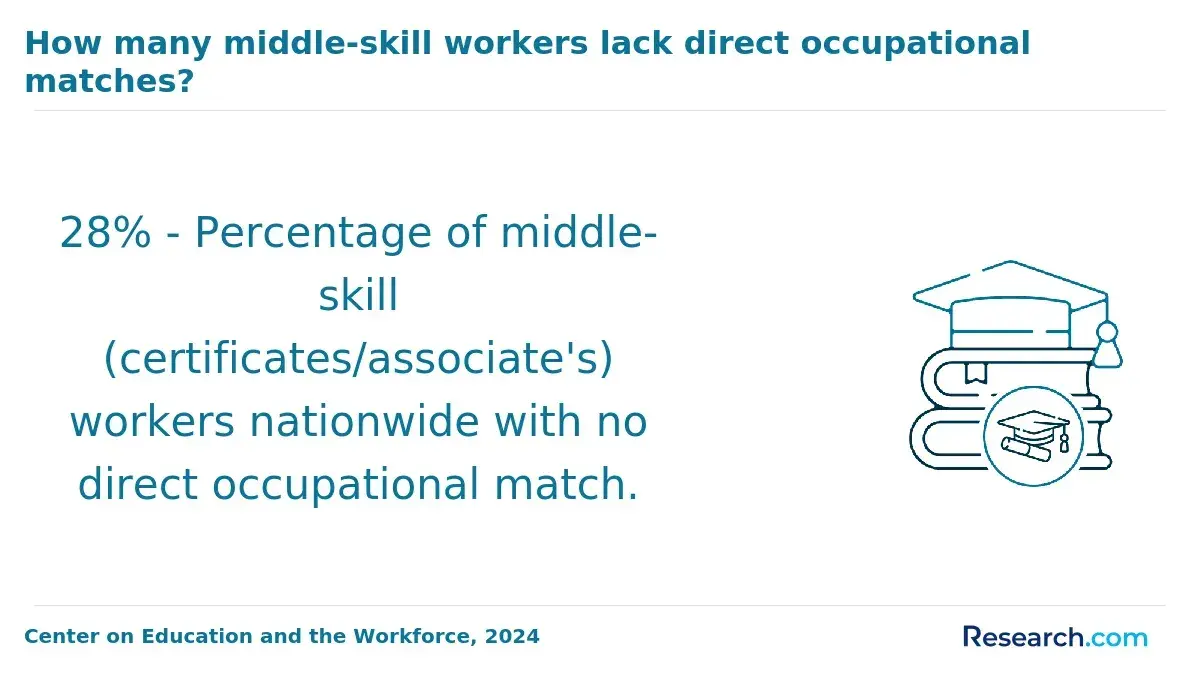
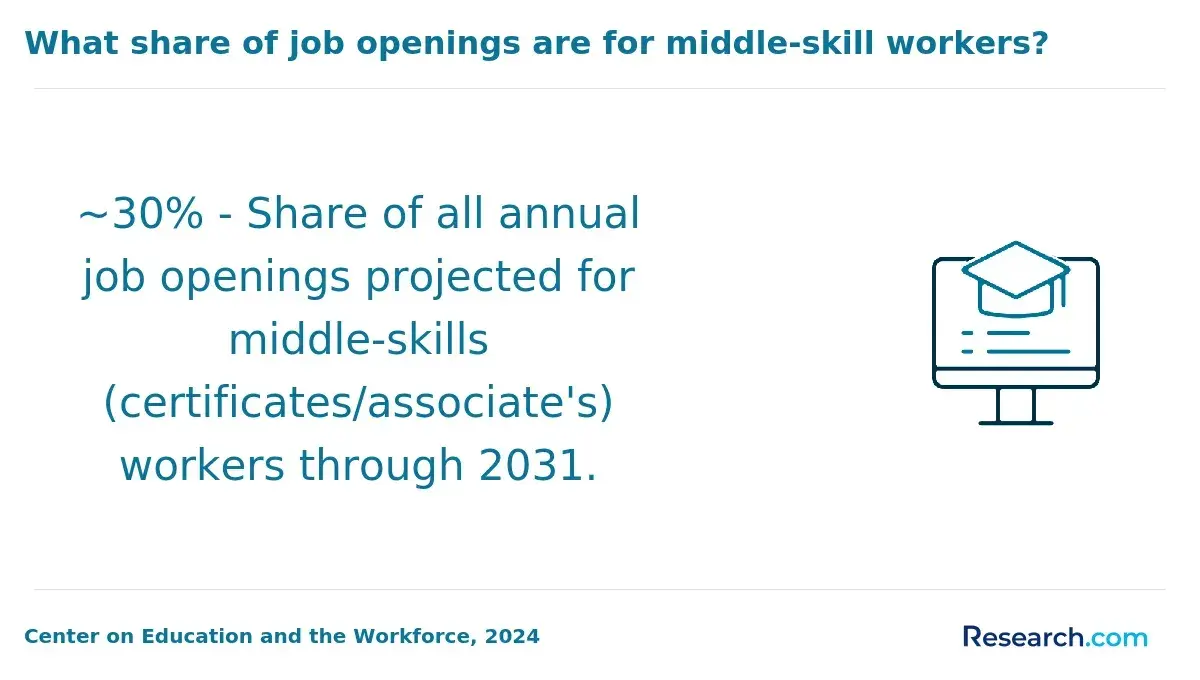
The BLS employment projections released for 2024-2034 indicate limited growth for photographers compared with faster-growing technical fields. For students, that means the strongest strategy is not simply earning a photography credential; it is building a differentiated portfolio and adding skills that employers and clients can clearly use.
Several trends are shaping the field. The list below explains what they mean for students choosing coursework and portfolio projects.
- AI-assisted editing is speeding up culling, masking, retouching, noise reduction, and image generation, so students need ethical judgment and a clear understanding of authenticity, licensing, and disclosure.
- Short-form video and hybrid content production are increasing expectations for photographers to understand motion, audio basics, sequencing, and platform-specific storytelling.
- Brands need consistent visual identity across websites, marketplaces, email, social platforms, and ads, which favors photographers who understand content strategy.
- Documentary and nonprofit storytelling still require trust, consent, context, and community awareness, making ethics coursework more valuable than it may appear at first.
- Remote collaboration is common, so graduates benefit from professional file delivery, cloud workflows, metadata practices, and clear client communication.
Students who want the best odds should avoid building a portfolio that looks like class exercises only. Stronger portfolios show a point of view, a defined audience, and evidence that the student can solve real visual problems.
How can prospective students evaluate and choose a reputable online digital photography program?
Choosing a reputable online digital photography program requires more than comparing tuition and program names. The best choice is the one that matches your career goal, learning style, budget, schedule, and portfolio needs while meeting basic quality standards.
Use the following steps to evaluate programs before applying or enrolling. They are designed to help you avoid common mistakes that can lead to wasted credits, weak portfolio outcomes, or unnecessary debt.
- Verify institutional accreditation through the U.S. Department of Education or the accreditor's official database, not only the school's marketing page.
- Confirm the exact credential name, degree level, delivery format, and whether any campus visits, residencies, internships, or portfolio reviews are required.
- Review the curriculum for visual storytelling, lighting, editing, critique, ethics, business practices, and portfolio development rather than counting only the number of photography courses.
- Ask what equipment and software students must purchase, rent, or access independently during the program.
- Compare total cost of attendance, including fees, equipment, software, books, production expenses, and time away from work.
- Request transfer credit estimates in writing before enrolling if you have prior college coursework.
- Examine student work, graduate portfolios, faculty experience, exhibition opportunities, and career services.
- Ask how online critique works, how often instructors provide feedback, and whether students receive live review opportunities.
- Check whether the program teaches copyright, licensing, contracts, pricing, releases, and professional communication.
- Avoid schools that pressure you to enroll immediately, cannot explain accreditation, hide equipment costs, or make unrealistic income promises.
The table below highlights common red flags and better alternatives. It can help you turn a school's marketing claims into practical evaluation questions.
| Red flag | Why it matters | Better approach |
| The school emphasizes speed but says little about portfolio quality | A fast degree may not help if it does not produce strong work samples | Ask to see student portfolios and capstone expectations |
| Equipment requirements are unclear | Photography programs can become expensive if gear costs are hidden | Request a course-by-course equipment and software list |
| Critique is limited to automated grading or short comments | Creative growth depends on detailed feedback and revision | Look for live critique, peer review, instructor annotations, and portfolio reviews |
| The program makes broad salary promises | Photography income varies widely by specialty, location, and business skill | Use BLS data and ask for transparent career-support information |
| Transfer policies are vague | You may pay for credits you already completed elsewhere | Get an official transfer evaluation before committing |
A reputable program should make you more employable or more creatively prepared in a way you can see: stronger projects, clearer stories, better technical control, professional presentation, and a realistic plan for paid work or further study.
Other Things You Should Know About Digital Photography
Not always, but you should check the program's equipment list before enrolling. Many courses require a camera with manual controls, interchangeable lenses, RAW capture, and reliable file storage. Some beginner courses may allow a modest camera at first, but advanced lighting, studio, and portfolio classes usually require more capable equipment.
In 2027, for online digital photography degrees with visual storytelling, a strong portfolio can be crucial alongside the degree. Employers typically value demonstrable skills, creativity, and experience, which a robust portfolio showcases effectively. While the degree provides foundational knowledge, the portfolio demonstrates your practical ability in visual storytelling.
Most programs expect basic proficiency in Adobe Photoshop and Lightroom by the first term. Coursework often adds Adobe Bridge or Capture One for image selection, plus sequence-editing tools for photo essays. Some schools require a computer that can run current Adobe Creative Cloud versions and upload RAW files.
References
- How to Choose the Right Photography Program https://nossi.edu/how-to-choose-the-right-photography-program/
- How to evaluate an online photography course https://www.upskillist.com/blog/how-to-evaluate-an-online-photography-course/
- Which one is more beneficial online photography courses or offline photography courses? https://www.careers360.com/question-which-one-is-more-beneficial-online-photography-courses-or-offline-photography-courses
- Best Online Photography Degrees https://www.onlineu.com/degrees/photography
- How Much Do Photographers Make | Full Frame Insurance https://www.fullframeinsurance.com/blog/how-much-do-photographers-make
- Would you do a photography degree later in life? — StreetSnappers Street Photography Workshops https://streetsnappers.com/street-photography-blog/a-photography-degree-later-in-life
- The Photography Institute https://www.thephotographyinstitute.com/us/en/blog-salary
- How Much Do Photographers Make? | Backstage https://www.backstage.com/magazine/article/how-much-do-photographers-make-79070/
- What Can You Do With a Photography Degree? https://pnca.willamette.edu/academics/bfa/photography/career-options
- College Certificate vs Online Photography School | Cameraderie https://cameraderie.org/threads/college-certificate-vs-online-photography-school.56322/