2027 Online Digital Photography Degrees That Help Build Freelance Business Skills

Co-Founder and Chief Data Scientist
Choosing an online digital photography degree is really a business decision: will the program help you produce stronger work, attract clients, and price services profitably? The U. S. Bureau of Labor Statistics reported a May 2024 median pay of $42,520 for photographers, but freelance income can vary widely by niche, location, portfolio quality, and client pipeline. This guide is for aspiring and working photographers who want flexible training with practical business value. You will learn how to compare degree types, costs, accreditation, courses, career paths, and return-on-investment factors before enrolling.
Key Things You Should Know
- Online digital photography degrees are most useful for freelancers when they combine image-making, editing workflow, portfolio development, client communication, pricing, contracts, and marketing rather than only camera technique.
- Cost should be judged against total investment: College Board's 2024 pricing data lists average published tuition and fees at $4,050 for public two-year in-district colleges and $11,610 for public four-year in-state institutions.
- Freelance photography has opportunity but not guaranteed earnings; BLS data places photographers' May 2024 median pay at $42,520, so students should choose programs that help them build a marketable niche and client acquisition plan.
What is an online digital photography degree and how can it support a freelance career?
An online digital photography degree is a college credential that teaches photography through digital capture, lighting, composition, post-production, visual storytelling, and portfolio development. Unlike a short workshop, a degree usually includes general education, critiques, project-based assignments, and a structured sequence of courses that help students move from technical practice to professional presentation.
For freelancers, the main value is not the diploma alone. The value comes from building a repeatable creative workflow, a polished portfolio, and the business habits needed to sell services. A strong program should help you answer practical questions: What type of clients do I want? How should I price my work? What licensing rights am I granting? How do I deliver files professionally? How do I protect my brand online?
The table below summarizes how degree learning can translate into freelance business readiness. Use it to separate programs that teach only image production from programs that also support income-building skills.
| Program component | What it teaches | Why it matters for freelancers |
| Digital capture and lighting | Camera controls, exposure, studio lighting, location lighting, color accuracy | Helps produce consistent work across portraits, products, events, and editorial assignments |
| Editing and workflow | RAW processing, retouching, file organization, backups, delivery formats | Reduces rework, speeds turnaround, and improves client experience |
| Portfolio development | Project selection, sequencing, critique, artist statements, visual branding | Shows potential clients what you can deliver and helps define your niche |
| Business coursework | Pricing, contracts, copyright, invoicing, client communication | Supports sustainable freelancing instead of one-off gig work |
| Marketing coursework | Web presence, social media strategy, search visibility, client targeting | Helps turn creative skill into inquiries and bookings |
A degree may be a good fit if you want structure, feedback, financial aid eligibility, and a credential that may help with studio, media, education, or corporate creative roles. If you already have a strong portfolio, steady clients, and only need one skill such as Lightroom workflow or flash lighting, a shorter certificate or targeted workshop may be more cost-effective.
How do online digital photography programs help build essential freelance business and marketing skills?
Online photography programs can help freelancers by treating photography as both a creative practice and a client service. The best programs make students submit projects, revise work after critique, write proposals, analyze target audiences, and present a portfolio in ways that resemble real freelance work.
Business-building coursework matters because many new photographers fail not from lack of talent, but from weak positioning, underpricing, inconsistent delivery, or unclear rights agreements. Look for assignments that require you to practice the following skills in realistic scenarios.
- Client discovery: defining the client's goal, audience, usage needs, location, timeline, and deliverables before quoting a job.
- Pricing and estimates: calculating creative fees, production expenses, editing time, usage rights, deposits, and revision limits.
- Contracts and copyright basics: understanding who owns the images, how clients may use them, and how to document permissions, model releases, and licensing terms.
- Marketing strategy: building a niche-specific portfolio, writing service pages, creating email outreach, using social proof, and maintaining a consistent brand voice.
- Professional delivery: naming files, exporting correctly, archiving projects, sending galleries, and communicating next steps after delivery.
Technology is also changing what freelancers need to know. AI-assisted editing, background cleanup, image search, metadata tools, and generative visual content are affecting client expectations and competition. Photographers do not necessarily need to become software engineers, but understanding how AI tools affect creative workflows, disclosure, copyright concerns, and client trust can be valuable. Students who want a deeper technical path can compare photography training with broader degrees in AI online if they are interested in imaging technology, automation, or creative AI roles.
Before enrolling, ask whether business assignments produce usable assets. A program that helps you graduate with a client-ready portfolio, website copy, pricing worksheet, contract template, and marketing plan will usually be more useful for freelancing than one that ends only with classroom exercises.
What types of online digital photography degrees are available and which are best for freelancers?
Online digital photography education is available at several levels, from short certificates to bachelor's degrees. The best option depends on your starting point, budget, time, and whether you want freelance work only or a broader creative career with potential employer-based roles.
The comparison below helps match credential type to freelance goals. It is not a ranking; it shows which option typically fits which kind of student.
| Credential type | Typical focus | Best fit for freelancers | Limitations to consider |
| Certificate | Focused technical training in photography, editing, lighting, or business basics | Career changers or working photographers who need specific skills quickly | May not qualify for the same financial aid options as degree programs and may carry less weight for employer roles |
| Associate degree | Foundational photography, design, editing, general education, and portfolio work | Students seeking an affordable entry point or transfer pathway | May not include advanced business strategy or a deep specialization |
| Bachelor's degree | Advanced visual storytelling, theory, critique, business, portfolio, and broader liberal arts | Students who want stronger credentials for freelance, studio, media, education support, or corporate creative work | Usually costs more and takes longer than certificates or associate programs |
| BFA or art-focused bachelor's | Studio practice, critique, concept development, exhibitions, and professional portfolio | Photographers aiming for fine art, editorial, commercial, or graduate study pathways | May be less business-heavy unless entrepreneurship courses are included |
| BA or BS with photography concentration | Photography combined with communications, digital media, marketing, or design | Students who want freelance flexibility plus related content, branding, or media roles | Photography depth varies by school, so course lists need close review |
For most freelance-focused students, an associate degree can be a practical low-cost starting point if it includes portfolio work and transfer options. A bachelor's degree may make more sense if you want a deeper creative identity, access to internships, or the option to pursue salaried roles in media, marketing, education support, or corporate communications.
A certificate can be the smartest choice when you already have a degree or a client base and simply need targeted improvement. A full degree is usually a better fit when you need structured development, feedback, accountability, and a broader professional network.
How do online digital photography degrees compare to campus programs for flexibility and learning quality?
Online and campus photography programs can both produce strong learning outcomes, but they do so differently. Online programs win on flexibility, while campus programs may provide easier access to studios, equipment cages, in-person critiques, and live production environments.
The table below compares the practical differences that matter most to students planning freelance work while studying.
| Factor | Online digital photography degree | Campus photography program | Decision point |
| Schedule | Often asynchronous or low-residency, allowing students to study around work and shoots | Usually tied to set class times, lab hours, and studio access windows | Online may fit better if you need to keep earning while enrolled |
| Equipment access | Students may need their own camera, computer, software, lighting, and storage | Schools may provide studio space, printers, lighting kits, and rental equipment | Campus can reduce equipment pressure, but fees and commuting still matter |
| Critique quality | Can be strong if feedback is detailed, frequent, and portfolio-based | Often more immediate through live critique and studio interaction | Ask to see how critiques happen before assuming one format is better |
| Networking | Depends on virtual cohorts, faculty access, alumni groups, and local assignments | May offer easier peer collaboration and local industry events | Online students should intentionally build local and digital networks |
| Freelance integration | Assignments can often be completed in your own market with real local subjects | Projects may be tied to campus studios, classmates, or institutional resources | Online can be powerful if you use coursework to build real client samples |
Learning quality depends less on format and more on program design. Strong online programs include instructor critique, peer review, portfolio milestones, clear technical standards, and access to support services. Weak online programs rely too heavily on recorded lectures and do not provide enough feedback on actual images.
If you choose online study, plan for the hidden workload. You may need to arrange models, locations, product setups, lighting practice, and printing independently. That independence can be useful for freelancing because it mirrors real client work, but it also requires discipline and a realistic weekly schedule.
What courses and specializations in digital photography most directly prepare you for freelance work?
The most freelance-ready programs combine creative, technical, and commercial training. Course titles vary by school, so focus on learning outcomes rather than names alone. A course called "Professional Practice," for example, may be extremely valuable if it includes pricing and contracts, but less useful if it only discusses career theory.
The table below identifies course areas that most directly support freelance readiness and explains what to look for in each.
| Course or specialization area | Freelance value | What to look for in the syllabus |
| Portrait photography | Supports headshots, family portraits, personal branding, senior portraits, and editorial work | Lighting setups, posing, client direction, retouching, and gallery delivery |
| Product and commercial photography | Prepares students for e-commerce, small business, food, and brand imagery | Studio lighting, reflective surfaces, color accuracy, usage rights, and shot lists |
| Event and documentary photography | Builds skills for weddings, nonprofit events, conferences, and local media | Low-light work, fast turnaround, backup systems, storytelling, and client communication |
| Photo editing and digital workflow | Improves efficiency and consistency, which directly affects profit margins | RAW processing, cataloging, nondestructive editing, color management, and export standards |
| Visual branding and marketing | Helps photographers attract the right clients and present a clear niche | Portfolio websites, service positioning, social strategy, SEO basics, and content planning |
| Business of photography | Turns creative practice into a service model | Pricing, contracts, invoices, taxes, copyright, licensing, and client boundaries |
When comparing programs, prioritize assignments that leave you with usable business assets. A strong freelance-focused sequence should help you build these items before graduation.
- A niche-specific portfolio with finished work in the type of photography you plan to sell.
- A simple service menu with starting rates, deliverables, turnaround times, and revision boundaries.
- A client workflow that covers inquiry, consultation, estimate, contract, deposit, shoot, editing, delivery, and follow-up.
- A marketing plan that identifies target clients, referral sources, portfolio channels, and outreach cadence.
- A rights and release checklist for copyright, model releases, property permissions, and image licensing.
Students who plan to work with multilingual communities, destination clients, or cross-cultural branding projects may also benefit from language study alongside photography. In that case, a Spanish online degree can complement visual work by improving client communication and expanding service reach in bilingual markets.
How do you verify accreditation and program quality for online digital photography degrees in the U.S.?
Accreditation is one of the first quality checks for any online degree. In the U.S., institutional accreditation helps confirm that a college has been reviewed for academic quality, governance, financial stability, and student support. It can also affect federal financial aid eligibility, transfer credit, employer recognition, and graduate school options.
Use the following steps before you apply or pay an enrollment deposit. They help reduce the risk of choosing a low-value or nonrecognized program.
- Search the school in the U.S. Department of Education's recognized accreditation database or the accreditor's own directory.
- Confirm that the accreditation applies to the institution offering the online photography program, not only to a parent organization or unrelated campus.
- Ask whether the program has specialized art, design, or media accreditation where relevant, but do not treat specialized accreditation as a substitute for institutional accreditation.
- Review transfer credit policies in writing, especially if you may move from an associate degree to a bachelor's program.
- Request details on faculty experience, critique frequency, student portfolio expectations, career services, technology requirements, and graduate outcomes.
- Check complaint history, state authorization, refund policies, and whether online students receive the same academic support as campus students.
Veterans and military-connected students should add another layer of review because benefit eligibility, state authorization, and program approval can affect out-of-pocket cost. If you are comparing online programs across fields, checklists used for online cybersecurity degrees for veterans can also help you think through accreditation, benefit use, and student support questions.
Red flags include pressure to enroll immediately, unclear accreditation language, vague tuition disclosures, no portfolio review process, limited instructor feedback, and promises about income after graduation. A legitimate program can discuss career preparation, but it should not guarantee freelance earnings.
What are typical admission requirements, program length, and graduation timelines for online photography degrees?
Admission requirements for online photography degrees vary by school and credential level. Certificates and associate programs may be open-access or require only a high school diploma or GED, while bachelor's programs may ask for transcripts, a personal statement, a portfolio, or proof of transfer credits.
The table below gives a practical overview of common requirements and timelines. Always confirm details with the school because online, transfer, and adult-learner policies can differ from traditional freshman admissions.
| Program level | Common admission requirements | Typical full-time length | Part-time considerations |
| Certificate | Application, high school diploma or equivalent, sometimes a basic computer or camera requirement | Several months to one year | Good for working adults who need focused upskilling |
| Associate degree | Application, transcripts, placement requirements, possible portfolio for selective programs | About two years | Often flexible and may allow transfer into a bachelor's program |
| Bachelor's degree | Application, transcripts, personal statement, possible portfolio, general education prerequisites for transfer students | About four years from first-year entry | Can take longer if taken around work or freelance obligations |
| Bachelor's completion program | Prior college credits, minimum GPA, portfolio or professional experience in some cases | Often one to three years depending on transfer credits | Best for students who already have substantial credits |
Graduation timelines depend heavily on credit load, transfer credits, course availability, and whether the program requires capstone projects, internships, or portfolio reviews. Students working freelance jobs should be cautious about overloaded terms because photography assignments often require planning, shooting, editing, critique, and revision-not just reading and quizzes.
Before applying, prepare a small portfolio even if it is not required. It can help advisors place you correctly, help you identify skill gaps, and give you a baseline for measuring improvement throughout the program.
How much do online digital photography programs cost, and what financial aid options are available?
Online digital photography program costs vary by institution type, residency status, degree level, equipment needs, transfer credits, and whether software subscriptions are included. Tuition is only part of the budget; students may also need a camera body, lenses, lighting, editing software, storage, printing, website hosting, and transportation for shoots.
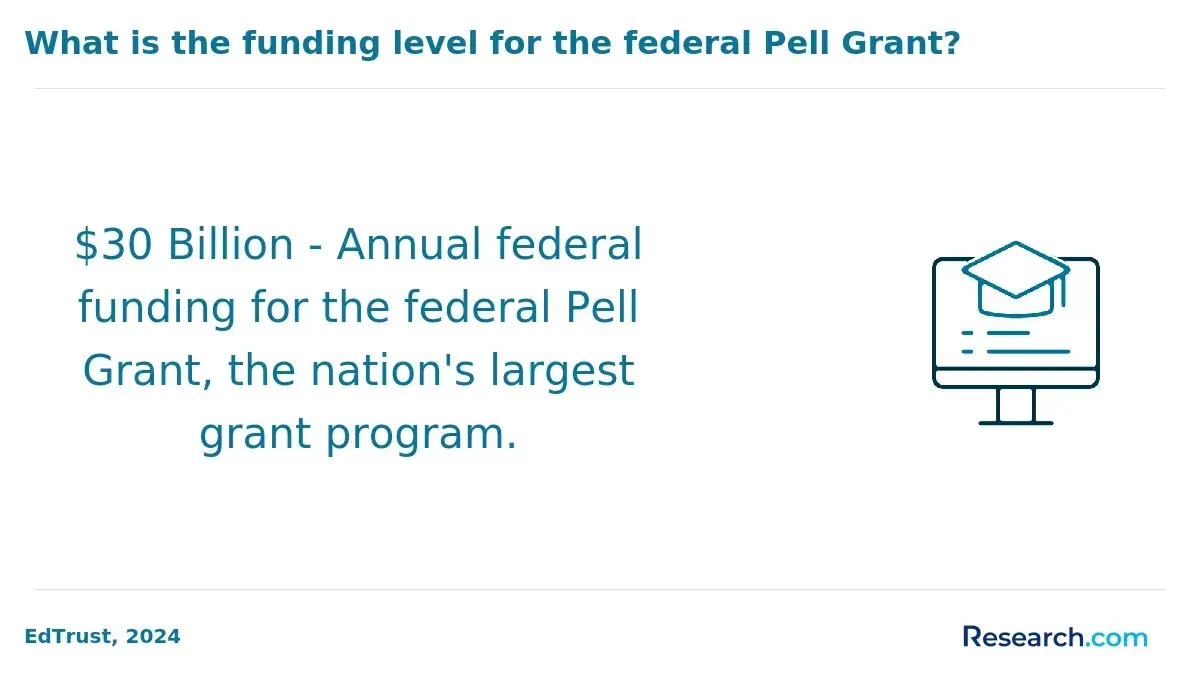
For a national pricing baseline, College Board's 2024 Trends in College Pricing data reports the following average published tuition and fees. These figures are not photography-specific, but they help you benchmark whether a school's sticker price is unusually high or comparatively affordable.
- Public two-year in-district college: $4,050
- Public four-year in-state institution: $11,610
- Public four-year out-of-state institution: $30,780
- Private nonprofit four-year institution: $43,350
To estimate your real cost, build a total cost worksheet instead of comparing tuition alone. Include tuition, mandatory fees, books, software, equipment, printing, portfolio website costs, travel, lost work hours, and interest if borrowing loans. Then subtract grants, scholarships, employer benefits, military education benefits, and transfer credits.
Financial aid may include federal grants, federal student loans, work-study, state grants, institutional scholarships, private scholarships, employer tuition assistance, and veterans education benefits. Eligibility depends on the school, program type, enrollment status, and student circumstances. Military-connected learners can also review resources on online photography degrees for veterans when comparing benefit-friendly programs and support services.
A common mistake is buying expensive gear before knowing the program's technical requirements. Ask for the official equipment list first. A modest camera, good lens choice, reliable storage, and strong lighting skills can matter more than owning the newest body.
What freelance and studio career paths can you pursue with an online digital photography degree?
An online digital photography degree can support several freelance and studio-related paths. The right path depends on your niche, local market, portfolio, client relationships, and tolerance for variable income. Some photographers combine multiple services at first, then specialize after identifying which clients are most profitable and enjoyable.
The table below outlines common career directions and the kind of work each typically involves. It can help you choose courses, portfolio projects, and internships that match your intended market.
| Career path | Typical responsibilities | Helpful freelance preparation |
| Portrait photographer | Headshots, family sessions, personal branding, senior portraits, retouching, gallery delivery | Lighting, posing, client direction, pricing packages, local SEO, referral systems |
| Wedding and event photographer | Event coverage, timelines, second-shooter coordination, low-light shooting, album delivery | Contracts, backup systems, client communication, fast editing workflow, liability coverage |
| Product photographer | E-commerce images, catalog shots, styled product scenes, color accuracy, file delivery | Studio lighting, tethered capture, retouching, usage licensing, small business outreach |
| Real estate and architectural photographer | Property interiors, exteriors, detail shots, quick turnaround, sometimes drone coordination | Wide-angle technique, HDR workflow, scheduling discipline, local agent relationships |
| Editorial or documentary photographer | Visual storytelling for publications, nonprofits, communities, and campaigns | Research, captions, ethics, releases, pitching, and narrative sequencing |
| Studio assistant or digital tech | Lighting setup, file management, tethering, equipment support, production assistance | Technical workflow, professionalism on set, problem-solving, networking |
| Creative content producer | Photo, short-form video, social content, brand storytelling, content calendars | Photography plus marketing, video basics, platform strategy, analytics, and client reporting |
Freelancers should also think in terms of service design. A profitable offer is not just "photography"; it is a clear solution for a specific client. For example, "monthly product photography for local skincare brands" is easier to market than a general claim that you can shoot anything.
If you are unsure whether photography alone is enough, consider adjacent skills such as video, design, marketing analytics, copywriting, web content, or bilingual communication. These combinations can make you more useful to small businesses that prefer one creative partner for multiple content needs.
What are the salary expectations and job outlook for freelance digital photographers in the U.S.?
Salary expectations for photographers should be interpreted carefully because freelance income is uneven. A freelancer's annual income depends on booking volume, pricing, expenses, taxes, repeat clients, licensing, seasonality, and local demand. The same photographer may have high gross revenue but lower take-home income after gear, software, assistants, insurance, taxes, and marketing costs.
The Bureau of Labor Statistics reported a May 2024 median annual wage of $42,520 for photographers in the U.S. This figure includes photographers across employment settings and does not guarantee freelance earnings, but it gives a grounded benchmark for evaluating tuition debt, pricing goals, and the time needed to build a client base.
Job outlook also requires nuance. BLS projects photographer employment to grow 4% from 2024 to 2034, about as fast as the average for all occupations. That suggests continued demand, but not a low-competition market. Freelancers still need differentiation because smartphones, stock imagery, AI-assisted visuals, and low-cost competitors have changed what clients are willing to pay for basic images.
The table below shows how salary data should influence your planning rather than serve as a promise.
| Planning question | How to use salary and outlook data | Practical implication |
| Is the degree affordable for my goal? | Compare total program cost with realistic early-career income scenarios | Borrow conservatively, especially if you plan to freelance immediately |
| Which niche should I pursue? | Look beyond broad photographer averages and study local client demand | Build portfolio samples for clients who regularly buy photography |
| Should I work while studying? | Use part-time freelance or assistant work to test demand before graduation | Real client feedback can guide specialization and pricing |
| How do I improve earning potential? | Focus on repeatable services, licensing, client retention, and efficient workflow | Business systems can matter as much as image quality |
The healthiest approach is to treat a degree as one part of a larger business plan. Build savings, keep debt manageable, start portfolio projects early, track expenses, learn basic taxes, and test paid offers before relying fully on freelance income.
Other Things You Should Know About Digital Photography
Online digital photography degrees in 2027 integrate essential business modules, teaching students marketing, client management, and financial skills. These elements equip graduates to handle the entrepreneurial demands of freelancing, such as branding, self-promotion, and financial planning, besides honing their technical photography skills.
Most programs require Adobe Photoshop and Lightroom, plus file-management tools such as Bridge or Capture One for workflow training. Students usually complete assignments in RAW editing, color correction, JPEG export, cloud delivery, and basic invoicing or proofing platforms used to send finished files to clients.
Usually, but only if the contract and permissions allow it. For portraits, weddings, commercial products, private events, and sensitive locations, get written permission before publishing images. Commercial clients may restrict portfolio use or require approval.
Printing is still useful because it teaches color accuracy, resolution, sharpening, and presentation quality. Even if most clients receive digital files, photographers who understand print standards are better prepared for albums, wall art, exhibitions, product packaging, and professional proofs.
References
- Why Business Skills Are Essential for Success in Photography? https://www.vanarts.com/news-article/why-business-skills-are-essential-for-success-in-photography/
- 14 days to try NYIP risk-free https://www.nyip.edu/
- How Much Does it Cost to Learn Photography? https://blog.nobledesktop.com/learn/photography/photography-cost-to-learn
- 11 Essential Marketing Tips For Freelance Photographer - ICI https://icieducation.co.uk/blog/11-essential-marketing-tips-tricks-freelance-photographers/
- How To Get Student Loans and Financial Aid for Photography ... https://www.credible.com/student-loans/student-loans-for-photography-school
- How To Become a Freelance Photographer https://www.tafecourses.com.au/resources/freelance-photography/
- Should you Study Photography at College or are There Better Options Now? https://digital-photography-school.com/should-you-study-photography-at-college-or-are-there-better-options-now/
- Digital Photography Course vs Film | Choosing Your Photography Path https://www.australianphotographyschool.com.au/blog/digital-photography-course-vs-film/
- What Can You Do With a Photography Degree? https://pnca.willamette.edu/academics/bfa/photography/career-options
- Online Photography Course $99.99 - Photography School - ExpertRating https://www.expertrating.com/certifications/personal-development-and-enrichment/digital-camera-photography-certification.asp