2027 Online Digital Photography Degrees That Prepare Students for Stable Long-Term Creative Careers

Co-Founder and Chief Data Scientist
Choosing an online digital photography degree is really a career investment decision: will the program build a portfolio, technical skill set, and business foundation strong enough for paid creative work? The U.S. Bureau of Labor Statistics reports a May 2024 median annual wage of $42,520 for photographers, showing that income can be viable but depends heavily on specialization, market, and self-employment skills.
This guide explains degree types, accreditation, online learning quality, costs, admissions, career paths, and red flags so readers can choose a program that fits their goals and budget.
Key Things You Should Know
- Online digital photography degrees are most useful when they combine image-making, editing, lighting, visual storytelling, portfolio development, and business training rather than offering software tutorials alone.
- College Board 2024-25 pricing benchmarks show published tuition and fees of $4,050 at public two-year colleges, $11,610 for in-state public four-year colleges, and $43,350 at private nonprofit four-year colleges, before grants or living costs.
- BLS May 2024 data places photographers' median annual wage at $42,520, so long-term stability usually comes from specialization, repeat clients, digital production skills, and adjacent roles such as content production or visual media management.
What is an online digital photography degree and how does it prepare creative professionals?
An online digital photography degree is a college program that teaches students how to create, edit, critique, publish, and manage photographic work using digital tools. Programs may lead to an associate degree, bachelor's degree, or, less commonly, a graduate credential focused on fine art, visual communication, or digital media. The best programs treat photography as both a creative discipline and a professional workflow.
Students usually learn how to control exposure, composition, lighting, color, file formats, post-production, printing, visual narrative, and client communication. Strong programs also require a portfolio, because employers and clients generally judge photographers by the quality, consistency, and relevance of their work rather than by a degree name alone.
The table below compares common degree levels. It helps prospective students decide whether they need a shorter credential for entry-level work or a broader degree for long-term advancement.
| Degree type | Best fit | Typical focus | Career value |
| Certificate or diploma | Working adults, hobbyists, or students testing the field | Camera basics, editing software, lighting, and portfolio samples | Useful for skill-building but may not carry the same academic weight as a degree |
| Associate degree | Students seeking a lower-cost start or transfer pathway | Technical photography, general education, editing, and visual communication | Can support assistant, studio, production, and freelance entry points |
| Bachelor's degree | Students seeking broader creative, business, and media career options | Advanced portfolio, history, criticism, commercial practice, and professional development | Often better for competitive creative roles, management tracks, and graduate study preparation |
| Master's degree | Experienced artists, educators, or professionals seeking advanced practice | Conceptual development, research, critique, exhibitions, and teaching preparation | Most relevant for college teaching, advanced studio practice, and leadership in visual arts contexts |
A digital photography degree makes the most sense for students who want structured critique, faculty feedback, a credential, and a guided portfolio process. A shorter certificate may be enough for someone who already has a degree, needs only software training, or wants to improve a side business without paying for a full academic program.
Are online digital photography degrees respected by employers and the creative industry?
Online digital photography degrees can be respected when they come from accredited institutions and produce strong portfolios. In creative fields, employers, agencies, editors, studios, and clients typically evaluate three things together: portfolio quality, technical reliability, and evidence that the person can meet deadlines and solve visual problems. The delivery format matters less when the work is strong and the institution is credible.
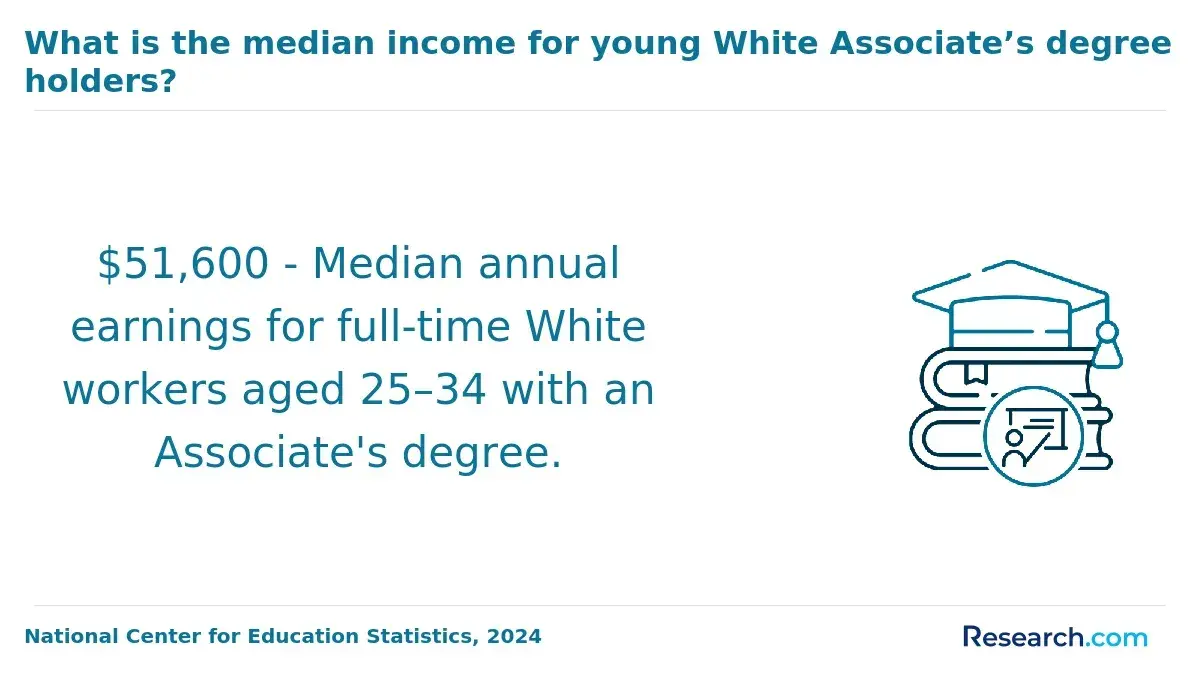
The BLS projects photographer employment to grow 4% from 2024 to 2034, about as fast as the average for all occupations. That figure does not mean every graduate will find a traditional staff job; it signals a market where opportunities exist, but many professionals still need to combine employment, freelancing, content production, and client-based work.
Online degrees are usually strongest in employer perception when they include the following evidence of readiness. These signals help a graduate move beyond "I studied photography" and show "I can produce professional work."
- A curated portfolio organized by specialization, such as portrait, product, editorial, sports, documentary, real estate, or fine art photography
- Documented experience with lighting setups, color management, image retouching, file delivery, metadata, and image archiving
- Faculty critiques, capstone projects, internships, practicum experiences, or client-based assignments
- Business knowledge, including contracts, licensing, pricing, copyright basics, client communication, and invoicing
- Consistent visual style plus adaptability across different client or publication needs
Prospective students should be cautious about programs that advertise career transformation but show little student work, provide no faculty credentials, or treat photography as a set of software shortcuts. In this field, the degree can open doors, but the portfolio and professional habits determine whether those doors lead to sustainable work.
How do online digital photography programs compare with campus-based degrees for hands-on learning?
Online photography programs can teach hands-on skills effectively, but they require more independence from the student. Instead of using a campus studio every week, online learners often complete shoots at home, outdoors, in rented studios, at local businesses, or through community-based projects. Faculty feedback usually happens through uploaded images, video critique, discussion boards, screen recordings, and live review sessions.
The main trade-off is access versus environment. Online programs offer flexibility for working adults, caregivers, military-connected learners, and students who do not live near a strong arts campus. Campus programs may provide easier access to studios, lighting labs, darkrooms, printing facilities, peer collaboration, and in-person exhibitions.
The comparison below shows where each format tends to be stronger. Use it to match the learning environment to your work style and career target.
| Factor | Online digital photography degree | Campus-based photography degree |
| Flexibility | Usually better for students balancing work, family, military service, or location limits | Best for students who can attend scheduled studio and critique sessions |
| Studio access | Depends on personal equipment, local rentals, or program-provided kits | Often stronger because lighting labs, studios, and printers may be on campus |
| Critique experience | Can be strong if faculty provide detailed image reviews and live feedback | Often more immediate through in-person critique and peer discussion |
| Networking | Requires intentional effort through online communities, local shoots, internships, and alumni networks | May be easier through campus exhibitions, student media, faculty connections, and local arts events |
| Portfolio development | Strong when assignments require real-world shooting, revision, and specialization | Strong when students use facilities frequently and receive consistent critique |
Online learning is a good fit for self-directed students who can schedule shoots, troubleshoot equipment, and seek feedback. Campus learning may be better for students who need frequent in-person structure, want access to specialized facilities, or plan to build a local creative network around a specific city or arts market.
What accreditation should online digital photography programs have in the United States?
In the United States, the most important accreditation for an online digital photography degree is institutional accreditation from an accreditor recognized by the U.S. Department of Education or the Council for Higher Education Accreditation. This matters because institutional accreditation affects federal financial aid eligibility, transfer credit acceptance, graduate school recognition, and employer confidence.
Some art and design programs may also have specialized accreditation from the National Association of Schools of Art and Design, commonly called NASAD. Specialized accreditation is not always required for photography careers, but it can indicate that a program has been reviewed against discipline-specific standards for curriculum, faculty, facilities, and student work.
Students should verify accreditation directly rather than relying only on marketing pages. A careful check is especially important for adult learners and military-connected students comparing flexible programs, including those researching an online photography bachelor degree for veterans.
Before enrolling, use the following accreditation checklist to reduce the risk of choosing a program that will not transfer well or qualify for aid.
- Confirm the institution appears in the U.S. Department of Education's official accreditation database or another recognized accreditation directory.
- Check whether the accreditor covers the institution as a whole, not only a short-term training unit or continuing education division.
- Ask whether online students receive the same transcripted degree as campus students, if the school offers both formats.
- Review transfer credit policies in writing, including limits on studio, technical, and prior-learning credits.
- If graduate school or teaching is a goal, ask target graduate programs whether they recognize the degree and credits.
A major red flag is a school that emphasizes speed, discounts, or celebrity-style marketing while making accreditation hard to verify. Another warning sign is a program that offers a "degree" but is not eligible for federal financial aid because the institution lacks recognized accreditation.
What courses and technical skills are typically covered in an online digital photography curriculum?
A strong online digital photography curriculum should move from image fundamentals to professional production. Students usually begin with camera control, composition, and visual literacy, then advance into lighting, editing, genre specialization, portfolio development, and business practice. The goal is not just to take better pictures; it is to produce intentional images for clients, publications, exhibitions, brands, archives, or digital platforms.
Current programs also need to address AI-assisted editing, image authenticity, metadata, and ethical disclosure. Students who want a deeper technical path beyond photography may compare visual media training with fields such as machine learning and computer vision through resources on the best online AI degree programs, especially if they are interested in imaging technology, generative tools, or visual automation.
The table below summarizes common curriculum areas and the professional skills they support. It can help students identify whether a program is broad enough for long-term career flexibility.
| Course area | What students learn | Why it matters professionally |
| Digital camera operation | Exposure, aperture, shutter speed, ISO, lens choice, focus, and RAW capture | Builds technical consistency across unpredictable shooting conditions |
| Lighting | Natural light, studio strobes, continuous light, modifiers, ratios, and location lighting | Supports portrait, product, fashion, editorial, and commercial assignments |
| Post-production | Color correction, retouching, compositing, non-destructive editing, and export workflows | Prepares students for professional delivery standards and client revisions |
| Visual storytelling | Sequencing, narrative, documentary practice, concept development, and critique | Helps photographers create coherent bodies of work rather than isolated images |
| Digital asset management | File naming, metadata, backup systems, archiving, and rights tracking | Reduces lost work, missed deadlines, and licensing confusion |
| Business of photography | Pricing, contracts, releases, copyright, marketing, client relations, and proposals | Improves sustainability for freelancers and small studio owners |
| Portfolio and capstone | Project planning, editing, artist statements, websites, and presentation | Creates the evidence employers and clients review first |
Students should look for repeated critique and revision, not just assignment completion. Photography improves when faculty ask why an image works, what audience it serves, how it could be stronger, and whether the technical choices support the concept.
What admission requirements, portfolios, and technology are needed for online digital photography degrees?
Admission requirements vary by school and degree level. Associate programs may require a high school diploma or GED, transcripts, and placement information. Bachelor's programs commonly ask for transcripts, a personal statement, and sometimes a portfolio. Competitive art and design schools may evaluate creative potential even if the applicant has not studied photography formally.
Portfolio requirements are not always meant to prove professional mastery. Many undergraduate programs use them to assess visual curiosity, commitment, composition, experimentation, and readiness for critique. Graduate programs are more demanding and usually expect a coherent body of work, artist statement, resume, and evidence of advanced creative direction.
Technology requirements can affect total cost, so students should ask for a current equipment list before committing. Most online photography students should expect to need the following tools and resources.
- A digital camera with manual controls, preferably one that captures RAW files
- Interchangeable or suitable fixed lenses based on the program's shooting requirements
- A reliable computer capable of running professional editing software
- Calibrated monitor or color-management tools if the curriculum emphasizes print or commercial output
- Image editing and file management software required by the program
- External storage and cloud backup for large image files
- Basic lighting equipment, reflectors, tripod, memory cards, and other assignment-specific accessories
- Stable broadband internet for uploading large files and joining critiques
A common mistake is budgeting only for tuition and ignoring equipment, software subscriptions, printing, props, model fees, transportation, and portfolio website costs. Another mistake is buying expensive gear too early. Students should wait for the program's official equipment list and choose gear that supports assignments, not just influencer recommendations.
How long do online digital photography degrees take and what do they cost?
Program length depends on degree level, transfer credits, enrollment intensity, and whether courses run in standard semesters or accelerated terms. A certificate may take a few months to one year. An associate degree usually takes about two years of full-time study. A bachelor's degree often takes about four years for first-time students, while transfer students may finish faster. A master's program commonly takes two to three years, depending on residency, critique, and thesis requirements.
Cost varies widely, so students should compare total cost of attendance rather than tuition alone. College Board's 2024-25 national benchmarks show how much institutional type can affect published tuition and fees before grants, scholarships, or living expenses are applied.
| Institution type | 2024-25 published tuition and fees benchmark | What it means for photography students |
| Public two-year college, in-district | $4,050 | Often the lowest-cost way to start, especially if credits transfer into a bachelor's program |
| Public four-year college, in-state | $11,610 | Can offer a balance of lower tuition, broader degree options, and recognized credentials |
| Private nonprofit four-year college | $43,350 | May provide specialized arts instruction, but students should compare net price and outcomes carefully |
Those figures are national pricing benchmarks, not a quote for any specific photography program. Online students may pay different rates, and some schools charge technology fees, digital lab fees, portfolio review fees, or out-of-state tuition even when coursework is remote.
To estimate realistic cost, prospective students should calculate the full investment before enrolling. The following steps help reveal the actual financial commitment.
- Ask for total tuition based on the exact number of credits required for the degree.
- Request a written list of mandatory fees, software, equipment, printing, portfolio, and graduation costs.
- Confirm whether transfer credits, prior college work, military credit, or portfolio-based assessment can reduce the required credit load.
- Compare net price after grants and scholarships, not just advertised tuition.
- Estimate loan payments conservatively and compare them with realistic early-career income, not only top freelance rates.
An affordable program is not automatically the best value if it lacks critique, career support, or portfolio depth. Likewise, a high-cost arts school may not be worth the premium unless it provides stronger mentorship, networks, facilities, and outcomes aligned with the student's target career.
What stable long-term careers can graduates with digital photography degrees pursue?
Photography careers are often more stable when graduates think beyond a single job title. Traditional staff photographer roles exist, but many long-term creative careers combine photography with editing, content strategy, digital asset management, visual branding, marketing, e-commerce, archival work, education, or studio operations. A degree can help because it builds visual judgment and professional workflows that transfer across media roles.
Graduates who want advanced studio practice, college-level teaching, or interdisciplinary arts careers may later compare options such as the best online MFA programs. An MFA is not necessary for most commercial photography jobs, but it can matter for teaching, exhibition-focused practice, and advanced creative research.
The table below outlines realistic career directions. It focuses on responsibilities and stability factors rather than promising a single outcome.
| Career path | Typical responsibilities | Long-term stability factors |
| Commercial or product photographer | Create images for brands, catalogs, advertising, food, fashion, or e-commerce | Repeat clients, lighting skill, fast editing workflow, and ability to meet brand standards |
| Portrait or wedding photographer | Photograph individuals, families, events, ceremonies, and milestone sessions | Local reputation, client referrals, customer service, pricing discipline, and seasonal planning |
| Editorial or documentary photographer | Produce images for publications, nonprofits, agencies, or long-form visual stories | Strong storytelling, ethical practice, pitching ability, and niche expertise |
| Photo editor or visual content producer | Select, edit, license, sequence, and manage images for media, marketing, or publishing teams | Editorial judgment, rights knowledge, communication, and cross-platform production skills |
| Digital asset manager | Organize, tag, archive, retrieve, and govern image collections for organizations | Metadata knowledge, software systems, rights management, and institutional workflow skills |
| Studio manager or creative operations coordinator | Schedule shoots, manage equipment, coordinate talent, track deliverables, and support creative teams | Organization, budgeting, vendor coordination, and production experience |
| Photography educator or workshop instructor | Teach technical, creative, or business skills in schools, community programs, or private workshops | Teaching credentials, advanced degree requirements, portfolio depth, and communication skill |
Students who want maximum stability should build a portfolio around a market with recurring demand. Examples include product photography for online retail, corporate headshots, real estate media, healthcare or higher education marketing, nonprofit storytelling, and image management for organizations with large visual libraries.
What salary ranges and freelance income potential exist for digital photography professionals?
Photography income varies more than many degree-seekers expect. Location, specialization, client type, business skills, equipment costs, editing speed, and reputation all affect earnings. BLS May 2024 data reports a median annual wage of $42,520 for photographers, which is a useful national midpoint but not a guarantee for graduates, freelancers, or students entering highly competitive markets.
Salary expectations should be interpreted by role type. A staff photographer may have steadier pay and benefits but less pricing control. A freelancer may have higher project rates in strong markets, but income can fluctuate because the photographer must cover taxes, insurance, equipment, marketing, software, unpaid administrative time, and slow seasons.
The table below shows how different photography-related paths tend to differ in income structure. It helps students understand why the same degree can lead to very different financial outcomes.
| Work model | How income is usually earned | Financial upside | Main risk |
| Staff photographer | Salary or hourly wage from an employer | More predictable schedule, pay cycle, and sometimes benefits | Fewer openings in some markets and less control over assignments |
| Freelance photographer | Project fees, day rates, licensing, retainers, prints, or packages | More control over niche, pricing, and client mix | Irregular income, self-employment taxes, marketing costs, and unpaid business time |
| Studio owner | Client packages, commercial contracts, rentals, assistants, and add-on services | Potential to build a brand and recurring revenue | Higher overhead, staffing, insurance, lease, and equipment costs |
| Visual content producer | Salary, contract work, or hybrid creative production roles | Broader employment options beyond shooting alone | Requires writing, editing, social media, video, or marketing skills in addition to photography |
For freelance income planning, students should not multiply a day rate by every weekday of the year. A more realistic approach is to account for non-billable time. New photographers often spend substantial hours on marketing, consultation, travel, editing, bookkeeping, equipment maintenance, and client follow-up.
To evaluate freelance potential before graduation, students can take practical steps that test market demand without overcommitting financially.
- Research local competitors in the intended niche and compare services, turnaround times, portfolio quality, and pricing structures.
- Build a small paid client base while still in school, using clear contracts and realistic delivery timelines.
- Track time spent on each project, including consultation, shooting, editing, revisions, and delivery.
- Calculate expenses per assignment, including software, insurance, gear depreciation, travel, payment processing, and taxes.
- Develop at least one recurring revenue source, such as business headshots, product updates, event coverage, or content retainers.
The strongest long-term earners are often not simply the most creative photographers. They are the professionals who pair consistent image quality with pricing discipline, client communication, fast delivery, and repeatable systems.
How can prospective students choose a reputable online digital photography program?
The best online digital photography program is not necessarily the cheapest, fastest, or most famous. It is the program that matches the student's career goal, provides credible accreditation, offers strong critique, supports portfolio development, and fits the student's budget without creating unrealistic debt. Students should compare evidence, not just advertising.
Veterans and military-connected students may also want to compare how schools handle benefits, transfer credit, online support, and career services across fields; resources such as the guide to the best online electrical engineering degree programs for veterans can help illustrate the kinds of support questions that apply across online degree decisions.
Use the following decision process before applying. These steps are designed to uncover quality, cost, and career fit before a student commits time or money.
- Define the target outcome first, such as commercial photography, content production, fine art, portrait business ownership, photo editing, or graduate study.
- Verify institutional accreditation and, when relevant, specialized art and design accreditation.
- Review student portfolios, faculty work, alumni outcomes, and capstone examples to judge creative depth.
- Ask how online critiques work, including response time, live feedback options, peer review, and revision requirements.
- Compare total cost, transfer credit, financial aid, equipment requirements, and software expenses.
- Confirm whether the program includes business training, copyright basics, contracts, licensing, and client communication.
- Ask about internships, local fieldwork, career services, alumni networks, exhibitions, and portfolio reviews for online students.
- Speak with current students or recent graduates if possible, especially those in the same specialization.
Several red flags should make applicants pause. Avoid programs that hide accreditation status, promise guaranteed creative careers, show weak or outdated student portfolios, provide little faculty interaction, or require expensive proprietary materials without explaining their career value. Also be careful with programs that focus heavily on software but do not teach lighting, critique, storytelling, ethics, or business practice.
Students should consider a different path if they only want casual photography skills, dislike independent project work, are unwilling to receive critique, or need a highly predictable salary immediately after graduation. In those cases, a certificate, community college course, business workshop, or adjacent degree in marketing, design, communications, or technology may be a better fit.
Other Things You Should Know About Digital Photography
2027 online digital photography degrees often incorporate elements like advanced editing techniques, business skills, portfolio development, and creative project management. These programs also focus on contemporary digital tools and platforms crucial for long-term career stability in the creative field.
Some programs include aerial imaging, but it is not universal. Students interested in drone work should ask whether the curriculum covers FAA rules, flight safety, insurance, image capture, editing, and real estate or inspection-related workflows.
Many can, especially in part-time programs, but photography assignments require scheduled shooting time, editing time, and critique participation. Students working full time should ask how many hours per week each studio course usually requires before enrolling.
Yes. Many 2027 online digital photography degrees require a portfolio review with 10 to 20 original images, a short artist statement, and proof of a high school diploma or GED. Some schools also ask for a minimum GPA, usually 2.0 or higher, before admission.
References
- Online Photography Degree and Certificate Programs | Sessions College https://www.sessions.edu/digital-photography-info/
- What Can You Do With a Photography Degree? https://pnca.willamette.edu/academics/bfa/photography/career-options
- What can you do with a Photography degree? https://www.falmouth.ac.uk/study/undergraduate/what-can-you-do-photography-degree
- Photography Course Toronto: Online Training vs In-Person School Comparison https://www.canadianphotographyschool.ca/blog/photography-course-toronto-online-vs-inperson-comparison/
- Best Online Photography Degrees https://www.onlineu.com/degrees/photography
- Current Issue https://www.thehighereducationreview.com/jobs-and-careers/news/best-online-photography-schools-nid-1203.html
- Accredited Online Photography Degree Programs https://www.accreditedonlinecolleges.org/photography/
- Digital Photography Course Online | Learn Camera Skills https://www.australianphotographyschool.com.au/blog/digital-photography-course-master-modern-camera-skills-from-home/
- Photography and Video Degree | Bachelor's in Fine Art https://www.maryville.edu/bachelors-degrees/photography-and-video/
- 10 real photography jobs in Australia’s creative industries https://www.collarts.edu.au/collarts-life/news/blog-what-jobs-can-you-get-in-photography-top-10-real-career-paths/