2027 Online Digital Photography Degrees That Prepare Students for Long-Term Professional Growth

Co-Founder and Chief Data Scientist
Choosing a photography degree now means preparing for a market shaped by e-commerce, social media, AI editing tools, and visual branding. The U.S. Bureau of Labor Statistics projects photographer employment to grow 4% from 2023 to 2033, about as fast as the average for all occupations, which means preparation and portfolio quality matter.
This guide is for students comparing online digital photography degrees, certificates, and career paths. It explains formats, costs, accreditation, skills, salaries, and red flags so readers can choose a program that fits their goals and budget.
Key Things You Should Know
- Online digital photography degrees are best for students who need flexibility, can build a strong portfolio independently, and want structured training in lighting, editing, visual storytelling, and professional business practices.
- Cost varies widely by institution, but College Board data for 2024-25 shows average published tuition and fees of $4,050 at public two-year colleges, $11,610 for in-state public four-year colleges, and $43,350 at private nonprofit four-year colleges.
- The strongest programs combine accreditation, portfolio reviews, current software training, business coursework, and career support because photography earnings depend heavily on specialization, client base, location, and self-employment skills.
What is an online digital photography degree and how does it work?
An online digital photography degree is a college program that teaches students how to create, edit, manage, and present professional photographic work using digital cameras, lighting equipment, editing software, and visual communication principles. Unlike short hobby courses, degree programs usually combine studio practice with art history, design, business, portfolio development, and general education requirements.
Most online programs use a learning management system where students watch demonstrations, submit image assignments, join critiques, meet instructors through video or discussion boards, and revise work based on feedback.
Students usually complete shooting assignments wherever they live, which makes access to a camera, reliable internet, and appropriate editing software essential. Some schools also require virtual portfolio reviews, capstone projects, internships, or limited in-person residencies.
A student considering an online photography degree should think of the format as guided professional practice rather than passive online learning. The value comes from repeated shooting, critique, revision, and portfolio-building, not simply from watching tutorials.
Online digital photography programs are usually a strong fit for working adults, military-connected students, parents, and career changers who need flexible scheduling. They may be less ideal for students who rely heavily on campus studio access, want daily in-person critique, or need school-owned equipment before they can afford their own kit.
How do online digital photography programs compare with campus-based options?
Online and campus-based photography programs can teach similar creative and technical foundations, but they differ in how students access equipment, receive critique, network, and manage their time. The right choice depends less on prestige alone and more on how the format supports the student's learning style and career target.
The table below compares the major decision points students should review before choosing a format. It is especially useful for students deciding whether flexibility is worth the trade-off of less physical studio access.
| Factor | Online digital photography program | Campus-based photography program |
| Schedule | Often asynchronous or hybrid, making it easier to study while working | Usually follows fixed class, lab, and studio schedules |
| Studio access | Students may need to create home- or local-shooting setups | Students may have access to lighting studios, darkrooms, printers, and equipment checkout |
| Critique format | Often delivered through uploaded portfolios, recorded comments, peer boards, and video meetings | Usually includes live critiques, demonstrations, and immediate studio feedback |
| Networking | Can include online alumni groups, virtual showcases, and remote internships | May offer stronger local networking through galleries, events, and campus exhibitions |
| Best fit | Self-directed students with equipment access and clear portfolio goals | Students who need hands-on facilities, daily structure, and in-person creative community |
Online study can be a practical choice if the program has strong critique systems, instructor access, and clear equipment expectations. Campus study may be worth the added commuting or housing cost when a student needs specialized studio facilities, print labs, or close in-person mentorship.
A common mistake is assuming online means easier. Photography is production-heavy, so online students still need time for shoots, editing, revisions, backups, and portfolio presentation. Before enrolling, students should ask how often instructors provide individualized feedback and whether final portfolio work is reviewed by faculty, peers, or outside professionals.
What types of online digital photography degrees and specializations are available?
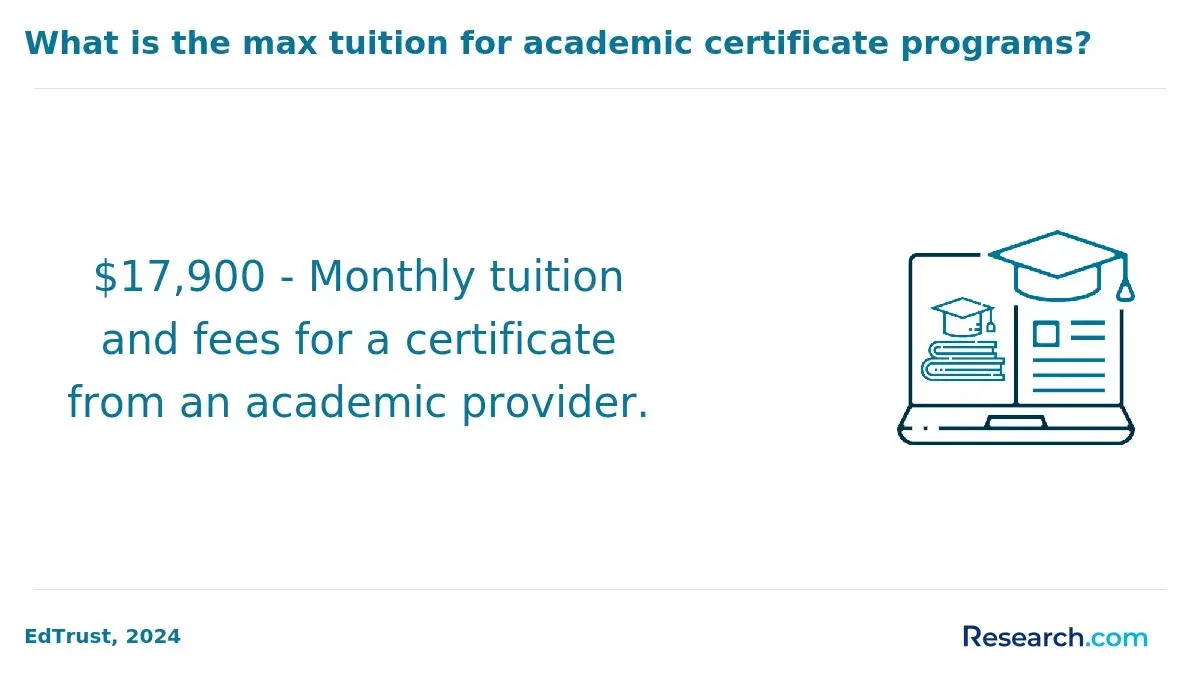
Online digital photography education ranges from short certificates to bachelor's degrees. The best credential depends on whether the student wants fast skills, transfer preparation, freelance readiness, or a broader creative media career.
The table below summarizes common academic options and the career situations where each one may make sense. Students should compare the credential level with their target employers, portfolio needs, and budget.
| Credential | Typical focus | Who it fits best | Important trade-off |
| Certificate | Camera operation, lighting, editing, and portfolio basics | Beginners, hobbyists, freelancers, and professionals adding visual content skills | May not carry the same weight as a degree for some media or education roles |
| Associate degree | Foundational photography, digital imaging, design, and general education | Students seeking an affordable entry point or future transfer pathway | May offer fewer advanced specialization courses than a bachelor's program |
| Bachelor's degree | Advanced visual storytelling, portfolio development, art/design theory, business, and electives | Students pursuing commercial photography, media production, creative direction, or graduate study | Usually requires more time and a larger financial commitment |
| BFA or studio-focused degree | Fine art practice, critique, exhibition, concept development, and capstone portfolio | Students seeking intensive creative development or gallery-oriented work | May require more studio-style critique and may be less business-focused unless electives fill the gap |
Specializations can shape the kinds of assignments a graduate is prepared to pursue. Common online photography concentrations and elective clusters include commercial photography, portraiture, product photography, photojournalism, documentary photography, wedding and event photography, fashion photography, real estate photography, sports photography, and digital imaging or retouching.
Students who are unsure about a creative degree should compare photography with other flexible online pathways. For example, short Spanish degrees may appeal to learners who want a faster language-focused credential for education, translation support, business, or public service settings rather than a portfolio-based creative career.
The most important decision is whether the program's portfolio outcomes match the student's intended market. A student aiming for product photography should prioritize lighting, retouching, color control, and studio workflow, while someone pursuing documentary work should look for storytelling, ethics, multimedia, and publication-oriented assignments.
How can students verify that an online digital photography program is properly accredited?
Accreditation is a quality review process that helps confirm whether a college meets recognized academic and administrative standards. For degree-seeking students, institutional accreditation is especially important because it can affect federal financial aid eligibility, credit transfer, graduate school admission, and employer confidence.
Students should not rely only on marketing language such as "approved," "recognized," or "industry aligned." Instead, they should verify accreditation directly through authoritative sources and confirm that the specific institution, credential, and campus or online division are covered.
Use these steps before submitting an application or deposit:
- Search the school in the U.S. Department of Education's Database of Accredited Postsecondary Institutions and Programs or the Council for Higher Education Accreditation directory.
- Confirm the accreditor is recognized for institutional accreditation, not only for a narrow training approval or membership.
- Check whether the online program is offered by the same accredited institution listed in the directory.
- Ask admissions how credits transfer to other colleges and request that policy in writing.
- For art and design schools, check whether programmatic accreditation or professional review is available, but do not treat it as a substitute for institutional accreditation.
Red flags include unclear school ownership, pressure to enroll immediately, refusal to disclose total cost, vague transfer policies, and job-placement claims that sound guaranteed. Students should also be cautious with programs that emphasize equipment bundles or influencer-style promises more than faculty credentials, curriculum, accreditation, and portfolio review.
What core courses and technical skills are taught in online digital photography degrees?
Strong online digital photography degrees teach students how to make intentional images, not just how to use a camera. The curriculum usually moves from exposure and composition into lighting, editing, visual storytelling, professional workflow, and portfolio strategy.
Students should look for courses that build both creative judgment and employable production skills. The following course areas are common in well-rounded programs:
- Digital camera operation, exposure, lenses, file formats, color management, and image capture workflow.
- Lighting for portraits, products, environments, events, and controlled studio or location settings.
- Digital editing, retouching, image organization, nondestructive workflow, and output preparation for web and print.
- Composition, visual storytelling, art and photography history, ethics, and critique methods.
- Commercial photography, branding, client communication, contracts, estimating, copyright basics, and small-business practices.
- Portfolio development, capstone production, website presentation, artist statements, and professional self-promotion.
Technical expectations are changing quickly because employers and clients increasingly expect photographers to work across still images, short-form video, social content, and AI-assisted post-production. AI tools can speed up culling, masking, background cleanup, captioning, and image organization, but they do not replace a photographer's eye for lighting, narrative, client direction, and ethical image use.
Students interested in the technical side of visual media may also explore an artificial intelligence degree online if their long-term goal is to build creative tools, work in computer vision, or move toward imaging technology rather than client-based photography.
A practical way to judge curriculum quality is to examine final student portfolios. If the portfolios look repetitive, outdated, heavily templated, or weak in lighting and editing, the program may not provide enough individualized critique or current technical training.
What are typical admission requirements for online digital photography programs?
Admission requirements vary by degree level and school selectivity. Certificate and associate programs are often open to students with a high school diploma or equivalent, while bachelor's and BFA programs may require transcripts, essays, portfolio submissions, and placement testing or transfer-credit review.
Students should prepare application materials early because photography programs may ask for creative evidence in addition to standard academic documents. Common requirements include the following:
- High school diploma, GED, or prior college transcript, depending on the credential level.
- Completed online application and application fee, though some schools waive the fee during certain periods.
- Personal statement explaining creative goals, career interests, and reasons for choosing the program.
- Portfolio of images for selective bachelor's, BFA, or transfer programs.
- Minimum technology requirements, including computer specifications, editing software access, storage, camera equipment, and internet speed.
- FAFSA completion for students seeking federal financial aid at eligible institutions.
Students should not panic if their portfolio is not yet professional. Many programs look for potential, curiosity, composition, and commitment rather than polished commercial work. However, applicants should avoid submitting only casual snapshots if the school requests a serious creative portfolio.
Transfer students should ask whether studio courses transfer as major credit or only as electives. This matters because a student can lose time and money if previous photography credits do not satisfy degree requirements.
Military-connected students, working adults, and students with prior media experience should also ask about credit for prior learning, professional certifications, or standardized exams.
How long do online digital photography degrees take and what do they cost?
Program length depends on credential level, enrollment intensity, transfer credit, and whether the student takes courses year-round. Certificates may take a few months to one year, associate degrees commonly take about two years of full-time study, and bachelor's degrees usually take about four years for first-time students or less for transfer students.
Cost is one of the most important comparison points because photography careers can include freelance income variability, equipment expenses, and business startup costs. College Board's 2024-25 tuition data shows how much institution type can affect the baseline price before grants, scholarships, supplies, and living expenses are considered.
| Institution type | Average published tuition and fees for 2024-25 | How students should interpret it |
| Public two-year college, in-district | $4,050 | Often the lowest-cost starting point for certificates or associate degrees |
| Public four-year college, in-state | $11,610 | Can be cost-effective for bachelor's students who qualify for resident tuition |
| Public four-year college, out-of-state | $30,780 | May be expensive unless the online program offers a special distance-learning rate |
| Private nonprofit four-year college | $43,350 | May offer scholarships, but students should compare net price rather than sticker price |
Tuition is only part of the budget. Photography students may also need a camera body, lenses, tripod, lighting gear, color-calibrated monitor, external storage, cloud backup, printing, portfolio website, editing software, and liability insurance for client work. These costs vary, so students should ask each school for a required-equipment list before enrolling.
To compare affordability realistically, students should follow a simple cost-review process:
- Request the full cost of attendance, not just tuition per credit.
- Ask whether online students pay for technology, portfolio, studio, graduation, or software fees.
- Calculate equipment and subscription costs across the full program length.
- Compare net price after grants, scholarships, employer assistance, military education benefits, or transfer credits.
- Estimate the monthly loan payment before borrowing and compare it with realistic entry-level income expectations.
Students using military benefits or veteran education support should also compare online program structure, transfer policies, and student services. Although photography is a different field, resources that evaluate the best online electrical engineering degree programs for veterans can help veterans understand what to look for in online support, credit review, and benefit-friendly scheduling across disciplines.
What careers can graduates with online digital photography degrees pursue?
Graduates can pursue photography roles directly or use visual media skills in adjacent creative, marketing, and communications jobs. A degree does not replace a strong portfolio, but it can provide structured practice, critique, business knowledge, and a credential that may help in education, media, or corporate environments.
The table below shows common career paths and how digital photography training supports each option. Students should compare these roles by required portfolio type, work environment, and income model.
| Career path | Typical responsibilities | Portfolio emphasis |
| Portrait photographer | Photograph individuals, families, professionals, graduates, or performers | Lighting consistency, posing, retouching, client experience |
| Commercial or product photographer | Create images for brands, catalogs, advertising, packaging, and e-commerce | Studio lighting, color accuracy, product detail, retouching |
| Wedding or event photographer | Document ceremonies, conferences, celebrations, and live events | Low-light work, timing, storytelling, backup workflow |
| Photojournalist or documentary photographer | Create editorial, news, social issue, or documentary images | Ethics, narrative sequence, captions, publication readiness |
| Real estate or architectural photographer | Photograph homes, buildings, interiors, and commercial properties | Perspective control, lighting balance, fast turnaround |
| Digital imaging or retouching specialist | Edit, composite, color-correct, and prepare images for publication | Technical editing skill, detail control, software workflow |
| Content creator or visual media specialist | Produce still images, short videos, social media assets, and campaign visuals | Multiplatform storytelling, brand consistency, speed |
Many photographers are self-employed or combine freelance projects with part-time, contract, or in-house creative work. Because of this, business skills are not optional. Graduates often need to handle pricing, contracts, taxes, licensing, client communication, marketing, file delivery, and long-term archive management.
Students who want a stable employer-based path should consider building skills beyond still photography, such as video editing, motion graphics basics, content strategy, web portfolio management, and digital asset management. These skills can make a graduate more competitive for marketing departments, universities, nonprofits, studios, and media teams.
What salary ranges and earning potential exist for professional digital photographers?
Photography pay varies widely because many professionals work freelance, charge by project, or combine photography with editing, design, marketing, or video services. Earnings depend on specialization, market size, reputation, client type, production speed, licensing practices, and business discipline.
The U.S. Bureau of Labor Statistics reported a 2024 median annual wage of $43,850 for photographers. That figure is a useful national benchmark, but it should not be treated as a guaranteed outcome for degree graduates because it includes workers across many industries, experience levels, and employment arrangements.
The table below helps students interpret earning potential by career model rather than relying on a single national number. This distinction matters because freelance photographers and salaried visual media staff often face very different income patterns.
| Work model | Income pattern | What affects earning potential |
| Freelance or self-employed photographer | Project-based and often seasonal | Pricing strategy, client acquisition, repeat business, niche demand, licensing, expenses |
| Studio employee or assistant | More predictable hourly or salaried income | Local studio demand, technical skill, reliability, editing speed, customer service |
| Corporate or institutional visual media role | Often salaried with broader duties | Photography, video, asset management, brand standards, communication skills |
| Commercial specialist | Can vary greatly by client type and market | Portfolio quality, production capacity, lighting expertise, retouching, negotiation |
Students should evaluate return on investment with caution. A lower-cost associate degree plus a strong portfolio may be enough for freelance entry, while a bachelor's degree may make more sense for students who want broader creative leadership, teaching-adjacent roles, graduate study, or employer-based media positions.
One common mistake is borrowing for a high-cost program without a business plan. Before enrolling, students should research local competitors, identify target clients, estimate equipment needs, and ask schools for portfolio examples and career outcomes. Salary data can guide expectations, but portfolio quality and business execution strongly influence real-world results.
How is the job outlook for digital photography and related creative media roles?
The job outlook for digital photography is steady but competitive. The U.S. Bureau of Labor Statistics projects employment for photographers to grow 4% from 2023 to 2033, which suggests continuing need for visual content but not unlimited demand. Students should read that projection as a sign to specialize, build business skills, and adapt to changing media formats.
Several trends are shaping opportunity. E-commerce needs consistent product images, real estate markets rely on fast visual presentation, organizations need social media content, and small businesses often expect one creative professional to handle photography, video, editing, and publishing.
At the same time, smartphone cameras, stock image libraries, and generative AI tools increase competition for basic image work.
To prepare for long-term professional growth, students should build a strategy that goes beyond earning the credential:
- Choose a specialization with identifiable clients, such as product, event, portrait, real estate, editorial, or brand content.
- Create a portfolio that shows complete projects rather than unrelated single images.
- Learn copyright, licensing, model releases, contracts, and ethical editing standards.
- Develop a repeatable workflow for backup, editing, delivery, invoicing, and client communication.
- Add complementary skills such as short-form video, lighting for motion, digital asset management, or content strategy.
- Track emerging tools, including AI-assisted editing, while maintaining transparency and professional judgment.
The smartest path is to treat the degree as one part of a career system. Students who combine formal training with portfolio development, internships, assistant work, networking, and business planning are better positioned than students who assume the diploma alone will create demand.
Other Things You Should Know About Digital Photography
Yes. Many 2027 online digital photography degrees require a final capstone portfolio, usually completed in the last term and worth 3 to 6 credits. Students submit a curated body of original work, often with artist statements, to demonstrate technical skill, editing ability, and professional presentation.
Yes, and many students do. Small paid projects can help build experience, but students should use written agreements, clarify image usage rights, back up files, and avoid accepting assignments beyond their technical ability or equipment capacity.
For many client-facing roles, the portfolio is the main proof of ability. The degree can still be valuable because it provides structure, critique, technical training, and business knowledge that help students create stronger portfolio work.
References
- Top 10 Creative Digital Media Careers https://www.pointloma.edu/resources/accelerated-undergraduate/top-10-creative-digital-media-careers
- What Can You Do With a Photography Degree? https://pnca.willamette.edu/academics/bfa/photography/career-options
- Computer graphic arts - digital photography https://www.starkstate.edu/academics/explore-all-programs/digital-photography-major/
- What Can You Do With A Photography Degree? - What Career Live https://www.whatcareerlive.co.uk/what-can-you-do-with-a-photography-degree/
- Online Photography Degrees | Photography Programs & Courses https://www.onlinecolleges.net/degrees/photography/
- Top 10 Online Photography Classes You Can't-Miss: From Beginner to Pro https://www.zno.com/blog/top-10-online-photography-classes.html
- Photography Course Toronto: Online Training vs In-Person School Comparison https://www.canadianphotographyschool.ca/blog/photography-course-toronto-online-vs-inperson-comparison/
- Imagining a Career in Creative & Media Arts https://www.futuresforall.org/post/imagining-a-career-in-creative-media-arts
- Photography Jobs Outlook 2026: Is Studying Photography Still a Good Career Investment? https://www.baph.co.uk/blog/photography-jobs-outlook-2026--is-studying-photography-still-a-good-career-investment-
- How Much Do Photographers Make | Full Frame Insurance https://www.fullframeinsurance.com/blog/how-much-do-photographers-make