2027 Digital Photography Degree Salary Guide

Co-Founder and Chief Data Scientist
Choosing a digital photography degree is really a career investment decision: will the training, portfolio access, and industry connections justify the cost? The U.S. Bureau of Labor Statistics reported a $42,520 median annual wage for photographers in May 2024, while related creative roles can pay more when they require advanced production, design, or leadership skills.
This guide is for students, career changers, veterans, and working creatives who want salary context, degree comparisons, cost guidance, and practical steps for choosing a program that fits their goals.
Key Things You Should Know
- The clearest salary benchmark is the BLS May 2024 median annual wage for photographers: $42,520, but specialized roles in art direction, video, commercial production, and digital design can have higher median pay.
- A certificate or associate degree can be enough for portfolio-based freelance and assistant work, while a bachelor's degree is often stronger for studio, commercial, editorial, education, and advancement-focused paths.
- College Board's 2024 pricing data shows published tuition and fees vary widely, from $4,050 at public two-year colleges to $43,350 at private nonprofit four-year colleges, so ROI depends heavily on program cost and portfolio outcomes.
What does a digital photography degree involve, and who is it best suited for?
A digital photography degree is a structured program that teaches students how to create, edit, publish, and manage photographic work using modern camera systems, lighting, digital workflow tools, visual storytelling, and professional business practices. Unlike a short hobby course, a degree usually combines technical training with critique, art history, portfolio development, client communication, copyright basics, and career preparation.
This degree is best suited for students who want a portfolio-driven creative career and benefit from feedback, studio access, deadlines, and mentorship. It can fit aspiring commercial photographers, portrait and wedding photographers, photojournalists, fine art photographers, content creators, digital imaging specialists, photo editors, and visual media entrepreneurs.
It may not be the best investment for someone who only wants casual photography skills, already has a strong professional portfolio, or needs a career path with highly predictable wages. Photography is a competitive field, and many professionals combine paid assignments, editing work, content production, teaching, and freelance business development rather than relying on one traditional employer.
Before enrolling, compare your target job with the level of training it typically requires. The table below summarizes common learner profiles and how well a digital photography degree usually fits each one.
| Learner goal | Degree fit | Why it may or may not make sense |
| Build a professional portfolio from scratch | Strong fit | Studio courses, critique, and capstone projects can help create a coherent body of work. |
| Start a local freelance business quickly | Moderate fit | A certificate or associate degree may be more cost-effective if business launch speed matters most. |
| Work in commercial, editorial, or agency production | Strong fit | Employers and clients often value advanced lighting, post-production, collaboration, and portfolio quality. |
| Teach photography at the college level | Limited fit unless followed by graduate study | Many postsecondary teaching roles prefer or require a graduate credential and a strong exhibition record. |
| Learn photography as a personal hobby | Usually weak fit | Community classes, workshops, and online short courses may deliver enough value at lower cost. |
What salaries can you earn with a digital photography degree in different roles?
Digital photography degree salaries vary because "photography" is not one single job market. Some graduates work as self-employed portrait photographers, while others move into commercial production, art direction, digital asset management, video, retouching, e-commerce imaging, or visual content strategy. The most useful way to evaluate salary is to compare roles, not just degree titles.
The BLS May 2024 median wage for photographers was $42,520, which is a practical baseline for students considering entry-level or general photography work. The table below compares that baseline with related creative roles where photography training may be useful, especially when paired with design, video, management, or digital production skills.
| Role | Typical responsibilities | Salary context |
| Photographer | Plan shoots, capture images, edit files, deliver final work to clients or employers. | BLS reported a $42,520 median annual wage in May 2024. |
| Photo editor or digital imaging specialist | Select, retouch, color-correct, organize, and prepare images for print, web, e-commerce, or archives. | Pay varies by employer; stronger earnings often require advanced editing and workflow expertise. |
| Commercial or product photographer | Create images for advertising, catalogs, brands, restaurants, fashion, and online retail. | Earnings depend heavily on client base, market, usage rights, and business skills. |
| Film and video editor or camera operator | Capture or assemble visual footage for media, marketing, entertainment, or corporate communication. | BLS reported a $70,980 median annual wage for film and video editors and camera operators in May 2024. |
| Graphic designer with photography skills | Combine images, typography, layouts, and brand assets for digital and print communication. | BLS reported a $61,300 median annual wage for graphic designers in May 2024. |
| Art director | Lead the visual style of campaigns, publications, productions, or brand systems. | BLS reported a $111,040 median annual wage for art directors in May 2024. |
The salary takeaway is straightforward: a photography degree alone is not the only driver of earnings. Portfolio quality, niche, city, business model, licensing knowledge, digital production skills, and the ability to manage clients often matter as much as the credential.
For students comparing possible career paths, these factors tend to influence pay the most:
- Market niche: Commercial, product, healthcare, real estate, legal, corporate, and advertising photography may offer different earning potential than event or general portrait work.
- Employment model: Staff roles may provide steadier income and benefits, while freelance work can scale but requires marketing, pricing, contracts, and client retention.
- Technical depth: Lighting, color management, tethered capture, retouching, video, drone operation, and digital asset management can broaden job options.
- Rights and usage knowledge: Photographers who understand licensing, deliverables, and commercial usage can price work more strategically.
How do degree level and specialization impact digital photography career earnings?
Degree level affects earnings indirectly. Employers and clients rarely pay more simply because the credential is longer; they pay for stronger portfolios, better production skills, reliability, specialization, and leadership capacity. Still, the level of education can influence which opportunities you can access, especially in teaching, management, and highly collaborative creative environments.
The table below shows how different education levels commonly align with career goals. Use it to avoid overpaying for a credential that is more advanced than your target role requires.
| Education level | Typical career use | Earnings implication |
| Certificate | Skill upgrade, entry-level portfolio, career pivot, editing specialization. | Can be cost-effective when you already have a degree or need a narrow technical skill. |
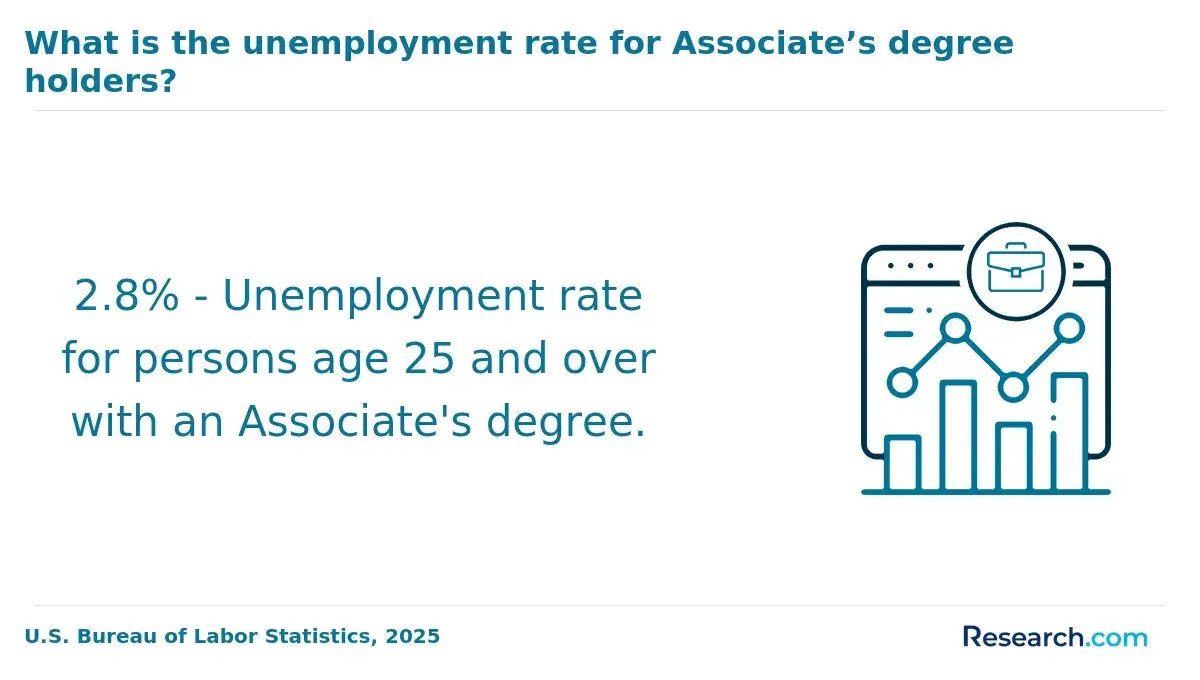
| Associate degree | Assistant roles, freelance launch, transfer pathway, local studio work. | Lower tuition can improve ROI, but advancement may require stronger independent portfolio development. |
| Bachelor's degree | Commercial photography, editorial production, brand content, arts administration, graduate school preparation. | Often provides the broadest undergraduate preparation and stronger access to internships and critique. |
| Master's degree or MFA | Teaching, fine art practice, advanced conceptual work, leadership, exhibition-focused careers. | Best for specific goals; it can be expensive if the career target does not require graduate-level study. |
Specialization is often where salary potential changes most. A general photography portfolio can be beautiful but hard to sell if it does not match a buyer's need. A focused portfolio tells employers and clients exactly what problem you solve.
Common specialization choices include:
- Commercial and product photography: Best for students interested in brands, advertising, e-commerce, restaurants, fashion, and studio lighting.
- Photojournalism and documentary work: Best for storytellers who can handle deadlines, ethics, captioning, and field conditions.
- Portrait, wedding, and event photography: Best for people who enjoy client service, local marketing, scheduling, and fast turnaround.
- Fine art photography: Best for students interested in exhibitions, grants, residencies, teaching, or graduate study.
- Digital imaging and retouching: Best for detail-oriented students who enjoy post-production, color, composites, and workflow systems.
Students drawn to the therapeutic, community, or human-services side of visual arts may also compare photography with adjacent graduate paths such as a masters in art therapy. That route is different from commercial photography because it may involve clinical requirements, supervised practice, and state-specific credentialing considerations.
What types of digital photography degrees and certificates can you pursue?
Digital photography credentials range from short certificates to graduate degrees. The right choice depends on your starting point, budget, transfer plans, and whether your goal is immediate freelance work, staff employment, graduate study, or teaching.
Here is how the main credential types compare in practical terms.
| Credential | Common length | Best for | Key trade-off |
| Undergraduate certificate | A few months to one year | Learning camera, lighting, editing, or portfolio basics quickly. | Usually narrower than a degree and may not carry as much transfer value. |
| Associate of Arts or Associate of Applied Science | About two years full time | Lower-cost entry, transfer preparation, or practical studio training. | May offer fewer advanced electives, internships, or business courses than a bachelor's program. |
| Bachelor of Fine Arts | About four years full time | Studio-intensive training, critique, portfolio depth, and creative specialization. | Can require more studio credits, leaving less room for general electives. |
| Bachelor of Arts | About four years full time | Students who want photography with broader liberal arts, media, journalism, or communication coursework. | May be less studio-intensive than a BFA, depending on the school. |
| Master of Fine Arts | Usually two to three years | Advanced artistic practice, college teaching preparation, exhibitions, and research-based studio work. | Most useful when the student has a clear graduate-level goal and funding plan. |
A certificate can make sense if you need targeted skills like Lightroom workflow, studio lighting, drone imaging, or professional retouching. An associate degree may be the smarter first step if cost control matters and you plan to transfer. A bachelor's degree is usually the most comprehensive undergraduate option for students who want structured critique, internships, and a four-year portfolio.
Veterans and military-connected students should also compare credit transfer, Yellow Ribbon participation, online flexibility, and portfolio support. A guide to an online photography bachelor degree for veterans can help narrow options for students balancing education benefits, service experience, and career transition goals.
How do online digital photography programs compare with campus-based options?
Online digital photography programs can be legitimate and effective, especially because much of the work already happens through digital capture, editing software, online critique, file delivery, and portfolio publishing. The key question is not whether online learning is "better," but whether the format gives you enough feedback, equipment access, and accountability for your career goal.
The table below compares online and campus-based formats across the factors that matter most for photography students.
| Factor | Online program | Campus-based program |
| Schedule flexibility | Often better for working adults, parents, military students, and freelancers. | More structured class times may help students who need routine. |
| Studio and equipment access | May require students to own or rent more equipment independently. | Often provides access to lighting labs, printers, studios, and checkout equipment. |
| Critique experience | Can work well with video meetings, discussion boards, and digital submissions. | In-person critique can be more immediate and collaborative. |
| Networking | May depend on virtual events, local internships, and student initiative. | Can offer easier access to local faculty, peers, exhibitions, and campus events. |
| Best fit | Self-directed students with basic equipment access and strong time management. | Students who need hands-on studio support and in-person creative community. |
Online study can be a strong choice if you already have a camera, a suitable computer, editing software access, and a plan for photographing assignments locally. Campus study may be worth the added commute or housing cost if the school offers professional lighting studios, large-format printing, darkroom access, galleries, or strong local internship pipelines.
When comparing formats, ask admissions advisors and faculty these specific questions:
- What camera, lens, computer, storage, and software expenses are required beyond tuition?
- How often will I receive individual critique from faculty, not just peer comments?
- Can online students access career services, internships, exhibitions, and portfolio reviews?
- Does the program teach business practices such as pricing, contracts, licensing, and client workflow?
- Are transfer credits, prior learning, military credits, or portfolio credits accepted?
Students considering graduate-level creative study after a bachelor's program may also compare flexible studio options such as an MFA online. That type of program can be useful for advanced artistic practice, but it should be chosen only when the curriculum, faculty mentorship, and final thesis expectations match your long-term goal.
What courses and skills are typically covered in a digital photography curriculum?
A strong digital photography curriculum should do more than teach camera settings. The best programs help students develop a repeatable creative process, understand visual communication, solve client problems, and manage a professional digital workflow from planning to delivery.
Most programs combine technical, creative, historical, and business coursework. The following course areas are especially important because they connect directly to employable skills.
- Digital camera systems: Exposure, focus, lenses, file formats, white balance, metering, and camera operation in varied conditions.
- Lighting: Natural light, studio strobes, continuous lighting, modifiers, product lighting, portrait lighting, and location setups.
- Post-production: Editing, retouching, color correction, compositing, non-destructive workflows, metadata, and file export standards.
- Visual storytelling: Sequencing, composition, narrative structure, photo essays, documentary ethics, and audience awareness.
- History and theory: Major movements, contemporary photography, visual culture, criticism, and the social role of images.
- Business practices: Pricing, estimates, invoices, contracts, copyright, licensing, releases, client communication, and marketing.
- Portfolio development: Cohesive projects, artist statements, professional websites, print presentation, and capstone exhibitions.
Current technology trends make digital literacy more important than ever. AI-assisted editing, generative image tools, automated masking, content credentials, and platform-specific visual formats are changing how images are produced and evaluated. A reputable program should not simply teach tools; it should teach when AI use is ethical, how to disclose manipulation, how to protect original work, and how to maintain a distinctive visual style.
Students should graduate with both creative and operational skills. A beautiful portfolio helps attract attention, but reliable file management, backup systems, color consistency, client communication, and deadline discipline are what make a photographer employable or referable.
What are the admission requirements and time to completion for photography degrees?
Admission requirements for digital photography programs vary by school and degree level. Certificate and associate programs are often more accessible, while BFA and MFA programs may require a portfolio review that evaluates creative potential, technical skill, and readiness for critique-based studio work.
Most undergraduate applicants should expect some combination of the following requirements:
- High school diploma, GED, or equivalent credential.
- Application form and official transcripts.
- Portfolio of images for selective studio programs, often with a short written statement.
- Minimum GPA requirements, depending on the institution.
- Placement tests or general education requirements at some community colleges.
- English proficiency documentation for applicants whose prior education was not in English.
Graduate photography programs usually require a bachelor's degree, a more advanced portfolio, letters of recommendation, a statement of purpose, and sometimes an interview. MFA programs often look for artistic direction and conceptual maturity rather than only technical polish.
Time to completion depends on credential level, enrollment intensity, transfer credits, and whether the program uses standard semesters or accelerated terms. The table below gives a realistic planning range.
| Program type | Typical full-time timeline | Part-time considerations |
| Certificate | A few months to one year | Often flexible, but course sequencing may delay completion. |
| Associate degree | About two years | May take three or more years if balancing work and school. |
| Bachelor's degree | About four years | Transfer credits can shorten the path; part-time study extends it. |
| MFA or master's degree | Usually two to three years | Low-residency or part-time formats may take longer but can suit working artists. |
A common mistake is applying only to visually impressive programs without checking whether your portfolio is competitive, whether credits transfer, and whether the school's timeline fits your finances. Ask for a degree plan before enrolling so you can see which courses are required, when they are offered, and whether prerequisites could slow you down.
How much do digital photography programs cost, and what financial aid is available?
Digital photography program costs vary by institution type, residency status, equipment requirements, and whether you study online or on campus. Tuition is only one part of the budget; students may also need cameras, lenses, memory cards, hard drives, color-calibrated monitors, software subscriptions, printing, paper, travel, studio fees, and portfolio materials.
College Board's 2024 data shows how wide the published tuition gap can be: average tuition and fees were $4,050 at public two-year colleges, $11,610 for in-state students at public four-year colleges, $30,780 for out-of-state students at public four-year colleges, and $43,350 at private nonprofit four-year colleges. For photography students, this means an affordable public or transfer pathway can dramatically reduce the amount of paid work needed to break even.
The table below summarizes major cost categories so you can compare programs by total cost, not just advertised tuition.
| Cost category | What to check | Why it matters |
| Tuition and fees | Per-credit cost, residency rules, studio fees, technology fees. | Small per-credit differences add up across a degree. |
| Equipment | Required camera body, lenses, lighting kit, tripod, computer, storage. | Some programs assume students already own professional-grade tools. |
| Software | Adobe Creative Cloud or other editing, cataloging, and design tools. | Subscriptions can continue after graduation and affect freelance costs. |
| Printing and exhibition | Paper, ink, lab fees, frames, mounting, portfolio books. | Capstone and gallery requirements can increase final-year expenses. |
| Living and travel costs | Housing, commuting, parking, location shoots, internship travel. | Campus programs may cost more if relocation is required. |
Financial aid may include federal grants, federal student loans, state grants, institutional scholarships, work-study, veterans education benefits, employer tuition support, and private scholarships. The maximum Federal Pell Grant for the 2024-25 award year was $7,395, but eligibility depends on financial need, enrollment status, and federal rules.
To reduce cost without weakening your career preparation, take these steps before enrolling:
- Complete the FAFSA and ask each school for a net price estimate, not just tuition.
- Compare transfer agreements between community colleges and four-year photography or visual arts programs.
- Ask whether equipment checkout can replace or delay major purchases.
- Look for scholarships tied to portfolio strength, first-generation status, military service, local arts organizations, or academic merit.
- Calculate how many paid assignments, internships, assistant jobs, or part-time work hours would be needed to support your costs.
The biggest cost mistake is choosing the most expensive program solely because it has a famous name. Reputation can help, but photography ROI depends on portfolio quality, mentorship, networking, career services, location, and how much debt you must carry into a freelance or variable-income field.
What is the job outlook for digital photography careers across creative industries?
The job outlook for digital photography is mixed: visual content is everywhere, but competition is high and traditional staff photography roles are limited. BLS projects employment for photographers to grow 4% from 2023 to 2033, which suggests modest expansion rather than a shortage. For students, the practical message is that a degree should be paired with a focused niche, strong digital skills, and a plan for paid experience.
Creative industries continue to need images for e-commerce, social media, advertising, journalism, events, real estate, healthcare, education, entertainment, and corporate communication. At the same time, smartphones, stock platforms, AI-generated imagery, and automated editing tools have changed what clients are willing to pay for basic work. This makes differentiation more important.
Graduates can improve their outlook by building a hybrid skill set. Photography combined with video editing, motion content, graphic design, web publishing, social media analytics, drone imaging, or digital asset management may open more doors than photography alone.
Industries and work settings that commonly use photography-related skills include:
- Advertising and marketing agencies: Campaign images, product shoots, brand assets, and social content.
- E-commerce and retail: Product photography, catalog images, image consistency, and high-volume workflows.
- News and media organizations: Photojournalism, editing, multimedia storytelling, and field assignments.
- Corporate communication teams: Executive portraits, events, internal media, recruiting content, and brand libraries.
- Education, museums, and nonprofits: Archival imaging, exhibitions, documentation, and community storytelling.
- Self-employment: Portraits, weddings, commercial clients, real estate, fine art sales, workshops, and content licensing.
Not every student should stay in a photography track if their main priority is salary stability or rapid entry into a high-demand technical field. For example, military-connected learners comparing creative and technical options might also review the best online cybersecurity degree programs for veterans to understand how a more technical degree path differs in labor market structure, credential expectations, and income predictability.
How can you choose an accredited, reputable digital photography program in the U.S.?
Choosing a reputable digital photography program requires more than scanning rankings or looking at student galleries. You need to verify accreditation, compare total cost, review faculty work, evaluate portfolio outcomes, and confirm that the curriculum matches your intended career path.
In the U.S., institutional accreditation is the baseline quality check because it affects federal financial aid eligibility, transfer credit, and graduate school recognition. Program-level art and design accreditation can add another layer of review, but it is not always required for every photography career. Always confirm accreditation through the school and recognized accreditation databases before enrolling.
Use this practical checklist when comparing programs:
- Confirm institutional accreditation: Make sure the college or university is accredited by a recognized accrediting agency.
- Review the curriculum course by course: Check whether it includes lighting, editing, business practices, portfolio development, and current digital tools.
- Study student portfolios: Look for work that is polished, varied, and aligned with the type of photography you want to pursue.
- Evaluate faculty relevance: Faculty should have professional, exhibition, publishing, commercial, or research experience related to your goals.
- Ask about equipment access: Confirm whether studios, printers, lighting, cameras, and labs are included or require extra spending.
- Compare career support: Look for internships, portfolio reviews, alumni networks, gallery opportunities, and freelance business guidance.
- Request outcome information: Ask how graduates use the degree, but remember that individual outcomes vary by portfolio, location, and effort.
- Check transfer and withdrawal policies: Understand how credits move, what happens if you pause enrollment, and whether prior credits reduce cost.
Red flags include vague accreditation claims, pressure to enroll quickly, no clear equipment list, limited faculty feedback, weak student work, unclear tuition totals, and programs that promise specific salaries. No photography school can guarantee income, especially in a field where freelance activity, local market demand, specialization, and business execution strongly influence earnings.
A strong program should help you answer three questions before you commit: What portfolio will I graduate with? What professional network or experience will I gain? What will the degree actually cost after grants, scholarships, transfer credits, and required equipment?
Other Things You Should Know About Digital Photography
Employers often value graduates who can show training in lighting, color correction, retouching, and studio workflow. In 2027, a strong portfolio plus software skills in Adobe Photoshop and Lightroom can support roles that pay above entry level, especially in commercial, editorial, and product photography.
Yes. In many creative hiring and freelance situations, the portfolio is the primary evidence of ability. The degree can still be valuable if it helps you build stronger work, receive critique, access studios, and learn professional practices.
It can be, but it requires business skills as much as creative skill. New freelancers need pricing, contracts, insurance awareness, client outreach, bookkeeping, backup systems, and a plan for inconsistent income.
In 2027, the starting salary for those with a digital photography degree varies based on factors such as location, industry, and skill level. On average, graduates can expect to earn between $30,000 and $50,000 annually. Specializing in areas like advertising or fashion photography can potentially lead to higher initial earnings.
References
- Networking in Suffolk https://icanbea.org.uk/app/explore/sectors/film-video-photography-72/
- What careers can you do with a Photography degree? | University for the Creative Arts https://www.uca.ac.uk/blogs/careers-with-a-photography-degree/
- Which one is more beneficial online photography courses or offline photography courses? https://www.careers360.com/question-which-one-is-more-beneficial-online-photography-courses-or-offline-photography-courses
- Computer graphic arts - digital photography https://www.starkstate.edu/academics/explore-all-programs/digital-photography-major/
- The Photography Institute https://www.thephotographyinstitute.com/us/en/accreditations
- How Much Does it Cost to Learn Photography? https://blog.nobledesktop.com/learn/photography/photography-cost-to-learn
- Photography Course Toronto: Online Training vs In-Person School Comparison https://www.canadianphotographyschool.ca/blog/photography-course-toronto-online-vs-inperson-comparison/
- Imagining a Career in Creative & Media Arts https://www.futuresforall.org/post/imagining-a-career-in-creative-media-arts
- Busting the myth: There are no jobs in photography? | Photography Studies College https://www.psc.edu.au/blog/busting-the-myth
- How To Get Student Loans and Financial Aid for Photography ... https://www.credible.com/student-loans/student-loans-for-photography-school