2027 Best Online Bachelor's in Digital Photography With Asynchronous Coursework

Co-Founder and Chief Data Scientist
Choosing an online bachelor's in digital photography is really a decision about time, portfolio quality, cost, and career fit. Asynchronous coursework matters because many students need to study around work, family, or freelance assignments. NCES distance education data published in 2024 shows that more than half of U. S. undergraduates took at least one online course, making flexible delivery a mainstream option rather than a backup plan. This guide explains what these programs teach, how they compare, which schools to consider, and how to judge whether the degree supports your creative and financial goals.
Key Things You Should Know
- Asynchronous online photography bachelor's programs usually combine flexible weekly deadlines with portfolio critiques, digital editing projects, lighting assignments, and career-focused capstone work rather than live daily class attendance.
- College Board's 2024 tuition data places average published tuition and fees at $11,610 for in-state public four-year colleges and $43,350 for private nonprofit four-year colleges, so transfer credits and total program cost can change ROI significantly.
- The U.S. Bureau of Labor Statistics reported a May 2024 median annual wage of $42,520 for photographers, which makes portfolio strength, niche selection, and business skills especially important for graduates.
What is an online bachelor's in digital photography with asynchronous coursework?
An online bachelor's in digital photography is a four-year undergraduate degree that teaches students how to create, edit, present, and market photographic work using digital tools. Programs may award a Bachelor of Arts, Bachelor of Fine Arts, or a closely related degree in photography, digital photography, visual arts, or media arts with a photography concentration.
Asynchronous coursework means students do not need to log in at the same time as the instructor and classmates for most class activities. Instead, lectures, readings, demos, assignments, discussion boards, and critiques are available through a learning platform. Students still follow due dates, but they can usually complete weekly work during evenings, weekends, or other open blocks of time.
This format is best for students who are self-directed and can manage visual projects without the structure of daily studio meetings. It is especially useful for working adults, military-connected learners, parents, and aspiring photographers who are already building freelance portfolios. However, it is not a "work whenever you want with no deadlines" format. Photography courses often require staged shoots, reshoots, editing time, peer feedback, and final portfolio submissions.
Most online digital photography bachelor's programs include several learning components that are important to evaluate before enrolling:
- Technical foundations: camera operation, exposure, lenses, lighting, file formats, color management, and digital workflow.
- Creative development: composition, visual storytelling, concept development, genre experimentation, and personal style.
- Post-production: editing, retouching, digital asset management, image sequencing, and output for print or web.
- Professional practice: client communication, copyright, contracts, pricing, portfolio development, marketing, and business planning.
- Critique and portfolio review: structured instructor and peer feedback to help students improve both technical execution and artistic intent.
The strongest programs do more than teach camera settings. They help students leave with a polished portfolio, a realistic understanding of the photography labor market, and the business habits needed for freelance or employment-based creative work.
How does an online digital photography bachelor's compare to a campus-based degree?
An online digital photography bachelor's can be academically comparable to a campus-based degree when it is offered by an accredited institution and includes rigorous critique, portfolio development, and faculty feedback. The biggest differences are not usually the degree title; they are access to physical studios, equipment, live networking, and day-to-day structure.
The table below compares the major decision factors. Use it to identify which format fits your learning style, schedule, and career goals rather than assuming one format is automatically better.
| Factor | Asynchronous online bachelor's | Campus-based bachelor's |
| Schedule | Best for students who need flexible weekly deadlines and can work independently. | Best for students who want fixed class times and in-person accountability. |
| Studio access | Students may need to provide or rent camera equipment, lighting, backdrops, and printing resources. | Students may have access to studios, darkrooms, lighting kits, labs, printers, and equipment checkout. |
| Critique format | Often delivered through discussion boards, uploaded galleries, video feedback, and recorded demonstrations. | Often delivered through live class critique, studio review, exhibitions, and faculty office hours. |
| Networking | Requires more intentional outreach through online communities, internships, local shoots, and professional associations. | May offer easier access to campus exhibitions, local creative scenes, visiting artists, and peer collaboration. |
| Portfolio outcome | Can be strong if the student actively seeks feedback, revises work, and builds local or client-based experience. | Can be strong if the student uses studio resources and participates in critiques, shows, and collaborations. |
| Best fit | Working adults, transfer students, military-connected students, rural students, and self-directed learners. | Students who learn best through in-person studio practice and want direct access to facilities. |
Online study makes the most sense when flexibility is the deciding factor and the program still provides real critique. Campus study may be better if you need hands-on studio supervision, want daily contact with peers, or plan to specialize in areas requiring extensive controlled lighting, printing, or large-format production.
The biggest mistake is assuming online photography is easier. Strong online programs still require original shoots, edits, artist statements, revisions, and final portfolios. Before choosing either format, ask how many portfolio reviews are required, how faculty provide critique, and whether students can access equipment or software discounts.
Which accredited schools offer online digital photography bachelor's programs asynchronously?
There are relatively few fully online bachelor's programs focused specifically on digital photography, so the best shortlist usually includes photography-specific degrees and broader visual arts or media degrees with strong photography coursework. Accreditation should be non-negotiable because it affects federal financial aid eligibility, transfer credit, graduate study options, and employer confidence.
The following schools are useful starting points for students seeking accredited online photography-related bachelor's options with flexible delivery. Program names, tuition, and course formats can change, so confirm the current catalog, accreditation status, and asynchronous requirements directly with the school before applying.
| School | Example online program | Accreditation to verify | Why it may fit asynchronous learners |
| Southern New Hampshire University | BA in Digital Photography | Institutional accreditation through NECHE | Designed for online learners, with project-based coursework and portfolio development. |
| Academy of Art University | BFA or BA options in Photography | Institutional accreditation through WSCUC; program-specific art accreditation may also be relevant | Offers online art and design coursework with emphasis on creative production and professional portfolios. |
| Arizona State University Online | Online art or digital photography-related bachelor's pathway, depending on current catalog offerings | Institutional accreditation through HLC | May suit students who want a large public university structure with online visual arts coursework. |
| Rocky Mountain College of Art + Design | Online BFA in Photography or photography-related offerings, depending on current catalog | Institutional accreditation through HLC; art and design accreditation may be relevant | May appeal to students seeking a studio-art environment in an online format. |
| Savannah College of Art and Design | Online photography-related undergraduate coursework through SCADnow, depending on current catalog | Institutional accreditation through SACSCOC | May fit students who want a highly design-focused school and are comfortable verifying live versus asynchronous expectations. |
Because photography programs can use different labels, search beyond the exact phrase "digital photography." Relevant degrees may appear under photography, visual arts, graphic design and media arts, digital media, studio art, or visual communication. The key is whether the curriculum includes enough photography, editing, lighting, critique, and portfolio work to support your intended career.
When comparing schools, prioritize fit over brand familiarity. A lower-cost program with strong faculty critique, generous transfer policy, and a portfolio-centered capstone may be more useful than a higher-cost program with a famous name but limited one-on-one feedback.
What admission requirements do online digital photography bachelor's programs typically have?
Admission requirements vary by institution, but most online bachelor's in digital photography programs use general undergraduate admissions standards. Selective art schools may also ask for a portfolio, while access-focused universities may not require one for first-year admission.
Reviewing requirements early helps you avoid delays, especially if you are transferring credits or applying for financial aid. Most applicants should expect some combination of the following:
- High school diploma or equivalent: First-year applicants generally need proof of graduation or a recognized equivalency credential.
- Official transcripts: Schools typically require transcripts from high school and any colleges previously attended.
- Minimum GPA policy: Some programs publish a minimum GPA, while others use a broader review process.
- Portfolio or creative samples: Art-focused programs may request images that show technical ability, creativity, composition, and visual problem-solving.
- Personal statement: Some schools ask applicants to explain their goals, creative interests, or reasons for choosing photography.
- Technology readiness: Students may need a capable computer, image-editing software, a digital camera, storage, and reliable internet access.
- Transfer evaluation: Transfer students may need syllabi or course descriptions to receive credit for studio, art history, or general education classes.
If a program does not require a portfolio, that does not automatically mean it is weak. It may simply be designed for beginners. The more important question is whether the program requires a strong portfolio by graduation. Employers and clients usually evaluate photographers by the quality and relevance of their work, not just the admission bar of the school they attended.
Students who feel unprepared can strengthen their application by taking introductory photography, design, or digital editing courses before applying. A short pre-application portfolio with 10 to 15 carefully selected images is often more effective than a large folder of unrelated work.
What courses and skills are taught in an online digital photography bachelor's curriculum?
An online digital photography bachelor's curriculum usually blends art, technology, visual communication, and business. The goal is to help students move from taking technically acceptable images to producing intentional bodies of work for clients, publications, exhibitions, brands, or digital platforms.
The curriculum typically builds from camera fundamentals to advanced portfolio work. The table below shows common course areas and the practical skills they are meant to develop.
| Course area | What students usually learn | Why it matters professionally |
| Digital camera techniques | Exposure, aperture, shutter speed, ISO, lenses, metering, focus, and file formats. | Helps students produce technically consistent images in varied conditions. |
| Lighting | Natural light, studio lighting, flash, modifiers, product lighting, portrait lighting, and mood control. | Supports commercial, portrait, product, editorial, and event work. |
| Digital editing | Raw processing, retouching, color correction, compositing, image export, and workflow management. | Improves image quality and prepares files for clients, publications, print, and web use. |
| Visual storytelling | Narrative sequencing, documentary practice, image series, captions, and ethical representation. | Prepares students for editorial, nonprofit, documentary, and brand storytelling projects. |
| Art and photo history | Major movements, photographers, visual culture, criticism, and contemporary practice. | Builds visual literacy and helps students place their work in a broader creative context. |
| Business of photography | Contracts, licensing, pricing, client communication, copyright, marketing, and entrepreneurship. | Helps graduates avoid common freelance mistakes and manage paid work professionally. |
| Portfolio and capstone | Curating a body of work, writing artist statements, presenting projects, and receiving critique. | Creates the work sample most relevant to employment, graduate school, or client acquisition. |
Beyond course titles, look for evidence that the program teaches current digital production realities. AI-assisted editing, content authenticity concerns, short-form visual platforms, search-optimized image publishing, and client demand for fast turnaround all affect how photographers work. A strong program should teach students how to use new tools ethically without replacing core skills in lighting, composition, direction, editing judgment, and visual storytelling.
Students should also expect to build soft skills. Photographers often need to direct subjects, manage nervous clients, negotiate deadlines, collaborate with designers or marketers, and accept critique without becoming defensive. These skills are hard to measure in a course catalog but very important in real work.
How long does it take to finish an online digital photography bachelor's and what does it cost?
Most online bachelor's in digital photography programs require about 120 credits. Full-time students often finish in about four years, while transfer students with prior college credit may finish faster. Part-time students may need longer, but the asynchronous format can make steady progress more realistic for learners who cannot pause work or family responsibilities.
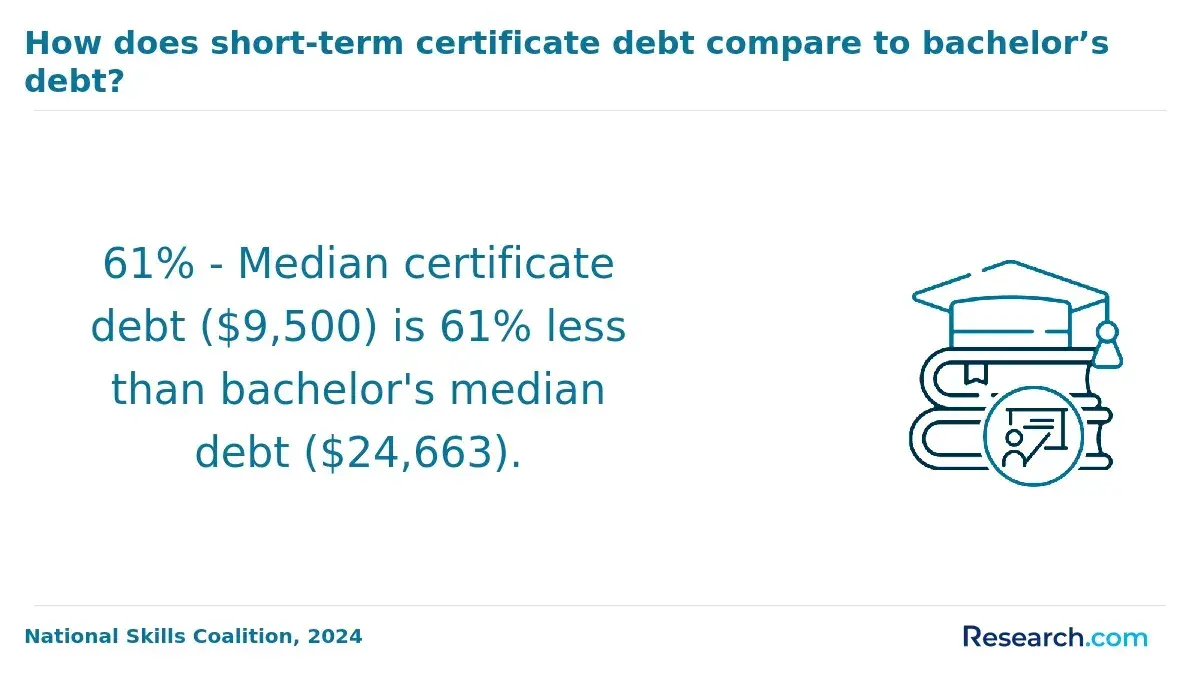
Cost depends on tuition, fees, transfer credits, equipment, software, printing, and how long you stay enrolled. College Board's 2024 Trends in College Pricing reported average published tuition and fees of $11,610 for in-state public four-year colleges and $43,350 for private nonprofit four-year colleges for the 2024-25 academic year. Those averages are not photography-specific, but they show why comparing net price and transfer policy matters more than comparing sticker price alone.
Common cost components include the following:
- Tuition per credit or per term.
- Online learning or technology fees.
- General education and studio course fees.
- Camera body, lenses, tripod, lighting, memory cards, storage, and backup drives.
- Image-editing software subscriptions or school-provided software access.
- Printing, portfolio books, website hosting, and exhibition materials.
- Graduation, transcript, and portfolio review fees, if charged.
The table below summarizes typical timeline choices. It is designed to help you compare pacing, not to promise a specific completion date.
| Path | Typical pace | Best for | Trade-off |
| Traditional full-time | About four academic years | Students starting with few or no transfer credits who can carry a full course load. | Faster than part-time study, but more demanding each term. |
| Transfer-friendly completion path | Often shorter, depending on accepted credits | Students with prior general education, associate degree, military training, or previous art coursework. | Studio and major requirements may not transfer as easily as general education credits. |
| Part-time asynchronous path | Longer than four years | Working adults, caregivers, and freelancers balancing paid assignments. | Lower term-by-term workload, but total time in school may increase. |
| Accelerated or year-round path | Varies by school and credit load | Highly organized students with strong time management and available transfer credit. | Less time for deep portfolio revision, internships, or client-based practice. |
If speed is your top priority, be cautious. Some disciplines have clearly defined accelerated pathways, such as a fast track architecture degree, but photography bachelor's programs still need enough time for critique, revision, and portfolio maturation. Finishing quickly is useful only if the final portfolio is strong enough for your goals.
To reduce costs, ask each school for a written transfer evaluation before enrolling, compare net price after aid, check whether software is included, and avoid buying expensive equipment before reviewing the program's technical requirements. A midrange camera used well is often more valuable than high-end equipment used without a clear creative plan.
What digital photography careers can you pursue with an online bachelor's degree?
An online bachelor's in digital photography can support several creative career paths, but outcomes depend heavily on portfolio quality, business skills, niche, location, and persistence. Many photographers combine employment, contract assignments, and freelance work rather than following one linear career track.
The table below outlines common career directions and the type of portfolio evidence each one usually requires. This can help you choose electives and projects while still in school.
| Career path | Typical responsibilities | Portfolio evidence to build |
| Portrait photographer | Photograph individuals, families, professionals, seniors, or personal branding clients. | Consistent lighting, posing, retouching, client variety, and finished galleries. |
| Commercial or product photographer | Create images for brands, products, catalogs, ecommerce, restaurants, or advertising. | Clean lighting, product detail, color accuracy, styling, and campaign-ready image sets. |
| Editorial or documentary photographer | Produce visual stories for publications, nonprofits, community projects, or digital media. | Photo essays, captions, ethical storytelling, sequencing, and location work. |
| Event photographer | Cover weddings, corporate events, conferences, performances, or community gatherings. | Low-light work, fast turnaround, candid coverage, detail shots, and full event galleries. |
| Photo editor or digital imaging specialist | Select, retouch, organize, color-correct, and prepare images for publication or client delivery. | Before-and-after edits, workflow samples, asset organization, and consistent visual standards. |
| Content creator or visual media specialist | Create photography and short-form visual assets for brands, agencies, schools, or organizations. | Cross-platform image sets, social campaigns, simple video, brand consistency, and analytics awareness. |
Some graduates move into specialized visual documentation roles, including medical, forensic, scientific, or technical imaging. These paths may require additional training, employer-specific protocols, or safety knowledge. If you are interested in death investigation or medical documentation work, understanding adjacent roles such as autopsy technician can help you see how photography skills may intersect with regulated or procedure-heavy environments.
This degree is most useful for students who want a structured path to develop a serious portfolio, learn critique, and understand the business side of image-making. It may be less necessary for hobbyists, students who only need basic camera skills, or people who already have a strong professional portfolio and only need targeted training in one area such as lighting or editing.
To improve career readiness while enrolled, build a portfolio around one or two marketable niches, complete real client or community projects, request detailed critique, document your workflow, and learn how to explain the business purpose behind your images. Employers and clients often want to know not only whether you can make attractive images, but whether you can solve visual communication problems reliably.
What is the salary outlook for graduates with a digital photography bachelor's?
Salary outcomes in photography vary widely because many professionals are self-employed, work project-to-project, or combine photography with related creative services. The U.S. Bureau of Labor Statistics reported a May 2024 median annual wage of $42,520 for photographers. That figure is a useful baseline, but it does not capture every income model, especially for freelancers who have uneven workloads or business expenses.
The table below explains how to interpret salary potential across common work settings. It does not guarantee income; it shows why the same degree can lead to different financial outcomes.
| Work setting | Income pattern | What affects earning potential |
| Freelance photography | Variable and project-based. | Client pipeline, pricing, niche, repeat business, local market, speed, and business discipline. |
| Studio or company employment | More predictable wages or salary. | Employer size, location, technical requirements, editing speed, and ability to work with teams. |
| Commercial and product work | Can be stronger when tied to business outcomes. | Lighting skill, brand experience, ecommerce needs, licensing, and professional reliability. |
| Editorial or documentary work | Often competitive and assignment-based. | Story access, publication relationships, grants, writing ability, and subject-matter expertise. |
| Hybrid creative roles | May combine photography with design, marketing, video, or content strategy. | Breadth of digital skills, analytics awareness, software fluency, and portfolio relevance. |
For ROI, compare the total cost of the degree with the specific career model you want. A student aiming for freelance portrait work should evaluate local demand, startup costs, and client acquisition strategy. A student aiming for an in-house content role should build complementary skills in editing, design, basic video, and brand communication.
One practical approach is to treat the degree as a portfolio-and-skills investment rather than a salary entitlement. The strongest financial value usually comes when students use the program to create marketable work, secure internships or client projects, and learn how to price, license, deliver, and promote images professionally.
How is the job market and industry demand for digital photography professionals?
The photography job market is competitive but not disappearing. BLS employment projections for 2024 to 2034 indicate photographer employment is expected to grow by 4%, which is roughly in line with the average for all occupations. For students, this means opportunities exist, but a general photography degree alone is rarely enough to stand out.
Demand is being shaped by several forces. Businesses need constant visual content for websites, ecommerce, advertising, social media, internal communications, and events. At the same time, smartphone cameras, stock image libraries, AI image tools, and template-based design platforms have reduced demand for some basic image-making tasks. The result is a market that rewards photographers who can offer judgment, direction, consistency, editing expertise, and problem-solving rather than just access to a camera.
Current trends affecting photography careers include the following:
- AI-assisted workflows: Generative and editing tools can speed retouching, background cleanup, and concept development, but clients still need professionals who understand authenticity, usage rights, and brand risk.
- Short-form visual content: Photographers who can also produce basic video, reels, and campaign assets may have more flexible employment options.
- Ecommerce and product imagery: Online retail keeps demand for clean, consistent, high-volume product visuals, especially when paired with fast editing workflows.
- Content marketing: Organizations increasingly need image libraries that support newsletters, landing pages, ads, and social campaigns.
- Portfolio-based hiring: Employers and clients often care more about relevant samples and turnaround reliability than the exact degree title.
Students who want to move beyond photography into broader brand strategy may eventually consider graduate study in marketing, analytics, or communications. For example, a masters in digital marketing can make sense for professionals who want to lead campaigns rather than only produce visual assets.
The smartest job-market strategy is specialization plus adaptability. Choose a niche such as product, portrait, documentary, real estate, event, or brand photography, but build enough adjacent digital skills to work across platforms. That combination can make your portfolio more useful to employers and clients who need complete visual solutions.
How can you evaluate and choose a reputable online digital photography program?
Choosing a reputable online digital photography program requires more than scanning rankings or picking the lowest tuition. The right program should be accredited, affordable for your situation, flexible enough for your schedule, and strong enough to help you graduate with a competitive portfolio.
Use the following steps before you apply or enroll. They are designed to reduce common mistakes that can waste time, money, or credits.
- Verify institutional accreditation. Confirm the school is accredited by an agency recognized by the U.S. Department of Education or the Council for Higher Education Accreditation.
- Check whether the program is truly asynchronous. Ask whether any courses require live meetings, scheduled critiques, residencies, internships, or proctored sessions.
- Request a full cost estimate. Include tuition, fees, equipment, software, printing, portfolio costs, and any required subscriptions.
- Ask for a transfer-credit review in writing. Do this before enrolling, especially if you have prior college credits, military training, or an associate degree.
- Review faculty portfolios and professional experience. Look for instructors whose work aligns with your intended niche.
- Examine student portfolio outcomes. Strong programs should show evidence of graduate-level work, capstones, exhibitions, or professional projects.
- Confirm critique quality. Ask how often instructors provide individualized feedback and whether peer critique is structured or informal.
- Compare career support. Look for internship guidance, portfolio reviews, resume support, freelance business training, and alumni examples.
- Check technology requirements. Make sure your camera, computer, software, and internet connection can support the coursework.
- Avoid pressure-based enrollment. Be cautious if an admissions representative pushes quick enrollment before answering cost, accreditation, transfer, or course-format questions.
The table below summarizes common red flags and better alternatives. Use it as a final checklist before committing to a program.
| Red flag | Why it matters | Better alternative |
| The school is vague about accreditation. | Accreditation affects aid, transfer, and credibility. | Choose a school with clearly verifiable institutional accreditation. |
| The program advertises flexibility but requires frequent live sessions. | This may conflict with work, caregiving, or time-zone needs. | Ask for a sample weekly schedule and synchronous requirement list. |
| Tuition is shown without fees or equipment costs. | Photography programs can require significant technology and production expenses. | Request a total cost of attendance estimate and equipment list. |
| Portfolio development is not clearly required. | A weak portfolio can limit career options even with a completed degree. | Choose a program with capstones, critiques, and portfolio reviews. |
| The curriculum ignores business practice. | Many photographers need freelance, licensing, pricing, and client management skills. | Look for courses in professional practice, copyright, and marketing. |
Military-connected students should also review credit for military training, tuition assistance rules, Yellow Ribbon participation, and deployment-friendly policies. A dedicated guide to a photography degree online for veterans can help compare benefits and support services that general program pages may not fully explain.
The best choice is the program that balances credibility, cost, flexibility, and portfolio strength. If a school cannot clearly answer how students receive critique, what they produce by graduation, and what the total cost will be, keep comparing options.
Other Things You Should Know About Digital Photography
Not always, but you will likely need a camera that allows manual control of exposure, focus, and file format. Wait for the program's official equipment list before buying expensive gear, because lens and lighting requirements vary by curriculum.
Most programs require JPEG for final image uploads and RAW files for editing assignments. Some instructors also ask for TIFF or PNG when preserving image quality. Students usually submit files through the learning management system, and image dimensions or color profiles are specified in the course syllabus.
For 2027, most online Bachelor's in Digital Photography programs require students to have access to professional photo editing software such as Adobe Photoshop and Lightroom. It is essential to verify the specific software requirements listed by the institution before enrolling to ensure compatibility with personal equipment.
It can help if the program teaches portfolio development, pricing, contracts, licensing, client communication, and marketing. A degree alone is not a business plan, so students should build real client experience and a professional website before graduation.
References
- Digital Photography Market Size, Share Trends, Growth, Industry Analysis 2034 https://www.zionmarketresearch.com/report/digital-photography-market
- Online Photography Degree | Bachelor's Degree (BFA) https://www.sessions.edu/bachelors/digital-photography/
- Photography degree potential – Photography occupations, ROI, & more – All Bachelor Degrees https://allbachelordegrees.com/degrees/photography-degree-career-overview-and-roi/
- Industries & Fields - Vault https://vault.com/industries/photography/industry-outlook
- Digital Photography Market Report: Trends, Forecast and Competitive Analysis to 2031 https://www.researchandmarkets.com/reports/6179272/digital-photography-market-report-trends
- Top 5 reasons to study a photography degree online https://www.falmouth.ac.uk/news/top-5-reasons-study-photography-degree-online
- Begin Your Digital Photography Course Today | Photography School https://www.australianphotographyschool.com.au/blog/mastering-digital-photography-a-comprehensive-guide/
- Should you Study Photography at College or are There Better Options Now? https://digital-photography-school.com/should-you-study-photography-at-college-or-are-there-better-options-now/
- How to evaluate an online photography course https://www.upskillist.com/blog/how-to-evaluate-an-online-photography-course/
- Best Online Photography Degrees https://www.onlineu.com/degrees/photography