2027 Online Digital Photography Degrees With the Best Tuition-to-Career Value

Co-Founder and Chief Data Scientist
Choosing an online digital photography degree is really a value decision: will the program build a marketable portfolio without creating unnecessary debt? The U. S. Bureau of Labor Statistics reported a $42,520 median annual wage for photographers in May 2024, which means tuition control matters as much as artistic fit.
This guide is for prospective bachelor's, master's, transfer, and career-changing students who want to compare online programs, understand accreditation, estimate costs, and connect coursework to realistic photography, media, and visual content careers.
Key Things You Should Know
- The best-value online photography programs combine recognized institutional accreditation, portfolio-heavy coursework, transparent tuition, and career services rather than relying only on prestige or software training.
- For cost planning, compare program tuition against the College Board's 2024-25 benchmark of $11,610 for average in-state public four-year tuition and fees and $43,350 for average private nonprofit tuition and fees.
- Salary outcomes vary widely because many photographers freelance; the BLS May 2024 median of $42,520 should be treated as a planning midpoint, not a guaranteed return on investment.
What are the best-value online digital photography degree programs in the United States?
The best-value online digital photography degree is not always the cheapest program. A strong value program keeps tuition manageable while helping students produce a professional portfolio, learn lighting and post-production, understand visual storytelling, and gain career-ready business skills for freelance or staff roles.
Because tuition, fees, and program names change, the table below uses a value-oriented comparison rather than a universal ranking. Students should verify current tuition, transfer-credit rules, and program availability directly with each institution before applying.
| Value candidate | Online photography-related pathway | Tuition-to-career value signal | Best fit |
| Southern New Hampshire University | Online bachelor's pathway in photography or digital media-related study | Often viewed as a lower-cost private online option, with broad transfer-credit flexibility and career-oriented coursework | Working adults, transfer students, and students seeking a practical bachelor's route |
| Arizona State University Online | Online art or digital photography-focused visual arts pathway | Large public university infrastructure, recognizable institutional brand, and online student support | Students who want a university-based creative degree with broader art and media context |
| Liberty University Online | Online digital design or photography-related concentration options | Transfer-friendly structure and frequent online tuition discounts for eligible populations | Students seeking a faith-based online university with design and photography overlap |
| Rocky Mountain College of Art + Design | Online BFA-style photography or creative media pathway | Art-school environment with portfolio emphasis, though tuition may be higher than broad-access online universities | Students prioritizing critiques, studio identity, and a creative-school network |
| Savannah College of Art and Design | Online visual arts and photography-related study through SCADnow | Strong creative-industry reputation and portfolio culture, generally at a premium tuition level | Students who can justify higher cost through portfolio goals, networking, and brand preference |
For many students, the best tuition-to-career value will come from a lower-cost accredited bachelor's program plus targeted electives in photo editing, marketing, motion content, and business. A higher-cost art school can still be worthwhile when the student needs intensive critique, a specialized creative network, or a portfolio aimed at editorial, commercial, or fine-art markets.
Before treating any school as "best," compare three practical value factors: total program cost after transfer credits, how much original portfolio work you will produce, and whether the curriculum includes the business side of photography. A program that teaches technique but ignores pricing, contracts, licensing, client communication, and digital marketing may leave graduates underprepared for the realities of freelance and content-driven work.
How do online digital photography degrees compare with campus-based programs for training quality?
Online photography degrees can deliver strong training quality when they are built around critique, project submission, faculty feedback, and portfolio development. The key difference is not whether the program is online or campus-based; it is whether students receive enough guided practice, peer review, and access to the equipment or software needed to complete professional-level assignments.
The table below shows where online and campus programs usually differ. Use it to decide whether your learning style and career goal require physical studio access or whether a well-designed online format is enough.
| Training factor | Online digital photography degree | Campus-based photography degree | Decision point |
| Critique and feedback | Usually delivered through uploaded projects, video comments, discussion boards, and live sessions | Often delivered in studio critiques, gallery reviews, and in-person peer sessions | Online works well if faculty feedback is frequent, detailed, and portfolio-specific |
| Equipment access | Students may need to provide cameras, lenses, lighting kits, storage, and editing hardware | Students may access campus studios, lighting labs, printers, and checkout equipment | Campus may be stronger if you need expensive studio gear you cannot reasonably buy |
| Scheduling | More flexible for working adults, parents, military students, and freelancers | More structured, with scheduled studio time and face-to-face expectations | Online is often better when flexibility is essential to persistence |
| Networking | Can include virtual critiques, alumni communities, online exhibitions, and remote internships | May offer local gallery events, studio collaborations, and regional industry connections | Campus may help students who need local creative community; online students must network intentionally |
Students comparing online creative degrees should also look at how other distance-learning fields manage hands-on work. For example, an instructional design degree online often uses project portfolios, peer review, and applied assignments in ways that are similar to strong online photography education.
Online training is usually a poor fit when a student expects the school to supply most equipment, needs daily in-person studio mentorship, or wants a campus gallery culture. It is a strong fit when the student can self-direct shoots, meet deadlines independently, and wants to build a portfolio around real environments, clients, products, events, or community stories.
What accreditation should online digital photography programs have to support strong career outcomes?
Accreditation matters because it affects credit transfer, federal financial aid eligibility, graduate school options, employer confidence, and the basic legitimacy of the credential. For online digital photography degrees, the most important baseline is institutional accreditation from an agency recognized by the U.S. Department of Education or the Council for Higher Education Accreditation.
Programmatic accreditation is less universal in photography than in nursing, engineering, or counseling, but art and design schools may hold specialized recognition from organizations such as the National Association of Schools of Art and Design. This can be a useful quality signal, especially for students aiming at graduate art study, teaching, or competitive creative portfolios.
Prospective students should confirm accreditation before applying, not after enrollment. The safest process is straightforward:
- Search the institution in the U.S. Department of Education's Database of Accredited Postsecondary Institutions and Programs.
- Confirm that the accreditor is currently recognized and that the school's accreditation is active, not merely historical.
- Ask whether the specific online program is included under the institution's accreditation scope.
- Check whether credits from the program have transferred to public universities or graduate programs in recent years.
- Review complaints, teach-out history, and recent institutional changes if the school has changed ownership or accreditation status.
A common mistake is assuming that "accredited" always means the same thing. National, regional, institutional, and programmatic accreditation can affect transfer differently, so students planning to move from an associate degree to a bachelor's program should ask receiving schools how credits will be evaluated.
What types of online digital photography degrees exist, and which pathway fits different career goals?
Online digital photography pathways range from short certificates to graduate-level visual arts programs. The right choice depends on whether you need a first college credential, a bachelor's degree for broader career mobility, or an advanced portfolio for teaching, fine art, or creative leadership.
The table below compares the main degree levels. It is especially useful for students deciding whether a full degree is necessary or whether a shorter credential can meet the career goal.
| Pathway | Typical focus | Who it fits | When it may not be enough |
| Certificate in digital photography | Camera operation, editing, lighting basics, and portfolio samples | Career changers, hobbyists, entrepreneurs, and working creatives adding photo skills | May not satisfy employers that require a bachelor's degree or advanced art study |
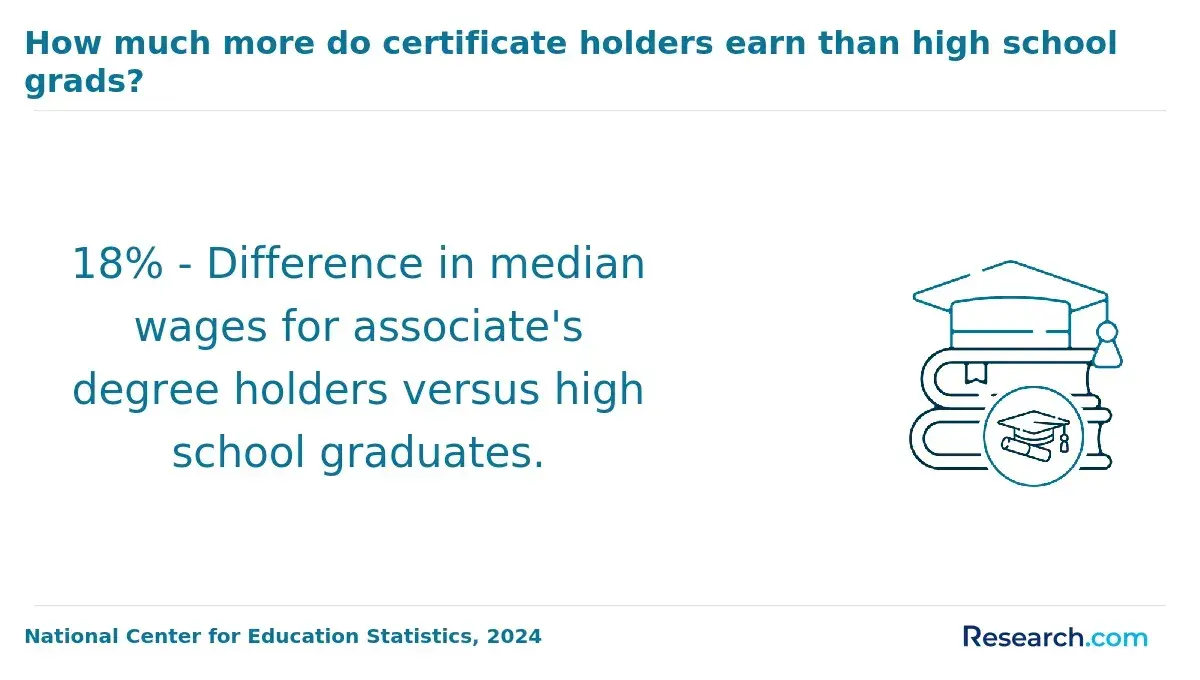
| Associate degree | Foundational photography, design, general education, and entry-level portfolio work | Students seeking a lower-cost start or a transfer pathway | May limit advancement in roles that prefer a four-year degree |
| Bachelor's degree | Photography, visual storytelling, digital imaging, art history, business, and portfolio development | Students seeking the broadest undergraduate credential for creative media careers | Can be more expensive than a certificate if the student only needs a narrow technical skill |
| Master's degree or MFA | Advanced critique, research, exhibition practice, conceptual development, and teaching preparation | Artists, educators, and professionals seeking advanced creative authority | Usually unnecessary for basic freelance, event, or commercial photography entry |
Students who already have a bachelor's degree and want advanced creative work may compare photography-focused graduate study with an online MFA visual arts pathway. That route can make sense for teaching, exhibition, or fine-art goals, but it is usually not the most cost-efficient option for someone who simply wants to start booking portrait or product clients.
A bachelor's degree is the strongest general-purpose option because it combines technical training with communication, art history, business, and digital media skills. A certificate is better when speed and cost control matter more than the credential itself.
What core courses and specializations are typically included in online digital photography curricula?
A strong online digital photography curriculum should teach students how to make images, edit them professionally, explain creative choices, and use photography in business or media contexts. The best programs do not stop at camera settings; they connect technical decisions to audience, message, ethics, and client needs.
Most programs combine visual foundations, photography technique, digital workflow, and portfolio courses. The following subjects are common because they support both artistic development and employability:
- Digital camera operation, exposure, composition, lens selection, and image capture workflow
- Lighting for portrait, product, editorial, documentary, and studio-based photography
- Adobe Lightroom, Photoshop, color correction, retouching, file management, and non-destructive editing
- Visual storytelling, photojournalism principles, documentary practice, and narrative sequencing
- Art and photography history, contemporary visual culture, criticism, and ethical image-making
- Business practices, copyright, licensing, contracts, client communication, pricing, and self-promotion
- Portfolio development, capstone projects, online presentation, exhibition preparation, and professional critique
Specializations are useful when they match a real market. Common options include commercial photography, portraiture, wedding and event photography, fashion imagery, product photography, documentary photography, photo editing, visual communication, social media content, and fine-art photography.
Photography students increasingly benefit from adjacent design and spatial-visual skills. If you are interested in architectural photography, interiors, built environments, or visual documentation of design projects, comparing photography coursework with architecture programs online can help you understand how composition, space, lighting, and visual presentation overlap across fields.
Current technology trends also matter. AI-assisted editing, generative image tools, automated background removal, and metadata-based asset management are changing production workflows. Students should look for programs that teach ethical AI use, disclosure norms, copyright risk, and original image-making rather than treating software shortcuts as a replacement for photographic judgment.
What are the usual admission requirements for online digital photography bachelor's and master's programs?
Admission requirements for online digital photography programs vary by degree level and school selectivity. Open-access online universities may focus on transcripts and readiness, while art schools may also require a portfolio or creative statement.
For bachelor's programs, applicants commonly need a high school diploma or GED, official transcripts, an application form, and proof of English proficiency when applicable. Transfer students may need college transcripts, course descriptions, and minimum grade requirements for credits to apply toward the major.
For master's or MFA-style programs, admissions usually become more selective. Applicants may need the following materials because graduate photography study depends heavily on creative direction and readiness for critique:
- A completed bachelor's degree from an accredited institution
- A portfolio showing coherent visual work, not just technically competent individual images
- A statement of purpose explaining artistic goals, research interests, or professional direction
- Letters of recommendation from faculty, employers, creative directors, or professional collaborators
- A resume or curriculum vitae listing exhibitions, publications, client work, teaching, or related experience when available
Students without a strong portfolio should not assume they are automatically excluded. Many bachelor's programs are designed for beginners, and some graduate programs admit students who show promise, discipline, and a clear plan for development. However, applicants should avoid submitting random images; even an early portfolio should show intentional choices in subject, light, editing, and sequence.
A practical admissions strategy is to ask whether the program offers portfolio reviews before application. This can help you understand whether you are ready for admission, whether you need prerequisite coursework, or whether a certificate or undergraduate path would be a better first step.
How long do online digital photography degrees take, and what tuition and fees should you expect?
Most online bachelor's degrees in digital photography or photography-related visual arts take about four years of full-time study, though transfer students may finish faster. Associate degrees often take about two years, certificates may take several months to one year, and graduate programs commonly take two to three years depending on format and thesis requirements.
Tuition should be evaluated as total cost, not just the advertised per-credit rate. The College Board's 2024-25 figures place average published tuition and fees at $11,610 for in-state public four-year students and $43,350 for private nonprofit four-year students, which gives photography students a useful benchmark for judging whether an online program is inexpensive, moderate, or premium-priced.
The table below summarizes the cost factors that commonly affect online photography students. It is designed to help you see where the final price can rise beyond tuition.
| Cost category | What it may include | Why it matters |
| Tuition | Per-credit charges, flat-rate terms, or program-based pricing | This is the largest cost, but transfer credits can substantially change the final amount paid |
| Technology fees | Online platform fees, digital course materials, student services, or graduation fees | Small recurring fees can add up over multiple terms |
| Equipment | Camera body, lenses, tripod, lighting, color tools, storage, and backup drives | Online students may need to supply equipment that campus students borrow from labs |
| Software | Photo editing, layout, cloud storage, and portfolio hosting tools | Subscription costs continue after graduation and should be part of career planning |
| Portfolio production | Printing, books, website hosting, exhibition materials, and professional presentation | Career readiness depends on presenting work well, not just completing assignments |
Students can lower the net cost by transferring general education credits, using employer tuition assistance, applying for institutional scholarships, choosing used or rented equipment, and avoiding unnecessary private loans. The biggest red flag is a school that emphasizes monthly payment size without clearly showing the total program cost.
Full-time study usually works best for students who want speed and can manage heavy project deadlines. Part-time study may produce better work for students who are employed, caring for family, or building a freelance client base while enrolled.
What careers can you pursue with an online digital photography degree, and where do graduates work?
An online digital photography degree can support several career paths, but the degree alone is rarely enough. Employers and clients usually want to see a strong portfolio, reliable workflow, editing skill, communication ability, and evidence that the photographer can complete assignments under deadline.
The table below connects common photography-related careers with the work graduates may do. It also shows why many students combine photography with design, marketing, video, or communications coursework.
| Career path | Typical responsibilities | Common workplaces or clients | Helpful degree focus |
| Portrait or event photographer | Plan shoots, direct subjects, manage lighting, edit galleries, sell packages, and communicate with clients | Studios, weddings, families, schools, small businesses, and independent clients | Lighting, posing, business, contracts, and client management |
| Commercial or product photographer | Create images for advertising, catalogs, e-commerce, packaging, and campaigns | Brands, retailers, agencies, manufacturers, and marketing teams | Studio lighting, retouching, product styling, color accuracy, and licensing |
| Photo editor or digital imaging specialist | Select, retouch, color-correct, organize, and prepare images for publication or campaigns | Media companies, agencies, publishers, archives, and in-house creative teams | Photoshop, Lightroom, asset management, visual standards, and editing ethics |
| Editorial or documentary photographer | Produce visual stories, cover events, document communities, and follow ethical standards | Newsrooms, nonprofits, magazines, cultural organizations, and freelance markets | Storytelling, photojournalism, ethics, captioning, and research |
| Content creator or visual media specialist | Produce still images, short-form video, social content, and branded visuals | Marketing departments, universities, nonprofits, startups, and agencies | Photography, video, social media strategy, branding, and analytics |
Graduates may work as employees, freelancers, business owners, contractors, or hybrid creative professionals. The most stable path often comes from combining photography with broader digital media skills such as video editing, web content, brand design, social media production, or marketing analytics.
Students should also think beyond the word "photographer." Many job postings use titles such as visual content specialist, digital asset coordinator, creative production assistant, studio assistant, imaging technician, retoucher, social media producer, or multimedia specialist.
What salary ranges and job outlook can digital photography graduates expect in today's market?
Photography pay depends heavily on specialization, location, client base, employment type, and business skill. The BLS reported a $42,520 median annual wage for photographers in May 2024, but that national midpoint does not capture the difference between part-time freelancers, high-volume event photographers, in-house content staff, and commercial specialists in major markets.
The table below gives a realistic salary-planning view without treating any outcome as guaranteed. Use it to understand how degree value changes by career strategy.
| Career situation | Typical earning pattern | What affects income most | Value implication |
| Entry-level assistant or junior content role | Often lower at first while the graduate builds speed, workflow, and a stronger portfolio | Location, employer size, editing ability, and reliability | A lower-cost degree or transfer-heavy pathway reduces pressure during the early career stage |
| Freelance portrait, wedding, or event work | Can fluctuate by season, referrals, pricing, and booking volume | Sales, client experience, local competition, and business systems | Business coursework may be as valuable as additional studio courses |
| Commercial, product, or brand photography | May offer stronger project rates when the portfolio matches client needs | Lighting skill, retouching, production planning, and industry contacts | Portfolio quality and specialized equipment access can justify a more intensive program |
| Photo editing, retouching, or visual content roles | May provide steadier employment than project-only freelance photography | Software mastery, file workflow, speed, and collaboration with creative teams | Students should choose electives in editing, design, and digital asset management |
The job outlook is mixed rather than simple. Demand for visual content remains strong across e-commerce, social media, higher education, healthcare marketing, real estate, and nonprofits, but competition is also high because camera technology is widely accessible. AI editing tools may reduce time spent on routine tasks, yet employers and clients still need photographers who can plan shoots, direct people, solve lighting problems, and create original images with clear usage rights.
Students should evaluate return on investment by asking how the program improves employability beyond the credential. The strongest ROI usually comes from a degree that produces a polished portfolio, teaches business operations, and helps students graduate with a clear niche rather than a general collection of unrelated images.
How can prospective students evaluate and choose a reputable online digital photography program?
Choosing a reputable online digital photography program requires more than scanning tuition and rankings. A good decision starts with your intended career, then works backward to the degree level, portfolio support, cost, accreditation, and student services that fit that goal.
Use the following steps to compare programs before applying. They are ordered to help you avoid the most expensive mistakes first:
- Define your target outcome, such as freelance portrait work, commercial product photography, visual content employment, graduate art study, or teaching.
- Confirm institutional accreditation and ask whether the online program is covered under the school's accredited offerings.
- Calculate total cost after transfer credits, fees, equipment, software, and portfolio expenses rather than comparing tuition alone.
- Review student and alumni portfolios to see whether the program produces work similar to your career target.
- Ask how critique works online, including faculty response time, peer review expectations, live sessions, and capstone requirements.
- Check whether business training covers contracts, copyright, image licensing, pricing, client management, and taxes for freelancers.
- Ask about career support, internships, virtual exhibitions, alumni networks, and employer relationships.
- Confirm equipment requirements before enrolling so you do not face unexpected camera, lighting, or computer costs.
Common red flags include vague accreditation language, unclear tuition pages, no recent student portfolio examples, limited faculty information, aggressive enrollment pressure, and promises of specific income after graduation. No photography program can guarantee client bookings or salary outcomes.
Students with military or veteran benefits should pay special attention to credit transfer, tuition assistance, Yellow Ribbon participation, and support services. If you are comparing online technical degrees with strong veteran support models, reviewing a veteran friendly online electrical engineering degree guide can help you identify the kinds of institutional policies that also matter when evaluating creative programs.
The best final choice is the program that you can afford, complete, and use to produce a portfolio that matches your intended market. If a lower-cost accredited program plus independent portfolio projects gets you there, it may be a better value than a prestigious program that requires high borrowing.
Other Things You Should Know About Digital Photography
Yes. Many online digital photography programs ask for a portfolio of 10 to 20 original images, along with a short artist statement and transcript review. Some schools also require minimum GPA standards, often 2.0 or 2.5, before accepting applicants.
In many programs, students retain ownership of original work, but schools may request limited permission to display projects. Review the student handbook and portfolio-use policy if image rights are important to you.
It can help show composition and storytelling ability, especially for beginner admission, but advanced programs usually expect work made with tools that allow manual exposure, lens choice, high-resolution files, and controlled editing.
Yes. Some students complete remote internships in photo editing, digital asset management, social media content, or visual marketing. Others arrange local shoots or studio placements while completing online coursework.
References
- Admission requirements master Photography & Society https://www.kabk.nl/en/programmes/master/master-photography-society/admission-requirements
- Computer graphic arts - digital photography https://www.starkstate.edu/academics/explore-all-programs/digital-photography-major/
- Photographers: Salary, career path, job outlook, education and more - RaiseMe https://www.raise.me/careers/media-and-communication/photographers/
- Photography Course Toronto: Online Training vs In-Person School Comparison https://www.canadianphotographyschool.ca/blog/photography-course-toronto-online-vs-inperson-comparison/
- What can you do with a Photography degree? https://www.falmouth.ac.uk/study/undergraduate/what-can-you-do-photography-degree
- Digital Camera Recommendations for Photography Students https://collegeforartsandtech.com/digital-camera-recommendations-for-students/
- Online Photography Degrees | Photography Programs & Courses https://www.onlinecolleges.net/degrees/photography/
- How to Become a Photographer: A Career Path with Many Doors | Sessions College https://www.sessions.edu/notes-on-design/how-to-become-a-photographer-a-career-path-with-many-doors/
- The Photography Institute https://www.thephotographyinstitute.com/us/en/accreditations
- Photography School, Degree, and Career Guide | All Art Schools https://www.allartschools.com/photography/