2027 Online Information Technology Master's Degree Program Costs: Tuition & Fees

Co-Founder and Chief Data Scientist
The cost of an online information technology master’s degree is not just a tuition question. For many working professionals, the real decision is whether the degree can improve career mobility without creating a debt burden that outweighs the benefit.
Online IT master’s programs can vary widely in price, structure, fees, pacing, and financial aid availability. Some programs may cost far less than others, while some exceed $30,000 once tuition and required fees are included. The difference often comes down to credit requirements, residency rules, program format, specialization, technology fees, and whether the school charges online students the same rate regardless of location.
This guide explains how to evaluate the full cost of an online information technology master’s degree, including tuition ranges, specialization costs, hidden fees, part-time and accelerated enrollment, public versus private universities, prior learning credit, financial aid, and expected salary outcomes after graduation.
Key Things to Know About the Online Information Technology Master's Degree Program Costs
- Tuition for online information technology master's programs typically ranges from $15,000 to $40,000, varying significantly by institution and program length.
- Additional fees such as technology, registration, and graduation fees can add 10-15% to the overall cost of the degree.
- Overall program costs depend on factors like residency status and part-time versus full-time enrollment, impacting total financial investment.
How Much Does an Online Information Technology Master's Degree Cost?
The typical total tuition for an online information technology master’s degree generally ranges from $15,000 to $45,000. A reasonable planning estimate is about $30,000 for the full program, though the final amount depends heavily on the school, credit requirements, tuition model, and required fees. Most students complete these programs over two to three years.
When comparing programs, focus on total program cost rather than the advertised per-credit rate alone. A lower per-credit price can still lead to a higher bill if the program requires more credits, charges separate technology fees, or extends over more terms.
What affects the total cost?
- Number of credits: Programs with more required credits usually cost more, even when the per-credit rate appears affordable.
- Tuition model: Some schools charge per credit, while others use flat-rate or term-based pricing.
- Program resources: Courses that rely on cloud platforms, virtual labs, cybersecurity simulations, analytics software, or other technical tools may include added costs.
- Institution type: Public universities, private universities, and nonprofit institutions may price online graduate programs differently.
- Residency policy: Some schools charge one online rate for all students, while others still distinguish between in-state and out-of-state learners.
Students comparing affordability across graduate degrees may find it useful to look at cost patterns in other fields as well, such as the cheapest SLP master's programs, but IT programs should be evaluated based on their own credit load, fees, and career relevance.
Do Certain Specializations in an Online Information Technology Master's Program Cost More Than Others?
Yes, some specializations can cost more, even when the school lists the same base tuition for every track. The difference usually comes from the tools, courses, labs, certifications, and applied requirements tied to the concentration.
Common IT master’s specializations include areas such as cybersecurity, data analytics, cloud computing, software development, IT management, and enterprise systems. A management-focused track may have fewer technical lab costs, while a cybersecurity or analytics track may require more specialized software or simulation platforms.
Why specialization costs can differ
- Credit hour requirements: Some tracks require more courses or electives, which increases total tuition if the school charges per credit.
- Specialized fees: Technical concentrations may include charges for virtual labs, software licenses, cloud access, data tools, or simulation environments.
- Certification and examination costs: Certain programs align coursework with industry certifications. Exam fees, preparation materials, or outside training may not be included in tuition.
- Practicum and internship obligations: If a track includes a practicum, internship, or applied project, students may face additional supervision, placement, or course-related costs.
The best way to compare specializations is to request a full cost breakdown for the exact concentration you plan to pursue. Ask whether every required course has the same fee structure, whether lab access is included, and whether certification expenses are optional or required.
Some students also pursue certificate programs that pay well before, during, or after the master’s degree to strengthen a specific skill area. If you plan to combine a degree with certifications, include both costs in your budget.
What Additional Fees Are Charged in Online Information Technology Master's Programs?
Published tuition often does not show the full cost of an online information technology master’s degree. Online students may also pay technology, platform, materials, proctoring, lab, student services, and graduation fees. Technology fees alone may range between $50 and $150 per credit hour.
Before enrolling, ask the program for a term-by-term estimate that includes both tuition and mandatory fees. This is especially important in IT programs because many courses depend on digital tools, secure testing systems, cloud environments, or virtual labs.
Common fees to check
- Technology fees: These may be charged per term or per credit and help support software access, technical infrastructure, and student technology services.
- Online learning platform fees: These cover course delivery systems, virtual classroom tools, video platforms, and learning management systems.
- Digital course materials fees: Some programs charge separately for e-books, databases, case platforms, or proprietary digital content.
- Lab or simulation fees: Applied courses in cybersecurity, networking, data analytics, or systems administration may require virtual lab access or simulation software.
- Practicum or clinical placement fees: If the curriculum includes a supervised field component or applied placement, the school may charge for coordination and oversight.
- Graduation fees: A one-time graduation charge may cover diploma processing and commencement-related administration.
- Student services fees: These recurring fees may support advising, career services, library access, tutoring, or other student resources.
- Proctoring or exam fees: Remote courses may use secure testing services, which can be billed per exam.
One graduate noted that budgeting only for tuition created problems later: “I initially budgeted just for tuition, but the cumulative technology and proctoring fees ended up increasing my expenses far beyond what I had expected.” His experience highlights why students should review the program’s fee schedule before accepting admission, not after the first invoice arrives.
Fees can also vary by course and term, so the most reliable approach is to build a spreadsheet that tracks tuition, mandatory fees, optional fees, books, software, and exam costs for every semester.
Does Attending an Online Information Technology Master's Program Part-Time Reduce Total Tuition Costs?
Part-time enrollment can reduce the amount you pay in a single term, but it does not always reduce the total cost of the degree. Many online IT master’s programs charge by credit, so taking fewer courses at a time simply spreads the same tuition over more semesters. In some cases, a longer timeline can increase total fees.
Part-time study can still be financially practical for working professionals because it may allow students to keep earning income while completing the degree. The trade-off is that graduation, promotion eligibility, and salary growth may arrive later.
Cost factors for part-time students
- Tuition structure: Part-time students usually pay per credit. This can make each term more manageable, but it may not lower the total tuition bill.
- Program fees and duration: Extra semesters can mean more technology fees, student services fees, or other recurring charges.
- Financial aid eligibility: Some scholarships, assistantships, and aid packages may require full-time enrollment, which can limit options for part-time students.
- Opportunity costs: Keeping a full-time job can reduce financial strain, but a longer degree timeline may delay career advancement.
| Enrollment choice | Potential advantage | Potential drawback |
| Part-time | Lower cost per term and easier balance with full-time work | Longer enrollment period and possible added recurring fees |
| Full-time | Faster completion and earlier access to career benefits | Higher term-by-term cost and heavier workload |
Online study may reduce indirect expenses such as commuting and housing, but students should still compare the total cost for part-time and full-time plans. Those exploring faster or more flexible online pathways in other fields may also review accelerated bachelors degree online options for comparison.
Do Online Information Technology Master's Programs Charge Out-of-State Tuition?
Some online information technology master’s programs charge out-of-state tuition, while others use one flat online rate for all students. This policy can make a major difference in total cost. In many cases, in-state students pay roughly $550 per credit hour, while out-of-state learners may face rates exceeding $950.
Do not assume an online program eliminates residency pricing. Public universities especially may have different rules for online graduate students, depending on state policy and institutional pricing strategy.
Residency pricing factors
- Tuition parity: Some schools charge the same online tuition rate to all students, regardless of where they live.
- Reciprocity agreements: Regional agreements may allow students in participating states to access reduced tuition, though eligibility varies by location and program.
- Program fees: Fees for technology, course materials, labs, or online delivery may apply to all students or vary by residency category.
- Additional costs: Even when tuition is equal, mandatory fees may affect the final price differently for in-state and out-of-state learners.
Before applying, review the tuition page for the exact online IT master’s program rather than the university’s general graduate tuition page. If the information is unclear, ask the bursar or graduate admissions office whether online students are billed as in-state, out-of-state, or at a separate online rate.
Are Public Universities Cheaper for Online Information Technology Master's Degrees?
Public universities are often cheaper than private universities for online information technology master’s degrees, but not always. Public institutions typically charge between $400 and $700 per credit, while private schools often set rates from $800 to $1,200 per credit. The final price depends on residency rules, program fees, credit requirements, and available aid.
A public university may be the lowest-cost choice for in-state students, but the advantage can shrink if the school charges higher out-of-state tuition or adds substantial online program fees.
Why public universities may cost less
- Base tuition difference: Public universities receive state support, which can help keep tuition lower than private institutions that rely more heavily on tuition revenue.
- In-state pricing: Residents may receive lower rates at public universities, although this benefit depends on the program’s online tuition policy.
- Public funding impact: State subsidies can make graduate education more accessible, particularly when the program uses a consistent and transparent fee structure.
Why the cheapest option is not always obvious
- Out-of-state tuition: Nonresident rates can reduce or eliminate the cost advantage of a public university.
- Program fees: Technology, materials, administration, and course-specific fees can raise the real price.
- Program length: A lower per-credit rate may not be enough if the program requires more credits than a competing option.
One graduate who completed an online IT master’s at a public university said the hardest part was understanding residency requirements and estimating the total cost after mandatory fees. She still found the degree worthwhile because the lower overall expense allowed her to focus on career growth rather than taking on unnecessary debt.
The practical takeaway: compare public and private programs by total cost of completion, not reputation or sticker tuition alone.
Are Accelerated Online Information Technology Master's Programs More Expensive?
Accelerated online information technology master’s programs are not automatically more expensive, but they often feel more expensive because costs are concentrated into a shorter period. An accelerated program completed in 12 months might have a similar total tuition cost as a standard 24-month program, but the per-term bill can be higher.
The right comparison is total cost, payment timing, workload, and career timeline. A faster program can reduce time in school, but it may also require a heavier course load and less flexibility for students working full-time.
Cost considerations for accelerated programs
- Per-credit tuition: Some accelerated programs charge higher per-credit rates because coursework is condensed and intensive. Others balance out if they require fewer total credits.
- Additional fees: Technology, student services, and materials fees may be charged per term or course. Depending on the program calendar, these fees can affect the overall price.
- Financial aid eligibility: Accelerated pacing can affect aid disbursement timing and repayment planning, so students should confirm how federal aid and institutional aid apply.
- Time-related savings: Faster completion may reduce indirect costs and help students pursue promotions or new roles sooner.
| Program format | Best fit | Main financial issue |
| Accelerated | Students who can manage intensive coursework and want a faster finish | Higher upfront or per-term payments |
| Traditional pace | Students who need more flexibility around work and personal obligations | Longer timeline and possible recurring fees over more terms |
Students comparing accelerated vs. traditional information technology master’s degrees should ask for both a total program estimate and a payment schedule. Similar pacing questions appear in other online graduate fields, including students researching how long does it take to get a MSW online.
Can Prior Learning Assessment (PLA) Reduce Graduate Tuition?
Prior Learning Assessment, or PLA, can reduce graduate tuition if the university allows students to earn credit for documented knowledge gained through professional experience, certifications, military training, or prior coursework. In an online information technology master’s program, this may apply to students with substantial industry experience or relevant technical credentials.
Universities may evaluate PLA through portfolios, standardized exams, certification documentation, prior graduate coursework, or evidence of work-based learning. For example, a student with significant cybersecurity experience might be able to bypass a foundational course if the program determines that the student has already mastered the required outcomes.
Research indicates that PLA can account for up to 30% of required credits. That can meaningfully reduce both time to completion and total tuition, although policies vary by school and program.
Questions to ask before relying on PLA
- How many PLA credits are allowed? Many programs cap PLA credits at about half of the total credits.
- Which experiences qualify? Ask whether CompTIA, Cisco, military training, employer training, or prior graduate courses are eligible.
- Are there evaluation fees? PLA can save tuition, but portfolio or assessment reviews may carry separate costs.
- Will PLA affect future goals? Students should confirm how PLA credits appear on transcripts and whether employers or licensing boards have any concerns.
- Is the policy actually used in the IT program? A university-wide PLA policy may not apply equally to every graduate department.
Fully online programs may be more accustomed to evaluating adult learners and working professionals, but students should verify the policy in writing before enrolling. Those comparing lower-cost graduate options may also want to review cheap online masters programs with clear PLA policies.
What Financial Aid Is Available for Online Information Technology Master's Degrees?
Online information technology master’s students may qualify for several types of financial aid, including federal loans, private loans, scholarships, grants, employer tuition assistance, and military or veteran education benefits. Recent data suggests the average financial aid package for online graduate students is around $7,000 annually, though the actual amount varies by school and student circumstances.
The most important first step is to confirm that the program is eligible for financial aid and that the institution is properly accredited. Students should also ask whether online learners qualify for the same aid opportunities as campus-based graduate students.
Common financial aid options
- Federal student loans: Students typically begin by completing the FAFSA. Federal loans have standardized repayment options and borrower protections, but they must be repaid with interest.
- Private loans: These loans may help cover funding gaps, but terms depend on creditworthiness and may be less flexible than federal loans.
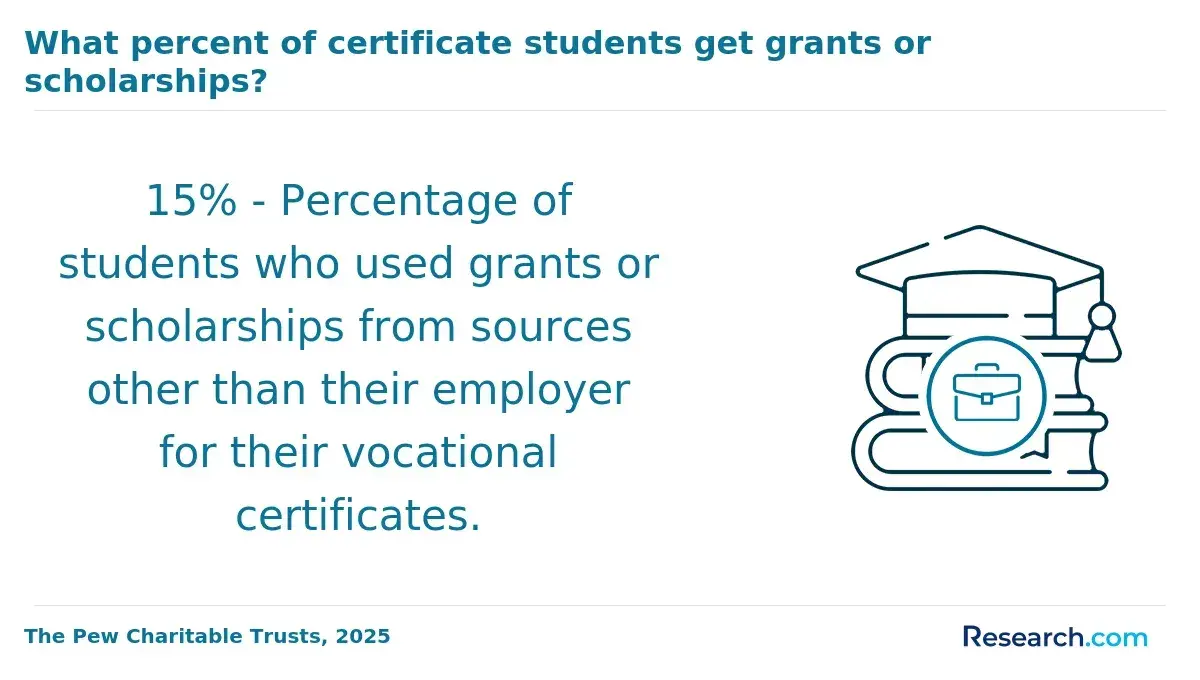
- Grants and scholarships: These do not require repayment. Awards may be based on merit, financial need, professional background, academic performance, or field of study.
- Employer tuition reimbursement: Many IT professionals use employer-sponsored tuition benefits. Employers may require a minimum grade, continued employment, or repayment if the employee leaves too soon.
- Military and veteran benefits: Eligible service members and veterans may use benefits such as the GI Bill for approved online degree programs, subject to enrollment and program requirements.
How to reduce borrowing
- Ask the financial aid office for a full cost of attendance, not just tuition.
- Apply for departmental, industry, and employer-sponsored scholarships early.
- Confirm whether part-time enrollment changes aid eligibility.
- Use employer reimbursement before taking private loans when possible.
- Borrow only what is needed for direct education costs and essential expenses.
What Is the Average Salary After Earning a Information Technology Master's Degree?
Graduates with a master’s degree in information technology typically earn median salaries ranging from $90,000 to $120,000 annually in the U.S. Professionals with advanced expertise or leadership responsibilities may see earnings exceeding $130,000. These figures can help frame return on investment, but they are not guarantees for every graduate.
Salary outcomes depend on experience, role, location, employer, specialization, and whether the graduate moves into management or a higher-demand technical area.
Factors that influence salary
- Industry sector: Finance, healthcare, and technology firms often pay more than some public-sector roles because of demand, risk, and budget differences.
- Geographic location: Major technology markets such as Silicon Valley, New York City, and Seattle may offer higher salaries, though living costs are also higher.
- Years of experience: Entry-level roles generally pay less, while professionals with 5 to 10 years of experience may command stronger compensation.
- Specialization: Cybersecurity, data science, and cloud computing can lead to higher pay when employers need advanced technical skills.
- Leadership responsibilities: Roles that involve managing teams, systems, budgets, or major technology projects usually come with higher compensation.
To estimate ROI, compare the full program cost with realistic salary gains in your current market. A master’s degree may provide the strongest return for students who already have IT experience and are using the credential to move into senior technical, architecture, analytics, cybersecurity, or leadership roles.
What Graduates Say About Their Online Information Technology Master's Degree Program Costs
Graduate experiences vary, but cost satisfaction often depends on three factors: whether the student could keep working, whether fees were clear upfront, and whether the degree helped create new career opportunities. The comments below reflect how some graduates viewed the financial trade-offs of online study.
- Phoebe: "Choosing an online master's in information technology was a financial game-changer for me. The tuition was much more affordable than traditional programs, and I saved on commuting and housing costs by studying from home. This degree directly led to a promotion with a significant salary boost, proving its strong ROI in today's tech job market."
- Selene: "The flexibility of an online information technology master's program allowed me to keep working full-time, which really softened the financial burden of tuition. Although the fees were higher than I initially expected, the ability to study at my own pace and negotiate work commitments made it worthwhile. Reflecting now, the investment has paid off through improved career opportunities and long-term growth."
- Emma: "From a professional standpoint, the cost of the online master's in Information Technology was competitive, particularly given the quality of education and resources provided. The online format reduced my living expenses and eliminated relocation, which eased the overall cost. With my new credentials, I quickly transitioned into a senior role, which validated the program's excellent return on investment."
Other Things You Should Know About Information Technology Degrees
Some universities waive technology or online-learning fees for students enrolled only in fully online courses, but many do not. Schools usually list these charges as separate line items, often $25 to $150 per term, and waivers are typically limited to military, employer-sponsored, or high-need cases.
Yes, several scholarships are available specifically for online IT master's students in 2027, including those offered by technology companies and educational foundations. Eligibility often depends on academic performance, financial need, and sometimes focus areas within the IT field.
Yes, many online IT master's programs in 2027 offer flexible payment plan options. These plans often allow students to pay tuition in monthly installments rather than a single upfront payment. Details vary by institution, so it's essential to check directly with the program.
References
- The Costs of an Online Masters - MSc/PhD Advice 19425 https://www.postgraduatestudentships.co.uk/advice/the-costs-of-an-online-masters/19425
- Tuition & fees https://online.missouri.edu/tuition-aid/tuition-fees
- Best Online Master's in IT Degrees | CyberDegrees.org https://www.cyberdegrees.org/listings/top-online-masters-in-information-technology-programs/
- Online Master’s in Information Technology https://www.snhu.edu/online-degrees/masters/ms-in-information-technology
- 2025's Fastest Online Master’s Degrees & Accelerated Programs https://www.onlinemastersdegrees.org/features/fastest-online-masters-degrees/
- computer science, second-cycle studies using distance learning methods and techniques - PJAIT https://pja.edu.pl/en/informatyka/studia-ii-stopnia-z-wykorzystaniem-metod-i-technik-ksztalcenia-na-odleglosc/
- Is a Master’s in Information Technology Worth It? https://www.callutheran.edu/programs/articles/is-masters-degree-in-it-worth-it/
- Online Master's Degree in IT Management | CSU Global | Accredited https://csuglobal.edu/academic-programs/graduate-degrees/masters-degree-information-technology-management