
2027 Best Online Esports Business Degree Master's Programs for Working Professionals

Co-Founder and Chief Data Scientist
Choosing an online esports business master’s program is a career investment, not just an academic decision. Working professionals need a program that is credible, flexible enough to fit around employment, and focused on the business side of competitive gaming: sponsorships, event operations, team management, marketing, finance, analytics, and digital media strategy. With the esports industry projected to surpass $2 billion in revenue by 2025 and only 15% of current esports graduates holding a master's degree, advanced training can help candidates compete for leadership roles in a growing but still specialized market.
This guide explains how to compare online esports business master’s programs for accreditation, admissions requirements, prerequisites, curriculum design, completion time, cost, financial aid, technology needs, and career outcomes. It is written for adults who want to keep working while earning a graduate credential and need a practical way to decide which program is worth the time and expense.
Key Things to Know About the Best Online Esports Business Degree Master's Programs for Working Professionals
- Admission often requires a bachelor's degree, professional experience, and sometimes standardized test scores; programs may offer rolling applications to accommodate working professionals' schedules.
- Curricula emphasize flexible, asynchronous coursework with practical projects, balancing theory and industry trends to enhance career advancement without full-time study disruptions.
- Compare programs by accreditation, cost, financial aid opportunities, faculty expertise, student support, career services, and alumni networks to select the best fit for professional goals.
What Are the Best Online Esports Business Master's Programs Available for Working Professionals Today?
The best online esports business master’s program for a working professional is one that combines recognized accreditation, relevant business coursework, flexible delivery, and credible connections to the esports or gaming industry. Since the esports market is projected to surpass $2 billion and the esports business sector is experiencing an annual salary growth rate above 6%, programs that blend management training with gaming-industry context may be especially useful for professionals seeking advancement.
The programs below stand out because they are designed around business, leadership, analytics, marketing, or management skills that can be applied to esports organizations, live events, digital communities, and gaming-related companies.
- Full Sail University's Master of Business Administration in Esports Management: This fully online program uses accelerated 12-month terms and emphasizes practical experience, industry exposure, and business decision-making in esports. It may be a strong fit for professionals who already have work experience or a related bachelor's degree and want a focused path into esports management.
- Kendall College of Art and Design at Ferris State University's MS in Esports Leadership: This hybrid program combines online coursework with brief on-campus residencies. Its leadership focus may appeal to professionals interested in managing teams, programs, departments, or esports initiatives within schools, brands, or organizations.
- University of California, Irvine's Master of Professional Accountancy - Esports Business Track: This fully online option integrates esports business topics with accounting and financial management. It is particularly relevant for students interested in esports finance, operational controls, budgeting, revenue analysis, or analytics-informed strategy.
- Rochester Institute of Technology's MS in Esports Management: This online program emphasizes entrepreneurship, marketing, and event management. Students who want to work with tournaments, gaming communities, sponsorship campaigns, or esports ventures may find the applied business focus useful.
- National University's MBA with Esports Concentration: Built for working adults, this 100% online MBA offers flexible enrollment options and covers global esports trends, digital marketing, and real-world case applications. Its regional accreditation is an important factor for students who want a broadly recognized business credential with an esports specialization.
When comparing these options, do not rely only on program names. Review accreditation, course descriptions, faculty experience, capstone requirements, employer partnerships, alumni outcomes, and student support for online learners. A general MBA with an esports concentration may offer broader business mobility, while a dedicated esports management degree may provide deeper specialization. If affordability is a major factor, compare total program costs across fields and degree types; for example, students researching graduate value can also review resources such as affordable online graduate program comparisons to understand how pricing, aid, and outcomes vary by discipline.
What Accreditation Standards Should an Online Esports Business Master's Program Meet?
An online esports business master’s program should be offered by an institution with recognized accreditation. Accreditation matters because it affects degree credibility, federal financial aid eligibility, transferability of credits, and employer confidence. For esports business programs, institutional accreditation is usually more important than program-specific accreditation because esports is still an emerging academic specialization.
- Regional accreditation: Regional accrediting bodies, such as the Southern Association of Colleges and Schools Commission on Colleges (SACSCOC) and the Higher Learning Commission (HLC), evaluate the institution as a whole. For most graduate business students, this is the baseline standard to look for.
- Programmatic accreditation: Programmatic accreditation evaluates specific fields or departments. It is less common for esports business graduate degrees, so the absence of a specialized esports accreditor does not automatically make a program weak. However, business-related accreditation or strong institutional oversight can add confidence.
- Employer and academic recognition: An accredited degree is more likely to be respected by employers, accepted by other universities, and useful for future academic or professional mobility.
- Financial aid eligibility: Students typically need to attend an accredited institution to qualify for federal financial aid. This is especially important for working professionals who plan to use loans, employer reimbursement, or payment plans.
- Verification: Prospective students should confirm accreditation through the U.S. Department of Education's database and the Council for Higher Education Accreditation (CHEA), not only through marketing materials on a school website.
- Diploma mill red flags: Be cautious of schools that promise immediate degrees, advertise unusually low tuition with vague details, provide little information about faculty, lack a verifiable physical or administrative presence, or avoid naming a recognized accreditor.
With the esports industry projected to grow 12% over the next decade, demand for specialized education may increase, but growth does not guarantee program quality. Accreditation should be the first filter before comparing curriculum, cost, or convenience. Students who are still exploring graduate-level options can also compare broader online pathways through resources such as flexible online master's degree guides, but accreditation should remain a non-negotiable requirement.
What Is the Minimum GPA Requirement for an Online Esports Business Master's Program?
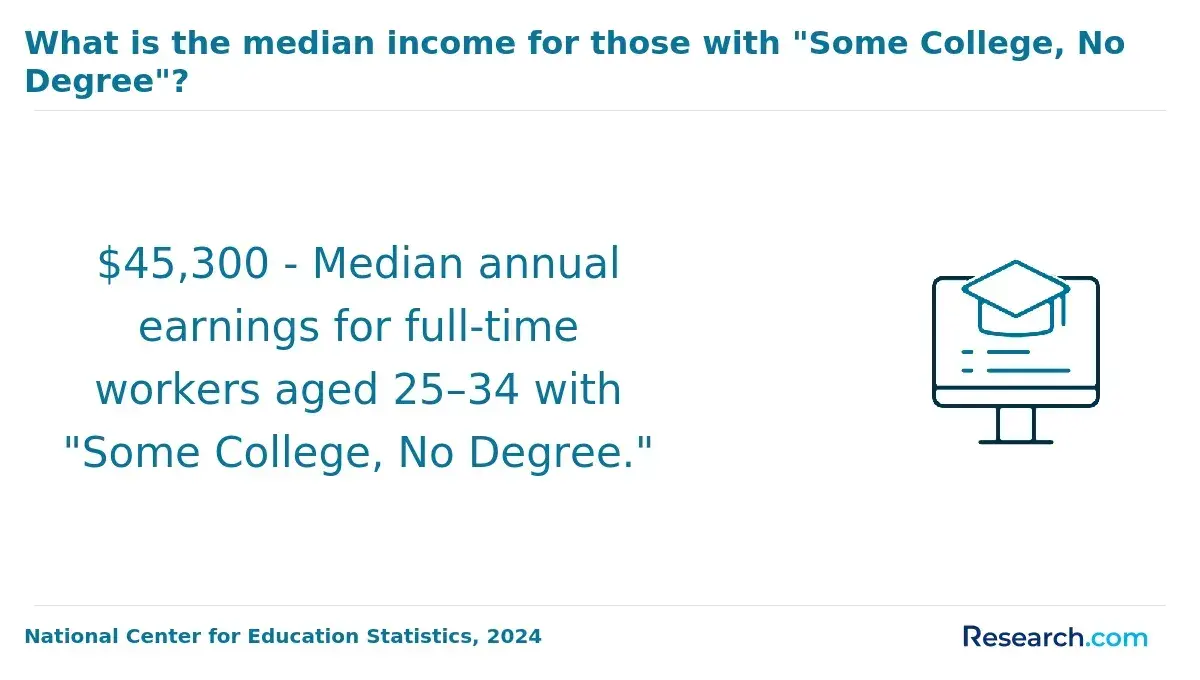
The minimum GPA requirement for an online esports business master’s program is often around 3.0 on a 4.0 scale. Surveys indicate that approximately 65% of programs use a minimum GPA near 3.0, although requirements vary by institution, program selectivity, and applicant profile. A lower GPA does not always prevent admission, especially when the applicant has strong professional experience, leadership history, or relevant industry credentials.
- Common benchmark: Many programs use about a 3.0 GPA as the standard threshold for regular admission.
- More selective programs: Competitive programs may look for minimums near 3.5, particularly when applicant demand is high or the program has limited seats.
- More accessible programs: Some programs may consider applicants with GPAs as low as 2.5 if other parts of the application show readiness for graduate work.
- Conditional admission: Applicants below the standard GPA may be offered provisional or conditional admission. This often requires earning specific grades in the first courses before receiving full standing.
- Holistic review: Admissions committees may weigh recommendation letters, a personal statement, resume quality, work history, leadership roles, and esports or business experience alongside GPA.
- Ways to strengthen a lower GPA: Candidates can improve their application by completing post-baccalaureate coursework, earning certifications in esports management or business analytics, explaining academic challenges clearly, and showing recent evidence of discipline and performance.
A graduate of an esports business master's degree program described being accepted with a GPA slightly below the typical average by emphasizing extensive professional experience and relevant certifications. His personal statement focused on leadership in esports organizations and explained why the degree matched his career goals. His experience shows that GPA matters, but it is not the only measure of graduate readiness. Applicants with weaker academic records should use the rest of the application to prove focus, maturity, and industry relevance.
What Prerequisites and Prior Educational Background Are Required for an Online Esports Business Master's Program?
Most online esports business master’s programs require a bachelor’s degree, but they do not always require an undergraduate major in esports or business. Admissions teams usually look for evidence that the applicant can handle graduate-level business coursework and understands, or is prepared to learn, the commercial structure of gaming and esports.
- Bachelor's degree: Applicants typically need a completed undergraduate degree from an accredited institution. Business, marketing, management, communications, sports management, technology, media, and related fields may be especially relevant.
- Business foundation: Programs may expect prior coursework in business fundamentals, economics, statistics, accounting, marketing, or project management. These subjects support later study in finance, analytics, sponsorships, and operations.
- Bridge or leveling courses: Students from non-business backgrounds may need prerequisite or leveling courses before beginning advanced coursework. These courses can prevent academic gaps from slowing progress in the core curriculum.
- Professional experience: Work experience in business, esports, gaming, digital media, marketing, event operations, or technology can strengthen an application and may help offset missing coursework or a modest GPA.
- Industry awareness: Familiarity with esports audiences, streaming platforms, tournament models, sponsorship structures, and digital communities is useful even when not formally required.
- Application materials: Many programs also request a resume, statement of purpose, transcripts, recommendation letters, and sometimes an interview or writing sample.
Before applying, compare your background with each program’s posted prerequisites. If you are missing several business courses, ask whether they must be completed before admission, during the first term, or through noncredit modules. Students who are weighing business, technology, and management pathways may also review high-paying college major and career information to better understand how different academic backgrounds can lead to different long-term options.
What Does the Curriculum of an Online Esports Business Master's Program Look Like for Working Professionals?
The curriculum of an online esports business master’s program usually combines core business training with esports-specific applications. For working professionals, the strongest programs do more than teach gaming culture; they show how to manage revenue, teams, events, partnerships, communities, media rights, and digital growth in a competitive entertainment market.
Common curriculum components
- Core business courses: Students often study esports marketing, event and team management, digital media strategies, finance, leadership, operations, and organizational decision-making.
- Specialized electives: Electives may cover content creation, sponsorship negotiation, game analytics, brand partnerships, fan engagement, or entrepreneurship.
- Capstone or thesis: Many programs require a final project or thesis that applies classroom concepts to a real esports business challenge. Some capstones may involve partnerships with esports organizations.
- Practicum or internship options: Hands-on components can help students build experience without leaving their current jobs. Working professionals should ask whether internships can be completed remotely, at their current employer, or through flexible schedules.
- Flexible course formats: Programs may use modular 8-week courses, weekend intensives, asynchronous lessons, or a mix of live and recorded sessions.
- Competency-based models: Competency-based education allows students to move forward by demonstrating mastery. This can benefit self-directed learners with relevant experience.
- Traditional credit-hour models: Traditional programs use a fixed academic calendar and may provide more structure, deadlines, and cohort interaction.
How to judge curriculum quality
Request sample syllabi before enrolling. Look for assignments that require budgeting, campaign planning, event logistics, sponsorship analysis, data interpretation, or strategic decision-making. A strong curriculum should prepare students for business roles in esports, not only provide a broad overview of gaming trends.
One graduate described the workload as demanding but manageable because the 8-week courses kept each subject focused. The asynchronous format allowed study during off-hours, and the capstone helped connect theory to esports industry realities. For working professionals, that balance between flexibility and applied learning is often the difference between completing the degree and putting it on hold.
How Long Does It Take to Complete an Online Esports Business Master's Degree?
An online esports business master’s degree typically takes 12 to 18 months for full-time students and two to three years for part-time students. Accelerated tracks may allow completion in under a year, but they usually require a heavy workload and consistent weekly availability. Nearly 65% of online business master's students favor part-time study options, which reflects how common it is for graduate students to balance coursework with employment and personal responsibilities.
- Full-time enrollment: Best for students who can commit substantial weekly time to coursework and want to finish quickly, often within 12 to 18 months.
- Part-time enrollment: Better for working professionals who need a sustainable pace, often extending completion to two to three years.
- Accelerated tracks: Useful for highly organized students, but risky for those with unpredictable work schedules, caregiving duties, or frequent travel.
- Credit transfer: Eligible graduate credits may shorten the program if the school accepts them. Policies vary, so students should ask before enrolling.
- Prior learning assessment: Some programs may award credit or waive requirements based on demonstrated competencies, previous coursework, or relevant professional experience.
- Dual-enrollment opportunities: Certain programs allow students to complete prerequisite or foundational courses while beginning degree requirements, which can reduce delays.
- Common delays: Work obligations, financial interruptions, family responsibilities, course availability, and changing program requirements can extend the timeline.
The safest approach is to build a completion plan before the first term. Estimate how many hours per week each course will require, confirm whether courses are offered every term, and ask an advisor what happens if you need to pause enrollment. A realistic part-time schedule is often better than an accelerated plan that becomes unsustainable.
How Much Does an Online Esports Business Master's Program Cost and What Are the Total Expenses for Working Professionals?
Online esports business master’s programs are commonly priced by credit hour. Tuition rates range from around $400 to $1,200 per credit, and most programs require between 30 and 36 credit hours. Based on those figures, total tuition can range from approximately $12,000 to over $40,000. Some online programs use a flat tuition rate for all distance learners regardless of residency, which can make budgeting easier for working professionals.
Tuition is only one part of the total cost. Students should also check for technology fees, online learning fees, graduation fees, residency costs, thesis submission fees, or comprehensive exam fees. If a program requires a short in-person residency, include travel, lodging, meals, and time away from work. Indirect expenses may include textbooks, specialized software subscriptions for esports market analysis, professional memberships, and certification exam fees; these can add an extra $1,000 to $2,000 annually.
- Per-credit tuition: Often ranges from $400 to $1,200 per credit hour.
- Required credits: Most programs require 30 to 36 credit hours.
- Total tuition: Estimated tuition commonly falls between approximately $12,000 and $40,000 or more.
- Online or technology fees: These may add several hundred dollars each term.
- Residency expenses: Hybrid or residency-based programs may require travel and lodging costs.
- Indirect costs: Books, software, memberships, and certifications can add $1,000-$2,000 annually.
- Planning tools: The College Scorecard and university Net Price Calculators can help students estimate net cost after aid.
According to recent data from the National Center for Education Statistics, enrollment in online graduate business programs-including sectors like esports business-has increased by over 15%. That growth makes cost comparison more important, because program prices and fee structures can vary widely. Students comparing business-oriented options may also want to review an affordable online business degree resource to understand how online business program costs are evaluated across institutions. For broader affordability context at earlier academic levels, some learners also compare options such as accessible associate degree pathways.
What Financial Aid, Scholarships, and Employer Tuition Benefits Are Available for Online Esports Business Master's Programs?
Working professionals can often reduce the out-of-pocket cost of an online esports business master’s program through federal aid, scholarships, employer tuition benefits, payment plans, and occasionally assistantships. The key is to confirm eligibility before enrolling, because aid rules depend on accreditation, enrollment status, academic progress, and employer policies.
- Federal financial aid: Graduate students may use Direct Unsubsidized Loans and Graduate PLUS Loans by completing the FAFSA. Deadlines vary by state and institution, so submitting the FAFSA early can help preserve eligibility.
- Scholarships and fellowships: Esports business students may find awards through scholarship databases such as Fastweb and Scholarships.com. Awards often consider academic achievement, leadership, financial need, or industry involvement, with amounts ranging from $1,000 to $10,000. Deadlines are generally in late winter or early spring.
- Employer tuition reimbursement: Many employers offer partial or full tuition support for job-related education. Students should ask whether reimbursement is paid before or after course completion, whether a minimum grade is required, and whether they must remain employed for a set period after receiving funds.
- Graduate assistantships: Assistantships are less common in fully online programs, but some schools may offer tuition reductions in exchange for research, administrative, coaching, or program support work.
- Payment plans: Monthly or term-based payment plans can help students avoid paying a large balance at once, though fees may apply.
- Military and veteran benefits: Eligible students should ask the university’s veteran services office how benefits apply to online graduate programs.
Before accepting an offer of admission, request a full cost-of-attendance estimate and compare it with your expected aid package. If you plan to use employer reimbursement, get written confirmation of covered costs, annual limits, grade requirements, and timing. A program that appears affordable on tuition alone may become expensive if fees, software, or residency costs are not covered.
How Do Online Esports Business Master's Programs Support Working Professionals Through Flexible Scheduling and Delivery Formats?
Online esports business master’s programs support working professionals by offering flexible pacing, remote access, evening or weekend live sessions, asynchronous coursework, and advising services designed for adult learners. The best format depends on your work schedule, preferred learning style, and need for interaction.
- Asynchronous courses: Students can watch lectures, complete readings, and submit assignments on their own schedule. This is often the most practical option for professionals with variable shifts, travel, or caregiving responsibilities.
- Synchronous sessions: Live online meetings provide real-time discussion and networking. Programs usually schedule these sessions in evenings or on weekends, but students should confirm time zones and attendance requirements.
- Hybrid delivery: Some programs combine online learning with short residencies, intensives, or campus visits. This can strengthen networking but may add travel costs and scheduling challenges.
- Cohort-based structures: Cohorts move through the program together, which can improve accountability and peer connection. The trade-off is less flexibility if you need to slow down or take a break.
- Self-paced or competency-based options: These formats may suit experienced professionals who can work independently and demonstrate mastery quickly.
- Mobile and on-demand access: Recorded lectures, mobile-friendly platforms, and cloud-based collaboration tools allow students to study during commutes, breaks, or off-hours.
- Adult learner support: Strong programs provide academic coaching, dedicated advisors, online library access, career services, tutoring, and peer mentoring for students managing work and school.
Prospective students should attend a virtual open house or request a demo of the learning platform when available. A program may advertise flexibility, but the details matter: weekly deadlines, required live attendance, group project expectations, exam proctoring, and course rotation can all affect whether the schedule is realistic.
What Technology, Tools, and Technical Requirements Are Needed for an Online Esports Business Master's Program?
Students in an online esports business master’s program need reliable technology for video lectures, collaboration, analytics assignments, simulations, and possible gaming-related tools. Requirements vary by school, so applicants should review the official technology checklist before enrolling.
- Computer hardware: A reliable computer with at least 8GB of RAM, a multicore processor, and a capable graphics card is recommended for video content, analytics tools, and gaming-related software.
- Operating system: Most programs recommend Windows 10 or later, or a compatible macOS version, to support learning platforms and required applications.
- Internet connection: A stable connection with minimum speeds of 10 Mbps download and 3 Mbps upload is important for live lectures, video conferencing, simulations, and multiplayer gaming components.
- Webcam and microphone: Students may need these for live sessions, presentations, proctored exams, and group collaboration.
- Specialized software: Coursework may require game analytics tools, streaming platforms, esports management systems, spreadsheet software, project management platforms, or market research tools. Ask whether licenses are included in tuition or purchased separately.
- Virtual environments and simulations: Some courses may use strategic scenarios to teach operations, event planning, team management, or competitive analysis.
- Accessibility tools: Programs should comply with ADA standards and support screen readers, captions, adaptive input devices, and other assistive technologies.
- Technology readiness: Before the first term, test your hardware, internet speed, browser compatibility, webcam, audio, and access to the learning management system.
Technical problems can quickly become academic problems in an online graduate program. Students should ask whether the school provides 24/7 technical support, software discounts, troubleshooting guides, and loaner equipment. When comparing online program quality across fields, it can also be useful to examine how other online degree guides discuss cost, access, and support, including resources such as affordable online criminal justice degree comparisons.
What Career Outcomes and Salary Expectations Follow an Online Esports Business Master's Degree for Working Professionals?
An online esports business master’s degree can support advancement into management, marketing, operations, strategy, analytics, or event leadership roles, but outcomes depend heavily on prior experience, location, employer type, portfolio quality, and networking. The degree may be most valuable for professionals who can combine graduate business training with practical esports, gaming, media, or digital marketing experience.
- Possible job titles: Graduates may pursue roles such as esports manager, marketing director, business strategist, event manager, sponsorship manager, operations lead, or digital community strategy professional.
- Salary expectations: Master's graduates in esports business often pursue roles with median salaries typically falling between $70,000 and $110,000 annually, though pay varies by location, experience, employer, and specialization.
- Advancement potential: Professionals already working in gaming, sports, marketing, events, media, or technology may use the degree to move into higher-responsibility leadership roles or negotiate for advancement.
- Career changers: Students entering esports from unrelated fields may need to start in more junior or transitional roles, especially if they lack industry contacts or portfolio experience.
- Networking value: Internships, capstones, alumni connections, faculty relationships, conferences, and esports organization partnerships can be as important as the credential itself.
- Outcome verification: Applicants should ask admissions teams for graduate employment rates, median starting salaries, common job titles, internship access, and examples of organizations that hire alumni.
A master’s degree is not a guaranteed path to a specific salary. Treat salary figures as a planning reference, not a promise. The strongest return on investment usually comes when students choose a credible program, build a portfolio of applied work, and use the program to expand professional relationships in the esports business ecosystem.
What Graduates Say About Getting Accepted in Online Esports Business Degree Master's Programs for Working Professionals
-
: "Applying as a full-time professional felt intimidating at first, but the program’s flexible structure made the process manageable. I compared accredited institutions, checked official academic catalogs, and confirmed requirements before applying. That gave me confidence that the degree would fit my schedule and meet recognized standards.
—Pierce"
-
: "The most useful part of my search was comparing accreditation status, curriculum details, and admissions expectations side by side. Programs that were transparent about coursework, faculty, and requirements were easier to trust. That preparation helped me choose an online esports business master's program that matched both my work schedule and career goals.
—Aryan"
-
: "Enrolling in a program for working professionals was a strategic decision. I relied on official catalogs and accrediting agency information instead of marketing claims, which helped me avoid surprises. The process taught me that preparation matters: the more clearly you understand the requirements before applying, the easier it is to succeed once classes begin.
—Jonathan"
Other Things You Should Know About Esports Business Degrees
In 2027, top online esports business master's programs for working professionals include the offerings from universities such as the University of California, Irvine, and Staffordshire University. These programs are known for their flexible schedules, industry-relevant curriculum, and strong connections to the esports industry.
Most programs require a completed bachelor’s degree, an official transcript, a resume, a statement of purpose, and two letters of recommendation. Some schools also ask for a 2.5 to 3.0 GPA, and international applicants may need TOEFL or IELTS scores.
Well-designed online esports business master's programs generally match the quality of their on-campus counterparts, maintaining the same accreditation standards and curriculum rigor. Employers increasingly recognize that online degrees can offer comparable specialized knowledge and skills, especially when programs are offered by reputable institutions. The flexibility of online learning allows working professionals to apply their knowledge immediately, which can enhance perceived value in real-world esports environments.
Online esports business master's programs provide a range of support services tailored to working professionals. These often include dedicated academic advising, virtual tutoring, career counseling focused on esports industry opportunities, and access to online libraries and research databases. Many programs also offer networking events and mentorship with esports industry leaders, helping students build professional connections while managing their coursework alongside full-time jobs.
References
- eSports - Academic program in eSports management https://esbs-spain.com/en/programa/esports-management/
- Stockton University https://stockton.edu/business/esports-management.html
- University of Liverpool Management School launches new MSc in eSports Business https://www.liverpool.ac.uk/management/news/stories/title,1543646,en.php
- A Comprehensive List of E-Sports Scholarships - Sports Management Degree Hub https://www.sportsmanagementdegreehub.com/comprehensive-list-e-sports-scholarships/
- Part-Time Online Master’s for Busy Professionals https://digital4business.eu/our-programme/part-time-masters/
- Online MBA Scholarships: Guide to Funding, Sponsorships, Financial Aid for Working Professionals https://ebsedu.org/blog/online-mba-scholarships-for-working-professionals/
- Professional Education in ESports Development | Msmk University https://msmk.university/professional-degree/professional-education-in-esports-development/
- E-sport studia - Esport - Studia e-sportowe - WSKFIT https://en.wskfit.pl/e-sport/
- E-Sports Business and Management https://www.fh-joanneum.at/e-sports-management/master/en/
- The Business of Esports Specialization https://algomau.ca/academics/faculty-of-business-economics/the-business-of-esports-specialization/


