
2027 Cheapest Way to Get a Teaching Credential in Santa Ana, CA: Degree Requirements & Certification

Co-Founder and Chief Data Scientist
Earning a teaching credential in Santa Ana, CA can be a smart move, but the cost can vary widely depending on where you study, whether you already have a bachelor’s degree, and whether you choose a traditional, online, intern, or transfer-based pathway. Traditional credential programs can create a real financial hurdle, with California Commission on Teacher Credentialing data noting that many programs exceed $10,000 in tuition and fees.
This guide is for aspiring teachers in Santa Ana who want the most affordable route into California classrooms without choosing a weak or non-approved program. You will learn what credentials require, how much programs cost, how long the process takes, which local options may be cheaper, how online programs compare with campus programs, and what financial aid can reduce your out-of-pocket cost.
The goal is not just to list programs. It is to help you choose the lowest-cost path that still meets California credential rules, fits your schedule, and supports your long-term career goals.
Quick Answer: What is the cheapest way to get a teaching credential in Santa Ana, CA?
The cheapest route usually depends on your starting point. If you do not yet have a bachelor’s degree, beginning at Santa Ana College and transferring later can reduce the cost of prerequisite and lower-division coursework. If you already have a bachelor’s degree, a CTC-approved alternative or intern credential program may be faster and less expensive than starting a new education degree. Online options such as CalStateTEACH can also reduce commuting and housing-related expenses while keeping students connected to fieldwork in Santa Ana-area schools.
As a general planning range, teaching credential programs in Santa Ana, CA cost about $7,000 to $15,000, depending on institution and program length. Some private or combined graduate programs may cost more, while grants, scholarships, paid intern options, and transfer credits can lower the net cost.
Key Points About Affordable Teaching Credential Programs in Santa Ana, CA
- The average cost for teaching credential programs in Santa Ana, CA, ranges from $7,000 to $15,000, depending on institution and program duration.
- Typical student debt for local teaching graduates averages $20,000, shaped by tuition, fees, transportation, housing, and other living costs.
- Financial aid options include the California Teachers Grant Program and federal TEACH Grant, both designed to reduce costs for eligible credential candidates.
- The least expensive option is not always the best option if it is not CTC-approved, does not support field placement, or does not match the credential type you need.
- Online and hybrid programs may lower indirect costs, but students still need approved supervised fieldwork, residency, student teaching, or internship experience.
- What academic requirements do Santa Ana teachers need?
- What certification steps are required in California?
- How much do teaching credential programs cost in Santa Ana?
- How long does it take to earn a teaching certificate?
- Which schools near Santa Ana offer lower-cost teaching programs?
- Can extra certifications improve an educator’s career options?
- Can a teaching credential lead to education jobs outside the classroom?
- Why does accreditation matter for a teaching credential?
- What are the requirements for special education teachers?
- How do credential programs prepare teachers for diverse classrooms?
- Are online teaching programs cheaper than campus programs?
- How can students reduce teaching program costs?
- Which organizations provide financial aid for future teachers?
- Is a teaching credential in Santa Ana worth the investment?
- What alternative credential pathways are available?
What are the academic requirements for teachers in Santa Ana, CA?
Santa Ana teachers follow California credential rules set by the California Commission on Teacher Credentialing. The academic requirements are meant to confirm that future teachers have college-level preparation, subject knowledge, reading instruction skills when required, and supervised classroom experience before they become fully licensed educators in California public schools.
- Bachelor’s degree from a regionally accredited institution: Most credential candidates need a bachelor’s degree. The major does not always have to be education, but fields such as education, child development, liberal studies, English, math, science, or social science can make subject preparation easier. Students who are still early in college may review associate degree programs in education before transferring into a bachelor’s pathway.
- Basic skills proficiency: Candidates must meet California’s basic skills expectations. Depending on the candidate’s situation, this may involve exams such as the California Basic Educational Skills Test or other approved ways to satisfy the requirement.
- Subject-matter competence: Candidates must show they are prepared to teach their chosen subject or grade level. This is commonly completed through CSET exams or CTC-approved subject-matter coursework.
- U.S. Constitution requirement: California requires teacher candidates to demonstrate knowledge of the U.S. Constitution through an approved course or examination.
- Reading Instruction Competence Assessment: RICA is required for many elementary credential candidates and verifies that future teachers understand how to teach reading effectively.
- Supervised teaching experience: Candidates must complete hands-on teaching practice, such as student teaching, residency, or internship experience, before moving into full professional practice.
After the academic and program requirements are met, candidates typically receive a preliminary credential. That credential is valid for five years, during which the teacher completes an induction process to move toward a clear credential.
| Requirement | Why it matters | Cost-saving note |
| Bachelor’s degree | Establishes college-level eligibility for California teacher preparation | Starting at community college may reduce lower-division costs before transfer |
| Subject-matter competence | Shows readiness to teach a specific grade level or subject | Approved coursework may reduce the need for separate exams in some cases |
| Basic skills requirement | Confirms foundational reading, writing, and math ability | Check whether your degree or prior coursework already satisfies the requirement |
| Student teaching, residency, or internship | Builds real classroom experience under supervision | Paid intern options can reduce the financial strain of unpaid student teaching |
| Induction after preliminary credential | Leads from preliminary status to a clear credential | Ask employers whether induction support is included for new hires |
What are the certification requirements for teachers in Santa Ana, CA?
Certification is the formal process that allows a teacher to work in California public schools. In Santa Ana, the credentialing process is governed by the California Commission on Teacher Credentialing, not by an individual school district. Programs and districts may support candidates, but the state determines whether a credential is issued.
- Application submission: Candidates file the required CTC application and pay the processing fee.
- Fingerprinting and background clearance: Future teachers must complete fingerprinting and receive clearance through the California Department of Justice and FBI.
- Basic Skills Requirement: As of June 2024, candidates can meet the Basic Skills Requirement by holding a bachelor’s degree, which removes the need for an additional standardized assessment for that requirement.
- CTC-approved teacher preparation program: Candidates must complete an approved preparation program that includes coursework and at least 600 hours of supervised field experience through student teaching, residency, or internship.
- Subject matter competency: Candidates must demonstrate preparation for their teaching area. Requirements vary by credential type, including Single Subject, Multiple Subject, and Special Education credentials.
- Preliminary Credential: Once approved, the teacher receives a five-year Preliminary Credential that permits service in California public schools.
- Clear Credential: Teachers must complete an induction program and apply for a Clear Credential, which is renewable every five years with required professional obligations and updated background checks.
For candidates who want classroom experience sooner, emergency substitute teaching permits can provide a lower-cost temporary entry point while longer-term credential requirements are completed. However, substitute permits are not the same as a full teaching credential and should be treated as an interim option.
Educators planning for future leadership, college teaching, or administrative research roles may also compare advanced options such as online doctorate programs in higher education.
How much do teaching credential programs cost in Santa Ana, CA?
Teaching credential costs near Santa Ana depend heavily on institution type, program format, residency status, whether the program includes graduate credits, and whether the student can keep working while enrolled. The most affordable path is usually a public university, online CSU option, community college transfer route, or paid intern program. Private universities and combined master’s-plus-credential options can cost more, but they may be worth considering if they provide strong placement support, schedule flexibility, or scholarships.
Applicants should also budget beyond tuition. California candidates may encounter application fees, assessment fees, graduation-related charges, materials, books, background checks, transportation, and lost income during unpaid fieldwork.
On average, applicants pay a non-refundable $100 application fee as required by state law. Full-time students in the California State University system pay about $3,531 for the 2024-2025 academic year, with a projected increase to $3,744 the following year. Out-of-state students pay more, including an added $396 per credit unit and a $1,000 materials fee during the first term. Private universities such as Azusa Pacific University charge around $675 per unit, which can raise the total price substantially.
| Cost category | What to check before enrolling | Why it affects affordability |
| Tuition and mandatory fees | Resident versus out-of-state pricing, per-unit charges, and annual increases | This is usually the largest direct cost |
| Program format | Online, hybrid, evening, or campus-based schedule | Flexible formats can help students continue working |
| Fieldwork model | Unpaid student teaching versus paid internship | Lost wages can be as important as tuition |
| Assessment and application fees | TPA, RICA when required, CTC application, and background checks | These costs are often separate from tuition |
| Transportation and housing | Commute distance, parking, relocation, and local living costs | Local or online study may reduce indirect expenses |
| Financial aid | Grants, scholarships, fellowships, and federal loans | Net price matters more than sticker price |
The chart below shows that California is number 2 on the list of states with the most number of teachers employed.
How long does it take to get a teaching certificate in Santa Ana, CA?
A traditional teaching credential program in Santa Ana, California usually takes 12 to 15 months after completing a bachelor’s degree. Because California teachers generally complete five years of postsecondary education and training, the full path from the first year of college to credential eligibility often takes 5-6 years. That timeline includes about four years for a bachelor’s degree, 12-15 months for the credential program, and time for required exams such as the CBEST, CSET, and RICA when applicable.
Some accelerated programs combine a master’s degree with a credential and can be completed in 16-18 months. These programs may be efficient for students who already know they want graduate-level preparation, but they are not always the cheapest option. They can also offer fewer specialization choices than a longer pathway.
| Pathway | Typical timeline stated | Best for | Cost consideration |
| Traditional bachelor’s plus credential | 5-6 years total | Students starting college or changing majors early | Can be more affordable if lower-division credits begin at community college |
| Post-bachelor’s credential program | 12 to 15 months | Applicants who already hold a bachelor’s degree | Often cheaper than earning a second full undergraduate degree |
| Integrated master’s and credential | 16-18 months | Candidates who want both graduate credit and a credential | May cost more upfront but can reduce duplicated coursework |
| Intern credential route | Varies by program and placement | Candidates ready to work while completing requirements | Paid employment can reduce reliance on loans |
Students who want to reduce the cost of the bachelor’s portion of the pathway may compare affordable online bachelor’s degrees in education before moving into credential preparation.
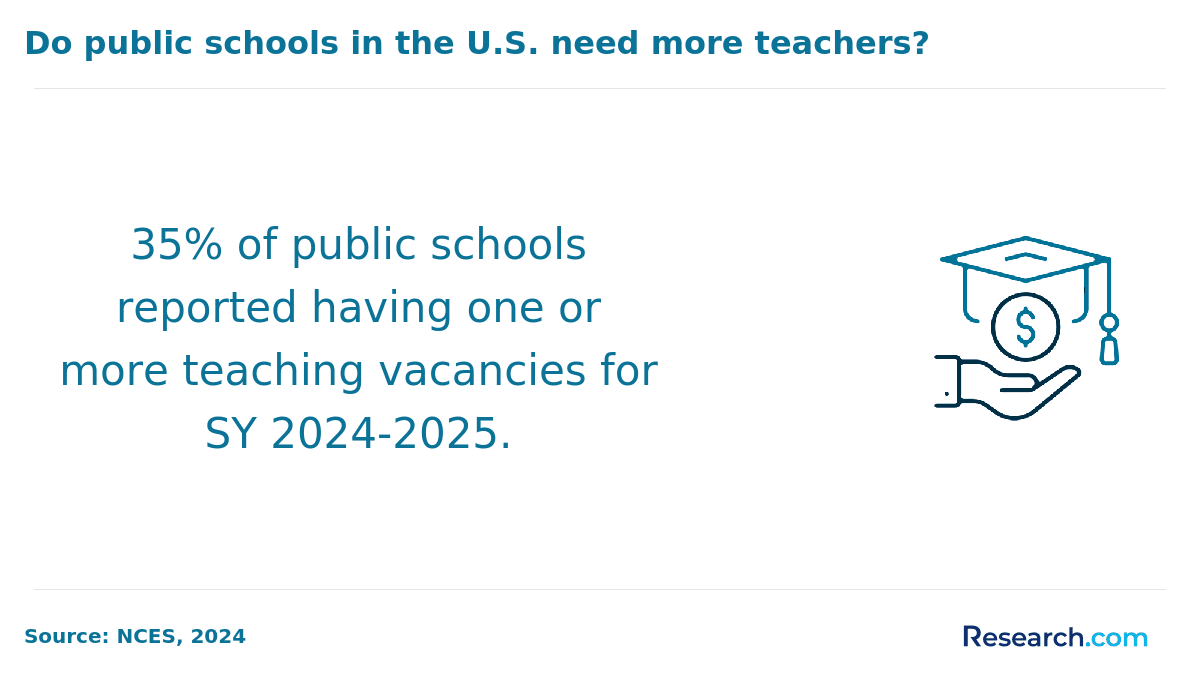
Are there schools in Santa Ana, CA, offering affordable teaching programs?
Yes. Santa Ana students can find lower-cost teaching credential options through nearby public universities, CSU online programs, and local community college transfer preparation. The right choice depends on whether you need a Multiple Subject credential for elementary teaching, a Single Subject credential for middle or high school teaching, or a Special Education credential.
- California State University system: Cal State Fullerton, located 7 miles from Santa Ana, offers preliminary teaching credentials in multiple and single subjects. Tuition ranges from approximately $7,500 to $8,500 for California residents and includes coursework and supervised fieldwork. Full-time students may complete the program in as little as one year, and the program includes preparation for the required English Learner Authorization.
- Chapman University: Located in nearby Orange, Chapman offers credential programs that can be combined with master’s degrees and completed in as few as 15 months. Tuition ranges from $15,000 to $18,000, and financial aid and scholarships may be available for education students. Credential options include Multiple Subject and Single Subject routes with integrated English Learner Authorization.
- CalStateTEACH: This CSU online option costs about $8,000 for a Preliminary Multiple Subject Credential. Students complete coursework remotely while arranging fieldwork in Santa Ana schools, which can reduce commuting costs and make it easier to keep working.
| Option near Santa Ana | Approximate cost stated | Format | When it may make sense |
| Cal State Fullerton | Approximately $7,500 to $8,500 for California residents | Campus-based or structured local preparation | You want a public university credential route near Santa Ana |
| Chapman University | $15,000 to $18,000 | Private university program, including master’s-combined options | You value a combined graduate pathway and can secure enough aid |
| CalStateTEACH | About $8,000 | Online coursework with local fieldwork | You need flexibility and want to reduce commuting expenses |
| Santa Ana College transfer preparation | In-state tuition around $1,200 annually for full-time enrollment | Community college foundation before transfer | You have not yet completed a bachelor’s degree and want to lower early college costs |
Eligible students may also apply for the Golden State Teacher Grant Program, which offers up to $20,000 for students in approved credential programs who agree to teach in priority schools for 2-4 years after graduation. Students comparing flexible graduate routes can also review affordable online master’s degrees in teaching.
Can educators boost their career potential with complementary certifications in Santa Ana, CA?
Yes, but additional certifications should be chosen strategically. A teaching credential prepares educators for classroom instruction, while complementary credentials can support roles in student services, counseling-adjacent work, behavior support, curriculum planning, or family and community engagement. The best add-on depends on the population you want to serve and whether the credential leads to a regulated profession.
For example, teachers who are interested in family systems, student well-being, and counseling-related work may explore how to become a marriage and family therapist in Santa Ana. This is not a simple add-on to teaching; it is a separate professional path with its own education and licensure expectations. Still, the communication, observation, and student-support skills developed through teaching can be relevant for educators considering that direction.
Can a teaching credential expand career opportunities beyond traditional classrooms in Santa Ana, CA?
A teaching credential can support more than classroom teaching, although some roles require additional training or licensure. Credentialed educators may move into curriculum support, instructional coaching, tutoring leadership, academic intervention, school program coordination, education nonprofit work, family outreach, or community education.
Teachers who want to support students affected by addiction, family instability, or community health challenges may also look into how to become a substance abuse counselor in Santa Ana. This path has requirements beyond a teaching credential, so it should be evaluated as a separate career decision rather than an automatic transition.
How important is program accreditation for teaching credentials in Santa Ana, CA?
Accreditation and state approval are non-negotiable. A cheap program is not a bargain if it does not qualify you for a California teaching credential. Before paying an application fee or enrolling, confirm that the program is approved by the California Commission on Teacher Credentialing and that it matches the specific credential you need.
Accreditation also affects financial aid eligibility, employer confidence, transferability of coursework, and whether a program’s supervised fieldwork satisfies California requirements. If you are comparing lower-cost routes, use the cheapest way to become a teacher in Santa Ana as a practical planning resource, but verify the approval status of any program directly before committing.
| Question to ask before enrolling | Why it matters |
| Is the program CTC-approved for the exact credential I want? | Only an approved route can lead to the California credential you need |
| Does the program arrange or support field placement near Santa Ana? | Fieldwork logistics can affect completion time and cost |
| Are exam, assessment, and application fees included in the quoted cost? | Sticker tuition may understate the true price |
| Can I complete the program while working? | Lost income can increase the real cost of attendance |
| Does the program meet requirements for English Learner Authorization? | California classrooms often require preparation for diverse language needs |
What are the special education teacher requirements in Santa Ana, CA?
Special education teachers must meet California credential requirements plus specialized preparation for students with disabilities and diverse learning needs. Coursework commonly covers individualized education programs, behavior supports, assessment, legal responsibilities, adaptive instruction, collaboration with families, and inclusive teaching practices.
Fieldwork is especially important in special education because candidates must learn how to support students across varied needs, settings, and service models. Students planning this route should review special education teacher requirements in Santa Ana to confirm the steps before choosing a program.
How do teaching credential programs address diverse classroom challenges in Santa Ana, CA?
Santa Ana-area credential programs prepare teacher candidates for classrooms with varied academic, linguistic, cultural, and behavioral needs. Strong programs do more than teach lesson planning. They train candidates to differentiate instruction, manage classrooms, support English learners, interpret assessment data, collaborate with families, and adapt instruction for students who need additional support.
Some educators also pursue training in behavioral intervention or analysis to strengthen their classroom practice or move toward specialized student-support roles. Those interested in that direction can compare BCBA education requirements in Santa Ana.
Are online teaching programs cheaper than traditional ones in Santa Ana, CA?
Online teaching credential programs can be cheaper, especially when they reduce commuting, parking, housing, and schedule-related costs. However, online does not mean fieldwork-free. California candidates still need approved supervised experience, and they must verify that the online program is CTC-approved for the credential they want.
For example, CalStateTEACH, an online credential option in the California State University system, charges $3,330 for the summer 2024 term, with expected tuition increases in later years. In contrast, an on-campus program such as UC Davis reports annual tuition and fees of $17,882 for the 2024-25 academic year, not including housing, transportation, and other living expenses.
| Online credential programs | Campus-based credential programs |
| Can reduce commuting and relocation costs | May provide more in-person support and campus resources |
| Often easier to combine with work or family obligations | May offer structured schedules and direct peer interaction |
| Still require approved fieldwork in real classrooms | Often have established local placement relationships |
| Best for self-directed students who can manage deadlines | Best for students who prefer face-to-face accountability |
| Requires careful verification of CTC approval | Also requires approval checks, especially by credential type |
The financial benefits of online study may include lower tuition, fewer transportation costs, and a better chance of remaining employed during the program. The trade-off is that students must be disciplined, proactive about field placements, and careful about technology, scheduling, and state approval requirements.
How can students lower the cost of attending teaching programs in Santa Ana, CA?
The best cost-reduction strategy is to lower both direct costs and indirect costs. Tuition is only one part of the total price. A program that looks affordable can become expensive if it requires long commutes, unpaid daytime fieldwork, extra fees, or a longer-than-expected timeline.
- Start at Santa Ana College for prerequisite or transfer coursework before moving to a four-year institution, which can save up to 60% on total degree expenses.
- Compare accelerated combined master’s and credential programs, such as Chapman University options that can be completed in about 15 months, but calculate the full cost before assuming faster means cheaper.
- Consider paid University Intern Credential programs if you are eligible and ready for classroom responsibilities while completing preparation.
- Apply early for targeted aid, including the TEACH Grant of up to $4,000 annually, the Golden State Teacher Grant of up to $20,000 for high-need fields, and California Student Aid Commission grants for educators.
- Live at home while attending a local program if possible, and use free or low-cost resources such as the Santa Ana Public Library for study support and materials.
- Choose Cal State University hybrid or evening coursework if it allows you to keep working while completing the credential.
- Ask whether your prior coursework can satisfy subject-matter, basic skills, or prerequisite requirements before paying for duplicate classes.
- Calculate net price after grants and scholarships instead of comparing programs by advertised tuition alone.
-
: "
“Navigating tuition was challenging, especially when I had to juggle part-time jobs and school. Starting at a community college helped me save thousands before transferring, and applying early for scholarships made a real difference. Living with family lowered my expenses enough to make the credential possible.”
"
That experience reflects a practical reality for many Santa Ana candidates: the cheapest credential pathway is often a combination of local coursework, early financial aid planning, flexible scheduling, and careful avoidance of unnecessary credits.
The chart below shows that California tops the list of states with the highest starting salaries for teachers.
Are there organizations in Santa Ana, CA, that provide financial aid for teachers?
Yes. Several state, regional, institutional, and member-based organizations help reduce costs for aspiring and current educators. Eligibility rules vary, so students should check deadlines, service commitments, membership requirements, and whether funds can be applied to tuition, supplies, or other education-related expenses.
- California Teachers Association: CTA awards up to 10 scholarships of $3,000 each for active members, including one for ESP members moving into teaching, as well as up to 56 scholarships of $5,000 for dependent children of active members.
- SchoolsFirst Federal Credit Union's Education Foundation: This foundation provides grants for teachers in California public and private schools. It has distributed over $2.2 million to more than 875 educators, mostly for materials and equipment supporting innovative programs from kindergarten through community college.
- Golden State Teacher Grant Program: This program offers awards up to $20,000 for students enrolled in Commission on Teacher Credentialing-approved preparation programs. Recipients must complete their programs within six years and commit to working 2–4 years in priority schools or California State Preschool Programs.
- Santa Ana College: Santa Ana College provides scholarships based on academic achievement and leadership for students in its Teacher Education program, helping reduce education expenses before students transfer or enter credential preparation.
| Funding source | Amount stated | Best fit |
| TEACH Grant | Up to $4,000 annually | Eligible students willing to meet service requirements |
| Golden State Teacher Grant Program | Up to $20,000 | Students in approved programs who can commit to eligible service |
| California Teachers Association scholarships | Up to 10 scholarships of $3,000 each and up to 56 scholarships of $5,000 | Eligible CTA members or dependent children of active members |
| Santa Ana College scholarships | Varies by award | Students beginning teacher education preparation locally |
Is investing in a teaching credential in Santa Ana, CA, worth it?
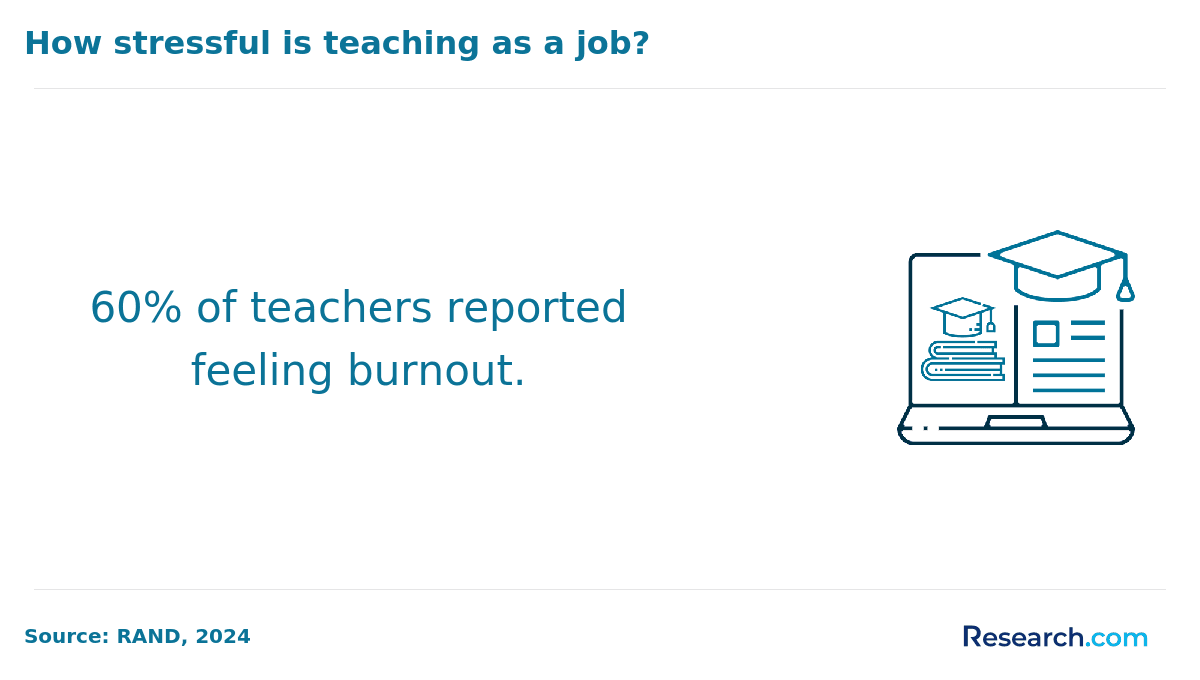
A teaching credential can be worth the investment in Santa Ana if you choose an approved program, control costs, and plan for the type of teaching role you want. The credential creates access to public school teaching roles, salary schedules, benefits, and advancement opportunities that are generally not available through substitute or informal education roles alone.
- Local employment opportunities: Santa Ana is in Orange County, where K-12 schools regularly need teachers across public and private settings, including specialized roles.
- Salary potential: New teachers with a bachelor’s degree in the Santa Ana Unified School District can start at $70,919 for 2024-2025, while experienced educators can earn over $130,000. Public school teachers generally earn between $54,400 and $79,504 annually.
- Benefits and structured advancement: Teaching positions often include benefits, clear salary schedules, and increases tied to years of experience and additional education.
- Cost-of-living trade-off: Orange County living costs can be high, so students should compare salary expectations against debt, rent, transportation, and family obligations.
- Long-term education goals: Teachers interested in leadership or advanced academic roles may later compare options such as fast-track online EdD programs, but doctoral study should not be treated as a required step for entry-level teaching.
The investment is strongest when your debt stays manageable, the program is CTC-approved, your credential aligns with local hiring needs, and you understand the service obligations attached to grants before accepting them.
Are there alternative pathways that aspiring educators in Santa Ana, CA, can take to obtain credentials?
Yes. Alternative pathways can reduce time and cost, especially for career changers, students who already have a bachelor’s degree, or educators with prior teaching experience. These routes still require state approval and careful documentation, so candidates should confirm the details before assuming they qualify.
- Community college pre-credential preparation: Santa Ana College offers a Pre-Credential Option that helps students complete foundational coursework before transferring. With in-state tuition around $1,200 annually for full-time enrollment, this route can substantially reduce the cost of the early college years.
- Alternative credentialing for bachelor’s degree holders: Candidates who already hold a bachelor’s degree in a non-education field may pursue approved alternative teacher preparation programs. These typically range from $5,000 to $15,000 and take one to two years, making them more efficient than starting a full undergraduate education program from the beginning.
- Private school experience or out-of-state credential transfer: California may allow qualified educators to use verified private school teaching experience or valid out-of-state or international credentials to meet some requirements. In some cases, the main costs are application and examination fees, usually under $1,000, though additional coursework may still be required depending on the applicant’s record.
Current trends affecting teaching credential programs in Santa Ana
Several trends are shaping how future teachers choose credential programs. Costs remain a major concern, which makes online, hybrid, community college transfer, and paid intern pathways more attractive. Employer expectations also continue to emphasize classroom readiness, English learner support, culturally responsive teaching, and the ability to use instructional technology effectively.
At the same time, candidates must be cautious. Flexible programs are useful only if they meet California requirements. Grants can be valuable, but service commitments must fit your career plans. Online programs can reduce expenses, but they still require fieldwork and strong self-management. The most practical strategy is to evaluate program approval, total cost, time to completion, placement support, and long-term salary fit together rather than choosing based on tuition alone.
Common mistakes to avoid when choosing a low-cost teaching credential program
| Mistake | Why it can cost you | Better approach |
| Choosing the cheapest program without checking CTC approval | You may not qualify for a California credential | Verify approval with the California Commission on Teacher Credentialing before enrolling |
| Comparing tuition only | Fees, exams, transportation, books, and lost wages can change the true cost | Build a full cost estimate before deciding |
| Ignoring fieldwork logistics | A distant or inflexible placement can delay completion | Ask how placements are arranged near Santa Ana |
| Assuming online means easier or fully remote | Credential candidates still need supervised classroom experience | Confirm fieldwork expectations before applying |
| Accepting grants without understanding service obligations | Failure to meet terms can create financial consequences | Read award rules carefully and match them to your career plan |
| Choosing a credential type too quickly | Multiple Subject, Single Subject, and Special Education credentials lead to different roles | Decide which students and subjects you want to teach before selecting a program |
Key Insights
- The cheapest teaching credential path in Santa Ana is usually not one single program; it is a planned combination of approved coursework, transfer credits, financial aid, and a format that lets you control living and commuting costs.
- Expect many local credential pathways to fall in the $7,000 to $15,000 range, but always compare net cost after grants, scholarships, required fees, and lost income from unpaid fieldwork.
- CTC approval matters more than price. A non-approved program can waste time and money because it may not lead to a valid California teaching credential.
- Students without a bachelor’s degree can often lower costs by beginning at Santa Ana College before transferring. Bachelor’s degree holders may save time through alternative or intern credential routes.
- Online options such as CalStateTEACH can reduce commuting and scheduling costs, but they still require approved classroom fieldwork.
- Financial aid can be substantial, including the TEACH Grant of up to $4,000 annually and the Golden State Teacher Grant Program of up to $20,000, but service obligations must be understood before accepting funds.
- A Santa Ana teaching credential can be worth the investment when debt stays manageable and the credential aligns with local hiring needs, salary expectations, and your preferred classroom setting.
Related Articles for Nearby Cities
- 2027 Cheapest Way to Get a Teaching Credential in Irvine, CA: Degree Requirements & Certification
- 2027 Cheapest Way to Get a Teaching Credential in Anaheim, CA: Degree Requirements & Certification
- 2027 Cheapest Way to Get a Teaching Credential in Long Beach, CA: Degree Requirements & Certification
- 2027 Cheapest Way to Get a Teaching Credential in Los Angeles, CA: Degree Requirements & Certification
- 2027 Cheapest Way to Get a Teaching Credential in Riverside, CA: Degree Requirements & Certification
- 2027 Cheapest Way to Get a Teaching Credential in San Diego, CA: Degree Requirements & Certification
- 2027 Cheapest Way to Get a Teaching Credential in Chula Vista, CA: Degree Requirements & Certification
- 2027 Cheapest Way to Get a Teaching Credential in Bakersfield, CA: Degree Requirements & Certification
- 2027 Cheapest Way to Get a Teaching Credential in Henderson, NV: Degree Requirements & Certification
- 2027 Cheapest Way to Get a Teaching Credential in Las Vegas, NV: Degree Requirements & Certification
References:
- California Commission on Teacher Credentialing. (2024, August 1). Intern Teacher Credentialing Program. California Commission on Teacher Credentialing.
- Glassman-Sommer, D. and Lopez, M. (2021, July 1). Investing in our teachers is what our students need most. EdSource.
- Hanson, M. (2024, August 31). Cost of Online Education vs. Traditional Education. Education Data Initiative.
- Skow, J. (2025, April 1). Online Education & Teaching Programs in California: Comparing Schools. Student Training & Education in Public Service.
- TEACH California. (n.d.). Partners of TEACH California - Recruiting Teachers. TEACH California partners.
- University of Massachusetts Global. (n.d.). Santa Ana Unified School District Teacher Induction and Professional Support. University of Massachusetts Global partnerships.
- Yun, C. and DeMoss, K. (2020, November 12). Sustainable Strategies for Funding Teacher Residencies: Lessons From California. Learning Policy Institute.
- Additional local and program resources: Santa Ana College Future Educators for Excellence; TEACH California recruiting partners; Santa Ana Unified School District teacher resources; Orange County substitute teaching information; USC Master of Arts in Teaching program comparison; CTC teacher induction information; California teacher outlook resource; Santa Ana Unified School District partnership information; online versus traditional education cost data; California online education and teaching program comparison.
Other Things You Should Know About the Cheapest Teaching Credential Programs in Santa Ana, CA
Yes, consider enrolling in an internship program through local school districts or accredited non-traditional teacher preparation programs, which often offer financial incentives. Additionally, seeking scholarships and grants specific to teaching can significantly decrease costs.
In 2027, low-cost teaching credential programs in Santa Ana are offered by organizations like Santa Ana College and local educational service centers, focusing on affordability through grants or reduced tuition options tailored for local residents.
California candidates must pass the CBEST or qualify for its basic skills alternative, complete the appropriate CSET subject exam for the grade level or subject area, and meet the RICA requirement if seeking multiple subject or special education credentials. The Commission on Teacher Credentialing issues the final credential after program recommendation.


