
2027 Cheapest Way to Get a Teaching Credential in Kansas: Requirements & Certification

Co-Founder and Chief Data Scientist
Getting a Kansas teaching credential can be affordable, but the cheapest route depends on what you already have: no degree, an associate degree, a bachelor’s degree, an out-of-state license, or international teaching credentials. The biggest mistake is choosing a program based only on tuition without checking Kansas approval, exam requirements, student teaching expectations, background check costs, and whether the pathway actually leads to the license you need. This guide explains the lower-cost routes to becoming a teacher in Kansas, how online and alternative certification options work, what fees to plan for, and how to compare programs before enrolling.
Quick answer: What is the cheapest way to get a teaching credential in Kansas?
The lowest-cost path is usually the one that avoids repeating coursework. If you already have a bachelor’s degree, an alternative certification route may be cheaper and faster than earning a second bachelor’s degree because it can let you complete required preparation while gaining classroom experience. If you do not yet have a bachelor’s degree, starting at a community college and transferring to a state-approved teacher preparation program can reduce tuition costs. In every case, confirm that the program is approved for Kansas licensure before you enroll.
Key things to know before choosing a Kansas teaching credential pathway
- Alternative certification can lower total cost for bachelor’s degree holders. These programs may allow candidates to complete preparation while moving toward classroom employment.
- Community college transfer routes can reduce early coursework expenses. They are most useful for students who have not yet completed a bachelor’s degree.
- Online programs can be affordable, but approval matters. Make sure the program satisfies Kansas State Department of Education requirements and includes any required field experience.
- Testing fees should be part of your budget. Praxis exam costs in Kansas range from $90 to $209, and retakes can increase the total.
- Fingerprinting and background checks are required costs. Do not treat them as optional or last-minute expenses.
- Financial aid can change the cheapest option. Scholarships, grants, district incentives, and employer-supported routes may make one pathway less expensive than another.
- Talk with current Kansas educators before enrolling. They can help identify low-cost professional development, local hiring needs, and practical ways to avoid unnecessary expenses.
- How much does it cost to become a teacher in Kansas?
- Can a foreigner get a Kansas teaching license?
- Can I get my teaching credential online in Kansas?
- Can I teach in Kansas with an out of state credential?
- How many years do you have to teach in Kansas to retire?
- What happens if my Kansas teaching credential expires?
- How many units is a Kansas teaching credential?
- How much do teachers in Kansas make?
- What is the job outlook of teachers in Kansas?
- How can I pursue a career in preschool education in Kansas?
- What is the career path of a teacher in Kansas?
- What are the differences between teaching in public and private schools in Kansas?
- Can specializing in music offer a cost-effective pathway in Kansas?
- What other careers in education are available in Kansas?
- Should I Pursue Additional Academic Specialization to Enhance My Teaching Career?
- Can Integrated Programs Accelerate My Path to a Teaching Career in Kansas?
- What are the current Kansas teacher certification requirements?
- How can specializing in history shape my teaching career in Kansas?
- Do Affordable Teaching Credential Programs Compromise on Quality?
- Is Specializing in Kindergarten Education a Strategic Advantage in Kansas?
- What are the key steps to specialize as a high school history teacher in Kansas?
How much does it cost to become a teacher in Kansas?
The total cost of becoming a teacher in Kansas depends on your starting point, the type of license you need, the school you attend, and whether you use a traditional or alternative pathway. Tuition is usually the largest expense, but it is not the only one. Application fees, Praxis exams, background checks, transcripts, transportation for field placements, textbooks, and possible retake fees can all affect your final cost.
| Cost category | What to check before paying | How to reduce the expense |
| Licensure application fees | Confirm the correct Kansas State Department of Education application for your license type. | Avoid submitting the wrong application, which can delay the process and create extra costs. |
| Praxis exams | Identify every exam required for your grade level and subject area. Praxis exam fees range from $90 to $209. | Use official test guides, prepare before registering, and budget for a possible retake after the 21-day waiting period. |
| Teacher preparation tuition | Verify that the program is state-approved and leads to Kansas licensure. | Compare public institutions, online options, transfer pathways, scholarships, grants, and alternative certification routes. |
| Transcripts and documentation | Ask whether electronic transcripts are accepted and whether they must be sent directly from the institution. | Request documents early to avoid expedited processing fees. |
| Background check and fingerprinting | Confirm current fingerprinting and background check instructions before scheduling. | Complete requirements on time so your application is not delayed. |
| Living and commuting costs | Estimate travel for student teaching, practicum placements, or campus visits. | Choose nearby placements when possible or consider online coursework with local field experiences. |
For students without a bachelor’s degree, a lower-cost plan often begins with general education and introductory education coursework at a community college, followed by transfer into a Kansas-approved bachelor’s program. For career changers who already hold a bachelor’s degree, an alternative licensure route may be more efficient than completing another full undergraduate degree. Students interested in related child-focused roles can also compare teaching with child development career options before committing to a licensure pathway.
Cheapest Kansas teaching credential routes by starting point
| Your current education level | Likely lower-cost route | Best fit | Main caution |
| No college degree | Community college coursework followed by transfer to a state-approved bachelor’s teacher preparation program | Students who want to reduce the cost of the first two years of college | An associate degree alone does not qualify you for a Kansas teaching credential. |
| Associate degree | Transfer into an accredited bachelor’s program with approved teacher preparation | Students who want to preserve credits and avoid repeating courses | Transfer policies vary, so confirm credit acceptance before enrolling. |
| Bachelor’s degree outside education | Alternative certification pathway | Career changers who want to enter teaching without earning a second bachelor’s degree | The program must meet Kansas licensure requirements for your subject and grade level. |
| Out-of-state teaching license | Reciprocity or license evaluation through Kansas | Licensed teachers relocating to Kansas | You may still need testing, documentation, background checks, or other Kansas requirements. |
| Foreign teaching credential | Kansas credential review with transcripts, license documentation, and required verification | International educators seeking Kansas licensure | Documentation standards can be detailed, so start early. |
Can a foreigner get a Kansas teaching license?
Yes. International educators may pursue a Kansas teaching license, but they must document that their prior preparation, credentials, and experience meet Kansas expectations. The process is not automatic, and applicants should expect to provide official records for review.
Foreign applicants should be ready to submit evidence of their teaching preparation and current or previous teaching authorization. A valid teaching license or certificate from another state or country can support the application, especially when it was earned after completing an accredited teacher preparation program.
Documents foreign-trained teachers should prepare
- Official transcripts. Gather records from the institutions where you completed your degree and teacher preparation.
- Copies of teaching licenses or certificates. Include credentials issued outside Kansas or outside the United States when applicable.
- Program verification information. Provide contact details for officials who can confirm your educator preparation program.
- Employment verification. Include contact information for previous employers who can verify teaching experience.
- Testing records. Submit proof of standardized tests used for your out-of-state or international credential when required.
How international applicants can control costs
- Request electronic transcripts when allowed. They may cost less than mailed paper records and can arrive faster.
- Ask about fee reductions before applying. Some applicants may qualify for waivers or lower fees depending on the requirement.
- Collect documentation before deadlines. Late document requests can lead to expedited fees and delayed licensure decisions.
- Confirm translation or evaluation rules. If foreign academic records require additional review, build that cost into your plan.
International educators who plan to move into school leadership later may also compare classroom licensure with advanced graduate options such as an online EdD in educational leadership, but advanced degrees should not be treated as a substitute for meeting Kansas licensure rules.
Can I get my teaching credential online in Kansas ?
Yes, you can complete parts of a Kansas teaching credential online, and some approved pathways may offer most coursework in an online format. However, teacher preparation normally includes supervised field experience or student teaching, so an online program is not always fully remote. The key question is not simply whether the program is online; it is whether the program is approved for the Kansas license you want.
What an online Kansas teaching credential pathway usually includes
- A bachelor’s degree from an accredited institution. Candidates for an initial teaching license generally need a bachelor’s degree.
- A state-approved teacher preparation program. Online coursework must still align with Kansas standards and include required practical training.
- Praxis exams. Kansas candidates must pass required Praxis assessments, with fees ranging from $90 to $209 and a 21-day waiting period before retakes.
- Field experience or student teaching. Even online programs typically require classroom-based practice under supervision.
- Online licensure application. After completing requirements, candidates can submit an application through the Kansas State Department of Education process.
| Online route | When it makes sense | What to verify |
| Online bachelor’s in education | You do not yet have a bachelor’s degree and need a full preparation program. | Accreditation, Kansas approval, student teaching placement support, and transfer credit rules. |
| Online alternative certification | You already have a bachelor’s degree in another field and want a more direct licensure route. | Subject eligibility, mentoring requirements, district partnerships, and classroom placement expectations. |
| Online add-on coursework | You need additional coursework for endorsement, renewal, or specialization. | Whether credits count for the exact Kansas requirement you are trying to meet. |
Online study can reduce commuting and housing costs, but it can also create hidden expenses if the program does not arrange local field placements or does not meet Kansas licensure rules. Students considering broader education-related careers may also compare teaching programs with online library and information science degrees, especially if they are interested in school libraries, information literacy, or academic support roles.
Can I teach in Kansas with an out of state credential?
Possibly. Kansas offers a pathway for educators who already hold an out-of-state teaching credential, but you must apply and show that your preparation, license, testing, and background meet Kansas requirements. Reciprocity can reduce duplicated coursework, making it one of the more affordable routes for licensed teachers moving into the state.
Common requirements for out-of-state teachers
- Official transcripts. Kansas may require proof that you completed an accredited educator preparation program.
- A current teaching license. Your active credential from another state is central to the review process.
- A bachelor’s degree. A degree from an accredited institution is generally required for teaching licensure.
- Competency exams. You may need to show passing scores or complete Kansas-required assessments.
- Fingerprint background check. Student safety requirements apply to incoming educators.
- Recency requirements. Kansas may evaluate how recent your preparation or teaching experience is.
Reciprocity can be cost-effective because it may prevent you from repeating a full teacher preparation program. Still, do not assume your license transfers automatically. Before resigning from a current position or accepting a Kansas job offer, confirm your status with the Kansas Department of Education and ask what documents, tests, and fees apply.
If you are deciding whether to stay in classroom teaching or use your education background in another way, review what you can do with a teaching degree. If you need to complete a full undergraduate education program, comparing the best online bachelor's in education programs can help you evaluate flexible degree options.
How many years do you have to teach in Kansas to retire?
Teacher retirement eligibility is separate from getting a teaching credential, but it matters when you are calculating the long-term value of entering the profession. In Kansas, educators can retire with full benefits after meeting specific age and service criteria, including the “85 points” rule or a minimum of 10 years of service by age 62.
For prospective teachers, the practical takeaway is that the cheapest licensure route should still support a sustainable career. A pathway that gets you licensed quickly can be valuable, but you should also consider salary growth, benefits, retirement planning, district stability, and whether the role fits your long-term goals.
How retirement planning affects credential decisions
- Starting earlier can affect long-term service credit. A faster credential route may help you begin building years of service sooner.
- Public school employment may offer structured retirement benefits. This can be a major difference between public and some private school positions.
- Advanced degrees may influence salary schedules. If a master’s degree increases pay in your district, it may affect both annual earnings and retirement planning.
- Career changers should compare opportunity costs. If you already earn income in another field, weigh the cost of certification against expected teacher pay and benefits.
What happens if my Kansas teaching credential expires?
If your Kansas teaching credential expires, you may not be legally eligible to continue teaching under that license until you complete renewal requirements. An expired credential can affect employment, hiring timelines, and your ability to accept certain teaching assignments, so renewal should be handled before the deadline whenever possible.
Kansas renewal requirements mentioned for expired credentials
| Educator status | Renewal requirement | Cost issue to plan for |
| Educator with a graduate degree | Typically 120 professional development points through an approved local council | Workshops, professional development activities, and documentation may involve fees. |
| Retired educator with a graduate degree | 60 professional development points | Lower point requirements may reduce cost, but documentation is still needed. |
| Educator without a graduate degree | 160 professional development points, with at least 80 points from college coursework | College coursework can be a significant renewal expense. |
| Retired educator without a graduate degree | 80 professional development points, including at least 40 from college classes | Budget for tuition or course fees if college credit is required. |
Kansas educators may also be able to renew by validating three years of accredited teaching experience during the current license period, although this option can only be used twice during a career. Another option is completing the National Board for Professional Teaching Standards assessment, which can support an accomplished teaching license after successful certification.
How to avoid expensive renewal problems
- Track professional development throughout the license period. Waiting until the credential expires can force rushed and costly choices.
- Use low-cost or no-cost district-approved training when available. Confirm that the activity counts before attending.
- Keep records in one place. Save certificates, transcripts, dates, and approval documentation.
- Ask your local professional development council early. Requirements can differ depending on your education level and renewal category.
How many units is a Kansas teaching credential?
Kansas does not reduce teacher licensure to one simple “unit” count because candidates must complete an accredited degree, approved preparation, field experience, testing, and licensure steps. For a standard initial teaching license, candidates generally complete a bachelor’s degree, which typically requires around 120 to 130 credit hours.
An associate degree, often around 60 credit hours, can help reduce the cost of the first part of college, but it does not by itself qualify someone for an initial Kansas teaching credential. It is best viewed as a transfer foundation toward a bachelor’s degree and teacher preparation program.
Coursework commonly included in a Kansas teacher preparation pathway
- General education courses
- Subject-area coursework for the intended teaching field
- Pedagogy and instructional design
- Child development and learning theory
- Classroom management
- Subject-specific teaching methods
- Supervised fieldwork and student teaching with licensed educators
The Kansas State Board of Education has streamlined part of the initial licensure process by eliminating the Principles of Learning and Teaching (PLT) exam for initial licensure. For some candidates, that change may reduce both time and testing costs, but applicants should still verify current assessment requirements for their subject and grade level.
How much do teachers in Kansas make?
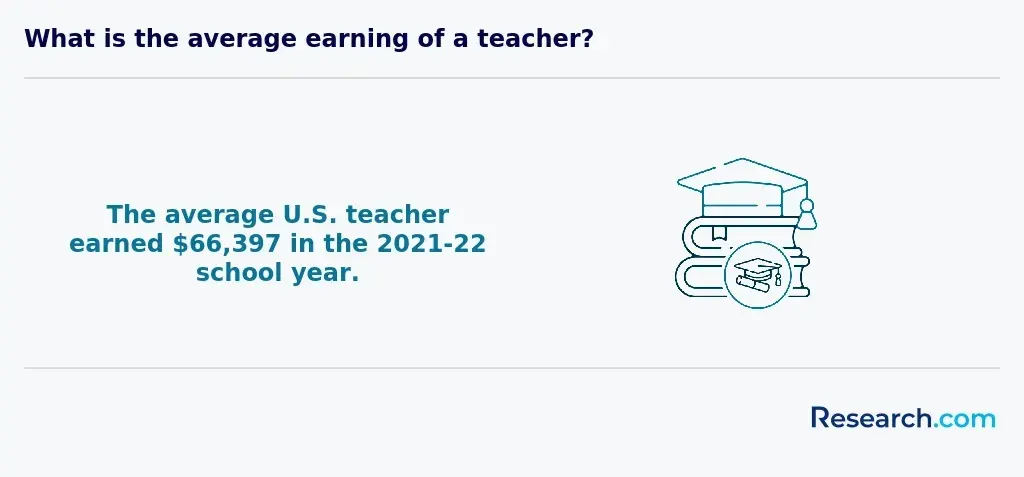
Teacher salaries in Kansas vary by district, experience, degree level, subject area, and school type. As of 2024, public school teachers in Kansas earn an average salary of about $68,064. Entry-level teachers, especially those with only a bachelor’s degree, may start around $38,188, while experienced educators can earn up to $79,238.
| Salary factor | How it can affect pay | Decision point for aspiring teachers |
| Experience | Pay usually increases as teachers move through district salary schedules. | A low starting salary should be weighed against long-term growth potential. |
| Location | Urban districts such as Wichita and Kansas City generally offer higher salaries than many rural areas. | Compare salary with local cost of living and commute costs. |
| Education level | Advanced degrees may lead to higher salary placement in some districts. | Do not enroll in graduate school only for pay unless you understand the district salary schedule. |
| Specialization | Subject area can influence salary. Physical education teachers average $57,464, while educators with strong analytical skills can make around $56,906. | Choose a specialization based on demand, fit, and licensure requirements, not salary alone. |
Graduates from Kansas institutions such as the University of Kansas or Kansas State University may find teaching financially realistic, but salary outcomes are not guaranteed. Before choosing the cheapest credential route, compare program cost with likely district pay, benefits, loan repayment options, and local hiring demand.
What is the job outlook of teachers in Kansas?
The outlook for teachers in Kansas is stronger than the national trend cited for the same broad occupation. The number of secondary school teachers in Kansas is projected to rise from approximately 10,860 in 2020 to around 11,450 by 2030, a 5% increase. Kansas is also expected to have about 810 job openings for teachers each year.
By comparison, the national growth rate for teachers is projected at 1% from 2022 to 2032. Kansas has also consistently ranked among the top 10 states in the United States with the highest number of unfilled teaching positions. For future teachers, this shortage can create opportunity, but it does not mean every subject, grade level, or district is equally easy to enter.
What the Kansas teacher job outlook means for credential planning
- High-need subjects may offer better hiring prospects. Ask districts which endorsements are hardest to staff before choosing a specialization.
- Rural and urban needs may differ. A shortage in one area does not guarantee openings in every preferred location.
- Alternative certification may be especially useful where districts need qualified candidates quickly. Confirm that the pathway is recognized by Kansas.
- Field placements can become job pipelines. Student teaching and practicum experiences may help candidates build local hiring connections.
How can I pursue a career in preschool education in Kansas?
Preschool teaching in Kansas requires preparation that focuses on young children’s development, early literacy, social-emotional learning, play-based instruction, and family engagement. This path is different from general K-12 preparation because preschool educators work with children at a foundational developmental stage.
If you want the most cost-effective preschool pathway, compare early childhood education programs by tuition, field placement support, licensure alignment, and transfer credit acceptance. Review how to become a preschool teacher in Kansas for detailed guidance on eligibility, coursework, and practical experience requirements.
What is the career path of a teacher in Kansas?
A Kansas teaching career typically begins with preparation and licensure, then progresses through classroom experience, specialization, mentoring, and potential leadership roles. The right credential route should match both your current education level and your long-term career plan.
Common career stages for Kansas teachers
| Career stage | Typical focus | How to prepare affordably |
| Pre-licensure student | Completing degree, teacher preparation, exams, and fieldwork | Use transfer credits, public institutions, scholarships, grants, and online coursework where appropriate. |
| New teacher | Building classroom management, lesson planning, assessment, and communication skills | Seek mentoring, district professional development, and low-cost classroom resources. |
| Experienced classroom teacher | Improving instruction, mentoring peers, and possibly adding endorsements | Choose professional development that counts toward renewal and career goals. |
| Lead teacher or mentor | Supporting new educators and influencing instructional practice | Document leadership work and pursue targeted training rather than unnecessary credentials. |
| School or district leader | Moving into administration, curriculum, policy, advocacy, or program design | Compare graduate programs carefully and confirm whether the credential is required for the role. |
Low-cost entry routes include starting at a community college, choosing online programs that reduce commuting costs, using alternative certification if you already hold a bachelor’s degree, and applying for scholarships and grants aimed at future educators. Once licensed, teachers may remain in the classroom, become mentors, move into lead teacher roles, specialize by subject or grade level, or pursue district leadership, advocacy, or education product development.
Teacher salaries in the United States vary based on location, education, experience, and district policies. The following preserved resource provides an estimate of average base salary for public school teachers in the United States by years of experience.
What are the differences between teaching in public and private schools in Kansas?
Public and private schools in Kansas can both offer meaningful teaching careers, but they differ in licensure expectations, salary structures, benefits, curriculum flexibility, and job security. Your cheapest credential route may also depend on which school setting you plan to enter.
| Factor | Public schools in Kansas | Private schools in Kansas |
| Licensure | Teachers generally must meet Kansas state certification requirements. | Some private schools require state certification, while others use their own hiring criteria. |
| Salary and benefits | Often tied to formal salary schedules, retirement plans, and district benefits. | May offer smaller communities or mission-driven environments, but salaries and benefits can be less structured. |
| Curriculum | Aligned with public education standards and district requirements. | May allow more flexibility in curriculum, instructional methods, and school culture. |
| Classroom environment | Often serves diverse student populations across varied communities. | May have smaller classes and closer parent-school relationships, depending on the institution. |
| Best fit | Educators who want state-structured employment, public benefits, and broad access to professional development. | Educators who value mission fit, smaller settings, or more curricular autonomy. |
If your goal is private school teaching, do not assume you can skip all preparation. Many private schools still value or require certification, and requirements can differ by employer. For a focused overview, see this guide to private school teacher requirements in Kansas.
How does specializing in middle school mathematics enhance my teaching career in Kansas?
Middle school mathematics specialization can strengthen your career by preparing you to teach early adolescents at a stage when students are moving from basic arithmetic toward algebraic and abstract reasoning. This specialization can be especially useful in districts that need teachers who understand both math content and middle-grade development.
Before adding a math endorsement or choosing a math-focused program, compare the required coursework, assessment expectations, and whether the credential fits the grade levels you want to teach. For subject-specific guidance, review middle school math teacher requirements in Kansas.
Common mistakes that make a Kansas teaching credential more expensive
- Choosing a program before checking Kansas approval. A cheap program is costly if it does not lead to the license you need.
- Ignoring transfer credit policies. Students with community college or previous university credit should confirm how many credits will apply.
- Budgeting only for tuition. Exams, background checks, transcripts, transportation, and materials can add up.
- Assuming online means fully remote. Student teaching and field experience may still require in-person classroom placements.
- Taking Praxis exams without preparation. Retakes increase both cost and timeline.
- Letting a license expire. Renewal after expiration can create employment problems and force rushed professional development.
- Relying only on rankings or advertisements. Ask about licensure pass rates, placement support, mentor quality, and district partnerships.
Can specializing in music offer a cost-effective pathway in Kansas?
Music can be a strong pathway for educators who already have musical training, performance experience, or undergraduate coursework in the field. Specializing in music may help candidates align existing skills with a teaching role instead of starting over in a broader subject area.
However, music education still requires careful planning because candidates may need subject-specific coursework, performance-related preparation, pedagogy, field experience, and licensure assessments. Review music teacher education requirements in Kansas to compare certification steps, curriculum expectations, and possible cost-saving options.
What other careers in education are available in Kansas?
Teaching is not the only way to work in Kansas education. Some professionals move into student support, administration, curriculum, counseling, library services, instructional design, early childhood programs, or special services. One example is speech-language pathology, a student-facing profession focused on communication, language, and related learning needs.
To become a speech-language pathologist in Kansas, candidates must meet separate education and licensing requirements. If that path interests you, review the process for earning an SLP license in Kansas before comparing it with classroom teaching.
Should I Pursue Additional Academic Specialization to Enhance My Teaching Career?
Additional specialization can be worthwhile when it helps you qualify for a needed endorsement, teach a high-demand subject, improve salary placement, or move toward leadership. It is not automatically worth the cost. The decision should depend on your district’s needs, your career goals, and whether the credential will create a clear professional advantage.
For example, an educator who wants deeper subject knowledge in history may consider an online history degree. Before enrolling, ask whether the degree supports licensure, an endorsement, salary advancement, or a specific teaching assignment. If it does not, a shorter endorsement program or targeted professional development may be more cost-effective.
Can Integrated Programs Accelerate My Path to a Teaching Career in Kansas?
Integrated degree and credential programs can reduce time and cost by combining academic coursework, teacher preparation, and classroom experience into one coordinated pathway. They are especially helpful for students who know they want to teach and want to avoid taking unrelated credits that do not count toward licensure.
These programs are not automatically cheaper, so compare total tuition, transfer credit acceptance, field placement support, exam preparation, and completion timeline. For a broader roadmap, review how to become a teacher in Kansas.
What are the current Kansas teacher certification requirements?
Kansas teacher certification generally requires an accredited bachelor’s degree, completion of an approved teacher preparation program, supervised classroom experience, required assessments, a background check, and a licensure application. Requirements can vary by grade level, subject area, prior credentials, and whether you are applying through a traditional, alternative, out-of-state, or international route.
Because requirements can change, applicants should verify current rules before enrolling in a program or paying for exams. A detailed overview is available in this guide to Kansas teacher certification requirements.
How can specializing in history shape my teaching career in Kansas?
History specialization can prepare teachers to lead courses that build students’ reading, writing, evidence analysis, civic understanding, and critical thinking. It can also support interdisciplinary teaching with government, economics, geography, literature, and local Kansas history.
If you want to teach history, choose coursework and field experiences that match the grade level you plan to serve. For licensure and career guidance, review how to become a history teacher in Kansas.
Do Affordable Teaching Credential Programs Compromise on Quality?
Affordable teaching credential programs do not automatically mean lower quality. A lower-cost program can be a smart choice if it is accredited, approved for Kansas licensure, provides supervised classroom experience, prepares students for required exams, and has strong support for placement and mentoring.
| Quality signal | Why it matters | Question to ask |
| Kansas approval | Without approval, the program may not lead to licensure. | Does this program meet Kansas requirements for my intended license? |
| Accreditation | Accreditation supports credit transfer, financial aid eligibility, and academic credibility. | Who accredits the institution and the educator preparation program? |
| Field experience support | Teachers need supervised classroom practice, not just coursework. | Where will I complete practicum or student teaching? |
| Exam preparation | Praxis retakes increase cost and delay licensure. | What support is provided for required exams? |
| Graduate and employer outcomes | Completion and hiring support can affect return on investment. | Where do graduates teach, and what support is available during the job search? |
Students comparing affordability and quality in early childhood pathways may find additional perspective in this guide on how to become a preschool teacher.
Is Specializing in Kindergarten Education a Strategic Advantage in Kansas?
Kindergarten specialization can be valuable for educators who want to work at the transition point between early childhood and elementary education. Kindergarten teachers need strong skills in early literacy, numeracy, classroom routines, social-emotional development, and family communication.
This specialization may help candidates stand out for early elementary roles, but it should still be evaluated like any other credential decision: check cost, field placements, licensure alignment, and district demand. For a focused path, see how to become a kindergarten teacher in Kansas.
What are the key steps to specialize as a high school history teacher in Kansas?
To become a high school history teacher in Kansas, candidates should build strong history content knowledge, complete approved teacher preparation, gain supervised high school classroom experience, pass required assessments, and apply for the appropriate Kansas license or endorsement.
- Complete the required degree foundation. Earn a bachelor’s degree that supports teacher preparation and history teaching goals.
- Choose an approved preparation route. Confirm that the program leads to Kansas licensure for secondary history or the relevant social studies area.
- Take advanced history coursework. Prioritize courses that support high school curriculum and historical analysis.
- Complete field experience in secondary classrooms. High school teaching requires practice with adolescent learners and subject-specific instruction.
- Meet testing and background check requirements. Budget for exams, fingerprinting, and application fees.
- Build professional connections. Mentors, cooperating teachers, and local districts can help with hiring and early-career support.
For a detailed roadmap, review how to become a high school history teacher in Kansas.
Questions to ask before enrolling in a Kansas teaching credential program
- Is the program approved for Kansas teacher licensure in my subject and grade level?
- What is the total cost after tuition, fees, exams, books, background checks, and field placement expenses?
- How many of my existing credits will transfer?
- Does the program offer online coursework, and what parts must be completed in person?
- Where will I complete student teaching or supervised fieldwork?
- What Praxis exams are required, and what exam preparation is included?
- Are scholarships, grants, district partnerships, or tuition assistance available?
- Can I work while completing the program?
- What support is available for licensure paperwork and job placement?
- Does the program prepare me for public school certification, private school employment, or both?
Key Insights
- The cheapest Kansas teaching credential route depends on your starting point. Community college transfer pathways can help first-time college students, while alternative certification may be more efficient for bachelor’s degree holders.
- Do not choose a program based on tuition alone. Kansas approval, accreditation, field placement support, exam preparation, and licensure fit matter just as much.
- Praxis exams, fingerprinting, background checks, transcripts, and application fees should be included in your budget from the beginning.
- Out-of-state and foreign-trained teachers may be able to reduce duplicated coursework, but they must still satisfy Kansas documentation, testing, and background check requirements.
- Online programs can reduce commuting and scheduling barriers, but most teacher preparation still requires supervised classroom experience.
- Kansas teacher demand is meaningful: secondary school teacher employment is projected to grow from approximately 10,860 in 2020 to around 11,450 by 2030, with about 810 annual openings.
- Salary outcomes vary. As of 2024, public school teachers in Kansas average about $68,064, with entry-level salaries around $38,188 and experienced educators earning up to $79,238.
- Specializations such as preschool, kindergarten, music, math, and history can strengthen a teaching career when they match district needs and licensure requirements.
- Keeping your credential active is part of cost control. Expired licenses can create employment disruption and additional renewal expenses.
Related Articles for Nearby States
- 2027 Cheapest Way to Get a Teaching Credential in Nebraska: Requirements & Certification
- 2027 Cheapest Way to Get a Teaching Credential in Oklahoma: Requirements & Certification
- 2027 Cheapest Way to Get a Teaching Credential in Colorado: Requirements & Certification
- 2027 Cheapest Way to Get a Teaching Credential in Iowa: Requirements & Certification
- 2027 Cheapest Way to Get a Teaching Credential in Arkansas: Requirements & Certification
- 2027 Cheapest Way to Get a Teaching Credential in Texas: Requirements & Certification
- 2027 Cheapest Way to Get a Teaching Credential in South Dakota: Requirements & Certification
- 2027 Cheapest Way to Get a Teaching Credential in Wyoming: Requirements & Certification
- 2027 Cheapest Way to Get a Teaching Credential in Minnesota: Requirements & Certification
- 2027 Cheapest Way to Get a Teaching Credential in Illinois: Requirements & Certification
References:
- Ksde.org (10 Apr 2023). Teacher Licensure. https://www.ksde.org/Agency/Division-of-Learning-Services/Teacher-Licensure-TL
- Onetonline.org (09 Aug 2024). Kansas Employment Trends 25-2031.00 - Secondary School Teachers, Except Special and Career/Technical Education. onetonline.org
- Salary.com (27 Aug 2024). Public School Teacher Salary in Kansas. https://www.salary.com/research/salary/benchmark/public-school-teacher-salary/ks
- Teaching-certification.com (N.D.). Kansas Teacher Reciprocity Agreements. teaching-certification.com
Other Things You Should Know About Getting a Teaching Credential in Kansas
To obtain a teaching credential in Kansas in 2027, individuals must hold at least a bachelor's degree from an accredited institution. Additionally, they must complete a teacher preparation program approved by the Kansas State Department of Education.
In 2027, aspiring teachers in Kansas can explore alternative certification programs offered by select universities, which often provide cost-effective paths. These programs typically require a bachelor's degree, completion of pedagogy courses, supervised teaching experience, and passing relevant licensing exams.
The Kansas State Department of Education (KSDE) issues teaching licenses in Kansas. Applicants must meet KSDE requirements, submit fingerprints for a background check, and complete an approved preparation route before receiving initial licensure.


