2027 Teaching Affordability by State: Where Students Pay the Most and Least

Co-Founder and Chief Data Scientist
Choosing between two teaching programs can feel like balancing a financial tightrope. A resident might find an in-state tuition of $7,000 annually enticing, only to face out-of-state fees that soar above $25,000. Meanwhile, hidden living costs often erode these savings, complicating decisions. According to a 2024 National Center for Education Statistics report, states with lower sticker prices frequently have higher ancillary expenses, reshaping affordability beyond tuition alone.
This dynamic signals that prospective teaching students must weigh total cost of attendance carefully, not just headline tuition. This article examines teaching affordability by state, helping readers pinpoint where earning a teaching degree is most and least financially accessible.
Key Things to Know About Teaching Affordability by State
- Lower in-state tuition in states with reduced higher education funding often coincides with limited financial aid for teaching students, increasing out-of-pocket expenses despite nominally cheaper sticker prices.
- States with higher total cost of attendance compel graduates to seek local employment, influencing workforce distribution and potentially restricting cross-state mobility for teachers.
- Online teaching programs may reduce living costs but often deliver fewer field placement opportunities, impacting licensure timing and practical experience essential for competitive job placement.
- Key Things to Know About Teaching Affordability by State Key Things to Know About Teaching Affordability by State
- Which States Have the Most Affordable Teaching Degree Programs? Most Affordable State Programs
- Which States Have the Highest Teaching Degree Costs? Highest State Tuition Costs
- How Much Does a Teaching Degree Cost by State? Degree Costs by State
- Why Does Teaching Affordability Vary So Much Between States? State Affordability Variations
- How Do In-State and Out-of-State Tuition Rates Affect Teaching Affordability? In-State vs. Out-of-State Rates
- How Does the Cost of Living Impact Overall Teaching Affordability by State? Living Costs and Affordability
- Which States Offer the Best Value for a Teaching Degree? Best Value State Degrees
- What Financial Aid and Scholarship Opportunities Can Reduce Teaching Costs? What Financial Aid and Scholarship Opportunities Can Reduce Teaching Costs?
- Are Online Teaching Degree Programs More Affordable Than On-Campus Options? Are Online Teaching Degree Programs More Affordable Than On-Campus Options?
- Is a Teaching Degree Worth the Cost Based on Career Outcomes and ROI? Degree ROI and Outcomes
Which States Have the Most Affordable Teaching Degree Programs?
States with the most affordable teaching degree programs typically leverage a combination of sustained public funding and strategic tuition policies that favor in-state students, creating tangible cost advantages for local candidates. For example, Wyoming maintains in-state tuition well below the national average due to generous state subsidies, which not only reduces sticker shock but also helps students plan financially over multi-year degree paths without unexpected tuition spikes.
These funding patterns, paired with lower regional living expenses common in states like New Mexico and North Carolina, directly impact total cost of attendance, offering concrete savings versus states with higher tuition or costly urban living environments. This dynamic underscores why many budget-conscious students prioritize residency or regional enrollment to maximize financial aid opportunities and avoid out-of-state tuition penalties that can double or triple education expenses.
Understanding where the best states for low-cost teaching degrees exist requires grappling with tradeoffs related to geography, institutional infrastructure, and degree delivery formats. Some states expand affordability by investing in accredited online options, which mitigate housing and transportation costs, allowing candidates to remain in lower-cost areas while completing programs. However, these online pathways may involve compromises in networking or practicum placements, influencing practical training outcomes. Students comparing programs should also consider how residency rules influence eligibility for tuition breaks, since establishing residency involves time and administrative hurdles that can delay cost savings.
In this context, evaluating both direct tuition charges and ancillary costs alongside state funding policies is critical for accurate cost comparisons and ensuring the teaching degree pursued aligns with both budget constraints and long-term employability expectations. For those weighing options, exploring related fields can also be pragmatic - as an example, candidates interested in allied areas might investigate medical billing and coding classes, which also offer accessible online options and align with educational workforce demands.
Which States Have the Highest Teaching Degree Costs?
High teaching degree costs in certain states result from a combination of steep tuition fees, elevated living costs, and inconsistent public funding, which together create challenging financial barriers for students. For instance, states with a concentration of private institutions and flagship research universities-often located in economically thriving metropolitan areas-tend to inflate average tuition rates, while the high cost of housing and daily expenses in cities like Boston or San Francisco further exacerbate total program expenses. Additionally, states with tighter or more complex residency rules and extended practicum requirements can lengthen degree completion time, increasing both direct costs and opportunity costs for students balancing finances and career timelines.
These regional differences compel prospective teaching students to carefully consider whether enrolling in a high-cost state offers corresponding career benefits or practical returns on investment, especially when similar programs may be more affordable in nearby states with more stable funding or shorter credentialing paths. According to 2024 data from the National Center for Education Statistics, average in-state tuition for teaching-related degrees in some states surpasses $15,000 annually, with total expenses often topping $40,000 once living costs and fees are included. This gap influences decisions about relocating, pursuing online alternatives, or selecting programs that align better with available financial aid and personal circumstances, demonstrating that understanding local policy, institutional pricing, and market demand is critical for informed planning.
A recent graduate shared that while researching teaching programs, they wrestled with whether out-of-state tuition combined with city living expenses in a renowned education hub justified the added debt compared to more affordable in-state online options. They noted confusion around residency qualifications and the unpredictability of supplemental fees that weren't clearly disclosed early on. Ultimately, they chose a less expensive in-state program with flexible online courses to avoid incurring unsustainable living costs, though they expressed lingering concern about potential limitations in networking and hands-on experiences that a higher-profile institution might have offered. This experience highlights the tradeoffs between cost, quality, and practical access that many teaching students encounter when navigating diverse state-level education markets.
How Much Does a Teaching Degree Cost by State?
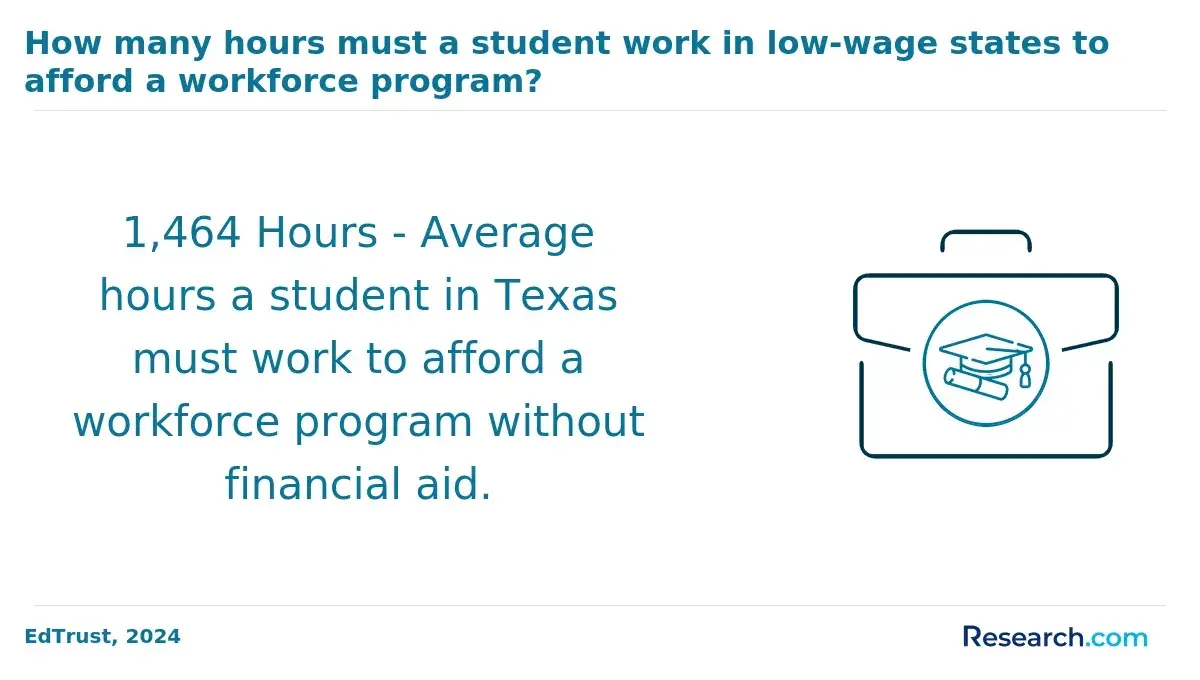
Tuition costs for earning a teaching degree vary markedly by state, shaped by divergent funding models, regional living expenses, and public versus private institution pricing. For example, public universities in states like California or Massachusetts often charge over $15,000 annually for in-state students, a figure inflated by high operational costs and limited state subsidies. Conversely, states such as Wyoming and North Dakota frequently offer in-state tuition below $6,000, reflecting stronger state support or lower local expenses. These disparities compel prospective students to weigh whether the potential benefits of enrolling in a prestigious but costly program outweigh the financial burden, particularly when comparable certifications might be accessible more affordably elsewhere or via online platforms.
Out-of-state tuition policies further complicate these decisions, as many states impose fees two to three times higher for non-residents, which can deter relocation or necessitate larger loans. Reciprocity agreements can mitigate this barrier, but their limited availability means some students face tough tradeoffs between cost and program quality or geographic preference. Additionally, total cost of attendance-including housing, books, and transportation-can double tuition rates in urban regions, pushing annual expenses beyond $30,000 in places like New York City. For budget-conscious learners, understanding these layers of financial commitment is essential to long-term planning, influencing not only enrollment choices but also post-graduation debt load and job market flexibility across different states.
Why Does Teaching Affordability Vary So Much Between States?
Variations in state funding levels for public higher education are a decisive factor driving state-by-state teaching degree affordability, with data from the National Center for Education Statistics showing that states like Wyoming and New Mexico leverage higher subsidies to deliver lower resident tuition. Conversely, states that allocate fewer resources to public institutions often see tuition spikes that disproportionately affect in-state students, prompting many to consider cross-state enrollment options or online programs to mitigate costs. Beyond state budget decisions, the mix of public versus private institutions changes the affordability landscape significantly, as private colleges typically charge higher tuition, raising average costs in states with a larger share of such schools and complicating financial planning for budget-conscious learners.
Cost of living disparities also influence operational expenses, which institutions frequently pass on through tuition adjustments-creating practical tradeoffs for prospective students weighing local program benefits against expenses. High regional demand for teaching education can lead to expanded, but often costlier, program offerings, driving enrollment strategy and pricing in states with robust populations of aspiring educators. Additionally, the availability of state-specific financial aid and scholarships targeting teaching students directly affects net costs, shaping student decisions about whether to transfer, stay in-state, or pursue alternative credentials such as a master of healthcare administration programs that may offer more affordable pathways and better align with evolving workforce demands.
How Do In-State and Out-of-State Tuition Rates Affect Teaching Affordability?
Tuition differences between in-state and out-of-state students create a pivotal financial calculus that shapes where budget-conscious teaching candidates enroll. With data from the National Center for Education Statistics showing public four-year in-state tuition averaging around $10,560 annually compared to more than $27,000 for out-of-state students, these discrepancies often force students to weigh relocation or residency reclassification against steep cost premiums. States subsidize resident tuition through local taxes, so out-of-state learners effectively pay full market rates, which can double or triple expenses and severely restrict cross-border program choices unless offset by interstate agreements or scholarships. Such cost barriers frequently lead students to prioritize regional options or online programs offering uniform tuition regardless of state, although licensing requirements and program quality remain critical considerations intertwining affordability with long-term employability.
Interstate compacts like the Western Undergraduate Exchange partially address out-of-state premiums, but their limited member base and partial discounts rarely make them a full substitute for residency-based tuition advantages. Prospective teaching students must also account for higher living expenses in states with elevated tuition rates, as these escalate total education costs beyond sticker price disparities. Financial aid packages, institutional residency policies, and the feasibility of establishing residency before enrollment all influence whether paying out-of-state rates is a justifiable investment versus pursuing a more affordable in-state credential. Ultimately, understanding these layered tradeoffs helps students make informed decisions about financing their teaching education aligned with both short-term budgets and long-term career prospects.
One recent graduate recalled moving to a neighboring state for a teaching degree, initially assuming residency qualifications were straightforward, only to encounter unexpected delays in eligibility for in-state tuition. The resulting first-year bills at out-of-state rates strained their finances more than anticipated, prompting last-minute reliance on work-study and loans. This experience reshaped their perspective on residency rules' practical impact, emphasizing that simply relocating does not guarantee affordability and underscoring the need for early, thorough planning regarding tuition classification when selecting programs across state lines.
How Does the Cost of Living Impact Overall Teaching Affordability by State?
Housing costs often outweigh tuition differences when students evaluate where to pursue a teaching degree, with regions like California and New York imposing burdens 30-40% higher on monthly budgets compared to states with lower living expenses. These variations directly affect student debt levels and can alter enrollment decisions, particularly for budget-conscious learners who may find that a state's modest tuition combined with steep living costs creates unsustainable financial pressure. Transportation expenditures further complicate affordability; urban students might save on owning a vehicle but face higher public transit fares, while rural students incur significant costs maintaining personal vehicles-both scenarios shaping decisions about commuting or opting for online coursework as a cost-saving strategy. This nuanced impact of regional living expenses is a critical piece in assessing state-to-state disparities in teaching affordability by state.
Food, healthcare, and utilities also represent key financial factors, with healthcare costs in northeastern states reaching roughly 20% above southern averages, squeezing discretionary funds available for education-related expenses. Moreover, colder climates drive utility bills higher, and tight metropolitan housing markets push rents up, sometimes becoming the deciding factor in whether students complete their programs. These real-world tradeoffs require students and families to weigh total financial outlays beyond tuition alone, influencing financial aid reliance and risk exposure to prolonged debt. Learners exploring pathways such as CMA to LPN transitions offer an example where strategic selection of state and program can meaningfully reduce overall costs while maintaining career trajectory, reinforcing the importance of integrating living expense analysis into educational planning focused on the impact of regional living expenses on overall teaching degree costs.
Which States Offer the Best Value for a Teaching Degree?
Affordability in teaching degrees hinges not just on sticker tuition but on the interaction of in-state residency rules, financial aid availability, and how swiftly students complete their programs. For example, Florida's public universities offer in-state tuition averaging about $6,400 annually, paired with relatively low living costs and completion rates near 70%, which collectively reduce total debt burdens. Contrastingly, states like California and New York may boast prestigious credentials but impose higher tuition and living expenses that often translate into student debt exceeding $35,000, raising questions about net value despite program quality.
State-specific workforce dynamics further complicate this calculation. North Carolina illustrates why employment prospects matter: its projected 7% growth in teaching jobs through 2030 supports faster post-graduation employment and thus a quicker return on investment. Students weighing where to enroll should also consider whether relocation or online study affects eligibility for lower in-state rates or access to public funding, as paying out-of-state tuition can dramatically increase costs without additional career benefits. Ultimately, the cheapest option may not be the strongest value if it results in prolonged enrollment, higher debt, or weaker regional employment opportunities.
What Financial Aid and Scholarship Opportunities Can Reduce Teaching Costs?
Federal and state financial aid programs significantly shape the true cost of earning a teaching degree, though their impact varies dramatically by location and individual circumstance. For instance, the TEACH Grant offers up to $4,000 annually to students who commit to working in high-need fields or underserved schools, but failure to meet service obligations converts the grant to a loan, illustrating a key risk in aid reliance. State-funded grants often reflect local workforce needs, with states facing chronic teacher shortages-like Arizona and Florida-more likely to provide targeted scholarships or tuition waivers, though these may come with strict residency and program requirements that affect eligibility and long-term planning.
Institutional scholarships frequently reward academic merit but require maintaining certain GPA thresholds, which can add pressure for students juggling work and studies. Employer-sponsored tuition benefits, while less common at initial licensure stages, offer vital support for career changers or practicing educators seeking advanced qualifications, but they are often contingent on continued employment in specific districts. A 2024 analysis by the Education Data Initiative found that states combining federal, state, and institutional aid reduced average teaching degree debt by up to 35%, underscoring the financial advantage of layered aid systems over reliance on singular funding sources.
The interplay of application deadlines, renewal criteria, and residency stipulations complicates financial planning, necessitating careful comparison of how these factors align with personal and professional goals. Reciprocity agreements between states can alleviate out-of-state tuition burdens, but understanding the nuances of eligibility remains essential to maximizing affordability. Thus, prospective teaching students must weigh the practical implications of aid conditions and location-specific policies to make informed decisions about where and how to pursue their degrees without incurring unsustainable debt.
Are Online Teaching Degree Programs More Affordable Than On-Campus Options?
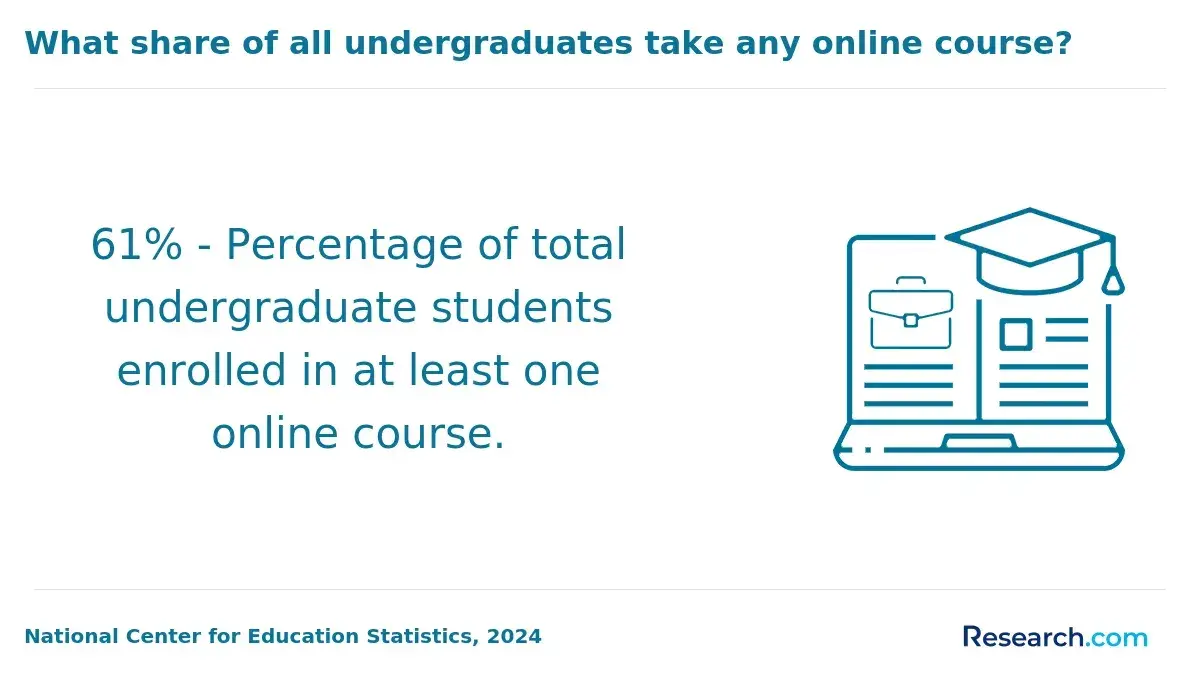
Online teaching degree programs sometimes offer lower tuition rates, particularly for nonresident students who face higher fees at traditional campuses, but this does not guarantee a straightforward affordability advantage. Tuition differences vary significantly by state and institution, with the National Center for Education Statistics (NCES) 2024 data indicating online undergraduate education degrees average about 15% less than in-person equivalents at comparable public universities. Yet, cost comparisons must factor in required technology investments, stable internet access fees, and occasional campus visits or residencies that may offset savings. For example, students balancing work and study might value online programs' flexibility and reduced commuting costs, highlighting important cost differences between online and on-campus teaching degrees in the US that are shaped by individual schedules and geographic location.
Financial aid eligibility further complicates affordability rankings since many state grants and scholarships restrict awards to in-state or on-campus enrollment, limiting options for online learners despite federal aid remaining accessible. Employer tuition reimbursement generally supports accredited teaching programs regardless of delivery mode but perceptions of traditional in-person credentials can still affect long-term employability and salary potential. Ultimately, students must evaluate whether an online pathway matches their financial and professional circumstances. Budget-conscious learners, especially those seeking the shortest RN to BSN program or similar accelerated pathways, should scrutinize residency policies, program structure, and potential hidden costs when determining where and how to pursue a teaching degree.
Is a Teaching Degree Worth the Cost Based on Career Outcomes and ROI?
Affordability disparities across states strongly shape the real-world value of a teaching degree, particularly when evaluating career outcomes and return on investment. For instance, students in states like California or New York often face tuition and living costs pushing their student debt beyond $40,000, while salaries do not always proportionally offset this burden. In this context, assessing regional ROI and earning potential for teaching graduates requires a nuanced look at salary scales, cost of living, and loan forgiveness programs in addition to sticker price. Completing a program efficiently without delays or extra certification expenses further affects debt levels and long-term financial well-being.
Students exploring these pathways must weigh opportunity costs and geographic flexibility alongside raw tuition figures. For those targeting specialized educational support services, evaluating factors like online speech pathology school cost relative to public school district salary schedules is crucial for maintaining a manageable debt-to-income ratio.
Employer demand patterns-especially in shortage regions offering incentives-alter how teaching degree career outcomes translate to stable employment and career growth. Beyond financials, factors like pension benefits and job security contribute significant value but are often state-dependent.
References
- Financial Aid For Future Educators: Assessing A Federal Grant's Impact On Students' Postsecondary Decisions https://edworkingpapers.com/policy-practice-series/ai25-1278
- Too many teachers can’t afford to live near their schools | Brookings https://www.brookings.edu/articles/too-many-teachers-cant-afford-to-live-near-their-schools/
- 2026 – The Most Affordable Teaching Certificate Bachelor’s in Education in the West North Central U.S. https://www.educationdegree.com/most-affordable-teaching-certificate-bachelors-in-education-in-the-west-north-central-u-s/
- Educator Pay Data 2025 | NEA https://www.nea.org/resource-library/educator-pay-and-student-spending-how-does-your-state-rank
- Most Affordable Online Colleges Of 2025 https://www.affordablecollegesonline.org/cheap-online-colleges/
- In dozens of districts, teachers can’t afford to live near their schools https://fordhaminstitute.org/national/commentary/dozens-districts-teachers-cant-afford-live-near-their-schools
- Understanding Teacher Compensation: A State-by-State Analysis https://learningpolicyinstitute.org/product/understanding-teacher-compensation-state-by-state-analysis
- 5 Smart Ways to Spend Less on College Tuition https://americhoice.org/blog/5-smart-ways-to-spend-less-on-college-tuition
- 2025 Most Affordable Online Colleges & Degrees https://www.onlineu.com/most-affordable-colleges
- Top 50 Affordable Education and Teaching School Programs for 2026 | UniversityHQ https://universityhq.org/best-colleges/rankings/most-affordable-education-teaching-schools/
Other Things You Should Know About Teaching
States vary widely in their credentialing requirements, which can affect the total time and cost needed to complete a teaching program. Some states require additional coursework, exams, or state-specific training beyond the degree, increasing both financial and time commitments. For prospective students, prioritizing states with streamlined credentialing processes can reduce indirect costs and accelerate entry into the workforce.
Shorter teaching programs can lower tuition and living expenses but may sacrifice depth in practical classroom experience or specialized training. Conversely, longer programs might be more costly upfront but better prepare graduates for diverse classroom challenges and meet employer expectations for readiness. Students should weigh immediate affordability against potential long-term benefits from more comprehensive preparation, choosing based on career goals and financial capacity.
Absolutely. A lower-cost teaching degree in a state with limited job openings or lower teacher salaries may result in underemployment or reduced earnings after graduation. Conversely, higher-priced programs in states with strong hiring demand and better pay scales can offset initial costs through improved career stability and income. Budget-conscious students should assess local employment trends alongside tuition costs to optimize both short- and long-term financial outcomes.
States differ in clinical practice requirements, ranging from a few weeks to a full semester or more of intensive student teaching with heavy time commitments. Higher workload demands may limit the ability to work part-time, increasing reliance on savings or loans. Students balancing financial pressures should prioritize states whose teaching programs offer a manageable balance between practicum rigor and affordability to maintain financial and academic stability.