2027 Teaching Tuition Inflation Report: How Fast Are Program Costs Rising?

Co-Founder and Chief Data Scientist
Tuition growth in Teaching programs reflects complex shifts beyond general higher education trends. Increasing demands for specialized faculty training, comprehensive clinical placements, and rigorous accreditation standards have intensified operational costs unique to the discipline. For example, the need to integrate advanced educational technologies and expanded field-based experiences drives resource investment differently than many other fields.
Additionally, a 2024 National Center for Education Statistics report highlights that enrollment in Teaching programs has aged upward, with a growing share of mid-career professionals seeking re-certification or advanced credentials. This demographic trend signals evolving workforce needs and influences program design and cost structures.
Understanding these factors clarifies why tuition inflation in Teaching diverges markedly from broader patterns and points to deeper shifts in educational accessibility and professional expectations within the field.
Key Things to Know About Teaching Tuition Inflation
- Teaching tuition inflation outpaces general education costs by over 5% annually, forcing students to weigh longer program durations against escalating debt burdens when planning their career pathways.
- Employers increasingly expect teaching candidates to hold advanced credentials, but rapid tuition hikes may limit access to these qualifications, narrowing workforce diversity and affecting long-term sector growth.
- Rising program costs delay entry into the teaching workforce, causing potential shortages in high-need areas as candidates defer enrollment or seek alternative certifications with lower upfront expenses.
- Key Things to Know About Teaching Tuition Inflation Key Things to Know About Teaching Tuition Inflation
- How Much Has Teaching Tuition Increased Over the Past Decade? How Much Has Teaching Tuition Increased Over the Past Decade?
- How Does Teaching Tuition Inflation Compare to Overall Inflation? How Does Teaching Tuition Inflation Compare to Overall Inflation?
- Which Types of Schools Have Experienced the Fastest Teaching Tuition Growth? Tuition Growth by School Type
- What Factors Are Driving Rising Costs in Teaching Degree Programs? Tuition Cost Drivers
- How Does Teaching Tuition Growth Vary by State and Region? Tuition Growth by State
- Are Online Teaching Programs Becoming More Affordable Than Campus-Based Programs? Online Program Affordability
- How Have Financial Aid and Scholarships Changed as Teaching Tuition Has Increased? Impact on Financial Aid and Scholarships
- How Does Rising Teaching Tuition Affect Student Debt After Graduation? Impact on Student Debt
- Do Higher-Cost Teaching Programs Deliver Better Career Outcomes or Earnings? Impact on Career Outcomes
- What Do Current Tuition Trends Suggest About the Future Cost of a Teaching Degree? What Do Current Tuition Trends Suggest About the Future Cost of a Teaching Degree?
How Much Has Teaching Tuition Increased Over the Past Decade?
Tuition for teaching degree programs in the United States has increased markedly over the past decade, with data from the National Center for Education Statistics and the College Board through 2024 showing average annual growth rates of roughly 35% to 40% at public four-year institutions.
Private colleges often report even steeper tuition hikes exceeding 45%, reflecting wider higher education pricing trends. This tuition inflation outpaces general economic inflation while compounding affordability challenges, especially given that graduates in teaching frequently face lower starting salaries than counterparts in fields such as business or engineering.
The upward pressure on teaching tuition arises from several interrelated factors. Reduced state appropriations for public institutions shift greater cost burdens onto students, contributing to increased tuition.
Institutional priorities have evolved to include expanded investments in instructional technology, student support services, and complex administrative requirements such as certification testing and licensure fees, all of which elevate costs beyond standard tuition increases.
Additionally, demographic shifts and enrollment patterns contribute to financial pressures, with some schools adjusting tuition to balance declining state aid against growing resource demands for specialized teaching credentials.
These rising costs have meaningful implications for prospective teaching students, affecting not only immediate affordability but also long-term financial outcomes. Increased tuition can lead to higher student debt, complicating the return on investment in a profession characterized by modest compensation and often requiring additional graduate credentials for career advancement.
As students and families evaluate degree options, they may also consider alternative credentialing pathways with lower financial barriers, such as a medical billing and coding certification, which reflect divergent cost structures and labor market realities across education and allied sectors.
How Does Teaching Tuition Inflation Compare to Overall Inflation?
Recent data reveal that tuition inflation for teaching degree programs consistently surpasses general inflation benchmarks such as the Consumer Price Index (CPI). While CPI rose by about 3.2% according to the U.S. Bureau of Labor Statistics, tuition and fees in teaching-focused tracks increased by approximately 5% to 7% based on findings from the National Center for Education Statistics and College Board reports.
This disparity illustrates that teaching tuition inflation outpaces broader economic inflation trends, reflecting factors beyond typical consumer price changes. Regional variations in teaching program cost increases further complicate affordability, with some areas experiencing sharper rises tied to local institutional funding shifts and market demand.
The divergence between teaching tuition inflation and overall inflation stems primarily from structural shifts in higher education financing and operational cost growth. State and federal subsidies for public institutions have declined in many areas, pushing universities to depend more heavily on tuition revenue to offset budget gaps.
Additionally, expanding administrative roles, technological investments, compliance with rising regulatory requirements, and enhanced student services contribute to cost escalations unique to academic environments. These drivers combine to escalate price increases above general inflationary pressures affecting household goods and services.
For prospective and current students, the growing gulf between teaching tuition and general inflation signals mounting affordability challenges and increasing reliance on borrowing. This inflation gap often influences decisions around program selection, potentially discouraging enrollment in higher-cost teaching tracks or prompting shifts toward shorter or alternative credentials.
Evaluating these dynamics alongside career outlooks and educational value, including factors like demand for credentials reflected in data on how much do medical coders make, remains essential for informed financial and academic planning.
Which Types of Schools Have Experienced the Fastest Teaching Tuition Growth?
Tuition increases for teaching programs fluctuate considerably based on the type of institution, its financial underpinnings, and educational delivery methods. These differences arise from varied state funding allocations, enrollment pressures, institutional missions, and operational costs linked to program complexity.
For prospective students and policymakers, grasping these drivers is crucial to assessing both short-term affordability and the long-term value proposition of teaching degrees.
- Private Nonprofit Universities: These institutions have shown some of the highest tuition growth rates, averaging around 4.5% annually for teaching programs, driven by reduced state funding reliance and the need to maintain campus quality. Their dependence on tuition revenue to balance budgets, combined with investments in specialized curriculum and faculty expertise, often results in steeper price increases compared to public institutions.
- Public Four-Year Universities: Exhibiting more modest teaching tuition growth near 2.1% annually, public universities benefit from government appropriations that buffer cost pressures. However, fluctuating state support and expanding program offerings can still create upward tuition pressure, particularly as demand for teacher preparation grows in response to workforce shortages.
- Community Colleges: Typically experiencing the slowest tuition hikes, frequently below 1.5% annually, community colleges often serve as entry points for adult learners seeking affordable teaching credentials. Their funding structures emphasize accessibility, though limited resources and pressure to expand workforce-relevant programming may constrain rapid price increases.
- Research-Intensive Universities: These institutions may apply higher tuition rates for teaching degrees embedded within broader graduate education programs, reflecting costs associated with research infrastructure and faculty specialization. The complex mix of public funding, grants, and tuition revenue leads to varied pricing trends but generally aligns with private nonprofit growth patterns.
- For-Profit Institutions: Though less dominant in teaching credentialing, for-profit schools often price aggressively to capitalize on market demand, leading to variable and sometimes steep tuition escalations. Their growth strategy relies heavily on tuition revenue without substantial public subsidies, intensifying pricing volatility.
According to data from the National Center for Education Statistics (2024), these distinctions underscore the role of institutional priorities and funding mechanisms in shaping tuition inflation. Understanding such nuances is vital for evaluating the true cost trajectory and financial sustainability of teaching degrees across educational sectors.
What Factors Are Driving Rising Costs in Teaching Degree Programs?
Cost increases in teaching degree programs reflect a complex interplay of institutional strategies and economic pressures rather than a single isolated factor. Universities must manage rising operational demands alongside evolving educational standards, requiring more resources devoted to technology, faculty remuneration, and specialized program accreditations.
At the same time, pressure to enhance student learning outcomes prompts significant investments in hands-on facilities and support services, which, while beneficial pedagogically, add substantial financial burdens to program delivery. These overlapping dynamics mean that tuition adjustments are often a symptom of broader budget realignments rather than simple price hikes disconnected from educational quality or infrastructure.
Key contributors to rising tuition include a marked reduction in public funding for many state-supported institutions, which increasingly shift financial responsibility to students through higher fees. This funding gap coincides with escalating faculty salaries aimed at attracting and retaining qualified educators amid competitive labor markets.
Additionally, expanded administrative roles created to fulfill growing compliance and reporting requirements inflate overhead costs. Investments in digital infrastructure and learning technologies to address contemporary instructional needs further push expense levels upward.
According to a 2024 report by the National Center for Education Statistics, universities have confronted ongoing tuition growth averaging 4% annually at programs with enriched clinical and practical components, illustrating how enhanced program offerings directly translate into steeper costs.
A recent graduate shared her experience navigating a rolling admissions cycle, where the uncertainty about tuition increases and financial aid prospects played a critical role in her decision-making process. Initially hesitant to commit without clarity on potential cost escalations, she delayed submitting final materials.
The intermittent communication from the admissions office added to her anxiety, prompting a last-minute rush once some stability emerged. This experience highlights the ways rising program costs and their unpredictability can influence applicant behavior, underscoring the practical challenges inherent in weighing educational investment against uncertain financial conditions.
How Does Teaching Tuition Growth Vary by State and Region?
Teaching tuition growth rates by region across the U.S. reveal significant variation influenced by the complex interplay of state funding policies, institutional structures, and local economic conditions.
States with robust public university systems often experience slower tuition growth, reflecting stable state appropriations that buffer institutions against rapid price increases. Conversely, regions where state support for higher education has declined tend to see accelerated tuition growth as universities compensate for budget shortfalls through increased fees.
These disparities are further shaped by the balance of public, private, and research-intensive institutions within a state, as well as regional cost-of-living differences that impact overall program expense.
The key drivers behind state-by-state teaching program cost increases include the scale and volatility of state appropriations, which directly affect public university operating budgets and their capacity to absorb rising expenses. Regions with concentrated research universities often encounter higher tuition growth due to elevated operational costs and investment in specialized programs aligned with workforce demand.
In contrast, some Southern states mitigate tuition inflation by adopting targeted affordability policies responding to critical teacher shortages and emphasizing accessible credentialing pathways.
Additionally, cost-of-living variances compound these effects, with states in the Northeast and West reporting annual tuition increases exceeding 5%, whereas many Southern and Midwestern states maintain more moderate rates around 2% to 3%. This unevenness is a key factor shaping prospective students' assessment of program affordability and the long-term return on investment of teaching degrees.
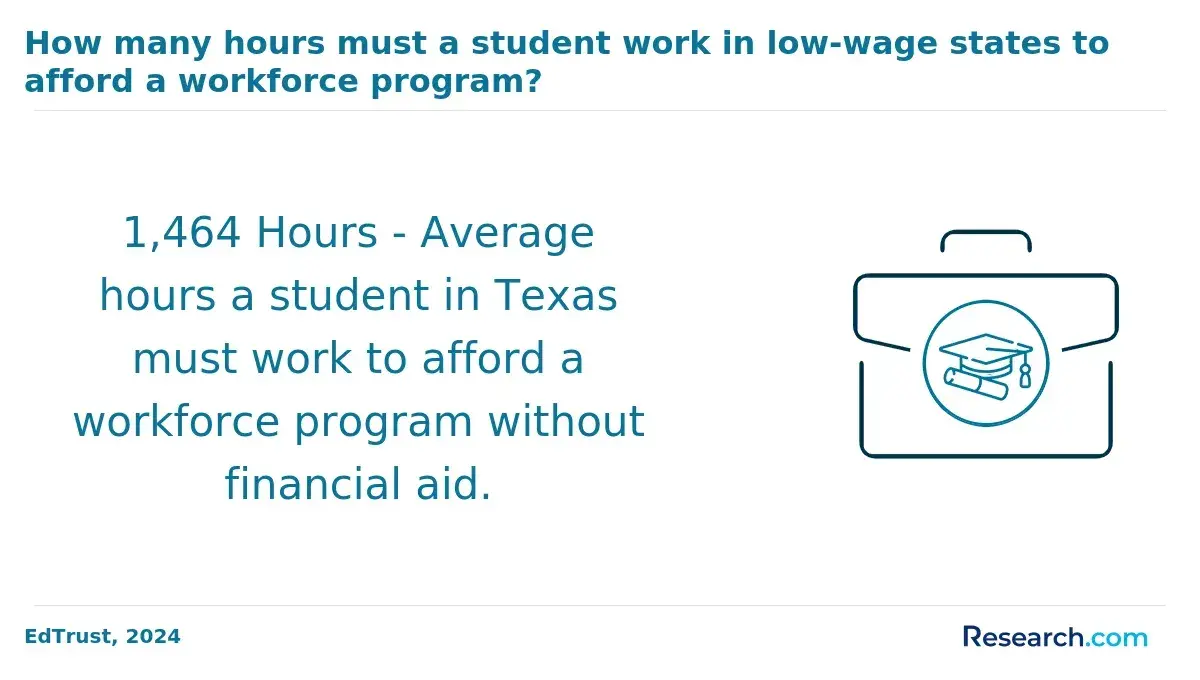
These regional tuition growth differentials create tangible implications for student mobility and program selection. Higher growth rates in certain states can prolong degree completion times if students must work additional hours to cover expenses, potentially delaying entry into the teaching workforce and affecting early-career earnings.
Meanwhile, in lower-cost regions, slower tuition increases may not translate to easier employment prospects due to localized competition and constrained education budgets. Consequently, understanding state-by-state tuition escalation and regional workforce demands is essential for evaluating educational pathways effectively.
Prospective students balancing program costs with career prospects should consider this alongside evolving employer expectations and credentialing requirements. For those interested in related health fields, exploring a nutritionist degree online also reflects parallel challenges of affordability and workforce alignment in regional tuition and program cost trends.
Are Online Teaching Programs Becoming More Affordable Than Campus-Based Programs?
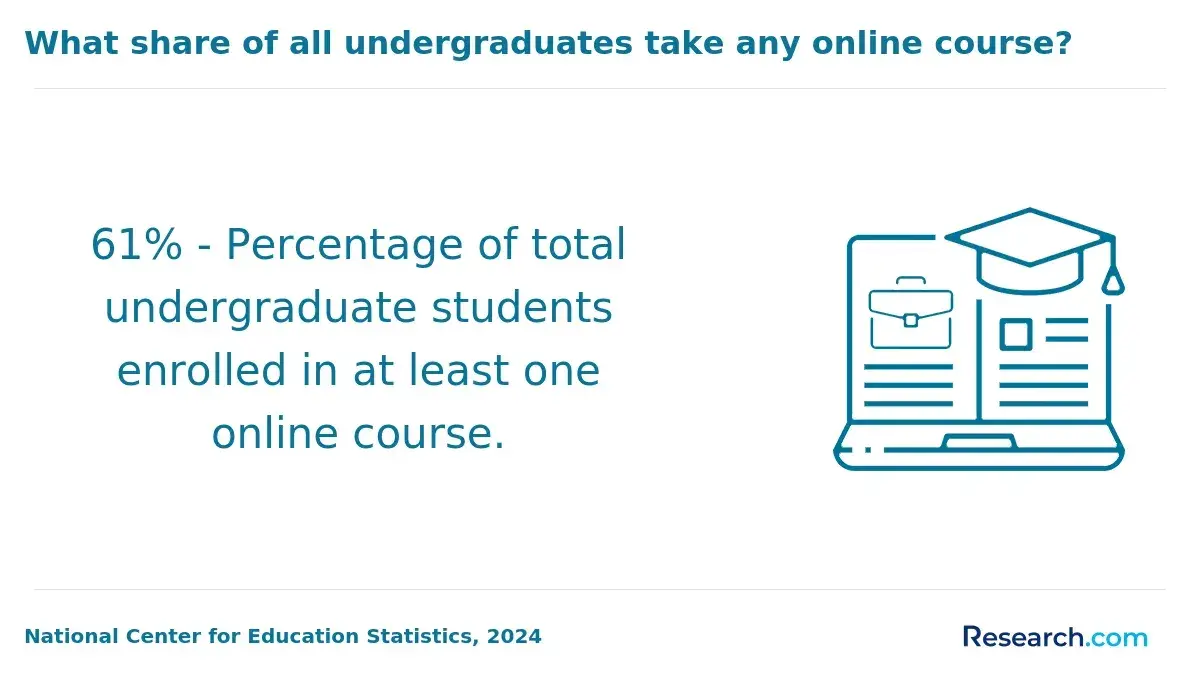
Online teaching degree programs continue to present a generally lower sticker price compared to their campus-based peers, with data from the National Center for Education Statistics showing annual tuition costs for online formats are typically 20-30% less. This price gap reflects not only reductions in physical campus overhead but also institutional pricing strategies that factor in the distinct nature of digital course delivery.
Unlike traditional programs, online offerings often price tuition with the intent to attract a geographically broad audience, leveraging scalable enrollment models that differ from the capacity-limited classroom environments of brick-and-mortar settings.
The relative affordability of online teaching programs is shaped by complex institutional cost structures beyond just location savings. While expenses for campus maintenance, facility upkeep, and in-person staff are diminished, online education demands significant investment in digital learning platforms, multimedia instructional design, and ongoing technical support. These factors create new fixed and variable costs that institutions must absorb or pass on to students.
Additionally, faculty compensation models and student service requirements-such as virtual advising and proctored examination administration-add layers to the pricing equation. As educational institutions refine these models, the underlying cost advantage of online programs reflects both structural efficiencies and strategic resource allocation rather than purely transient or marketing-driven discounts.
One recent graduate of an online teaching degree recalled navigating the admissions process with some uncertainty due to rolling application deadlines and phased enrollment periods. Initially hesitant about committing without immediate acceptance confirmation, she strategically prepared her documents early while weighing offers from campus programs with fixed start dates.
Ultimately, relief came when her chosen online program eased the financial burden without imposing accelerated timelines, enabling her to balance part-time work and family obligations during the waiting period. Her experience exemplifies how affordability intersects with flexibility and institutional policies, influencing both access and student decision-making well before tuition costs come into play.
How Have Financial Aid and Scholarships Changed as Teaching Tuition Has Increased?
As tuition rates for teaching degree programs rise, the expansion of financial aid and scholarships has not uniformly kept pace, often leading to constrained affordability. While nominal increases in aid budgets have occurred, their growth generally lags behind tuition inflation, particularly at public institutions.
Institutions have shifted toward more targeted aid models, emphasizing merit-based scholarships that increasingly serve as competitive recruitment tools rather than broad access mechanisms. Meanwhile, need-based aid has seen only modest growth, disproportionately benefiting lower-income students but frequently falling short of fully offsetting escalating costs.
Several factors drive these evolving aid patterns. Heightened competition among institutions prompts more aggressive tuition discounting and merit-based awards aimed at attracting high-performing candidates to teaching programs.
Federal Pell Grants and some state aid initiatives have expanded but remain insufficient against the backdrop of persistent tuition hikes, pressuring schools to recalibrate aid resources.
Larger research universities tend to maintain more consistent institutional support through waivers and work-study options, while smaller colleges often grapple with budget constraints that limit their ability to supplement tuition effectively. This environment reflects a complex interplay between government funding shifts, institutional pricing strategies, and student recruitment priorities.
The practical impact for teaching students includes relatively stable net prices at some institutions but frequently higher overall loan burdens and longer completion times due to part-time enrollment or delayed academic progress. Scholarship eligibility criteria-often tied to academic merit rather than teaching-specific experience or commitment-can further restrict access.
Consequently, prospective and current teaching students must weigh financial aid offers carefully alongside program costs, balancing immediate affordability against long-term debt and workforce entry timelines. These dynamics underscore the importance of strategic financial planning amid rising educational expenses and evolving aid landscapes.
How Does Rising Teaching Tuition Affect Student Debt After Graduation?
Rising teaching tuition directly drives higher student borrowing levels, increasing reliance on loans to cover the growing cost of education. As program expenses escalate, many students, particularly those entering teaching from nontraditional pathways, often confront financing gaps that cannot be met through grants or scholarships alone.
This dynamic contributes to an accumulation of debt that, according to recent government and educational finance reports, frequently surpasses $30,000 at graduation. Such debt loads are particularly impactful given the historically modest entry-level salaries in teaching fields, creating a tension between educational investment and early-career income potential.
The teaching tuition impact on student loan debt levels is shaped by multiple interrelated factors. One crucial element is the widening disparity between tuition costs and available financial aid, which often leaves students from lower-income or adult-learner backgrounds borrowing more to complete their degrees.
Additionally, variations in pricing between public and private institutions affect borrowing differently across regions and program types. Interest accrual during extended study periods further amplifies debt burdens. Moreover, graduates in teaching may experience constrained repayment capacity due to median salaries that lag behind those of other degree fields, compounding the risk of prolonged indebtedness.
These rising debt levels influence not only repayment stress and financial planning but also decisions about program enrollment and completion. Income-driven repayment plans and loan forgiveness initiatives offer some relief but can extend repayment horizons and total interest costs.
Consequently, the increasing cost of teaching programs may deter some candidates, exacerbating workforce shortages and reinforcing the importance of assessing tuition inflation alongside anticipated earning potential.
Prospective students often must explore affordable pathways, such as transfers or employer tuition support, to mitigate long-term financial pressure. For those seeking alternatives, options such as studying exercise science online degree offer different cost and career prospects and illustrate the broader landscape of education affordability tradeoffs.
Do Higher-Cost Teaching Programs Deliver Better Career Outcomes or Earnings?
Higher tuition fees for teaching degree programs do not inherently translate into stronger employment outcomes or higher starting salaries, challenging a common assumption among prospective students. According to a 2024 report by the U.S. Department of Education's National Center for Education Statistics, there is a weak correlation between program cost and post-graduation earnings across both public and private institutions.
The return on investment for teaching degrees often varies more significantly by regional factors-including local school district budgets and labor market demand-rather than tuition expense. This regional variation in teaching program return on investment signals that a higher sticker price alone should not be taken as a reliable indicator of better long-term financial rewards.
Several important factors beyond cost influence career outcomes for teaching graduates. Institutional prestige may provide limited advantages, but more critical are program elements such as accredited curricula, access to robust student teaching placements, and partnerships with school districts that offer internship pipelines and mentorship opportunities.
The availability of specialized tracks and strong alumni networks can also improve access to teaching positions, but these qualities are not exclusive to higher-cost programs. Geographic location plays a key role, with urban and rural districts offering very different salary and employment prospects.
Students should consider these variables alongside tuition prices when assessing program value.
For those weighing the affordability of programs amid rising tuition costs, a nuanced approach to evaluating educational ROI is necessary. Prospective teachers should assess how practical experience, state certifications, and local demand align with anticipated career goals, rather than assuming that cost equates to quality or earnings advantage.
Additionally, exploring broader options such as programs like ABSN programs with high acceptance rates can illustrate how strategic selection focused on acceptance and practical training opportunities may serve some learners better than higher-cost, less accessible alternatives.
What Do Current Tuition Trends Suggest About the Future Cost of a Teaching Degree?
Current tuition trends indicate that the cost of obtaining a teaching degree will continue to rise faster than general inflation, reflecting sustained pressure on institutional budgets and increasing demand for education credentials. Historical data from the National Center for Education Statistics shows an average annual increase of 5.7% in tuition and fees over recent years, surpassing the consumer price index by about 1.5 to 2 percentage points.
This pattern suggests that without significant policy changes or funding reforms, tuition for teaching programs is likely to keep escalating, outpacing wage growth for many prospective students and making long-term affordability a pressing concern.
Several factors drive this trajectory: public funding constraints often compel institutions to raise tuition to cover operational costs, especially as they invest in expanded technology infrastructure and enhanced student services to remain competitive.
Meanwhile, growing employer demand for candidates equipped with practical and experiential skills incentivizes programs to innovate, potentially adding new resource-intensive components that further increase costs. The expansion of online and hybrid delivery modes, while offering access and flexibility for adult learners, also requires sustained investment in digital platforms and faculty training, which can contribute to tuition inflation rather than reduce it.
Prospective students must interpret these tuition trends in light of broader affordability challenges, recognizing that rising costs will likely necessitate greater reliance on loans, especially for adult learners with fewer grant options.
The cumulative effect may influence enrollment choices, prompting careful evaluation of program ROI and alternative credentialing pathways. Understanding these multifaceted pricing dynamics helps future teaching professionals align their educational investments with realistic fiscal conditions and evolving workforce expectations.
References
- UNRAVELING THE TRUE DRIVERS OF RISING COLLEGE TUITION AND POLICY PATHWAYS https://ijeber.com/unraveling-the-true-drivers-of-rising-college-tuition-and-policy-pathways/
- How profitable is university teaching? https://andrewnorton.id.au/2020/05/19/how-profitable-is-university-teaching/
- Cost of Online College vs. In-Person | Touro University Worldwide https://www.tuw.edu/school-news/cost-of-online-college-vs-in-person/
- Yes, Aid Fuels Tuition Inflation | Cato at Liberty Blog https://www.cato.org/blog/yes-aid-fuels-tuition-inflation
- Inflation and Its Impact on Education Loans in 2026 https://www.wemakescholars.com/blog/how-inflation-impacts-education-loan
- The Changing Landscape of Tuition and Enrollment in American Public Higher Education https://www.rsfjournal.org/content/2/1/42
- One to one tuition | EEF https://educationendowmentfoundation.org.uk/education-evidence/teaching-learning-toolkit/one-to-one-tuition
- The 10 Highest Paying Jobs With a Teaching Degree [Quiz] https://www.umassglobal.edu/blog-news/highest-paying-jobs-with-a-teaching-degree
- Average Cost of College Over Time: Yearly Tuition Since 1970 https://educationdata.org/average-cost-of-college-by-year
- Graph: Don’t Blame Teachers For Rising College Tuition https://tcf.org/content/commentary/graph-dont-blame-teachers-for-rising-college-tuition/
Other Things You Should Know About Teaching
With rising tuition costs, students must critically assess program length and intensity relative to cost. Longer programs with higher credit requirements can amplify overall expenses, so prioritizing accelerated or competency-based formats might reduce total tuition paid.
However, these options may increase workload and require strong time management, potentially affecting learning quality. Balancing cost savings against academic demands is essential to avoid burnout and ensure readiness for employer expectations in classrooms.
Higher tuition can disproportionately impact underrepresented and low-income candidates, narrowing the diversity pipeline. When costs rise faster than financial aid growth, qualified prospective teachers face tougher tradeoffs between incurring debt or forgoing entry into teaching.
Prioritizing programs with comprehensive support services or employer partnerships that offset tuition can help maintain access for diverse candidates, ultimately influencing the inclusivity of the workforce and educational equity.
As tuition rises, some students may lean toward generalist certifications over specialized endorsements to minimize additional credit requirements and costs. While specialization can enhance employability in certain districts, it often demands extra courses and certification fees, increasing expenses.
Students should evaluate labor market demands and salary differentials for specialist roles in their region before committing, ensuring that potential income gains justify the higher tuition investment.
Yes, when tuition inflation tightens budgets, choosing programs with established ties to school districts can improve job placement odds and reduce time spent unemployed post-graduation. Employer-aligned programs may also offer field experiences integrated into tuition costs, saving money on external placements. This strategy helps ensure that rising educational expenses translate into actionable career outcomes rather than prolonged job searches or additional credentialing costs.