2027 Teaching Salary Trends Report: Are Wages Keeping Up With Tuition and Inflation?

Co-Founder and Chief Data Scientist
Consider a recent graduate deciding whether to pursue a teaching degree amid rising tuition and the strain of inflation. This individual weighs not only upfront costs but also the long-term financial return of the degree. The challenge lies in assessing if salary growth in teaching careers keeps pace with escalating education expenses and diminishing purchasing power. Such decisions require careful comparison beyond simple earnings to understand real value.
Salary increases, tuition hikes, and inflation rarely align, complicating the assessment of a degree's worth over time. Evaluating salary trends alongside costs helps clarify true financial benefits and risks. This article examines teaching salary trends in relation to tuition, inflation, return on investment, affordability, and the factors influencing the degree's long-term financial value. The goal is to provide a nuanced view for those considering or recently entering the teaching profession.
Key Things to Know About Teaching Salary Trends
- Graduate wages in teaching have stagnated, growing less than 1% annually since 2020, while tuition and inflation increased over 5%, eroding real income gains and increasing debt burdens for new educators.
- Key earning potential drivers include geographic location and advanced certifications; teachers in high-demand districts with specialized credentials often out-earn peers, indicating targeted investments yield better financial outcomes.
- Long-term salary increases rarely outpace inflation without union negotiation or policy change, signaling prospective teachers must weigh immediate costs against modest salary growth over decades.
- Key Things to Know About Teaching Salary Trends Key Things to Know About Teaching Salary Trends
- What Is the Current Salary Outlook for Teaching Graduates? Salary Outlook
- Are Teaching Salaries Keeping Up With Inflation? Inflation Impact
- How Do Tuition Costs Compare With Teaching Salary Growth? Tuition vs Salary
- Does a Teaching Degree Deliver a Positive Return on Investment? Degree ROI
- Which Industries Offer the Highest Salaries for Teaching Graduates? Which Industries Offer the Highest Salaries for Teaching Graduates?
- Which States and Cities Offer the Highest Pay for Teaching Professionals? Which States and Cities Offer the Highest Pay for Teaching Professionals?
- How Do Teaching Salaries Grow Throughout a Career? Career Growth
- How Do Teaching Salaries Compare With Similar Degrees? Salary Comparison
- How Is Employer Demand Affecting Teaching Salary Trends? Employer Demand
- How Can Students Maximize Their Lifetime Earnings With a Teaching Degree? Maximizing Earnings
What Is the Current Salary Outlook for Teaching Graduates?
The salary outlook for teaching graduates in 2024 reveals a nuanced picture affected by geographic location, subject specialization, and local budget priorities. Median wages for elementary and secondary educators hover between $48,000 and $63,000 annually, depending largely on state and district variations. For example, a math teacher in a high-demand STEM-focused district may command a premium salary and bonuses, while another graduate teaching in a lower-funded rural area may receive a modest starting wage. This divergence illustrates that two individuals holding the same degree can experience very different financial outcomes early in their careers.
When evaluating teaching graduate salary trends 2024, it is essential to look beyond entry-level figures and consider long-term earnings growth, job stability, and certification opportunities. Advanced credentials and accumulated experience often yield increased pay, particularly in specialized subjects or underserved regions where districts offer incentives to attract talent. Nevertheless, rising tuition costs and inflation outpace initial salary gains, posing real challenges for new graduates managing student debt. For those weighing their options, examining resources like the easiest online DNP programs may underscore the importance of strategic career decisions in education or related fields.
Ultimately, the salary outlook for teaching careers depends on balancing early financial tradeoffs with potential for growth and fulfillment. Current data from authoritative sources like the U.S. Bureau of Labor Statistics and the National Center for Education Statistics highlight that while initial compensation lags behind other professions requiring similar qualifications, teaching remains a profession with projected demand and incremental earning potential. Prospective teachers should factor in these variables and regional differences to realistically assess how a teaching degree aligns with their financial and professional goals in today's economic environment.
Are Teaching Salaries Keeping Up With Inflation?
Nominal salary increases for teaching-related occupations often mask a hidden erosion of real earnings when adjusted for inflation. Data from the U.S. Bureau of Labor Statistics in early 2024 shows that while median wage growth for elementary, middle, and secondary school teachers has increased by roughly 2% to 3% annually, inflation, measured by the Consumer Price Index, has averaged about 5% per year over recent years. This gap means that even as paychecks grow in dollar terms, their purchasing power declines, reducing teachers' ability to keep up with rising living costs. For example, a recent graduate who secured a teaching position with a 3% raise might still find rent, childcare, and transportation expenses increasing faster than their income, pushing them into a tighter financial situation despite nominal gains.
One factor complicating this dynamic is the impact of rising tuition on teacher wages, which adds to the financial burden faced by new educators. As public university tuition rates rise by over 4% per year, graduates start their careers carrying higher debt loads that wage growth struggles to offset. This is especially true when considering regions with stagnant or declining real wages after inflation adjustments. Prospective teaching students and career changers should also explore cost-effective degree options like RN to BSN online programs in related fields, where affordability may improve overall financial sustainability. Ultimately, the interplay between teaching salary growth compared to inflation rates and the increasing cost of education poses a significant challenge to the long-term economic viability of the profession.
How Do Tuition Costs Compare With Teaching Salary Growth?
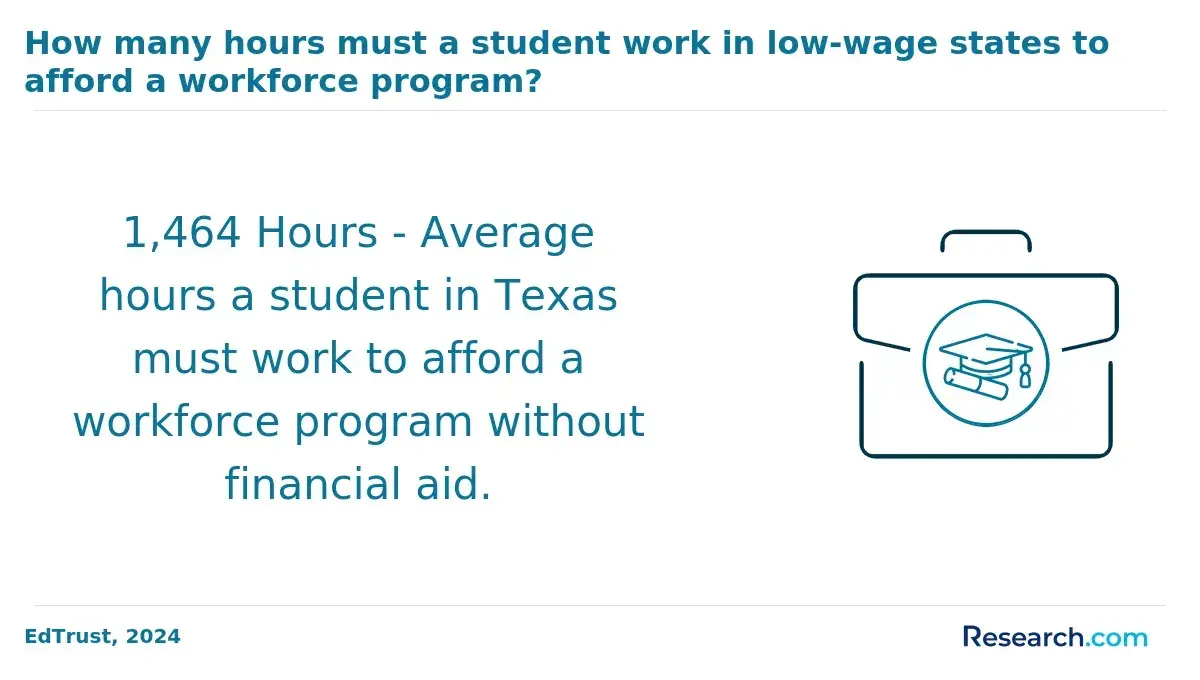
Comparing tuition costs directly to salary growth for teaching graduates reveals a widening financial gap that challenges the perceived value of a teaching degree. Average in-state tuition at public universities increased by nearly 40% over the past decade, reaching approximately $10,500 annually as of 2024, according to the National Center for Education Statistics. In contrast, starting salaries for early-career teachers range from $40,000 to $45,000 but have only kept pace with less than 1% real wage growth annually after inflation adjustment, based on Bureau of Labor Statistics data. This disparity suggests that while education costs are rising steadily, the purchasing power of teaching salaries is not improving comparably, making it crucial to evaluate both factors together rather than in isolation.
For example, a student from a mid-sized state university must weigh tuition increases against modest salary gains when planning debt repayment and future financial stability. If tuition rises by 3% per year but starting pay stagnates, debt burdens accumulate faster than salary can offset them, creating financial pressure that might not be evident when looking at salaries or tuition alone. Factors such as regional salary variations, loan forgiveness programs, and scholarship availability further complicate this comparison, meaning the economic tradeoff of pursuing a teaching degree varies by individual circumstances and local labor markets. A holistic approach to assessing these figures better informs long-term financial decisions than considering salary or costs separately.
One recent graduate reflected on the decision to enter teaching amid these trends, recalling how uncertainty about paying off student loans influenced their career planning. Despite their passion for the profession, they hesitated before enrolling, acutely aware that tuition hikes outpaced promised salary increases. They prioritized applying for targeted loan forgiveness and sought teaching positions in districts offering higher starting wages to offset rising education costs. This cautious approach highlights how financial realities around tuition and pay must be carefully balanced alongside vocational goals, a nuance that often gets overlooked in simple cost-benefit discussions.
Does a Teaching Degree Deliver a Positive Return on Investment?
Return on investment (ROI) in higher education involves weighing the costs of earning a degree against the long-term financial and professional gains it enables, rather than relying solely on starting salaries. For teaching degrees, this balance is often complex due to rising tuition fees outpacing initial salary offers. According to data from the National Center for Education Statistics and the Brookings Institution in 2024, entry-level teaching salaries tend to be comparatively low relative to other professions with similar educational requirements, which can challenge the immediate financial outlook for new graduates.
Consider a new graduate who incurs $40,000 in tuition debt to complete a teaching degree. While their starting salary might be around $45,000 a year, public reports show only modest annual salary increases. However, if the same individual pursues certifications in high-demand fields like STEM education or special education, their income trajectory can improve substantially over time, with job stability and benefits such as pensions and healthcare further enhancing the degree's overall value. These non-salary elements, highlighted in research from the National Bureau of Economic Research, often compensate for slower wage growth by providing security that is harder to quantify but critical during economic uncertainty.
The practical ROI of a teaching degree strongly depends on individual factors like specialization, geographic location, and access to state incentives or loan forgiveness programs designed to alleviate upfront cost burdens. Long-term data from the U.S. Department of Education emphasizes that teachers who stay in the profession over multiple decades typically experience steady salary progression, suggesting a positive cumulative financial outcome despite a modest start. As such, while a teaching degree might not rival other careers in early earnings, the potential for stable income growth, coupled with substantial benefits and the societal value educators provide, can justify the investment for those committed to the field over the long term.
Which Industries Offer the Highest Salaries for Teaching Graduates?
The trajectory of wages for teaching graduates relative to inflation and rising tuition costs depends heavily on the industries they enter. While public K-12 schools remain a traditional pathway, they typically offer lower salaries compared to other sectors that require teaching skills. Data from the U.S. Bureau of Labor Statistics and the National Center for Education Statistics show that industries with specialized educational roles or hybrid teaching-related jobs usually provide the highest earning potential. These opportunities favor teaching graduates who cultivate advanced credentials or transferable skills, such as curriculum design or administration. Below are the primary industries where teaching graduate salary by industry in the US is most competitive:
- Postsecondary Education: Colleges and universities pay more than primary or secondary schools, especially in specialized fields like special education, STEM, and academic administration. Teaching graduates with advanced degrees or instructional technology expertise often secure these roles, commanding salaries well above public school averages.
- Private Schools: Elite preparatory and specialized private schools typically offer better compensation packages than many public institutions. These schools can allocate funds toward competitive salaries and benefits to attract top teaching talent, particularly in urban markets.
- Corporate Training: Large corporations and tech firms increasingly hire teaching graduates for employee training and professional development roles. The ability to design and deliver effective training modules for adult learners can yield salaries comparable to, or even exceeding, some traditional teaching positions.
- Government Educational Agencies: Positions in education policy, curriculum development, and program evaluation within federal or state agencies pay higher wages. These roles often require additional qualifications, such as advanced degrees and specialized knowledge, reflecting the complexity involved.
- Non-Profit Educational Organizations: Non-profits focusing on education reform, outreach, and consulting offer roles for teaching graduates with expertise in curriculum strategy or community education. Salaries vary but tend to be higher when specialized skills or leadership experience are involved.
- EdTech Companies: The rise of education technology creates demand for teaching graduates capable of developing digital content and training educators on new tools. Those with knowledge of instructional design and technology integration often find lucrative roles in this sector.
- Adult and Continuing Education: Community colleges and extension programs hire teaching graduates to lead adult learning and workforce development courses. Given the growing need for lifelong learning, these positions offer steady demand and salaries above those in many K-12 districts.
According to the Bureau of Labor Statistics, postsecondary teaching roles and education-related corporate positions rank among the highest paying fields for teaching degree holders. For those balancing the cost of education with salary potential, exploring these sectors can illustrate viable paths forward. Additionally, those interested in interdisciplinary opportunities might consider complementing their teaching credentials with related fields; for example, pursuing an online accredited nutrition degree could open doors in health education and corporate wellness training, diversifying career prospects.
Which States and Cities Offer the Highest Pay for Teaching Professionals?
Teaching professionals' earning potential varies significantly across the United States, largely influenced by local economic conditions, public education funding, and cost of living. High salaries often correlate with metropolitan areas where competition for skilled educators is fierce and living expenses are steep. However, nominal pay alone does not guarantee financial advantage as regional housing, taxes, and tuition debt repayment heavily impact net income. Weighing these tradeoffs is critical for recent graduates and career changers deciding where to launch or relocate their teaching careers.
Some states and cities consistently rank as the top payers for teaching professionals in 2024. The following highlights key locations, explaining the dynamics behind their compensation structures and practical considerations for candidates.
- Washington, D.C.: This metro area boasts median teacher salaries exceeding $85,000, fueled by federal government presence and strong public sector funding. Prospective educators must consider the city's high housing costs, yet lucrative loan forgiveness programs help mitigate upfront credentialing expenses.
- New York State: Known for offering annual averages above $75,000, New York's large urban districts require teachers to navigate costly living expenses and competitive job markets. Still, the sheer volume of opportunities and potential for supplemental pay in specialized roles can offset some financial pressures.
- California: With tech-driven economies in cities like San Francisco and Los Angeles, teacher pay tops $75,000 on average. The state's steep housing market and high taxes, however, reduce disposable income, making long-term financial planning essential.
- Massachusetts: Boston-area school districts offer strong salaries complemented by scholarship incentives for new teachers. Tuition reimbursement and loan forgiveness programs are significant in helping new educators manage credential costs.
- Connecticut: This state's high funding levels translate into competitive pay above $75,000, particularly near affluent suburbs. Candidates should balance salary gains against a noticeable cost-of-living premium and consider mid-career earning growth potential.
- Illinois and Minnesota: Though pay ranges from $55,000 to $65,000, these Midwestern states benefit from more affordable living and lower tuition fees. This can lead to more sustainable financial outcomes for early-career teachers despite initially moderate salaries.
- Seattle and Boston Metros: Both regions offer signing bonuses and loan forgiveness to attract educators, compensating for elevated living costs and high tuition debt. These incentives make such metros viable starting points despite initial financial hurdles.
How Do Teaching Salaries Grow Throughout a Career?
Teaching salaries tend to follow a predictable pattern, generally beginning with modest starting pay that reflects the entry-level status of new teachers. According to the U.S. Bureau of Labor Statistics' 2024 Occupational Outlook Handbook, starting salaries frequently fall between $42,000 and $50,000 annually but can vary widely depending on the region and educational credentials. Early career raises are generally incremental, often increasing 2% to 5% yearly during the first decade, with notable jumps tied to earning advanced degrees or certifications. By mid-career, typically 10 to 20 years in, teachers with master's degrees may earn 10% to 20% more than those stuck on base scales, yet this growth often slows or plateaus as they approach the later stages of their profession.
For example, two graduates with identical teaching degrees may experience divergent salary paths: one who pursues a master's degree and additional certifications may climb more rapidly along the pay scale, while another who remains at the base qualification level may see only minimal salary increments over time. The strongest drivers of long-term salary growth include continued education, geographic location, and the willingness to take on specialized roles or leadership positions within schools. Late-career salary increases are more commonly linked to contractual adjustments for inflation than merit-based raises, which means even veteran teachers frequently confront stagnating wages in real terms. The National Center for Education Statistics highlights this flattening effect, noting diminishing returns on salary growth despite years of experience.
One Teaching graduate recalled feeling uncertain in their early years about whether pursuing a master's degree was worth the time and expense. They initially delayed advanced studies due to financial strain but eventually committed after receiving pressure to advance for both salary improvement and job security. The decision brought relief when their pay increase outpaced peers who had stayed at the bachelor's level, though the additional workload and debt incurred added complexity to their career considerations. This personal experience underscores how professional development timing and investment can fundamentally shape the trajectory of teaching earnings over a lifetime.
How Do Teaching Salaries Compare With Similar Degrees?
Comparing teaching salary with related degrees reveals a consistent pattern: teaching graduates generally earn less than peers in closely associated education and social science fields. This disparity is often tied to the nature of job responsibilities, required qualifications, and the sectors in which graduates find employment. Understanding these differences helps prospective and current teaching students evaluate whether the long-term earning potential of a teaching degree justifies the investment, especially given rising tuition and inflation. Below are key comparisons highlighting these trends.
- Educational Administration: Graduates in this field typically command median salaries around $90,000 annually, significantly higher than the roughly $60,000 median for K-12 teachers. These roles often require advanced degrees and involve management and policy responsibilities, which drive their premium in compensation.
- School Counseling: School counselors earn between $65,000 and $75,000 on average. Their salaries benefit from specialized certifications and demand in mental health and student support services, marking a clear step up from teaching salaries despite a shared education focus.
- STEM Education: Teachers with STEM education degrees often see slightly better pay due to the high demand for qualifications in science, technology, engineering, and math. This niche offers an improved salary outlook that reflects industry-wide shortages and specialized skill requirements.
- Social Sciences and Humanities: Graduates entering education from these backgrounds tend to earn salaries similar to teaching graduates but generally below roles outside of education. The wage gap arises from limited advanced credential requirements and fewer high-paying administrative opportunities.
For practical context, a recent graduate navigating career choices might notice a stark difference between teaching and educational administration roles, making additional certification or specialization a financial priority. Considering the moderate growth in teacher wages against tuition and inflation, exploring options such as advanced credentials or focused fields like STEM education may improve earnings potential over time. A comparison to other professions-such as the bachelor of science in health information management salary-underscores the importance of aligning degree choice with both passion and earning goals.
- Teaching salary comparison with related degrees
- Teacher wages versus other education careers
How Is Employer Demand Affecting Teaching Salary Trends?
Employer demand directly influences teaching salary trends by intensifying competition for qualified candidates, prompting schools to adjust compensation and hiring practices. For example, a district facing a shortage of special education teachers may offer bonuses or higher entry salaries to attract talent, creating localized wage increases. However, such increases often depend on the district's financial flexibility; while demand drives hiring activity and pay raises, rigid public school budgets can limit salary growth despite ongoing shortages.
Nationwide data from the U.S. Bureau of Labor Statistics in 2024 highlights that regions with acute teacher shortages, particularly in STEM and special education, experience wage growth 3-5% higher than areas with stable or surplus teacher supply. Still, salary trends remain uneven due to factors such as experience level, subject specialization, and broader economic conditions like inflation. This nuanced interaction means teaching salary trends in response to job market shifts must factor in employer demand alongside funding constraints and policy variations.
For prospective and current teaching students evaluating the long-term earning potential of their degrees, understanding employer demand impact on teaching salaries is critical. Specializing in high-need subjects or targeting in-demand regions can enhance earnings despite tuition inflation and funding challenges. In some cases, exploring alternatives such as private or charter schools or even medical programs online may provide more competitive compensation than traditional public schools.
How Can Students Maximize Their Lifetime Earnings With a Teaching Degree?
Maximizing lifetime earnings with a teaching degree requires strategic decisions that extend beyond initial certification. Data from the U.S. Bureau of Labor Statistics (2024) highlights how advanced credentials and targeted specialties can significantly improve salary trajectories. For example, a teacher who pursues a master's degree in special education while gaining National Board Certification is far more likely to climb salary scales, especially in states with higher education funding. This approach can yield cumulative earnings notably above peers who only meet the minimum requirements. Consider a scenario where a graduate chooses to teach STEM subjects in urban districts while pursuing leadership roles-these combined factors align with the highest pay brackets documented in national reports.
The following strategies encapsulate the most impactful pathways to enhance earnings over a teaching career:
- Advanced Credentials: Earning master's or doctoral degrees increases eligibility for higher-paying positions and roles in postsecondary education, substantially boosting long-term income.
- Specialized Subject Areas: Focusing on high-demand fields like STEM, bilingual education, or special education leads to stronger job security and salary premiums.
- Geographic Selection: Working in urban districts or states with greater education funding correlates with higher salaries and more resources.
- Extended Experience: Accumulating years in the profession naturally elevates pay, especially when coupled with leadership duties such as department head or curriculum coordinator.
- Certification Beyond Basics: National Board Certification can increase earnings by up to 20%, reflecting recognized expertise and commitment.
- Career Diversification: Exploring roles like instructional design or educational consulting expands income avenues beyond traditional classroom teaching.
- Digital Literacy Skills: Integrating technology fluency and data-driven instruction reflects evolving industry demands, enhancing employability and salary prospects.
References
- Research Summary: Education and Lifetime Earnings https://www.ssa.gov/policy/docs/research-summaries/education-earnings.html
- How salaries compare for 10 types of teachers https://www.corridorcareers.com/job-tips/how-salaries-compare-for-10-types-of-teachers
- International Teacher Salary Trends: What You Need to Know - Moreland University https://moreland.edu/resources/blog-insights/international-teacher-salary-trends-what-you-need-to-know
- College Tuition Inflation [2025]: Rate Increase Statistics https://educationdata.org/college-tuition-inflation-rate
- What is the Job Outlook for Teachers? | University of Bridgeport https://www.bridgeport.edu/news/job-outlook-for-teachers/
- Becoming a teacher vs. skipping college: A financial wash? https://fordhaminstitute.org/national/commentary/becoming-teacher-vs-skipping-college-financial-wash
- How much do teachers get paid in the US? https://usafacts.org/answers/how-much-do-teachers-get-paid-in-the-us/country/united-states/
- Teacher Pay by State 2026 https://worldpopulationreview.com/state-rankings/teacher-pay-by-state
- The 10 Highest Paying Jobs With a Teaching Degree [Quiz] https://www.umassglobal.edu/blog-news/highest-paying-jobs-with-a-teaching-degree
- How to Maximize Your Earning Potential as a New Teacher https://www.ricaprep101.com/blog/maximize-your-earning-potential
Other Things You Should Know About Teaching
Salary negotiations in teaching are heavily influenced by the funding structures of school districts and institutions, which vary widely. Public schools tied to local tax bases and state budgets often face restrictions that limit salary increases, even when inflation and tuition rise. Private or charter schools may offer more flexibility but usually have less financial stability, which can translate into uneven pay. Prospective educators should prioritize understanding the financial health and funding sources of their target employers, as these directly impact salary growth potential and job security.
While base teaching salaries have not consistently kept pace with tuition and inflation, acquiring specialized certifications or advanced skills can create real opportunities for higher pay. For example, endorsements in STEM fields, special education, or bilingual teaching often come with differential pay incentives. However, these require additional time and money investment, which may offset some financial gain in the short term. Therefore, teachers should weigh the cost and effort of specialization against the likelihood of meaningful salary increments and improved job placement prospects.
Teaching wage discussions often overlook how workload factors, such as extended hours for lesson planning, grading, or extracurricular supervision, reduce effective hourly earnings. Rising non-instructional demands-like standardized test administration or compliance reporting-have increased without corresponding pay increases. From a practical standpoint, educators need to evaluate total work responsibilities rather than salary alone when assessing if compensation is fair or competitive in the context of rising living costs and educational expenses.
When deciding where to study or pursue employment, prioritizing districts with slower tuition increases can preserve long-term net earnings by reducing debt burdens. Alternatively, some districts offer higher starting wages but have correspondingly higher living costs or tuition rates. This tradeoff means students must balance immediate income with educational debt affordability. A strategic recommendation is to target programs or regions that optimize both reasonable tuition costs and solid salary entry points to maximize financial sustainability over time.