2027 Teaching ROI by Institution Type: Public vs Private vs Nonprofit Online Programs

Co-Founder and Chief Data Scientist
Consider a prospective teaching student choosing between three online programs that all boast flexible schedules and accredited status. Though their curricula appear comparable, one public university charges substantially less, another private institution carries high tuition but promises extensive career services, and a nonprofit option advertises strong graduation rates.
Recent data from 2024 reveals public online programs often yield lower average student debt, yet some private nonprofits report higher employment outcomes within teaching fields-a nuance that matters when weighing financial commitments against career advancement. This article will analyze how public, private, and nonprofit online teaching programs differ in tuition, debt, graduation success, and career ROI to guide smarter enrollment choices.
Key Things to Know About Teaching ROI by Institution Type
- Private online teaching programs often incur higher total educational costs but may offer stronger alumni networks; however, increased debt exposure can offset advantages for cost-sensitive students seeking stable career entry.
- Public institutions typically provide higher completion rates and more flexible pacing, a tradeoff favoring working adults balancing time demands, though employer recognition varies by state and regional accreditation.
- Nonprofit online teaching programs show slower but steady career advancement outcomes, reflecting consistent institutional support services; this suggests a long-term value tradeoff between affordability and immediate workforce impact.
- Key Things to Know About Teaching ROI by Institution Type Key Things to Know About Teaching ROI by Institution Type
- What Does ROI Mean for a Teaching Program and How Is It Measured? Understanding Teaching Program ROI
- How Do Public, Private, and Nonprofit Online Teaching Programs Differ in Overall Value? Value by Institution Type
- How Do Tuition Costs Affect the ROI of a Teaching Program Across Institution Types? Tuition Costs and ROI
- How Do Graduation Rates Influence Teaching Program ROI? Graduation Rates Impact ROI
- What Role Do Career Outcomes Play in the ROI of a Teaching Degree? Career Outcomes and ROI
- How Does Student Debt Impact the Long-Term ROI of a Teaching Program? Debt vs. Long-Term ROI
- How Do Flexibility and Adult Learner Support Affect Teaching Program Value? Flexibility and Program Value
- How Do Accreditation and Institutional Reputation Influence Teaching ROI? How Do Accreditation and Institutional Reputation Influence Teaching ROI?
- How Does Time-to-Degree Affect the ROI of Public, Private, and Nonprofit Teaching Programs? How Does Time-to-Degree Affect the ROI of Public, Private, and Nonprofit Teaching Programs?
- How Can You Choose the Best Teaching Program Based on Your ROI Goals? Choosing Programs by ROI
What Does ROI Mean for a Teaching Program and How Is It Measured?
Evaluating the return on investment for a teaching program requires balancing direct costs like tuition and fees against less visible factors such as time spent in study and potential lost earnings. For example, while public online programs often feature lower tuition and typically graduate students with about 25% less debt compared to private institutions, this does not always translate to better long-term value. Private and nonprofit programs may demand higher upfront costs but can offer stronger learner support and networking, which in practice can reduce time-to-degree and improve knowledge retention-key drivers in what teaching program return on investment calculation methods truly capture.
Measuring educational value in online teaching programs involves understanding how diverse student goals affect outcomes. A working professional seeking accelerated completion might prioritize programs with flexible schedules to minimize opportunity costs, whereas a career changer could place greater weight on institutional reputation and accreditation that align with employer demand for credentials and licensure. Data from the National Center for Education Statistics highlight that graduation and completion rates vary widely between public and nonprofit institutions, underscoring why a lower-cost option does not always produce the strongest long-term value. Ultimately, prospective students should incorporate these tradeoffs and outcomes into their financial and career planning rather than relying solely on sticker price or projected salaries.
Affordability alone is an incomplete metric for ROI since it often overlooks the qualitative elements tied to career resilience and advancement in education fields. Detailed program analysis, including accreditation status and workforce alignment, becomes essential, especially for those comparing programs across different institution types. Those interested in parallel healthcare education fields might find comparative insights through related resources such as the pharmacy degree online, which similarly balances cost with practical employability. In practice, understanding the full spectrum of costs, supports, and career trajectories equips students to make informed choices that reflect both immediate constraints and long-term professional goals.
How Do Public, Private, and Nonprofit Online Teaching Programs Differ in Overall Value?
Choosing between public, private, and nonprofit online teaching programs requires careful consideration beyond simple tuition costs, as these factors shape long-term financial and professional outcomes. Public programs often provide more affordable tuition aided by state funding, resulting in an average graduate debt around $18,000, notably lower than private nonprofit graduates' $26,000, according to the 2024 National Center for Education Statistics. Yet, private nonprofits may offer smaller class sizes and more comprehensive student support, which are linked to higher retention and completion rates, potentially enhancing graduation success and early-career employability. These differences also reflect variations in instructional formats, with public options favoring asynchronous learning suited for those balancing jobs, while some private nonprofits incorporate synchronous elements for interactive engagement, appealing to students who prioritize direct instructor contact.
Accreditation and institutional reputation further complicate the value equation, especially in regions or fields where employer perceptions influence hiring decisions. Both public and nonprofit programs maintain rigorous standards, but private nonprofits' reputations can sometimes translate into higher starting salaries post-graduation, albeit with tradeoffs in greater debt exposure. Employment rates within a year of graduation are comparable across institution types, yet private nonprofit graduates often see modestly better salary outcomes aligning with specialization and networking advantages. Ultimately, financially cautious students may gravitate toward public online programs for lower debt and flexible delivery, whereas those seeking niche expertise or enhanced institutional prestige might accept higher costs with private nonprofits, underscoring the importance of matching program attributes with individual financial and career priorities.
One recent graduate deliberating these options carefully weighed the higher tuition of private nonprofit programs against the substantial debt load and questioned whether the perceived reputation justified the premium. She noted that public offerings allowed her to remain employed full-time while completing most coursework asynchronously, reducing immediate financial strain. Although intrigued by the smaller classes and support services of private nonprofits, she found a nonprofit public program that balanced accreditation quality, manageable debt, and sufficient student resources. This mix ultimately aligned with her goal of earning a respected credential without incurring overwhelming debt, an outcome she described as "relieving yet cautious" because she remains aware that long-term professional advancement also depends on ongoing networking and experience beyond the degree.
How Do Tuition Costs Affect the ROI of a Teaching Program Across Institution Types?
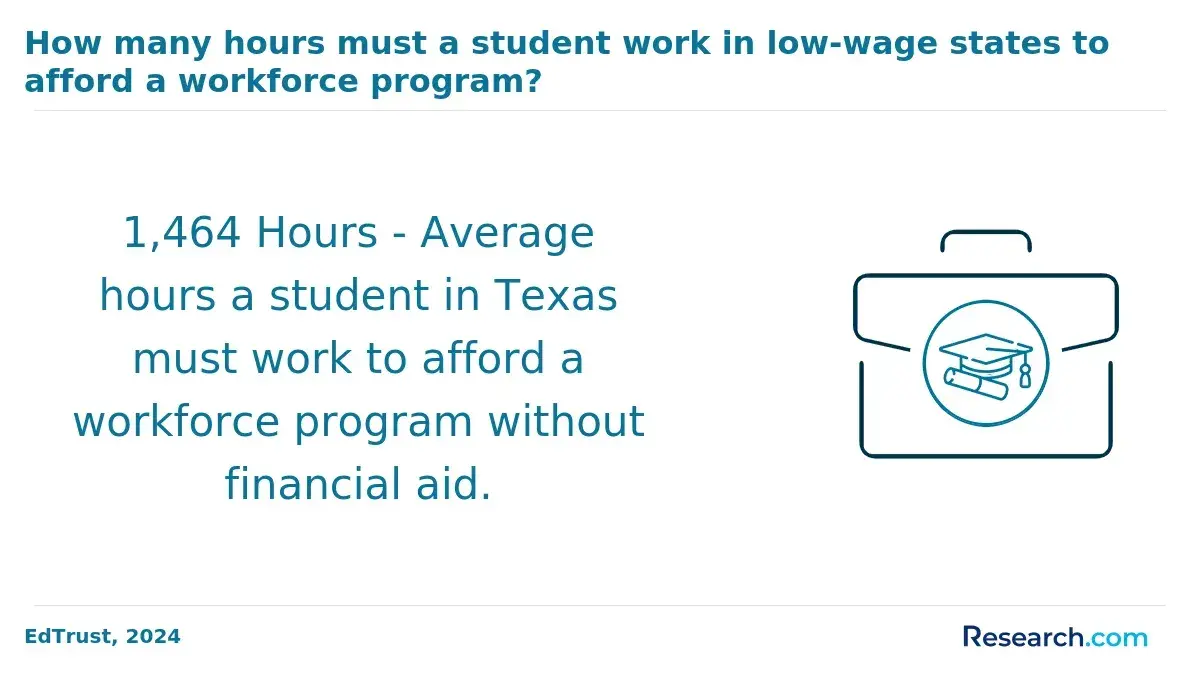
Lower tuition at public online teaching programs often attracts cost-conscious learners aiming to minimize debt, but this does not guarantee superior return on investment. These programs tend to have average annual costs near $7,000 for in-state students as of 2024, which reduces upfront financial barriers. However, resource limitations in public institutions can translate into fewer support services or larger class sizes, potentially elongating time-to-degree and impacting career readiness. For many adult learners balancing work and study, these tradeoffs affect employability and long-term salary growth despite lower sticker prices.
Private and nonprofit online teaching programs commonly charge between $15,000 and $30,000 annually, yet they often deliver stronger outcomes through enhanced completion rates and robust career support. A 2024 Lumina Foundation report highlights that 62% of nonprofit online teaching students finish within six years, compared to 50% at public institutions, reflecting meaningful differences in student success that help offset higher costs. Still, heavier borrowing by private program enrollees-approximately 20% more debt on average-can complicate post-graduation financial stability, especially if entry into full-time education roles is delayed. Net price after aid is therefore crucial; financial aid packages can sometimes narrow the affordability gap but often require careful scrutiny alongside graduation and employment metrics.
Choosing between institution types requires evaluating how tuition intersects with program quality, flexibility, and support against individual career timelines and financial tolerance. Higher-cost programs might justify their expense through better preparation and faster credential completion, but only if these gains align with student goals and labor market realities. Conversely, a lower tuition load in public settings may ease immediate financial strain but could extend time in the program or limit outcomes. Prospective students should weigh these tradeoffs thoughtfully to balance debt exposure with realistic expectations for career progression and lifetime earnings potential.
How Do Graduation Rates Influence Teaching Program ROI?
Graduation rates serve as a key indicator of institutional effectiveness but must be interpreted with nuance when evaluating the return on investment for online teaching programs. Public institutions typically report a six-year graduation rate near 45%, while private nonprofit schools average around 50%, according to a 2024 National Student Clearinghouse report. This modest gap often reflects differences in academic support, faculty engagement, and student populations rather than purely program quality. For cost-conscious adult learners or working professionals, these nuances matter because lower graduation rates in some programs may coincide with greater flexibility or tailored services that better accommodate nontraditional students' complex schedules.
The impact of graduation rates on teaching program ROI links closely to time-to-degree and debt accumulation, as students who finish sooner generally reduce their financial burden and access the workforce faster. Yet, many online teaching students balance employment and family commitments, extending completion timelines without necessarily diminishing long-term educational value. Factors like part-time enrollment and institutional mission influence these dynamics, so assessing average graduation rates in online teaching programs alone does not provide a complete ROI picture. Employers increasingly value practical skills and certifications alongside degrees, which means success after graduation also hinges on post-completion outcomes.
When comparing public, private, and nonprofit online options, students should weigh graduation rates alongside support services and flexibility. Those seeking specific pathways, such as BSN completion programs with known affordability, are advised to inspect how completion timelines and debt exposure interact with career prospects. Ultimately, graduation rates inform but do not determine value, and decision-makers benefit from balancing quantitative outcomes with qualitative program features that support sustained progress and credential relevance.
What Role Do Career Outcomes Play in the ROI of a Teaching Degree?
Career outcomes shape the real return on investment for teaching degrees in ways that go beyond sticker price or program prestige. Public online programs report a notably higher median employment rate-about 85% within a year post-graduation-compared to 78% and 82% for private and nonprofit counterparts, according to the U.S. Department of Education's College Scorecard (2024). This difference isn't merely statistical; public institutions often maintain stronger ties to regional school districts, which can translate to more immediate job placement and stable roles aligned with state certification requirements. In contrast, private and nonprofit offerings may provide tailored certifications and niche skills but face challenges in broader employer recognition, impacting salary leverage and upward mobility over time.
Choosing a teaching program requires balancing these employment trends with costs, debt load, and the speed of credential completion. Degrees that integrate applied skills-such as curriculum design and classroom management-tend to yield better job retention and promotion possibilities, especially when these competencies match evolving K-12 standards. Programs less connected to local education systems may delay hiring or produce graduates who must expend additional effort building networks. For career changers or working adults, diploma value must be assessed not only by immediate job prospects but also by how well it supports sustained growth through leadership or advanced credential preparation.
One online teaching graduate recalled weighing program options largely on employment outcomes because the upfront expense felt substantial as a midcareer shift. Despite initial skepticism about how well the degree would pay off, the graduate noticed over a few years a steady increase in responsibilities and a clearer path to leadership roles within their school district. The network established through the program and alignment with state standards both eased entry into the workforce and justified the time and cost invested, even though annual salary jumps were modest initially. This experience underlined that career outcomes shape ROI in tangible, multifaceted ways beyond just immediate earnings or job acceptance.
How Does Student Debt Impact the Long-Term ROI of a Teaching Program?
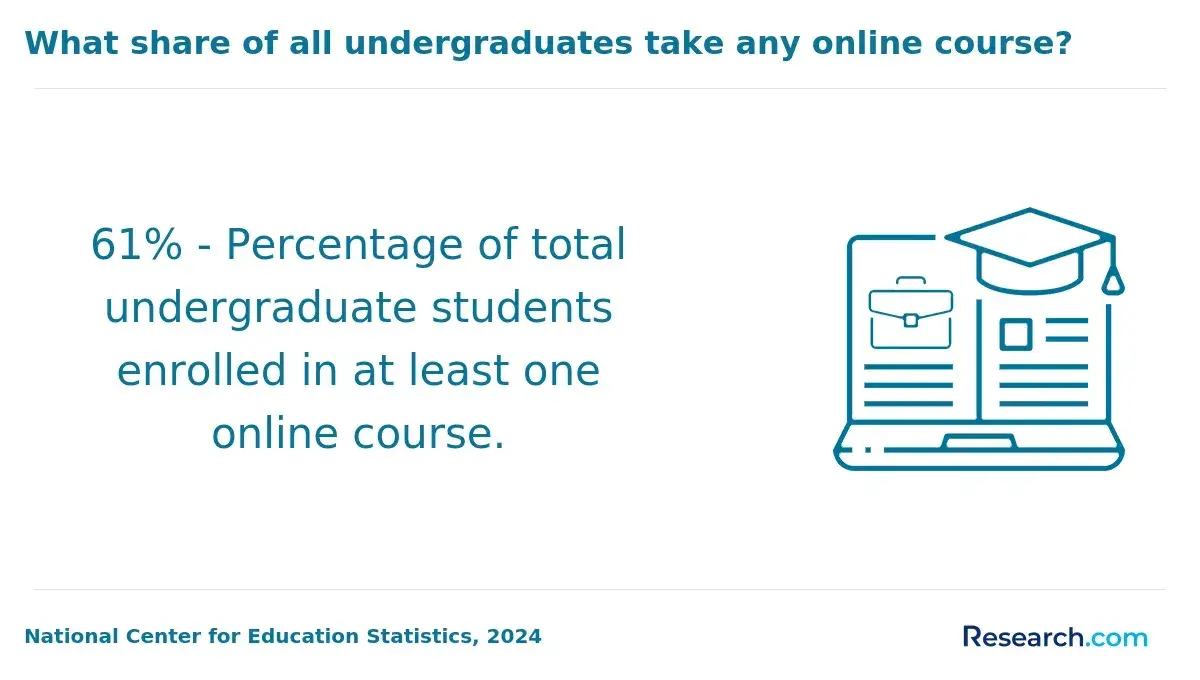
Student debt levels in teaching programs directly shape the long-term financial benefits of teaching online degrees, influencing graduates' career flexibility and repayment burden. Private online institutions often saddle students with 30-50% higher average debt than public counterparts due to elevated tuition and limited subsidies, creating repayment pressures that can exceed five years and increase loan delinquency risk. A typical scenario involves a graduate from a private online program facing tougher repayment timelines compared to one from a public institution with higher graduation rates and stronger financial aid, which lowers the debt-to-completion ratio-a crucial metric when assessing ROI.
Graduates must weigh the opportunity cost of debt against career alignment and educational quality across public, private, and nonprofit online teaching programs. Those with lower debt loads tend to have more freedom to pursue mission-driven or lower-paying education roles, whereas higher debt often forces job choices driven by salary rather than fit. This dynamic underscores the importance of considering debt relative to projected earnings and program outcomes instead of sticker price alone. Evaluating such tradeoffs involves analyzing real completion rates, borrowing patterns, and practical career trajectories, as highlighted in data comparing repayment success across institution types. For students exploring financing options and ROI, resources like the best online nutrition degree listings offer a useful comparison framework to benchmark cost against value in broader online education markets.
How Do Flexibility and Adult Learner Support Affect Teaching Program Value?
The practical value of online teaching programs hinges heavily on flexibility and support tailored to adult learners managing complex schedules. Programs offering asynchronous coursework and part-time options allow students to maintain employment and family commitments, reducing dropout risk and accelerating completion. For example, public institutions often provide more affordable tuition with these flexible formats but may lack comprehensive advising or career services that reinforce persistence. Data from the National Center for Education Statistics (2024) reveals a 15% higher graduation rate among students with consistent access to academic advising and career counseling, underscoring how support services are pivotal to lasting success beyond cost considerations.
Private and nonprofit online teaching programs sometimes prioritize synchronous interaction, mentoring, and robust transfer credit policies, which benefit learners needing structured guidance and clearer paths to degree completion. However, these offerings frequently come at higher tuition levels, raising the question of whether increased debt is offset by improved employability or salary outcomes.
Employers often value faculty accessibility and career-relevant training, but this advantage does not uniformly guarantee better return on investment if elevated costs compromise financial stability post-graduation. Adult learners weighing program options must therefore assess how institutional strengths in student support and schedule adaptability align with their personal constraints, recognizing that the interplay of affordability, service quality, and flexibility ultimately determines the true cost-benefit balance of their teaching education.
How Do Accreditation and Institutional Reputation Influence Teaching ROI?
Accreditation and institutional reputation directly shape the practical return on investment for teaching programs by influencing licensure eligibility, credit transferability, and employer trust. Graduates from nationally or regionally accredited schools are substantially more likely to secure recognized credentials, a key gateway to professional opportunities in education. For instance, a 2024 National Center for Education Statistics study found that graduates from accredited institutions were 25% more likely to earn industry-recognized teaching credentials compared to those from non-accredited providers, underscoring accreditation's critical role in accessing essential certification pathways.
Employer preference often favors candidates from institutions with established reputations linked to rigorous curricula and supportive resources, with 68% of K-12 employers in a 2024 Education Advisory Board survey expressing this bias. Yet, strong regional reputations cultivated by public or nonprofit online programs can rival or exceed those of private institutions while typically offering more affordable tuition and better cost efficiency. This dynamic means that students must weigh the tangible benefits of reputation and accreditation against tuition costs, student debt, and documented graduate outcomes to accurately assess teaching program ROI in real-world labor markets.
Decision-makers should critically evaluate whether programmatic accreditation aligns with licensure goals and how institutional prestige translates into measurable employment advantages within their geographic or specialty markets. Overpaying based on name recognition alone risks inflating debt without improving career prospects, especially when comparable accredited public online programs deliver solid outcomes at lower costs. Ultimately, the interplay of accreditation, reputation, and cost structures defines long-term value for adult learners and career changers navigating diverse teaching pathways.
How Does Time-to-Degree Affect the ROI of Public, Private, and Nonprofit Teaching Programs?
Time-to-degree is a pivotal factor influencing the return on investment (ROI) of Teaching programs across public, private, and nonprofit online institutions, directly affecting tuition duration, opportunity costs, and career advancement speed. Public institutions typically align with traditional four-year bachelor's timelines, which can minimize debt accumulation but offer less pacing flexibility. In contrast, private and nonprofit programs provide more adaptable schedules, including part-time enrollment and accelerated tracks, which accommodate working professionals yet often extend the time to completion, impacting short-term earnings. For example, a working adult in a nonprofit program may benefit from transfer credits and prior learning assessments that shorten degree time, enhancing ROI despite part-time study prolonging total duration.
Graduation rates underscore these differences; public institutions report about 60% completion within six years, slightly higher than the 55% at private nonprofits, affecting how reliably a student can expect to finish and enter the workforce. Balancing employment and study is a practical concern-while accelerated public programs can expedite graduation, they may increase dropout risks for part-time students juggling work and school. This tradeoff influences long-term educational value and employment outcomes, illustrating how flexibility, credit transfer policies, and persistence support impact ROI in distinct institutional contexts.
Evaluating how time-to-degree interacts with affordability and employment continuity is essential for cost-conscious adult learners and career changers comparing Teaching programs' real-world returns. Those considering flexible pacing would benefit from also reviewing BSN to MSN online programs as a comparative model for accelerated pathways. Ultimately, the choice between a fast degree finish or a longer, supported route hinges on individual financial capacity, career timing, and readiness to manage concurrent obligations, reflecting the nuanced ways how time-to-degree impacts Teaching program ROI across sectors.
How Can You Choose the Best Teaching Program Based on Your ROI Goals?
Determining the best teaching program based on ROI depends heavily on a student's priorities, not just whether the institution is public, private, or nonprofit. Public online programs usually offer lower tuition and broader financial aid access, cutting initial debt and improving early-career financial stability-an important factor for working professionals juggling family or other obligations. However, private programs, while more expensive, often deliver stronger learner support, smaller class sizes, and alumni connections that can enhance career outcomes, though this premium does not always yield proportionately higher earnings or job placements according to recent analyses.
Nonprofit online teaching programs frequently balance affordability with accredited quality and flexibility, which suits time-sensitive adult learners aiming to upskill efficiently without sacrificing program rigor. When assessing how to evaluate teaching program ROI effectively, the interplay between cost, graduation timelines, and employer recognition becomes critical, especially since accreditation impacts licensure eligibility and market value. Prospective students with varied career goals and different capacities for upfront investment must weigh these tradeoffs carefully, considering factors like debt-to-income ratios and support services that influence long-term employability.
Ultimately, choosing the best online teaching program for your career goals requires an informed comparison that goes beyond sticker price or brand reputation. Financial resilience, personal circumstances, and expected time-to-degree all influence ROI, underscoring the need for nuanced evaluation rather than simple rankings. For those exploring credential options, understanding these dynamics alongside specific requirements across fields-such as those detailed in resources on different types of therapist degrees-can sharpen decision-making aligned with real-world workforce demands.
References
- The Impact of Student Debt on the Low-Wage Workforce https://workrisenetwork.org/working-knowledge/impact-student-debt-low-wage-workforce
- How to Calculate EdTech ROI Without a Data Expert https://edusfere.com/how-to-calculate-the-roi-of-the-edtech-stack-at-your-school-without-a-data-scientist/
- Bridging Education and Opportunity: Exploring the ROI of Higher Education and Workforce Development — HCM Strategists https://hcmstrategists.com/resources/ucmfwg7ha7zzeug6nb3dlawh3poziz
- Education ROI: How to Measure It https://www.brighthorizons.com/article/education/how-to-measure-education-roi
- The Long-Term Effects of Student Loans | ACE Blog https://ace.edu/blog/the-long-term-effects-of-student-loans/
- Measure the ROI of Core Instruction & Academic Programs | ROI https://leveldata.com/roi-academic-reports/
- How Does Student Debt Affect the Economy? https://www.pgpf.org/article/how-does-student-debt-affect-the-economy/
- Effects of Cancelling Student Loan Debt (2026) : Short & Long-Term https://educationdata.org/what-happens-if-student-loan-debt-is-canceled
- Flexible Programs Assist Adult Learners to Thrive - The EvoLLLution https://evolllution.com/opinions/flexible-programs-assist-adult-learners-to-thrive
- Nonprofit vs For-Profit Universities: What's the Difference? | CSU-Global https://csuglobal.edu/blog/nonprofit-vs-profit-universities-whats-difference
Other Things You Should Know About Teaching
Public institutions often administer teaching programs with standardized curricula and larger cohort sizes, which can lead to less personalized pacing but potentially quicker completion if you adapt well. Private programs may offer smaller classes and more personalized feedback, but this often means more assignments and interactive components that increase workload and extend time demands. Nonprofit programs frequently balance these aspects, but their unique focus on mission-driven education can result in additional community or service requirements, adding to your time investment. Understanding these workload nuances is crucial, especially if you juggle work or family commitments.
Employer recognition varies and often leans favorably towards public institutions due to their widespread presence and perceived rigor in teacher preparation standards. That said, many private and nonprofit programs have strong regional reputations particularly in specialized or alternative certification pathways. If your immediate goal is to work in a public school district, attending a program with proven local recognition-even if private or nonprofit-can improve employment chances. Therefore, prioritize programs with robust hiring partnerships or alumni placement, not just institutional type.
Yes. Public institutions typically base their curricula on state standards designed for broad teacher certification requirements, emphasizing compliance and standardized testing preparation. Private programs sometimes integrate innovative pedagogical approaches or niche content, which could benefit students seeking specialization but might be less aligned with state licensure mandates. Nonprofit programs may incorporate strong community engagement or equity-focused training, enhancing practical skills for diverse classrooms but potentially limiting appeal in districts prioritizing traditional metrics. Assess how each curriculum's focus matches your career goals and licensure needs.
Teaching programs from public institutions often provide clearer pathways to traditional public school roles, which can translate into more predictable career ladders and pension plan eligibility. Private and nonprofit programs may better prepare candidates for alternative or charter school environments and roles outside standard K-12 settings, sometimes offering more interdisciplinary flexibility but less job security or advancement clarity. For candidates prioritizing stability and advancement, public programs might offer greater long-term ROI, while those targeting innovation or nontraditional roles may gain more from private or nonprofit offerings.