2027 Teaching Degree Enrollment Trends by Age Group: Traditional Students vs Adult Learners

Co-Founder and Chief Data Scientist
The increase in licensure requirements and the rise of credential inflation have created distinct enrollment pathways in teaching degree programs for different age groups. Traditional students, typically aged 18 to 24, tend to pursue teaching education immediately post-secondary due to structured program tracks and practicum obligations aligned with state certification timelines. In contrast, adult learners often navigate career transitions influenced by workforce shortages and economic disruptions.
For instance, 42% of new teacher licensures nationally in 2022 stemmed from non-traditional, older candidates, reflecting growing demand for experienced educators. This divergent enrollment pattern signals evolving workforce needs and highlights varied program accessibility challenges within teaching education.
Key Things to Know About Teaching Degree Enrollment Trends by Age Group
- Traditional college-age teaching enrollees often accept longer program durations, reflecting a willingness to invest time early, but this can delay workforce entry, impacting lifetime earnings trajectories.
- Employers increasingly value prior classroom experience, common among adult learners, signaling preference for practical readiness over theoretical credentials, which affects new teacher hiring and retention.
- Adult learners face higher upfront education costs and limited financial aid options, heightening tradeoffs between short-term affordability and long-term career investment in teaching roles.
- Key Things to Know About Teaching Degree Enrollment Trends by Age Group Key Things to Know About Teaching Degree Enrollment Trends by Age Group
- Which Age Groups Represent the Largest Share of Teaching Students? Students by Age Group
- Why Do Traditional Students Choose Teaching Degree Programs? Traditional Students
- Why Do Adult Learners Return to School for a Teaching Degree? Adult Learners
- How Do Academic Goals Vary Between Younger and Older Teaching Students? Academic Goals by Age Group
- How Do Financial Concerns Differ Between Traditional Students and Adult Learners? Financial Concerns by Age Group
- What Challenges Do Adult Learners and Traditional Students Face While Earning a Teaching Degree? Student Challenges by Age Group
- How Does Age Affect Teaching Degree Student Retention? Age and Student Retention
- Which Teaching Specializations Are Most Popular Among Adult Learners? Top Specializations for Adult Learners
- How Does Age Affect Job Opportunities for Teaching Graduates? Impact of Age in Job Opportunities
- What Do Current Teaching Enrollment Trends Reveal About Future Demand? Future Demand
Which Age Groups Represent the Largest Share of Teaching Students?
Teaching programs enroll students spanning various life stages, but participation predominantly centers on particular age brackets shaped by career timelines, financial situations, and educational pathways. The age distribution of teaching degree enrollment in the United States mirrors broader workforce entry trends and the structure of teacher preparation systems rather than mere academic preference. Understanding these demographics clarifies how readiness to enter the profession and access to resources influence who pursues these credentials.
- Ages 18-24: This group forms the largest share of teaching students, reflecting the traditional progression from high school to college. Their enrollment is often motivated by a clear trajectory into teaching careers with minimal external commitments, allowing full-time study supported by financial aid and campus resources that expedite credentialing.
- Ages 25-34: Many in this cohort enter teaching through career transitions or after gaining work experience in other fields. While their enrollment rates are smaller than the traditional group, flexible program formats and online options increasingly attract these adult learners, who balance education with employment and family demands.
- Ages 35 and older: This older adult segment represents a smaller but steadily growing portion of teaching students. Often driven by second-career aspirations or advancement opportunities, they face extended timelines due to competing responsibilities, yet contribute valuable real-world perspectives that enrich teaching practice.
- Late teens under 18: Very few students enter teaching programs before typical college age, as education pathways and statutory requirements usually delay formal credentialing until after high school completion.
The largest age demographics in teaching degree programs are shaped by employer expectations favoring candidates who can transition swiftly into full-time roles and by program designs accommodating different life circumstances. Traditional students benefit from institutional support that curtails time-to-degree, while adult learners often rely on online and part-time options to navigate financial and scheduling barriers. Such enrollment patterns parallel wider education trends where age relates closely to workforce timing and economic factors rather than purely academic pursuit. For prospective students exploring teaching as a career, recognizing these demographic and practical dynamics can guide decisions about program format, pacing, and resource needs.
For example, those examining cross-profession shifts into teaching might compare teaching programs with other fields like nursing. In this context, options for an online nursing degree highlight how flexible delivery models reduce access barriers, a trend increasingly relevant to adult learners in teaching as well.
Why Do Traditional Students Choose Teaching Degree Programs?
Traditional students pursuing teaching degree programs often do so driven by a blend of academic interest and the strategic value such degrees hold in signaling readiness for early career steps. For many recent high school graduates, these programs offer a structured pathway toward entering education as a profession, combining foundational coursework with credentialing requirements that align with state certification standards. Enrollment motivation frequently reflects an intentional choice to explore an education-focused career early, supported by programs that emphasize pedagogical theory alongside practical classroom experience. According to the National Center for Education Statistics, about 45% of undergraduate education majors cite a commitment to helping others and an interest in career stability as key factors, illustrating the dual appeal of intrinsic purpose and employment predictability typical among this demographic.
Deeper enrollment dynamics reveal the influence of university recruitment strategies and high school guidance counseling in shaping traditional student motivations for teaching degree programs. Exposure to education-related subjects during secondary schooling or early college courses often sparks initial interest, while perceptions of job market stability and clear certification pathways reinforce program selection. Institutions tailor offerings and outreach to these students through specialized advising and cohort models that reflect the expectations of public education employers. Additionally, an understanding of alternative program formats-for example, the rise of online options-broadens access for those weighing flexible routes, similar to trends seen in fields like nursing, where students may pursue nursing programs that don't require TEAS test. This combination of early academic influence and structured institutional pathways underscores how enrollment in teaching programs is closely tied to careful career positioning rather than solely personal interest or broad educational exploration.
Why Do Adult Learners Return to School for a Teaching Degree?
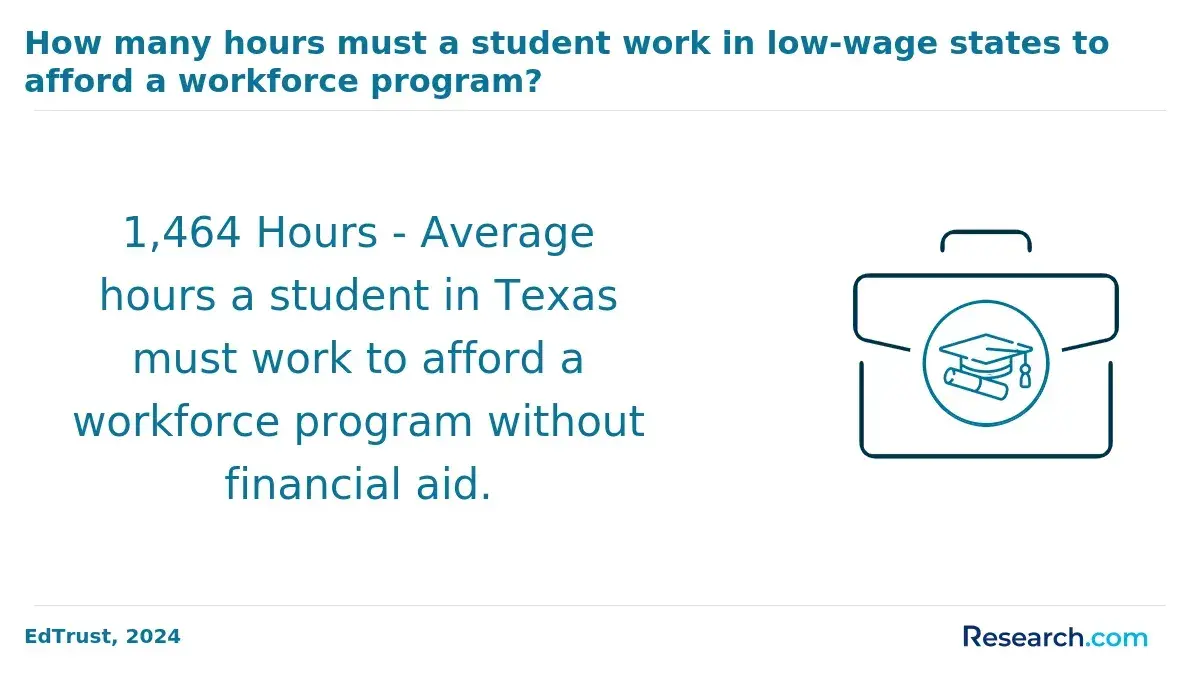
Adult learners returning to school for a teaching degree often do so driven by pragmatic career considerations such as transitioning into more stable, service-oriented roles or addressing wage stagnation in their current fields. Many view teaching as a pathway to improved job security and clearer salary progression, particularly amid volatile labor markets and diminishing opportunities for advancement in other industries. According to the National Center for Education Statistics 2024 data, nearly two-thirds of teaching degree completers aged 25 and older prioritize enhanced earning potential and employment stability when enrolling, underscoring how economic imperatives outweigh purely personal motivations in this demographic.
Additional influences include institutional factors like employer tuition reimbursement programs and the increased availability of flexible, online degree formats that accommodate adult learners' complex schedules and responsibilities. Evolving credential requirements and the expanding emphasis on digital literacy and modern pedagogical methods compel many returning students to update their skill sets, blending prior professional experience with new technical competencies. This interplay between professional skill renewal and the necessity to meet contemporary standards shapes adult learners' educational choices and affects how programs are structured to balance rigor with accessibility.
How Do Academic Goals Vary Between Younger and Older Teaching Students?
Students traditionally aged 18 to 24 pursuing teaching degrees generally aim to build fundamental skills and knowledge that prepare them for immediate entry into the workforce or further graduate study. Their academic goals are often exploratory, focusing on certification and licensure processes that align with securing initial teaching roles. This group tends to prefer structured, full-time and on-campus programs that support both academic and social integration, reflecting a lifecycle phase with fewer external obligations and a priority on rapid workforce entry. According to the National Center for Education Statistics' 2024 report, nearly 68% of these students emphasize efficient completion of credentials to accelerate their transition from education to employment.
Adult learners in teaching programs, on the other hand, approach their studies with clear, outcome-driven objectives shaped by existing professional experience and the need to balance education alongside extensive personal and financial responsibilities. Their goals typically center on targeted specialization, credential stacking, or completion of advanced degrees that facilitate role changes, leadership positions, or policy-related work within education. The flexible modalities-part-time, online, or hybrid courses-they prioritize accommodate these demands, enabling continued income and family support while advancing career competencies. Recent findings from the U.S. Department of Education's 2024 Adult Learning Survey highlight that 54% of older teaching students focus on these specialized academic paths to align learning with pragmatic workplace advancement.
One adult learner recalled hesitating to enroll immediately due to uncertainty about admission timing within a rolling application cycle. Balancing a job and family left limited bandwidth to prepare required documents, and they weighed the risk of missing the current intake against the likelihood of later acceptance. After several weeks of follow-up and adjusting priorities, the learner felt relieved when accepted just before the term start, underscoring how timing and access challenges intersect with pragmatic, career-aligned academic goals for older students. This experience reflects the nuanced decisions adult students face beyond curriculum relevance, spotlighting the logistical and emotional components influencing educational trajectories.
How Do Financial Concerns Differ Between Traditional Students and Adult Learners?
Traditional students pursuing a teaching degree generally depend on family support, federal financial aid, and student loans to manage tuition and related expenses. The National Center for Education Statistics (NCES) reports that around 70% of these students access some form of federal aid, which helps cover costs but often results in long-term debt burdens. Their financial concerns tend to revolve around managing tuition fees within the framework of limited immediate earning capacity and prioritizing debt minimization to accommodate early career income trajectories. This pattern reflects a financial aid landscape where eligibility is often linked to dependency status, shaping distinct tuition concerns across traditional students, especially when assessing teaching degree financial aid differences.
Adult learners, often juggling full-time work, family commitments, and existing financial obligations such as mortgages, face more complex challenges when funding a teaching degree. Unlike younger students, they frequently rely on personal savings and employer tuition assistance but encounter opportunity costs from reduced work hours or delayed income, highlighting a different calculus in balancing educational investments. According to the U.S. Department of Education, 58% of adult learners identify financial stress as a significant barrier to continuing education, a dynamic that directly influences program accessibility and enrollment decisions. These factors frame the adult learners vs traditional students tuition concerns debate, where flexibility, accelerated options, and affordability often dictate educational pathways.
These financial distinctions affect enrollment patterns and program selection, with a growing share of adult learners gravitating toward online formats that accommodate their schedules and preserve income streams. For those prioritizing practical returns, considerations extend beyond upfront tuition to assessing long-term return on investment, factoring in employment stability and workload demands. Prospective teaching students weighing these elements may also consider related fields with different financial profiles and career pathways, as seen in emerging online registered dietitian programs or other accelerated programs online, which demonstrate how financial strategy intertwines with workforce participation and lifecycle economic planning.
What Challenges Do Adult Learners and Traditional Students Face While Earning a Teaching Degree?
Traditional students pursuing a teaching degree often face the dual challenge of adapting to rigorous academic demands while managing limited time outside a typically full-time study schedule. Many in this cohort, primarily aged 18-24, must develop foundational study habits and disciplinary skills within a highly structured environment, which can be difficult for those transitioning directly from high school. Financial pressures are significant, with nearly 60% identifying tuition and living expenses as major obstacles, often necessitating reliance on student loans or part-time employment that may compete with coursework. This financial strain can affect academic performance and increase the risk of delayed graduation or dropout, as the necessity to balance income and study is frequently at odds with employer expectations and the pace of teaching program milestones.
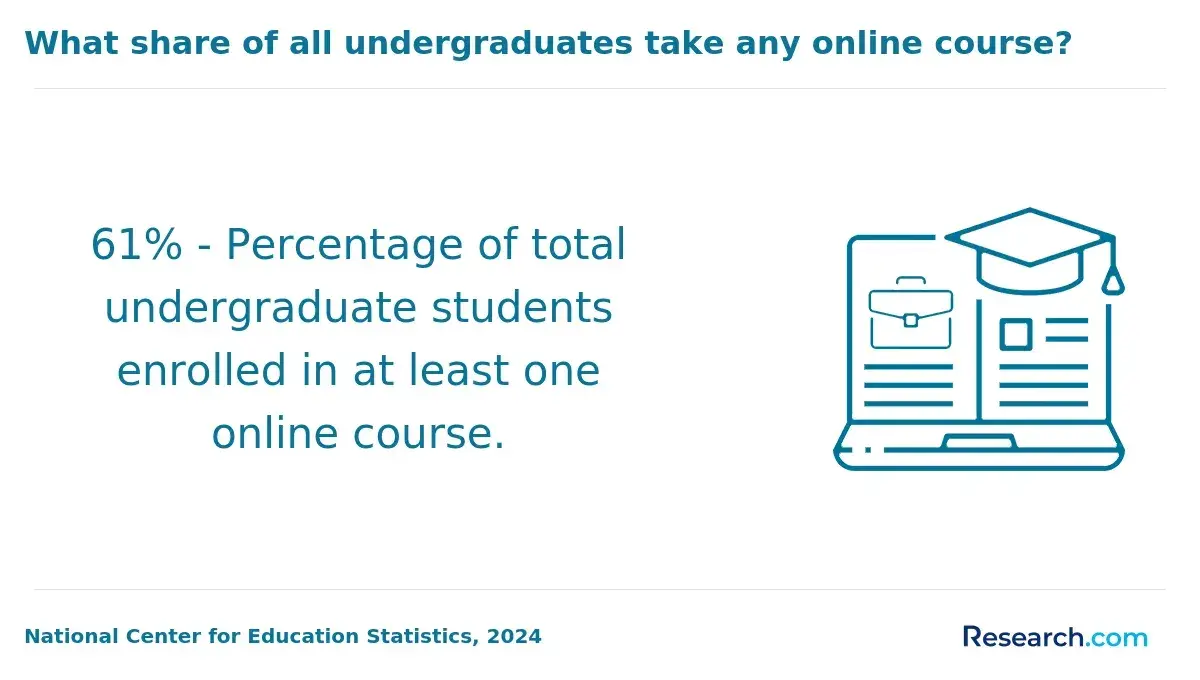
Adult learners, by contrast, contend with overlapping personal and professional responsibilities that reshape their academic experience. Typically aged 25 and older, these students juggle caregiving, employment, and academic commitments, with over half managing family duties that restrict their availability for consistent coursework and in-person requirements. Re-entry into formal education often exposes gaps in foundational knowledge, creating challenges in meeting fast-paced curriculum demands and the technological competencies increasingly expected by education employers. Time management constraints extend beyond study hours, influenced by commuting and childcare costs that restrict flexibility; this contributes to longer degree completion timelines and a greater need for part-time enrollment options. Financial aid mechanisms are often less accessible, pushing adult learners toward employer reimbursement programs or tapping personal savings to cover both visible and hidden costs.
Higher education institutions are responding by expanding flexible program formats, such as online and hybrid learning, and tailoring advising resources to accommodate distinct pathways and pace preferences. These adaptations recognize that while traditional students benefit from developmental academic support and structured schedules, adult learners require integrated services that address external pressures and skill refreshment. Understanding these differentiated barriers informs realistic program design and resource allocation, ultimately influencing teaching degree completion rates and workforce readiness in varied student populations.
How Does Age Affect Teaching Degree Student Retention?
Younger students pursuing a teaching degree often confront retention challenges linked to adapting to the academic environment and sustaining motivation during early enrollment phases. Many in this age group are navigating the transition from structured schooling to self-directed college learning, which can lead to uneven engagement with coursework and campus resources. Their retention is frequently affected by unclear career goals and competing priorities, including social integration and financial dependency, contributing to lower persistence rates. According to the National Center for Education Statistics 2024 Digest of Education Statistics, approximately 68% of traditional-age teaching students remain enrolled after their first year, highlighting this vulnerability period.
Adult learners in teaching programs display a different retention pattern, often characterized by clearer vocational purpose and stronger commitment to completing their degree. This focus enhances persistence, with 78% of adult students continuing beyond the first year per NCES data. However, this group must balance enrollment with significant external responsibilities such as full-time employment, family care, and financial obligations, which can impose constraints on academic progress. Institutional flexibility-through part-time options or online coursework-plays a critical role in supporting these learners, whose retention reflects a tradeoff between goal clarity and the complexity of managing life demands alongside education.
A teaching degree graduate recalls hesitating during the admissions process due to uncertainty about timing and preparation. Although eager to start, they postponed application while weighing work schedules and family needs, mindful of rolling admissions deadlines that complicated exact enrollment timing. The delay introduced stress but ultimately led to a more manageable start once they secured clearer personal logistics. This experience illustrated how adult students' retention challenges often begin well before enrollment, shaped by intricate strategic decisions balancing urgency against readiness.
Which Teaching Specializations Are Most Popular Among Adult Learners?
Adult learners pursuing a teaching degree often select specializations based on practical career mobility, existing professional experience, and clear opportunities for salary growth or workforce transition. These students, typically balancing work and familial responsibilities, prioritize fields where their skills can be quickly updated or leveraged for immediate employment. This focus shapes enrollment trends toward specializations that align with both industry demand and adult learners' goals for upskilling or career reinvention. Understanding adult learner preferences in teaching degree programs requires attention to how specialization choice intersects with these career-oriented motivations.
According to the National Center for Education Statistics (NCES) data from 2024, around 28% of adult learners enroll in special education programs, reflecting strong employer demand for skills addressing diverse learning needs. Enrollment patterns further reveal that special education-and other targeted areas-offer well-defined pathways for adults capitalizing on prior experience or seeking to fill pressing workforce gaps.
- Special education: Appeals to those with backgrounds in healthcare, social work, or community services looking to advance in roles demanding specialized intervention skills. This specialization often leads to stable, well-compensated positions aligned with rising institutional mandates.
- Adult education: Selected by learners aiming to teach or train peers and adults, particularly in community or workplace settings. Its flexibility suits working professionals focused on career transitions or developing new vocational skills.
- Early childhood education: Attracts adults drawn to foundational developmental support roles, offering abundant local job openings and adaptable schedules conducive to balancing personal commitments.
- Secondary education: Preferred by those with prior subject-matter expertise who seek to enter or advance in middle and high school teaching, often leveraging credentials for enhanced salary prospects.
- STEM education: Although current enrollment is lower, this specialization is increasing as workforce demands push adult learners to pursue more rigorous content mastery and align with expanding fields in science and technology.
These trends underscore how adult learner preferences in teaching degree programs are shaped less by traditional academic interests and more by tangible gatekeeping factors like employability and direct career impact. For prospective students evaluating pathways in teaching or related fields, considering these specialization dynamics is critical for aligning educational investment with longer-term labor market outcomes and personal circumstances. For those exploring healthcare and education overlaps or bridging fields, nontraditional routes such as ADN to NP programs offer comparable examples of strategic specialization choices informed by reskilling and workforce adaptation.
How Does Age Affect Job Opportunities for Teaching Graduates?
Younger teaching graduates typically encounter more direct access to entry-level positions through structured internship pipelines and established early-career hiring patterns that favor recent high school and college graduates. Many employers prioritize younger candidates for their perceived adaptability and longer-term potential within school districts. This dynamic is reflected in a 2024 U.S. Department of Education report indicating nearly 70% of first-time teaching hires are under age 30, underscoring a significant hiring preference that shapes teaching graduate job prospects by age group. These hiring tendencies benefit younger graduates by aligning with standard career lifecycle entry points, although they may face more competition within tight geographic and district-based hiring pools.
Conversely, older teaching graduates often bring prior work experience and transferable skills that can enrich classroom effectiveness and leadership, although they navigate different labor market expectations. Employers may scrutinize adults entering the profession later for potential salary demands or shorter tenure due to career transitions or personal commitments, notwithstanding their non-academic strengths. This pattern illustrates the impact of age on employment opportunities for teaching degree holders, with many adult learners facing longer job search periods despite increasing enrollment in teaching programs. For those exploring specialized pathways, considering options such as counseling PhD programs may provide more tailored employment alignment based on their career goals and background experience.
What Do Current Teaching Enrollment Trends Reveal About Future Demand?
Rising enrollment trends in teaching degree programs reflect shifting perceptions of career value and accessibility among diverse student populations. Recent data from the National Center for Education Statistics (2024) shows adult learners now comprise about 40% of teaching enrollees, indicating growing appeal beyond traditional college-age students. This demographic shift suggests increased interest from those pursuing mid-career transitions, which may influence program design toward flexible formats. Additionally, the expansion of online and hybrid teaching programs responds to such changing demand, signaling wider opportunities for nontraditional students to enter the profession.
These enrollment patterns align closely with broader labor market signals pointing to ongoing teacher shortages and evolving skill requirements. Employers increasingly seek candidates who combine practical experience with pedagogical training, a profile more common among adult learners. The expansion of specialized areas such as STEM education and special education within teaching programs also reflects growing industry needs and policy priorities. Ultimately, enrollment data not only forecasts rising program growth but also reveals emerging trends in workforce specialization critical for addressing future educational demands and sustaining career pathways in teaching.
References:
- Why Do Students Prefer Blended Learning over Traditional Learning? | CAE https://www.cae.net/why-students-prefer-blended-learning-over-traditional-learning/
- Traditional Vs. Non-Traditional Students in Higher Education https://moderncampus.com/blog/traditional-vs-non-traditional-students-in-higher-education.html
- The End of the Traditional Student Era: Higher Ed’s New Enrollment Reality - Collegis Education https://collegiseducation.com/insights/end-of-traditional-student-era/
- Adult Postsecondary Learners: Reviewing the Data and Evidence https://www.jff.org/idea/adult-learners/
- REACHing for more: How Higher Education Can Better Serve Adult Learners by Addressing Time Poverty - Education Strategy Group https://edstrategy.org/reaching-for-more-how-higher-education-can-better-serve-adult-learners-by-addressing-time-poverty/
- How Higher Education Institutions Can Address the Needs of Adult Learners https://www.higheredtoday.org/2022/04/18/how-higher-education-institutions-can-address-the-needs-of-adult-learners/
- Who are the nation's teachers? Key insights in five charts | USAFacts https://usafacts.org/articles/who-are-the-nations-teachers/
- Why Do Adults Go Back to School? | University of Bridgeport https://www.bridgeport.edu/news/reasons-why-adults-go-back-to-school/
- Going Back to School as an Adult: a Step-by-Step Guide https://insights.ehl.edu/going-back-to-school-as-an-adult
- What Does the Future of the Teacher Workforce Look Like? It Depends on Where You Live https://learningpolicyinstitute.org/blog/future-teacher-workforce-depends-where-you-live
Other Things You Should Know About Teaching
Adult learners often require flexible program schedules due to work and family commitments, making part-time, evening, and online course options more critical for their enrollment and completion success. Traditional students typically have more flexibility to attend full-time, in-person classes, which may offer richer hands-on practice but less accommodation for outside responsibilities. Prospective adult learners should prioritize programs with hybrid or asynchronous formats that match their lifestyle to maintain steady progress without burnout, while traditional students may gain more from immersive campus experiences despite less scheduling flexibility.
Adult learners frequently balance coursework with professional and personal demands, often extending their time-to-completion compared to traditional students who can dedicate more uninterrupted time to studies. Programs that require consecutive, intensive practica or full-time student teaching can disproportionately challenge adult learners, potentially delaying credentialing. Therefore, adult students should evaluate program structures for modular options or phased practicum placements to avoid excessive strain, whereas traditional students might benefit from accelerated tracks that leverage their capacity for full-time study.
Traditional cohorts often offer age-homogeneous peer groups facilitating shared social and academic experiences, which can enhance collaborative learning and networking within typical early-career pathways. Adult learners may experience isolation or fewer peers with similar backgrounds, limiting informal support and making networking more challenging. Choosing programs with diverse or mixed-age cohorts can mitigate this gap, but adult learners should prioritize structured peer engagement and support services to compensate for reduced spontaneous interactions that impact motivation and practical exchange.