2027 Geoscience Degree Completion Rates by Format: Online, Hybrid, and Campus Programs Compared

Co-Founder and Chief Data Scientist
A prospective student faces a critical choice when pursuing a geoscience degree: whether to enroll in an online, hybrid, or traditional campus program. Each format offers distinct challenges and advantages that can affect the ability to complete the degree. Factors such as self-discipline, access to campus resources, and interaction with faculty and peers vary considerably across these delivery methods.
Completion rates serve as key indicators of which format best supports student success in geoscience education. Understanding how these rates differ, along with the factors influencing persistence and degree attainment, helps clarify the practical realities behind each option. This article compares online, hybrid, and campus geoscience completion rates to guide prospective students toward the format most likely to align with their educational goals and career aspirations.
Key Things to Know About Geoscience Degree Completion Rates by Format
- Completion rates for campus-based geoscience programs are typically higher, near 70%, reflecting the benefit of immersive labs and direct faculty interaction that bolster persistence in complex fieldwork.
- Online geoscience program completion rates lag around 50%, often due to limited hands-on experiences, which challenges skill acquisition critical for field and lab competency in geology careers.
- Hybrid formats show intermediate completion rates near 60%, balancing flexible study with essential in-person components, suggesting practical integration improves retention without fully sacrificing experiential learning.
- Key Things to Know About Geoscience Degree Completion Rates by Format Key Things to Know About Geoscience Degree Completion Rates by Format
- How Do Completion Rates Compare Across Online, Hybrid, and Campus Geoscience Programs? Completion Rate Comparison
- What Factors Have the Greatest Impact on Geoscience Degree Completion? Degree Completion Factors
- Which Geoscience Degree Format Is Hardest to Complete? Completion Difficulty
- How Does Each Geoscience Learning Format Affect Student Success? How Does Each Geoscience Learning Format Affect Student Success?
- How Does Enrollment Status Affect Geoscience Completion Rates? How Does Enrollment Status Affect Geoscience Completion Rates?
- Can Transfer Credits Improve Geoscience Degree Completion? Transfer Credits
- What Student Support Services Improve Geoscience Completion Rates? Student Support Services
- How Do Geoscience Completion Rates Affect Career Outcomes? Impact on Career Outcomes
- How Should Students Choose the Best Geoscience Learning Format? Choosing the Best Format
- What Are the Long-Term Pros and Cons of Each Geoscience Learning Format? Learning Format Pros & Cons
How Do Completion Rates Compare Across Online, Hybrid, and Campus Geoscience Programs?
Completion rates in geoscience degree programs often reflect more about student demographics and life circumstances than inherent program quality. Campus, hybrid, and online formats attract learners with different priorities and challenges, influencing persistence and success. For example, traditional campus programs frequently enroll students who can commit to full-time study and benefit from direct faculty interaction, which supports higher completion rates often cited around 65%. Recognizing these nuances is essential for interpreting geoscience degree completion rates online vs campus realistically.
Variations in completion rates stem from factors such as employment obligations, enrollment intensity, and access to academic support. Hybrid programs, which combine online flexibility with occasional in-person sessions, tend to serve students juggling work and family commitments, leading to intermediate completion rates near 55%. Fully online formats, with reported rates closer to 40%, appeal to those needing maximum scheduling freedom but often face challenges related to reduced social engagement and self-directed learning demands. Success is tied as much to individual circumstances and time management as to the instructional approach, a key consideration when comparing graduation success in hybrid geoscience programs.
Prospective students should weigh these completion trends alongside their personal preferences, study habits, and external responsibilities to identify the format most conducive to finishing their degree. For instance, a working professional with unpredictable hours might find the flexibility of a fully online program indispensable despite its lower average completion rates, especially if balanced by strong self-motivation and support networks. Exploring options like an accelerated MSW program online can offer insights into how pace and delivery mode impact outcomes across fields. Ultimately, no single mode suits every learner; informed decisions depend on aligning format strengths with individual goals and constraints.
What Factors Have the Greatest Impact on Geoscience Degree Completion?
Degree completion in geoscience programs hinges on more than just student motivation; it reflects a complex interplay of personal habits, academic environment, and program structure. Many students encounter hurdles that require both support systems and self-management to overcome. The most reliable predictors of completion combine individual preparedness with access to institutional resources. Below are key factors that consistently influence geoscience degree completion outcomes.
- Academic Preparedness and Foundational Knowledge: Students with a solid grounding in prerequisite math and science skills are more likely to persist through rigorous geoscience curricula. Those lacking this foundation often struggle initially but can improve their chances by seeking remedial courses or tutoring to build confidence early.
- Engagement with Faculty and Mentoring Networks: Frequent, meaningful interaction with instructors and mentors bolsters a student's connection to their program and motivation to continue. Campus and hybrid students generally benefit more from these relationships, though online learners can bridge the gap by actively utilizing virtual advising and structured mentoring programs.
- Time Management and Self-Regulation Skills: The ability to juggle competing responsibilities such as work, family, and coursework is critical, especially for students in online or hybrid formats. Developing disciplined study schedules and utilizing tools for planning can markedly improve persistence for those balancing multiple demands.
- Access to Financial and Technical Support: Economic hardship and unreliable technology pose substantial barriers for many, particularly online students. Institutions that provide tuition assistance, equipment loans, or technical troubleshooting increase the likelihood students can stay on track without interruption.
- Institutional Support Services: Robust academic advising, tutoring centers, and mental health resources significantly impact completion by addressing academic and personal challenges. Studies show programs offering proactive outreach and holistic student support report up to 20% higher retention rates in STEM fields including geoscience.
- Learning Format and Social Integration: While motivation matters across all modalities, students enrolled in campus or hybrid formats often experience greater sense of community and immediacy in feedback, contributing to higher persistence. Online programs that incorporate interactive platforms and peer networking can reduce isolation and improve outcomes.
- Personal Circumstances and Career Alignment: Students whose educational goals and career plans clearly align with their program tend to persist longer. For instance, a field technician juggling family obligations may prefer a hybrid structure that allows partial campus interaction combined with online flexibility to maintain commitment.
Which Geoscience Degree Format Is Hardest to Complete?
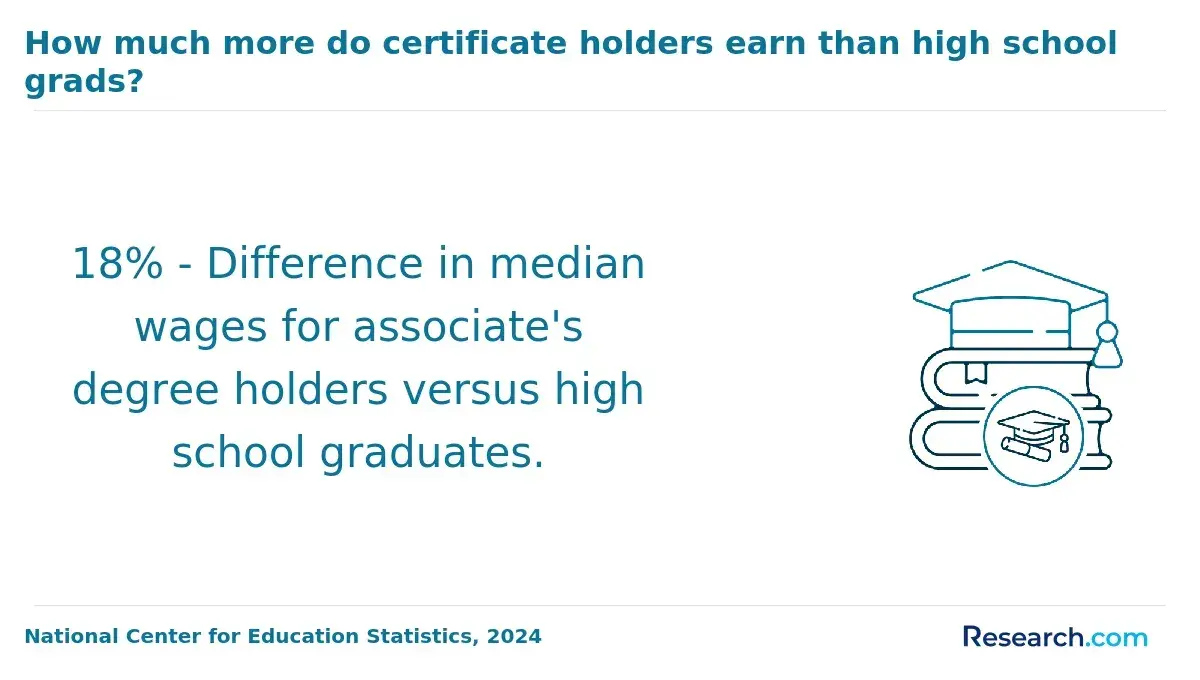
Completion rates for geoscience degrees vary markedly by delivery format, with on-campus programs showing the strongest outcomes-often surpassing 60% completion within six years according to 2024 data from the National Center for Education Statistics. This format benefits from structured schedules, immediate access to labs, and regular peer interaction, all critical for a discipline requiring hands-on fieldwork. In contrast, fully online degrees report significantly lower persistence, frequently between 35% and 45%, largely due to the challenges of limited practical experience and reduced direct support. Hybrid programs typically fall in between, averaging about 50% completion, as they blend online flexibility with periodic in-person components, though the necessity to balance remote study with travel can strain students juggling external commitments.
While no format guarantees ease of completion, the data underscore the added hurdles online students face from less immersive, experiential learning and fewer interpersonal connections, which are vital in geoscience education. Campus-based programs offer the most consistent environment for mastering complex physical processes and field methods, but may not suit those constrained by geography or life demands. Hybrid models provide a compromise, yet the additional logistical complexity sometimes leads to scheduling conflicts and higher attrition for nontraditional students managing work or family. Ultimately, each format's completion risk is influenced by how well its structure aligns with an individual's circumstances and the demands of geoscience training.
A geoscience graduate who chose a hybrid format recalls the tension of coordinating field visits while maintaining a full-time job. They often felt caught between the freedom of remote coursework and the pressure of mandatory campus sessions, especially when exploring options such as 1 year PhD programs online.
"It wasn't just about learning the material-it was about juggling labs, travel deadlines, and real-world responsibilities all at once," they reflected. This balance, while enriching, nearly derailed their progress until careful planning and employer flexibility made it manageable, highlighting how hybrid programs can challenge students beyond academics alone.
How Does Each Geoscience Learning Format Affect Student Success?
Student success in geoscience programs is shaped less by the learning format itself and more by how well it fits individual learning styles, time constraints, and personal responsibilities. Each format-online, hybrid, or campus-based-offers distinct opportunities and challenges that can either support or hinder degree progress depending on a student's circumstances. For example, a working professional juggling family and career may thrive in a flexible online setting but struggle without structured support, while a student who benefits from direct interaction might find campus programs more conducive to keeping on track. The following points highlight key factors where learning format influences success.
- Engagement and Interaction Quality: Campus programs typically provide rich in-person engagement with peers and faculty, fostering motivation and accountability. Hybrid formats balance this with some face-to-face contact, helping students who need occasional direct feedback. Fully online learners may experience isolation unless the program prioritizes interactive tools and consistent instructor communication.
- Access to Academic Resources: On-campus students often have immediate access to labs, libraries, and tutoring, essential for hands-on fields like geoscience. Hybrid learners can usually tap into some on-site resources, while online students rely heavily on digital equivalents, which can vary widely in quality and availability.
- Flexibility and Scheduling: Online and hybrid models offer adaptability to accommodate work or personal obligations, which is critical for non-traditional students. However, this flexibility demands high self-discipline and time-management skills, which some students may lack, increasing dropout risk.
- Support Services Availability: Strong advising, mentoring, and technical help can improve completion rates, especially for online students. Campus learners benefit from in-person support that is often more immediate and tailored, whereas virtual support requires more proactive engagement and can be less personal.
- Student Persistence and Motivation: Campus environments create structured settings that can foster perseverance through regular routines. Hybrid programs provide a moderate level of structure, while online learners must often self-motivate without the physical cues and community presence that encourage persistence.
- Technology Proficiency Demands: Online programs require comfort with digital platforms and tools, which can be a barrier for some students. Hybrid and campus formats mitigate this challenge by integrating in-person guidance and fewer purely digital course requirements.
- Recent Completion Rate Trends: According to 2024 data from the National Student Clearinghouse Research Center, campus geoscience programs demonstrate the highest degree completion rates, followed by hybrid formats, with online programs showing the greatest variability. This underlines how format plus support systems jointly shape outcomes.
How Does Enrollment Status Affect Geoscience Completion Rates?
Enrollment status is among the most significant factors shaping geoscience degree completion rates, yet its effect is nuanced and tied to each student's unique situation rather than simply the number of courses taken. Success depends on balancing academic demands with personal obligations, making enrollment status not inherently better or worse but contextually impactful. Understanding these dynamics can help students forecast their chances of finishing on time and select a pace that aligns with their real-life responsibilities. Below are key considerations on how enrollment status influences geoscience completion outcomes.
- Academic Momentum and Focus: Full-time enrollment fosters continuous engagement with the curriculum, which supports deeper comprehension and smoother progression through sequential courses. Students able to dedicate themselves full-time tend to build stronger study habits and learning rhythms, directly boosting completion likelihood. Part-time students juggling multiple commitments might experience interruptions that slow momentum, but a consistent, manageable pace can help maintain steady progress.
- Access to Institutional Resources: Full-time students generally have greater access to campus facilities, advising, tutoring, and peer networks. These resources provide crucial academic and social support that reinforce persistence. For part-time students, especially in online or hybrid programs, fewer touchpoints can mean limited support unless programs offer tailored services designed for flexible schedules.
- Work-Life Balance Challenges: Part-time enrollment often reflects the necessity to balance employment, family care, or other obligations alongside study. Students facing these demands may experience fatigue or scheduling conflicts that reduce study time and hinder timely completion. Selecting a program that understands these pressures and offers supports like evening classes or asynchronous learning can mitigate risks.
- Degree Completion Statistics: According to a 2024 report by the Education Policy Institute and the National Center for Education Statistics, full-time geoscience students have about a 25% higher six-year graduation rate compared to part-time peers. This difference highlights the practical advantage of full-time study but also underscores the importance of tailored support for part-time learners.
- Program Format Interaction: Online and hybrid programs provide flexibility that suits part-time students but tend to exhibit lower completion rates among these enrollees due to reduced in-person contact and self-discipline demands. Campus-based programs' immersive environments can boost persistence for all students but may be less accessible to those needing flexibility.
- Advising and Support Services: Robust advising correlates strongly with retention and completion, especially for part-time students who require guidance to navigate complex schedules and milestones. Prospective learners should prioritize programs offering proactive, personalized support to bridge challenges inherent in slower enrollment paces.
- Long-Term Career Impact: Full-time students who complete on schedule may enter the workforce sooner, an important consideration given evolving geoscience labor market demands. However, part-time study paths remain valuable and practical for those balancing real-world constraints, provided they commit to programs with proven supports. For nontraditional students, exploring online courses for stay at home moms is one example of leveraging flexible options while maintaining progress.
Can Transfer Credits Improve Geoscience Degree Completion?
Transfer credits can significantly shorten the time required to complete a geoscience degree, often reducing it by about 20%, according to recent data from the National Center for Education Statistics. This acceleration is especially meaningful for students juggling work, family, and other responsibilities. However, the actual impact of transfer credits on degree completion depends heavily on how well those credits align with the receiving institution's curriculum and policies.
For example, a student who has previously completed coursework at a community college or through military training may avoid repeating foundational courses if their credits are fully recognized. This avoids redundant classes and allows focus on advanced geoscience topics. Yet, not all transfer credits are automatically accepted; some programs have strict articulation agreements, while others evaluate transfer applications case by case. Campus-based programs often have clearer pathways for credit transfer, while hybrid and online formats may vary widely, which can introduce delays or require additional coursework.
Evaluating the benefits of transfer credits requires careful review. Prospective students should request an official credit evaluation before enrolling and compare how many credits remain against their planned course load. This helps gauge whether transferring credits will meaningfully reduce time to graduation or if additional requirements will offset potential gains. Transfer credits can also influence motivation and financial burden by avoiding unnecessary tuition expenses and limiting the time spent in school.
However, transfer credits are just one factor influencing completion rates. Institutional support, program structure, and students' personal circumstances also play critical roles. Students should consider how transfer policies interact with these broader elements to make informed decisions about their educational pathways.
Ultimately, while many geoscience students benefit from transfer credits through faster degree completion and lowered costs, the gains are not guaranteed and hinge on alignment, institutional flexibility, and the remaining curriculum demands at their chosen program.
What Student Support Services Improve Geoscience Completion Rates?
Student support structures significantly influence the completion rates of geoscience degrees, but their effectiveness varies across delivery methods. Campus-based programs benefit from direct, personalized engagement, while online formats must compensate for physical distance with proactive, technology-driven outreach. Hybrid models combine these strengths, balancing flexibility with personal contact to foster commitment. The following key services demonstrate strong links to persistence and graduation rates in geoscience education.
- Personalized Academic Advising: One-on-one sessions tailored to students' career goals and academic challenges help clarify course pathways and identify risks early. Data from the Council for Undergraduate Research shows students utilizing face-to-face advising complete degrees 12% more often than those without it.
- 24/7 Virtual Tutoring Access: Continuous availability of online tutoring supports non-traditional learners who require flexible study hours. While it cannot fully replace immediate, hands-on help, it significantly aids concept mastery when integrated into a proactive support framework.
- Regular Proactive Outreach: Scheduled check-in calls and integrated peer mentoring in online programs effectively reduce attrition by approximately 8%, according to the Education Advisory Board, by fostering accountability and a sense of belonging.
- Career Counseling with Practical Pathways: Linking degree progress to employability through internships and networking strengthens motivation by underscoring real-world relevance beyond academic achievement.
- Blended Advising for Hybrid Formats: Combining periodic in-person advising with continuous online support optimizes both motivation and flexibility, enhancing student persistence and academic engagement as reported by the Online Learning Consortium.
- Early Academic Risk Identification: Timely detection of performance challenges enables tailored interventions to prevent dropouts, a critical factor given the demanding nature of geoscience curricula.
- Community-Building Initiatives: Support that encourages peer connection, whether online or on campus, nurtures accountability and emotional resilience, contributing indirectly to higher completion rates.
A graduate of an online geoscience program recalled struggling with the transition to virtual labs and asynchronous lectures amid work and family commitments. Initially hesitant to seek help, the student found that regular outreach calls and an assigned peer mentor created a reliable support network, significantly easing academic pressure. Access to 24/7 tutoring was crucial during late-night study sessions, but it was the personal check-ins that helped maintain focus. This blend of services not only kept the student on track but also built confidence to navigate complex coursework without physically attending campus, highlighting how tailored support can bridge gaps inherent in distance education.
How Do Geoscience Completion Rates Affect Career Outcomes?
Completion rates in geoscience degree programs strongly influence career success by shaping when and how graduates enter the workforce. Data from recent 2024 studies show that individuals who earn their bachelor's degree-whether online, hybrid, or on campus-experience higher employment rates and enhanced opportunities for advancement compared to those who do not finish. However, the format affects completion likelihood through differences in academic support and engagement, which in turn impacts skill development and job readiness. Understanding these dynamics is critical when considering geoscience degree completion rates and career success. Key outcomes linked to degree completion include the following:
- Improved employment prospects through demonstrated achievement and credentials: Completing a geoscience degree signals persistence and acquired knowledge to employers, increasing chances of obtaining relevant positions. According to the U.S. Bureau of Labor Statistics, bachelor's degree holders consistently have higher employment rates. Students balancing work and studies typically benefit most from formats that support completion.
- Greater potential for salary growth and promotion over time: Degree completion correlates strongly with long-term earnings trajectories, reflecting both enhanced expertise and employer willingness to invest in graduates. Hybrid and campus programs often facilitate networking and mentorship, which can expedite career advancement.
- Access to graduate education and specialized certifications important in geoscience fields: Many advanced roles require completed degrees before admission to graduate programs or for certification eligibility. This pathway is essential for careers demanding technical specialization or leadership roles.
- The influence of delivery mode on completion and skill acquisition: While online formats improve access and flexibility, they sometimes yield longer time-to-degree and lower completion rates due to less direct engagement. Hybrid models blend flexibility with opportunities for peer interaction, improving persistence for non-traditional students.
- Alignment with evolving workforce expectations and remote work trends: Employers increasingly value skills gained from any accredited program, including online, especially as remote work expands. Choosing a format that maximizes completion enhances adaptability and career resilience.
Prospective students should also consider exploring accredited speech language pathology programs for insights into how program accreditation and completion affect outcomes in related fields.
How Should Students Choose the Best Geoscience Learning Format?
No single format uniformly predicts success in geoscience degree completion; instead, aligning teaching methods with personal and professional demands is crucial. Recent 2024 data from accredited higher education sources emphasize that effective program delivery choices hinge on evaluating one's learning style, schedule flexibility, and access to resources. Students balancing work and family often struggle with fully online formats without institutional support, while campus-based programs offer immersive experiences but can limit flexibility. Below are key decision factors for choosing the best geoscience degree formats for student success:
- Self-discipline and motivation: Online programs require strong time management and self-motivation. Students lacking these traits face dropout risks, so assessing personal habits and seeking programs with robust support services improves chances for completion.
- Access to hands-on learning: Campus formats provide essential fieldwork and laboratory resources critical for technical proficiency, impacting employability. Prospective students should consider how much direct practical experience their career goals demand.
- Work and family commitments: Those juggling significant responsibilities benefit from hybrid or online formats offering schedule flexibility. Yet, hybrid models that include in-person sessions typically yield better retention than fully remote options.
- Interaction and peer support: Hybrid programs balance convenience with structured engagement, fostering collaboration that can aid persistence. Students who thrive in interactive environments may find hybrid models more motivating than online-only courses.
- Institutional resources availability: Successful completion correlates with access to advising, tutoring, and technical support. Evaluating a program's support infrastructure is essential, especially for online learners.
- Long-term career goals alignment: Students aiming for technical roles should prioritize formats emphasizing experiential learning, while those targeting research or policy work might leverage online options to gain credentials efficiently.
- Realistic time availability: Full-time campus programs demand significant scheduling commitment that may not suit working students. Assessing realistic weekly hours for study and field engagement ensures sustainable progress.
One example: a working parent considering part-time study might favor a hybrid geoscience degree, balancing hands-on labs with flexible online coursework. They would need to critically appraise institutional support offerings to mitigate risks of disengagement identified in recent workforce and education studies.
Choosing the right geoscience program delivery method means weighing these factors carefully. For students seeking comprehensive program lists with a focus on quality, accredited EdS to EdD programs offer a model of rigorous, supported online education structures that might parallel some geoscience programs' online frameworks.
What Are the Long-Term Pros and Cons of Each Geoscience Learning Format?
Choosing the right geoscience learning format shapes long-term success and professional readiness. Recent 2024 Department of Education data shows that while campus programs maintain higher completion rates due to hands-on experiences, online and hybrid formats are closing the gap through academic support and flexible structures. Below are key factors to weigh when assessing long-term outcomes for online, hybrid, and campus pathways.
- Completion Rates and Persistence: Campus programs generally lead with higher graduation rates because of direct faculty interaction and in-person collaboration. Online learners achieve comparable persistence when programs include synchronous elements and strong support, benefiting self-motivated students balancing other commitments.
- Practical Skills Development: Campus degrees offer more intensive laboratory and fieldwork essential for skill mastery. Hybrid programs provide partial hands-on exposure, often translating to better job placement than fully online routes that risk limited practical training.
- Flexibility Versus Structure: Online formats excel for students needing flexible hours or remote access. Hybrid options demand disciplined scheduling to manage on-campus sessions, while campus attendance suits those preferring structured routines.
- Career Networking Opportunities: Physical presence on campus facilitates richer peer and mentor connections, which can boost long-term career advancement. Online formats rely heavily on virtual networking, which may be less impactful for some learners.
- Accessibility for Nontraditional Students: Online degrees uniquely accommodate working adults and geographically distant learners, supporting continuous education despite life constraints. Campus programs may pose access challenges for these groups.
- Logistical Challenges and Costs: Hybrid students often face travel and time management hurdles. Campus programs can entail higher living expenses, whereas online learners typically incur lower overall costs.
References
- Geology, Geophysics, Geoscience: What's the difference? https://www.letschalkaboutit.blog/post/geology-geophysics-geoscience-what-s-the-difference
- Geology https://www.bbk.ac.uk/courses/undergraduate/geology
- Helping Geoscience Students Thrive in Graduate School - Eos https://eos.org/opinions/helping-geoscience-students-thrive-in-graduate-school
- Environmental Geoscience with a Year in Industry MSci | Royal Holloway, University of London https://www.royalholloway.ac.uk/studying-here/undergraduate/earth-sciences/environmental-geoscience-with-a-year-in-industry/
- Career Services | University of Manitoba - Career Compass: Earth Sciences https://www.umanitoba.ca/career-services/career-planning/career-compass-earth-sciences
- Bachelor of Science in Geoscience https://uafs.edu/programs/bachelors/geoscience.php
- Is Online Learning Here to Stay? Trends & Insights for 2026 https://www.calmu.edu/is-online-learning-here-to-stay-trends-insights-for-2026
- [PDF] A Guide to Graduate School Admissions in the Geosciences https://tu-freiberg.de/media/1662/download
- Best Online Geoscience Courses and Programs | edX https://www.edx.org/learn/geosciences
- 3. What Undergraduate Geoscience Education Should Accomplish https://www.americangeosciences.org/change/sections/concepts/
Other Things You Should Know About Geoscience
The degree format significantly impacts hands-on skill acquisition vital for geoscience careers. On-campus programs typically offer direct access to labs, fieldwork, and equipment, fostering practical competencies that employers prioritize. Online formats may lack immediate physical engagement, potentially requiring students to seek external internships or intensive summer sessions to compensate. Those prioritizing direct skill-building should weigh hybrid or campus options more heavily to ensure their training aligns with industry expectations.
Online geoscience programs often allow greater scheduling flexibility but expect high self-discipline; procrastination risks can increase dropout rates despite accessible pacing. Campus programs structure time rigorously with fixed class schedules and deadlines, which can support students who thrive in regimented environments but might challenge those balancing work or family. Hybrid formats demand adaptability, combining independent study with in-person commitments. Students must honestly assess their time management skills and personal responsibilities, as misalignment with format demands can reduce completion likelihood.
Some employers in geoscience fields remain cautious about fully online degrees due to concerns over limited practical training and peer interaction. Hybrid and campus graduates often benefit from perceived stronger networks and real-world experience, which can enhance hiring prospects. However, reputable online programs that integrate field components and industry partnerships can mitigate these biases. Candidates should prioritize programs with clear alignment to industry standards and opportunities for applied learning to strengthen their employment competitiveness regardless of format.
For students balancing work or family, prioritizing flexibility through online or hybrid programs may improve completion odds by accommodating varied schedules. However, immersive campus experiences often foster deeper engagement, critical networking, and immediate feedback, which can enhance persistence and skill mastery. Those committed full-time to study and valuing direct industry exposure should lean toward campus or hybrid models. Aligning format choice with personal circumstances and learning preferences is vital to successfully completing a geoscience degree and progressing toward career goals.