2027 Entry-Level Hiring Trends for Geoscience Graduates: Where New Grads Have the Best Odds

Co-Founder and Chief Data Scientist
This article identifies the entry-level roles, industries, locations, skills, and hiring conditions that give geoscience graduates the strongest odds of securing a first professional position.
Key Things to Know About Entry-Level Hiring for Geoscience Graduates
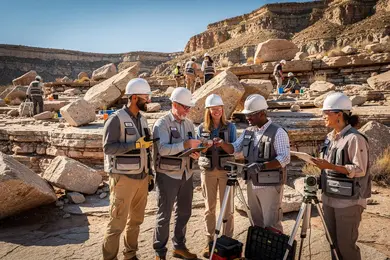
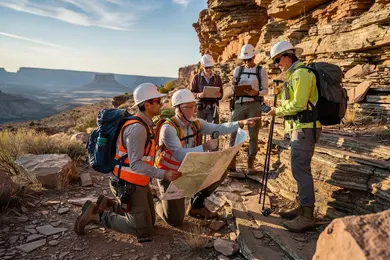
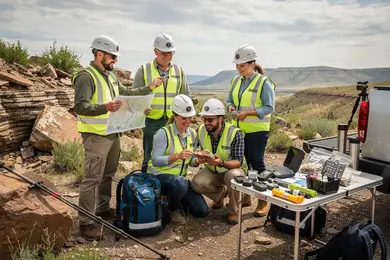
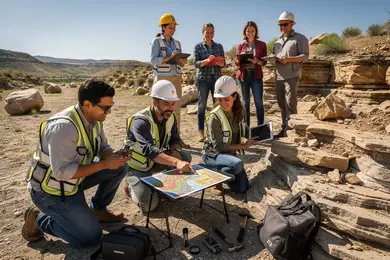
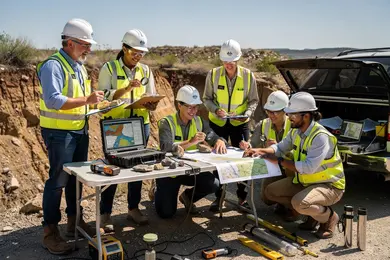
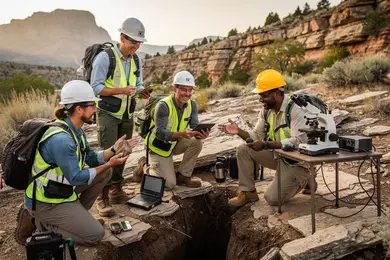
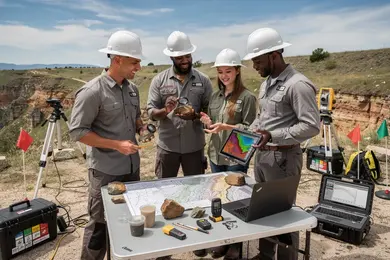
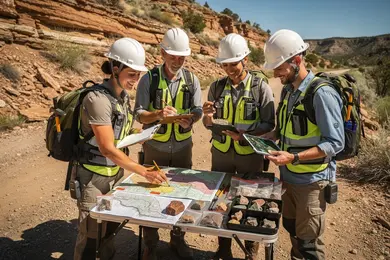
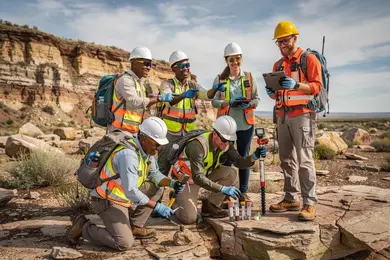
- Entry-level roles titled "Environmental Technician" and "Field Geologist" dominate hiring, reflecting employer preference for graduates with hands-on field and data collection skills; this narrows competition to applicants demonstrating practical experience.
- Energy and environmental consulting sectors account for over 60% of new geoscience hires in 2024, indicating that graduates focusing on these industries improve market alignment but face cyclical demand fluctuations tied to regulatory shifts.
- Graduates in regions with dense natural resource projects, such as the Mountain West, have 25% higher hiring rates, highlighting location as a critical access factor for timely employment versus broader geographic flexibility tradeoffs.
- Key Things to Know About Entry-Level Hiring for Geoscience Graduates Key Things to Know About Entry-Level Hiring for Geoscience Graduates
- What Is the Entry-Level Hiring Outlook for Geoscience Graduates? Entry-Level Hiring Outlook
- What Are the Best Entry-Level Jobs for Geoscience Graduates? Best Entry-Level Jobs
- Which Industries Hire the Most Entry-Level Geoscience Graduates? Top Hiring Industries
- Where Do Geoscience Graduates Have the Best Hiring Odds? Best Entry-Level Markets
- What Starting Salaries Can Entry-Level Geoscience Graduates Expect? Entry-Level Salaries
- Which Skills and Certifications Help Geoscience Graduates Get Hired? Top Skills and Certifications
- How Much Experience Do Entry-Level Geoscience Jobs Require? Entry-Level Experience Requirements
- What Do Employers Look for in New Geoscience Graduates? What Do Employers Look for in New Geoscience Graduates?
- How is AI Affecting Entry-Level Hiring for Geoscience Graduates? How is AI Affecting Entry-Level Hiring for Geoscience Graduates?
- How Can Geoscience Graduates Improve Their Job Search Results? Job Search Strategies
What Is the Entry-Level Hiring Outlook for Geoscience Graduates?
The entry-level hiring outlook for geoscience graduates in the United States reveals a workforce demand that is uneven and sector-dependent rather than broadly robust. While overall employment is projected to grow modestly by 6% over the next decade, this growth is concentrated in fields such as environmental consulting, renewable energy, and government resource management. Graduates targeting traditional oil and gas extraction roles often face intensified competition and fewer openings due to market contraction, whereas those focusing on environmental assessment or energy transition sectors tend to encounter stronger prospects, especially when geographically flexible.
Many employers prioritize candidates with practical experience in geographic information systems (GIS), remote sensing, and data analytics, underscoring a skills-driven hiring trend that can put recent graduates without internships at a disadvantage. Labor market data suggests that entry-level geoscience roles are heavily clustered in energy hubs like Texas, Colorado, and California, making location a critical factor for new graduates seeking to mitigate unemployment risks, which currently hover near 10%, slightly above broad STEM averages. This uneven landscape means that job seekers who ignore geographic and sector-specific realities may face longer search times or the need to consider cross-disciplinary positions requiring additional technical or applied expertise, unlike those who strategically focus on high-demand regions and industries linked to growth in sustainability and resource monitoring.
Consequently, new geoscience graduates should weigh the tradeoffs between targeting oversaturated traditional roles and investing in skill sets that align with emergent environmental and energy needs. Practical experience remains vital, as reinforced by the National Association of Colleges and Employers survey, which finds nearly 70% of hiring managers view relevant internship experience as essential. For those weighing continuing education options or accelerated alternative pathways, resources such as accelerated psychology programs online can offer flexible models of advanced training, though graduates must carefully evaluate program outcomes and alignment with their desired industry niche to optimize their employment prospects.
What Are the Best Entry-Level Jobs for Geoscience Graduates?
Strong entry-level opportunities for geoscience graduates hinge on roles that balance immediate accessibility with skill development aligned to employer demand and industry growth. Positions like environmental consultant stand out, driven by regulatory expansion and the need for expertise in field sampling and GIS technology, presenting a roughly 5% annual growth that signals not only steady hiring but pathways into technical specialties and project leadership. Conversely, roles such as geotechnical technician offer a more entry-friendly gateway by valuing certifications and practical testing skills over extensive experience, especially in infrastructure-heavy regions, while hydrogeologist positions, although more specialized, reward candidates with modeling software proficiency and internships, positioning graduates for licensure and long-term career depth. Field geologist jobs, while abundant, illustrate the tradeoff between volume and competitiveness, with employers often requiring a mix of research and hands-on experience that may limit access for those without relevant internships, highlighting the importance of strategic early-career choices.
A recent graduate's experience illustrates this complexity: faced with offers for both a field geologist role in a mineral exploration company and an environmental consulting position requiring strong GIS skills, the graduate weighed immediate alignment with personal specialization against broader market demand. Despite the appeal of fieldwork, the consultant job's steadier growth prospects and clearer advancement track ultimately shaped the decision. This case underscores the need for graduates to interpret job titles beyond surface appeal, considering industry stability, technical skill acquisition, and realistic employer expectations to avoid early stagnation or misaligned entry points that can hinder progression in this dynamic field.
Which Industries Hire the Most Entry-Level Geoscience Graduates?
Entry-level hiring for geoscience graduates is concentrated primarily in the energy and environmental consulting sectors, each presenting distinct recruitment patterns shaped by workforce dynamics and industry demands. The petroleum and natural gas industry continues to drive substantial entry-level hiring, propelled by ongoing resource development, retirements of experienced workers, and a push toward integrating digital analytics tools in field operations. However, these roles often come with expectations for prior internships or hands-on field experience, reflecting the technical and safety complexities inherent to energy extraction environments. Geographic hubs like Texas and Colorado amplify opportunities here, though competition can be intense due to the sector's high profile and lucrative roles.
Environmental services and consulting offer a comparatively accessible entry point for recent graduates, with a broader array of technician and monitoring positions that typically demand less experience upfront. This sector's growth is underpinned by expanding regulatory frameworks and public investment in sustainability projects, creating more entry-level openings across multiple states, including California. While these jobs may involve contract-based work and less long-term stability than government roles, they allow new graduates to build versatile skill sets relevant to contemporary environmental challenges. Government agencies provide more stable and structured career paths but usually feature fewer openings and lengthier hiring processes, often requiring specialized certifications or competitive exams. According to LinkedIn Workforce Insights in early 2024, 55% of entry-level geoscience postings are in private industry, underscoring the dominance of energy and consulting firms in shaping early career prospects.
Where Do Geoscience Graduates Have the Best Hiring Odds?
Entry-level hiring odds for geoscience graduates hinge largely on the density of relevant employers, the vitality of regional industries, and the availability of positions suited to newcomers rather than geographic location alone. Cities like Denver, Seattle, and Austin, with concentrated environmental agencies and earth science firms, offer stronger demand driven by clean energy projects and climate resilience efforts. However, targeting high-volume markets such as major energy hubs can backfire due to intense competition that often reduces actual hiring chances despite abundant job postings, highlighting the importance of evaluating both opportunity density and applicant competition.
Top regions for entry-level geoscience job opportunities tend to combine employer concentration with structured pathways like internships and statewide credential recognition, which vary significantly across the U.S. While renewable energy sectors, especially solar and wind, show workforce shortages that favor graduates with technical skills, many roles still require geographic proximity for fieldwork. Graduates must weigh higher living costs and competitiveness in dense markets against smaller organizations offering quicker hires but limited resources. Aligning job search strategies with industry growth and regional credentialing frameworks improves hiring odds, rather than broadly applying to all metropolitan areas.
Practical decision-making in this landscape might involve a graduate leveraging hybrid work options to access distant roles while maintaining ties to established local networks. Balancing these factors is crucial as the U.S. Bureau of Labor Statistics and LinkedIn Workforce Insights highlight that entry-level openings vary widely across sectors and states. Those exploring educational pathways should also consider cost-effective options tailored to emerging industry demands, such as programs comparable to the cheapest online cyber security degree, which demonstrate how affordability and specialization intersect in workforce readiness.
What Starting Salaries Can Entry-Level Geoscience Graduates Expect?
Starting salaries for entry-level geoscience graduates hinge on multiple factors beyond academic credentials. Industry sector, geographical location, specific roles, and individual experience substantially influence compensation packages. For instance, a graduate entering petroleum geology in Texas may receive a higher initial salary than one joining an environmental agency in a region with fewer resource-based employers. According to the U.S. Bureau of Labor Statistics May 2023 data, median entry-level wages typically fall between $55,000 and $75,000 but vary widely by context. Understanding these drivers helps new graduates gauge realistic offers. Key elements shaping pay expectations include:
- Industry Sector: Energy extraction roles, particularly in oil, gas, and mining, tend to offer higher starting salaries due to economic scale and technical demands. This often contrasts with environmental consulting or governmental roles where budgets and wage growth are more constrained.
- Geographic Location: States with concentrated energy industries like Texas, Colorado, and Alaska offer elevated starting pay to offset living expenses and attract talent. Conversely, regions lacking such industries typically report offers below $60,000.
- Technical Specialization: Graduates focusing on hydrogeology, geophysics, or other subspecialties with strong market demand can command better offers, especially when certifications accompany their degrees.
- Previous Experience and Internships: Hands-on experience during education enhances negotiating power. Candidates with relevant internships often secure higher base salaries and improved benefit packages.
- Employer Size and Type: Large private firms usually provide superior pay combined with structured advancement and comprehensive benefits, while smaller organizations might offer lower initial salaries but potentially greater job stability.
- Total Compensation Structures: Some offers include bonuses, signing incentives, or other perks that raise overall remuneration beyond base salary, impacting immediate financial benefits.
A recent graduate shared that after receiving a competitive offer from an environmental consultancy in a lower-cost state, they hesitated because the salary was modest compared to a slightly higher bid from a smaller energy firm in a more expensive city. With limited internship experience, the candidate valued the clearer growth trajectory and benefits at the smaller firm despite the challenging living costs, illustrating the nuanced tradeoffs new graduates face when balancing salary expectations with longer-term career considerations.
Which Skills and Certifications Help Geoscience Graduates Get Hired?
Employers hiring entry-level geoscience graduates increasingly prioritize applied skills, digital fluency, and verifiable job readiness alongside traditional academic credentials. This shift reflects broader workforce trends emphasizing candidates' ability to handle technical tools, analyze data, and communicate insights effectively. For instance, a recent graduate specializing in environmental assessment who can demonstrate proficiency with ArcGIS and Python scripting-as evidenced in internship projects-will typically outpace peers who rely solely on degree completion. Certifications serve as valuable supplements but rarely replace hands-on experience or the ability to present practical outcomes. Tailoring skill development to the specific demands of roles and industries improves hiring odds more than general credential accumulation. The following key skills and certifications are most relevant for improving entry-level hiring prospects among geoscience graduates.
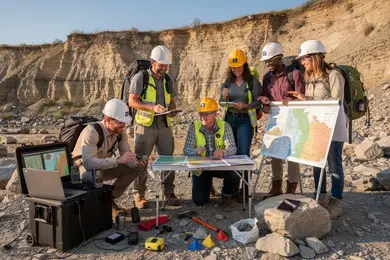
- Technical GIS Proficiency: Employers in environmental and resource sectors expect candidates to manipulate spatial data using GIS software like ArcGIS, crucial for roles in resource exploration, hazard modeling, and environmental compliance. Demonstrated competence through portfolio projects or internships often outweighs formal certification.
- Data Analysis and Automation: Ability to use MATLAB, Python, or similar tools to automate workflows and analyze large datasets enhances appeal, especially for candidates targeting energy, mining, or research roles that require efficient quantitative problem-solving.
- Professional Certifications: Credentials such as the Certified Professional Geologist (CPG) or state-level engineering licenses bolster applications for positions involving regulatory compliance or projects requiring technical sign-off, though these are often preferred rather than mandatory at entry level.
- Applied Communication Skills: Clear presentation of complex findings to both technical and non-technical stakeholders is critical. Candidates benefit from demonstrable experience in writing reports or delivering presentations during internships or capstone projects.
- Specialized Microcredentials: Targeted certifications in hydrogeology, environmental compliance, or emerging AI modeling tools can differentiate candidates in competitive subfields but should be weighed against the time and expense relative to hands-on experience.
- Transferable Project Management: Skills in organizing, teamwork, and familiarity with industry-standard tools for collaboration signal adaptability and reliability, particularly valued in multidisciplinary projects and evolving industry environments.
Geoscience graduate certification requirements for entry-level jobs vary, so strategic selection aligned with one's desired career path is essential. For those considering flexible educational paths, programs like the accelerated business degree online can offer complementary skills useful in project and resource management contexts.
How Much Experience Do Entry-Level Geoscience Jobs Require?
The experience expected for entry-level geoscience positions varies widely and often reflects employer strategy rather than firm prerequisites. Approximately 40% of these roles require no full-time prior work experience, emphasizing academic credentials and technical capabilities instead. Meanwhile, about 45% expect candidates to have one to two years of relevant experience, which can include internships, practicum projects, or part-time roles with direct alignment to the position. These requirements frequently serve as initial filters, especially in larger firms managing high application volumes, rather than strict barriers excluding recent graduates without formal employment.
Expectations differ notably by specialization and industry context. For instance, environmental consulting or fieldwork positions tend to value internships or volunteer activities that demonstrate familiarity with field data collection and regulatory environments. Conversely, highly technical roles such as subsurface analysis or geospatial data modeling often prioritize candidates with software portfolios or certifications indicating proficiency with specialized tools. In practice, transferable skills documented through academic projects or research experiences can offset the absence of formal work history, a consideration that many employers acknowledge, especially in regions with strong internship pipelines and university-industry collaboration.
Prospective geoscience graduates should critically assess job postings to distinguish between required and preferred experience. Positions listing one to three years of experience might still be accessible to applicants with robust applied coursework, independent projects, or relevant volunteer service. Recognizing these nuances helps avoid self-disqualification and better targets applications. Ultimately, competitiveness often hinges less on rigid experience thresholds and more on demonstrated analytical skills and practical problem-solving abilities contextualized for the employer's specific operational demands.
What Do Employers Look for in New Geoscience Graduates?
Employers evaluating entry-level candidates in Geoscience increasingly focus on demonstrated job readiness rather than relying solely on academic credentials. Recruiters assess applied skills, relevant experience, communication ability, technical proficiency, adaptability, and industry-specific awareness to differentiate among graduates in competitive applicant pools. For example, an environmental consulting firm hiring for an analyst role may prioritize a candidate's internship portfolio, proficiency with GIS tools, and teamwork demonstrated through cross-disciplinary projects over the prestige of the candidate's degree. Such pragmatic hiring judgments reflect a market where practical application and problem-solving trump theoretical knowledge alone. Below are key qualities employers frequently value in new Geoscience graduates.
- Technical Proficiency: Employers expect fluency with industry-standard digital tools like GIS software, data analytics platforms, and remote sensing technologies, as these skills are foundational. Candidates often verify proficiency through coursework, certifications, or real-world project involvement.
- Relevant Experience: Internship and cooperative education participation increases interview likelihood by about 40%, signaling practical exposure and workplace adaptability. Documented involvement in fieldwork or data interpretation projects strengthens candidacy.
- Communication Skills: Clear, concise communication and teamwork capabilities are vital, especially for roles requiring cross-disciplinary collaboration or remote coordination. Demonstrated ability in group projects or presentations often influences hiring decisions.
- Problem Solving and Critical Thinking: With AI integration reshaping data processing, employers prize critical thinking to interpret complex information and adapt swiftly. Evidence may come from case studies, research projects, or problem-focused coursework.
- Industry Awareness: Understanding sector-specific dynamics-such as the differing hiring emphases between energy firms and environmental consultancies-helps candidates tailor applications and highlight relevant competencies.
- Certifications as Supplementary Assets: While credentials from organizations like the American Geosciences Institute enhance employability, they are typically supplementary; demonstrable skills and experience remain primary filters.
How is AI Affecting Entry-Level Hiring for Geoscience Graduates?
AI-driven recruitment trends for entry-level geoscience jobs are reshaping how employers evaluate candidates, shifting focus from traditional technical knowledge to integrated skills that combine geoscience expertise with data analysis and programming. Routine field data processing is increasingly automated, reducing demand for purely manual roles, while hybrid positions requiring proficiency in Python and geospatial AI platforms are expanding. Graduates who fail to demonstrate digital competencies risk being filtered out early by automated resume screening, making clear evidence of AI-relevant skills crucial for advancing to interviews.
These shifts affect hiring dynamics differently across industries. For example, environmental consulting firms emphasize AI-based environmental risk assessment and automated reporting, while energy sector employers still value fieldwork but expect new hires to leverage data modeling tools alongside it. This creates a tradeoff for applicants deciding between specialized AI-augmented roles and more traditional positions, underscoring the importance of tailoring applications and portfolios to target job titles that balance geoscience fundamentals with emerging technological demands. Awareness of such nuances is essential for navigating labor markets with varied employer expectations.
Internship opportunities now reflect these trends, favoring candidates with practical experience on AI-enhanced software tools, which can significantly impact employability in early career stages. For students seeking cost-efficient routes to acquire these necessary skills, exploring the cheapest online colleges with strong STEM offerings may be strategically advantageous. Overall, the impact of artificial intelligence on hiring new geoscience graduates highlights a growing divide: those combining computational methods with core field knowledge remain competitive, while others face narrowing opportunities without targeted skill development.
How Can Geoscience Graduates Improve Their Job Search Results?
Job seekers in geoscience consistently find that targeted applications outperform broad, high-volume submissions. Choosing entry-level job titles like "environmental technician" or "hydrogeologist" aligned with employer language increases the chance of bypassing automated resume filters, a crucial step missed by many graduates relying on generic keywords. For example, a candidate focusing on "geotechnical analyst" roles in states with active mining or environmental consulting sees stronger employer interest and less competition compared to those casting a wide national net. This precision demands research and strategic tradeoffs, as time spent customizing for fewer roles can yield more interviews than dozens of ill-fitting applications.
Employers prioritize demonstrated competencies and relevant experience, so tailoring resumes to highlight technical skills such as GIS, remote sensing, or environmental modeling is essential for improving hiring chances for geoscience graduates. Internship projects and certifications closely matching job descriptions provide tangible proof of job readiness valued by recruiters. Networking remains important, with roughly 35% of entry-level hires resulting from referrals, but timing your submissions to correspond with peak recruiting seasons-late fall and early spring-also boosts visibility. For students balancing education and job search, considering online colleges with weekly start dates can offer flexible enrollment options that better align with evolving job market demands.
References
- Is AI responsible for the rise in entry-level unemployment? | Revelio Labs https://www.reveliolabs.com/news/macro/is-ai-responsible-for-the-rise-in-entry-level-unemployment/
- Geoscience Jobs in Industry https://www.grow-geocareers.com/exploreindustries
- Post Graduation Resources https://www.coloradocollege.edu/academics/dept/geology/resources/postgrad-resources.html
- AI's Impact on Graduate Jobs: A 2025 Data Analysis | IntuitionLabs https://intuitionlabs.ai/articles/ai-impact-graduate-jobs-2025
- Entry Level Geologist Jobs (with Salaries) - SEEK https://au.seek.com/entry-level-geologist-jobs
- Geoscience Jobs https://jobs.americangeosciences.org/
- How AI is changing the nature of entry level work https://www.weforum.org/stories/artificial-intelligence/how-ai-is-changing-the-nature-of-entry-level-work/
- GEOXPERT HUB | Exploration Geology Job Vacancies and Internships https://www.geoxperthub.com/employment/job-vacancies/exploration-geology.php
- How do recent geoscience graduates experience the job market? - GeoExpro https://geoexpro.com/how-do-recent-geoscience-graduates-experience-the-job-market/
Other Things You Should Know About Geoscience
Geographic flexibility significantly affects hiring prospects because many entry-level roles are tied to locations with active natural resource industries or government projects. Graduates unwilling or unable to relocate to remote or less populous areas often face limited local opportunities, which can delay employment or force acceptance of less desirable positions. Prioritizing programs that offer internships or fieldwork in diverse regions can enhance adaptability and broaden job prospects early in a career.
Field experience remains a cornerstone in entry-level hiring decisions within geoscience because it demonstrates applied skills and problem-solving abilities under real conditions. While certifications can supplement a resume, they rarely substitute for hands-on exposure. Graduates should aim first to secure meaningful fieldwork or internship experience during their academic programs before investing heavily in technical certifications that may have marginal immediate hiring impact.
Graduates from research-intensive programs often benefit from exposure to cutting-edge methods and strong networks, which can open doors to specialized roles or government research jobs. Conversely, teaching-focused programs may prioritize broader foundational knowledge and classroom theory, which might not align as well with the technical demands of entry-level industry positions. Prospective students should weigh their career goals carefully, as program emphasis directly influences the practical readiness and employer perceptions of new hires.
Programs with high levels of academic rigor tend to attract employers who value intense analytical thinking and self-discipline, which can improve hiring odds if graduates demonstrate sustained performance. However, excessive workload without relevant practical experience may hinder graduates' ability to build necessary field skills or complete internships. A balanced approach-choosing programs that integrate challenging coursework with applied learning-generally yields stronger employment outcomes than purely theory-heavy curricula.