2027 Cheapest and Shortest Online Art History Degree Programs That Pay Well: Cost, Duration, and Salary Outlook

Co-Founder and Chief Data Scientist
Choosing an online art history degree can feel overwhelming when balancing costs, time commitments, and job prospects. Many students worry about accumulating debt or spending years studying only to face limited job opportunities. Yet, the online education sector has grown by over 30% recently, offering more accessible, affordable pathways suited to busy learners seeking quick degree completion.
This article, prepared by career planning experts, explores the cheapest and shortest online art history degree programs that also lead to strong salary outcomes. It highlights options that combine affordability, accelerated schedules, and career-focused curricula, helping students and career changers invest wisely in their education and future earning potential.
Key Benefits of the Cheapest and Shortest Online Art History Degree Programs That Pay Well
- Cheapest online art history programs reduce average tuition expenses by up to 40% compared to traditional degrees, making higher education more accessible for budget-conscious students.
- Accelerated online degrees can be completed in as little as 12 to 18 months, allowing faster workforce entry and reducing opportunity costs associated with extended study.
- Graduates in art history-related roles earn median salaries around $55,000, reflecting competitive returns on investment given the low tuition and short program duration.
How Much Does an Affordable Online Art History Degree Typically Cost?
Affordability remains a top concern for students pursuing an online art history degree, especially those balancing work and family commitments. Compared to traditional on-campus programs, online tuition rates tend to be lower, with public four-year institutions charging about 15% less for online classes, making cost a key factor for many learners.
Below is a breakdown of typical costs to consider when exploring affordable online art history degree tuition.
- Tuition costs: The total tuition for an online bachelor's degree in art history generally falls between $15,000 and $30,000. This range reflects comprehensive tuition expenses and aligns with estimates based on required credit hours, usually around 120 for completion.
- Cost per credit hour: Average per-credit fees typically run from $300 to $500, which plays a critical role in budgeting. These figures are consistent with national data showing an average in-state tuition of roughly $400 per credit hour for online undergraduate programs.
- Online versus on-campus rates: Online art history programs often cost less primarily due to lower facility and administrative fees. However, students should still anticipate additional expenses like technology fees and required learning materials that add to the total cost.
- Additional expenses: Beyond tuition, fees for digital resources, textbooks, and platform subscriptions may increase yearly costs by several hundred dollars. Factoring these into overall budget plans is important for cost-conscious students.
- Accelerated programs: Considering the cost of accelerated online art history programs can benefit students seeking faster completion. Such accelerated options can reduce tuition and fees by shortening the time spent enrolled, but students must ensure these programs maintain strong academic standards.
For students interested in related fields, exploring programs like the SLP online masters program can offer insights into cost-effective online graduate education.
Can You Get Financial Aid in the Cheapest Online Art History Programs?
Financial aid plays a crucial role for cost-conscious students pursuing some of the cheapest online art history degree programs. Nearly 85% of undergraduate online students benefit from financial aid, making it a key factor in accessing affordable education. Exploring financial aid options for accelerated art history programs can help reduce overall expenses and minimize student debt.
- Federal Grants: Programs like the Pell Grant provide funds based on financial need and do not require repayment. These grants are widely available for eligible students enrolled in accredited online art history programs.
- Scholarships: Many scholarships target art history or humanities students, offering an essential way to offset tuition costs. While competitive, they can significantly lower the financial burden for qualified applicants.
- Federal Student Loans: Low-interest federal loans offer a borrowing option for those needing additional aid, but students should borrow cautiously to avoid excessive debt accumulation.
- Employer Tuition Assistance: Working adults may access partial or full support through employer programs if their studies align with career goals. Eligibility typically requires enrollment in an accredited program and maintaining satisfactory academic progress.
Some students reduce costs by combining these funding sources, helping to bring the average cost-per-credit within the $300 to $500 range. For those comparing options, resources for the cheapest online counseling degree programs may offer useful financial aid insights relevant to online humanities fields.
What Are the Shortest Online Art History Degree Programs?
Accelerated online art history degrees attract students looking to complete their education quickly while balancing work or other commitments. Nearly 40% of online bachelor's degree students choose fast-track programs, demonstrating strong demand for efficient learning options in fields including art history. These programs often range from 12 to 24 months, significantly shorter than traditional four-year degrees.
- Degree Completion Tracks: Designed for students with prior college credits or associate degrees, these accelerated programs enable learners to fast-track their bachelor's degree by transferring credits and focusing on upper-level coursework, often reducing completion time to about 12 to 18 months.
- Direct-Entry Bachelor's Programs: Some online options allow new students to enroll in accelerated schedules, completing the degree in approximately 18 to 24 months by attending year-round quarters without summer breaks, which suits working adults and career changers.
- Modular Course Formats: Many fastest online art history degree programs use shorter, modular classes lasting just 5 to 8 weeks. This flexible pacing helps students complete courses one at a time or in overlapping sessions, speeding up program completion.
- Cost and Career Outlook: Accelerated affordable art history degrees online often reduce tuition expenses by shortening the payment period, with average costs between $300 and $600 per credit. Graduates typically qualify for museum, education, and cultural roles with median salaries around $55,000 to $65,000 annually.
For students prioritizing cost-efficiency alongside swift study options, exploring affordable online MFT programs can offer additional insights on budget-friendly online education pathways.
Accelerated online art history degree programs compress traditional semester lengths to help students finish faster while maintaining academic rigor. About 62% of online undergraduates take courses in shorter, modular formats, reflecting a shift toward flexible, intensive study options in art history and related fields.
- Term Length: These programs usually feature 6 to 8-week courses instead of the usual 16-week semesters, allowing learners to concentrate on fewer subjects at once and complete the degree more quickly.
- Course Delivery: Instruction blends asynchronous lessons-such as pre-recorded lectures and reading assignments-with optional live sessions, offering flexibility alongside occasional real-time interaction.
- Weekly Workload: Students typically devote 15 to 20 hours per course each week, enabling effective time management for those balancing studies with work or personal commitments.
- Interaction: Engagement happens through digital platforms like discussion boards, video chats, and group projects, fostering connection and feedback despite the remote environment.
Accelerated online art history degrees utilize flexible and efficient course designs to help students finish their studies faster, often within 12 to 24 months. Enrollment in online degree programs, including art history, has grown by more than 50% over the past ten years, reflecting strong demand for accessible education options.
- Asynchronous and synchronous learning: Most courses blend self-paced, asynchronous content with occasional live sessions. This model allows students to study on their own time while still benefiting from real-time discussions with instructors and classmates.
- Intensive weekly pacing: Terms usually run between 5 and 8 weeks, shorter than traditional semesters, requiring steady engagement. Assignments and exams are distributed throughout the term to maintain consistent progress rather than sporadic effort.
- Frequent assessments: Regular quizzes, papers, and projects keep students on track and help manage workload. This frequent evaluation is key to sustaining momentum and meeting accelerated completion goals.
- Interactive communication: Discussion boards, group projects, and virtual office hours foster connection among students and faculty. These tools support collaboration and ensure timely academic support despite the online format.
- Time efficiency: The combination of flexible scheduling, continuous feedback, and intensive pacing makes completing an art history degree online faster without sacrificing access to faculty or peer engagement.
Accelerated online art history programs equip students with practical skills tailored for competitive roles in museums, education, and cultural organizations. According to recent reports, 75% of entry-level art positions prefer candidates who combine solid academic knowledge with hands-on project and time management capabilities.
- Critical Thinking: Students develop the ability to interpret artistic styles and contexts, analyzing cultural and historical significance with precision to deepen understanding beyond surface-level observations.
- Technical Proficiency: Training includes familiarity with digital archives, museum software, and presentation tools, essential for navigating modern curatorial and educational environments.
- Communication Skills: Writing-intensive coursework and oral presentations refine students' capacity to articulate complex art historical narratives clearly and engagingly for diverse audiences.
- Problem-Solving: Coursework emphasizes evaluating conflicting interpretations and synthesizing varied sources, preparing students to address real-world challenges in research and exhibition planning.
- Time Management and Professionalism: The compressed format demands balancing rigorous study with personal obligations, fostering discipline, efficiency, and a proactive approach valued by employers.
Students often question the credibility of cheap and fast online art history degree programs because lower costs and shorter durations can imply reduced quality. Yet, these concerns can be addressed by examining several important criteria that contribute to a program's legitimacy. Key factors include the following:
- Accreditation: This is the most reliable indicator of legitimacy. Accredited programs comply with standards from recognized agencies, ensuring proper instruction and academic rigor.
- Faculty credentials: Qualified instructors typically hold advanced degrees in art history or closely related fields, reflecting expertise and strong academic backgrounds.
- Curriculum quality: Legitimate programs offer comprehensive coverage of art periods, cultural contexts, and research methodologies comparable to traditional on-campus degrees.
- Licensing eligibility: Though less critical for art history, some programs provide pathways to certifications relevant for museum or academic careers.
- Industry recognition: Acceptance by museums, galleries, or academic institutions can enhance employment prospects and validate program credibility.
Graduates with an online art history degree have access to diverse career opportunities that often come with competitive salaries. The cultural sector, including museums, galleries, and academia, rewards specialized knowledge and skills in art history, especially when combined with other expertise. For those exploring the highest-paying jobs for online Art History graduates, several roles stand out for their earning potential and professional demands.
- Museum Curator: Curators oversee museum collections, manage exhibitions, and conduct research on art provenance. Their median annual wage is around $61,000, with experienced curators earning up to $98,000. Deep expertise in art history and strong organizational skills contribute to higher salaries.
- Art Director: Often employed in advertising, publishing, or media, art directors coordinate visual styles and imagery across projects. Median salaries exceed $100,000, particularly when art history knowledge is paired with graphic or digital design skills, enhancing their value and income potential.
- Conservator: Specializing in the preservation and restoration of artworks, conservators earn median wages near $54,000. Those working in private institutions or as consultants may command higher pay. This role typically requires advanced training and certifications beyond a bachelor's degree.
- Academic Roles: Professors or researchers in art history earn median salaries around $80,000, with opportunities to increase income through tenure, publications, and continued education. Graduates who pursue graduate programs enhance their prospects for these rewarding careers.
The field offers strong career paths with growing prospects, especially for those who seek affordable pathways to these top careers with online Art History degrees. For students aiming to balance cost with potential earnings, exploring the cheapest EdD programs can provide valuable insights into affordable online education options.
The job placement rate for online art history graduates generally aligns with that of traditional on-campus programs when considering reputable schools with comprehensive career support. Employment outcomes for art history degree holders typically range between 70% and 85% within six months to one year after graduation, demonstrating steady career advancement in this field.
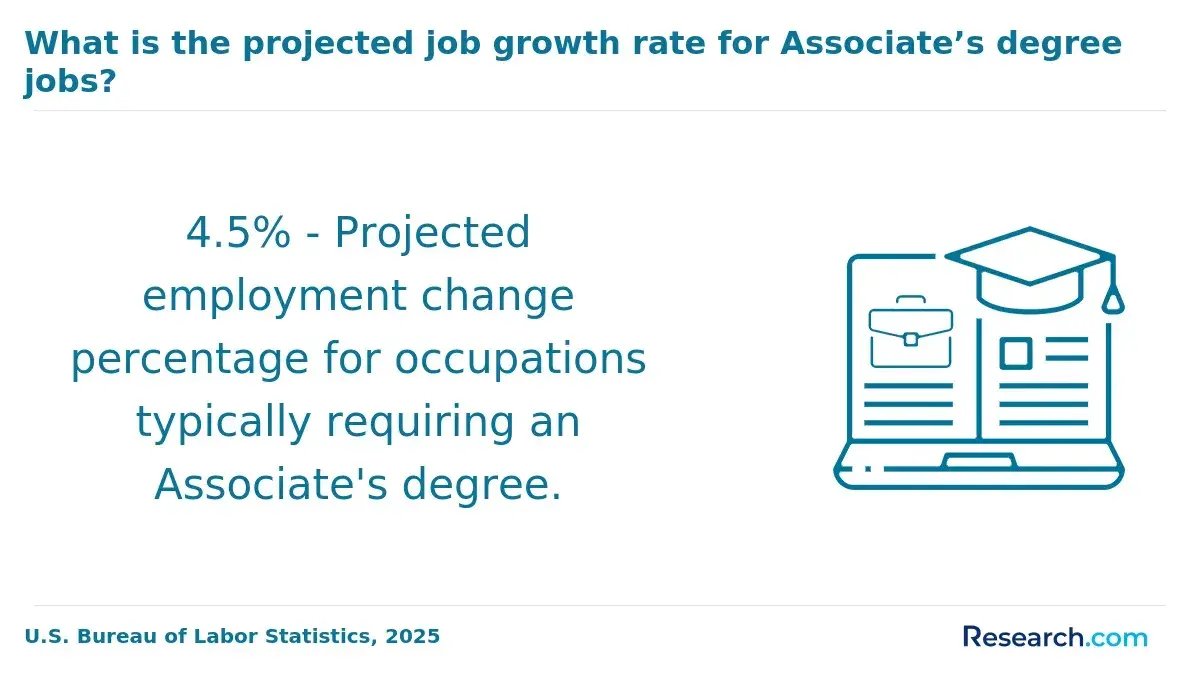
- Industry demand: Employment opportunities in museums, galleries, cultural institutions, and academic settings are expected to grow moderately, with the U.S. Bureau of Labor Statistics projecting a 5% growth for art-related occupations through 2031. This steady demand supports positive job placement rates for graduates.
- Program reputation: Graduates from accredited online art history programs with strong faculty and alumni networks often benefit from enhanced access to job opportunities. A program's reputation significantly impacts employment outcomes for art history degree holders.
- Internships and practicums: Hands-on experiences such as internships and practicums provide students with practical skills and professional connections. Such opportunities are critical for securing competitive roles in the art history sector.
- Alumni networks: Institutions maintaining active alumni connections offer mentoring and job leads, facilitating smoother transitions into the workforce for their graduates.
Median salaries for art history-related positions start around $45,000 annually and can exceed $70,000 with advanced roles or further education. Cost-conscious students seeking accelerated degree paths can find affordable online programs, with tuition ranging from $300 to $500 per credit and typical completion times between 18 and 24 months. Such programs balance cost-efficiency with strong earning potential to optimize return on investment.
For those exploring options, reviewing the best degrees to get online can help identify programs that combine affordability, speed, and career outcomes effectively.
Finding an affordable online art history degree that balances cost with quality is essential for career-focused students and adult learners. Low tuition is appealing, but ensuring the program meets academic standards and supports student success is equally important.
Consider these critical factors when choosing a program:
- Accreditation: Verify regional accreditation from recognized agencies like the Higher Learning Commission or Middle States Commission on Higher Education. Accredited degrees are widely accepted by employers and graduate programs, ensuring your education holds value.
- Curriculum Quality: Look for programs offering a diverse range of art history subjects, including periods, artistic styles, and cultural influences. Programs should also feature research opportunities, internships, or capstone projects to enhance practical understanding and job readiness.
- Program Length: Typical bachelor's programs range from 18 months to four years, with accelerated options often available for those juggling work and study. Understanding the timeline helps manage expectations and plan finances accordingly.
- Student Support: Assess the availability of academic advising, career counseling, and technical help. Strong student services can improve persistence and completion rates, particularly in an online learning environment.
- Career Outcomes: Investigate graduation rates, employment statistics, and median salaries for graduates. Art history majors often enter fields like museums, education, and cultural management, with median earnings near $55,000 and potential growth over time.
What Graduates Say About Their Cheapest and Shortest Online Art History Degree
- Kian: "I was really drawn to an affordable and fast online art history degree because I wanted to dive into my passion without breaking the bank or spending years in school. The program cost around $15,000, which was a relief compared to traditional universities. Now, working in a museum, I constantly apply the knowledge I gained, and it's opened doors for me professionally. "
- Lennon: "After some research, I chose a quick and budget-friendly online art history program that fit my busy schedule and financial limits. Spending less than $12,000 in total made it accessible, and the accelerated pace meant I finished faster than I expected. This degree has enhanced my credibility as an art consultant and expanded my network. "
- Abner: "Opting for a shorter and affordable online art history degree was a strategic move to boost my credentials without excessive tuition costs, averaging around $13,500. The streamlined curriculum allowed me to gain relevant insights efficiently, which has been invaluable in advancing my career as a gallery curator. Reflecting on it, this choice balanced cost and time while enriching my expertise. "
Other Things You Should Know About Art History Degrees
Yes, students should ensure the program is accredited by a recognized body, like the National Association of Schools of Art and Design (NASAD) in the U.S., in 2027. Accreditation ensures quality and can affect transfer credits and job prospects.
Yes. Many online art history bachelor’s programs require a capstone in the final term, often worth 3 to 6 credits. Students usually complete a research paper, museum analysis, or digital exhibition project under faculty supervision before graduation.
- Arts and Design Alumni Employment and Perspectives on Their Work and⦠https://snaaparts.org/findings/reports/arts-and-design-alumni-employment-and-perspectives-on-their-work-and-careers
- Affordable Online Master's In Art & Art History | Grad School Hub https://www.gradschoolhub.com/affordable/online/masters/art-and-art-history/
- Introduction to Modern Art History Online Short Course | UAL https://www.arts.ac.uk/subjects/fine-art/short-courses/art-history/introduction-to-modern-art-history-online-short-course-csm
- Art History Degree Can Help Art Lovers Advance Their Careers https://www.apu.edu/articles/a-modern-art-history-degree-can-help-art-lovers-advance-their-careers/
- Best Master’s Degrees in Art History Online - 2025 https://www.onlinemastersdegrees.org/best-programs/history/art-history/
- 10 Art History Classes You Can Take Online (for Free) | Artsy https://www.artsy.net/article/artsy-editorial-10-art-history-classes-online-free
- Art History Majors Face Highest Unemployment Rates, Report Shows https://hyperallergic.com/art-history-majors-face-highest-unemployment-rates-report-shows/
- What to do with an Art History degree https://www.sussex.ac.uk/study/careers/graduate-jobs/what-to-do-with-your-degree/what-to-do-with-an-art-history-degree
- Art History grads face highest rates of unemployment in the US https://www.theartnewspaper.com/2024/07/11/art-history-grads-face-highest-rates-of-unemployment-in-the-us