2027 Fully Online vs Hybrid Industrial Engineering Degree Master's Programs: Which Is Better?

Co-Founder and Chief Data Scientist
Professionals seeking a master's degree in industrial engineering often face the dilemma of choosing between fully online and hybrid programs. For working engineers balancing projects and family, attending on-campus sessions can be challenging, yet some find online formats isolating and less practical for hands-on skills. Recent data shows that 68% of students in online graduate engineering programs report improved time management but express concerns about networking opportunities.
This article explores the unique benefits and limitations of each format, guiding prospective students to select the option that best aligns with their learning style, professional needs, and long-term career objectives.
Key Things to Know About Fully Online vs Hybrid Industrial Engineering Degree Master's Programs
- Fully online programs offer maximum learning flexibility, allowing students to access lectures and materials anytime, ideal for those balancing full-time work with study commitments.
- Hybrid programs require periodic in-person attendance, fostering stronger peer interaction and hands-on experiences while maintaining some schedule adaptability.
- Online formats support professionals in remote or unpredictable work environments, whereas hybrid programs better suit those seeking occasional campus networking opportunities and structured engagement.
How Do Hybrid and Online Industrial Engineering Master's Programs Differ?
Fully online and hybrid industrial engineering master's programs differ primarily in how instruction, participation, and learning experiences are structured. Recent data shows that about 30% of graduate engineering programs offer hybrid formats, reflecting increased interest in blending flexible options with traditional study. These differences influence how students engage with their curriculum and manage their schedules.
Five key distinctions highlight the contrast between these program types:
- Learning Format: Fully online programs provide all coursework and interactions through digital platforms, enabling students to participate asynchronously or synchronously from any location. Hybrid programs mix online study with scheduled in-person sessions, offering a blend of remote and face-to-face instruction.
- Residency Requirements: Online degrees usually require no campus visits, maximizing geographic flexibility. In contrast, hybrid programs ask students to attend campus occasionally, which promotes direct engagement but limits location freedom.
- Scheduling Structure: Online programs tend to offer more flexible scheduling, allowing access to lectures and materials at convenient times. Hybrid options follow fixed calendars with designated onsite components, requiring stricter time management.
- Participation Methods: Students in fully online programs engage via discussion boards, video calls, and virtual labs, depending on digital communication tools. Hybrid students gain in-person collaboration opportunities, enhancing networking and practical experiences.
- Campus Engagement: Fully online students often have minimal physical campus involvement, which may affect social interaction and access to resources. Hybrid formats encourage some campus presence, providing richer access to facilities and peer engagement that support learning.
Those considering comparative flexibility and cost of hybrid versus online industrial engineering master's degrees should carefully assess these factors to match their learning preferences and career objectives. For more insight into valuable educational paths, view quick degrees that pay well.
Which Industrial Engineering Master's Program Format Is More Flexible?
Flexibility is a major consideration for students choosing between fully online and hybrid industrial engineering master's programs. Approximately 35% of graduate students in the U.S. are enrolled in at least one online course, highlighting the increasing demand for adaptable learning formats. Several key factors determine how flexible these programs are in meeting diverse student needs:
- Class Schedule: Fully online programs usually provide asynchronous classes, allowing students to study at any time that suits their commitments. In contrast, hybrid industrial engineering master's degree schedule advantages often include fixed times for on-campus sessions, which can be less flexible for those balancing work and family.
- Location Requirements: Students in fully online programs can participate from anywhere, eliminating geographical constraints. Hybrid students, however, must attend campus periodically, limiting location flexibility.
- Course Pacing: Many fully online programs offer self-paced components, enabling students to progress according to their personal schedules. Hybrid programs typically follow a predetermined pace, which might not suit all learning styles.
- Attendance Expectations: Hybrid formats generally require attendance at some in-person activities, reducing flexibility for working professionals compared to fully online formats that often have no mandatory on-site presence.
- Travel Commitments: Hybrid students need to plan for commuting or occasional overnight stays, whereas fully online students avoid these travel demands, making their programs more adaptable to complex lifestyles.
Each of these factors plays a critical role in how students manage their work, family, and graduate studies. For those seeking greater adaptability, fully online industrial engineering master's programs usually provide more flexibility. For additional insights into graduate programs options, consider exploring the easiest masters degrees available.
Which Industrial Engineering Master's Program Format Is Cheaper?
Cost plays a significant role for students deciding between fully online and hybrid industrial engineering master's programs. On average, tuition for online graduate programs tends to be 15-30% lower than for hybrid or on-campus options. Several key financial factors can affect which format is ultimately more affordable. These include:
- Tuition Structure: Online programs often offer reduced per-credit rates or flat tuition fees, whereas hybrid programs may charge higher campus-based rates or separate fees depending on course delivery.
- Campus-Related Fees: Hybrid students typically incur additional charges for campus access, facilities, or student activities that fully online learners generally avoid.
- Commuting and Travel Expenses: Regular trips to campus raise costs for transportation, parking, and occasionally lodging, impacting hybrid students more than those studying remotely.
- Housing Considerations: Hybrid learners sometimes need to secure temporary housing near campus, increasing living expenses, while online students can remain at home and save on these costs.
- Technology and Learning Platforms: Fully online students must invest in reliable internet connections and necessary devices, but these expenses usually remain lower than travel and housing outlays linked to hybrid study formats.
When asked about his thoughts on affordability, a graduate student enrolled in an online industrial engineering master's program shared that managing costs was a major factor in his choice. He mentioned, "Balancing work and coursework remotely helped me save on commuting and housing, which made the program financially viable." Although adapting to fully online learning presented challenges like staying disciplined and connected with peers, he valued the flexibility that lowered his overall expenses. "It wasn't just cheaper tuition," he explained, "but the ability to avoid extra fees and travel costs that made a difference in my budgeting."
Financial aid availability plays a significant role for students comparing fully online vs hybrid industrial engineering master's degree financial aid options. Approximately 40% of institutions provide comparable scholarship opportunities for online students as their hybrid or on-campus peers. Below are key aspects of how financial aid eligibility differs or aligns between these two formats.
- Eligibility Criteria: Federal financial aid usually requires enrollment at least half-time at an accredited school and applies similarly to online and hybrid students. However, some state aid programs have stricter requirements favoring in-person attendance, which can limit options for fully online learners.
- Types of Aid: Federal loans, grants, and work-study opportunities are broadly available to both groups, though online students might face challenges participating in work-study due to remote logistics.
- Institutional Scholarships: Scholarship availability varies; many schools offer fewer or less competitive awards for fully online students compared to those in hybrid programs, affecting financial planning.
- Federal/State Funding: Some state grants require physical presence within the state, typically benefiting hybrid program participants and restricting aid for students pursuing fully online paths.
- Employer Tuition Assistance: This support depends heavily on employer policies. While often independent of delivery mode, hybrid programs may sometimes be preferred by employers who value the balance of work and study.
Students seeking cost-effective options related to their hybrid or online industrial engineering master's degree should also consider exploring the cheapest online business degree resources available for additional financial planning insights.
Admissions standards play a significant role when comparing hybrid and fully online industrial engineering master's programs. While many requirements overlap, differences can arise depending on the format. Below are five important admissions factors to evaluate when choosing between these options.
- Academic Prerequisites: Both hybrid and online programs generally require a bachelor's degree in industrial engineering or a related field. Hybrid programs may expect stronger academic records or particular courses due to their in-person components and potentially more demanding curricula.
- Professional Experience: Relevant work experience is often preferred or required across both formats. Hybrid programs might place greater emphasis on applicants actively engaged in the industry, since in-person participation can enhance practical learning.
- Letters of Recommendation: These are typically requested by both program types to attest to academic and professional abilities. The quality and quantity usually do not differ between hybrid and online formats.
- Standardized Tests: GRE or similar test requirements vary widely among schools. Hybrid programs are more likely to insist on these exams, while many online programs waive them to promote accessibility.
- Application Deadlines: Deadlines for both program types tend to be comparable. However, hybrid programs occasionally have earlier or more rigid deadlines to coordinate on-campus scheduling.
When I spoke with a professional planning to enroll in a hybrid industrial engineering master's program, she described navigating the application process as both challenging and eye-opening. She remarked, "Submitting transcripts and detailed work experience felt more involved than I expected." The necessity to align her work schedule with campus visits added complexity, but she appreciated the clarity on expectations. Reflecting on the process, she noted, "It made me realize hybrid programs want students who can commit time and effort thoroughly, not just academically but logistically." Her experience highlighted how admission differences, though subtle, influence preparation and mindset for prospective students considering hybrid study.
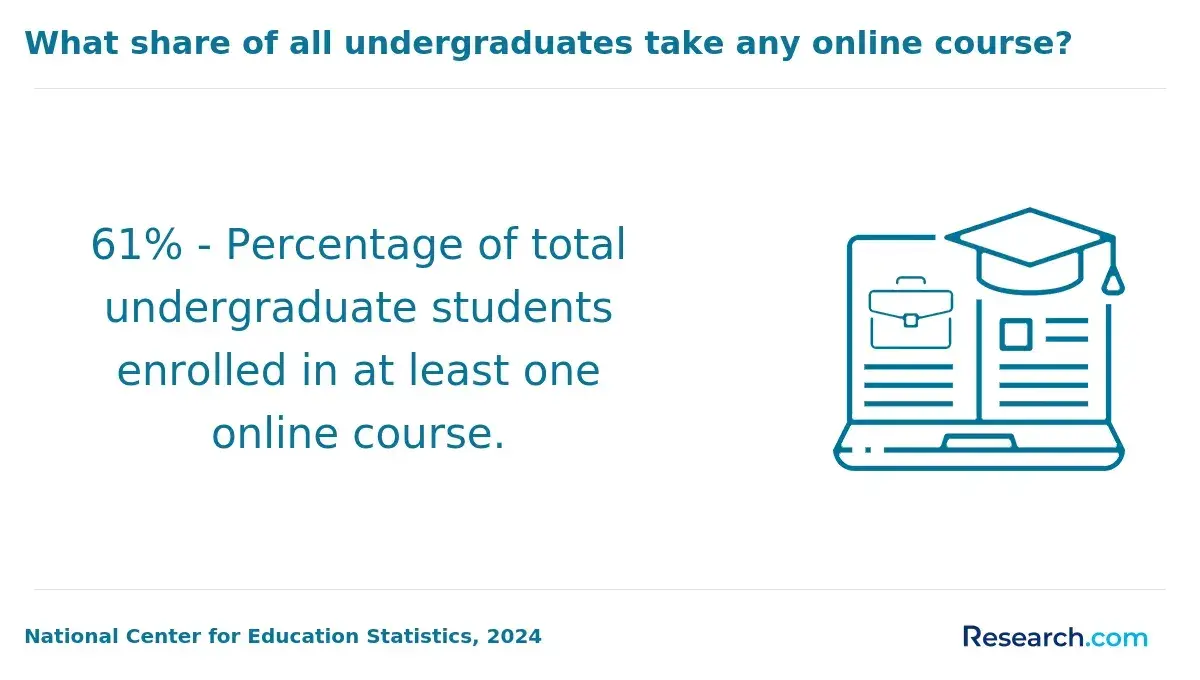
Students weighing fully online versus hybrid industrial engineering master's programs benefit from knowing how curricula align and diverge. A 2023 survey from the American Society for Engineering Education found that over 85% of engineering master's programs keep core course content consistent regardless of delivery method. Below are five notable curriculum aspects where these formats share similarities or differ.
- Core Course Content: Both formats consistently cover foundational topics such as systems optimization, operations research, and quality engineering to maintain accreditation standards and industry relevance.
- Elective Offerings: Hybrid programs often offer a broader selection of electives available in person, while online students have growing access to a comparable range through virtual classes and remote instruction.
- Project-Based Learning: Hybrid students typically participate in more collaborative, hands-on group projects during on-campus sessions, whereas online learners tend to complete assignments individually or use digital collaboration platforms.
- Capstone or Thesis Requirements: These are generally the same across both formats, though hybrid students may benefit from easier one-on-one mentorship with faculty during face-to-face periods.
- Experiential Components: Practical application in hybrid programs often includes lab work or industry site visits, which online courses replace with simulated environments or virtual labs to replicate hands-on experience.
Exam formats are a key consideration for students evaluating fully online industrial engineering master's programs. Nearly 70% of online graduate programs implement some form of online proctoring to uphold exam integrity, reflecting a growing reliance on technology-driven assessment methods. The following points highlight five important differences in how exams are structured between fully online and hybrid industrial engineering programs.
- Online Proctoring: Fully online programs mainly utilize remote proctoring software that monitors students via webcams, microphones, and screen sharing to deter cheating during exams.
- In-Person Exams: Hybrid programs often require students to attend certain high-stakes exams on campus, blending digital coursework with traditional testing environments.
- Timed Assessments: Exams in online programs are usually strictly timed to limit dishonesty, while hybrid programs may offer more flexible scheduling for in-person assessments.
- Open-Book vs. Closed-Book: Fully online programs tend to favor open-book exam formats that focus on problem-solving and application, whereas hybrid formats often include closed-book exams conducted in controlled settings.
- Integrity Measures: Hybrid programs employ physical ID checks and supervised testing rooms, while fully online programs rely on AI-driven analytics and behavioral flags to maintain academic honesty.
These distinctions influence how students prepare for exams and shape their overall experience in industrial engineering master's coursework, helping them choose the format that best matches their learning style and schedule.
Networking opportunities play a significant role when deciding between fully online and hybrid industrial engineering master's programs. According to a survey by the National Association of Colleges and Employers, 70% of employers highly value strong professional networks among graduate candidates. Below are five key aspects that impact networking benefits in these educational formats.
- Peer Interaction: Hybrid programs often enable more spontaneous and frequent peer engagement due to in-person classes and campus events. Fully online programs, relying on virtual meetings, may limit casual conversations that foster important connections.
- Faculty Engagement: Face-to-face mentorship in hybrid settings typically encourages deeper faculty relationships. Online formats offer scheduled virtual office hours, but interactions can feel less personal and less conducive to close mentorship.
- Alumni Access: Both formats generally provide robust alumni networks. However, hybrid programs often enhance access through on-campus alumni gatherings and networking mixers, offering direct relationship-building opportunities.
- Industry Events: Hybrid students usually have better access to job fairs and company visits by attending in person. Online students participate virtually, which may reduce the effectiveness of networking at these events.
- Collaborative Projects: Collaborative work in hybrid programs frequently takes place face-to-face, which strengthens teamwork and professional bonds. While online programs use digital collaboration tools effectively, they may not fully replicate the dynamics of in-person teamwork.
Choosing the right format also depends on how well each supports career connections, especially for those enrolling in hybrid industrial engineering degree programs. Those seeking more flexibility might explore options among easy online associate degrees as a stepping stone while balancing professional demands.
Employment outcomes are a critical factor for prospective students comparing hybrid and fully online industrial engineering master's programs. Recent data reveals that job placement rates for hybrid vs online industrial engineering master's programs differ, with hybrid graduates experiencing approximately 10% higher employment within six months of graduation. Several factors contribute to these differences in career outcomes.
- Industry Connections: Hybrid programs foster stronger relationships with local employers through on-campus events and networking opportunities. These connections often lead to increased access to job openings and referrals.
- Internship or Practicum Access: Students in hybrid formats typically secure more hands-on experiences that are highly valued by employers, enhancing their resumes and practical skills in industrial engineering roles.
- Alumni Networks: The in-person element of hybrid programs strengthens alumni communities, providing ongoing mentoring and job referral benefits not as prominent in fully online programs.
- Career Services Support: Hybrid students often receive more personalized career counseling and benefit from on-site recruitment events, which better target their job searches and career planning.
- Regional Employment Opportunities: Proximity to local industries where hybrid students study often translates to greater regional hiring prospects, a direct advantage over students studying fully online from varied locations.
These factors uniquely shape employment outcomes and reflect the broader impact of program format on industrial engineering graduate employment outcomes. For students exploring options, understanding this dynamic can inform their choice between hybrid and fully online programs.
For those researching affordable pathways, resources on the cheapest online criminal justice degree offer insights into cost-effective graduate education options across fields.
Salary potential plays a significant role when selecting between fully online and hybrid industrial engineering master's programs. Studies show graduates from hybrid formats may start with salaries 5-10% higher than those who complete their degrees entirely online. Several factors contribute to these variations.
- Networking Opportunities: Hybrid programs often foster more in-person interactions, enabling students to build stronger professional connections that can lead to better-paying job offers.
- Industry Connections: Programs closely linked to local industries tend to facilitate internships and employment placements, which directly improve salary outcomes.
- Program Prestige: Degrees from respected institutions offering hybrid formats may carry more weight with employers, potentially commanding higher starting salaries.
- Experiential Learning: Hands-on projects and lab experiences common in hybrid settings develop practical skills that appeal to employers and can elevate salary offers.
- Geographic Flexibility: Fully online programs allow graduates to pursue jobs in varied regions, but salaries might fluctuate due to differences in local demand and cost of living.
While program format influences earning potential through these factors, personal career decisions and effort ultimately shape long-term salary growth.
What Graduates Say About Fully Online vs Hybrid Industrial Engineering Degree Master's Programs
- Diane: "Choosing a fully online industrial engineering master's program was all about flexibility for me, balancing work and family was crucial. The cost was surprisingly affordable compared to traditional options, which made the decision easier. Since graduating, I've noticed a clear advancement in my problem-solving skills and efficiency at work, directly contributing to my promotion."
- Cherry: "I opted for a hybrid industrial engineering master's because I wanted some face-to-face interaction while still enjoying online convenience. The price was higher than purely online programs, but the blend of in-person and digital learning justified the investment. Professionally, the hybrid approach expanded my network and gave me practical insights that helped me lead more effective projects."
- River: "The fully online industrial engineering degree fit perfectly into my hectic schedule and allowed me to study without relocating. Cost savings were a major factor, as the online program was more budget-friendly than the on-campus alternative. This degree gave me the confidence and credentials to switch into a more strategic role within my company."
Other Things You Should Know About Industrial Engineering Degrees
Fully online industrial engineering master's programs often incorporate virtual simulations, case studies, and software tools to provide practical experience. However, they may lack the direct access to physical labs or equipment that hybrid programs offer. Students typically compensate by working on industry projects or internships outside of class to gain hands-on skills.
Hybrid programs generally offer superior networking opportunities compared to fully online programs. In-person sessions allow for face-to-face interactions, fostering stronger connections with peers and faculty. However, many fully online programs have enhanced virtual networking tools that attempt to simulate these interactions, though they might not entirely replicate the in-person experience.
Fully online programs typically require students to have access to a reliable computer, high-speed internet, and specific software like CAD and simulation tools. These technical requirements ensure students can effectively participate in all course-related activities and projects remotely.
- Pick and Pursue Online Engineering Graduate Programs - ASME https://www.asme.org/topics-resources/content/picking-and-pursuing-online-engineering-graduate-programs
- Online Industrial Engineering Degrees: Master's & Bachelor's https://www.onlineengineeringprograms.com/industrial
- The Pros and Cons of Online Engineering Masters Degrees - Engineering.com https://www.engineering.com/the-pros-and-cons-of-online-engineering-masters-degrees/
- Frequently Asked Questions | Systems Science and Industrial Engineering | Binghamton University https://www.binghamton.edu/ssie/graduate/mshs-nyc/faq.html
- Master of Science in Industrial Engineering https://wne.edu/academics/graduate/industrial-engineering-ms.cfm
- Hybrid vs Fully Online MBA Programs - Key Differences https://www.onlinecu.in/blog/cu/differences-between-hybrid-and-fully-online-mba-programs.php
- Difference between Hybrid, Online & In-Class Degree Programmes | BSBI https://www.berlinsbi.com/blog/what-is-the-difference-between-hybrid-online-and-in-class-degree-programmes
- 2025 Most Affordable Online Master's Degrees in Industrial Engineering https://www.onlineu.com/most-affordable-colleges/industrial-engineering-masters-degrees
- Comparison Between Online and Hybrid BBA Programs https://amityonline.com/blog/which-is-better-online-bba-or-hybrid-bba
- Hybrid vs. fully online: how different teaching models impact satisfaction https://www.amba-bga.com/insights/hybrid-vs-fully-online-how-different-teaching-models-impact-satisfaction