2027 Is a 2-Year Art History Degree Worth It: Accelerated Bachelor's ROI & Time Trade-Offs

Co-Founder and Chief Data Scientist
Many prospective students face uncertainty about whether a 2-year accelerated art history degree offers a meaningful return on investment compared to traditional programs.
Recent data shows that the average salary for art history graduates remains close to $48,000 annually, raising questions about the financial viability of an expedited path. Additionally, workforce trends indicate a growing demand for versatile skill sets beyond conventional art history knowledge.
This article examines the balance between reduced time commitment and potential earnings, exploring career outcomes, costs, and how an accelerated degree might fit diverse professional goals for those considering this fast-track option.
Key Benefits of a 2-Year Art History Degree
- Accelerated 2-year art history degrees reduce education costs by lowering tuition and living expenses, improving overall return on investment compared to traditional 4-year programs.
- Graduating sooner allows quicker entry into the job market, maximizing earning potential and minimizing opportunity costs, crucial in competitive cultural and museum sectors.
- Specialized curricula focus on core art history competencies, equipping graduates with targeted knowledge and skills to enhance employability in art curation, education, and heritage management.
How Do 2-Year Art History Programs Work?
A 2-year accelerated art history degree offers a fast-tracked alternative to the traditional four-year bachelor's degree, allowing motivated students to complete their studies in half the time.
This intensive approach requires an understanding of the program's demanding structure, which is crucial for those considering whether this path aligns with their academic and career goals.
Below is a detailed breakdown of how these programs typically work.
- Accelerated pacing: These programs condense a standard four-year curriculum into two years by intensifying course schedules and workload, demanding consistent dedication and time management skills from students.
- Year-round enrollment: Students often study through fall, spring, and summer sessions without extended breaks, enabling continuous credit accumulation and faster degree completion.
- Condensed course terms: Terms are shorter but more intensive, requiring students to absorb material quickly and maintain a high level of academic engagement throughout.
- Credit load expectations: The average student carries around 15 to 18 credit hours per semester or trimester, which is heavier than the 12 to 15 credits typical of traditional programs.
- Instructional format: Programs frequently combine in-person lectures, online modules, and hybrid delivery methods to enhance flexibility and accessibility for diverse learners.
- Assessment methods: Frequent exams, research papers, presentations, and projects are used to evaluate student mastery within a compressed timeline.
- Curriculum progression: Foundational courses are prioritized early to build essential analytical and historical skills before advancing to electives or specialized topics, often supported by advising services to help manage the accelerated study load.
These 2-year accelerated art history degree structures require rigorous commitment but can also reduce time-to-degree by up to 50%, potentially lowering costs and accelerating workforce entry.
For those interested in exploring similarly accelerated pathways in healthcare, reviewing options such as an online dnp program may offer useful comparison points.
What Are the Admission Requirements for a 2-Year Art History Degree?
Knowing the admissions requirements is essential for students eyeing an accelerated bachelor's in art history, especially for those seeking an efficient pathway into the field.
Understanding these criteria helps prospective students evaluate whether they meet the expectations and can realistically balance their time and commitments.
Below is a detailed look at standard admission factors for a 2-year art history degree.
- Prior Education: Most programs require applicants to hold a high school diploma or its equivalent as a basic qualification. This criterion ensures foundational academic preparedness for advanced study in art history.
- GPA Expectations: Many schools set a minimum GPA benchmark, commonly between 2.5 and 3.0, to gauge academic readiness. Maintaining this GPA helps demonstrate the ability to manage rigorous coursework.
- Standardized Tests: Unlike many traditional four-year degrees, submission of SAT or ACT scores is increasingly optional or waived. This flexibility supports working adults and transfer students seeking accelerated study without extra testing hurdles.
- Prerequisite Coursework: Recommended courses often include humanities, English, or introductory art history classes. These prepare students for the focused demands of specialized art historical study.
- Work Experience: While generally not mandatory, relevant work experience can benefit applicants, particularly in accelerated programs that cater to adult learners or career changers.
- Personal Statement or Portfolio: Some institutions ask for a personal essay or art portfolio to demonstrate genuine interest and background in the arts, aiding holistic admission decisions.
According to the National Center for Education Statistics, accelerated programs can cut degree completion time by up to 50%, an appealing option for many.
Prospective students are encouraged to confirm specific 2-year art history degree admission criteria with schools directly.
Additionally, those weighing their options may compare other efficient pathways such as the easiest online dnp programs to make informed educational investments aligned with their career goals.
What Does a Typical Week Look Like in a 2-Year Art History Program?
Carefully considering the weekly demands of a 2-year art history program helps prospective students determine if the accelerated pace suits their academic and personal commitments. The compact schedule means balancing a rigorous workload with time-sensitive deadlines, making it essential to understand what to expect.
Below is a detailed look at the typical weekly components in such a program.
- Class sessions and lectures: Students attend frequent, shorter classes that cover a wide historical span, from classical to contemporary art. These sessions require focused engagement to grasp complex material quickly.
- Assignments and assessments: Weekly tasks often include critical reading responses, essays, and visual analyses. The fast timeline demands prompt completion of work, often juggling multiple deadlines.
- Group projects and discussions: Collaborative activities encourage exchanging ideas and peer learning, which enhances comprehension but adds to time management challenges.
- Independent study: Significant personal study is needed to review readings, conduct research, and prepare presentations outside of class hours.
- Instructor interaction: Although instructor availability may be limited, students must proactively seek guidance during office hours or via email to clarify challenging concepts.
- Time management: Success hinges on the ability to prioritize and efficiently handle concurrent responsibilities within the compressed format.
A professional who completed a 2-year art history degree shared, "The pace felt relentless at times, especially when multiple essays were due simultaneously. I learned quickly that segmenting my study blocks and setting realistic daily goals was crucial."
He recalled relying heavily on early morning hours for reading and late evenings for writing. "It was overwhelming, but the constant engagement with diverse artwork kept me motivated."
His experience highlights how disciplined planning and adaptability become vital in navigating the intensive workload of an accelerated art history program.
Choosing the right delivery format is crucial for students pursuing an accelerated art history degree, as it impacts flexibility, accessibility, and how effectively one manages time. Online programs cater to diverse needs by offering different structures that accommodate various lifestyles.
Below is an overview of key factors to consider when evaluating these options.
- Fully online vs. hybrid formats: Fully online programs enable students to complete all coursework remotely, ideal for those requiring maximum flexibility. Hybrid formats combine online study with occasional campus visits or live sessions, providing some in-person interaction.
- Asynchronous and synchronous learning: Many programs blend self-paced lectures and assignments with scheduled live classes or group work. This mix supports flexible schedules while allowing real-time engagement.
- Technology requirements: Reliable internet, a capable computer, and familiarity with learning platforms are essential to succeed. Institutions generally offer technical support to assist students in navigating these tools.
- Student support services: Academic advising, tutoring, and technical help are commonly available, helping learners stay on track and resolve any challenges that arise during online study.
- Pacing and engagement: Accelerated online programs often shorten completion time by one to two years compared to traditional paths. Balancing asynchronous study with interactive components helps maintain motivation and community among students despite remote learning.
Evaluating the total cost of an accelerated art history degree is essential for understanding its return on investment. These programs condense a traditional four-year study into two years, which affects tuition, fees, and living expenses.
Below is a detailed breakdown of what to expect financially when pursuing a 2-year art history program.
- Tuition Structure: Tuition fees for 2-year art history programs are usually charged per credit hour, and accelerated programs may carry a premium due to their intensive pace. However, overall tuition can be lower as there are fewer total semesters compared to traditional degrees.
- Additional Fees: Registration, technology, and other administrative fees vary by institution but tend to be proportional to the program length. These fees contribute to the total cost and should be factored in alongside tuition.
- Textbooks and Learning Materials: Costs here may include digital archives, exhibition catalogs, and course-specific resources. While textbooks are a predictable expense, some specialized courses may also have associated costs for museum visits or unique materials.
- Technology and Lab Costs: Though less common in accelerated art history formats, some courses might require extra fees for lab access or technology tools, depending on curriculum requirements.
- Impact of Accelerated Pacing: By graduating earlier, students reduce living expenses and minimize lost income from delayed entry into the workforce. This compression often results in significant savings compared to traditional timelines, an important factor in the cost of accelerated 2-year art history degree programs.
For students interested in related cost-effective educational paths, options like a medical billing and coding certification online offer alternative credentials with typically lower financial commitments.
Financial aid plays a crucial role for students considering accelerated art history degrees, as the condensed timeframe can affect budgeting and access to funds. Understanding the types of aid available and how program pacing influences disbursement helps prospective students plan effectively.
Below is an overview of common financial aid options applicable to these programs.
- Federal Student Aid Eligibility: Students enrolled in accredited accelerated programs generally qualify for Pell Grants and Direct Loans, provided they meet enrollment and progress requirements and complete the FAFSA application. These federal options form the backbone of many students' financial support.
- Scholarships and Grants: Numerous scholarships target liberal arts and art history students, often offered by private organizations or foundations. These funds do not require repayment, making them valuable for reducing overall costs.
- Employer Tuition Assistance: Working students may access tuition reimbursement programs through employers. Availability and coverage vary, so verifying eligibility and application processes early is essential.
- Payment Plans: Many institutions offer flexible tuition payment schedules, allowing students to split costs over the course duration. This helps manage finances, especially when federal aid disbursements arrive unevenly due to accelerated course pacing.
- Impact of Accelerated Pacing: Accelerated programs condense coursework, often resulting in larger but less frequent aid disbursements. This can affect cash flow and eligibility over what would traditionally be multiple semesters, requiring careful financial planning.
A professional who completed an accelerated bachelor's degree in art history shared her experience navigating financial aid. She recalled feeling uncertain about how her compressed schedule would affect aid timing but found that proactive FAFSA submission and exploring employer assistance eased much of the financial strain.
"It was challenging balancing fast-paced classes and paperwork, but knowing there were grants and loans specifically for my program helped me stay focused," she said.
Her approach combined institutional payment plans with federal aid, enabling her to graduate on time without overwhelming debt.
Reflecting back, she emphasized that understanding all available resources and maintaining constant communication with financial aid offices made a crucial difference in her success.
Evaluating career outcomes is essential when considering the value of an accelerated art history degree, as it helps clarify the practical benefits and potential job prospects after graduation.
Understanding the types of roles these programs prepare students for can guide prospective learners in aligning their educational goals with market demands.
Below is an overview of common career options with accelerated art history degrees and how the program's structure supports workforce readiness.
- Museum Technician: Graduates often begin as museum technicians, where they support the care and cataloging of collections. This entry-level role involves handling artifacts, assisting with exhibit setups, and maintaining accurate records.
- Gallery Assistant: This position includes helping galleries manage art displays, coordinating with artists, and supporting marketing or sales activities. It offers practical experience in the art market and public engagement.
- Archival Assistant: Working as an archival assistant involves organizing historical documents and materials for preservation and research. This role is vital in institutions focused on cultural heritage and education.
- Cultural Program Coordinator: These coordinators plan and facilitate educational or cultural events in museums, nonprofits, or community organizations. The role combines administrative skills with art historical knowledge to enhance public outreach.
- Arts Administration and Heritage Conservation: Many graduates find jobs in arts administration or as assistants on heritage conservation projects. These positions draw on interdisciplinary skills gained through an accelerated degree focused on research, critical thinking, and communication.
The accelerated format of a 2-year art history degree emphasizes practical skills and critical methodologies, enabling students to enter the job market sooner than traditional programs.
This approach supports quicker career progression by honing applicable skills relevant across museums, galleries, auction houses, and nonprofits. While foundational roles are common, some career paths with accelerated art history degree require further education for advancement.
Employment in art-related fields, such as museum technicians and curators, is projected to grow at an average pace, suggesting steady opportunities.
Students interested in efficient degree paths may also explore options like the cheapest online nursing programs as examples of accelerated offerings in other disciplines that balance speed with workforce readiness.
Salary outcomes are a crucial factor in evaluating the return on investment (ROI) when choosing between accelerated and traditional degree paths. Understanding the potential earnings differences can help students balance financial costs and career goals.
Below is a comparison focusing on the 2-year art history degree salary comparison alongside traditional bachelor's degrees.
- Early-Career Earnings: Graduates with a 2-year art history degree often start with median salaries around $45,000, typically filling entry-level roles in museums or galleries. In contrast, traditional bachelor's degree holders earn closer to $65,000, accessing positions that offer more responsibility and higher pay.
- Long-Term Earning Potential: While the initial gap favors bachelor's degree holders, long-term earnings tend to grow more significantly for those with a traditional four-year degree due to broader career opportunities and advancement potential in research and cultural management sectors.
- Employer Perception: Employers frequently view a four-year degree as a sign of deeper expertise and commitment, which can influence promotions and salary increases. This perception may limit growth trajectories for holders of 2-year degrees despite relevant work experience.
- Career Progression Timelines: Accelerated programs allow students to enter the workforce sooner, which can translate into 1-2 years of extra income. However, the faster start must be weighed against the typically higher earning ceilings of traditional bachelor's graduates over time.
- Workforce Entry and Overall Earnings: Starting a career earlier also means students can reduce tuition costs by 25% to 50%, improving the net return on investment. This balance between time savings, debt reduction, and salary potential makes programs like the cheapest rn to bsn a useful reference.
Return on investment (ROI) plays a crucial role for students weighing accelerated art history degree programs. With significant time and financial commitments involved, understanding how these factors affect long-term benefits helps prospective students make informed decisions.
The following points highlight the most influential elements shaping ROI in accelerated art history studies.
- Time-to-completion: Accelerated degrees typically reduce the length of study from four years to two or three, enabling students to enter the workforce faster. This shorter duration often decreases overall costs and limits time spent out of the job market.
- Tuition and total cost: Although per-credit fees might be higher due to program intensity, the total cost usually lowers because of fewer semesters. It is important to consider additional expenses like books and fees, which may be concentrated within the accelerated timeline.
- Opportunity cost savings: Finishing earlier means students lose less potential income by delaying work. This saved income can amount to thousands of dollars depending on previous or alternative employment options.
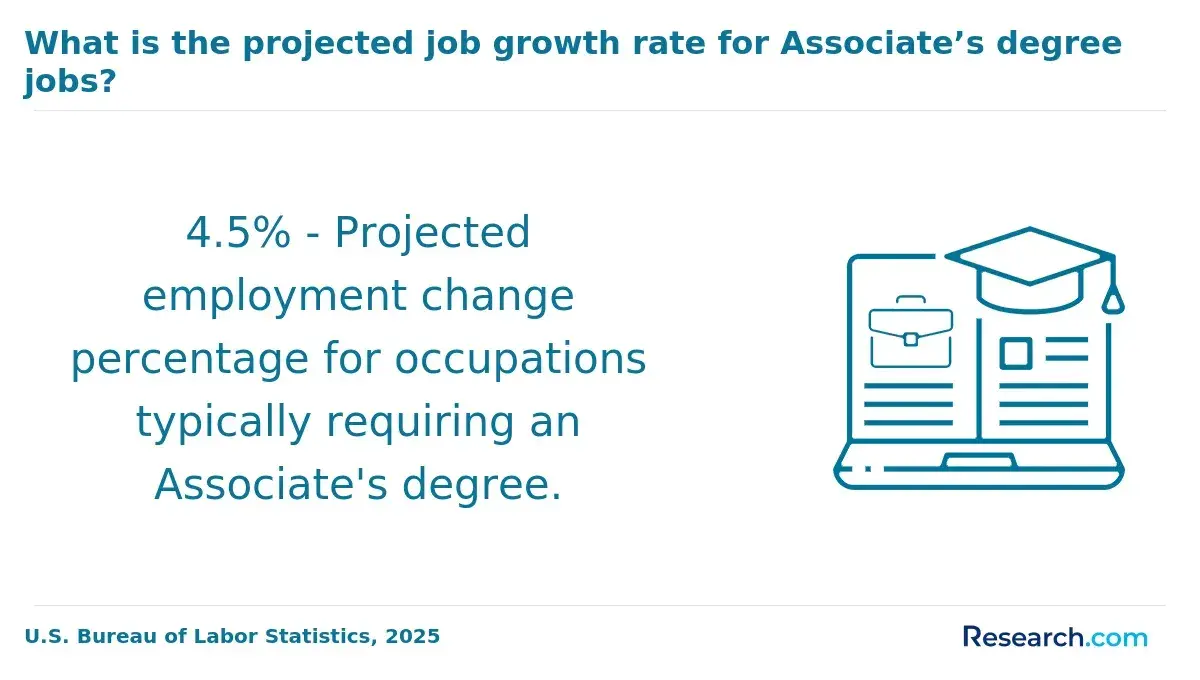
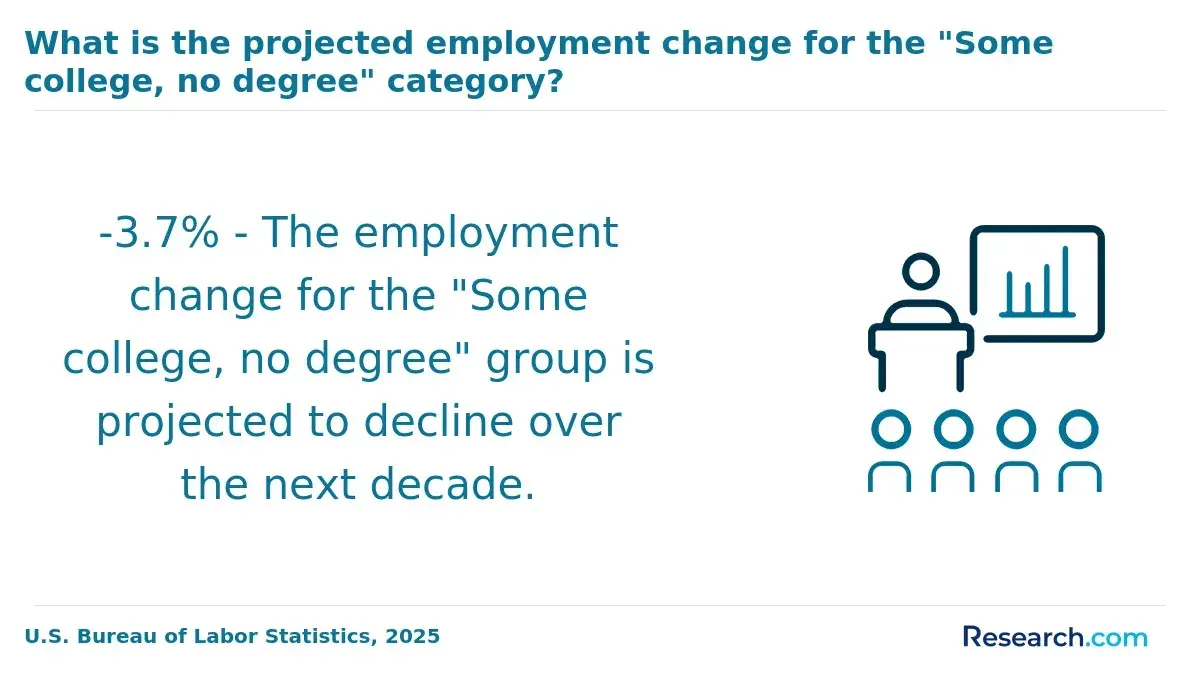
- Employment outcomes: Job growth in fields related to art history is steady but modest, with projections around 3% to 5% over the next decade. Salaries for graduates can range widely, often between $40,000 and $60,000 annually, influenced by location and sector.
- Salary growth: Advancement potential often depends on further education or added skills. The value of an art history degree is enhanced when paired with competencies in research, critical thinking, and cultural literacy, which open diverse career pathways.
- Transferability of skills: The analytical and communication abilities gained can be applied beyond traditional art history roles, including education, museum work, arts administration, and even business. This flexibility can boost long-term ROI by expanding employment possibilities.
Choosing whether a 2-year art history degree fits your needs involves reflecting on how you learn and your capacity to keep up with an intensive schedule. Accelerated programs move quickly, requiring strong time management and motivation.
You should consider how much time you can dedicate while balancing jobs or personal responsibilities. Also, think about how soon you want to enter the workforce and if your career goals align with completing education rapidly.
On the financial side, these degrees often reduce total tuition by shortening enrollment, which may lower overall debt. However, comparing costs with traditional degrees is important to ensure genuine savings.
Career prospects in art history-related fields vary, with employer preferences sometimes favoring four-year degrees for certain roles. Assessing long-term flexibility and the potential impact on earnings can help determine if an accelerated path is a worthwhile investment.
What Graduates Say About Their 2-Year Art History Degree
- Kian: "Choosing the 2-year accelerated art history degree was a game-changer for me because I wanted to fast-track my career without the heavy financial burden. The schedule was intense, but balancing my mornings with classes and evenings for research helped me stay on track. Now, as a museum curator, I see how the focused curriculum and lower average cost of attendance made this path both practical and rewarding. "
- Leonard: "Opting for a 2-year art history program allowed me to immerse myself fully in the subject without drifting into unrelated courses. The compact schedule required careful planning and occasional sacrifices, but it sharpened my discipline and passion for art. Reflecting on my journey, this degree gave me the credentials and confidence needed to enter the academic publishing field. "
- David: "The accelerated nature of the 2-year art history degree appealed to my goal of entering the art restoration industry quickly and efficiently. Managing a demanding course load alongside part-time work was challenging, but the program's structure helped me develop strong time-management skills. Professionally, this degree opened doors to projects with prestigious galleries and a substantial network that would have taken much longer to build otherwise. "
Other Things You Should Know About Art History Degrees
Yes, many accredited 2-year Art History programs align their curricula to facilitate seamless transfer into 4-year institutions. It's essential to work closely with academic advisors to ensure credits are transferable and meet the requirements of the intended Bachelor's program.
Most accelerated art history bachelor’s programs require about 60 transferable semester credits, including English composition, college-level math, and humanities or social science general education courses. Many also expect a minimum 2.0 to 2.5 GPA before admission, with official transcripts reviewed by the receiving institution.
- MA Art History https://www.colorado.edu/artandarthistory/degrees/ma-art-history
- College of Design Menu https://design.uoregon.edu/graduate/accelerated-masters-program
- Best Master’s Degrees in Art History Online - 2025 https://www.onlinemastersdegrees.org/best-programs/history/art-history/
- Online Art History Degree: Bachelor's | Visual Culture | Lindenwood https://online.lindenwood.edu/programs/bachelors-art-history/
- 5 Best Online Art Degrees | Find Affordable Options https://www.affordablecollegesonline.org/degrees/art-schools/
- Careers | 6 reasons why you should study an Art History degree | Ruth Millington https://ruthmillington.co.uk/why-should-you-study-an-art-history-degree/
- Getting a degree in Art History: All you need to know https://www.study.eu/article/getting-a-degree-in-art-history-all-you-need-to-know
- California State University Channel Islands https://catalog.csuci.edu/preview_program.php
- 2 + 2 Path to a Bachelor's Degree https://www.fitnyc.edu/admissions/undergraduate-applicants/2-plus-2-pathway.php