2027 Best Art History Degrees for Working Adults

Co-Founder and Chief Data Scientist
Balancing full-time work with pursuing an art history degree creates significant challenges, especially when programs lack flexibility. Many adults find traditional schedules and campus-only classes incompatible with their professional and personal commitments. According to the National Center for Education Statistics, over 40% of undergraduate students in the U. S. are adults juggling work and study, highlighting the demand for adaptable learning formats. This article explores accredited, online, and part-time art history degree programs tailored for working adults. It aims to guide readers toward options that support both career growth and academic success without disrupting their employment.
Key Things to Know About Art History Degrees for Working Adults
- Many programs offer online or hybrid formats, providing working adults the flexibility to balance studies with employment and personal commitments effectively.
- Accelerated degree options enable faster completion, ideal for professionals seeking career advancement without extended absences from the workforce.
- Support services such as academic advising and career counseling cater specifically to working students, enhancing retention and job placement outcomes in art history fields.
What Are the Best Art History Degrees for Working Adults?
The best art history degrees for working adults vary based on schedule flexibility, career alignment, and return on investment. A growing trend among adult learners is the preference for part-time enrollment and online formats, which allows professionals to balance education with full-time employment. These factors are crucial when selecting top accredited art history programs for professionals aiming to advance their careers.
Several degree options stand out for their suitability to working students, offering flexible pacing and relevant content. These include:
- Bachelor's or Master's degrees in Art History: Often available with fully online coursework and asynchronous formats, these programs provide flexible scheduling and allow students to progress at their own pace while maintaining employment.
- Museum Studies or Curatorial Practice: These specialized degrees focus on skills directly applicable in cultural institutions. The curriculum often includes internship opportunities, enhancing practical experience and career readiness.
- Art Education: Tailored for those pursuing teaching or community engagement roles, programs emphasize applied knowledge and certification pathways that working adults can complete alongside their jobs.
- Certificates or minors in Digital Art History or Visual Culture: These shorter options offer practical skills in emerging areas of the field, matching industry demand and supporting career shifts efficiently.
- Interdisciplinary Tracks Combining Art History with Business or Marketing: Designed for aspiring arts managers or gallery operators, these programs blend creative and commercial expertise suitable for professionals seeking multifaceted roles.
Working adults interested in flexible graduate degrees might also explore options like an msw degree, which illustrate the increasing availability of accredited programs that accommodate employment commitments.
Overall, selecting the best online art history degrees for working adults involves balancing flexible learning models with programs that offer practical, career-relevant content and recognized credentials that foster professional development.
What Are the Admission Requirements for Working Adults in Art History Degree Programs?
Admission requirements for working adults pursuing art history degrees often differ from those for traditional students to accommodate professional and personal commitments. Recent trends indicate that adult learners represent a significant portion of part-time graduate enrollment, highlighting the need for programs that balance flexibility with academic rigor. For those exploring art history degree programs admission criteria for professionals, specific considerations are often emphasized.
Key admission requirements or considerations may include:
- Prior work experience: Many programs accept relevant professional experience in art, museums, education, or related fields to demonstrate an applicant's commitment and practical knowledge beyond academic records.
- GPA expectations: Minimum GPA standards tend to be more flexible for working adults, reflecting diverse educational backgrounds and the value of real-world experience in the admissions process.
- Standardized test waivers: GRE or similar test requirements are frequently waived for applicants with substantial professional experience or prior degrees, reducing barriers for busy professionals.
- Professional recommendations: Letters from current or former employers or supervisors that attest to an applicant's skills, dedication, and ability to manage work and study effectively are often pivotal components.
- Flexibility for part-time or online learners: Many programs design admissions and course schedules to accommodate nontraditional students, including those balancing full-time employment, sometimes offering options aligned with cacrep accredited online counseling programs in flexibility and support.
What Coursework Is Required in Art History Degree Programs for Working Adults?
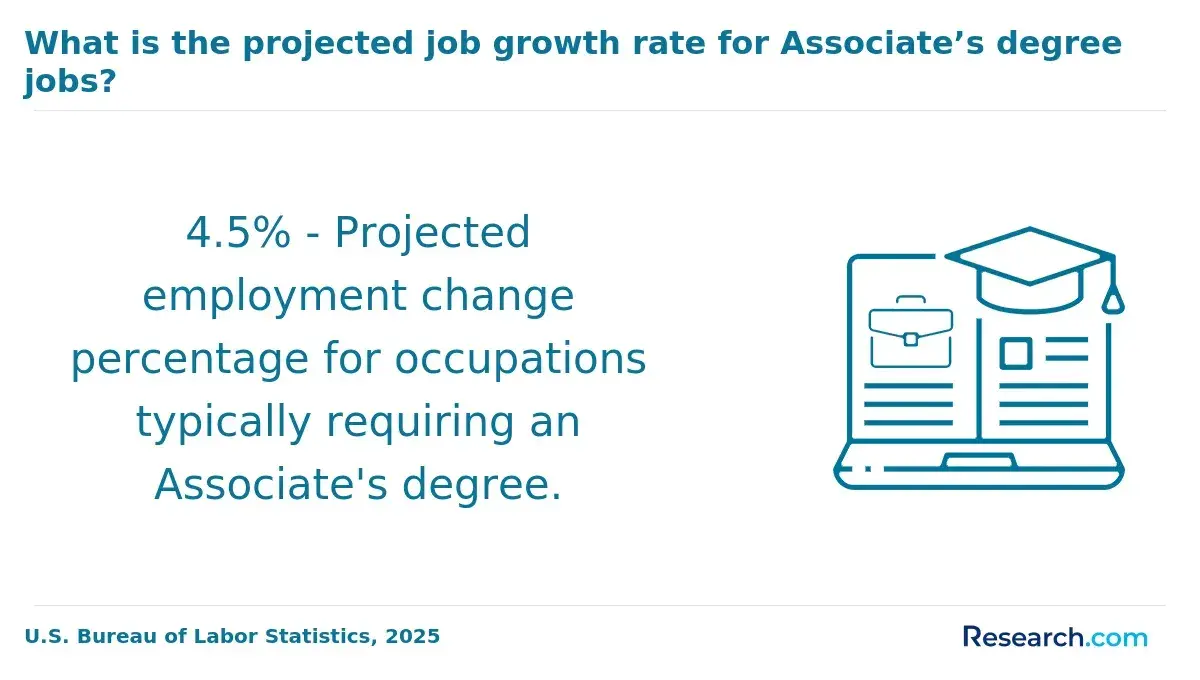
Coursework in art history degree programs for working adults is specifically structured to balance practical skills with academic knowledge while accommodating flexible schedules. Approximately 40% of art history students nationwide are adult learners managing jobs and family, which drives many programs to provide adaptable and online course options tailored to busy professionals. This approach ensures that flexible art history classes for busy professionals foster career growth without sacrificing work commitments.
Students can expect a curriculum featuring key areas relevant to career advancement and practical application. Common coursework includes:
- Introduction to Art History: Covers major art movements and cultural contexts, developing critical thinking essential for professional analysis in museums or cultural settings.
- Museum Studies and Curatorial Practice: Emphasizes exhibition planning, collection care, and public engagement, supporting roles in galleries or cultural institutions.
- Art Conservation and Preservation: Focuses on techniques to maintain and restore artworks, skills valuable for conservation and archival positions.
- Research Methods in Art History: Develops scholarly inquiry and documentation skills crucial for grant writing, cataloging, and academic communication.
- Global Art and Visual Cultures: Explores diverse cultural perspectives to enhance cultural competence and broaden job opportunities in international or multicultural environments.
This curriculum design helps adult learners earn their degrees while advancing their careers. For professionals considering further education, exploring an executive online mba may also provide valuable leadership skills complementary to an art history degree.
Completion times for an art history degree can vary widely for working adults because balancing job responsibilities with academic demands often limits how quickly coursework is finished. Typically, students in this situation take about six years to earn their bachelor's degree, extending well beyond the usual four-year timeline.
Several important factors influence how long it takes to complete an art history degree while working:
- Program Format: Part-time and online programs offer flexibility tailored to working adults but usually require a lengthier commitment compared to full-time, on-campus study.
- Course Load: The number of classes taken per semester greatly affects progress. Smaller course loads slow graduation, as students juggle work and personal responsibilities.
- Prior Credits: Transferring completed general education or related coursework can reduce the total number of classes needed, shortening the degree timeline.
- Work Schedule: Demanding or irregular work hours can limit study time, forcing students to adjust pacing and extend their program duration.
- Accelerated Options: Summer courses and intensive sessions provide opportunities to expedite completion when schedules allow.
A professional who recently finished an online art history program shared that managing deadlines alongside full-time work was often stressful but rewarding. They described evenings dedicated to readings after long workdays and the challenge of staying motivated when fatigue set in. "It was a balancing act every week," they said, appreciating the program's flexibility but noting that "sometimes it felt like I was carrying two full-time jobs." Their experience highlights that while persistence and time management are essential, having a degree that fits around a career is possible even if it takes longer than traditional timelines.
For working adults pursuing an art history degree, managing costs is essential due to the need to balance education with full-time employment. Tuition and fees at public colleges have climbed approximately 37% since 2010, prompting many adult learners to choose part-time study, which can affect overall expenses and program duration.
Several key factors shape the total cost of earning an art history degree for those who work while studying:
- Tuition per Credit: This usually represents the largest share of expenses. Online programs often provide more affordable per-credit rates compared to traditional on-campus courses, helping reduce total tuition costs.
- Program Length: Full-time attendance enables faster completion but may be less feasible for employed students. Part-time enrollment extends program duration, potentially increasing cumulative costs but offering greater scheduling flexibility.
- Additional Fees and Materials: Expenses such as technology, activity, and laboratory fees, as well as textbooks and other course materials, often add up and tend to be higher in on-campus formats.
- Delivery Format: Online degrees can offset costs related to commuting and housing, although they sometimes carry extra technology fees that should be considered.
- Financial Support: Employer tuition reimbursement programs, scholarships, and grants can substantially lower out-of-pocket spending, making these options especially valuable for adult learners juggling work and school.
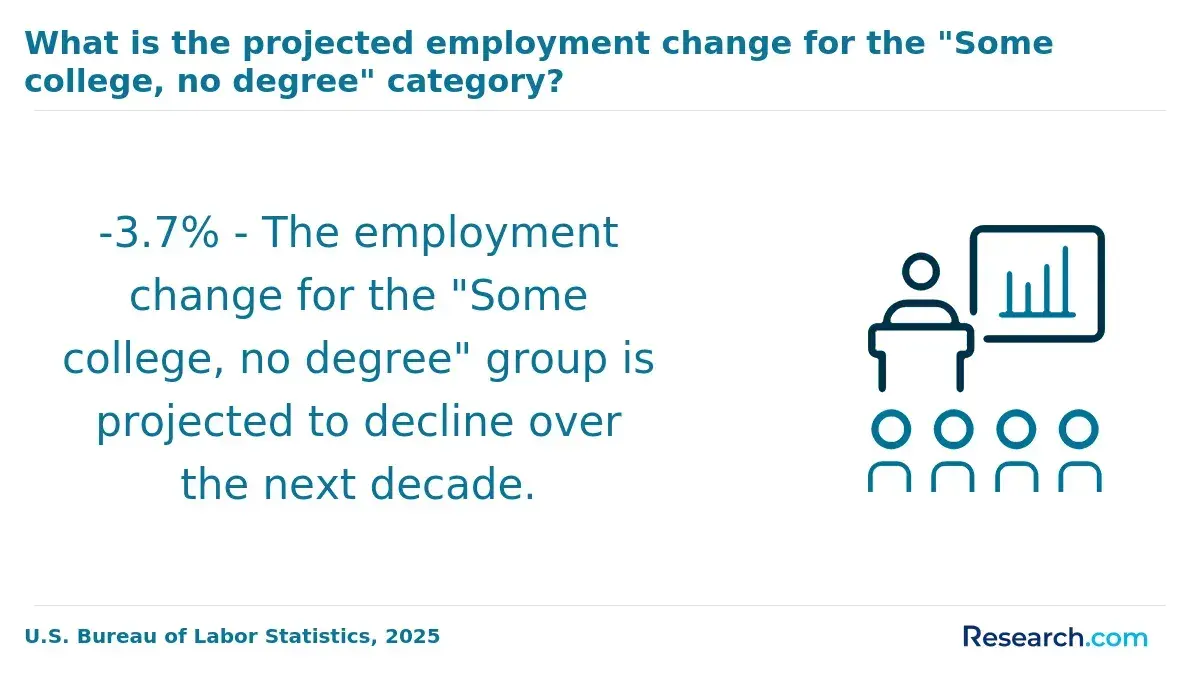
Financial aid plays a vital role for working adults enrolled in art history programs by easing the strain of juggling job responsibilities, coursework, and personal life. Access to various funding options allows adult learners to invest in their education while maintaining financial stability.
Here are some common financial aid avenues designed to assist adults pursuing an art history degree:
- Federal Aid: Through the FAFSA, students may qualify for grants like Pell Grants or low-interest Direct Loans, which provide financial support based on demonstrated need, helping cover tuition costs at accredited schools.
- Employer Tuition Reimbursement: Many companies offer programs that reimburse employees for part or all education expenses, typically contingent on maintaining grades or continuing employment following course completion.
- Adult Learner Scholarships: Various nonprofit groups and private foundations award scholarships tailored specifically for adult students, often taking into account financial need, academic achievement, or the pursuit of majors such as art history.
- Grants: These funds do not require repayment and may come from federal or state agencies, or the institutions themselves, targeting students with special criteria like veteran status or minority backgrounds.
- Flexible Payment Plans: To avoid accumulating debt, some institutions allow tuition to be paid in installments over time, making budgeting easier for those balancing multiple commitments.
When asked about her experience managing finances while completing an art history degree, a professional who balanced full-time work shared how crucial flexible options were in her journey. She recalled that "finding a tuition assistance program through my employer was a game-changer," allowing her to focus more on studies instead of stressing about money. Despite the challenges of time management and deadlines, she emphasized that "having access to scholarships specifically for adult learners gave me extra confidence and relief."
She noted how spreading payments over the semester reduced financial pressure, enabling her to maintain both her job and academic commitments without sacrificing either. Her story highlights how well-structured financial aid can transform the experience of working students pursuing art history degrees.
Adults balancing full-time jobs and personal lives while pursuing an art history degree often encounter significant obstacles in managing their academic responsibilities. Institutional support services are essential in providing adaptable and targeted resources that help these students maintain steady progress and stay motivated.
- Academic Advising: Tailored counseling assists students in organizing their coursework around demanding schedules, helping them meet degree requirements efficiently and avoid unnecessary delays.
- Flexible Scheduling: Offering evening, weekend, and online classes allows students to access education without compromising work or family obligations, making learning more accessible and manageable.
- Online Learning Support: Providing technical help and access to virtual libraries ensures that distance learners can engage effectively with course content, reducing barriers related to remote study.
- Cohort-Based Learning: Facilitating peer groups creates networks of support that enhance motivation and accountability, helping to lessen feelings of isolation among adult students.
- Career Services: Workshops on resume building and internship opportunities connect academic knowledge to career advancement, making the transition from education to professional growth smoother.
Accreditation confirms that art history programs meet established quality standards set by official agencies, ensuring a solid curriculum, qualified faculty, and adequate resources. For working adults, this validation is crucial because employers tend to recognize degrees only from accredited schools, which can influence job prospects and promotions.
Additionally, accreditation often determines eligibility for federal and state financial aid, making education more affordable for professionals balancing work and study. Studies show that more than 40% of graduate students are aged 30 or older, highlighting the growing demand for accredited, flexible programs tailored to adult learners.
The long-term value of an art history degree is significantly shaped by accreditation status. Credits earned from accredited programs are typically transferable, allowing students to continue their education without losing progress.
Accreditation may also be necessary for professional licenses or certifications related to art history and its allied fields, supporting career growth. This recognition boosts a degree's credibility, helping graduates secure positions in academia, curatorial work, or education where verified credentials are essential.
Salary growth is a significant motivator for working adults considering an Art History degree, with typical annual earnings ranging from $45,000 to $75,000 depending on the job and experience. For many professionals, understanding how an Art History degree impacts salary growth is crucial when balancing education with full-time employment and career goals.
- Industry Demand: Employment opportunities in museums, galleries, and cultural organizations directly affect salary potential. Competitive sectors tend to offer higher pay, especially where specialized knowledge is valued.
- Role Advancement: Salary increases often accompany career progression into roles such as curators, art directors, or educators who utilize their Art History degree to advance professionally. These positions typically require proven expertise and leadership skills.
- Employer Policies: Some organizations prioritize advanced degrees for promotions and salary raises, meaning the value of an Art History degree can vary depending on institutional practices and recognition of credentials.
- Years of Experience: Experience enhances salary growth by deepening expertise, with many working adults seeing incremental increases as they develop professionally over time.
- Specialization: Focusing on in-demand niches such as digital curation or art conservation can significantly improve earning prospects by meeting specific market needs.
Working adults seeking to maximize the impact of an Art History degree on career advancement should consider these factors carefully. For those looking into flexible and accredited degree options that align with full-time employment, exploring the cheapest edd programs can provide insights into affordable educational pathways.
Ultimately, salary growth with an Art History degree depends on aligning education with industry demand and professional goals, making the decision a strategic part of long-term career planning focused on art history degree salary growth for working adults and the impact of art history education on adult career advancement.
An art history degree enables working adults to qualify for higher-level, more specialized, or leadership-oriented roles beyond entry-level positions. This degree cultivates critical thinking, research, and analytical skills while deepening cultural knowledge, which supports career advancement in diverse professional settings.
Common upward-mobility careers for experienced professionals with an art history degree include:
- Curator: Leading museum or gallery collections, curators develop exhibitions and manage acquisitions. This role demands expertise in art periods and public engagement, with advanced art history knowledge guiding informed curation and educational outreach.
- Museum Director: Overseeing an institution's administration, fundraising, and strategic goals, directors require leadership skills enhanced by strong art history understanding, preparing them for complex operational responsibilities.
- Art Conservator: Specialists who preserve and restore artworks must understand materials and history to maintain authenticity. This technical role relies on advanced academic training paired with practical skills.
- Art Educator or Program Coordinator: Designing museum or university educational programs involves curriculum development and community engagement, where an art history degree aids in creating informed content that connects diverse audiences to art themes.
- Art Consultant: Advising collectors or businesses on acquisitions and investments demands market awareness and historical insight, combining professional experience with art history expertise to guide valuable decisions.
Working adults seeking flexible, accredited degrees can explore programs at affordable institutions to balance career growth and education. For guidance on affordable options that fit full-time employment schedules, consider exploring online colleges offering tailored pathways for adult learners.
These advanced roles highlight the variety of job opportunities with an art history degree designed to meet the needs of working adults aiming to elevate their careers strategically.
What Graduates Say About Their Art History Degrees for Working Adults
- Kian: "Choosing an online art history degree while working full-time was a game-changer for me. The flexibility allowed me to manage work and study without overwhelming stress, and the average cost of around $20,000 made it a worthy investment. Since graduating, I've noticed a remarkable boost in my confidence and credibility when discussing art projects at work."
- Leonard: "Balancing a part-time art history degree with my career was challenging but rewarding. I was initially concerned about the cost, which hovered near $18,000, but the ability to learn at my own pace made it justifiable. Completing the program enabled me to transition into a role that better aligns with my passion for cultural heritage."
- David: "Enrolling in an art history degree online while maintaining my job was a professional decision grounded in growth. Despite the cost of approximately $22,000, I viewed it as a strategic move to enhance my expertise. The degree has since opened doors to more advanced positions within the museum sector."
Other Things You Should Know About Art History Degrees
Yes, many accredited universities offer fully online art history degree programs tailored for working adults. These programs often provide asynchronous coursework, allowing students to study on their own schedules without attending live classes. This flexibility helps adult learners balance work, family, and education.
For working adults enrolling in art history degree programs in 2027, prerequisites often include a high school diploma or equivalent. Some programs may also prefer or require prior coursework in art or humanities, but requirements can vary by institution.
A bachelor’s degree in art history usually requires 120 semester credits, including general education, core art history courses, and electives. Transfer students often need fewer remaining credits if their prior coursework matches the program’s degree plan and accreditation standards.
- Art History https://www.bbk.ac.uk/courses/postgraduate/art-history
- Grants - For Art History https://forarthistory.org.uk/grants/
- FAQ https://www.ru.ac.za/fineart/faq/
- Find your perfect Art History online tutor https://www.gostudent.org/en-gb/online-tutoring/art-history/
- Art History https://ucalgary.ca/future-students/undergraduate/explore-programs/art-history
- Art History Link-Up | Art History is for Everyone https://www.arthistorylinkup.org/
- Scholarships & Grants | New York Academy of Art Financial Assistance https://nyaa.edu/admissions/scholarships-and-grants/
- History of Art | University College Cork https://www.ucc.ie/en/ck101/historyart/
- The Art Institute https://www.theartinstitute.co.uk/us/en/blog-art-history-graduates-1
- Do Art History Majors Really Face the Worst Job Prospects of Any Profession? https://news.artnet.com/art-world/art-history-majors-job-prospects-2511339